
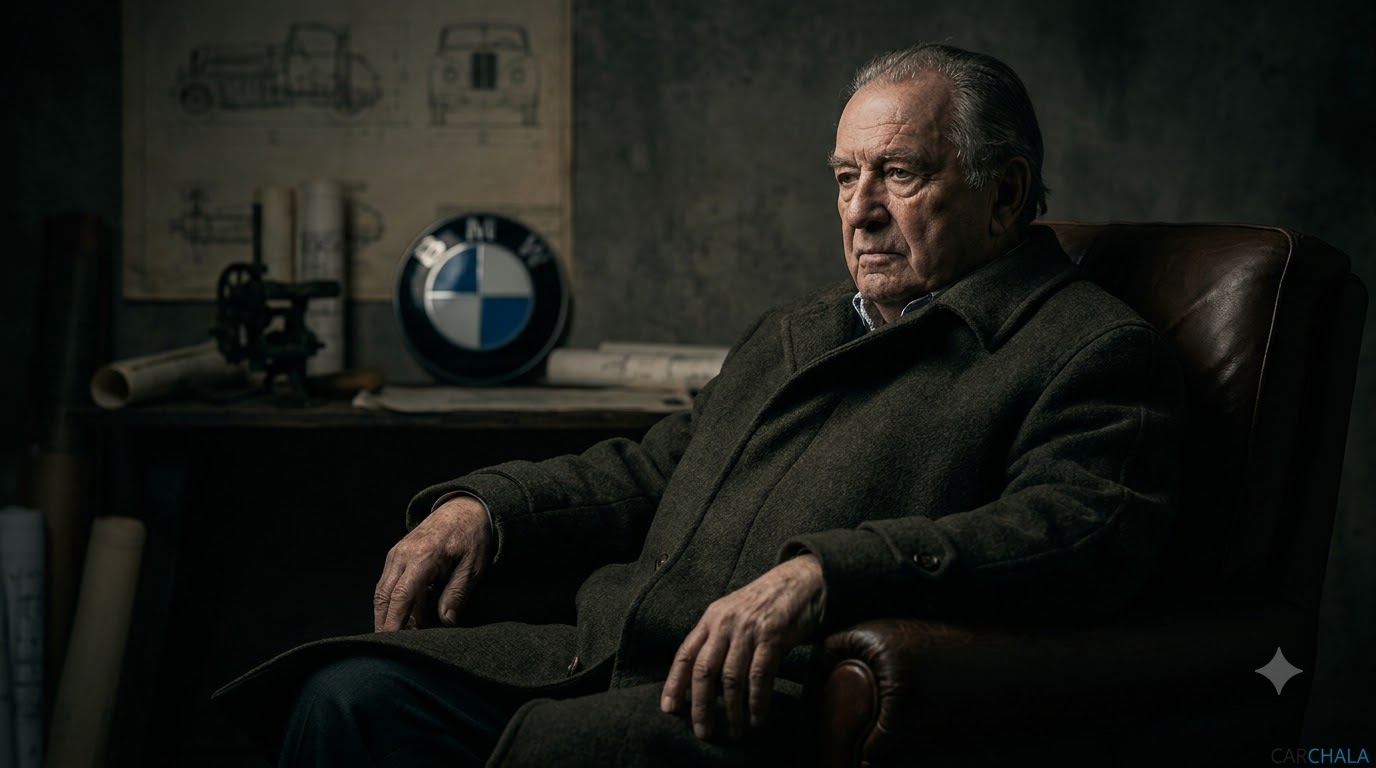
Bayerische Motoren Werke. Bavarian Motor Works. For over a century, these three words have represented the absolute pinnacle of driving dynamics. While other luxury brands focused on opulence, isolation, and chauffeur-driven comfort, BMW carved a distinct, uncompromising path. They built machines for the driver. They engineered vehicles where the connection between man, machine, and the asphalt was sacred. From building engines that dominated the skies of early aviation to engineering the "Ultimate Driving Machine," the story of BMW is a relentless pursuit of performance, precision, and engineering supremacy.
Airborne Origins: From the Skies to the Streets
The story of BMW does not begin on the race track, but in the clouds. In 1916, during the throes of World War I, Rapp Motorenwerke, a struggling German aircraft engine manufacturer, was reorganized and eventually renamed Bayerische Motoren Werke (BMW). Under the brilliant engineering leadership of Max Friz, BMW developed the IIIa aircraft engine. This inline-six engine was a masterpiece of its time, renowned for its exceptional performance at high altitudes, and it firmly established BMW’s reputation for engineering excellence.
The iconic BMW roundel logo—a black ring encircling quarters of blue and white—was created during this era. While a popular myth suggests the logo represents a spinning airplane propeller against a blue sky, it is actually a tribute to the flag of the State of Bavaria, flipped to comply with trademark laws of the time.
Following the end of WWI, the Treaty of Versailles banned Germany from producing aircraft engines. BMW was forced to pivot to survive. They briefly manufactured railway brakes and household items before finding their true calling on the ground. In 1923, BMW released the R32, their first motorcycle, featuring a revolutionary flat-twin "boxer" engine and shaft drive—a configuration BMW Motorrad still uses to great effect today.
"We don't just build cars. We build the Ultimate Driving Machine."
The Birth of the Driver's Car: The 328 and the New Class
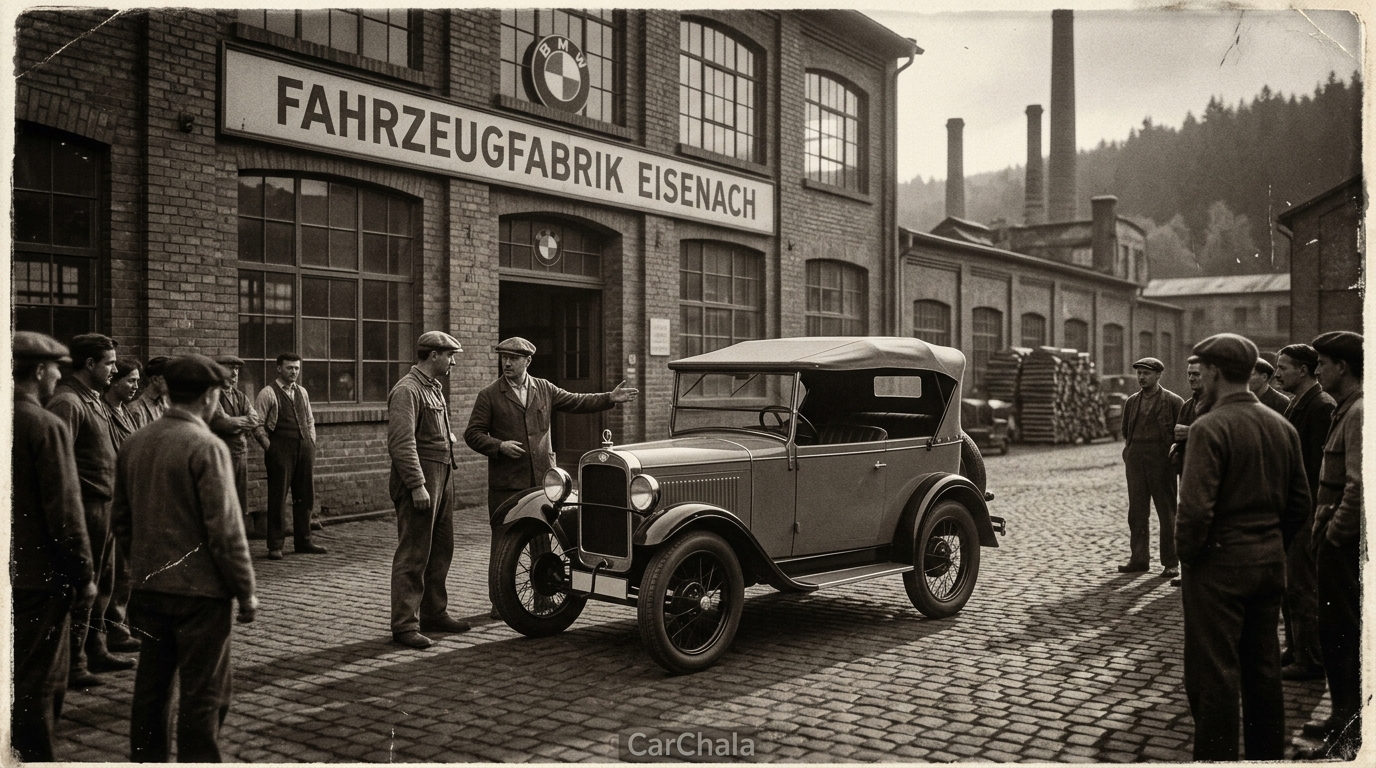
BMW entered the automobile business in 1928 by acquiring Automobilwerk Eisenach, which was manufacturing the "Dixi," a licensed version of the humble British Austin 7. However, BMW quickly began developing their own designs. The defining moment of their pre-war automotive history came in 1936 with the launch of the BMW 328.
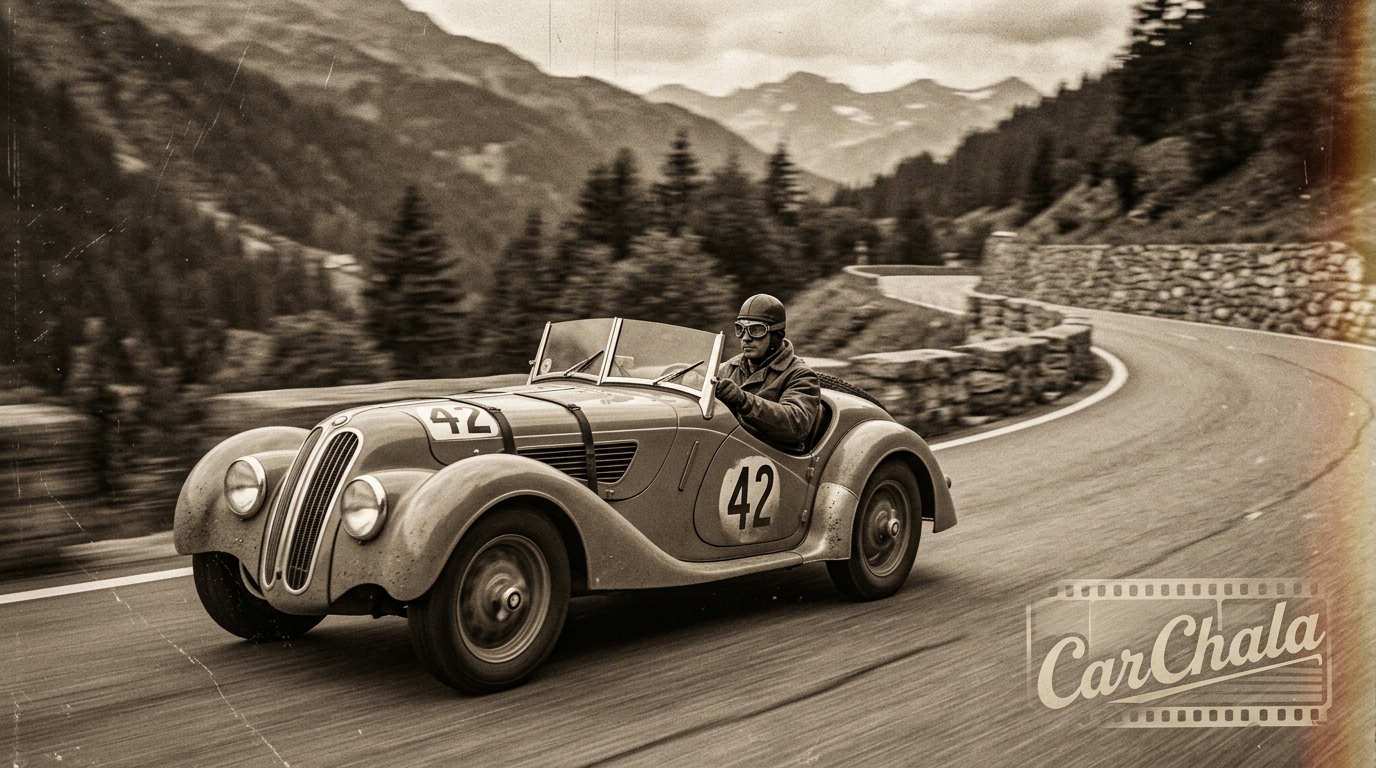
The 328 was a stunning, lightweight sports car powered by a technically advanced 2.0-liter inline-six engine. It dominated European motor racing, famously winning its class at the grueling Mille Miglia in 1938. The 328 established the fundamental DNA of BMW: lightweight construction, aerodynamic design, and the smooth, powerful inline-six engine.
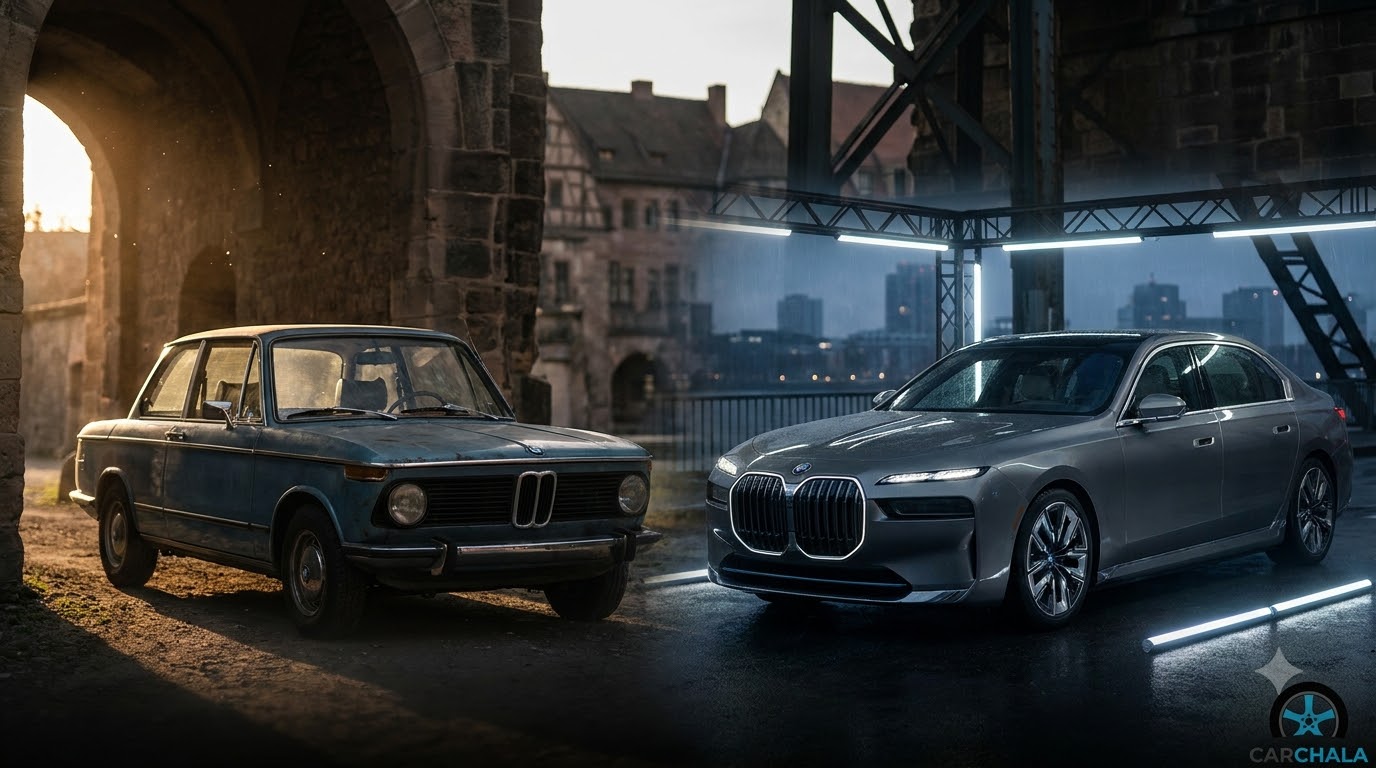
Following the devastation of World War II, BMW faced a severe existential crisis. By the late 1950s, the company was near bankruptcy, producing expensive, outdated luxury cars (the "Baroque Angels") and tiny, unprofitable bubble cars like the Isetta. A hostile takeover by arch-rival Mercedes-Benz loomed large.
Salvation came in 1961 with the introduction of the "Neue Klasse" (New Class). Specifically, the BMW 1500. It was a compact, sporty, meticulously engineered four-door sedan. It featured independent suspension, front disc brakes, and a rev-happy four-cylinder engine. The New Class was a massive commercial success, rescuing the company from financial ruin and creating an entirely new automotive segment: the modern sports sedan.
The Foundation
Rapp Motorenwerke is restructured into Bayerische Motoren Werke (BMW). The company initially focuses on building highly advanced aircraft engines for the German military.
Two-Wheeled Innovation
Forbidden from building aircraft engines post-WWI, BMW launches the R32 motorcycle, introducing the iconic boxer engine and shaft drive layout.
Entering the Auto Industry
BMW acquires Automobilwerk Eisenach and begins producing the Dixi, its first automobile, marking the transition from aviation and motorcycles to cars.
The Legendary 328
BMW introduces the 328 sports car. With its lightweight chassis and advanced inline-six engine, it dominates European motorsport and establishes BMWs racing pedigree.
The Savior: The New Class
Facing bankruptcy, BMW unveils the 1500 Neue Klasse sedan. It is a massive success, saving the company and defining the modern sports sedan segment.
The Birth of M
BMW Motorsport GmbH (BMW M) is established to facilitate the companys racing program. It quickly evolves to produce some of the greatest high-performance road cars in history.
The X5 Changes the Game
BMW launches the X5. Defying purists, they dub it a Sports Activity Vehicle (SAV), proving that an SUV can possess the handling and dynamics of a sports sedan.
The i Revolution
BMW launches the i sub-brand with the radical i3 city car and the stunning i8 plug-in hybrid sports car, pioneering the use of carbon-fiber-reinforced plastic (CFRP) in mass production.
Neue Klasse Dawn
BMW solidifies its luxury EV dominance in India with the robust i-series line-up, blending sheer driving pleasure with zero emissions.
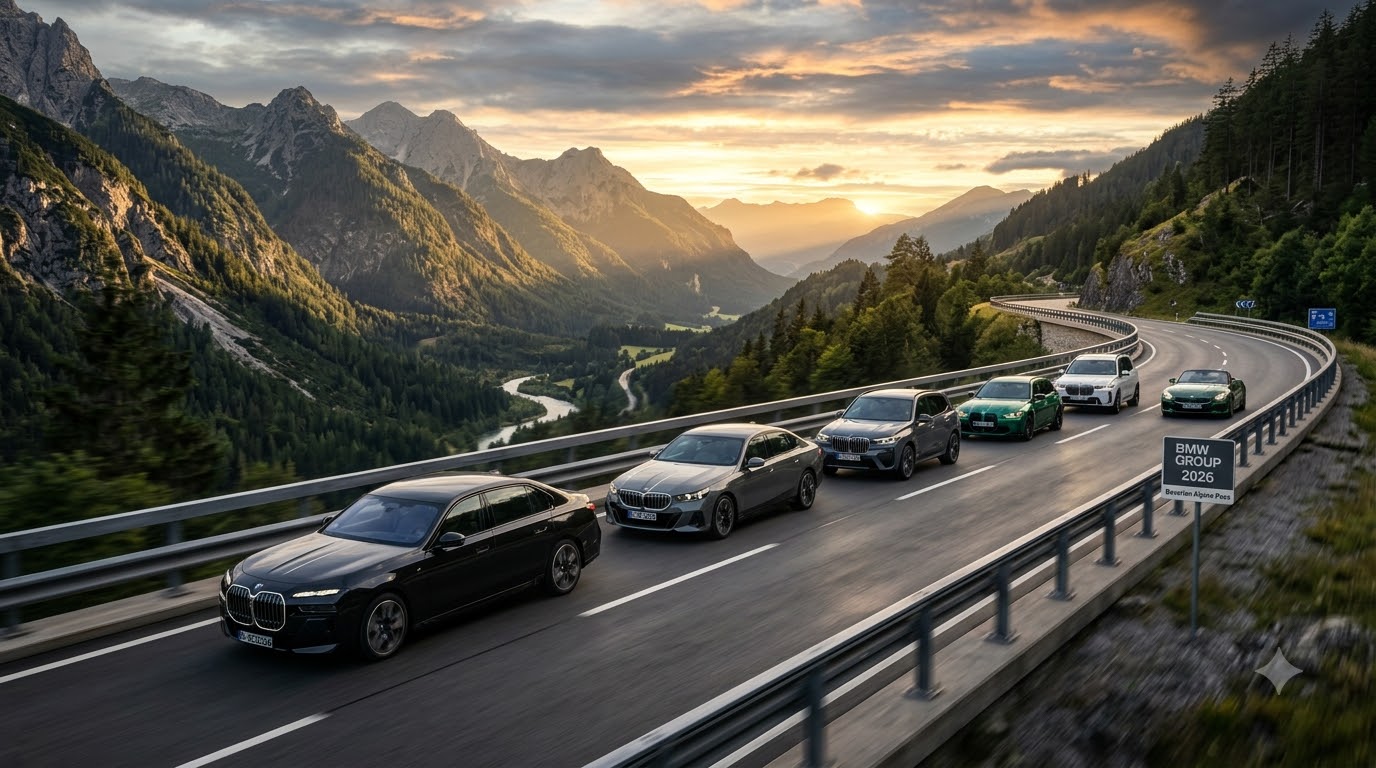
The Neue Klasse Arrives
The highly anticipated 'Neue Klasse' architecture officially hits Indian shores, bringing revolutionary battery technology and minimalist digital interiors.
The M Division: The Most Powerful Letter in the World
In 1972, to manage their highly successful but rapidly expanding racing programs, BMW established a dedicated subsidiary: BMW Motorsport GmbH. Originally, it consisted of just 35 employees. Today, the stylized "M" accompanied by the three stripes (light blue, dark blue, and red) is arguably the most revered badge in the automotive world.
The M division’s first project was the spectacular 3.0 CSL (Coupe Sport Leichtbau), which utterly dominated the European Touring Car Championship. But M’s true cultural impact was felt on the streets. In 1978, they released the mid-engined M1 supercar.
However, the real revolution occurred when M engineers started applying their motorsport wizardry to standard BMW sedans. The E28 M5, launched in 1984, hid a genuine supercar engine inside a practical four-door body. Then came the legendary E30 M3 in 1986. Originally built as a homologation special for touring car racing, the high-revving, box-flared E30 M3 became the benchmark for handling, balance, and pure driving joy—a benchmark that many argue has never been surpassed.
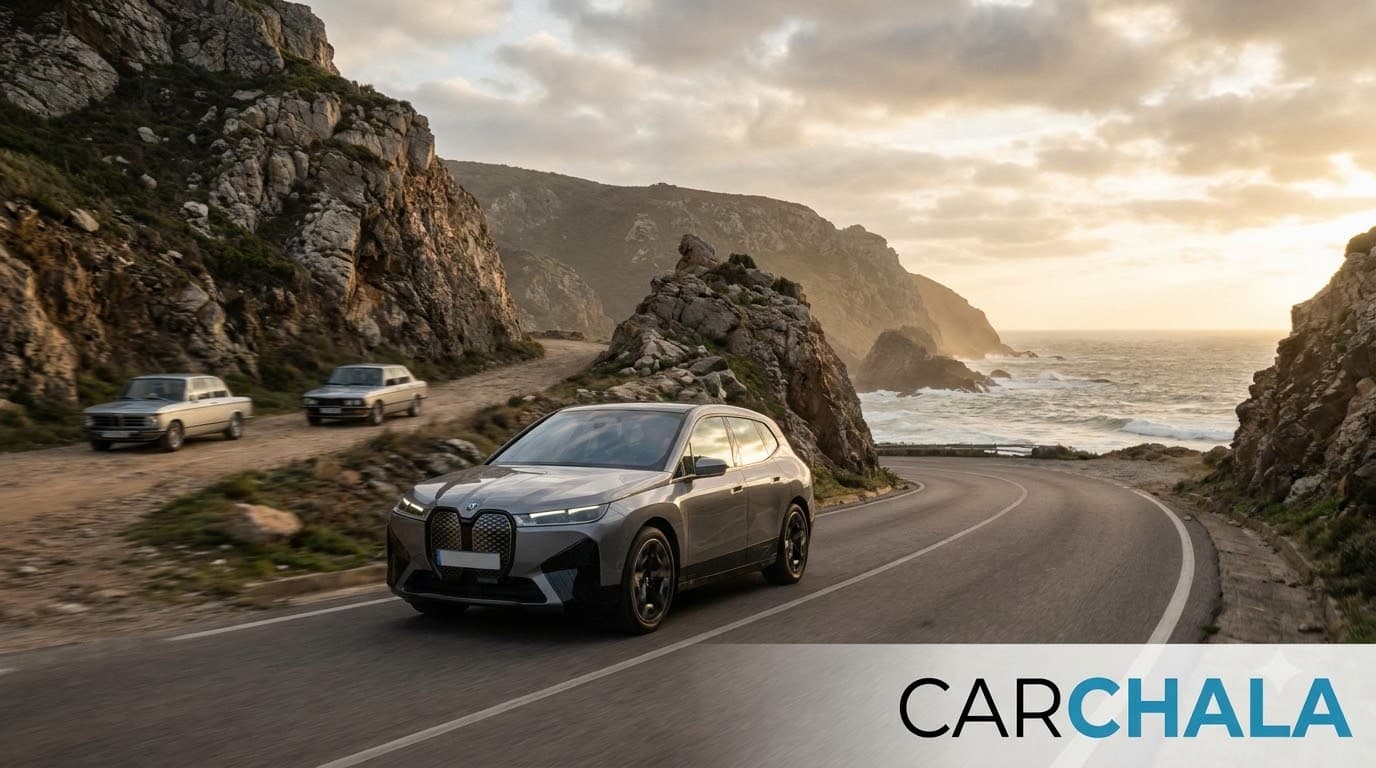
The legendary BMW E30 M3: A motorsport homologation special that redefined the sports car and cemented the legacy of the M Division.
Modern Era: Expansion, i-Brand, and the Neue Klasse
In the late 1990s and 2000s, BMW aggressively expanded its portfolio. They made a bold, controversial move into the SUV market with the X5 in 1999. By focusing on on-road dynamics rather than off-road utility, they created the "Sports Activity Vehicle," proving that a heavy, tall vehicle could still drive like a BMW. They also acquired the British Rover Group, eventually selling off most of it but brilliantly retaining and revitalizing the MINI and Rolls-Royce brands.
Recognizing the urgent need for sustainable mobility, BMW took a massive, expensive gamble in 2013 by launching the "i" sub-brand. The i3 city car and the jaw-dropping i8 hybrid sports car were technological marvels, featuring passenger cells constructed entirely from carbon-fiber-reinforced plastic (CFRP) to offset battery weight. While sales were modest, the "i" project provided BMW with invaluable expertise in electrification and advanced materials.
Today, BMW is navigating the complex transition to full electrification. Rather than building completely separate electric platforms, they have utilized flexible architectures that allow models like the 4 Series and 7 Series to be offered with combustion, hybrid, or fully electric (i4, i7) drivetrains.
Looking to the future, BMW is preparing to launch a revolutionary new dedicated EV architecture, reviving the historic "Neue Klasse" nameplate for a new era. Promising advanced cylindrical battery cells, massive increases in range and charging speed, and a radical new digital interface, the new Neue Klasse aims to do exactly what its namesake did in 1961: reinvent BMW for the future. Through world wars, financial crises, and technological upheavals, BMW’s core philosophy remains unshakeable. They remain fiercely dedicated to the joy of driving, continuously engineering the ultimate driving machine for a new generation.