To speak of Mercedes-Benz is to speak of the genesis of the automobile itself. This is not merely a brand; it is the foundational pillar upon which the entire global automotive industry was built. For over a century, the three-pointed star has served as the universal symbol for engineering supremacy, relentless innovation, and uncompromised luxury. The story of Mercedes-Benz is the story of human ambition—the relentless drive to move faster, safer, and with unparalleled elegance.
1886: The Birth of the Automobile
The legend begins not with a corporation, but with two brilliant, independent minds working a mere 60 miles apart in Germany, unaware of each other's progress.
In January 1886, Carl Benz, an engineer from Mannheim, patented his "vehicle with gas engine drive"—a three-wheeled Motorwagen that is universally recognized as the world's first true automobile. Meanwhile, in Stuttgart, Gottlieb Daimler and his chief engineer Wilhelm Maybach were busy attaching their high-speed, lightweight internal combustion engine to a four-wheeled stagecoach, creating the first four-wheeled automobile.
The name "Mercedes" arrived slightly later, courtesy of Emil Jellinek, an Austrian diplomat and racing enthusiast. Jellinek began racing Daimler's vehicles and aggressively marketing them to European high society. He named his fleet after his beloved daughter, Mercédès. The cars were so spectacularly successful on the Riviera racing circuits that the name was legally registered as a trademark in 1902.
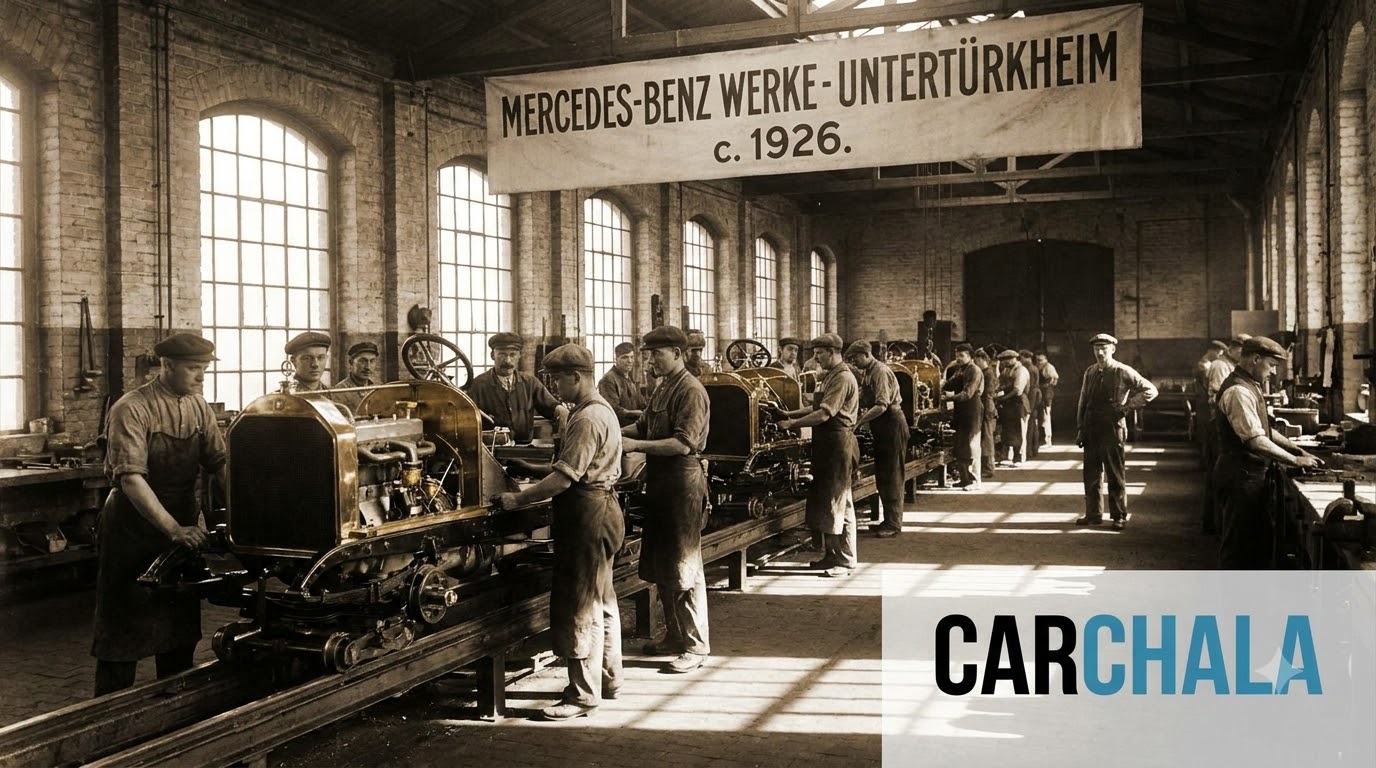
In 1926, the aftermath of World War I and a crippling German economic depression forced a historic consolidation. The companies founded by Benz and Daimler merged to form Daimler-Benz AG. From that moment, the Mercedes-Benz brand was officially born, uniting Daimler's iconic three-pointed star (symbolizing motorization on land, sea, and air) with the Benz laurel wreath.
"The best or nothing."
Icons of Engineering: The Gullwing and the S-Class
Following the devastation of World War II, during which the company's factories were largely destroyed and repurposed for the war effort, Mercedes-Benz had to rebuild from the ashes. They did so by returning to their core ethos: producing the finest, most advanced vehicles on the planet.
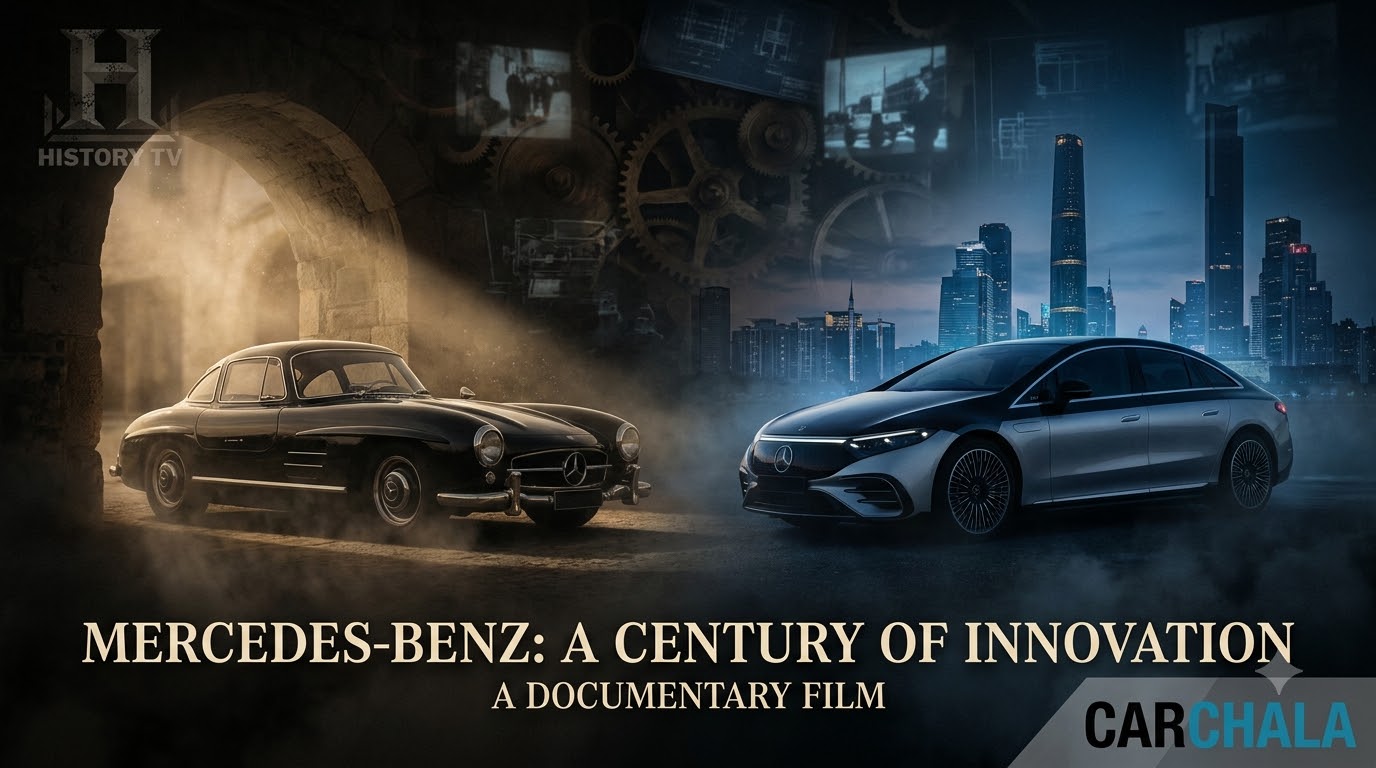
In 1954, the company shocked the world with the 300 SL "Gullwing." Born directly from motorsport dominance, the 300 SL was breathtakingly beautiful and featured revolutionary upward-opening doors. More importantly, it was the first production car to utilize direct fuel injection, making it the fastest production car of its time. The Gullwing re-established Mercedes-Benz as the undisputed king of automotive prestige.
Simultaneously, the brand was pioneering the concept of the ultimate luxury sedan, a lineage that would culminate in the legendary S-Class (Sonderklasse, or "Special Class"). For decades, the S-Class has served as the automotive industry's technological crystal ball. Features that are now standard on economy cars—such as ABS (Anti-lock Braking System), ESP (Electronic Stability Program), and pre-tensioning seatbelts—were almost all pioneered, perfected, and introduced to the world on the S-Class.
The Invention of the Automobile
Carl Benz patents the three-wheeled Motorwagen, officially creating the worlds first gasoline-powered automobile.
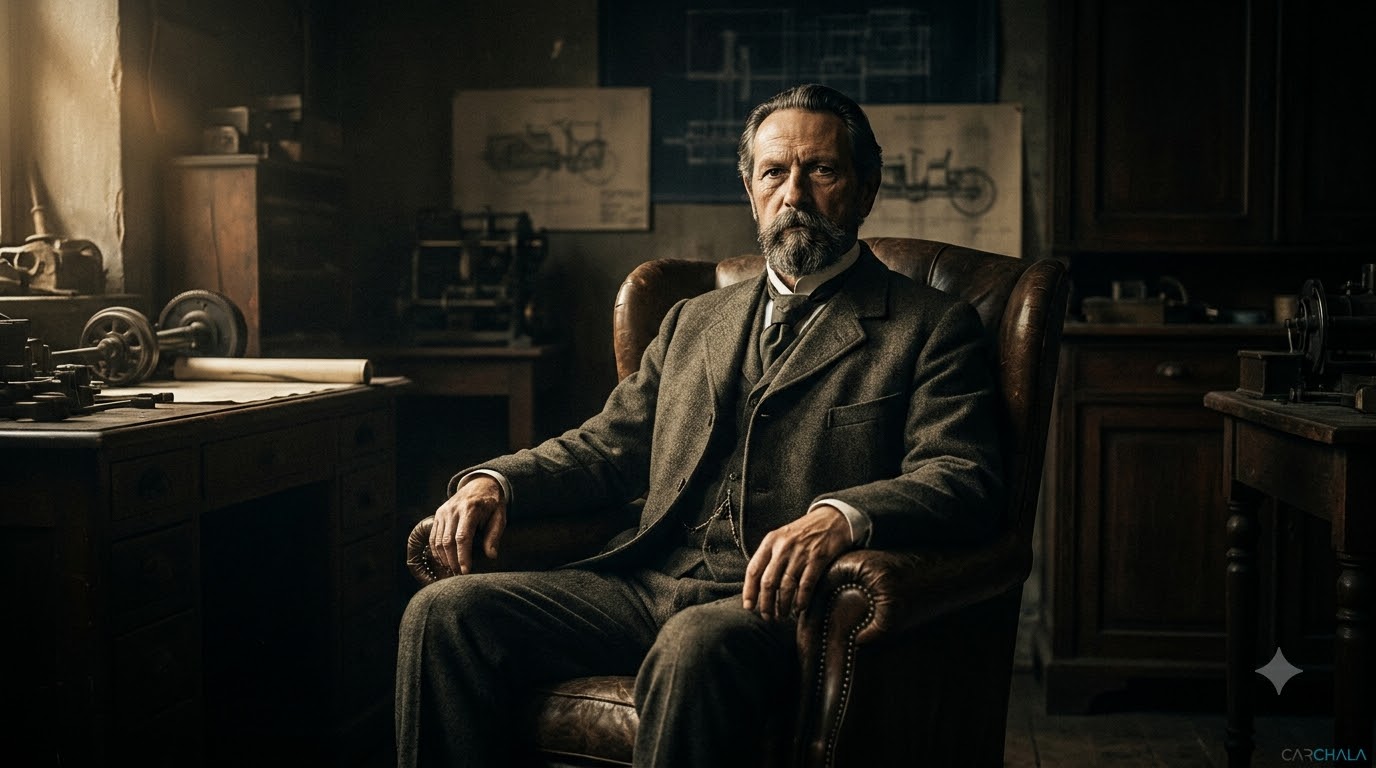
The Mercedes Name is Born
Emil Jellinek registers the name Mercedes (after his daughter) as a trademark for the highly successful Daimler racing vehicles.
The Historic Merger
Facing economic hardship, the companies of Benz and Daimler merge to form Daimler-Benz AG, officially launching the Mercedes-Benz brand.
The 300 SL Gullwing
The brand launches the iconic 300 SL, the first production car with fuel injection and stunning upward-opening doors, cementing its luxury dominance.
Pioneering Automotive Safety
Mercedes-Benz introduces the Anti-lock Braking System (ABS) on the S-Class, setting a new global standard for vehicle safety technology.
The Chrysler Merger
Daimler-Benz merges with American automaker Chrysler in a massive global deal, an era marked by cultural clashes that eventually ended in 2007.
The EQS Defines Electric Luxury
Mercedes-Benz launches the EQS, the all-electric equivalent of the S-Class, featuring a massive hyperscreen and record-breaking aerodynamics.
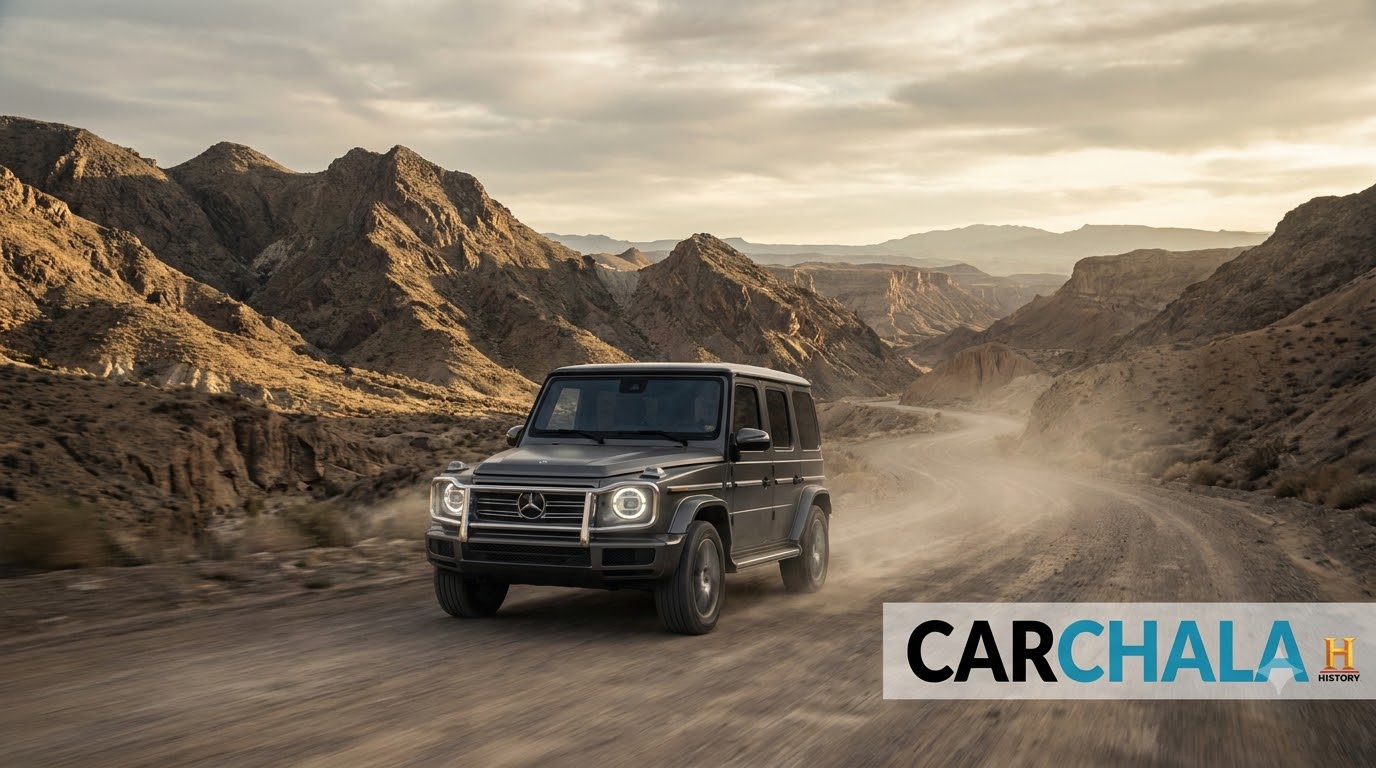
The Electric G-Class
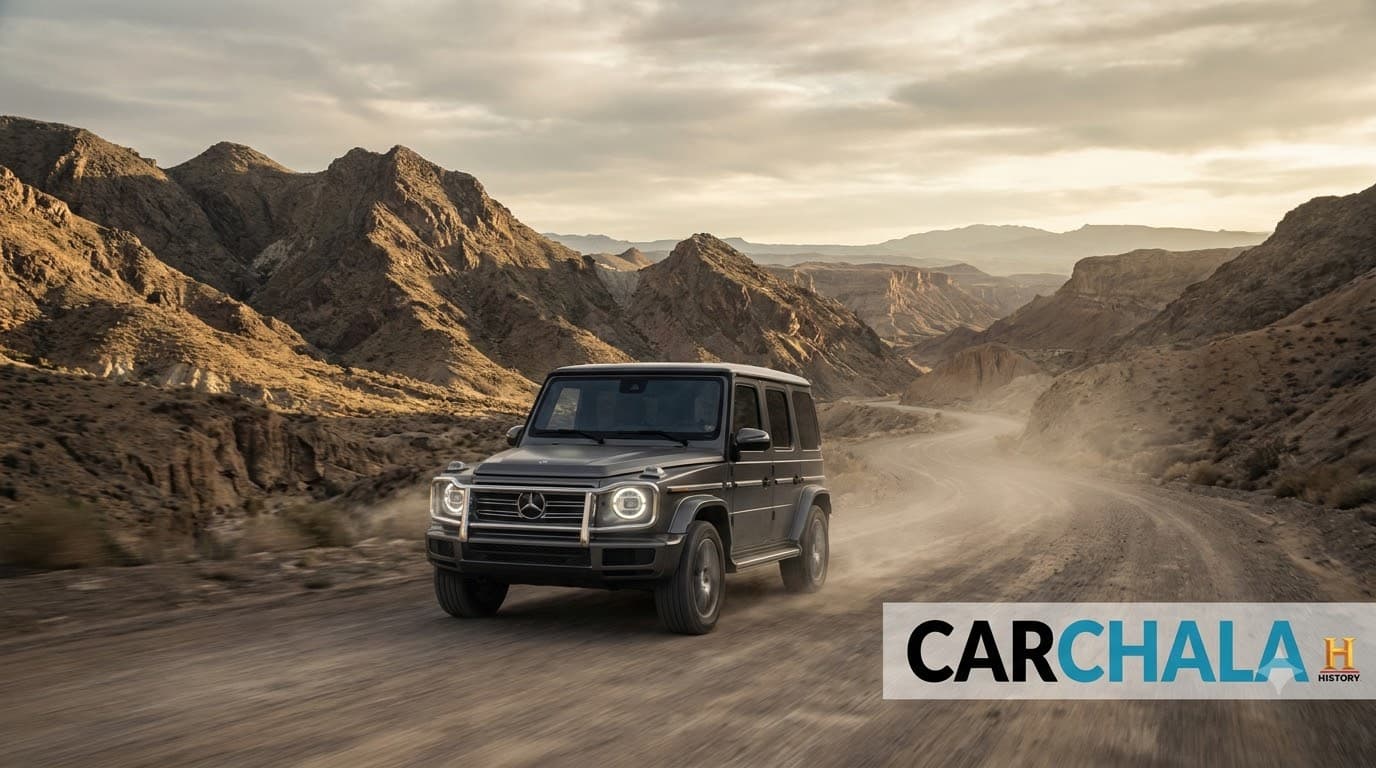
The iconic, rugged G-Wagon is electrified with the introduction of the G 580 with EQ Technology, proving that extreme capability and EVs can coexist.
EQ Dominance
Mercedes-Benz leads the Indian luxury EV segment with a massive portfolio of localized EQ models, from the EQA to the EQS.
The MMA Architecture
Mercedes is expected to bring its MMA (Mercedes Modular Architecture) to India, introducing highly efficient, long-range entry-luxury EVs.
Crises and Corporate Restructuring
The journey of the three-pointed star has not been without its turbulence. The late 1990s and early 2000s were marked by strategic missteps. The highly publicized 1997 "elk test" failure of the new compact A-Class temporarily damaged the brand's impeccable reputation for safety and engineering stability.
More significantly, the 1998 "merger of equals" with American automaker Chrysler proved to be a colossal miscalculation. The cultural clash between the methodical German engineering approach and the American mass-market mentality was severe. The merger distracted Mercedes-Benz from its core luxury focus, leading to a dip in quality and reliability. In 2007, Daimler finally dissolved the partnership, absorbing massive financial losses but freeing the brand to refocus on its premium heritage.
The Modern Era: The Best or Nothing in the Electric Age
Today, Mercedes-Benz is navigating the most profound transformation since Carl Benz fired up his first engine. The company has committed tens of billions of euros to a singular, uncompromising goal: an all-electric, software-driven future.
The brand's electric assault is staggering in its scale and ambition. Rather than merely converting existing gas cars, Mercedes-Benz has developed dedicated, ground-up electric architectures (like the MB.EA platform).
The Mercedes-Benz EQS sedan, merging aerodynamic perfection with an all-electric powertrain to redefine the luxury flagship.
Software and Zero Emissions
The spearhead of this new era is the EQS, the all-electric equivalent of the S-Class. With a hyper-aerodynamic "bow" design, it slices through the air to maximize range and silence. Inside, it introduced the massive MBUX Hyperscreen, a continuous digital dashboard that signaled the brand's transition from a hardware company to a software and technology giant.
Mercedes-Benz is aggressively electrifying every segment of its vast portfolio. From the compact EQA to the luxurious EQS SUV, and even the high-performance AMG division, electrons are replacing octane. Most recently, the brand proved that electrification doesn't mean compromising on ruggedness by launching the fully electric version of its iconic, boxy G-Class, complete with independent electric motors for each wheel capable of executing 360-degree "G-Turns."
As the inventor of the automobile, Mercedes-Benz bears the heavy responsibility of charting its future. By fusing its unmatched century-old legacy of luxury and safety with cutting-edge battery technology and intelligent software (MB.OS), Mercedes-Benz ensures that the three-pointed star will continue to shine brightly, defining the pinnacle of mobility for generations to come.