
Before it became the ubiquitous presence on Indian roads, Maruti Suzuki was a bold experiment. A state-owned enterprise partnering with a Japanese automotive giant to put a nation on wheels, it is a story of political will, engineering pragmatism, and an enduring understanding of the Indian consumer. The journey of Maruti Suzuki is arguably the most defining narrative of the Indian automotive industry, transforming personal mobility from a luxury for the few to an accessible reality for millions.
The Genesis: A Political Dream and a Japanese Partnership
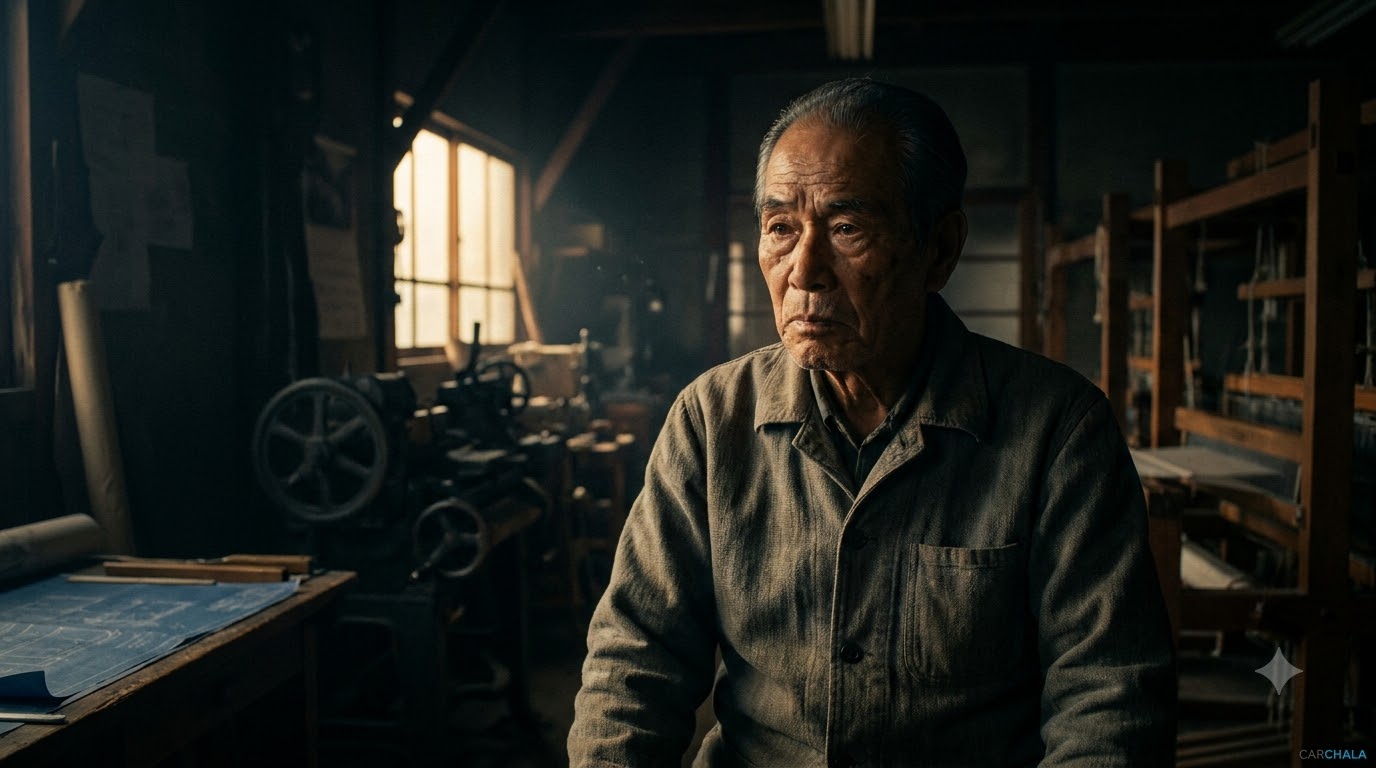
The origins of Maruti Udyog Limited trace back to the early 1970s and the vision of Sanjay Gandhi, who championed the idea of a 'people's car' for India. Initially, the project struggled, facing technological hurdles and political controversies. However, the true turning point arrived in 1982 when the Government of India entered into a joint venture with Suzuki Motor Corporation of Japan.
Suzuki, renowned for its expertise in compact, fuel-efficient vehicles, was the perfect partner for an Indian market that demanded affordability and low running costs. The government held a majority stake, but Suzuki brought the critical manufacturing know-how and work culture that would define the company's future success. This partnership was an unprecedented move, blending Japanese efficiency with Indian aspirations.
"We didn't just bring a car to India; we brought a culture of manufacturing, of efficiency, and of understanding the customer."
The Maruti 800: Motorizing a Nation
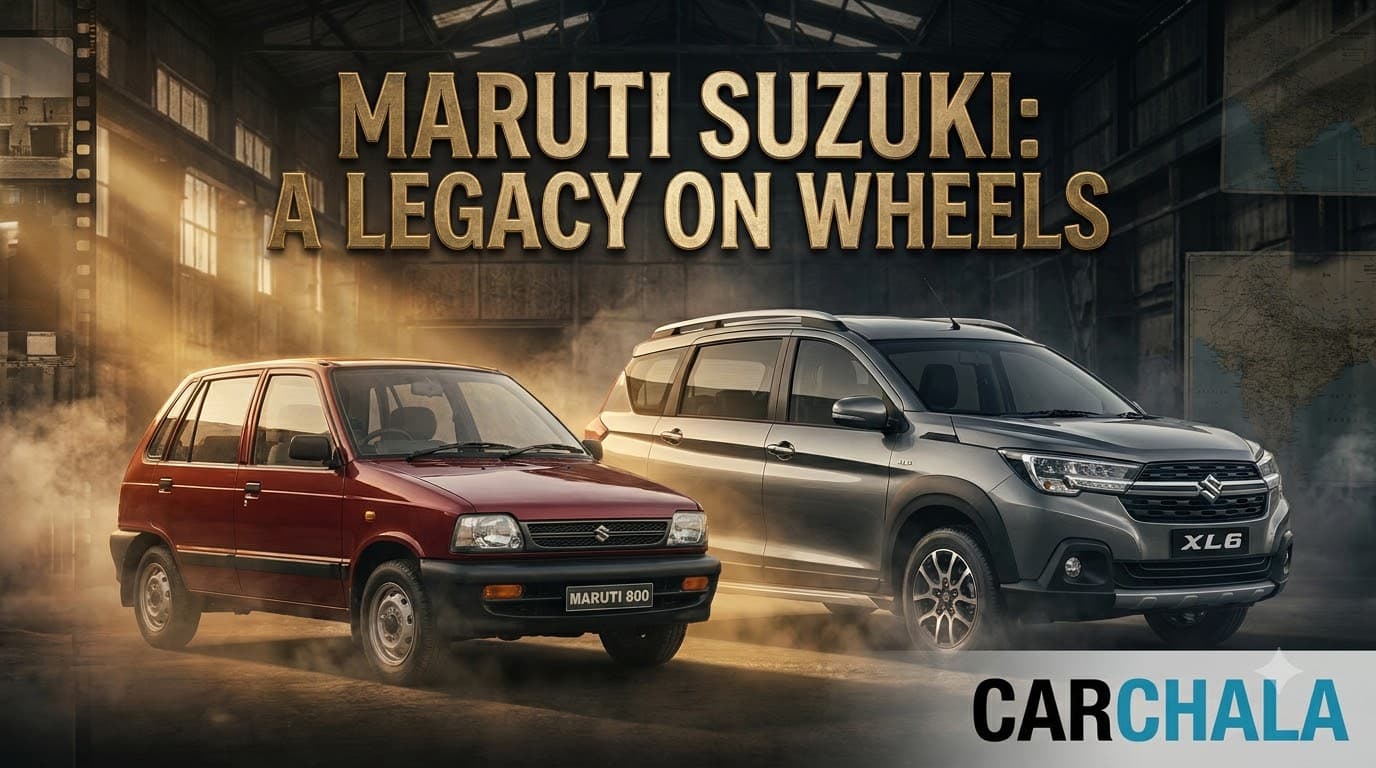
In 1983, the first Maruti 800 rolled off the assembly line in Gurgaon, Haryana. Based on the Suzuki Fronte, it was a revelation. Priced at just ₹47,500, it was significantly cheaper than the archaic Ambassadors and Padminis that ruled the roads. It was also vastly superior in terms of reliability, fuel efficiency, and modernity.
The launch of the Maruti 800 was not just a product launch; it was a socio-cultural event. Keys to the very first car were handed over by Prime Minister Indira Gandhi to Harpal Singh, a Delhi-based customer. The 800 became an instant status symbol for the emerging middle class, a symbol of upward mobility, and the undisputed king of Indian roads for over two decades. It wasn't just a car; it was freedom.
The Foundation
Maruti Udyog Limited is established by the Government of India to fulfill the dream of a mass-produced, affordable peoples car.
The Suzuki Partnership
A historic Joint Venture agreement is signed between the Government of India and Suzuki Motor Corporation of Japan.

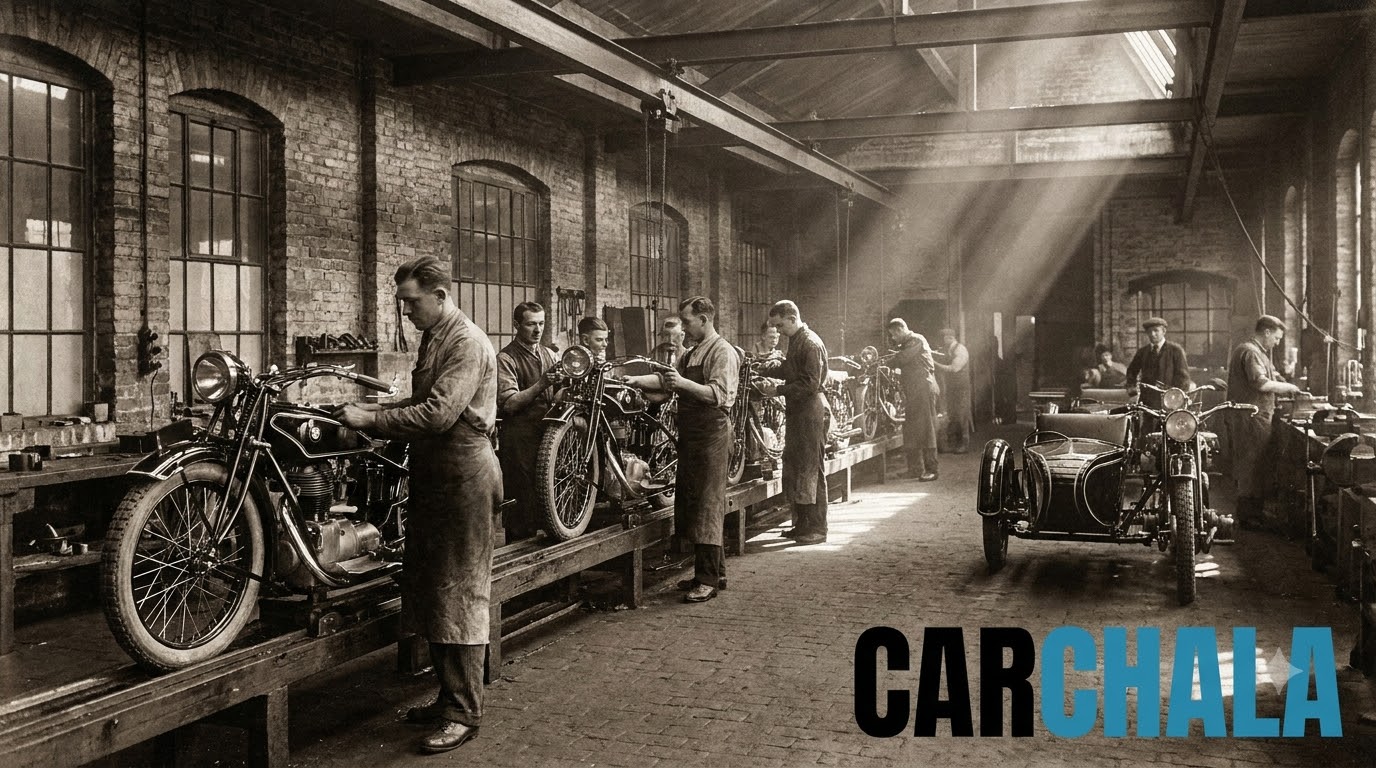
The 800 Rolls Out
The first Maruti 800 is launched, fundamentally transforming personal mobility in India and becoming an instant cultural icon.
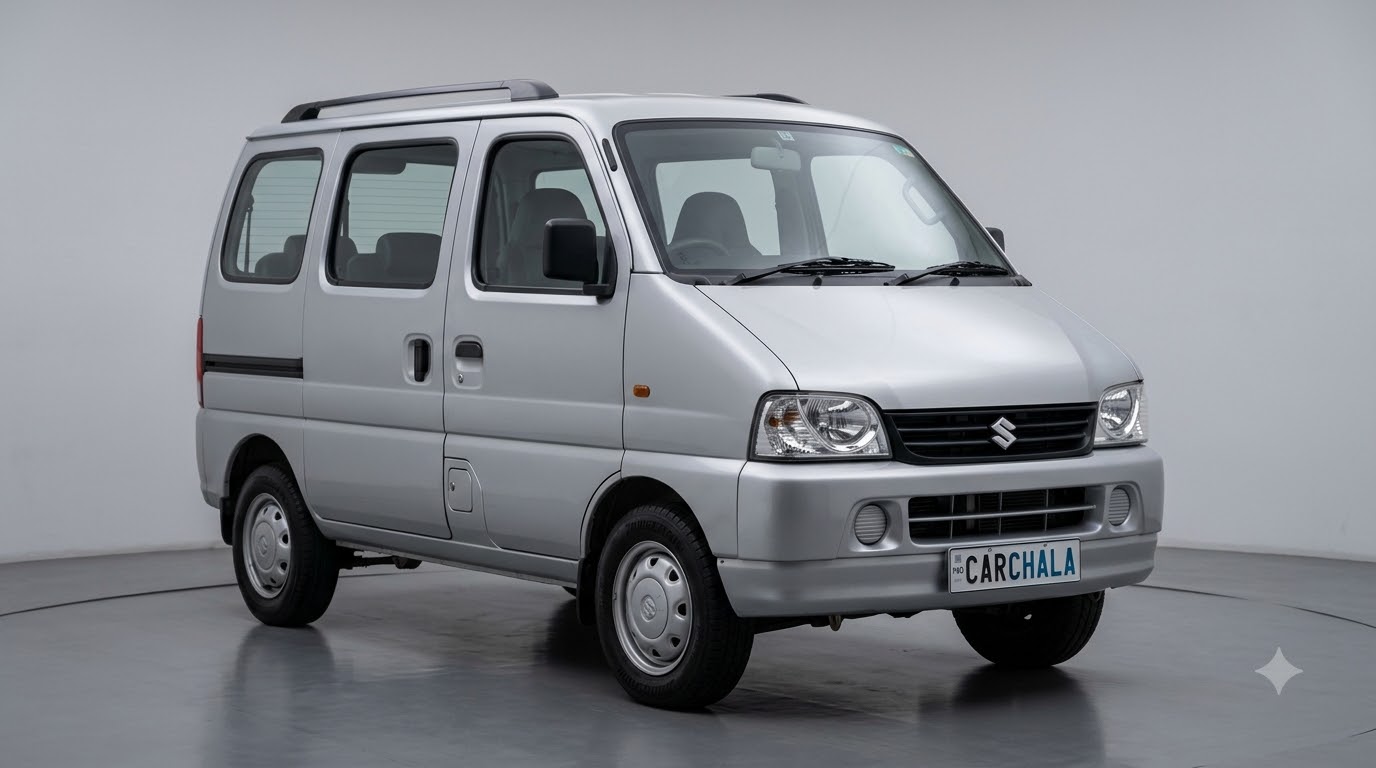
The Omni Arrives
Maruti launches the Omni, a versatile van that becomes the go-to vehicle for large families, businesses, and emergency services.
Entering the Sedan Space
The Maruti 1000 (later the Esteem) is introduced, offering a touch of luxury and establishing Maruti in the premium segment.
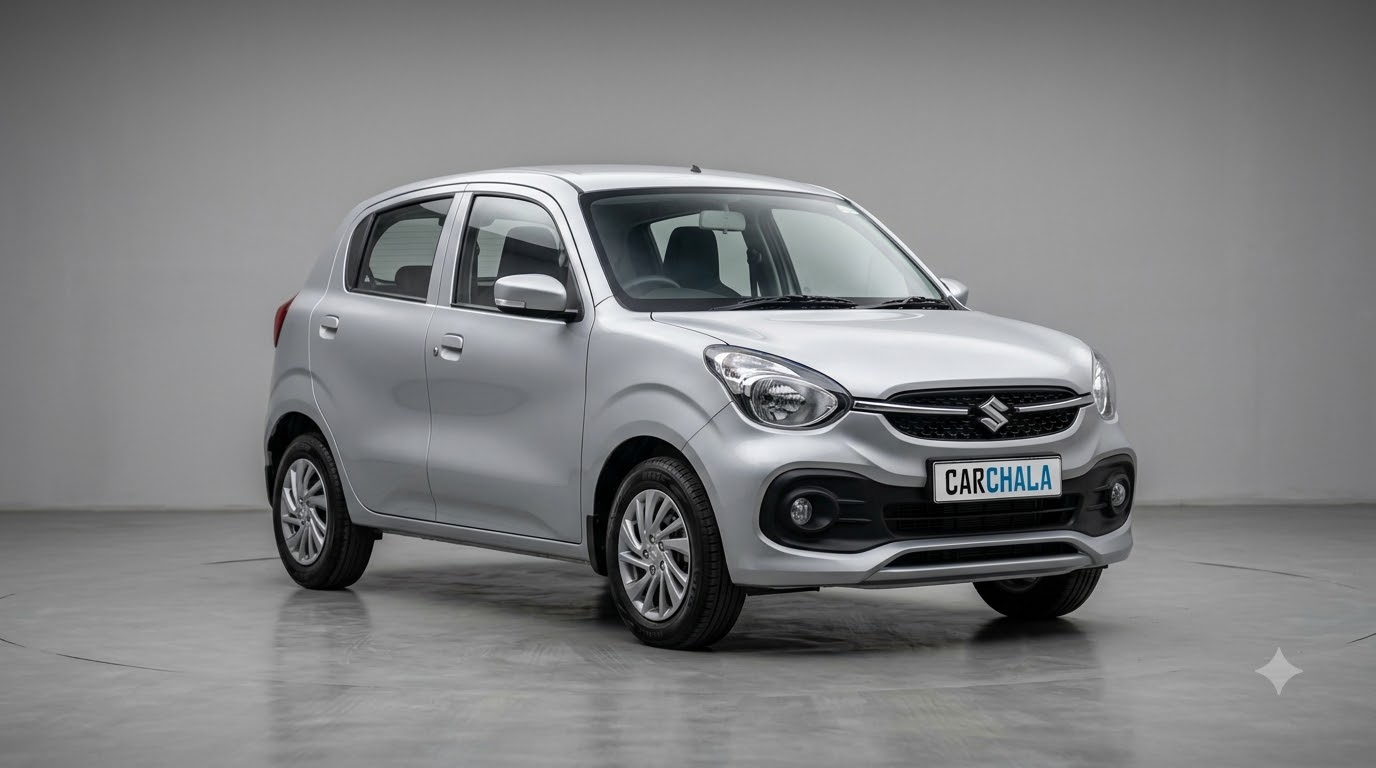
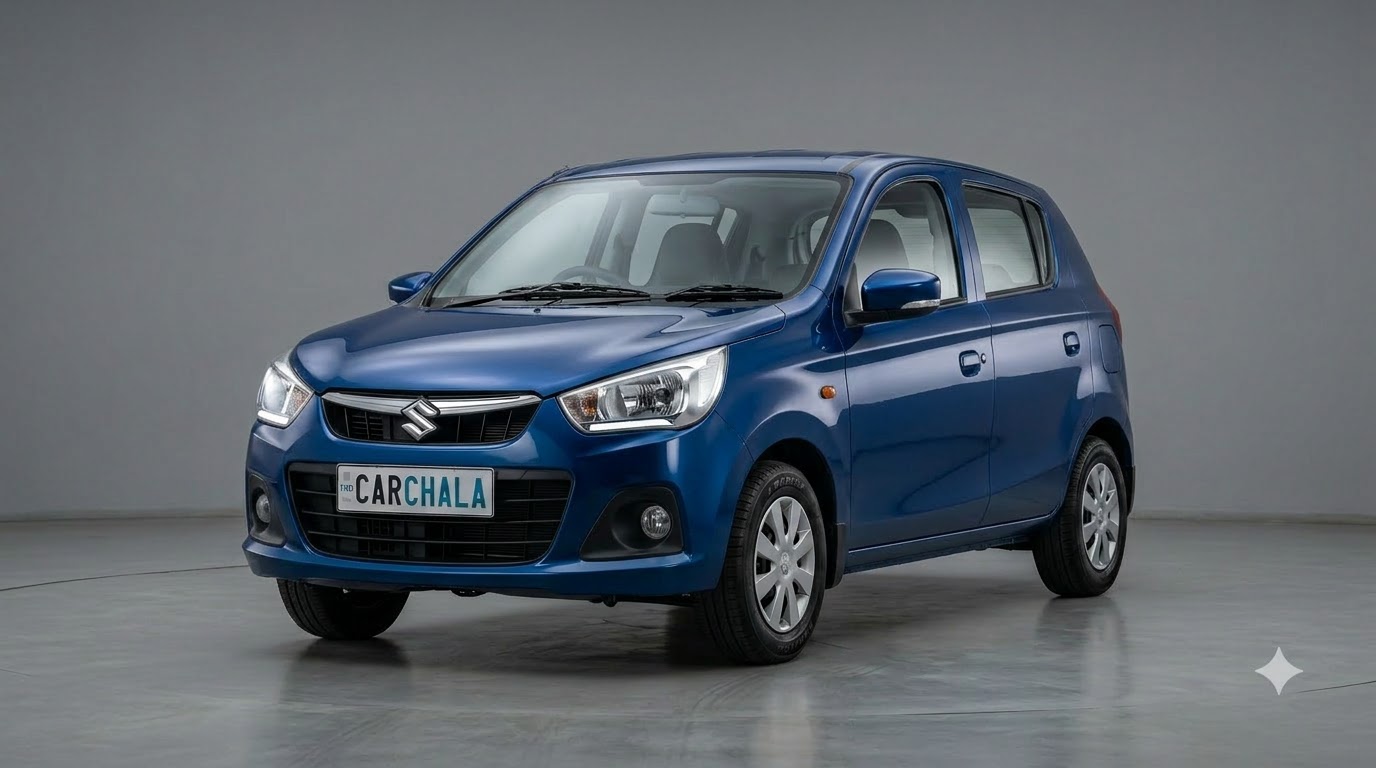
The Alto Era Begins
The Alto is launched, eventually succeeding the 800 as Indias best-selling car and continuing the legacy of affordability.
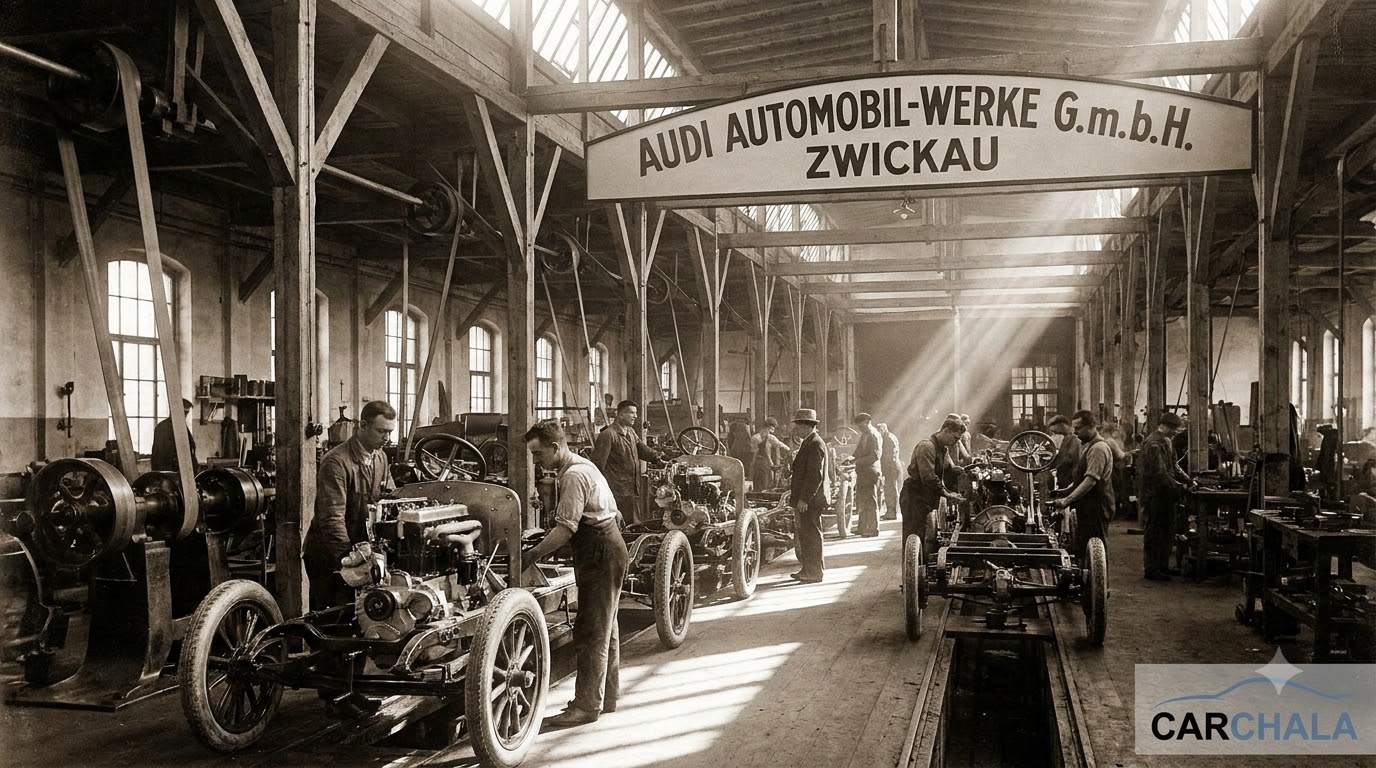
Suzuki Takes Control
The Government of India completely divests its stake, making Maruti Suzuki a full subsidiary of the Japanese parent company.
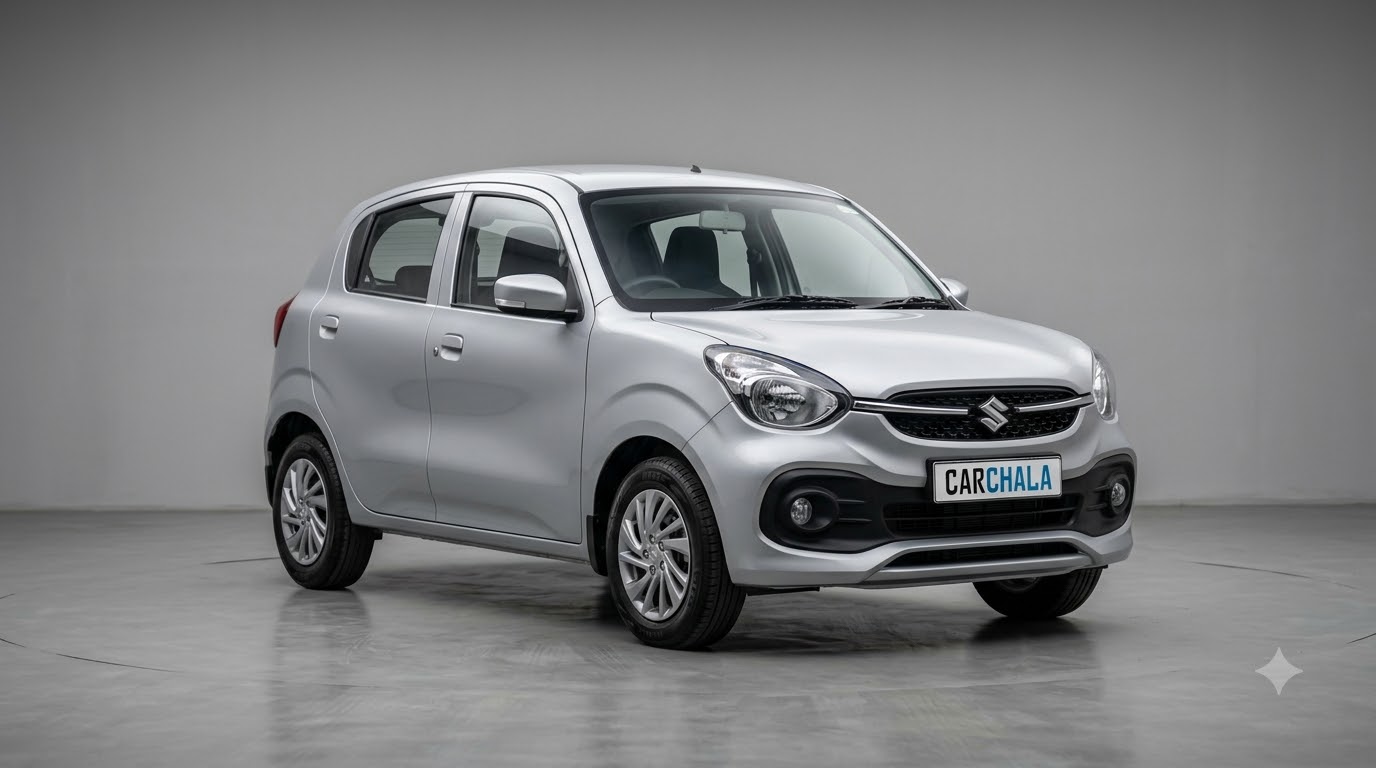
The NEXA Revolution
Maruti Suzuki launches NEXA, a premium dealership network, to shed its budget-only image and cater to a more aspirational customer.
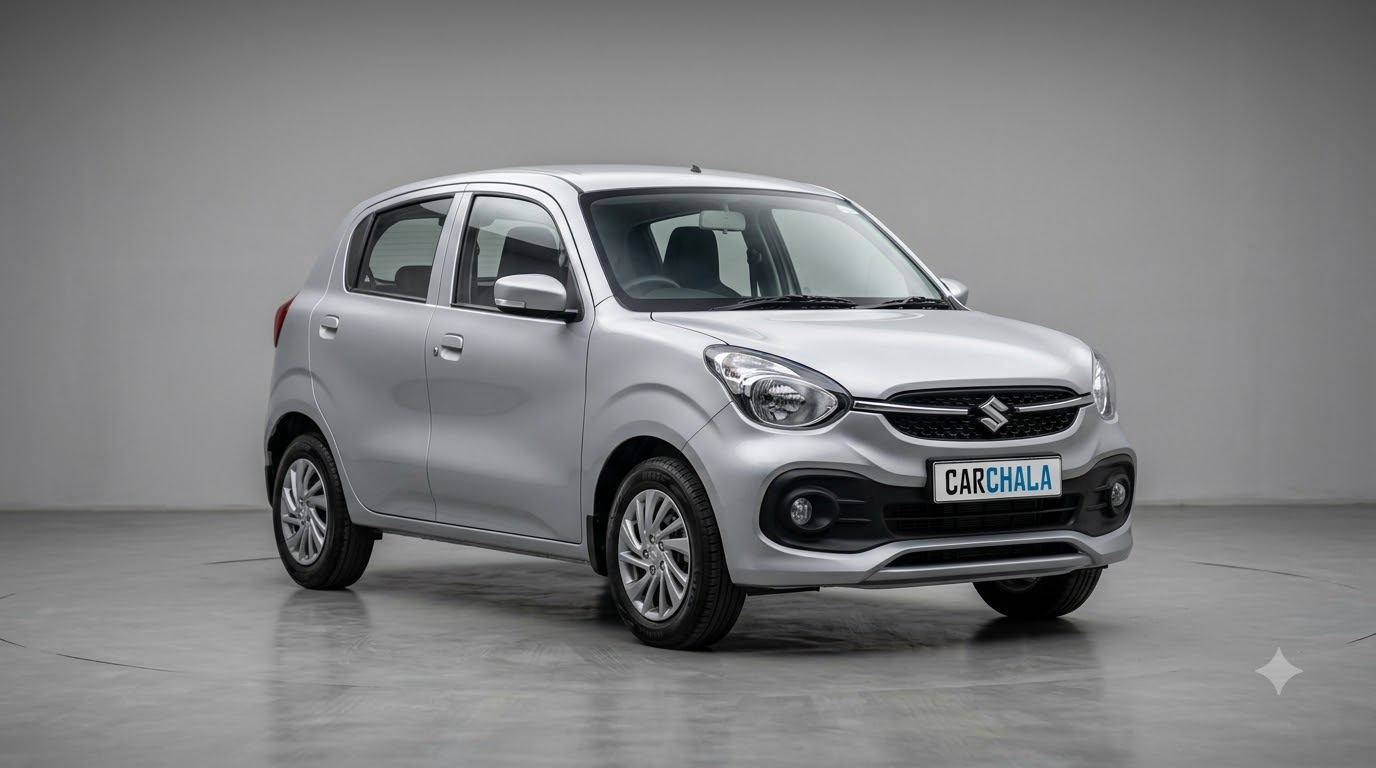
The Strong Hybrid Era
Maruti Suzuki commands the Indian market by democratizing strong hybrid technology, bridging the gap to full electrification.
The eVX Unleashed
Maruti Suzuki is expected to launch its first highly anticipated born-electric SUV, the eVX, finally throwing its massive weight into the EV race.
Dominance and Diversification
Throughout the 1980s and 1990s, Maruti Udyog established a near-monopoly. They didn't just rest on the laurels of the 800. They introduced the Omni van, the Gypsy SUV (which became the vehicle of choice for the Indian armed forces and police), and the Esteem sedan. Each vehicle was tailored perfectly for Indian conditions—rugged, easy to repair, and incredibly frugal.
The company also revolutionized the automotive ecosystem. They established massive supply chains, encouraged local localization of parts, and built an unparalleled service network. The promise was that no matter where you were in India, a Maruti service center or a mechanic who could fix a Maruti was never far away. This peace of mind became their strongest selling proposition.
The Modern Era: Shedding the Budget Image
As the Indian economy liberalized in the 1990s and 2000s, global competitors entered the fray. Hyundai, Tata, and others started challenging Maruti's dominance. The company realized that while it owned the entry-level segment, the Indian consumer was becoming more aspirational. The strategy needed to evolve.
In 2015, Maruti Suzuki made a pivotal move by launching NEXA, a separate premium dealership network. This was a deliberate attempt to decouple its premium offerings from the budget-friendly image of the standard 'Arena' showrooms. The strategy worked brilliantly. Cars like the Baleno, Ignis, and the mid-size SUV Grand Vitara found massive success through NEXA, proving that Indian buyers were willing to pay a premium for a Maruti if the experience and product matched their aspirations.
"Our success in India is built on one simple principle: give the customer peace of mind. Everything else follows."
Navigating the Future: Hybrid Tech and the EV Shift
The transition to the modern era hasn't been without its challenges. The shift towards stricter emission norms and the global push for electric vehicles caught Maruti Suzuki somewhat off-guard, or rather, deliberately cautious. Unlike competitors like Tata Motors, who aggressively pushed battery electric vehicles (BEVs), Maruti Suzuki argued that India's power grid and infrastructure weren't ready for a mass EV adoption.
Instead, they heavily bet on mild-hybrid and strong-hybrid technologies, arguing that these provided immediate fuel efficiency benefits and emissions reductions without the range anxiety of EVs. This strategy has paid off in the short term, with hybrid models like the Grand Vitara and Invicto seeing strong demand.
However, the electric future is inevitable. Maruti Suzuki has announced massive investments in BEVs, with their first born-electric SUV, the eVX, launched in 2025. They are leveraging Suzuki's global partnership with Toyota to develop these platforms, ensuring that when they do enter the EV race, they do so with scale and technological maturity.
The Grand Vitara, leading Maruti Suzuki's charge into the premium SUV and hybrid technology space.
A Legacy Intact
Today, Maruti Suzuki remains the undisputed titan of the Indian automotive industry, commanding nearly half the market share. They produce millions of cars annually, exporting them to over 100 countries. Their journey from a state-sponsored project to a global manufacturing powerhouse is a testament to their deep understanding of the market.
They taught India how to drive, how to manufacture at scale, and how to build a brand that is implicitly trusted. While the road ahead, paved with electrification and new competitors, will be challenging, Maruti Suzuki's deep roots and pragmatic approach suggest they will remain at the heart of India's mobility story for decades to come. Their story is epic not because of flamboyant designs or massive horsepower, but because of an unrelenting, quiet dominance that shaped a nation.