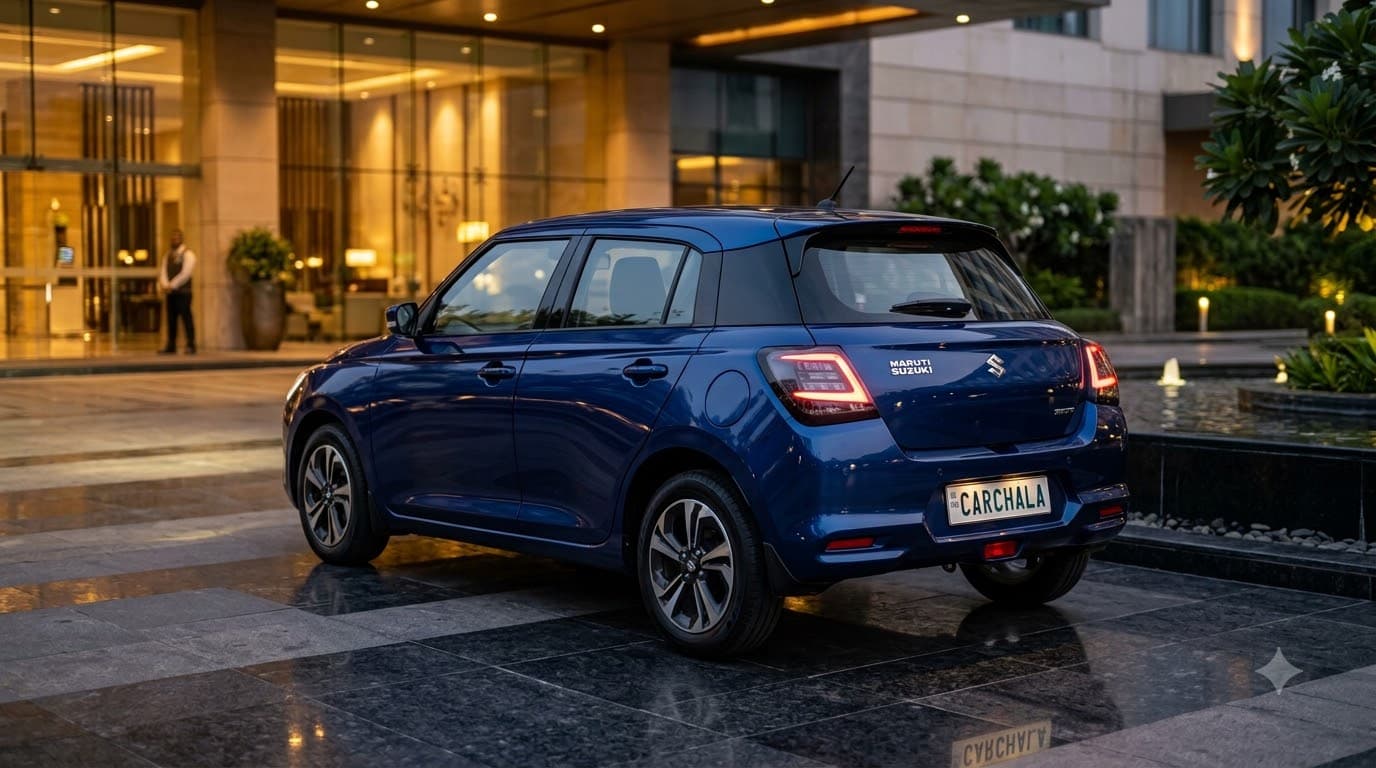
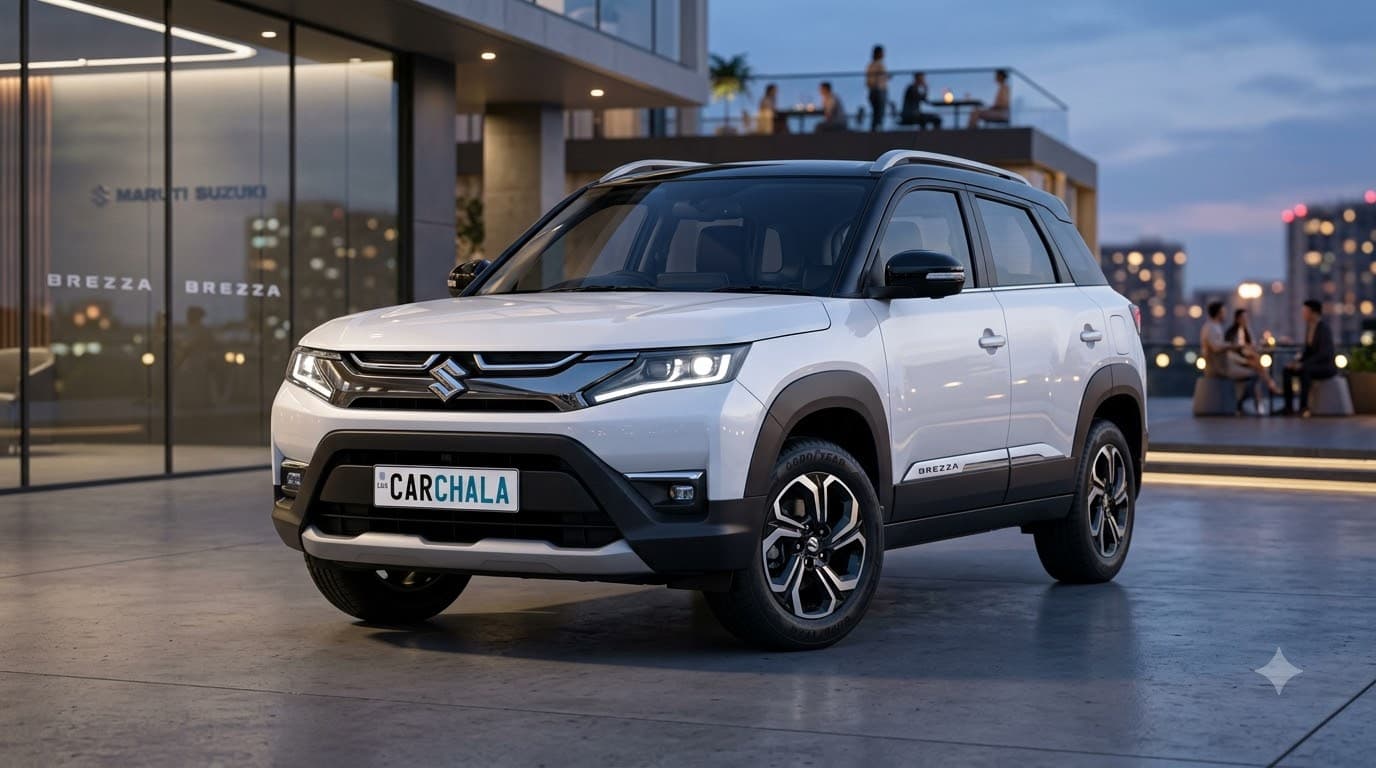
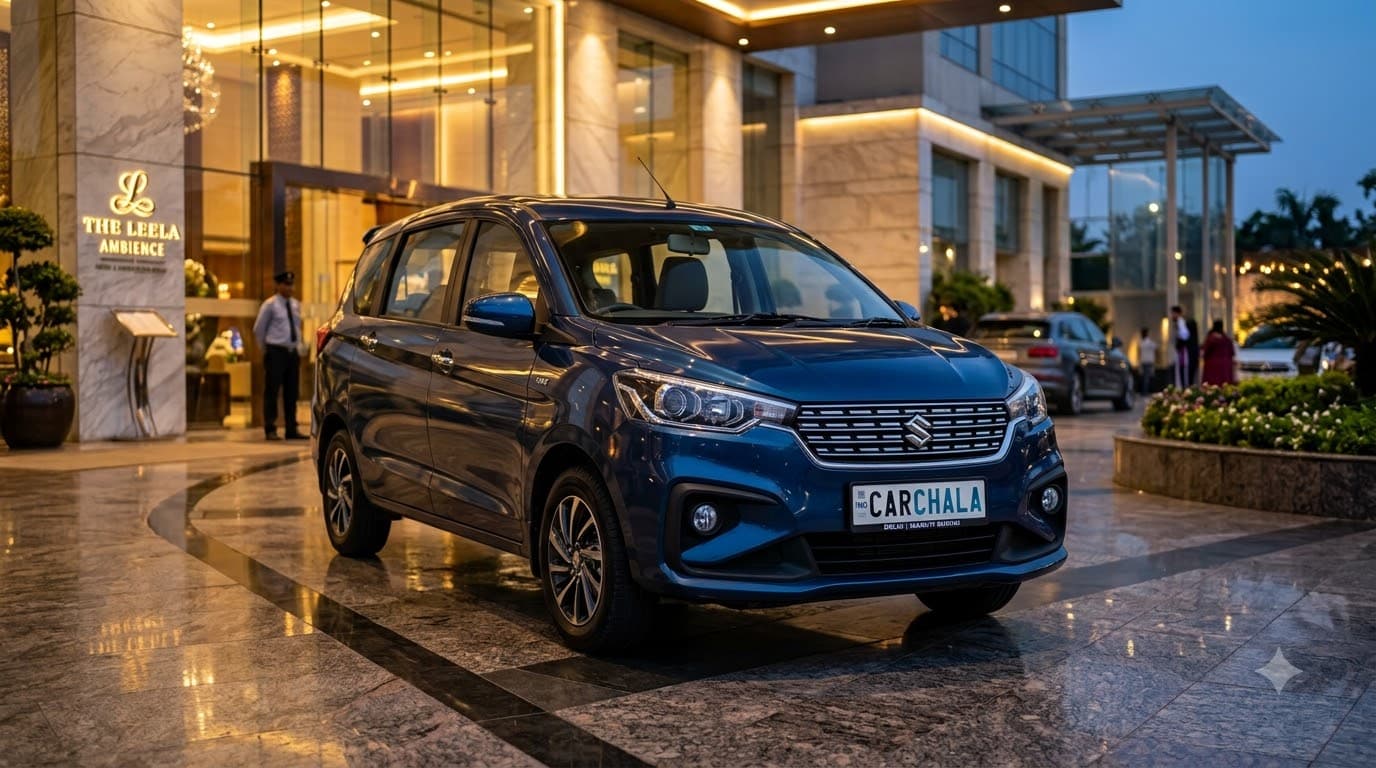
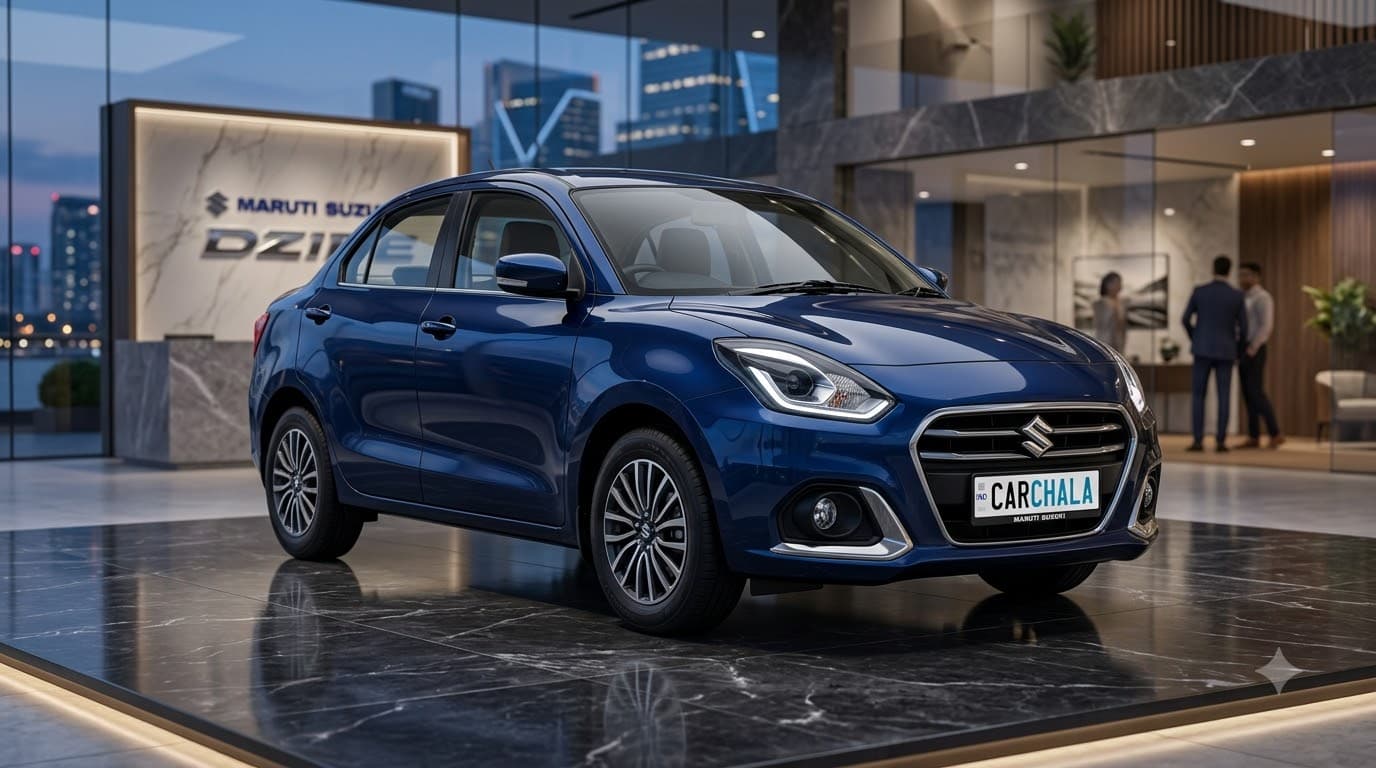
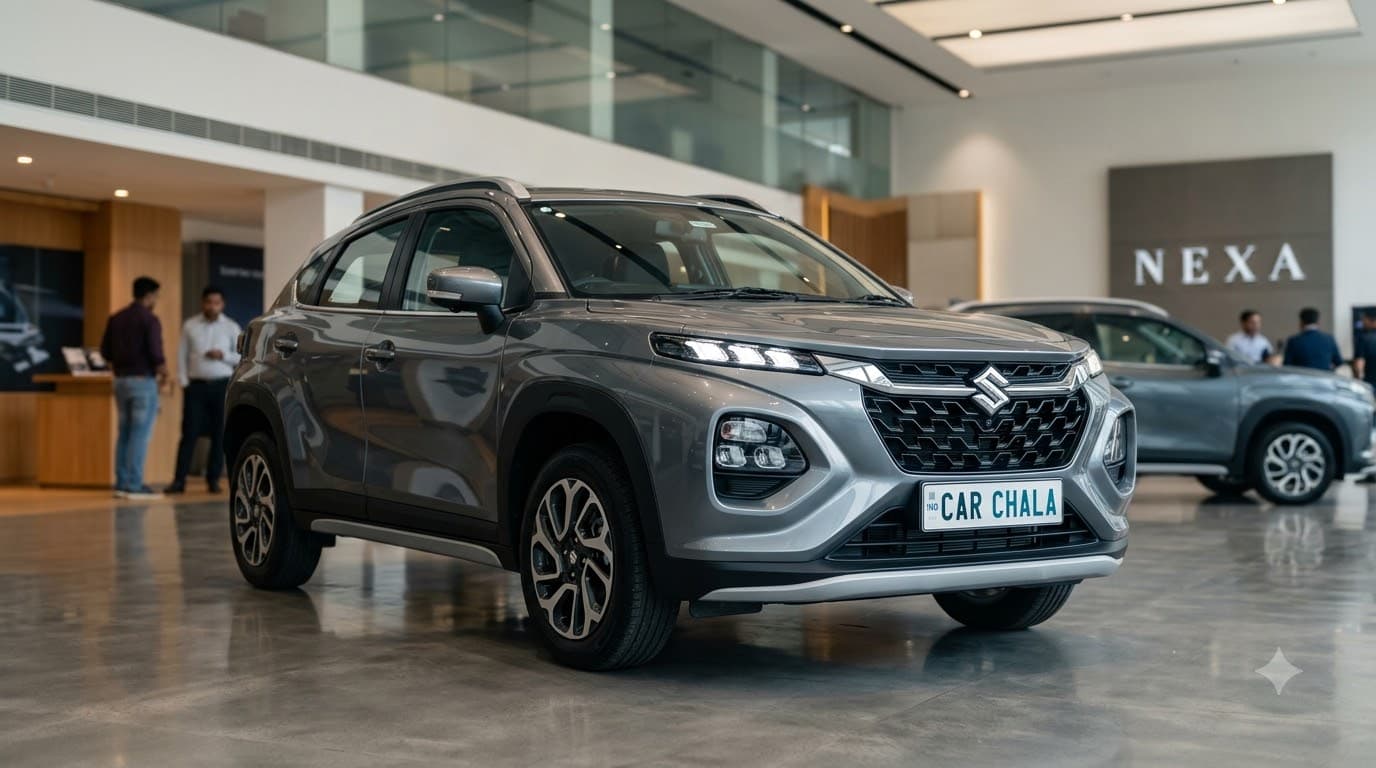
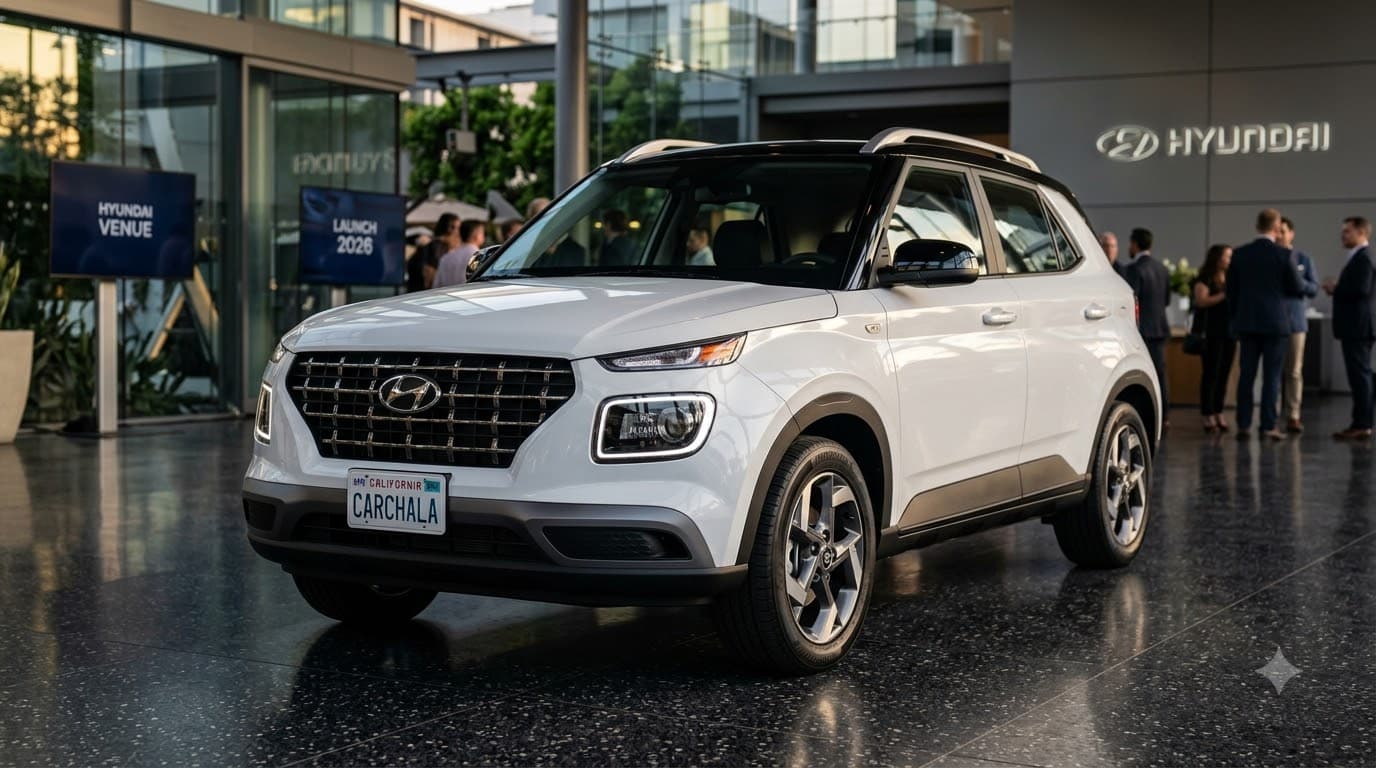
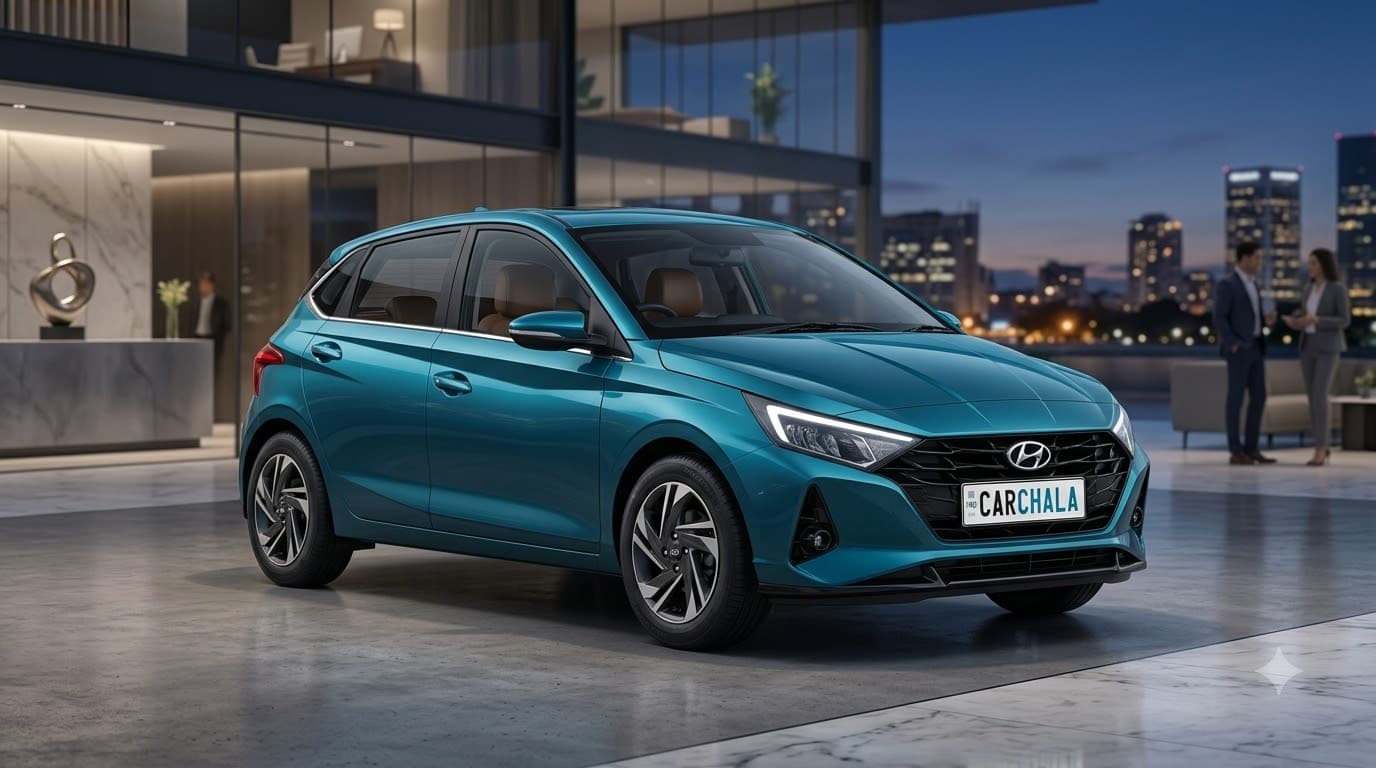
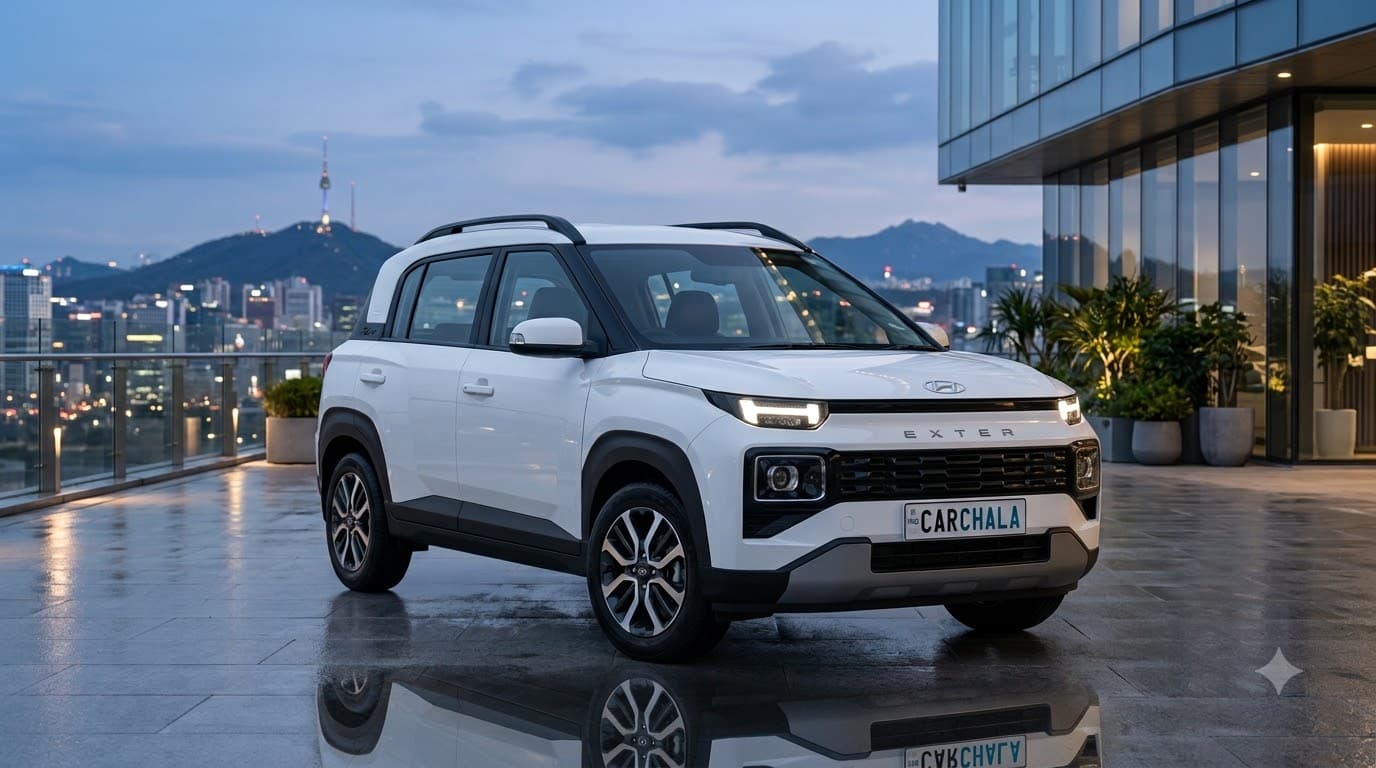
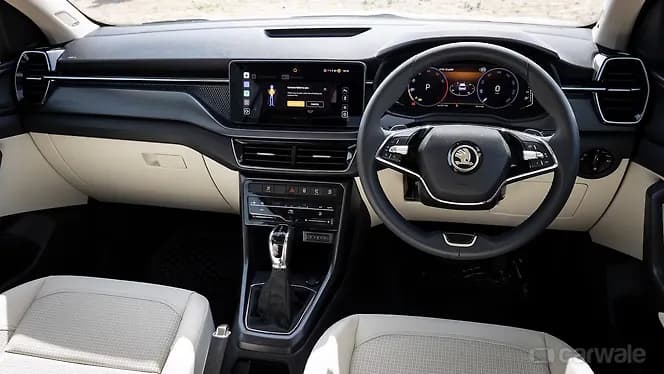
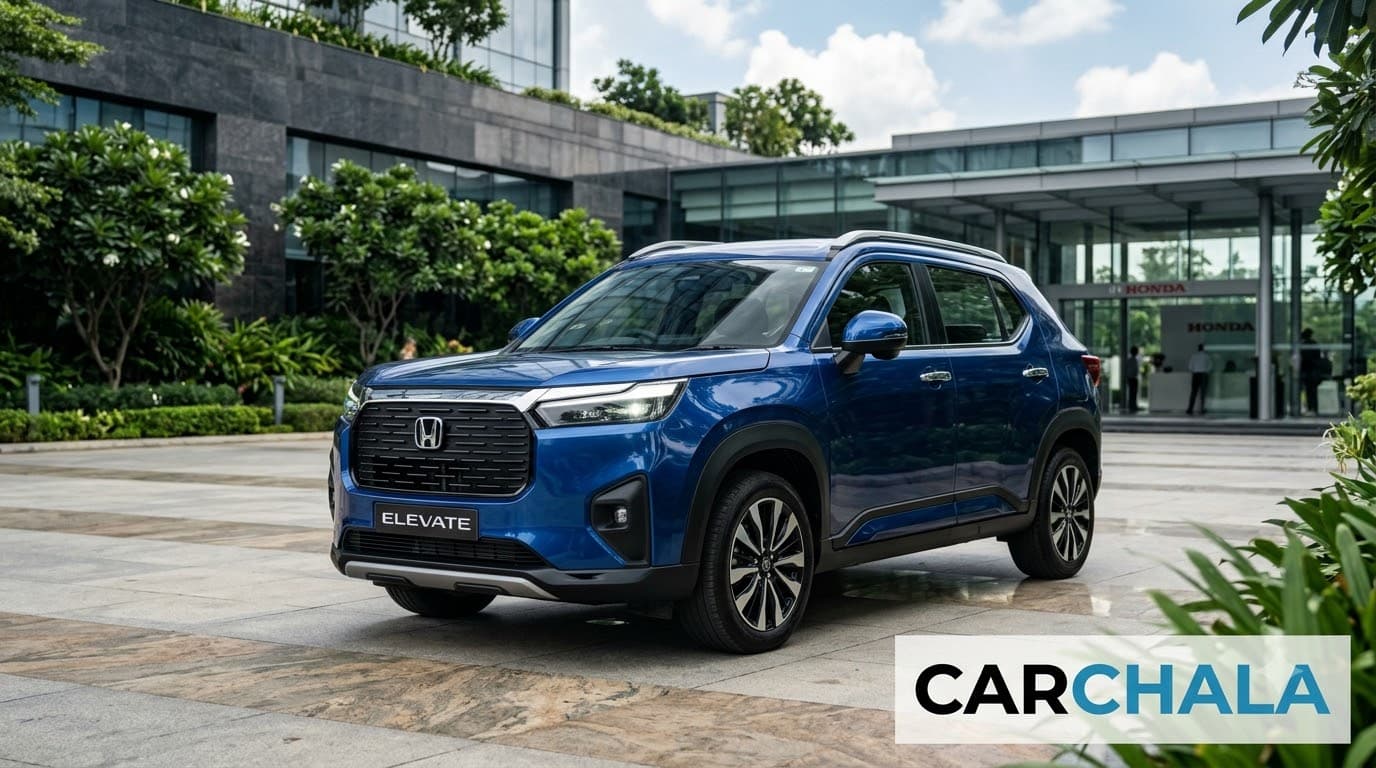
The ₹10 Lakh ex-showroom bracket is the most fiercely contested battleground in the Indian automotive industry. It is the crucial transition point where buyers move from purely functional transportation to aspirational vehicle ownership. However, navigating this segment requires extreme clarity on variant pricing, safety benchmarks, and hidden total-cost-of-ownership (TCO) metrics.
The Segment Paradox: Fully-Loaded Hatchback vs. Bare-Bones SUV
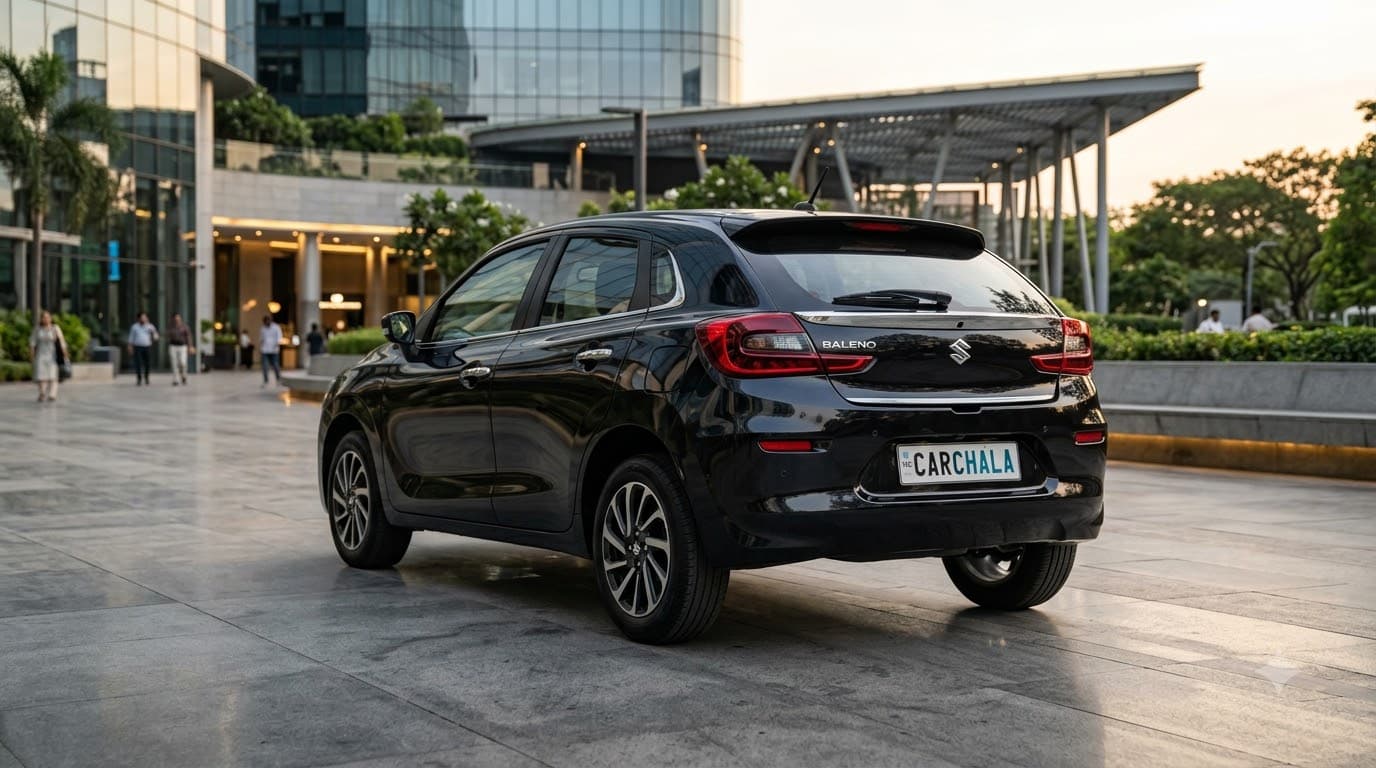
One of the biggest dilemmas buyers face at the ₹10 Lakh mark is the "Variant Trap." Do you buy a fully-loaded, top-spec premium hatchback (like the Maruti Suzuki Baleno Alpha or Hyundai i20 Asta), or do you opt for a bare-bones base variant of a compact SUV (like the Tata Nexon Smart or Mahindra XUV 3XO MX1)?
Our Objective Advice: If 90% of your driving is confined to congested city traffic and you value creature comforts (sunroof, wireless CarPlay, auto AC, rear cameras), a top-spec hatchback or compact sedan is mathematically the smarter choice. However, if highway safety, commanding road presence, and tackling rough roads are priorities, stretching your budget by ₹1-2 Lakh for a mid-spec compact SUV is highly recommended. The BNCAP 5-star ratings on modern sub-4m SUVs provide unparalleled peace of mind.
Exploring Other Categories
If you realize that ₹10 Lakh isn't quite getting you the features you want, we highly recommend exploring the Best SUVs Under ₹15 Lakh segment, where you unlock proper mid-size SUVs like the Creta and Seltos. Conversely, if you want to eliminate your fuel bills entirely, check out our guide to the Best EVs Under ₹15 Lakh to see how electric vehicles can transform your monthly budget.
Safety is Non-Negotiable in 2026
Gone are the days when a ₹10 Lakh budget meant compromising on structural integrity. The government's push for mandatory 6 airbags has fundamentally transformed this segment. Vehicles like the Tata Punch and Skoda Kylaq prove that you can secure a 5-star crash-rated chassis without breaching the ₹10 Lakh barrier.
Critical Warning: When finalizing your purchase, ensure the vehicle has Electronic Stability Control (ESC) as a standard feature. ESC is arguably more important than airbag count for preventing loss of control during emergency high-speed maneuvers.
The Hidden Insurance & RTO Tax Bombs
When budgeting ₹10 Lakh, remember that the ex-showroom sticker price is just the tip of the iceberg. RTO registration and road tax will add a brutal 8% to 15% depending on your state. Furthermore, a comprehensive insurance policy with a Zero Depreciation (Bumper-to-Bumper) add-on is absolutely essential for a new car in this segment. This will typically cost between ₹25,000 and ₹35,000 annually. Pro Tip: Do not skip the Engine Protection add-on if you live in monsoon-heavy areas like Mumbai, Bengaluru, or Chennai.