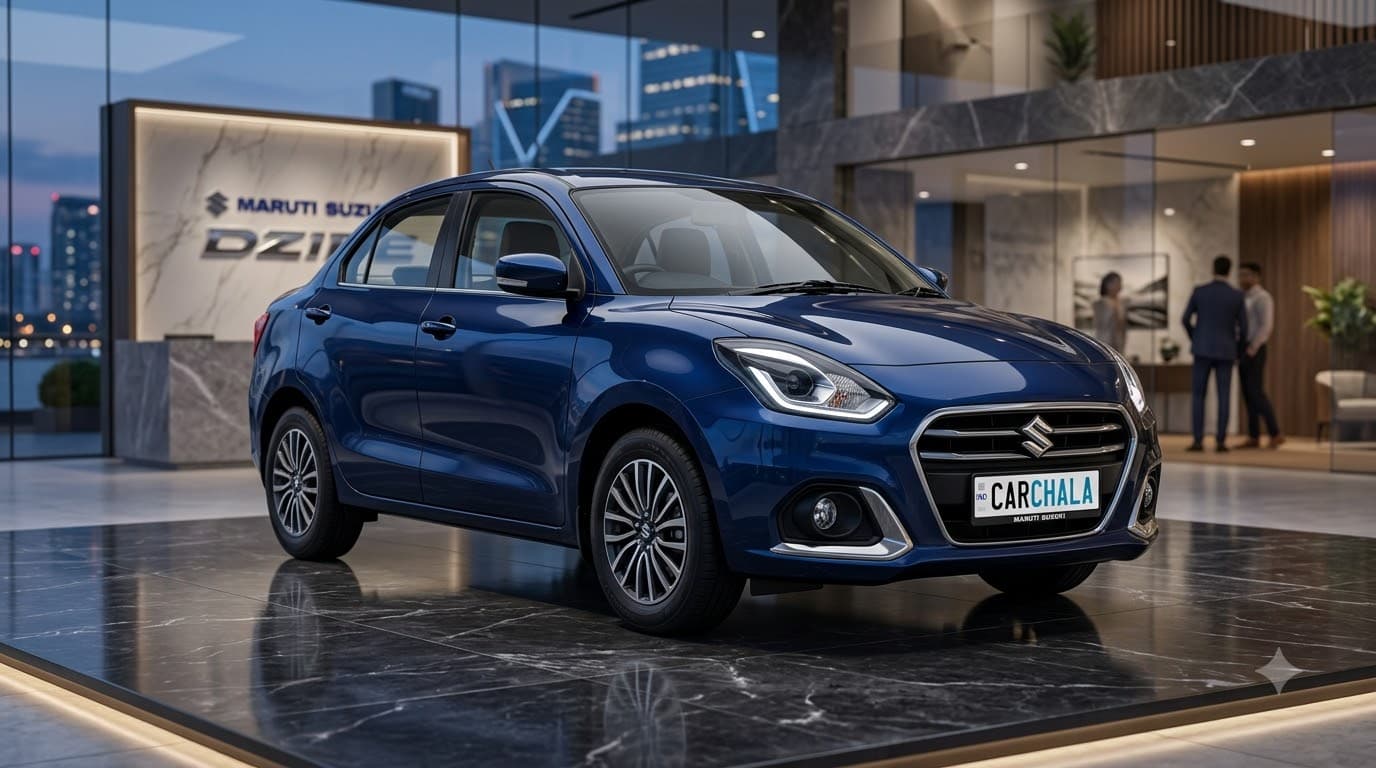
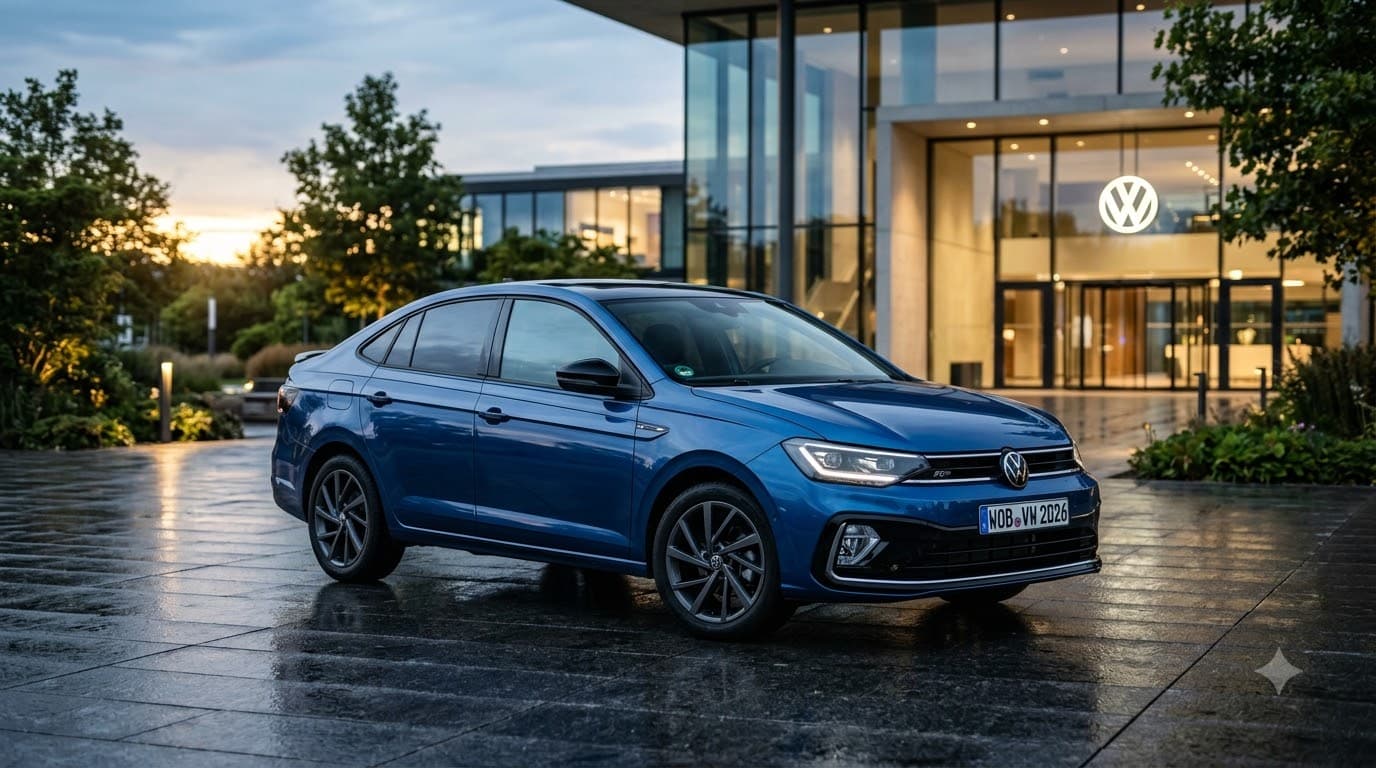
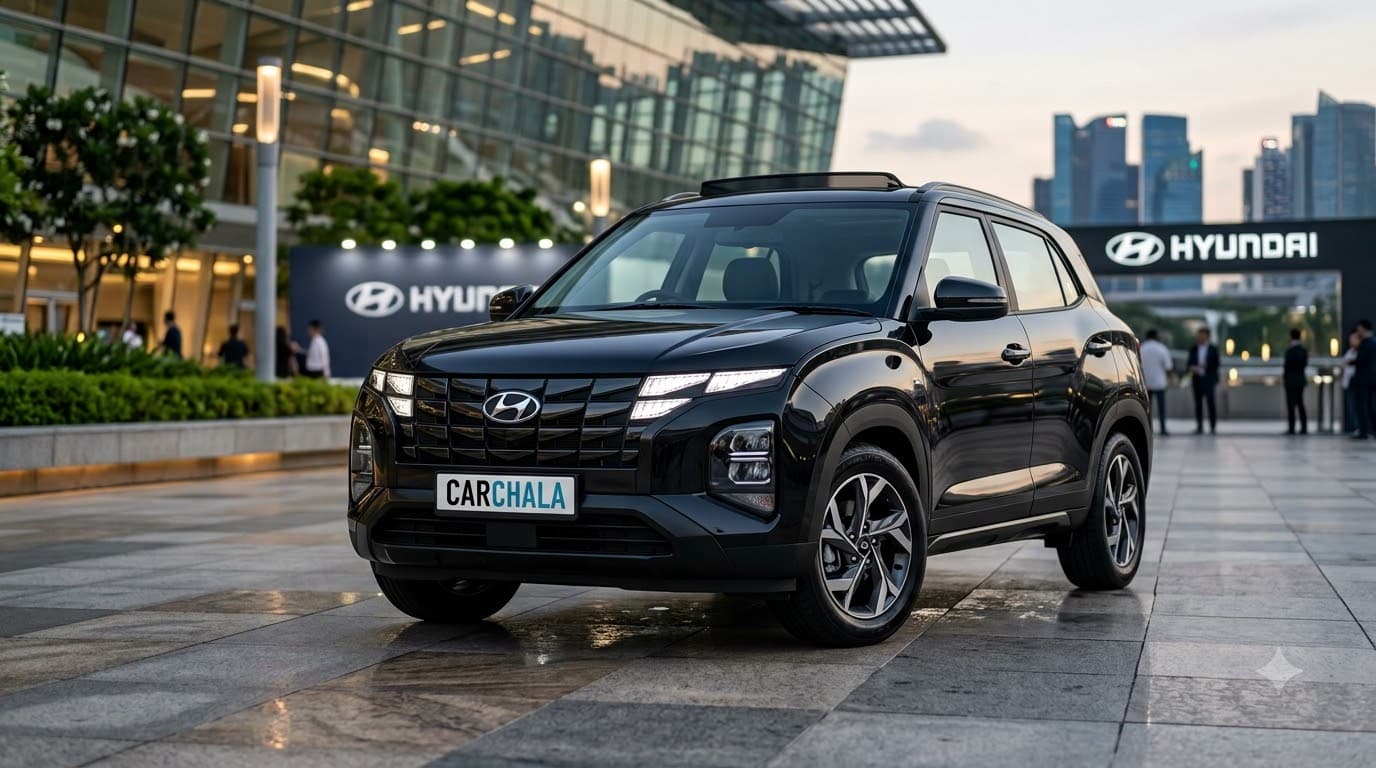
In India's rapidly expanding metropolitan hubs—from the choked Ring Roads of Delhi-NCR and Bengaluru's Outer Ring Road to the monsoon-battered bottlenecks of Mumbai, Pune, Chennai, and Hyderabad—the automatic gearbox has officially evolved from an indulgent luxury feature to an absolute daily health and sanity necessity. Eliminating constant left-foot clutch modulation and repetitive manual shifting reduces driver fatigue by over 70% in crawling city traffic. However, not all automatics are engineered equally. Choosing the wrong transmission type for your specific commute can lead to frustrating shift lag, disappointing fuel economy, or expensive premature clutch wear.
What We Love About Modern Automatic Cars in India
- Zero Clutch Fatigue: Say goodbye to knee strain and calf cramps during endless 5 km/h peak-hour office commutes.
- Anti-Rollback Hill Assist: Electronic hill-hold and intelligent idle creep functions ensure your vehicle never rolls backward on steep mall parking ramps or highway flyovers.
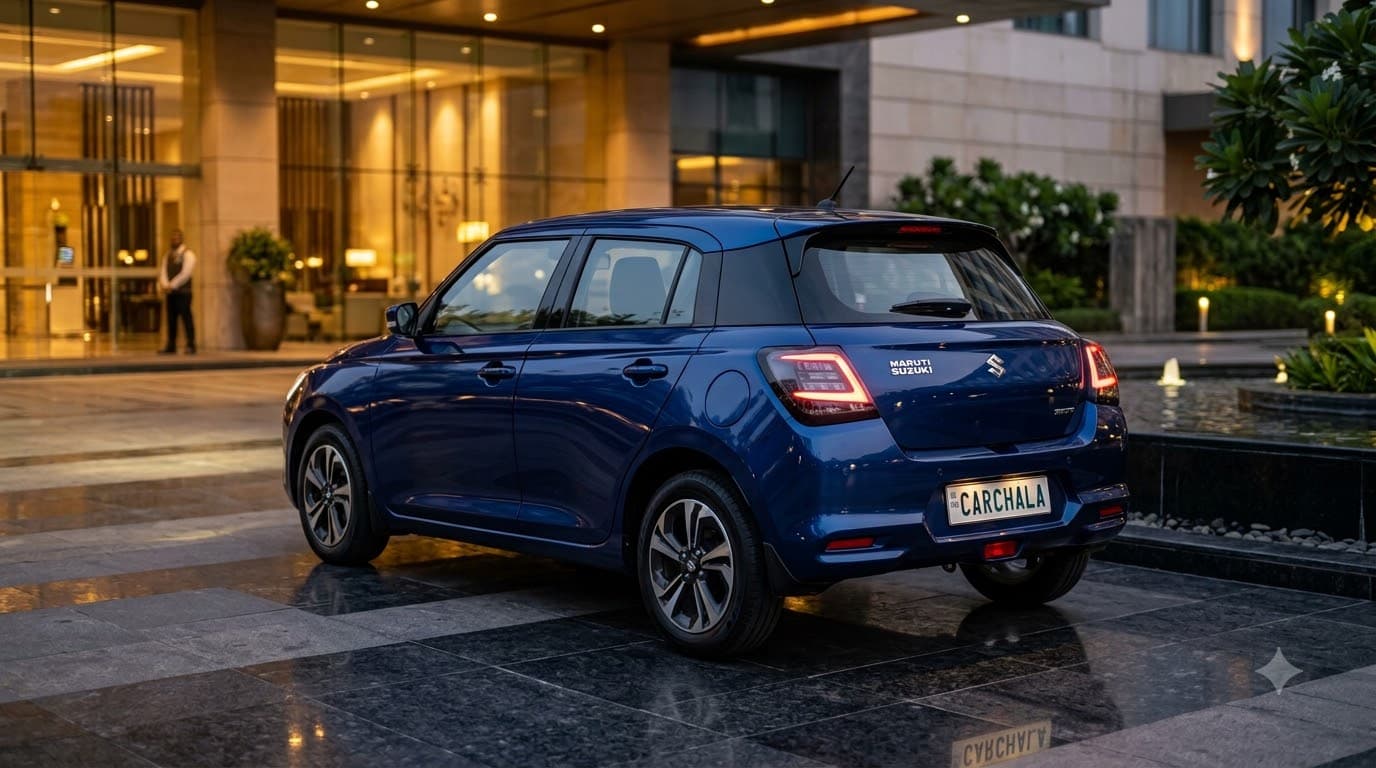
- Optimized Computerized Efficiency: Modern automated gearboxes (especially AMTs and stepped CVTs) shift at mathematically optimal engine RPMs, achieving fuel economy numbers rivaling or even beating manual transmissions (up to 25.75 kmpl in cars like the Swift and Dzire).
- Full ADAS & Cruise Integration: Advanced driver assistance features like Stop-and-Go Adaptive Cruise Control and Traffic Jam Assist operate seamlessly only when paired with automatic gearboxes.
What to Consider Before Buying an Automatic Car
- Matching Transmission to Driving Style: AMTs are ideal for budget-conscious city commuting; CVTs offer unparalleled smoothness for family comfort; DCTs deliver sports-car-level highway thrills; and Torque Converters provide bulletproof, heavy-duty long-term reliability.
- City Fuel Economy Variations: While AMTs match manual mileage, torque converters and dual-clutch gearboxes consume 10-15% more fuel in heavy stop-and-go city traffic due to hydraulic fluid drag and aggressive performance mapping.
- Thermal Sensitivity in Indian Summers: Dry-clutch DCTs can overheat during prolonged crawling in 40°C+ summer heat if drivers continuously feather the brake pedal rather than allowing full clutch engagement.
- Warranty Protection is Mandatory: Replacing complex mechatronics units or dual-clutch assemblies outside warranty can cost ₹1.5 to ₹3.5 Lakh. Purchasing maximum 5 to 7-year extended warranties and Engine/Gearbox Protection insurance add-ons is essential.
The 4 Automatic Transmission Technologies Demystified
Indian car buyers today can choose from four distinct automatic transmission technologies, each with unique mechanical characteristics, driving dynamics, and maintenance profiles:
1. AMT (Automated Manual Transmission / AGS / Smart Drive)
Mechanically, an AMT is an ordinary manual gearbox fitted with an electronic or hydraulic actuator kit that operates the clutch and shifts gears automatically on your behalf. Because it utilizes a standard manual dry clutch and fixed mechanical gear ratios, an AMT experiences zero hydraulic transmission loss.
Best For: First-time car buyers and daily city commuters on a budget who prioritize maximum fuel efficiency and rock-bottom maintenance costs.
The Trade-off: The infamous 'head-nod' or momentary pause during gear upshifts, especially when accelerating hard from 1st to 2nd gear.
2. CVT (Continuously Variable Transmission / IVT)
Instead of fixed interlocking steel gears, a CVT uses two variable-diameter pulleys connected by a high-tensile steel belt or chain to provide infinitely variable gear ratios. Modern variations, like Hyundai's Intelligent Variable Transmission (IVT), use stepped shift logic to simulate traditional gear changes under throttle.
Best For: Pure urban commuters, families, and chauffeur-driven buyers who demand absolute jerk-free smoothness and zero shift shocks in bumper-to-bumper traffic.
The Trade-off: The 'rubber-band effect'—when flooring the throttle, the engine revs loudly to high RPMs before vehicle road speed catches up.
3. DCT / DSG / DCA (Dual-Clutch Transmission)
A Dual-Clutch Transmission utilizes two separate computer-controlled clutches—one for odd gears (1, 3, 5, 7) and one for even gears (2, 4, 6). While one gear is actively transferring engine power to the wheels, the computer has already pre-selected the next gear, enabling lightning-fast gear changes in less than 50 milliseconds.
Best For: Driving enthusiasts and highway tourers who want instant throttle response, steering paddle-shift engagement, and rapid overtaking power.
The Trade-off: Complex mechanicals and sensitivity to extreme Indian heat. Dry-clutch DCTs can overheat if driven improperly during crawling bumper-to-bumper traffic.
4. Torque Converter (Traditional Automatic / AT)
The veteran of the automatic world, a Torque Converter replaces the physical friction clutch with a fluid coupling (impeller, turbine, and stator) paired with robust planetary gearsets. Modern 6-speed and 8-speed torque converters (sourced from global masters like Aisin and ZF) feature lock-up clutches that bridge the hydraulic gap at cruising speeds to boost efficiency.
Best For: High-mileage highway cruisers, heavy SUVs, and buyers seeking indestructible long-term mechanical reliability without overheating worries.
The Trade-off: Slightly lower fuel efficiency (10-15% lower in dense city traffic compared to manual or AMT counterparts).
Transmission Comparison Matrix
| Transmission Type | Shift Smoothness | City Mileage | Highway Performance | Long-Term Maintenance |
|---|
| AMT (AGS) | Fair (Noticeable Pause) | Exceptional (22-26 kmpl) | Adequate | Lowest (₹₹) |
| CVT / IVT | Flawless (No Shifts) | Good (13-17 kmpl) | Smooth / Relaxed | Moderate (₹₹₹) |
| DCT / DSG | Rapid & Crisp | Moderate (11-15 kmpl) | Outstanding / Sporty | Highest (₹₹₹₹₹) |
| Torque Converter (AT) | Very Smooth | Fair (10-14 kmpl) | Effortless & Punchy | Low to Moderate (₹₹₹) |
Crucial Driving Habits to Protect Your Automatic Gearbox in India
Adopting proper two-pedal driving discipline will dramatically extend the lifespan of your automatic transmission:
- Shift to Neutral (N) at Red Lights: In DCT and Torque Converter cars, holding the foot brake in Drive (D) for more than 30 seconds forces the clutches to slip against the brakes or churns transmission fluid unnecessarily, generating excessive heat. Shift to Neutral and engage the handbrake.
- Never Ride the Creep in a DCT: In stop-and-go jams, avoid letting a dual-clutch car inch forward at 2 km/h by feathering the brake. This keeps the dry clutch plates half-engaged, causing rapid friction heating. Instead, let a clear 1-car gap open, lift off the brake fully to let the clutch engage completely, then brake to a stop.
- Never Shift Between Drive (D) and Reverse (R) While Rolling: Always bring the vehicle to an absolute 100% halt before changing drive modes. Shifting while in motion puts catastrophic shock loads on the transmission lock pins and planetary gears.
- Do Not Drive with Both Feet: Rest your left foot securely on the dead pedal. Using your left foot for braking often leads to accidental brake-throttle overlap, which overheats the brake rotors and strains the transmission control module.
Warranty & Insurance Must-Haves for Automatic Cars
Replacing or overhauling an automatic gearbox outside warranty can cost between ₹1.2 Lakh (for a CVT) to ₹4.5 Lakh (for a dual-clutch DSG). When purchasing an automatic car in India, adhere to these non-negotiable financial safeguards:
- Opt for the Maximum Extended Warranty: Purchase the maximum 5 to 7-year extended warranty package offered by the OEM (such as Volkswagen/Skoda 4-year standard + 2-year add-on, or Hyundai 5-year Wonder Warranty).
- Engine & Gearbox Protection Insurance Add-on: Standard comprehensive motor insurance does not cover hydrostatic lock or mechanical gearbox damage caused by waterlogging or underbody sump punctures. In Indian monsoons, this add-on is vital to ensure zero out-of-pocket expenses if floodwater enters the transmission.
- Zero Depreciation (Bumper-to-Bumper) Cover: Ensures 100% claim settlement without deductions for plastic and mechatronic sensor components.