
Before it built the cars that millions of Indians drive today, Tata was a company that built India itself. From massive steel plants forging the nation's infrastructure to luxury hotels defining its hospitality, the Tata group laid the foundation of modern Indian industry. But their journey into the automotive world is a tale of extraordinary vision, fierce national pride, and relentless, unapologetic innovation.
The Early Days: Forging a Nation's Foundation
In 1945, Tata Engineering and Locomotive Company (TELCO) was established. In its nascent stage, the company had no intention of manufacturing passenger cars. Instead, it focused on locomotives, heavy machinery, and the industrial backbone required by a newly independent India. The vision of J.R.D. Tata was unequivocally clear: India needed heavy industry to stand on its own feet, free from colonial dependence.
By 1954, TELCO had entered into a historic collaboration with the German automotive titan, Daimler-Benz, to manufacture commercial vehicles. The first Tata Mercedes-Benz truck rolled out of the Jamshedpur plant, instantly becoming the lifeblood of Indian logistics. For decades, the sight of a Tata truck, adorned with colorful motifs and the ubiquitous "Horn OK Please," became synonymous with Indian highways.
"I do not want India to be an economic superpower. I want India to be a happy country."
The Passenger Car Revolution: A Dream Realized
For decades, Tata ruled the commercial vehicle space unchallenged. But in the 1990s, Ratan Tata, the new visionary at the helm, harbored a vastly different dream. He wanted to build a passenger car that was entirely designed, developed, and manufactured in India, by Indians, for Indians.
The global automotive industry was highly skeptical. Foreign manufacturers dominated the market, and conventional wisdom dictated that a commercial vehicle manufacturer could never successfully pivot to passenger cars.
But Ratan Tata persisted. In 1998, the world witnessed the launch of the Tata Indica. It was a watershed moment. The Indica was spacious, aggressively priced, and boasted a diesel engine that offered unprecedented fuel economy. Despite early teething issues, it became a massive commercial success, fundamentally altering the trajectory of the Indian automotive landscape.
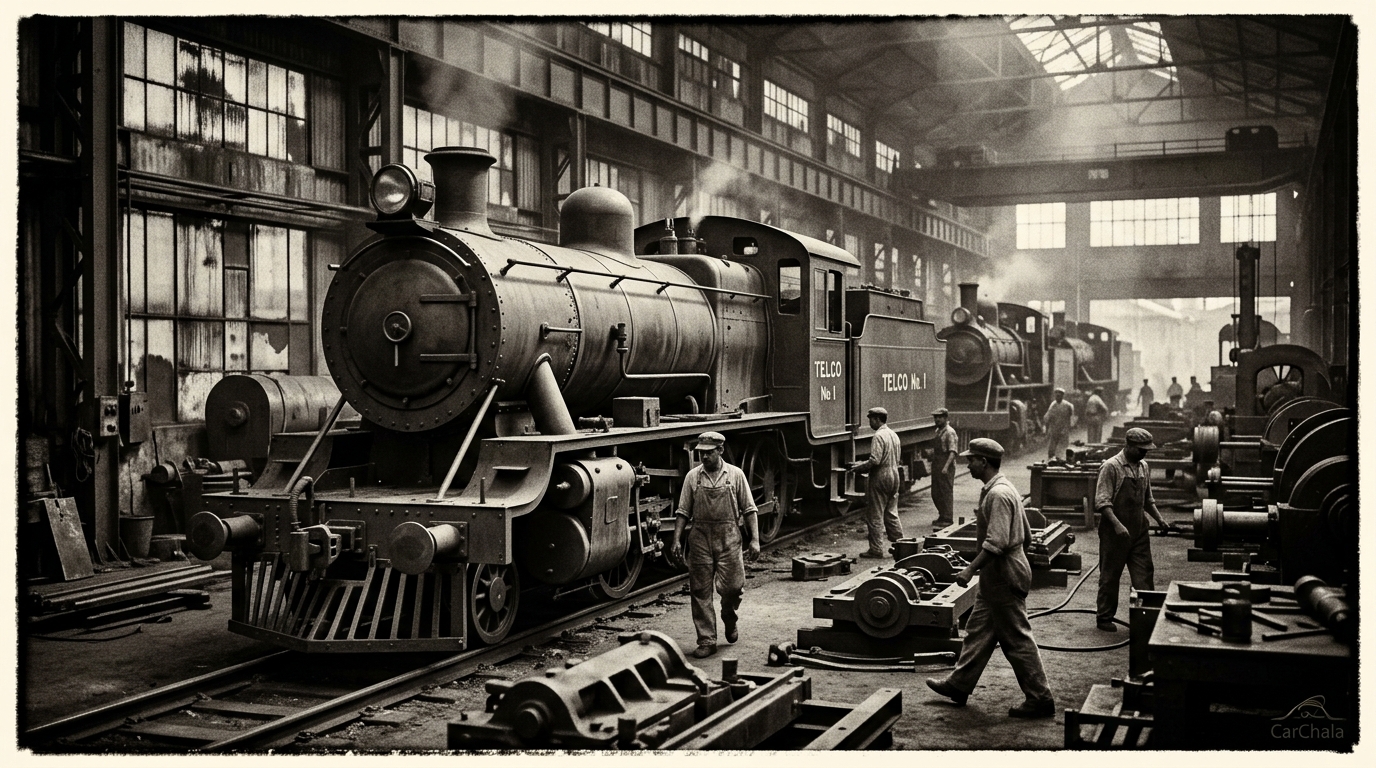
The Genesis of TELCO
Tata Engineering and Locomotive Company is established to manufacture locomotives and other engineering products, laying the heavy industry foundation for a newly independent India.
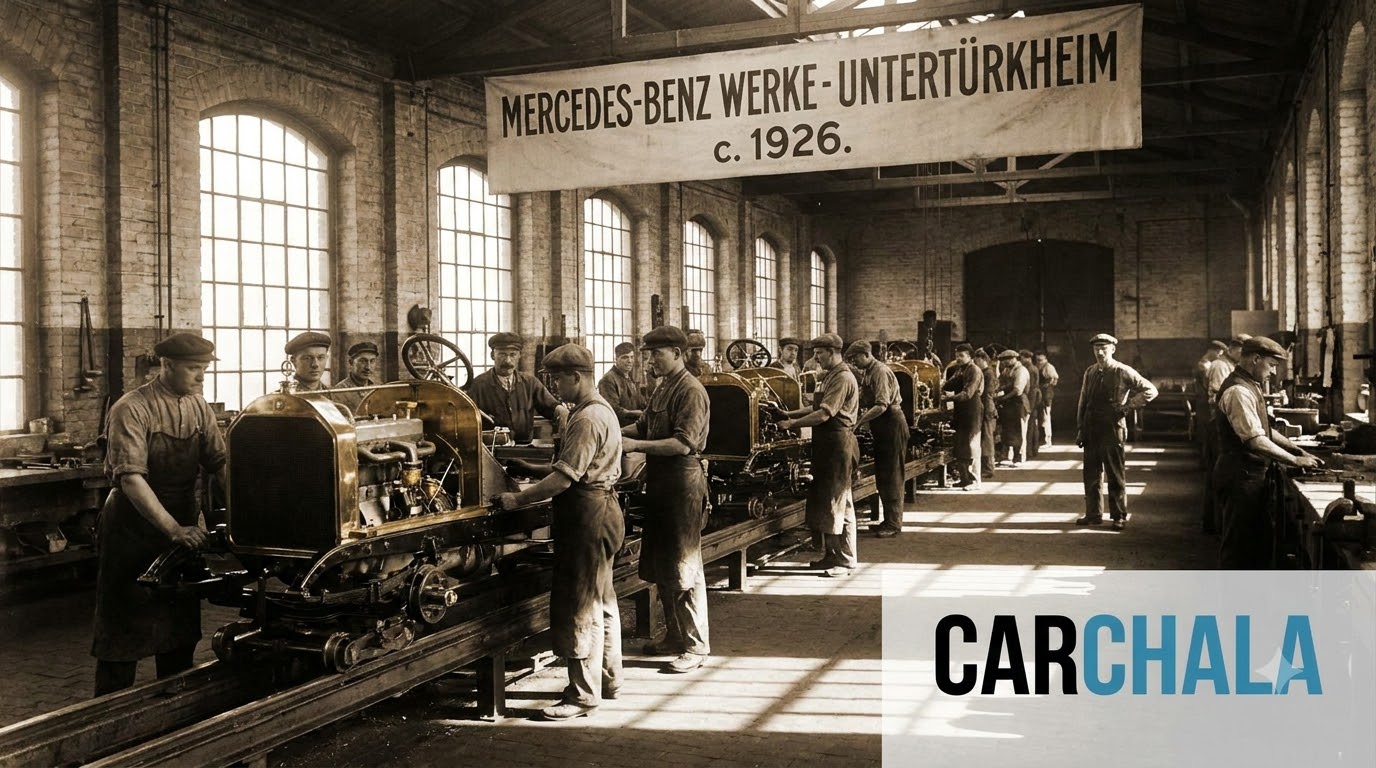
The German Alliance
Tata enters into a joint venture with Daimler-Benz to manufacture commercial vehicles, producing the iconic Tata Mercedes-Benz trucks that would build the nations infrastructure.
First Steps into Passenger Vehicles
Tata launches the Sierra, a rugged, three-door SUV with alpine windows, marking its tentative but incredibly bold first step into the lifestyle passenger vehicle segment.
The Indica Revolution
Ratan Tata unveils the Tata Indica at the Geneva Motor Show. It becomes Indias first fully indigenous passenger car, defying global skeptics and achieving massive commercial success.
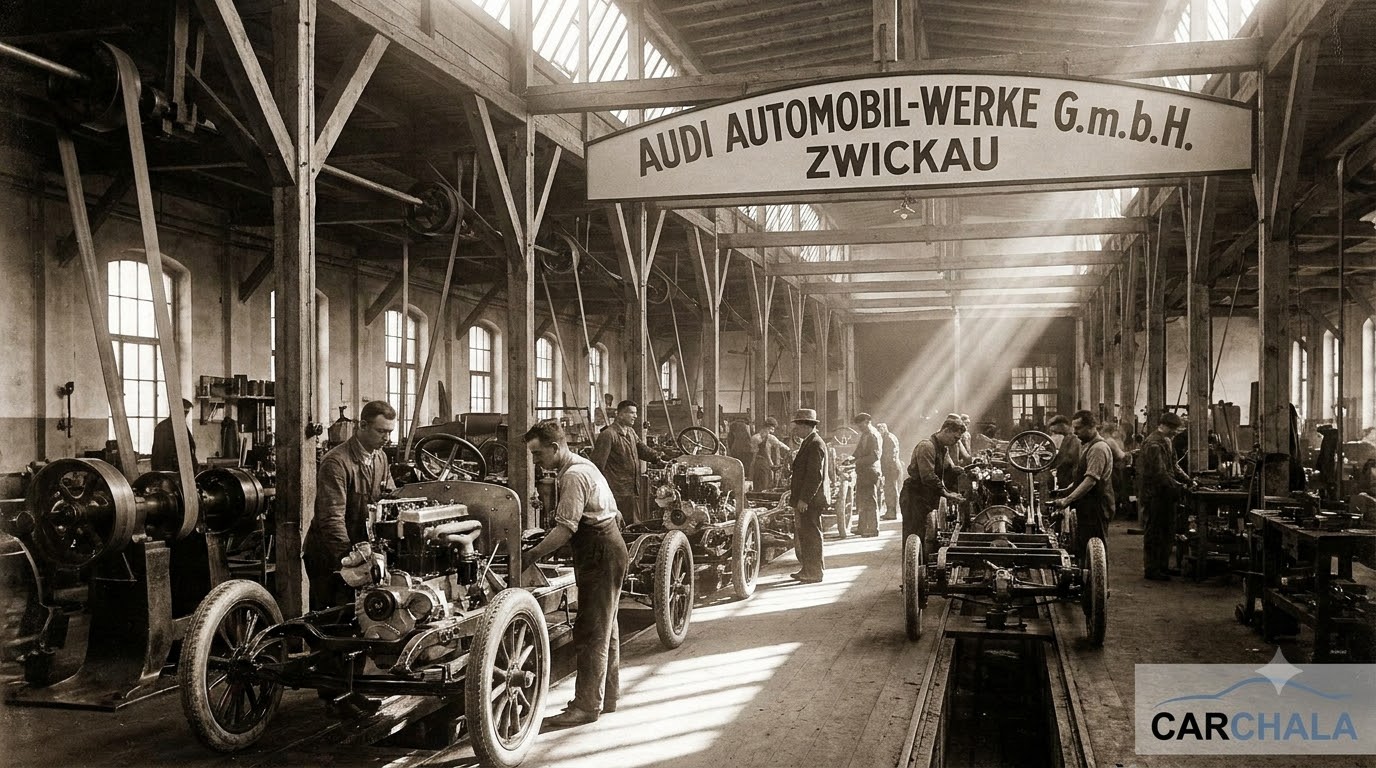
Acquiring British Royalty
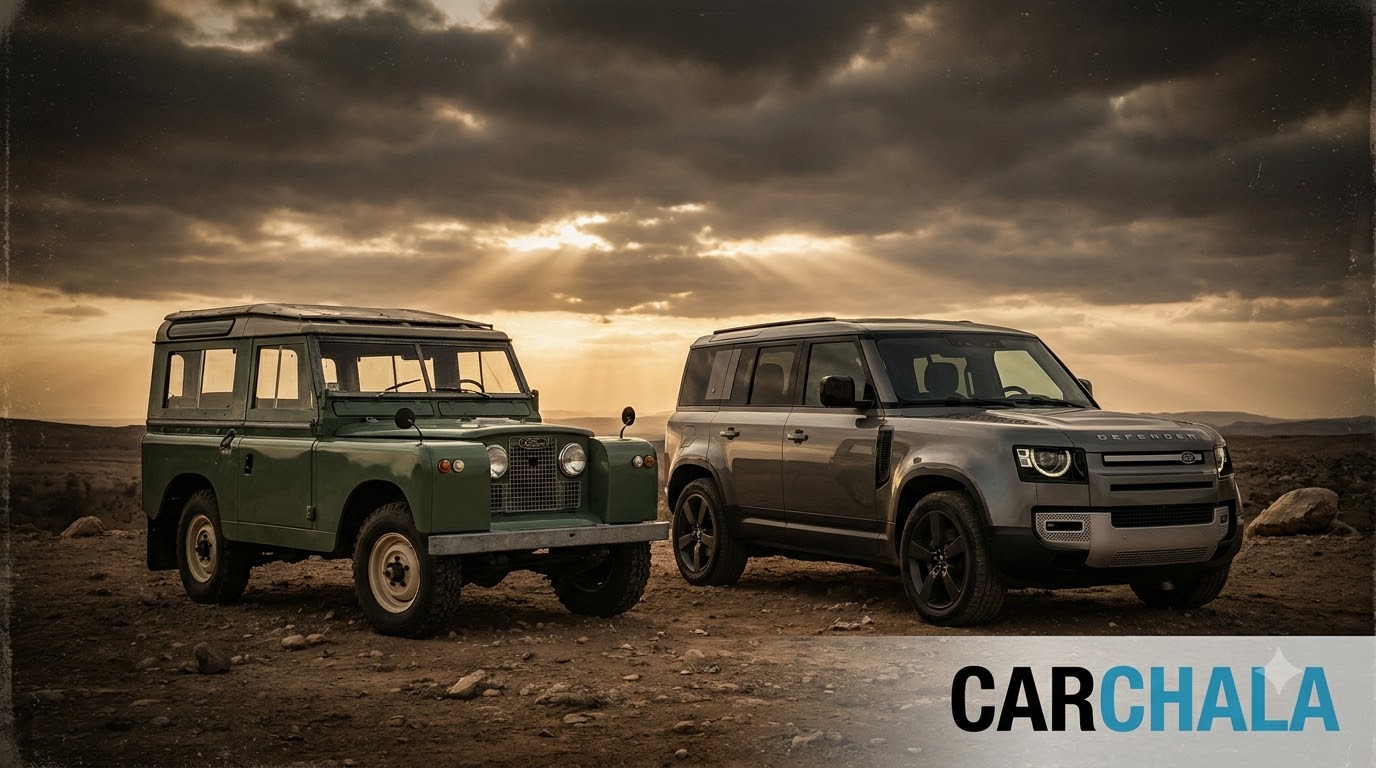
In a move that stuns the global automotive industry, Tata Motors acquires British luxury icons Jaguar and Land Rover from Ford, transforming a domestic player into a global powerhouse.
The HorizonNext Strategy
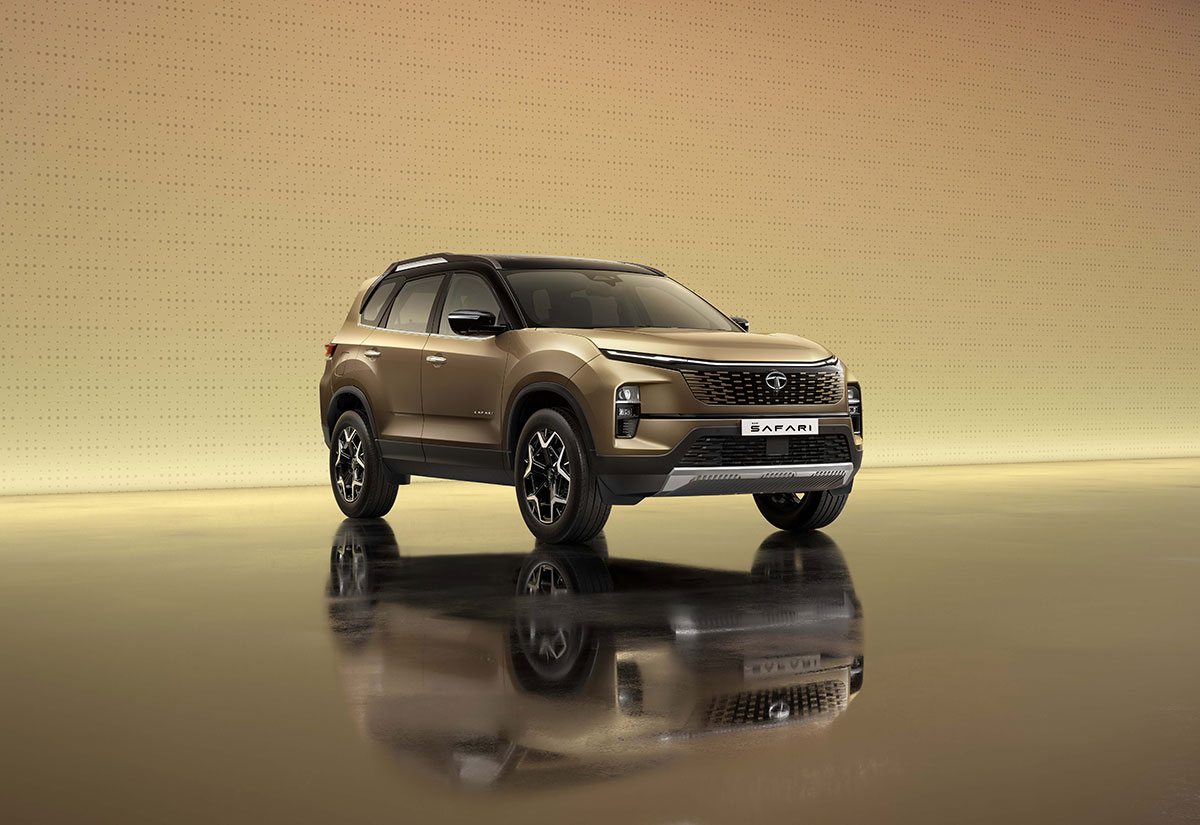
Facing declining sales and an aging portfolio, Tata initiates the HorizonNext strategy, pivoting entirely towards aggressive new design languages and improved quality control.
The Birth of the Nexon
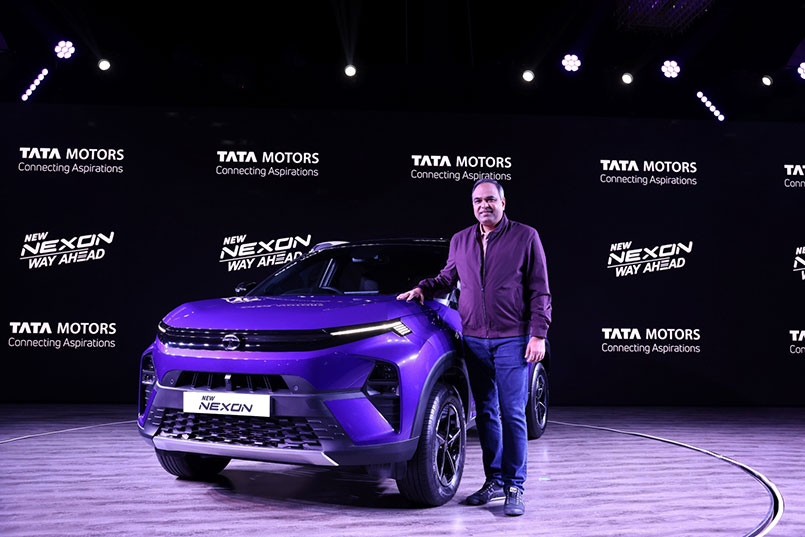
Tata launches the Nexon compact SUV. With its radical design and segment-first features, it becomes a runaway success and later becomes the first Indian car to score a 5-star Global NCAP safety rating.
The EV Era Begins
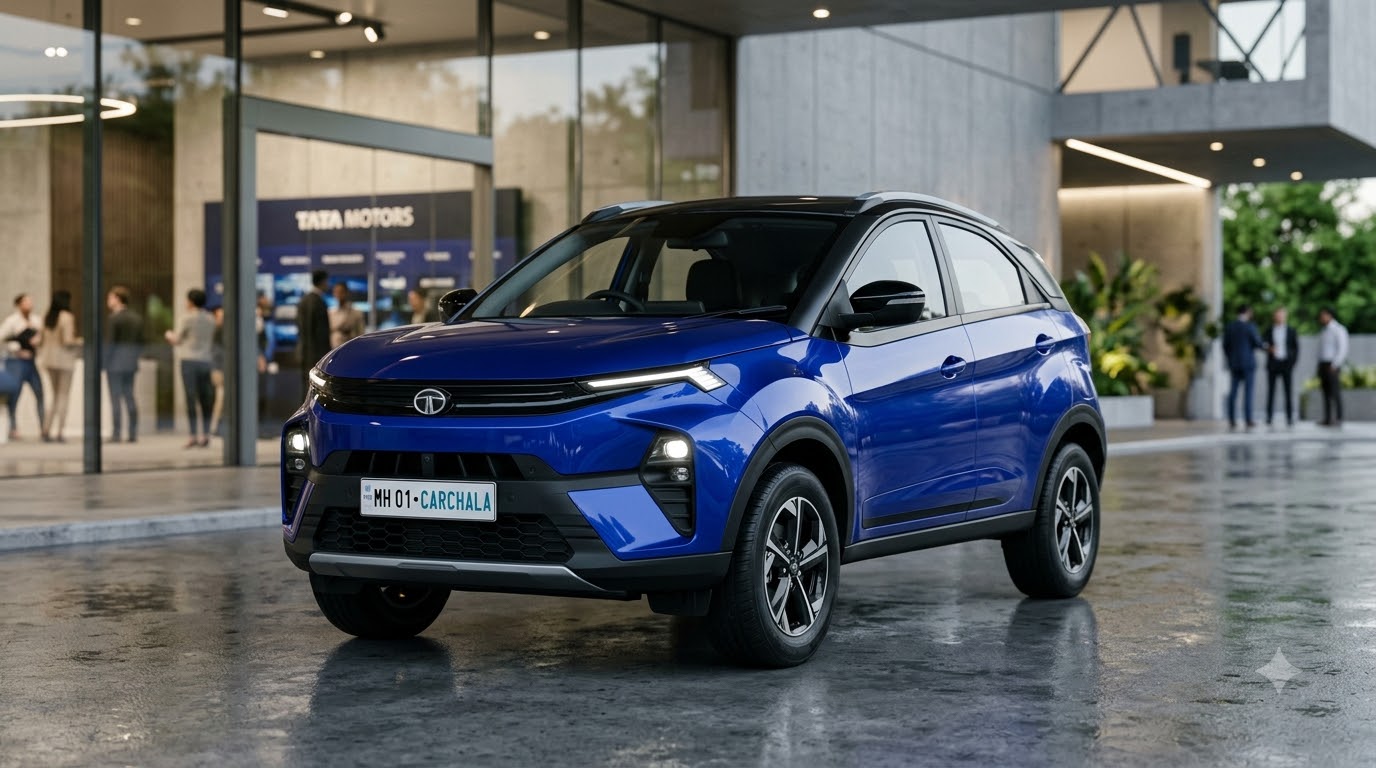
Tata launches the Nexon EV, making electric mobility accessible to the Indian masses. It quickly becomes Indias best-selling electric vehicle, securing Tatas dominance in the EV sector.
The Acti.ev Dominance
Tata Motors solidifies its massive lead in the Indian EV market with the Punch.ev and Curvv.ev, built on the advanced acti.ev architecture.
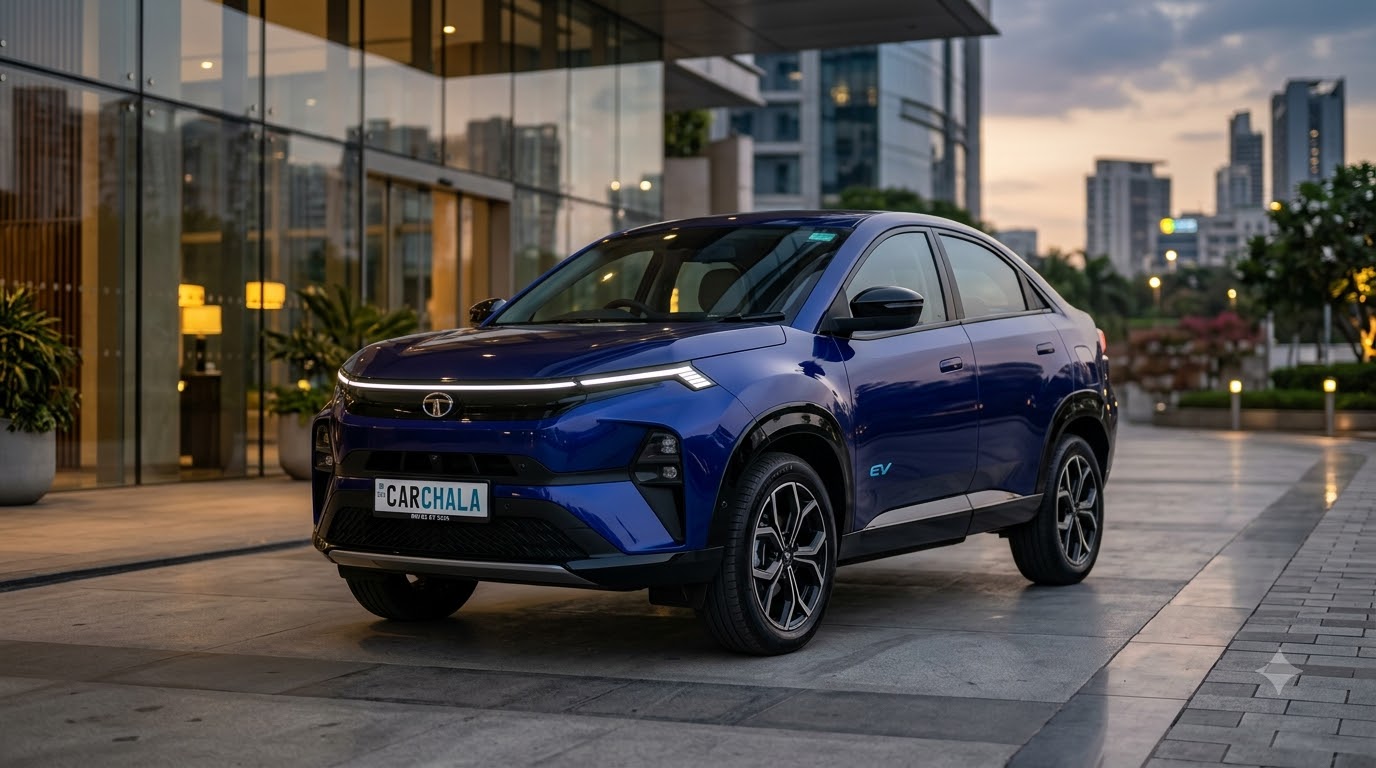
The Sierra EV Reborn
The iconic Tata Sierra is expected to make a triumphant, highly anticipated return as a rugged, futuristic lifestyle electric SUV.
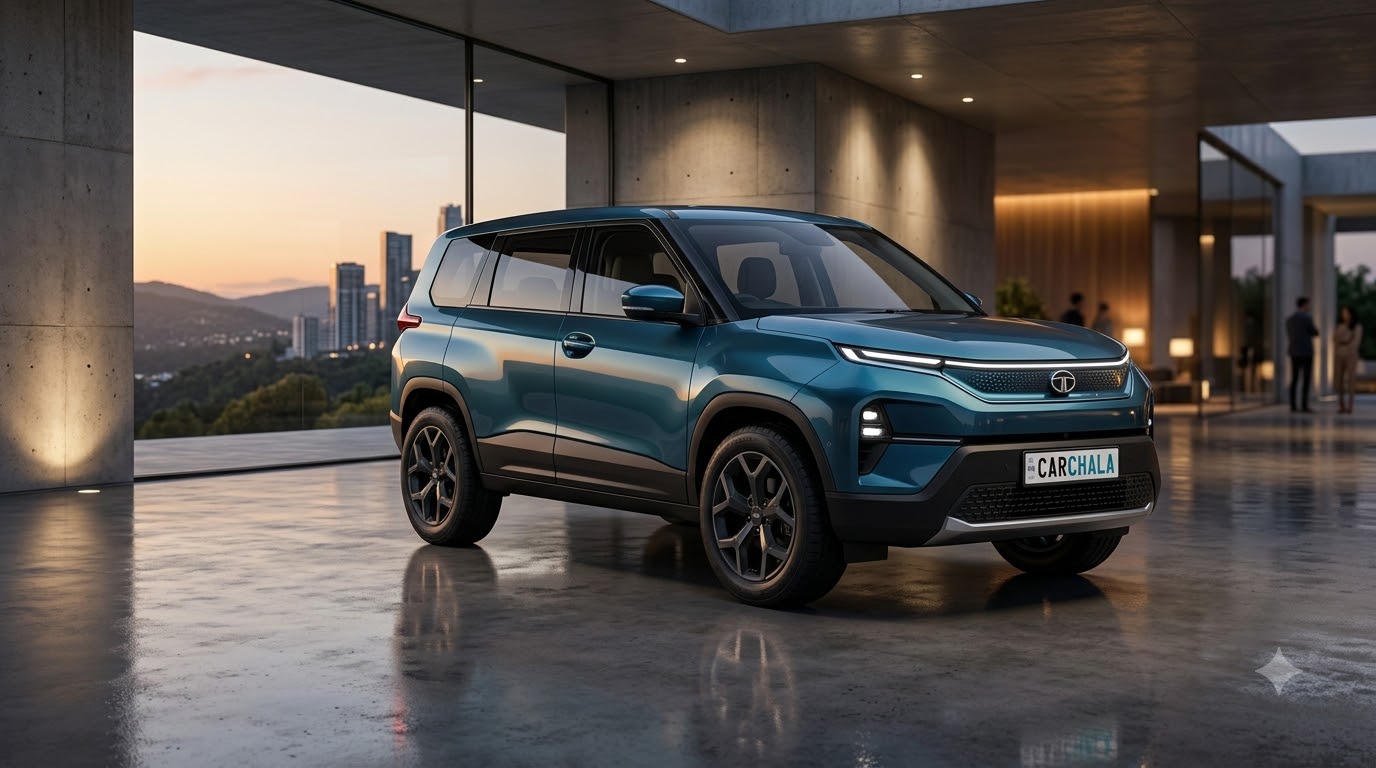
Acquiring British Royalty: The JLR Saga
In 2008, the global financial crisis was wreaking havoc across industries. The Ford Motor Company was struggling and looking to offload its premium European brands to stay afloat. In a move that shocked the world and swelled Indian hearts with pride, Tata Motors acquired Jaguar Land Rover (JLR) for $2.3 billion.
It was a poetic moment in history. An Indian company, born in a colonized nation, had purchased two of the most iconic and aristocratic British luxury brands. Under Tata's careful stewardship, JLR didn't just survive; it thrived. Tata injected massive capital into R&D while allowing the British teams the autonomy to design. This era birthed critically acclaimed and highly profitable models like the Range Rover Evoque, the Jaguar F-Type, and the new Land Rover Defender.
"I make no secret of the fact that I want Tata Motors to be a global player. We will do it on our own terms."
The Modern Era: Uncompromising Safety and Electrification
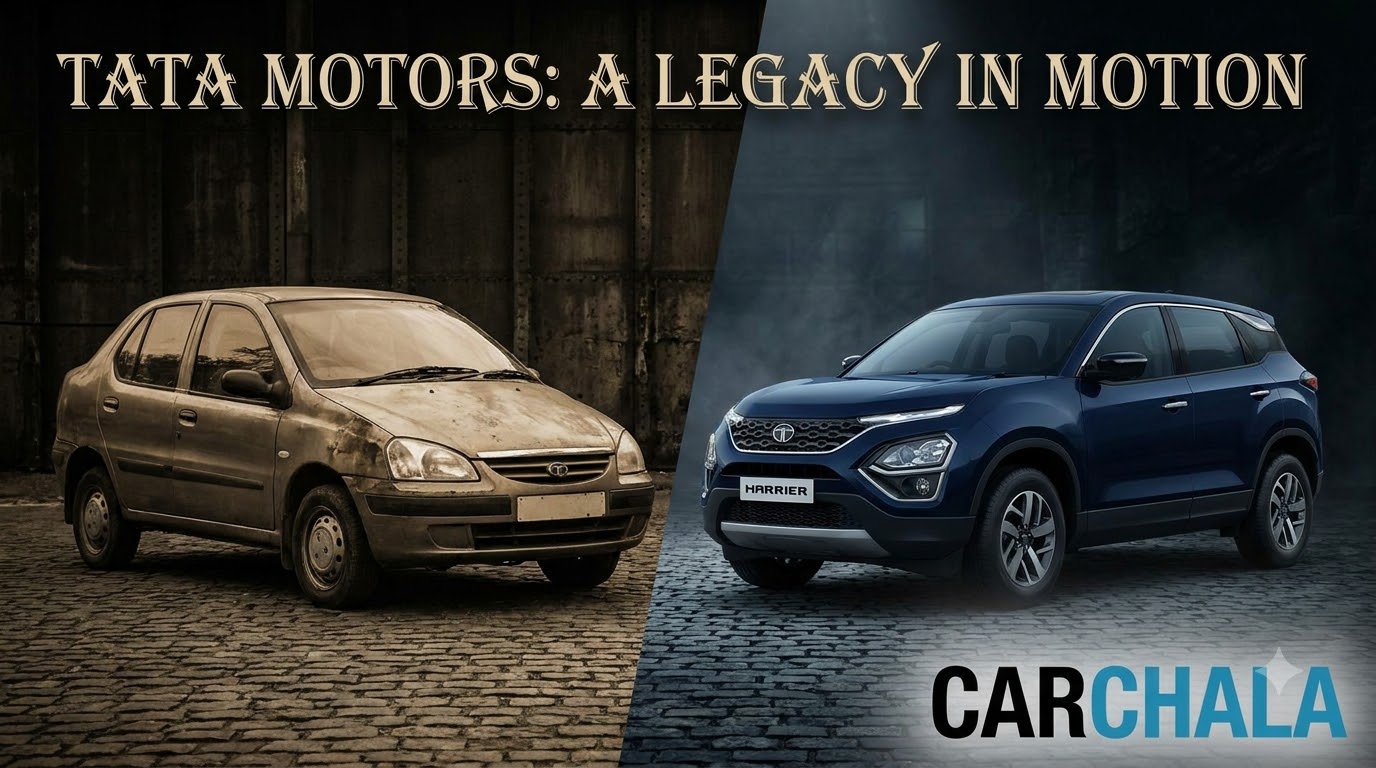
Today, Tata Motors is entirely unrecognizable from the company that launched the humble Indica. They have completely revolutionized their design language with the 'IMPACT 2.0' philosophy, creating some of the most striking and modern vehicles on Indian roads.
More importantly, Tata has become the undisputed champion of automotive safety in India. For decades, safety in Indian cars was an afterthought. Tata changed the paradigm. Cars like the Tata Nexon, Altroz, and Punch achieved perfect 5-star Global NCAP ratings. They didn't just build safe cars; they aggressively marketed safety, forcing the entire Indian auto industry to elevate their standards.
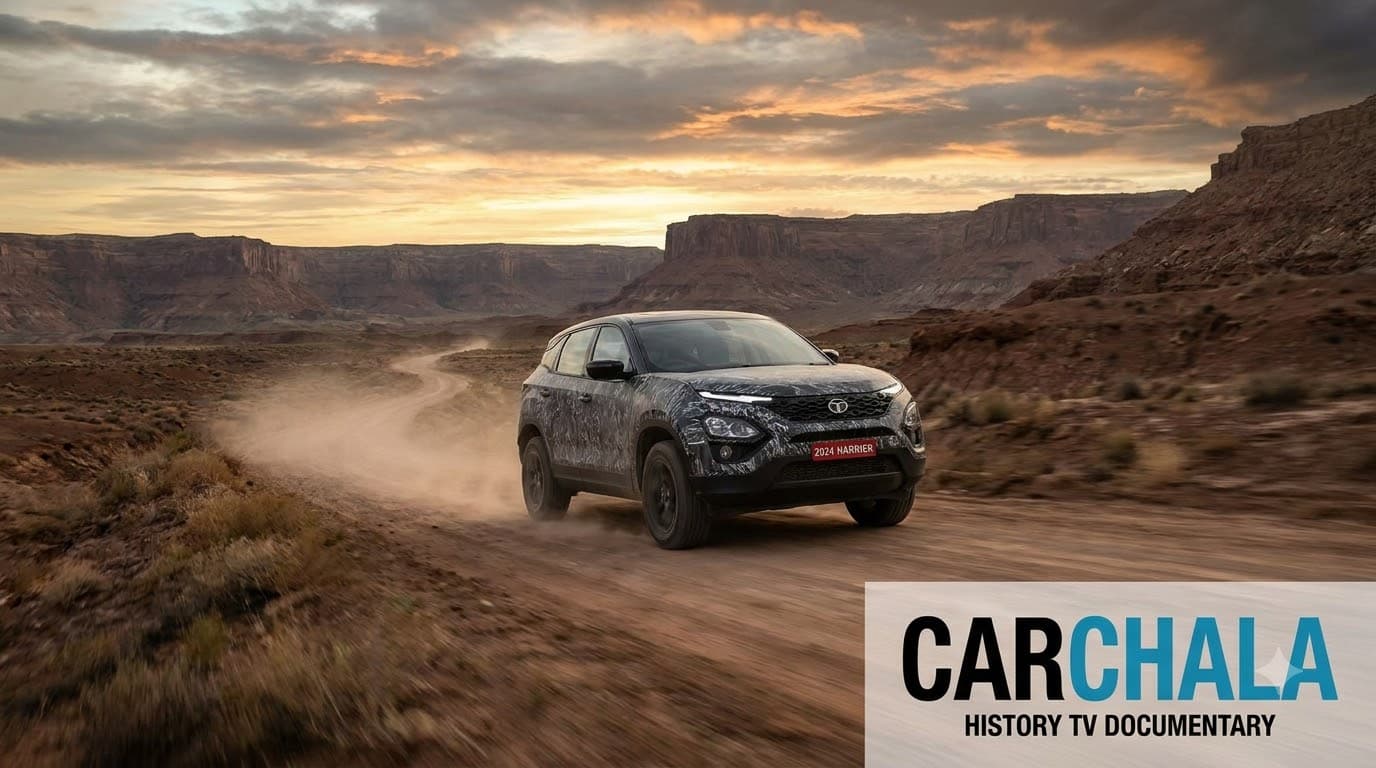
The Tata Harrier, showcasing Tata Motors' uncompromising commitment to safety, bold design, and premium driving dynamics.
Leading the Charge: The Electric Revolution
As the global automotive industry transitions to sustainable energy, Tata is not just participating; it is leading the charge in India. Establishing a dedicated EV subsidiary, Tata Passenger Electric Mobility (TPEM), they have captured over 70% of the Indian electric vehicle market.
The Nexon EV dominates the market, proving that an Indian manufacturer can build world-class, reliable, and accessible electric vehicles. With upcoming platforms like the 'Acti.ev' architecture underpinning the new Punch EV and the upcoming Curvv, Tata's electric future is not just bright; it is electrifying.
The story of Tata Motors is the story of modern India itself—ambitious, resilient, deeply rooted in its heritage, and constantly evolving to conquer the global stage. From forging the steel of locomotives to redefining luxury with Range Rover and pioneering mass-market EVs, Tata Motors has proven that Indian engineering has no limits.