
The story of Hyundai Motor India is one of sheer audacity. When the South Korean giant decided to enter the Indian market in the late 1990s, they were stepping into an arena dominated entirely by Maruti Suzuki. Many international players had tried and failed, treating India as a dumping ground for outdated models. Hyundai, however, took a radically different approach. They didn't just want to sell cars in India; they wanted to build them, design them, and eventually make India a global export hub.
The Bold Entry: A Clean Slate and a Tall Boy
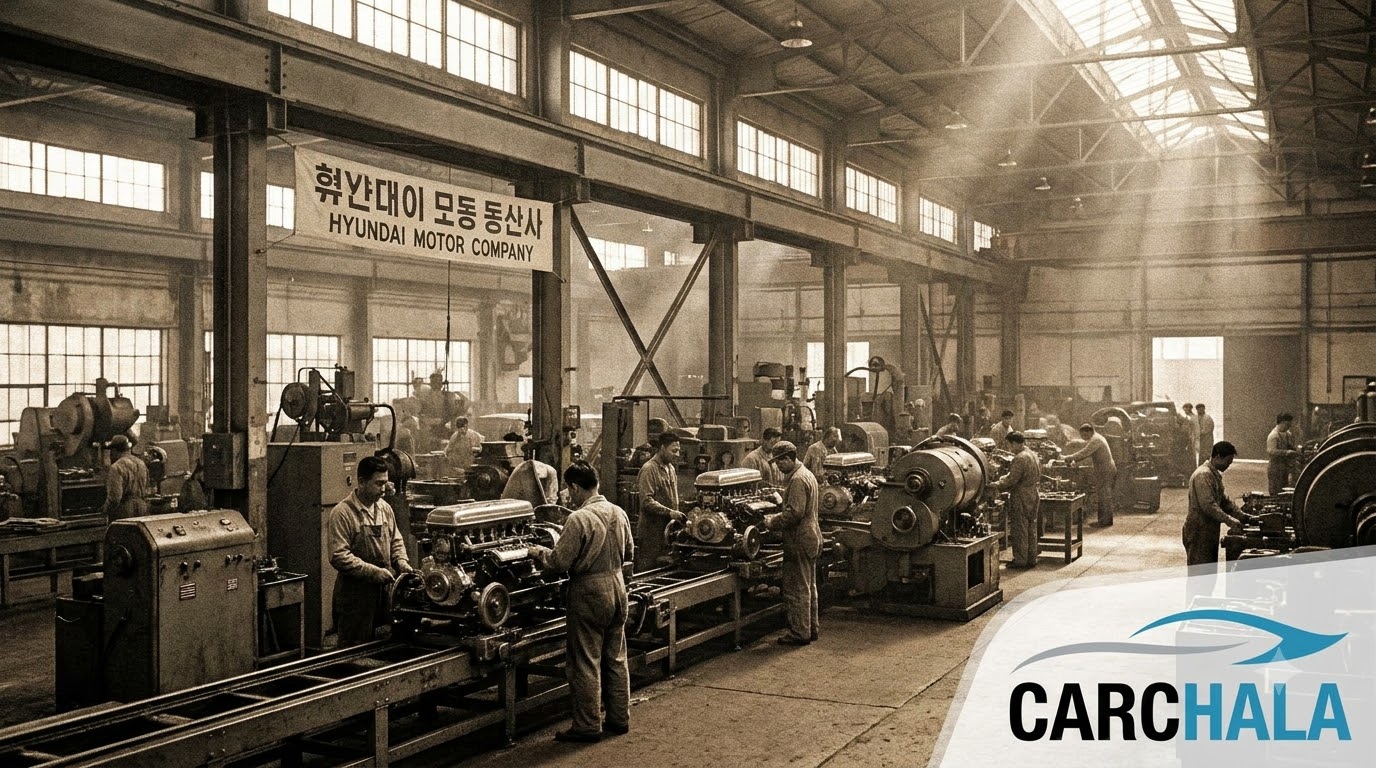
In 1996, Hyundai Motor India Limited (HMIL) was formed. Instead of bringing a phased-out model, they invested heavily in setting up a massive, state-of-the-art manufacturing facility in Sriperumbudur, Tamil Nadu. This signaled a serious, long-term commitment that surprised industry veterans.
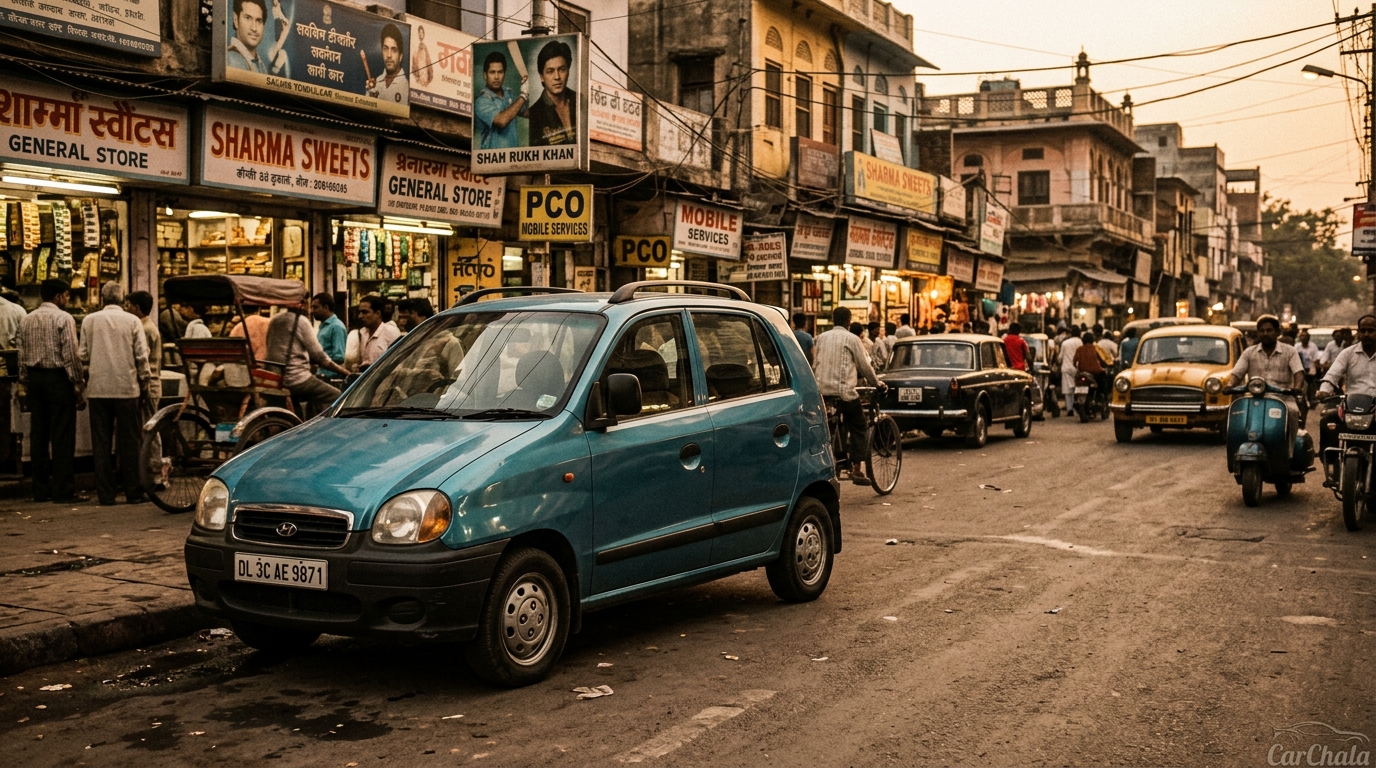
But the true shockwave came in 1998 with the launch of their first product: the Hyundai Santro. At a time when Indian hatchbacks were strictly utilitarian and low-slung, the Santro introduced the 'tall-boy' design. It was polarizing at first, but its sheer practicality, ease of ingress and egress, and surprisingly peppy engine quickly won over the Indian consumer. Hyundai also roped in Bollywood superstar Shah Rukh Khan as the brand ambassador, an unprecedented marketing masterstroke that gave the unknown Korean brand instant credibility and glamour.
"We didn't come to India to be a marginal player. We came with the latest technology, a massive investment, and a firm belief in the Indian consumer."
Challenging the Hegemony
The success of the Santro proved that Indian buyers were hungry for modern features, better build quality, and superior technology, even if it meant paying a slight premium over a Maruti. Hyundai capitalized on this realization. They became the first manufacturer to introduce features like Multi-Point Fuel Injection (MPFI) and power steering as standard in the compact car segment.
They systematically expanded their portfolio to challenge Maruti Suzuki in every segment. The Hyundai Accent took the fight to the sedan market, offering luxury features previously unseen at that price point. The Getz, though slightly ahead of its time, paved the way for the premium hatchback segment. By the early 2000s, Hyundai had firmly established itself as the unquestioned number two automaker in India, a position they have fiercely defended ever since.
Planting the Flag
Hyundai Motor India Limited is incorporated, and work begins on a massive, fully integrated manufacturing plant in Sriperumbudur, near Chennai.
The Tall Boy Arrives
The Hyundai Santro is launched. Its revolutionary tall-boy design and modern engine technology make it an instant, massive hit.
Entering the Sedan Space
The Hyundai Accent is introduced, bringing premium features and refined driving dynamics to the mid-size sedan segment.
The i10 Phenomenon
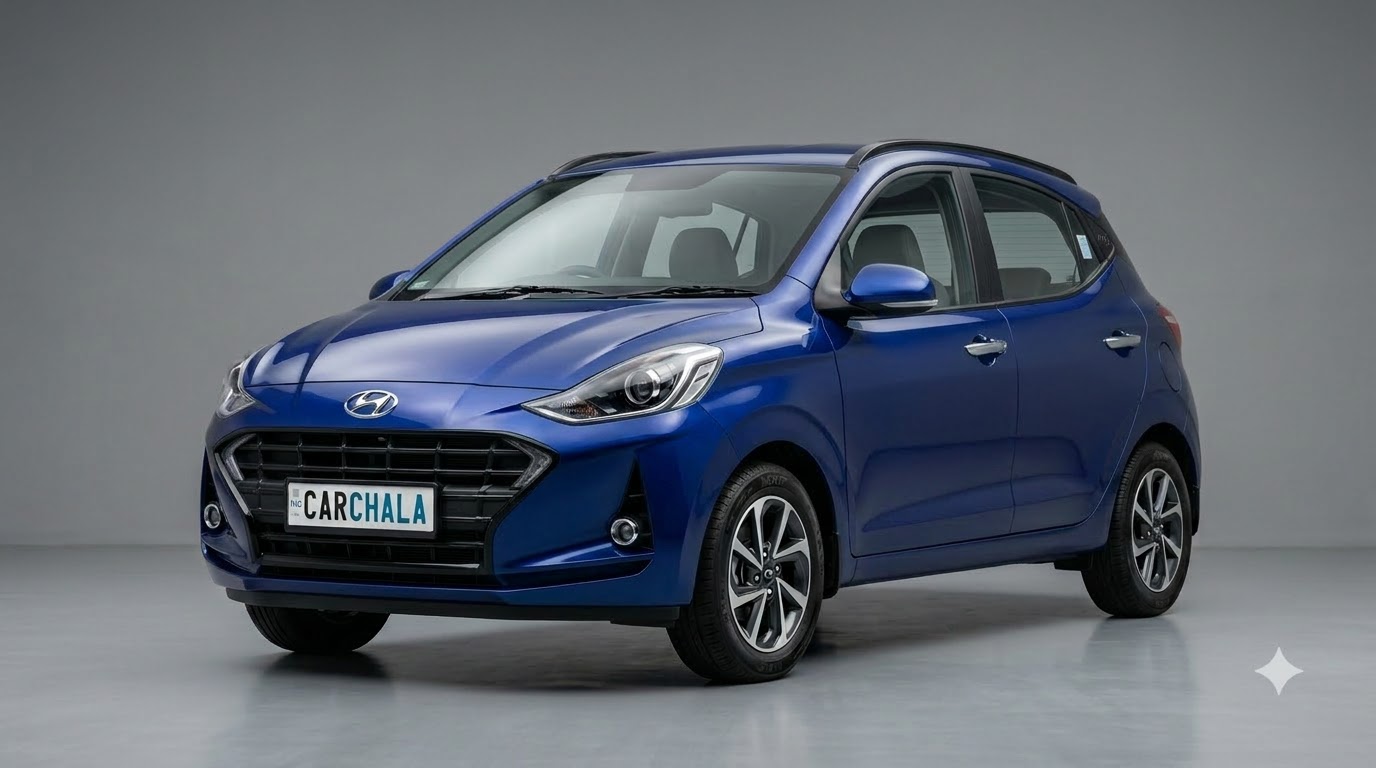
The i10 replaces the aging Santro, establishing new benchmarks for interior quality, features, and refinement in the compact segment.
Premium Hatchback Redefined
The i20 is launched, virtually creating the premium hatchback segment in India with its European styling and exhaustive feature list.
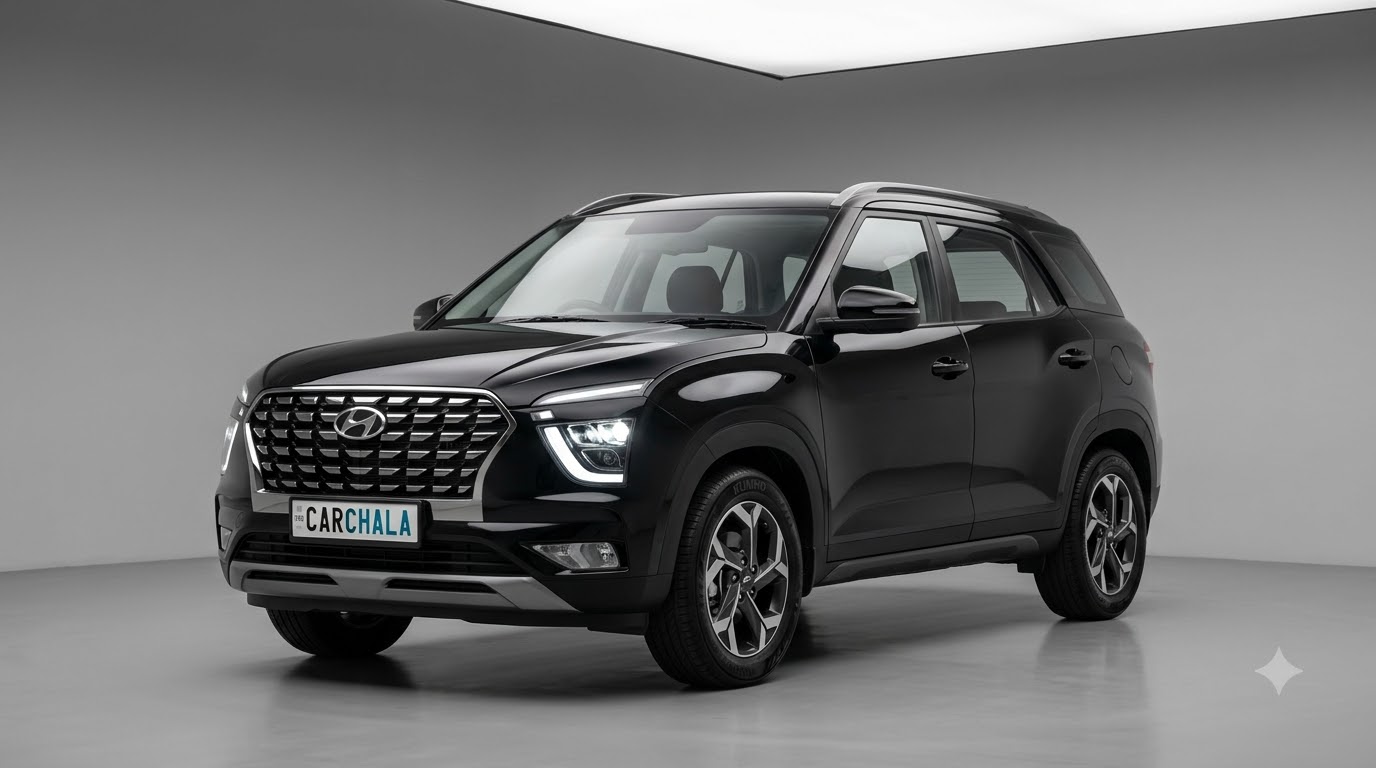
The Creta Craze
Hyundai launches the Creta. It becomes an overnight sensation, defining the mid-size SUV segment and maintaining its dominance for years.
The First Electric Step
The Kona Electric is introduced, making Hyundai the first major manufacturer to launch a long-range, high-voltage EV in the Indian market.
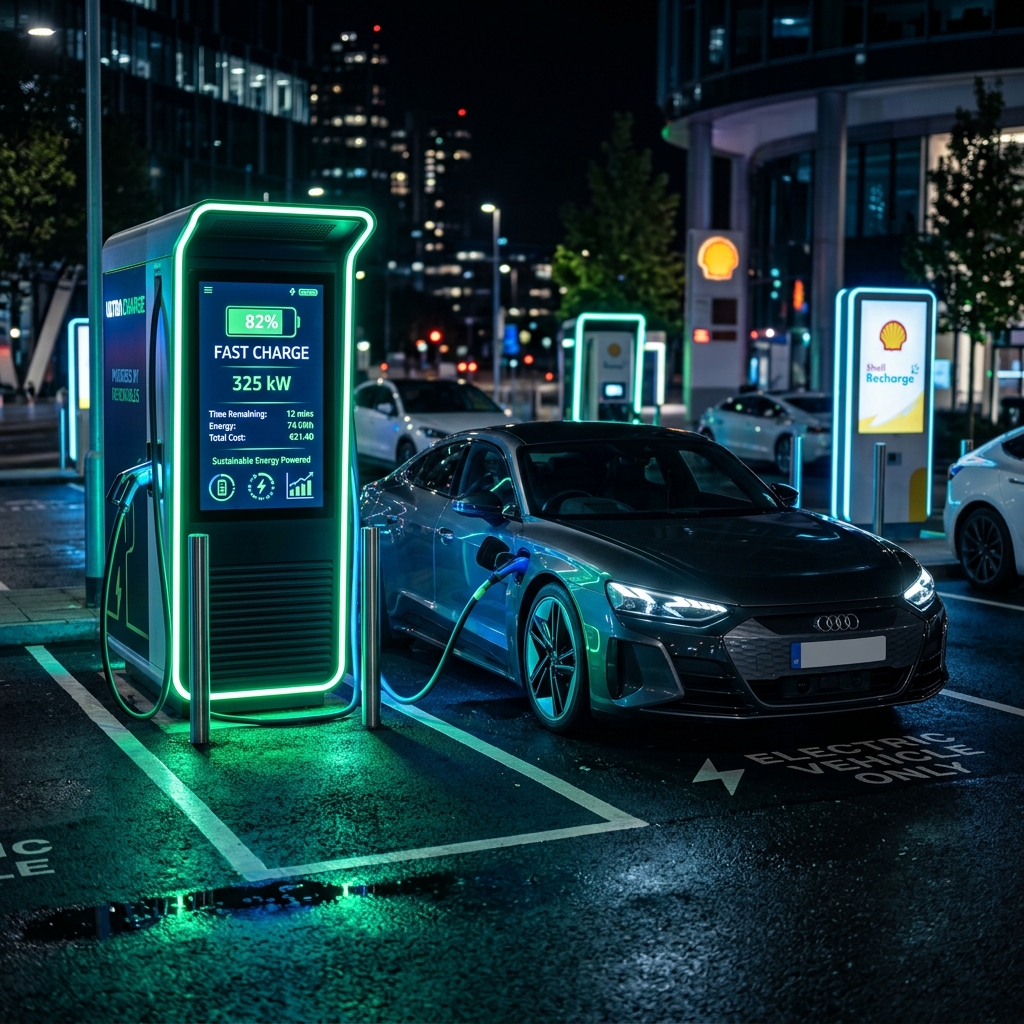
Ioniq 5 and Local Assembly
The futuristic Ioniq 5 EV is launched, assembled locally in India, showcasing Hyundais commitment to top-tier EV technology.
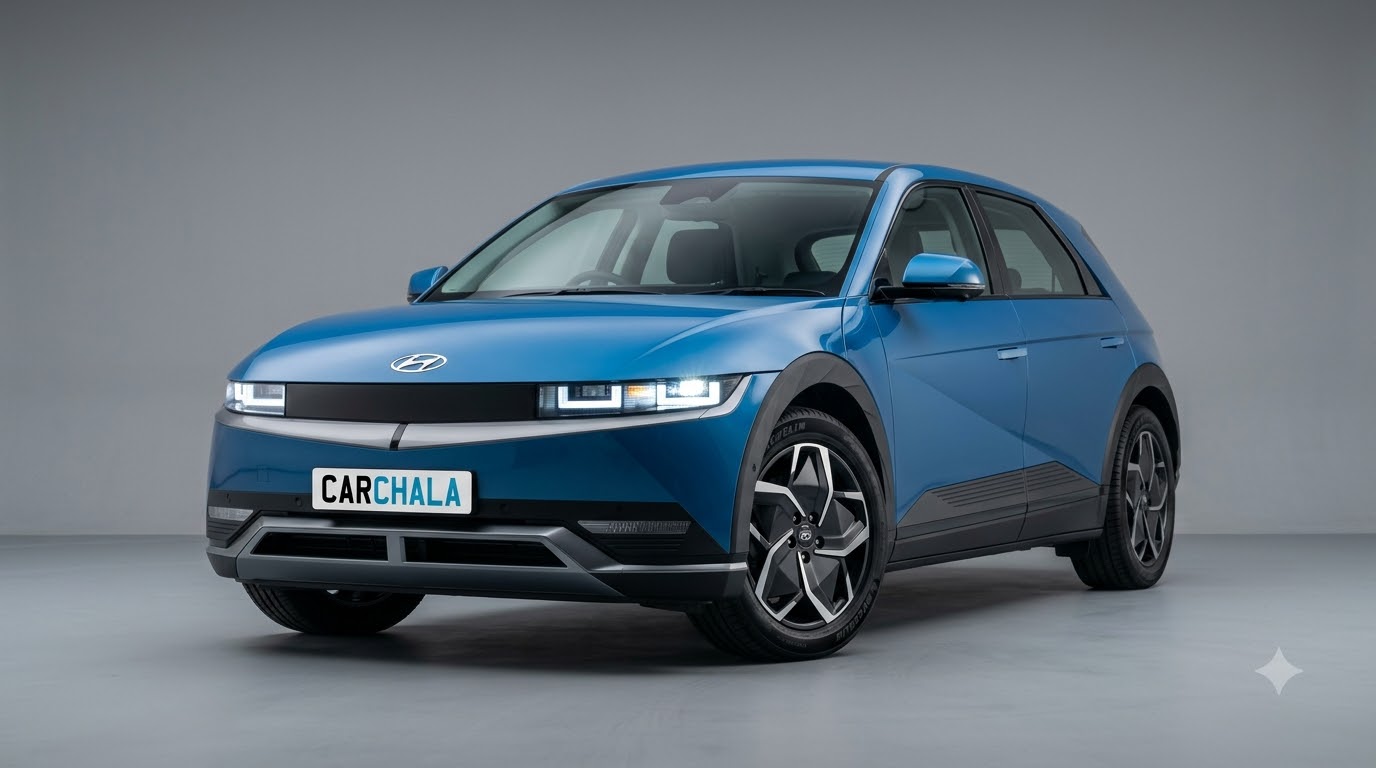
The Creta EV Phenomenon
Hyundai dominates the mainstream electric market with the launch of the highly anticipated Creta EV, blending India's favorite SUV with electric power.
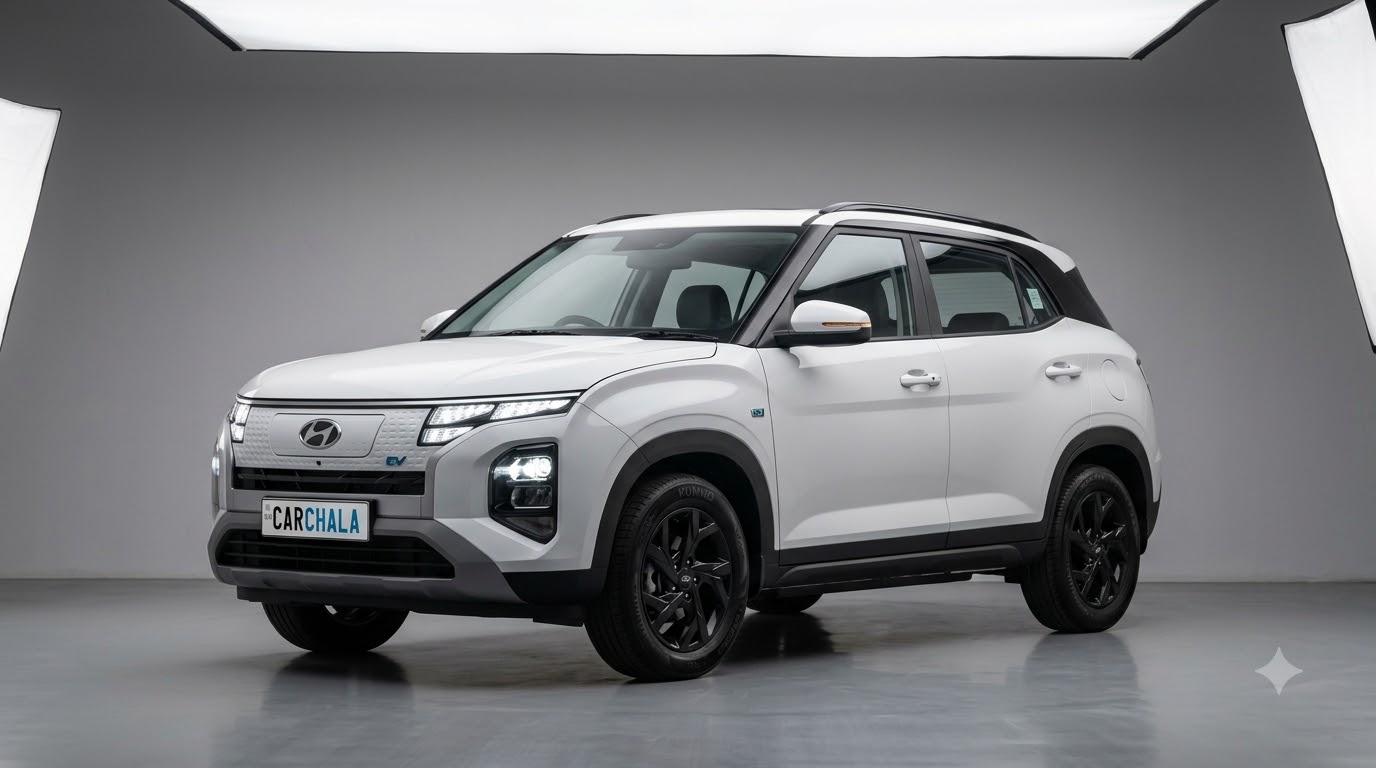
E-GMP Localized
Hyundai is expected to introduce localized E-GMP platform cars in India, bringing ultra-fast charging and massive range to accessible price points.

The Feature-Rich Strategy and Design Evolution
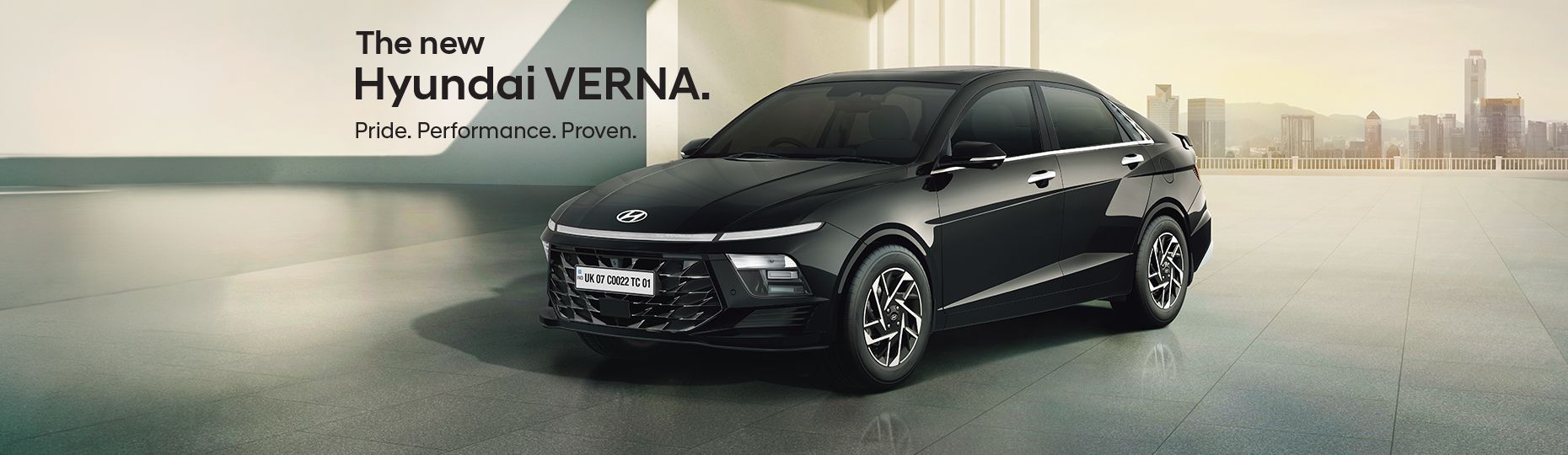
If Maruti Suzuki owned 'peace of mind,' Hyundai claimed 'premiumness and features.' They understood that the Indian buyer loved gadgets, premium interiors, and striking designs. The introduction of the 'Fluidic Sculpture' design philosophy in the early 2010s transformed their cars. The Fluidic Verna, for instance, stunned the market with its swooping lines and a feature list that read like a luxury car's brochure.
This relentless focus on offering segment-first features—like rear AC vents, touchscreens, ventilated seats, and sunroofs—became Hyundai's signature. They forced the entire industry to upgrade their offerings. The i20 redefined the premium hatchback space, proving that a small car could be luxurious.
"Innovation in design and technology is our core philosophy. The Indian customer deserves the absolute best global products, right here, right now."
The Creta: Defining the SUV Era
While Hyundai had earlier success with SUVs like the Santa Fe and Tucson, they were niche products. The true game-changer arrived in 2015 with the Hyundai Creta. It was the absolute perfect vehicle at the perfect time. The Indian market was just beginning to shift its preference from sedans to SUVs, and the Creta offered the rugged stance of an SUV with the comfort, features, and drivability of a premium sedan.
The Creta became an absolute juggernaut. It dominated the sales charts, commanded massive waiting periods, and became the benchmark for the mid-size SUV segment. Competitors have tried for years to dethrone it, but the Creta's blend of striking design, diverse engine and gearbox options, and premium interior keeps it at the top. The subsequent launch of the smaller Venue only solidified Hyundai's grip on the highly lucrative SUV market.
The Electric Frontier and Global Export Hub
Hyundai's vision for India extends far beyond domestic sales. From the very beginning, they planned to use their massive Chennai facility as a global export hub. Today, Hyundai Motor India is the country's largest exporter of passenger cars, shipping vehicles to over 85 countries across Africa, the Middle East, Latin America, and Australia. This export strategy provided them with immense economies of scale and validated the quality of Indian manufacturing on a global stage.
As the industry pivots towards electric mobility, Hyundai has once again taken a proactive approach. While others hesitated, Hyundai launched the Kona Electric in 2019, proving that long-range EVs were viable in India. Recently, they introduced the globally acclaimed Ioniq 5, assembling it locally to offer aggressive pricing. With massive investments earmarked for localized battery manufacturing and a slew of mass-market EVs planned for the coming years, Hyundai is aggressively positioning itself to be a leader in the electric revolution.
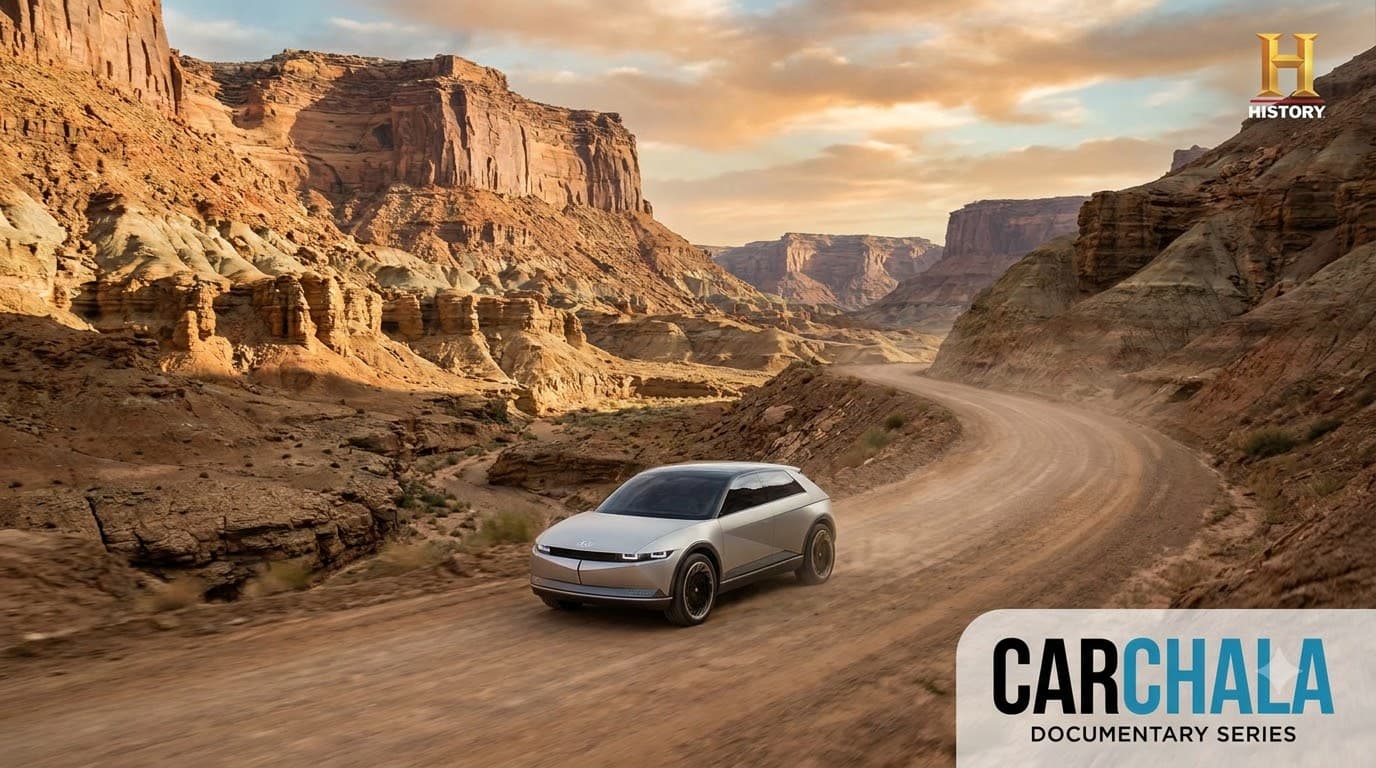
The Hyundai Ioniq 5, a retro-futuristic masterpiece showcasing Hyundai's advanced EV platform and design prowess.
A Legacy of Disruption
Hyundai's journey in India is a textbook example of how to enter an entrenched market and win. They didn't just compete on price; they competed on quality, technology, and sheer desirability. They respected the Indian consumer enough to offer their latest global products simultaneously.
From the quirky Santro to the dominating Creta and the futuristic Ioniq 5, Hyundai has consistently pushed the boundaries of what Indian buyers expect from their cars. They transformed themselves from a daring challenger into a permanent pillar of the Indian automotive landscape, proving that with bold investments, striking designs, and a deep understanding of aspirational value, dominance can indeed be challenged.