
There are very few brands in the world whose name has become synonymous with an entire category of vehicles. Just as people ask for a Kleenex when they need a tissue, for decades, people have called any rugged, four-wheel-drive vehicle a "Jeep." Born in the crucible of global conflict and engineered out of absolute necessity, Jeep is not just an automotive brand; it is a symbol of freedom, capability, and unyielding American grit. From the battlefields of World War II to the rock trails of Moab, the story of Jeep is an epic tale of survival, adaptation, and an uncompromising spirit of adventure.
The Genesis: A Vehicle Born for War
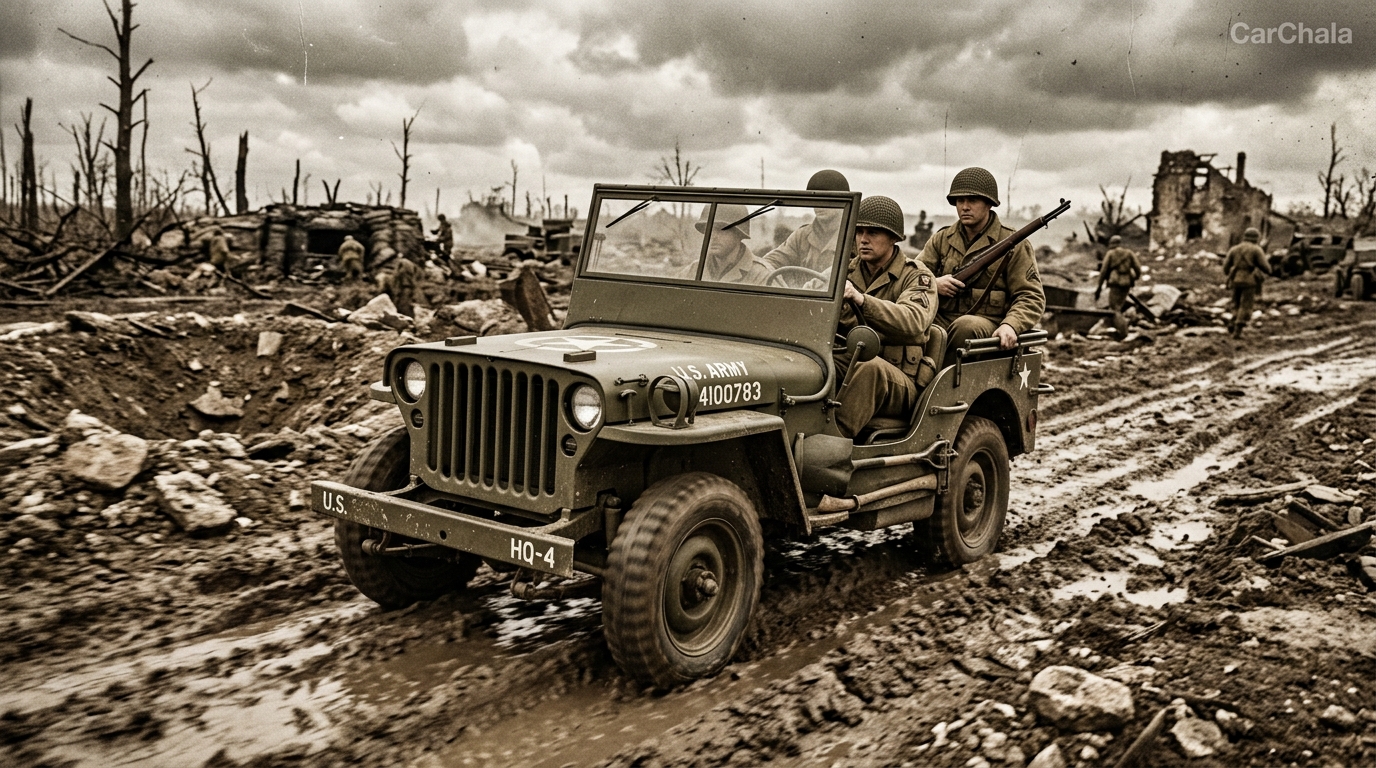
The story of Jeep begins in 1940, with the world on the precipice of a devastating global war. The United States military recognized a desperate need for a new type of vehicle. They needed a light, maneuverable, four-wheel-drive reconnaissance car that could traverse treacherous terrain, carry troops and equipment, and withstand the brutal conditions of combat. They sent out a rigorous set of specifications to 135 different automobile manufacturers, demanding working prototypes in an incredibly tight timeframe of just 49 days.
Only three companies stepped up to the monumental challenge: Bantam, Willys-Overland, and Ford. The small American Bantam Car Company was the first to deliver a prototype, affectionately called the "Blitz Buggy." However, Bantam lacked the massive production capacity required by the military. Ultimately, the military took the best elements from all three designs—Bantam's initial concept, Willys-Overland's powerful "Go Devil" engine, and Ford's manufacturing prowess—to create the ultimate wartime vehicle.
The resulting vehicle was the Willys MB (and the Ford-produced GPW). It was a mechanical marvel of simplicity and capability. It had a foldable windshield, a simple canvas top, four-wheel drive, and a rugged suspension.
"The Jeep, the Dakota airplane, and the landing craft were the three tools that won the war."
The origin of the name "Jeep" remains shrouded in mythology. Some claim it derived from the military designation "GP," meaning General Purpose. Others believe it was named after "Eugene the Jeep," a magical, teleporting character from the Popeye comic strip who could solve any problem. Whatever its origin, the Jeep became the mechanical hero of World War II, serving as ambulances, tractors, artillery transports, and command vehicles.
The Civilian Transition: From Battlefields to Farmlands
When the war ended in 1945, millions of GIs returned home, bringing with them a deep affection for the rugged little vehicles that had kept them alive. Willys-Overland saw an enormous opportunity to adapt their wartime hero for civilian life. In 1945, they launched the CJ-2A (Civilian Jeep).
The CJ series was heavily marketed to farmers, construction workers, and outdoorsmen. It featured a tailgate, side-mounted spare tire, larger headlights, and an agricultural drawbar. Willys promoted it as the ultimate workhorse, capable of plowing fields, digging trenches, and powering farm equipment. The CJ was the direct ancestor of what would eventually become the iconic Jeep Wrangler, embedding the concept of the recreational off-roader into the American consciousness.
The Willys MB Enters Service
The US Military begins mass production of the Willys MB and Ford GPW, creating the iconic four-wheel-drive vehicle that would become instrumental in the Allied victory in WWII.
The Birth of the CJ
Willys-Overland introduces the CJ-2A (Civilian Jeep), adapting the wartime vehicle for farmers and outdoorsmen, and launching the concept of recreational four-wheel drive.
Inventing the Luxury SUV
Jeep launches the Wagoneer, revolutionizing the automotive industry by combining the four-wheel-drive capability of a truck with the comfort, styling, and automatic transmission of a passenger car.
The Cherokee XJ Revolution
The Jeep Cherokee XJ is introduced. Featuring a pioneering unibody design instead of a traditional body-on-frame, it sparks the modern SUV craze that dominates the industry today.
The Arrival of the Wrangler
The legendary Jeep Wrangler (YJ) replaces the long-running CJ series. In the same year, the American Motors Corporation (AMC), which owned Jeep, is acquired by Chrysler.
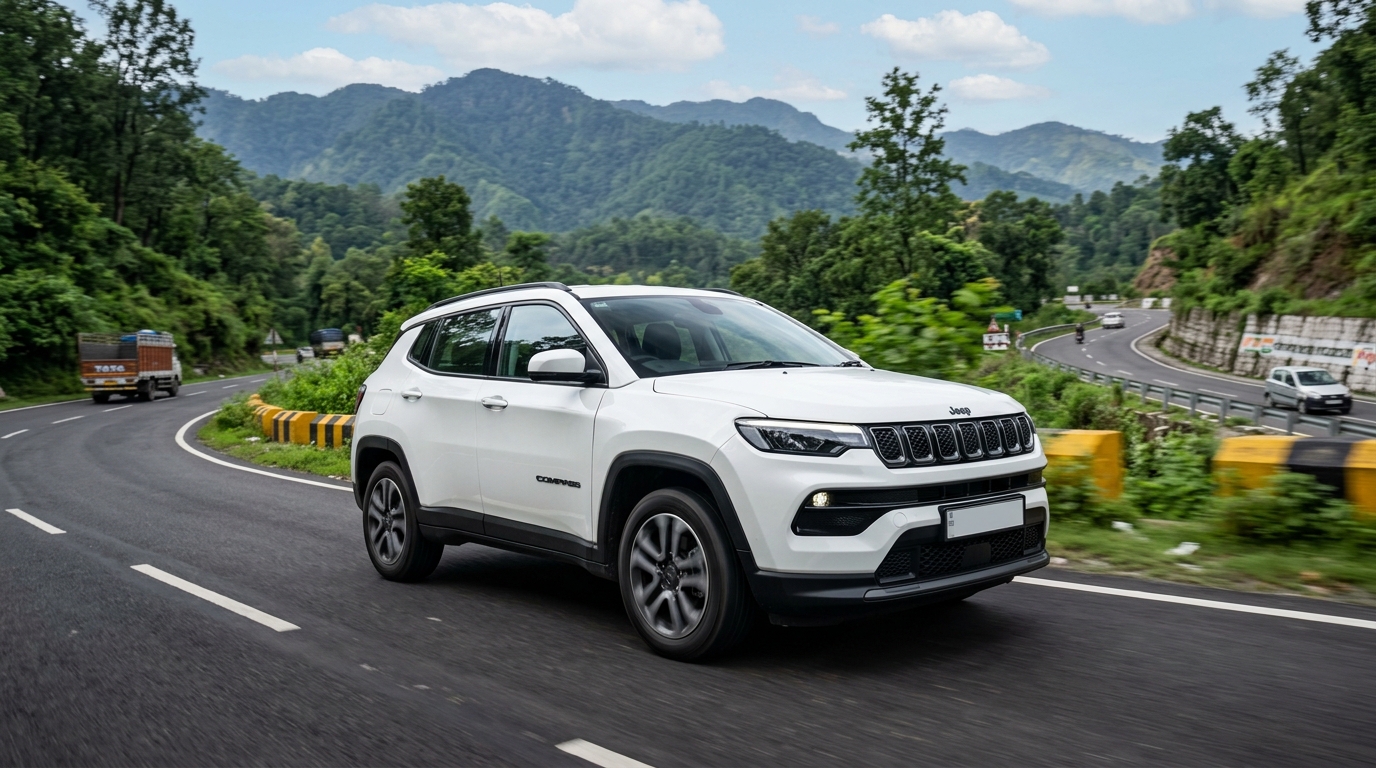
The Grand Cherokee Crashes the Party
The Jeep Grand Cherokee (ZJ) makes a dramatic debut by being driven through a plate-glass window at the Detroit Auto Show, setting a new benchmark for premium mid-size SUVs.
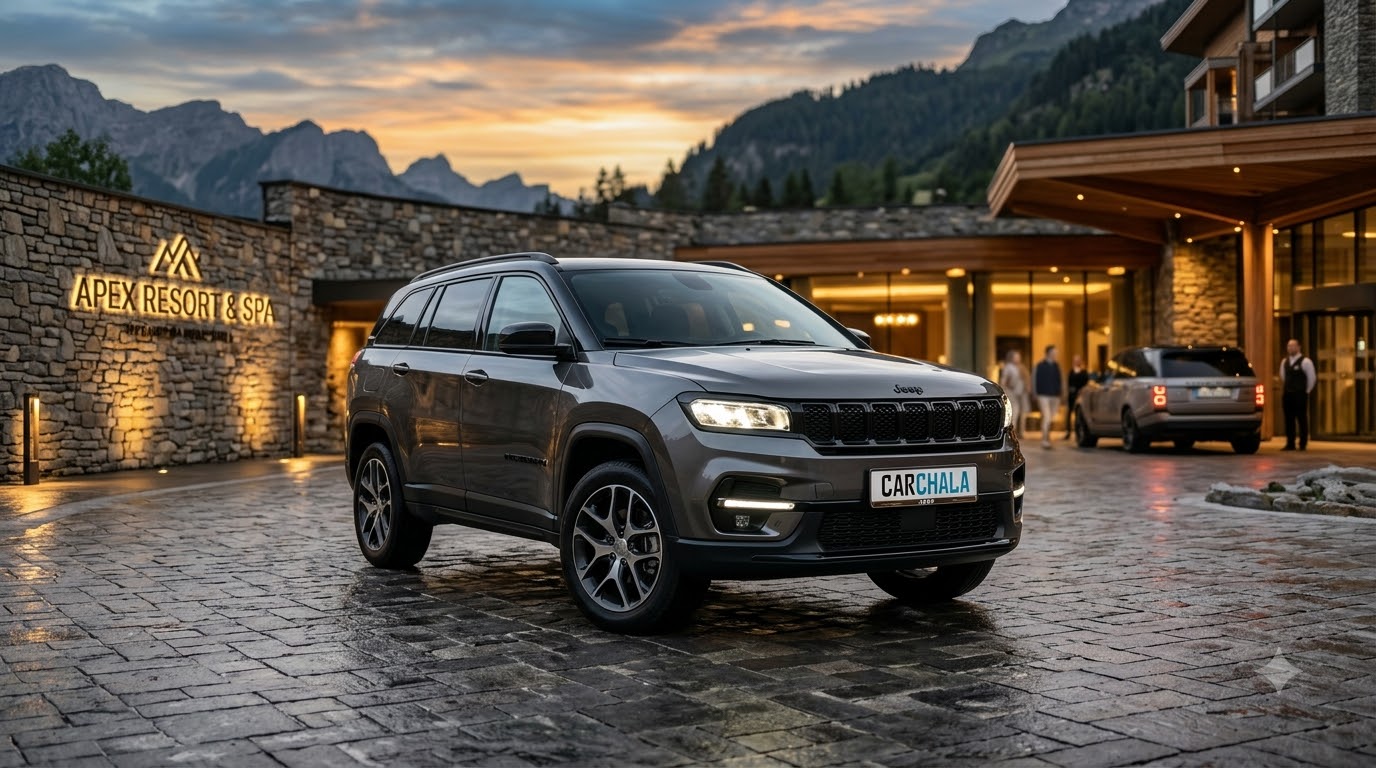
The Return of the Wagoneer
Jeep resurrects the Wagoneer and Grand Wagoneer nameplates, re-entering the ultra-premium, full-size luxury SUV market to compete with the worlds finest.
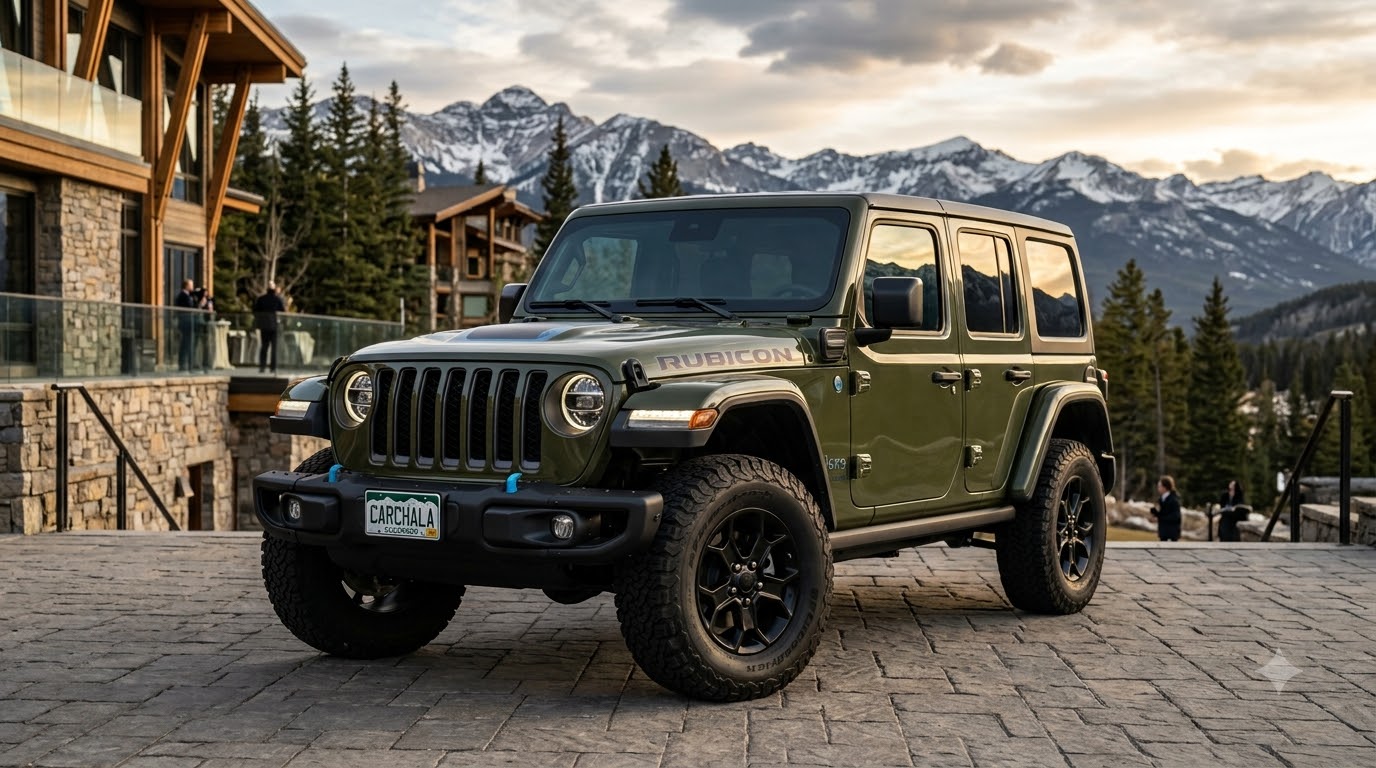
The 4xe Electrification Strategy
Jeep launches the Wrangler 4xe plug-in hybrid. It quickly becomes the best-selling PHEV in America, proving that legendary off-road capability can coexist with electric efficiency.
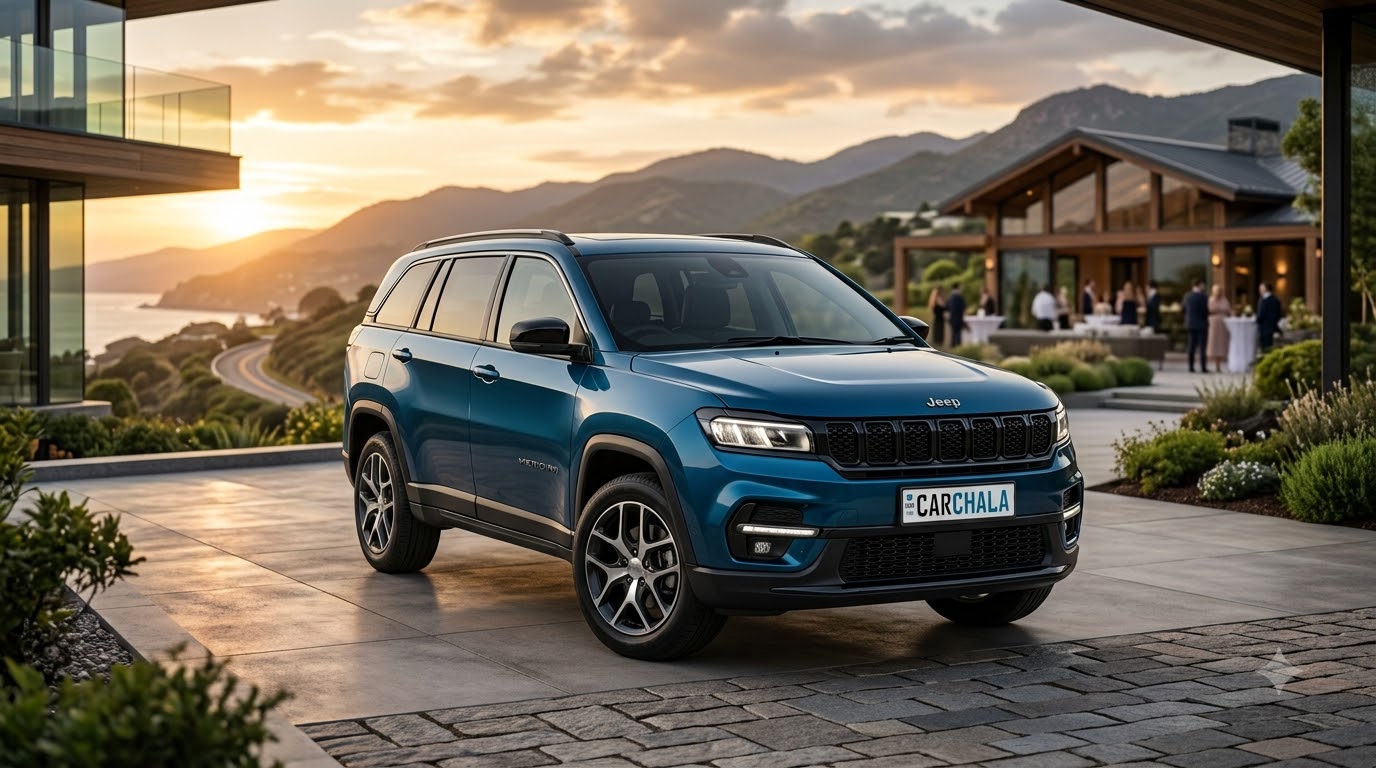
The 4xe Evolution
Jeep transitions its rugged legacy into the hybrid era in India, bringing advanced 4xe plug-in hybrid technology to its iconic off-roaders.
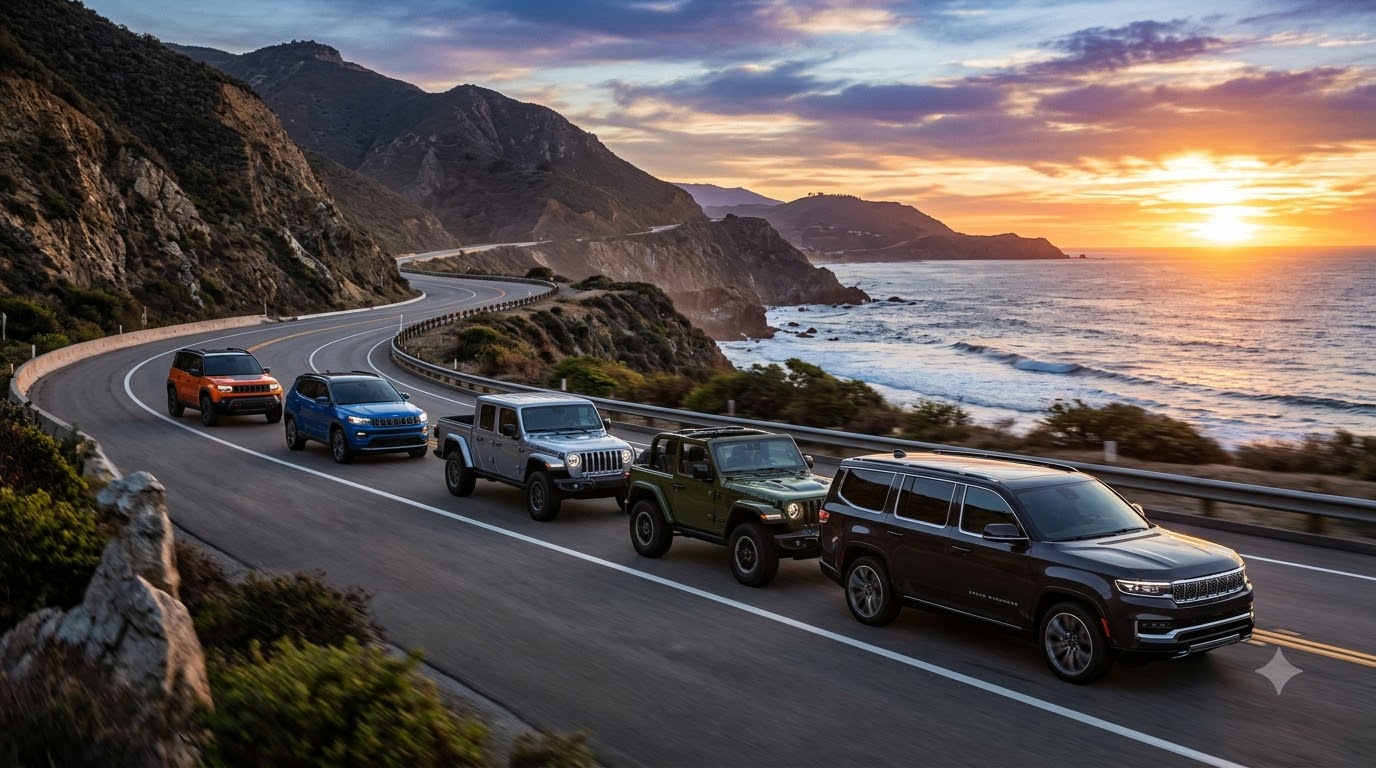
The Recon and Wagoneer S
Jeep is expected to launch its first fully electric global SUVs in India, proving that zero emissions and extreme off-roading can coexist.
Inventing the SUV: The Wagoneer and Cherokee
While the CJ solidified Jeep's reputation for ruggedness, the brand was not content to remain solely a manufacturer of utilitarian farm vehicles. In 1962, under the ownership of Kaiser Motors, Jeep introduced a vehicle that would fundamentally change the automotive landscape forever: the Jeep Wagoneer.
The Wagoneer was a revelation. Before its introduction, four-wheel-drive vehicles were universally harsh, spartan trucks. The Wagoneer combined the all-terrain capability of a Jeep with the styling, comfort, independent front suspension, and automatic transmission of a luxury station wagon. It was, arguably, the world’s first true luxury Sport Utility Vehicle (SUV).
The innovation didn't stop there. In 1984, Jeep (then owned by AMC) introduced the Cherokee XJ. Designed in part by legendary automotive designer Richard Teague, the Cherokee XJ was a masterpiece of packaging. It abandoned the heavy, traditional body-on-frame construction for a lighter, stiffer unibody design. It was compact on the outside, spacious on the inside, and immensely capable off-road. The Cherokee XJ single-handedly ignited the modern compact SUV boom, forcing every major automaker in the world to scramble to build a competitor.
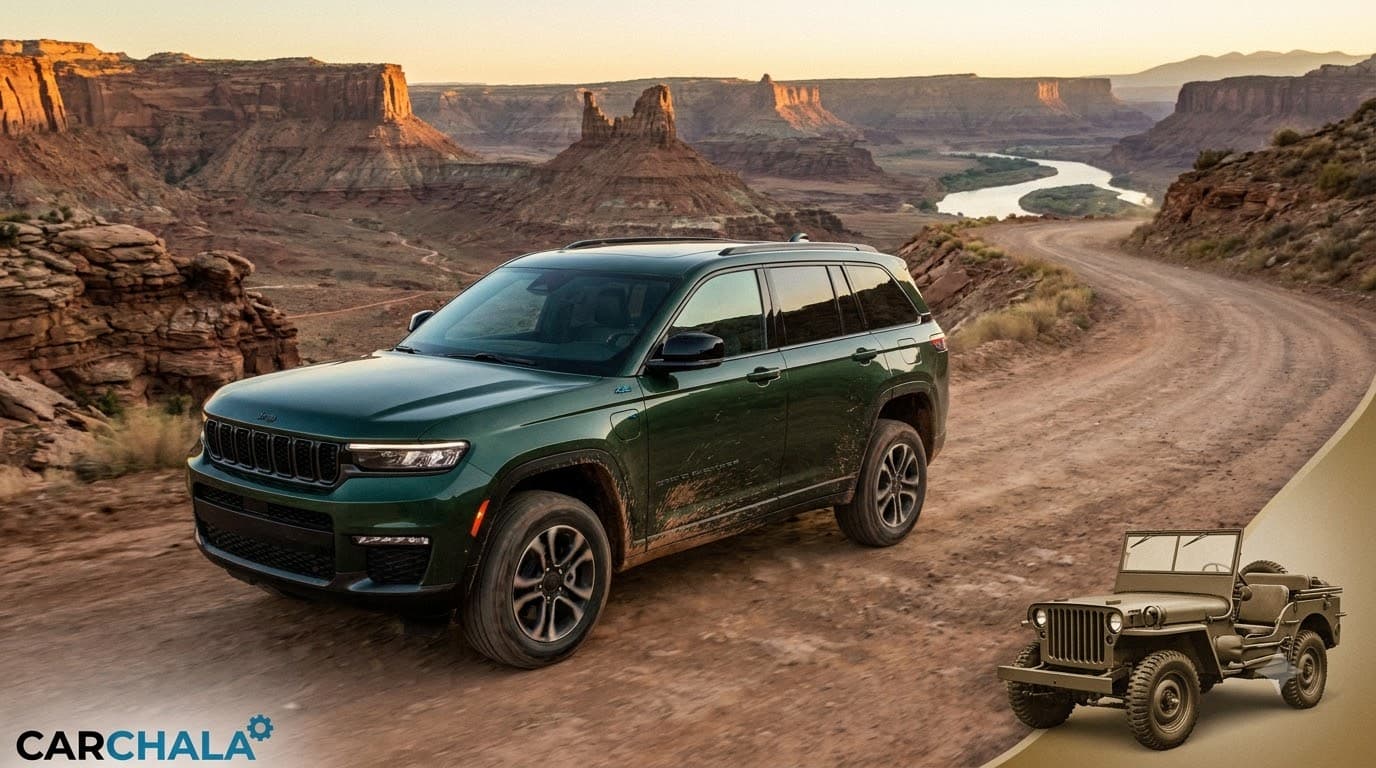
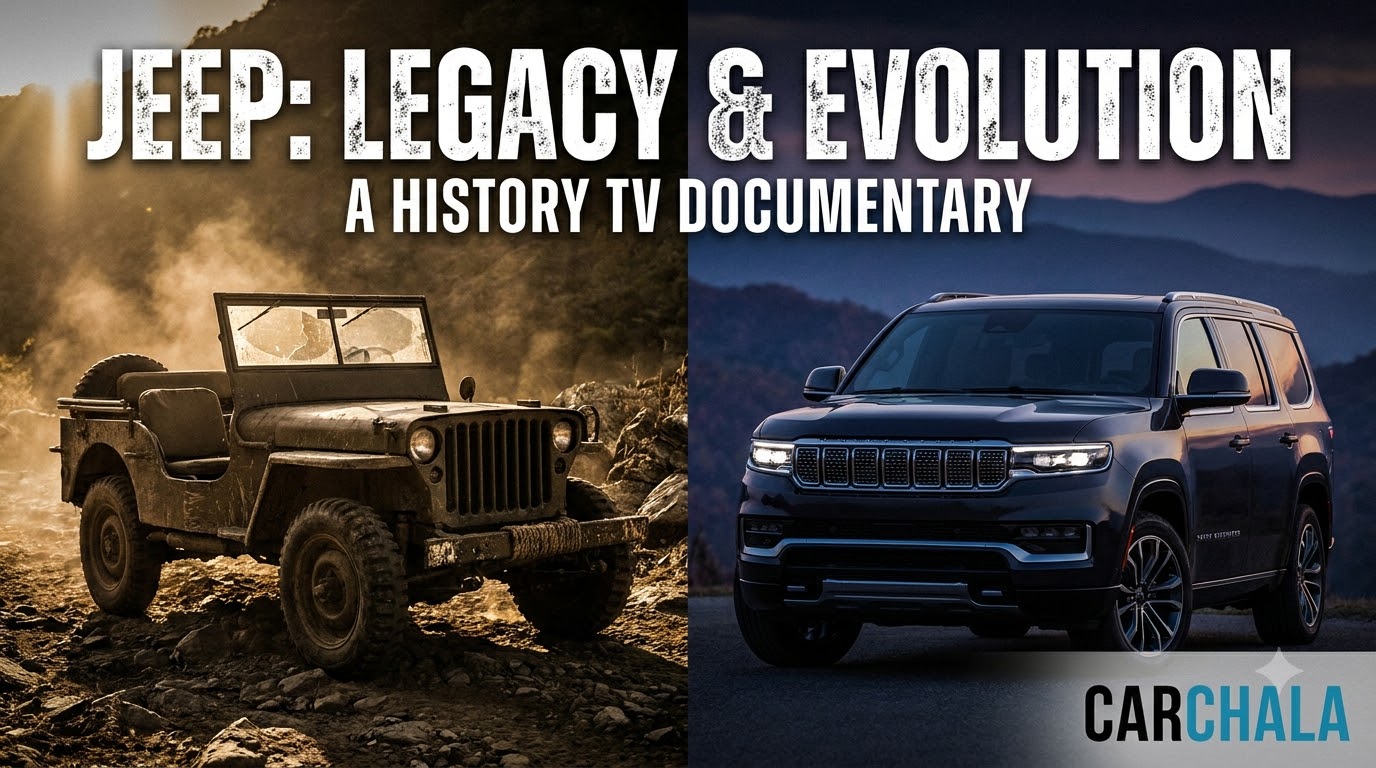
The iconic Jeep Wrangler, conquering the toughest terrains in the world and carrying the legacy of the original Willys MB into the modern era.
The Modern Era: Changing Owners, Unchanging Spirit
Throughout its tumultuous corporate history, the Jeep brand has been passed between numerous corporate parents. Willys-Overland was bought by Kaiser Motors, which was then acquired by the American Motors Corporation (AMC). In 1987, Chrysler purchased AMC primarily to acquire the incredibly lucrative Jeep brand. Today, Jeep is a crown jewel within the massive global Stellantis conglomerate.
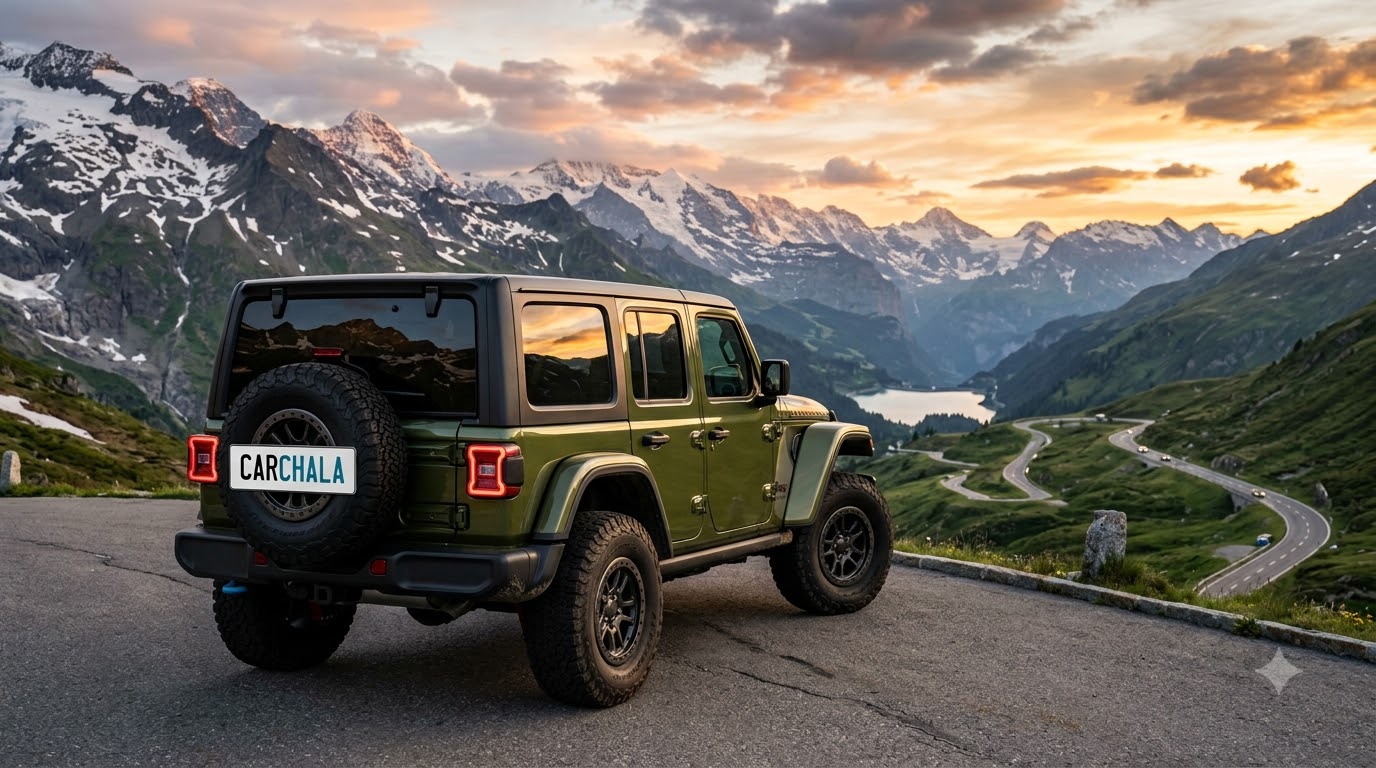
Despite the constant corporate shuffling, the soul of Jeep has remained miraculously intact. The defining element of this enduring spirit is the Jeep Wrangler. Introduced in 1987 to replace the beloved CJ series, the Wrangler has maintained the classic seven-slot grille, round headlights, fold-down windshield, and removable doors that defined its WWII ancestor. It is one of the few vehicles in the world that remains instantly recognizable by its silhouette alone. It is the ultimate expression of automotive freedom, beloved by rock crawlers, beachgoers, and adventurers alike.
The 4xe Era and the Electric Future
As the automotive world undergoes the massive transition to electric power, there were concerns about how a brand fundamentally rooted in mechanical ruggedness and remote wilderness exploration would adapt. Jeep’s answer was the 4xe (Four-by-E) strategy.
Rather than leaping immediately to full electric vehicles, Jeep smartly introduced advanced Plug-in Hybrid Electric Vehicles (PHEVs). The Wrangler 4xe was a masterstroke. By combining a turbocharged engine with electric motors, the Wrangler 4xe delivered massive torque instantly—a massive advantage for slow-speed rock crawling. It allowed drivers to conquer rugged trails in near-total silence, utilizing only electric power, deeply connecting them with nature. The Wrangler 4xe quickly became the best-selling plug-in hybrid in America.
Looking ahead, Jeep is fully embracing the EV revolution with upcoming fully electric models like the sleek, global Wagoneer S and the rugged, Wrangler-inspired Recon EV. The story of Jeep is a testament to the power of authenticity. For over eighty years, through world wars, corporate takeovers, and technological revolutions, Jeep has never forgotten what it is: the ultimate enabler of adventure.