
It began as a sketch in the wet sand of a Welsh beach and evolved into the quintessential symbol of British automotive exploration. For over seven decades, Land Rover has stood as the ultimate paradox: rugged enough to conquer the most unforgiving environments on Earth, yet refined enough to be the vehicle of choice for the British Royal Family. From the harsh plains of the Serengeti to the immaculate driveways of Kensington, the story of Land Rover is a testament to brilliant engineering, uncompromising capability, and an enduring spirit of adventure.
The Sketch in the Sand: A Post-War Necessity
In the aftermath of World War II, the British economy was in ruins. The Rover Company, a manufacturer of luxury cars before the war, was struggling to survive in a battered market where raw materials like steel were strictly rationed and luxury was a forgotten concept. Maurice Wilks, Rover’s chief designer, owned a farm in Newborough, Anglesey, and utilized a surplus American Willys Jeep for agricultural work.
When Wilks asked himself what he would do when his aging Jeep eventually broke down, a revolutionary idea sparked. He realized there was a desperate need for a lightweight, four-wheel-drive agricultural and utility vehicle—a British alternative to the Jeep, but better.
In 1947, on the sands of Red Wharf Bay in Wales, Maurice Wilks sketched the initial design of what would become the first Land Rover for his brother, Spencer Wilks, the Managing Director of Rover.
Because steel was heavily rationed, Rover was forced to use an alternative material for the vehicle's bodywork: Birmabright, a lightweight aluminum alloy. This necessity birthed one of Land Rover's most defining characteristics. The aluminum body meant the vehicle was virtually immune to rust, incredibly light, and highly durable. The chassis was constructed from steel scraps welded together into a sturdy ladder frame. The steering wheel was initially placed in the center (the "Centre Steer" prototype) to avoid building separate left and right-hand drive models, though this idea was scrapped before production.
"It was conceived as a stop-gap to keep a luxury car company afloat, but it ended up conquering the world."
Conquering the Globe: The Series I, II, and III
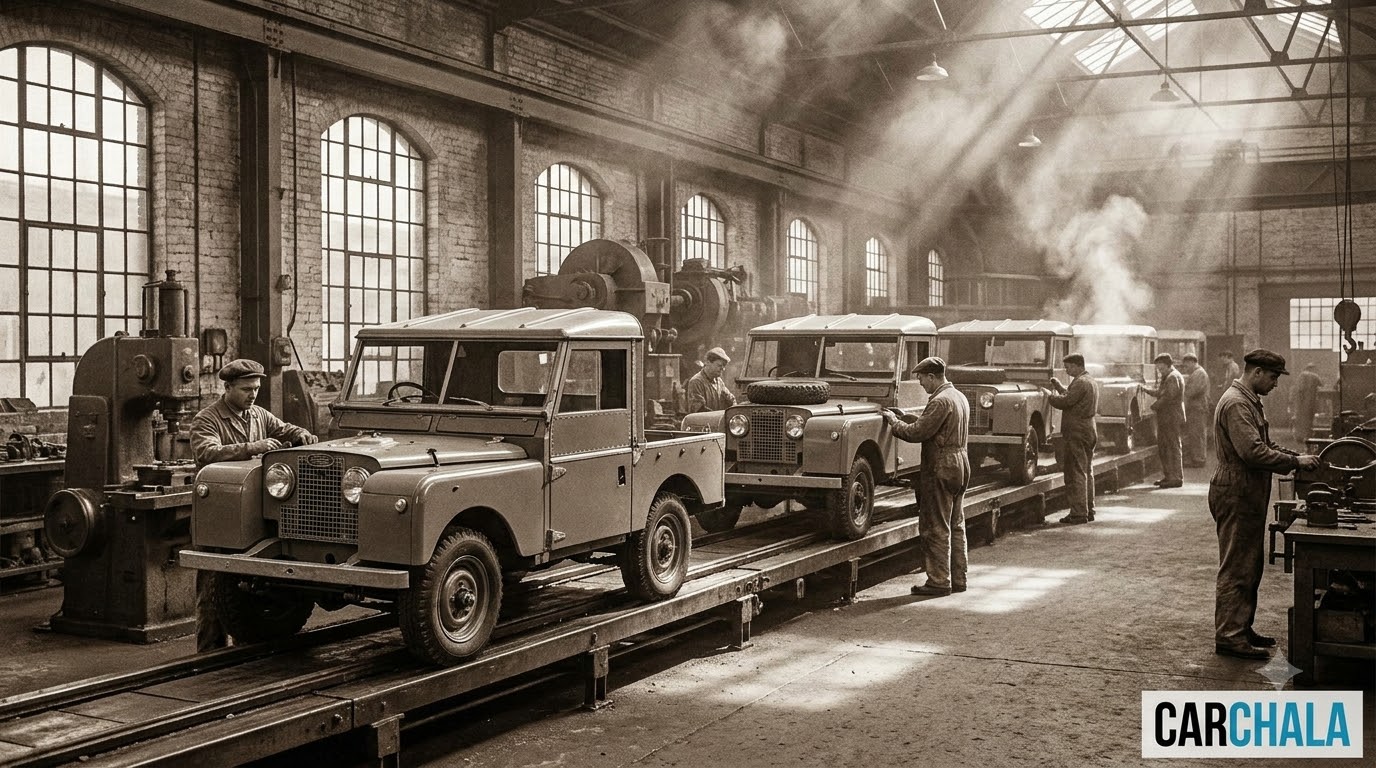
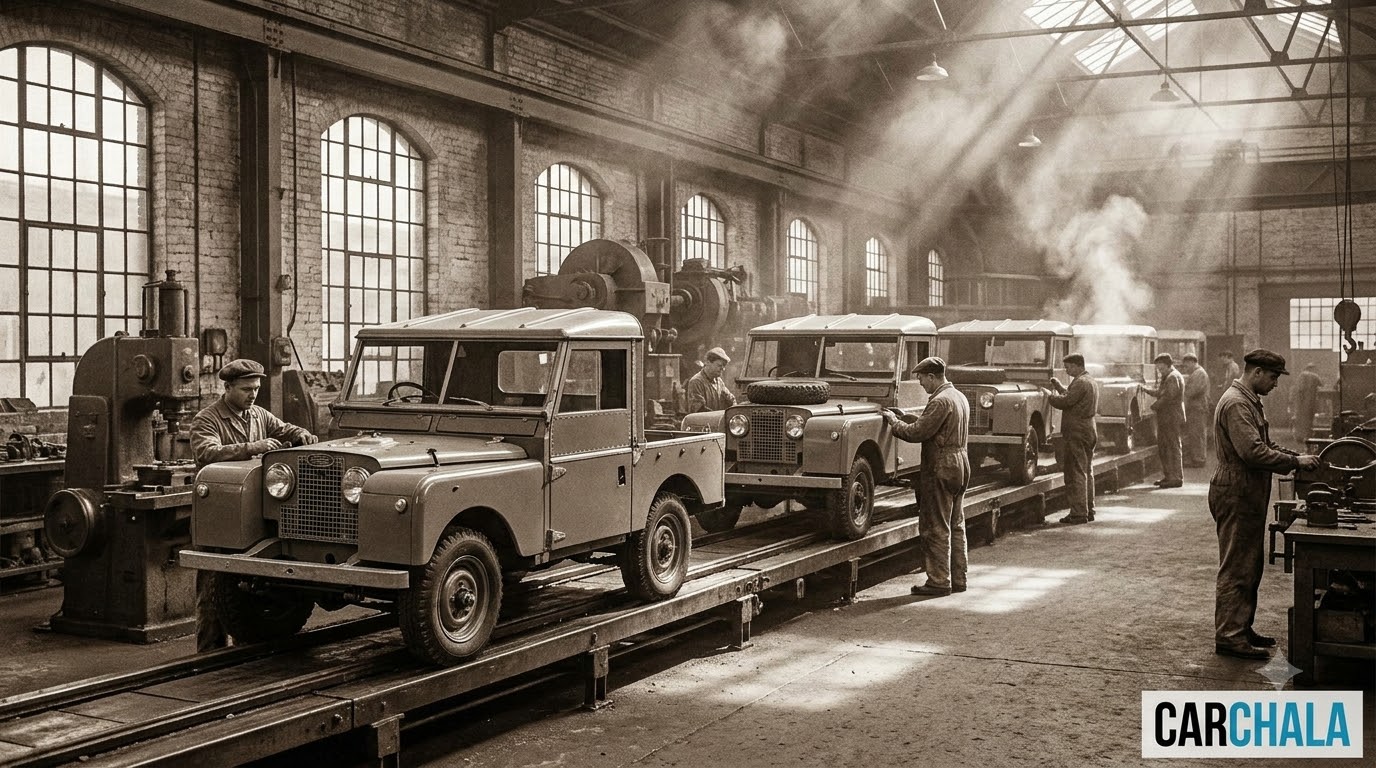
The first Land Rover (later known as the Series I) debuted at the Amsterdam Motor Show in April 1948. It was a utilitarian masterpiece. It had no doors, a canvas roof, and a power take-off (PTO) that allowed it to operate farming equipment. It was an instant, overwhelming success, far outselling the luxury cars Rover was trying to restart production on.
Almost immediately, the Land Rover became the vehicle of choice for explorers, militaries, farmers, and humanitarian organizations globally. For many remote populations in Africa, Australia, and Asia, the first motorized vehicle they ever saw was a Land Rover.
Throughout the 1950s, 60s, and 70s, the design was iteratively improved through the Series II and Series III models, adding minor comforts and more powerful engines, but the fundamental ruggedness and distinctive boxy silhouette remained untouched. It was a vehicle that could be fixed in the middle of a jungle with a hammer and a wrench.
The Sketch at Red Wharf Bay
Maurice Wilks sketches the design for a British utility vehicle in the sand in Wales, conceptualizing the first Land Rover as an agricultural alternative to the Willys Jeep.
The Debut at Amsterdam
The Land Rover Series I is officially launched at the Amsterdam Motor Show. Featuring a Birmabright aluminum body, it becomes an instant, unexpected global success.
Birth of a Legend: The Range Rover
Land Rover introduces the original Range Rover (Classic). It revolutionizes the automotive world by combining unstoppable off-road capability with the luxury and comfort of an executive saloon.
The Discovery Fills the Gap
To compete with emerging Japanese SUVs, Land Rover launches the Discovery. It offers family practicality and modern design while retaining legendary off-road prowess.
Naming the Defender
The original utilitarian Land Rover line (formerly just called Ninety and One Ten based on wheelbase) is officially christened the Defender to distinguish it from the new Discovery.
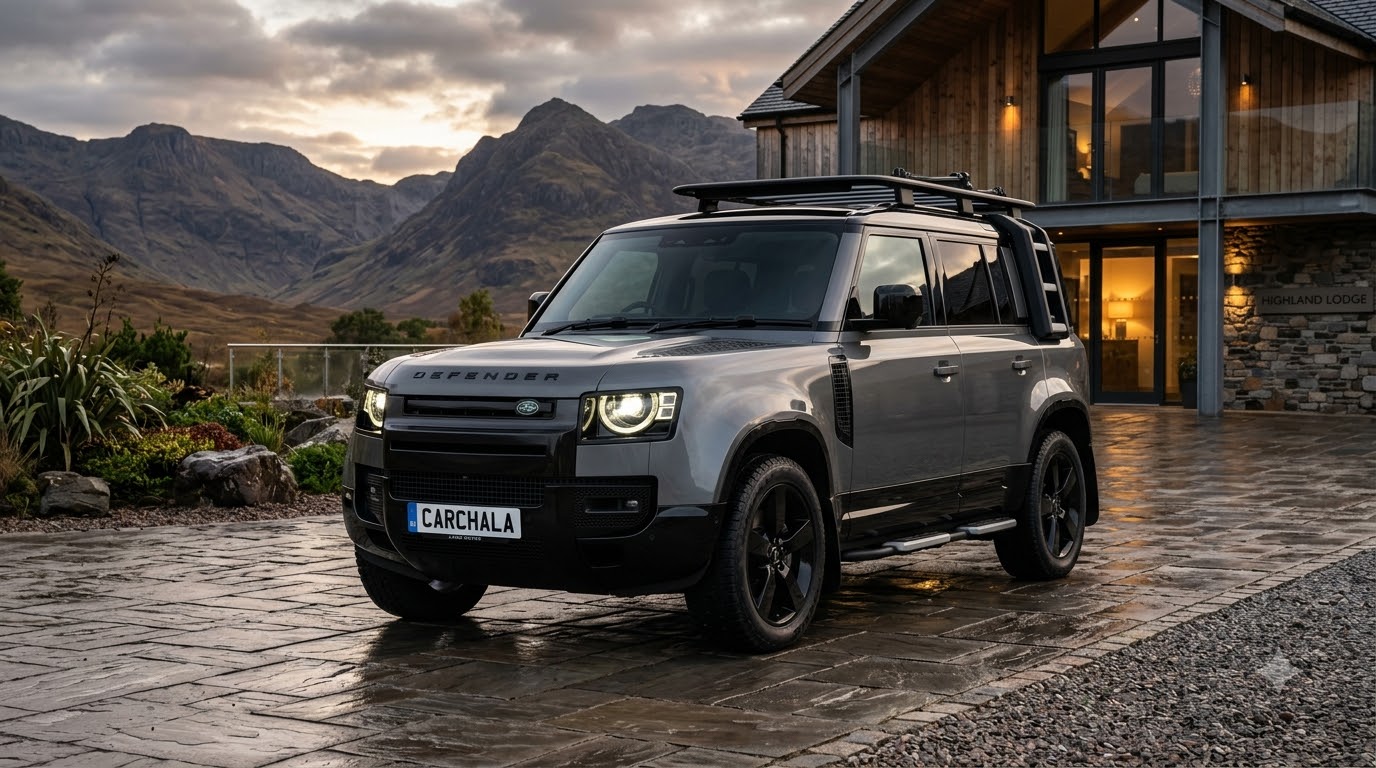
The Tata Motors Acquisition
Indian conglomerate Tata Motors purchases Jaguar Land Rover from Ford. Tata injects massive capital and grants engineering autonomy, sparking a golden era of product development.
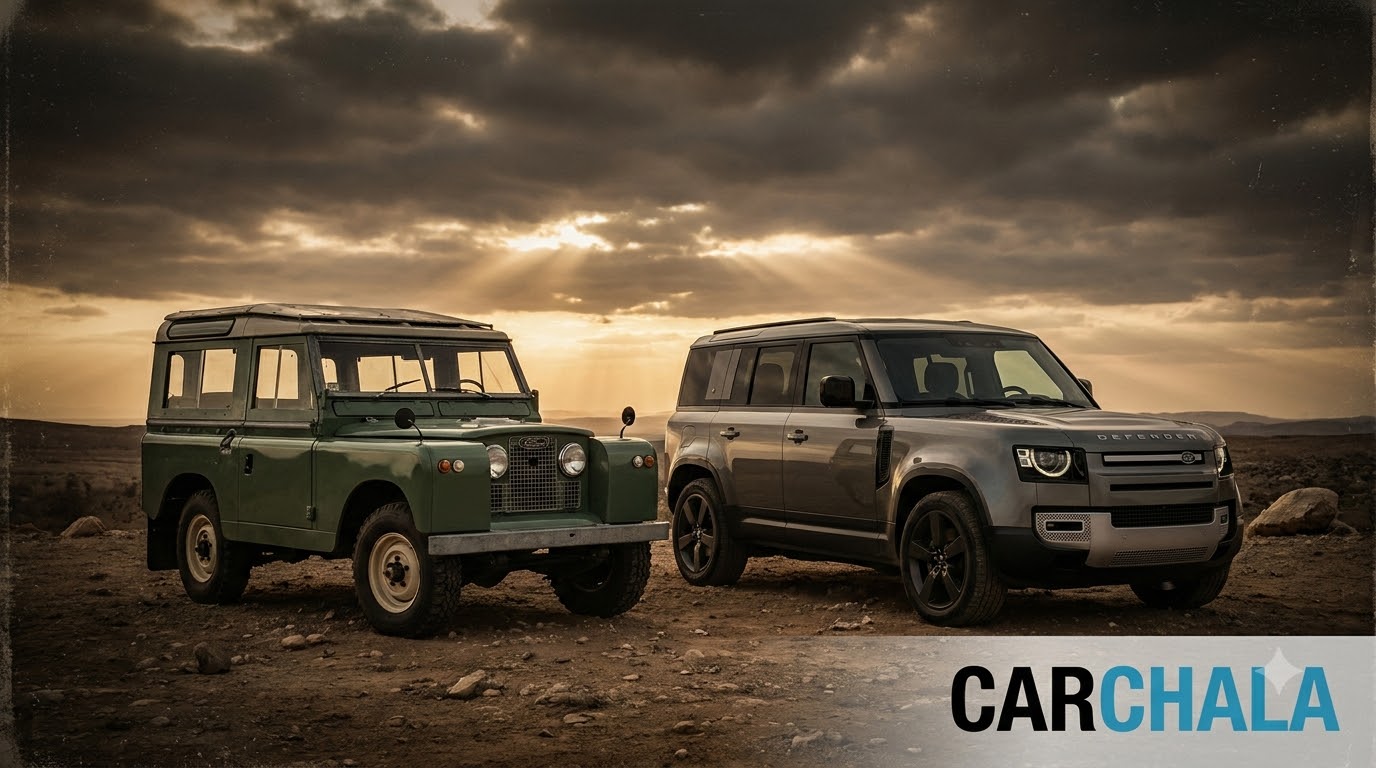
The Defender Reborn
After a brief hiatus, Land Rover unveils the highly anticipated new Defender. It abandons the body-on-frame for an advanced monocoque, successfully bringing the icon into the 21st century.
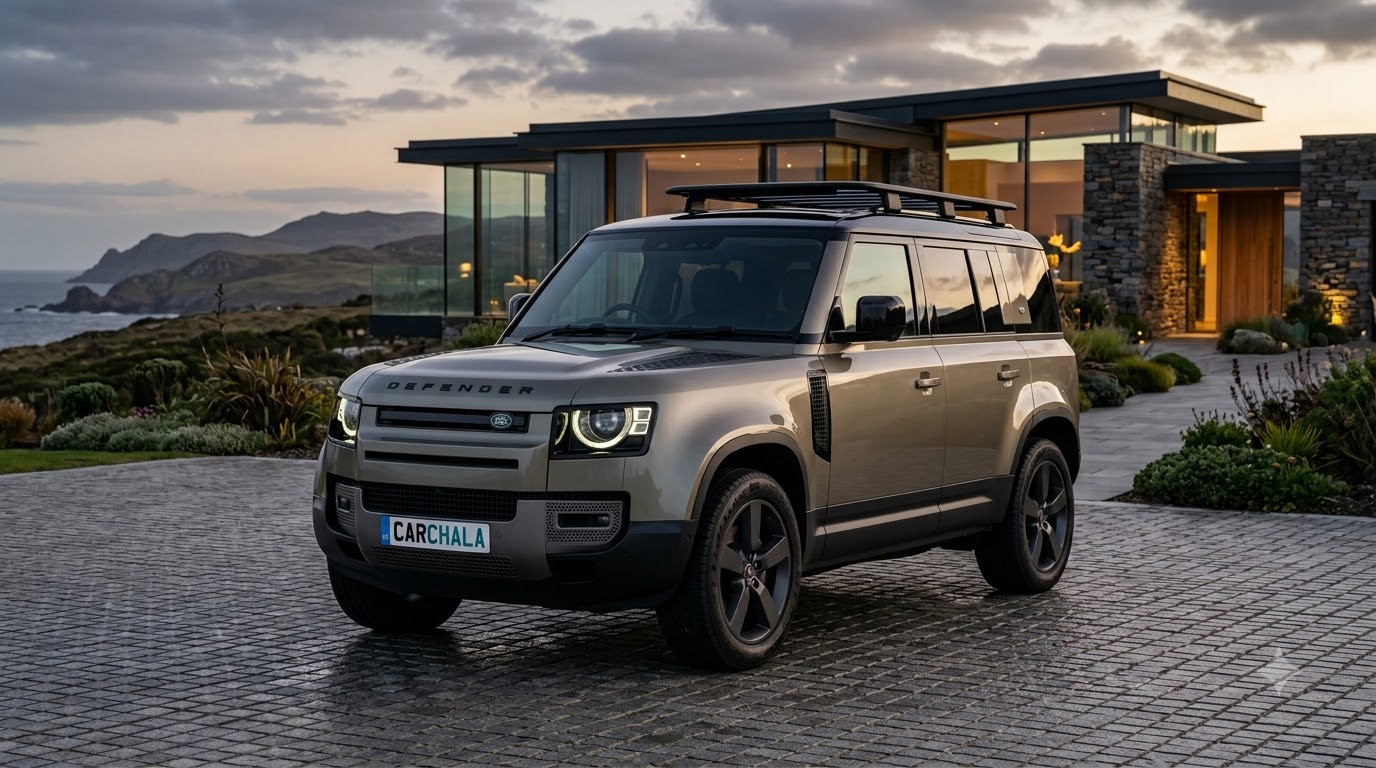
The Electric Future Begins
Land Rover announces the impending launch of the fully electric Range Rover, marking the brands commitment to sustainable luxury without compromising capability.
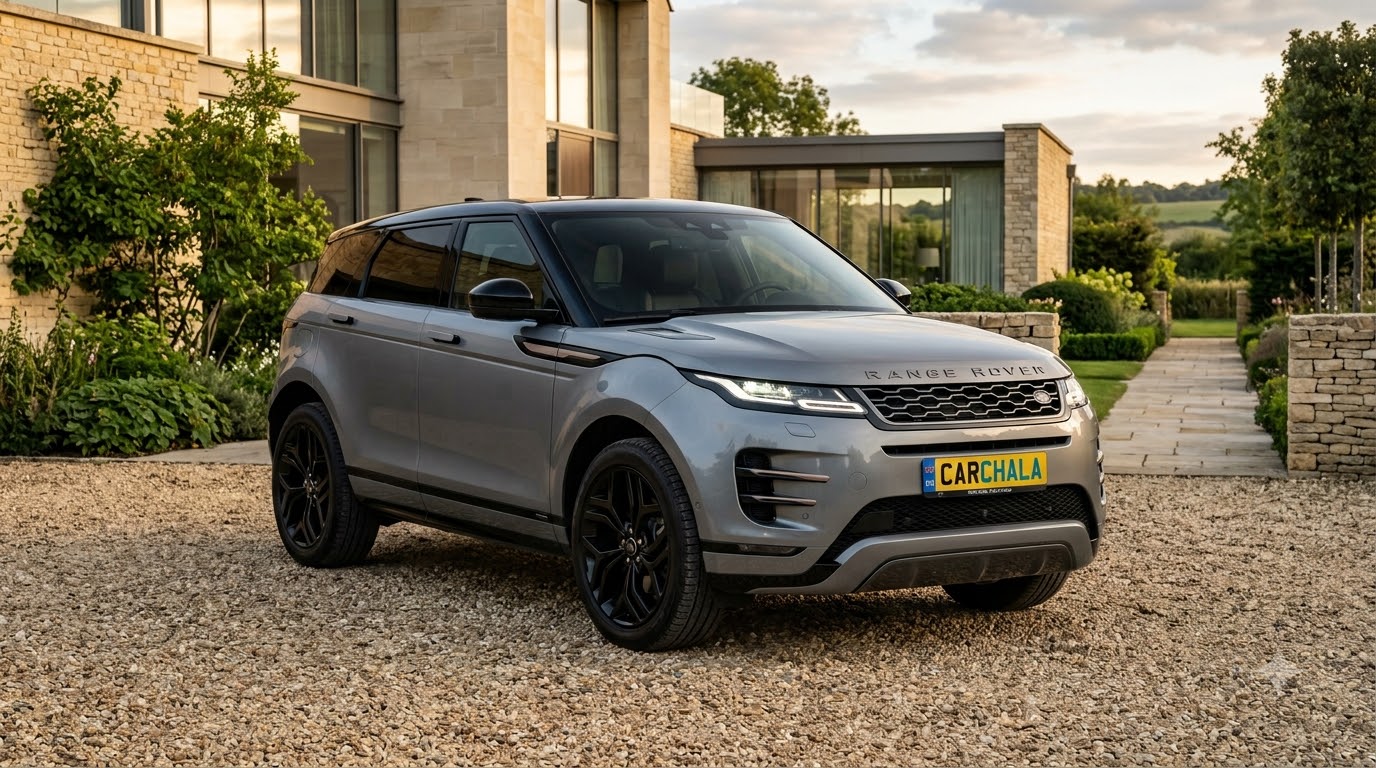
The Modern Luxury Era
Range Rover and Defender solidify their status as the ultimate luxury status symbols in India, with heavily localized assembly reducing prices.
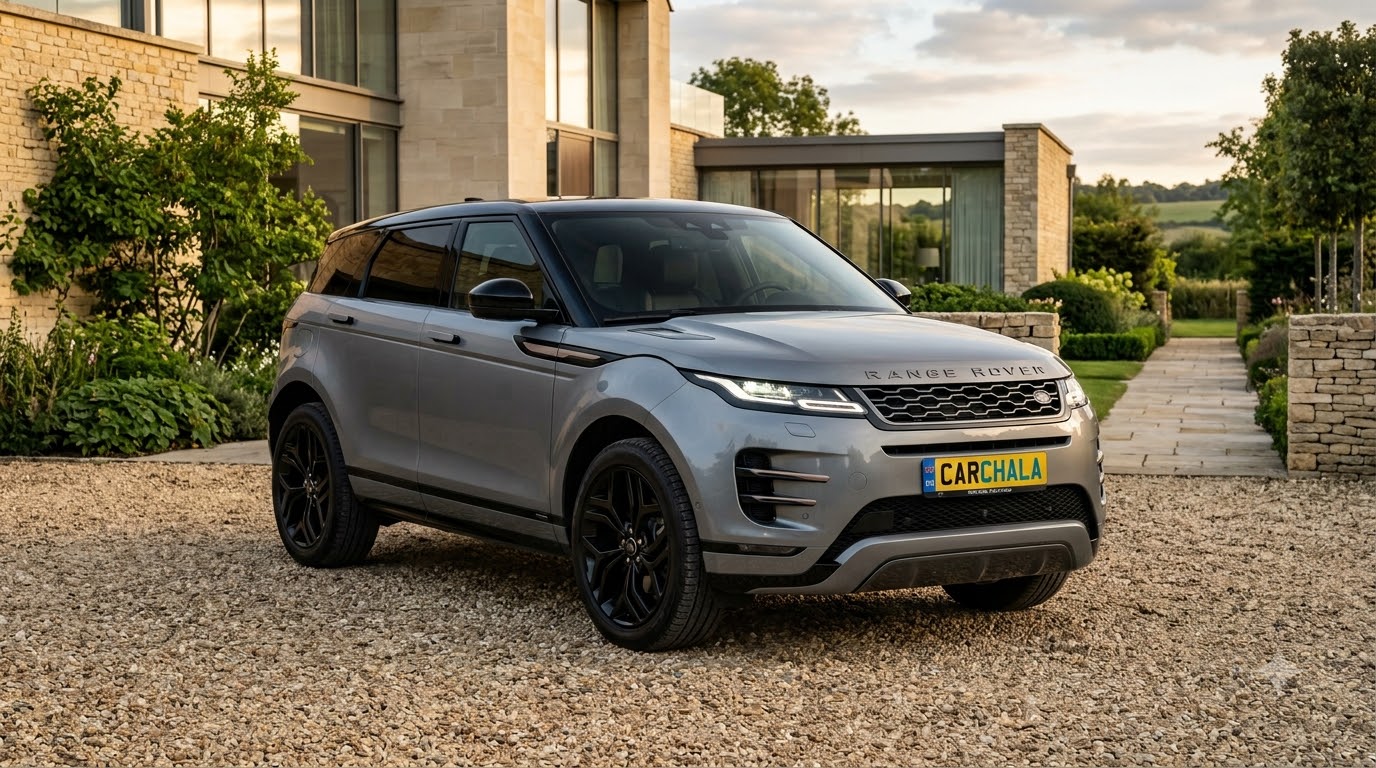
The Electric Range Rover
The highly anticipated fully electric Range Rover is expected to debut in India, maintaining unmatched off-road capability with silent EV power.
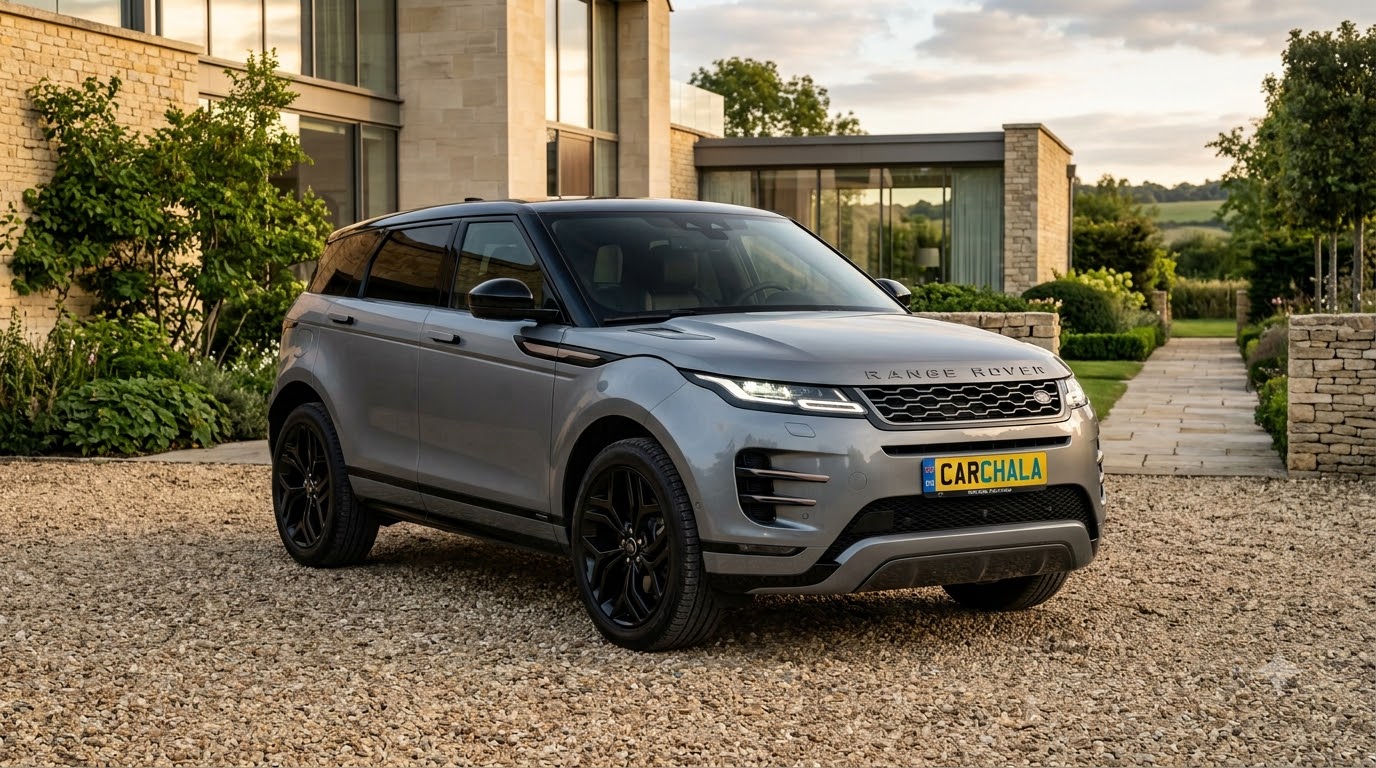
The Luxury Revolution: The Birth of Range Rover
By the late 1960s, a new market segment was emerging, particularly in the United States: the recreational four-wheel-drive market. Buyers wanted off-road capability, but they were tired of the harsh, noisy, tractor-like ride of traditional utility vehicles.
Under the guidance of engineer Spen King, Land Rover developed a vehicle that would alter the automotive landscape forever. In 1970, they launched the Range Rover.
The original Range Rover (now known as the Range Rover Classic) was a revelation. It featured a robust V8 engine, long-travel coil spring suspension (replacing harsh leaf springs), and permanent four-wheel drive. It was astonishingly capable in the mud, yet it cruised on the highway with the quiet comfort of a luxury saloon.
The Range Rover was so elegantly designed that it became the first and only vehicle ever exhibited at the Louvre in Paris as an "exemplary work of industrial design." The Range Rover essentially invented the luxury SUV segment, a category that completely dominates the modern premium automotive market today.

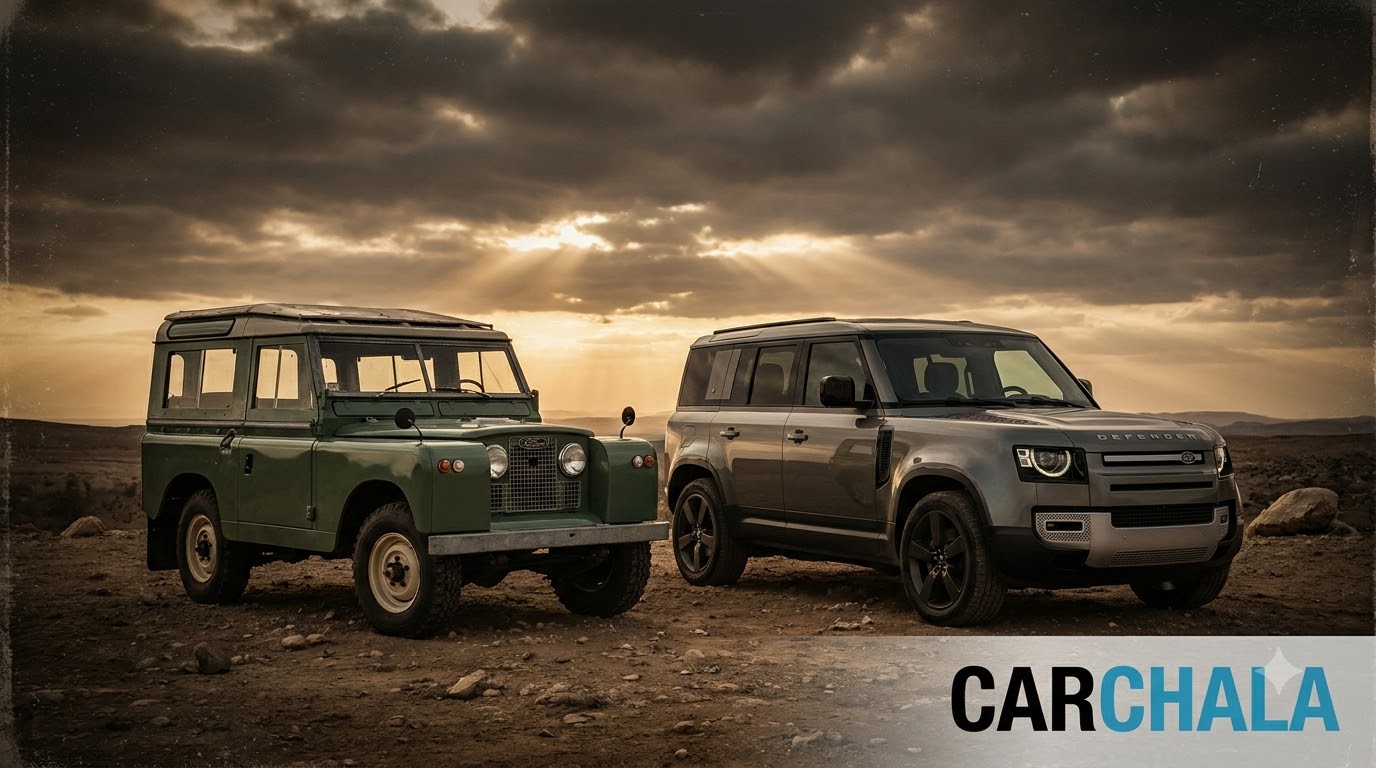
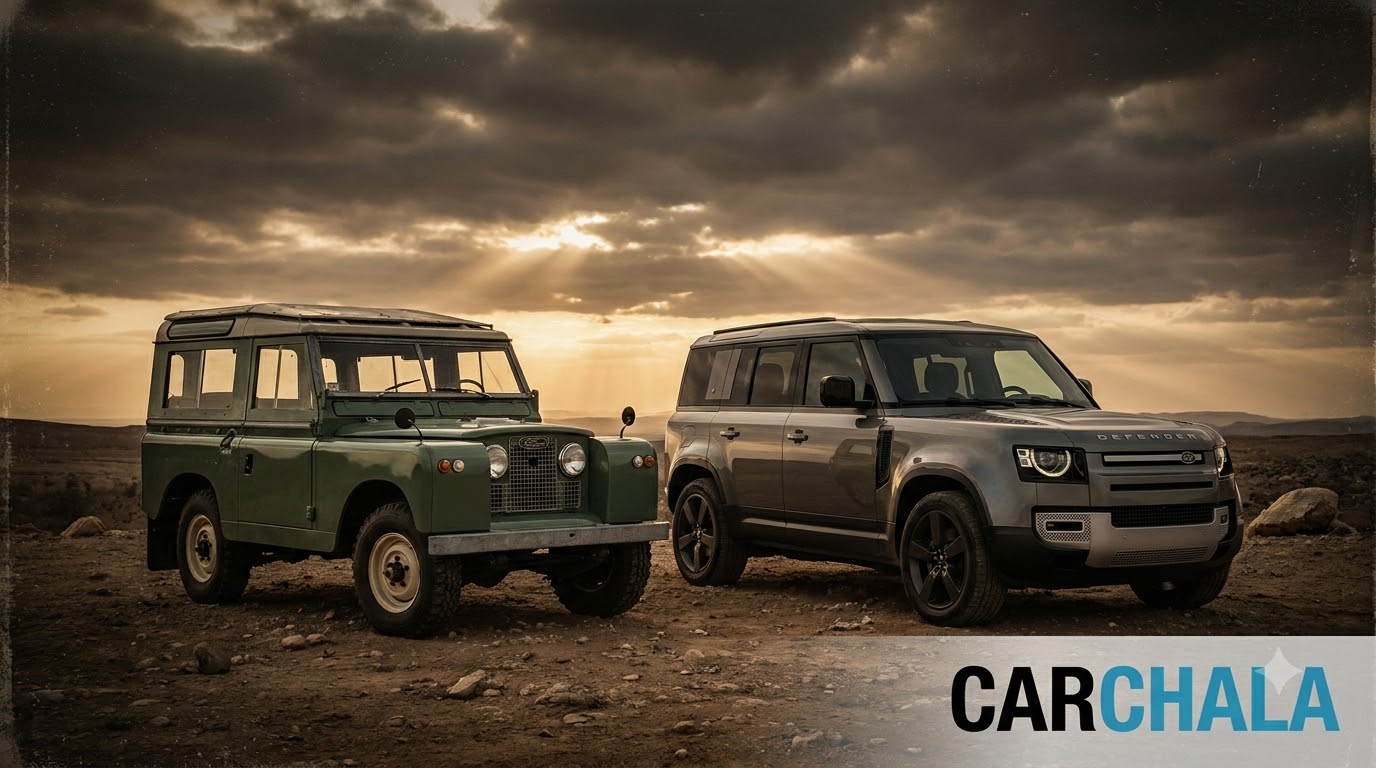
The Land Rover Defender: For decades, the ultimate expression of mechanical resilience and unstoppable global exploration.
A Tumultuous History and a Golden Resurgence
Despite building legendary vehicles, Land Rover's corporate history was marred by British industrial instability. The company was bounced around through a dizzying array of ownership changes. It was part of the doomed British Leyland conglomerate, then the Rover Group, which was subsequently bought by British Aerospace. In 1994, BMW acquired the Rover Group, heavily investing in the brand and developing the highly successful L322 Range Rover. In 2000, BMW broke up the group, selling Land Rover to Ford.
However, Land Rover’s true modern renaissance began in 2008 when the Indian conglomerate Tata Motors acquired Jaguar Land Rover from Ford. The automotive world was skeptical, but Tata proved to be the perfect custodian. Tata provided massive financial backing and, crucially, allowed the British engineering and design teams absolute autonomy.
Under Tata, the brand flourished. They expanded the lineup significantly, introducing massive hits like the stylish Range Rover Evoque, the dynamic Range Rover Sport, and the avant-garde Range Rover Velar.
The Return of the King: The New Defender
Perhaps the greatest challenge of the Tata era was replacing the original Defender, which had finally ceased production in 2016 due to stringent modern safety and emissions regulations. How do you replace an icon?
In 2019, Land Rover unveiled the all-new Defender. It was a massive technological leap, abandoning the traditional ladder frame for an incredibly stiff aluminum monocoque chassis. Purists initially balked, but the new Defender quickly silenced critics. It possessed far superior off-road capability thanks to advanced software and air suspension, while offering exceptional on-road comfort and cutting-edge technology. It was a masterclass in modernizing a legend without losing its soul.
Today, Land Rover stands at the precipice of an electric revolution. With the upcoming launch of fully electric variants of the Range Rover and its advanced MLA-Flex platform, the brand is proving that sustainable luxury and ultimate off-road capability are not mutually exclusive. From a desperate sketch in the Welsh sand to the pinnacle of global luxury, Land Rover continues to go "Above and Beyond."