The story of Nissan is a narrative of extraordinary peaks and perilous valleys. It is a brand that has repeatedly redefined what Japanese engineering can achieve on the global stage, only to find itself fighting for its very survival. From producing legendary sports cars that challenged European supremacy to pioneering the modern electric vehicle, Nissan's journey is a testament to the enduring power of innovation and the brutal realities of the global automotive industry.
The Early Days: From DAT to Datsun to Nissan
Nissan's roots stretch back to the earliest days of the Japanese automotive industry. In 1914, the Kaishinsha Motor Car Works produced a car called the DAT, an acronym derived from the surnames of the company's three main investors. Through a series of mergers and restructurings, the company eventually produced a smaller car known as the "Datson" (Son of DAT), which was later tweaked to "Datsun" to align with the sun symbol of the Japanese national flag.
In 1933, the holding company Nihon Sangyo (abbreviated as Ni-San on the Tokyo stock exchange) took control of the automotive operations, officially establishing the Nissan Motor Co., Ltd. Before World War II, Nissan focused heavily on producing trucks and military vehicles, utilizing a massive, highly mechanized plant in Yokohama that was modeled after American mass-production facilities.
Following the devastation of the war, Nissan, like much of Japanese industry, had to rebuild from the ground up. They entered into a licensing agreement with the British automaker Austin, which allowed them to acquire crucial modern engineering and production techniques. By the late 1950s, Nissan had absorbed this knowledge and began designing their own robust, reliable passenger cars, setting their sights on the lucrative American market under the Datsun brand name.
"We do not just build cars. We build the excitement of driving, the joy of the journey, and the thrill of the destination."
Changing the Game: The Z-Car and Godzilla
For years, Japanese cars in the West were viewed as cheap, reliable, but largely soulless econoboxes. Nissan obliterated that perception in 1969 with the launch of the Datsun 240Z (known as the Fairlady Z in Japan). Championed by Yutaka Katayama ("Mr. K"), the head of Nissan's US operations, the 240Z was a revelation. It offered the stunning looks and performance of a European sports car like a Jaguar or Porsche, but at a fraction of the price and with unmatched Japanese reliability. The Z-car became a massive global hit, establishing Nissan as a serious performance brand.
Simultaneously, in the domestic Japanese market, Nissan was forging another legend. The Nissan Skyline GT-R, initially launched in 1969, dominated local touring car racing. However, it was the revival of the GT-R badge in 1989 with the R32 generation that truly shocked the world. With its highly advanced all-wheel-drive system and twin-turbo inline-six engine, the R32 absolutely decimated the competition in Group A racing worldwide. Its utter dominance in the Australian Touring Car Championship earned it a nickname that would stick forever: Godzilla.
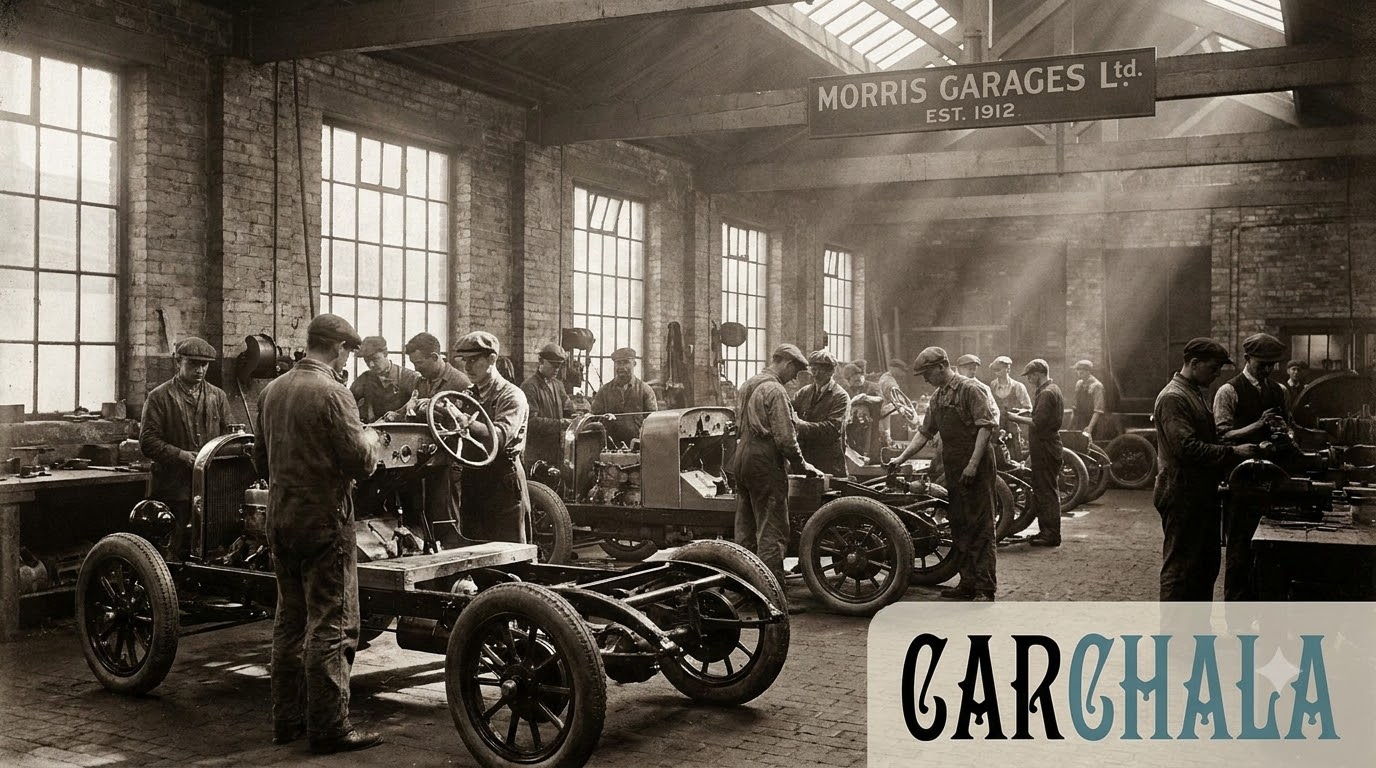
The Birth of Nissan
Nihon Sangyo takes over Datsun operations, officially founding the Nissan Motor Co., Ltd.
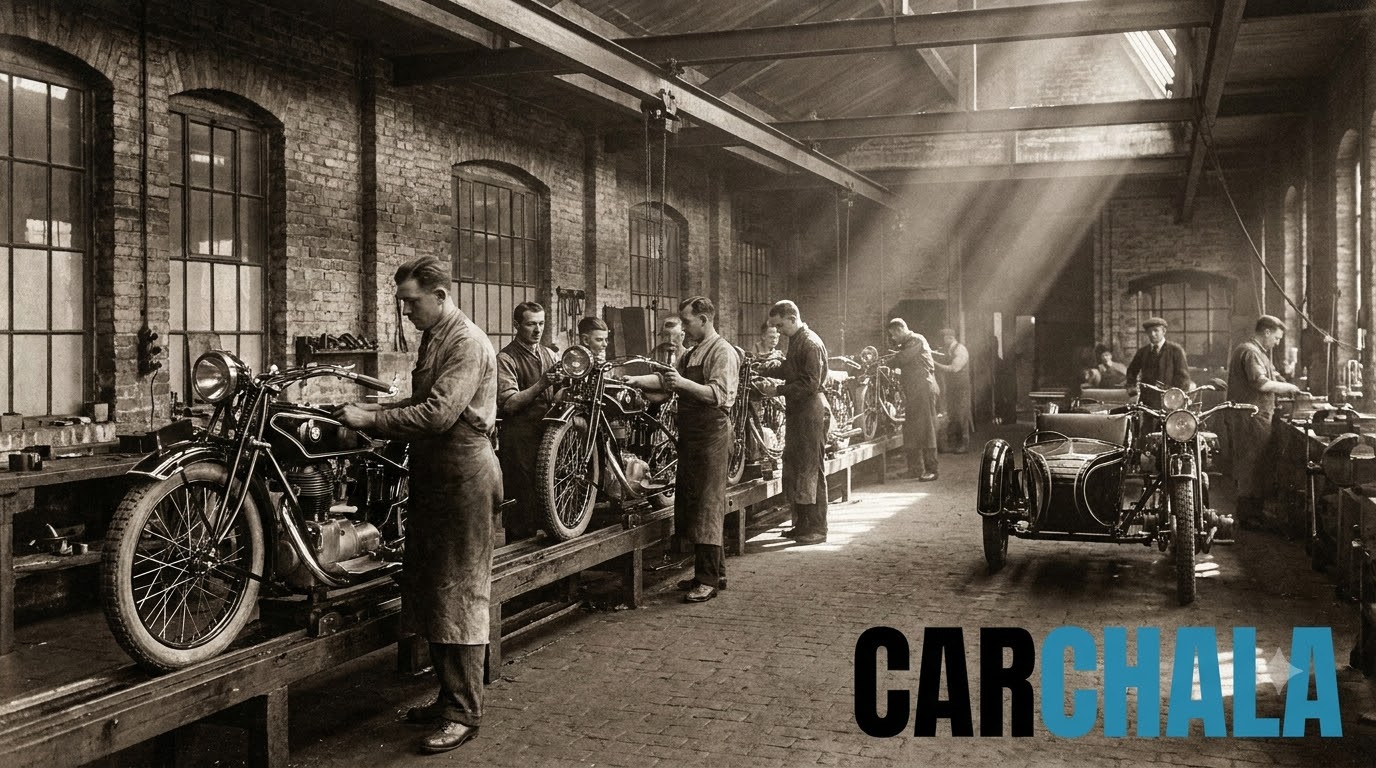
Conquering the US Market
Nissan begins exporting Datsun cars to the United States, slowly building a reputation for reliability and fuel efficiency.
The Z-Car Revolution
The Datsun 240Z is launched, offering stunning performance and design at an affordable price, fundamentally changing global perceptions of Japanese cars.
Godzilla Awakens
Nissan launches the R32 Skyline GT-R. Its technological superiority leads to massive motorsport dominance and legendary status.
The Brink of Collapse and the Alliance
Facing massive debt and near bankruptcy, Nissan forms an alliance with Renault. Carlos Ghosn is appointed to execute a ruthless revival plan.

Pioneering the EV Era
Nissan launches the Leaf, the worlds first mass-market, purpose-built electric vehicle, years ahead of the competition.
The Leadership Crisis
Chairman Carlos Ghosn is suddenly arrested in Japan, plunging the company and the Alliance into a period of severe turbulence.

Nissan NEXT
Seeking stability, Nissan launches the NEXT transformation plan, focusing on rationalizing the lineup and launching new EVs like the Ariya.
The Magnite Resurgence
Nissan sustains its Indian momentum with heavily updated models and localized strategic exports from its Chennai plant.
The Global EV Influx
Nissan is expected to finally bring its global EV expertise to India, launching localized electric SUVs sharing platforms with Renault.
Expansion and the Brink of Collapse
The 1980s were a period of aggressive expansion for Nissan. They established major manufacturing footprints globally, including the massive Sunderland plant in the UK, which became one of the most efficient car factories in Europe. They also launched Infiniti, a dedicated luxury brand aimed at competing with Lexus and the German premium marques.
However, the rapid expansion of the Japanese "bubble economy" masked deep underlying issues. By the late 1990s, Nissan was bloated, inefficient, and bleeding cash. They had a massive, confusing product lineup, astronomical debt, and a purchasing structure dominated by inefficient keiretsu (interlocking business relationships). By 1999, Nissan was teetering on the edge of bankruptcy, holding a staggering $20 billion in debt.
The Ghosn Revival
Salvation arrived in the form of a historic alliance with the French automaker Renault. Renault injected much-needed capital and dispatched executive Carlos Ghosn to Tokyo as Nissan's Chief Operating Officer.
Ghosn implemented the "Nissan Revival Plan," a brutally effective strategy that shattered traditional Japanese corporate culture. He closed factories, slashed tens of thousands of jobs, dismantled the inefficient keiretsu purchasing networks, and aggressively streamlined the product lineup.
The turnaround was nothing short of miraculous. Within a few years, Nissan returned to massive profitability. Ghosn was hailed as a corporate savior in Japan, even becoming the star of a manga series. This era saw the launch of highly profitable models like the Qashqai (Rogue), which pioneered the modern crossover segment, and a revitalized Z-car (the 350Z).
"There is no secret to success. It is the result of preparation, hard work, and learning from failure."
Pioneering the EV Era: The Leaf
Under Ghosn's leadership, Nissan made an incredibly bold bet on the future. While competitors were focusing on hybrids or hydrogen fuel cells, Nissan invested billions in pure electric vehicle technology. In 2010, they launched the Nissan Leaf.
The Leaf was a monumental milestone. It was the world's first modern, mass-market, purpose-built EV. While early range anxiety was a factor, the Leaf proved that electric cars could be reliable, practical daily drivers. For a decade, it remained the best-selling electric car in the world, giving Nissan a massive head start in EV technology and battery manufacturing.
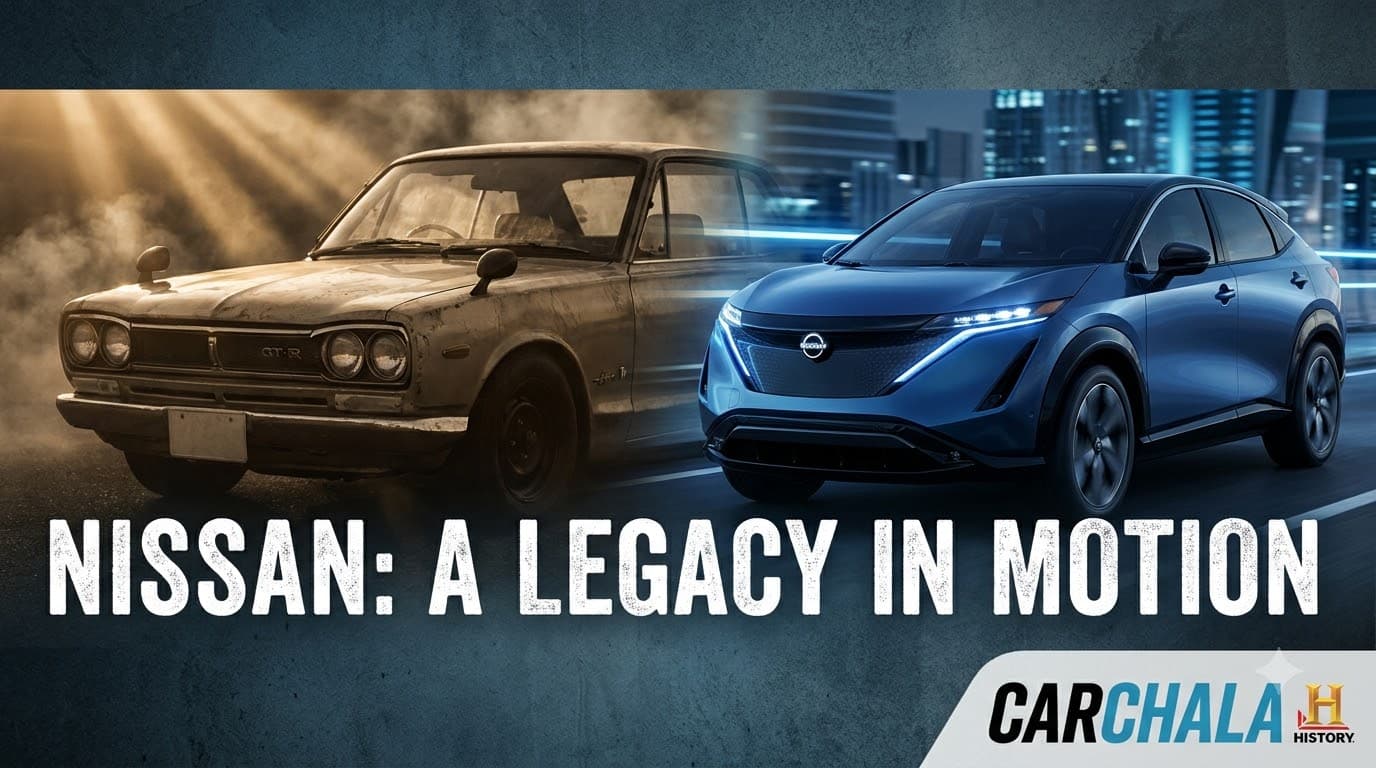
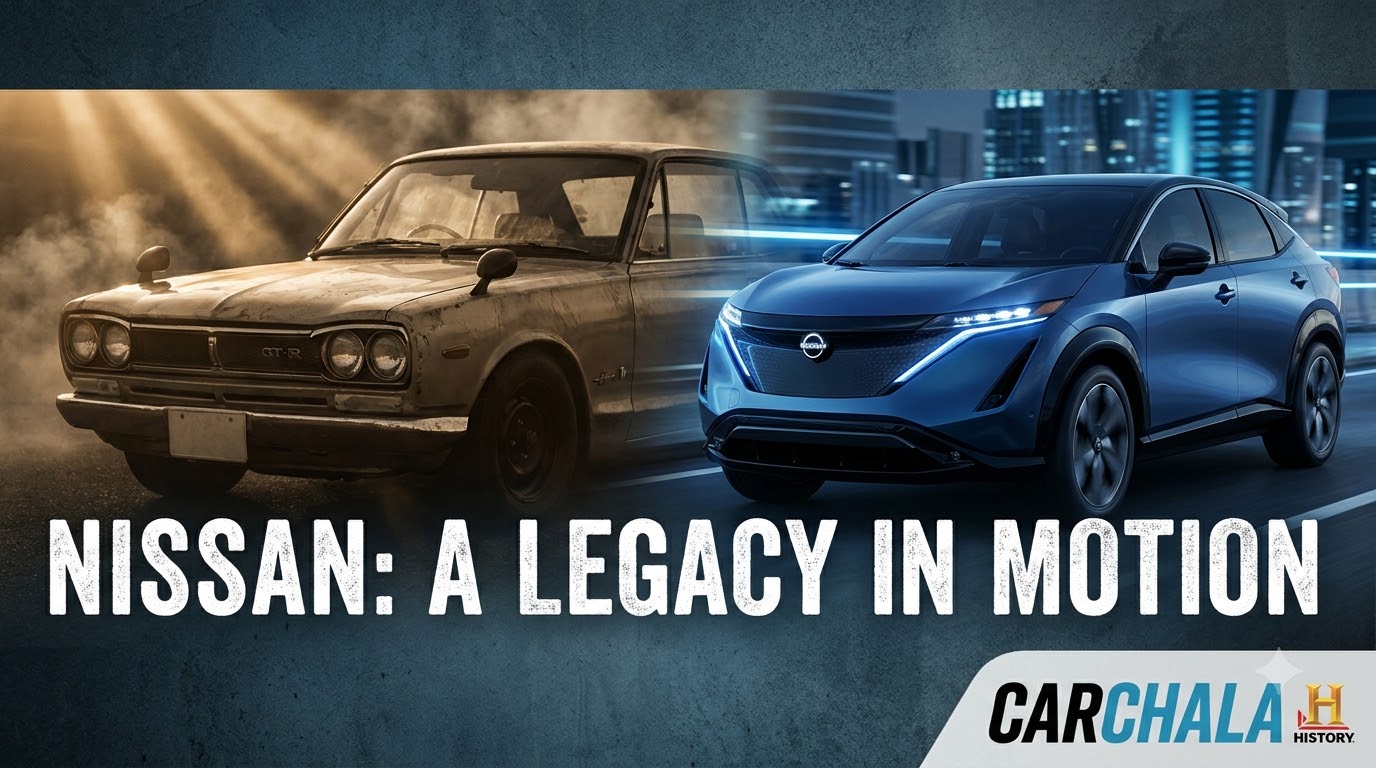
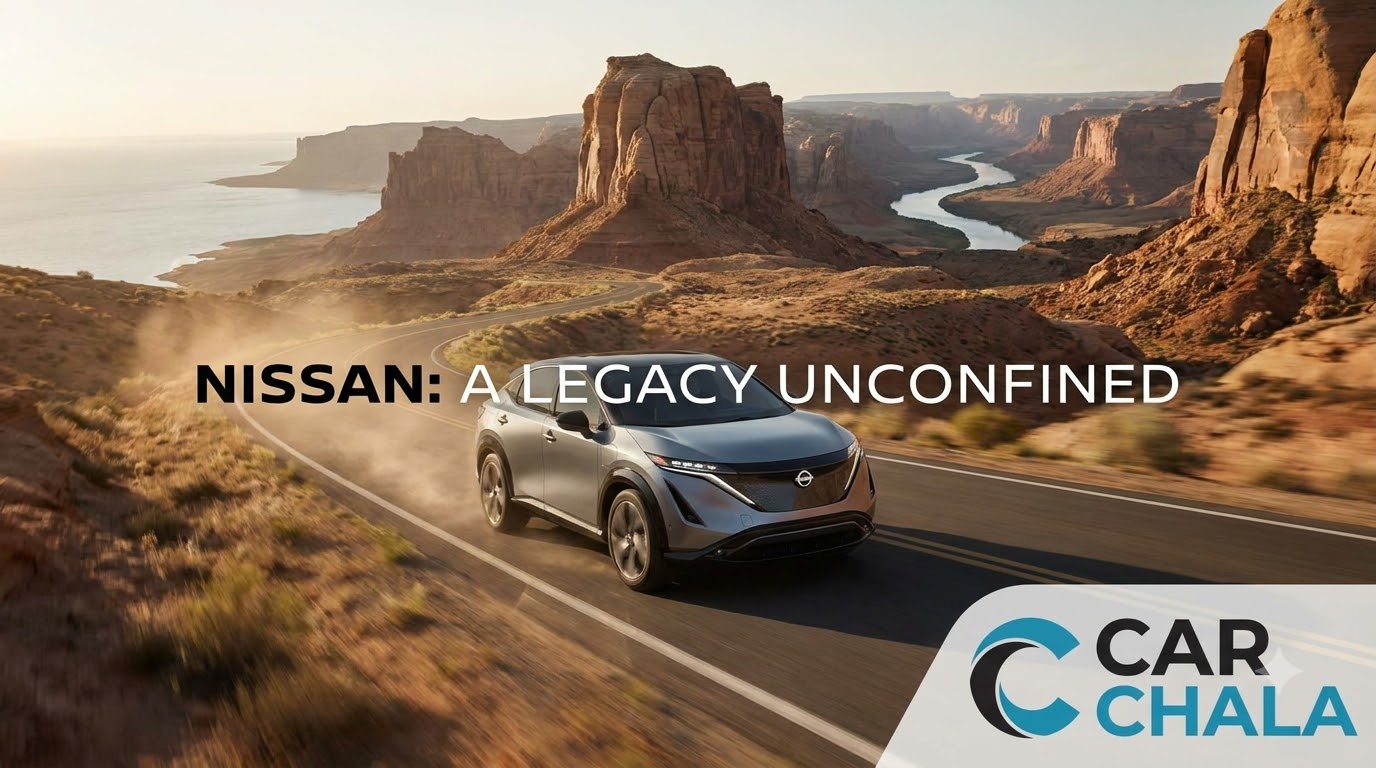
The Nissan Ariya represents the next generation of Nissan's electric ambition, combining striking design with advanced technology.
Turmoil and the Nissan NEXT Chapter
Despite its technological triumphs, Nissan faced unprecedented turmoil in late 2018. Carlos Ghosn, the architect of the Alliance, was abruptly arrested in Tokyo on charges of financial misconduct (which he denied, later executing a daring escape from Japan). The fallout was catastrophic, severely straining the relationship with Renault, decimating executive leadership, and causing sales to plummet globally.
To stabilize the ship, the company initiated the "Nissan NEXT" transformation plan in 2020. The strategy focused on rationalizing production capacity, cutting unprofitable models, and refocusing on core markets (Japan, North America, and China) and core strengths—specifically, electric vehicles and advanced driver-assistance systems (ProPILOT).
The vanguard of this new era is the Nissan Ariya, a striking, fully electric crossover that showcases the brand's latest EV architecture. Nissan is also heavily investing in solid-state battery technology, aiming to bring this game-changing tech to market by 2028.
Nissan's history is one of dramatic resilience. From the ashes of war to the brink of bankruptcy, and through devastating leadership crises, the company has always found a way to reinvent itself. Driven by a lingering engineering spirit that gave the world both the Leaf and the GT-R, Nissan continues to fight for its place at the forefront of the automotive future.