
The history of Audi is a profound journey of engineering excellence, corporate resilience, and a relentless pursuit of technological superiority. To understand Audi is to understand the very fabric of German automotive engineering. From its complex origins shaped by brilliant but uncompromising minds to its absolute dominance in international motorsport, Audi has always been driven by its famous ethos: Vorsprung durch Technik—Advancement through Technology. This is not merely a marketing slogan; it is the fundamental philosophy that has dictated every major decision in the company's illustrious history.
The Genesis: A Tale of Four Rings
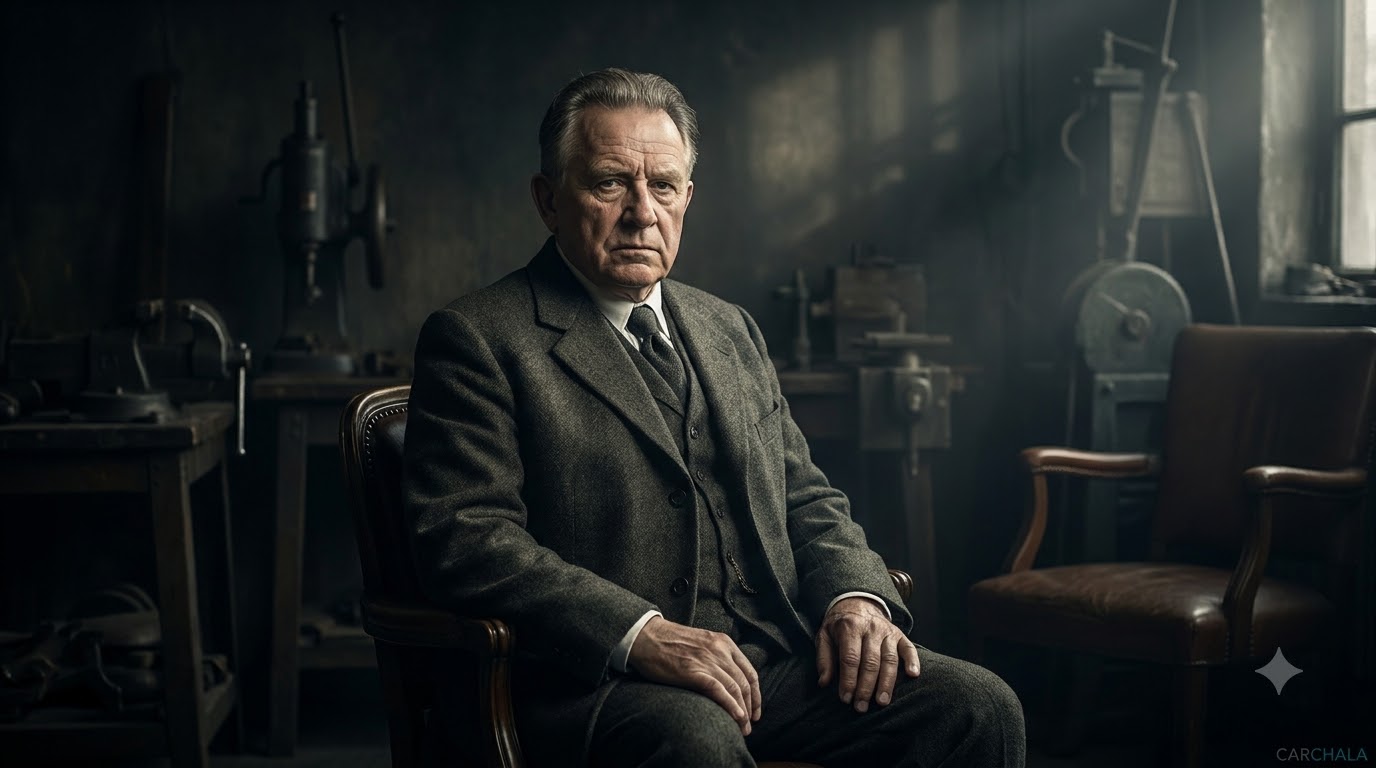
The story of Audi begins with August Horch, one of the pioneering figures of the German automobile industry. In 1899, he founded Horch & Cie. Motorwagenwerke. However, due to severe disagreements with his chief financial officer and the board of directors over his uncompromising engineering standards, Horch left the company in 1909. He immediately sought to establish a new company but faced a significant legal hurdle: he was barred from using his own surname for his new enterprise, as his former company held the trademark.
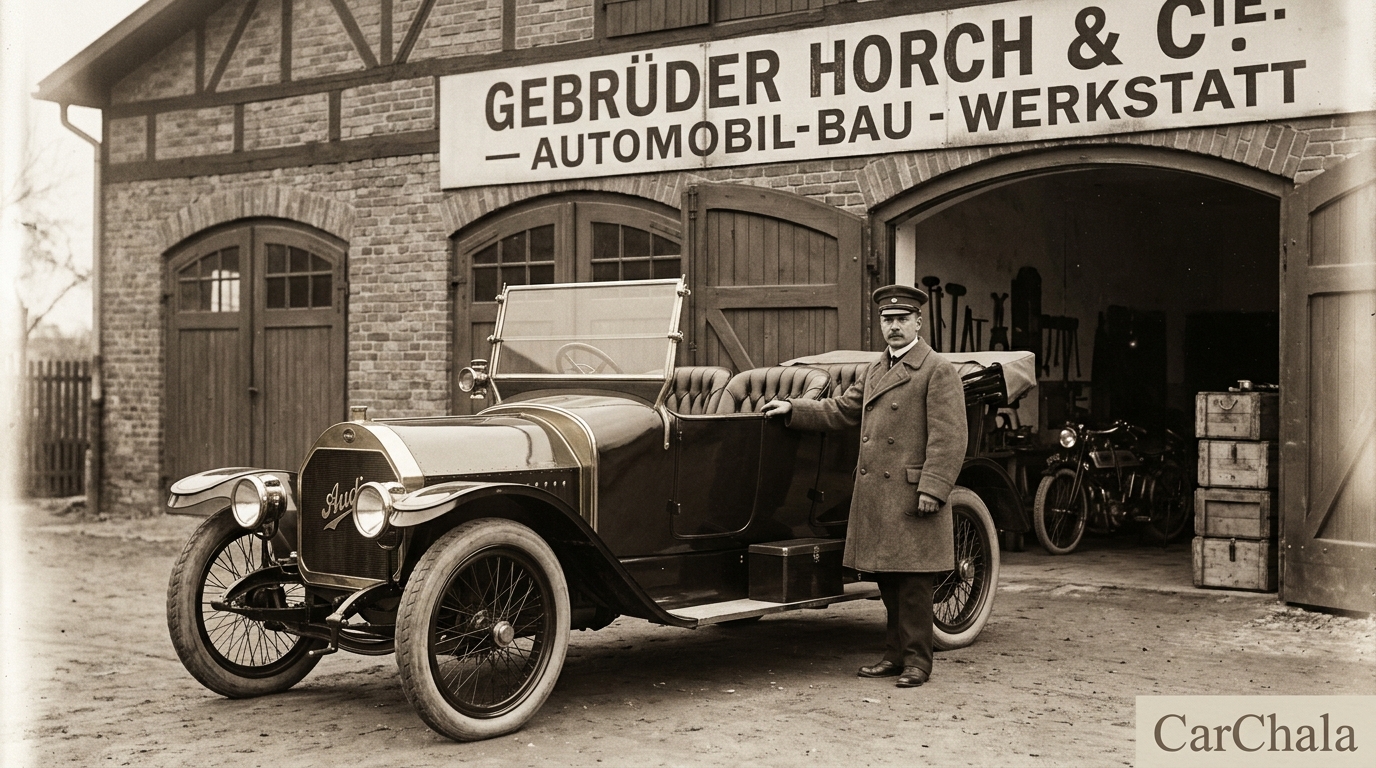
Legend has it that while discussing a new name at the apartment of a business associate, Franz Fikentscher, Franz's son, who was studying Latin in the corner of the room, offered a brilliant suggestion. "Horch," which means "listen" or "hear" in German, translates to "Audi" in Latin. Thus, Audi Automobilwerke GmbH was born in 1910. The first Audi automobile, the Audi Type A 10/22 hp (16 kW) Sport-Phaeton, was produced in the same year, instantly gaining a reputation for sporting prowess and engineering refinement.
"Vorsprung durch Technik is not just a slogan; it is a promise we make to our customers and to ourselves every single day."
In the 1920s, the economic climate in Germany was turbulent. To survive, four independent German car manufacturers—Audi, DKW, Horch, and Wanderer—merged in 1932 to form Auto Union AG. This merger was visually represented by the iconic four interlocking rings logo, which Audi proudly wears today. Each brand was assigned a specific market segment: DKW handled motorcycles and small cars, Wanderer built mid-size cars, Audi produced deluxe mid-size cars, and Horch built luxury vehicles at the top end of the market.
The Silver Arrows and Motorsport Dominance
The newly formed Auto Union sought to establish its engineering superiority on the global stage. In the 1930s, under the guidance of Ferdinand Porsche, Auto Union developed a series of revolutionary Grand Prix racing cars. These mid-engined marvels, famously known as the "Silver Arrows," dominated the race tracks of Europe alongside Mercedes-Benz. The Type C, with its monstrous V16 engine, was a terrifying masterpiece of engineering that pushed the boundaries of speed and aerodynamics. Drivers like Bernd Rosemeyer became national heroes, piloting these incredibly difficult-to-drive machines to numerous victories and setting land speed records that stood for decades.
August Horch Founds His First Company
August Horch establishes Horch & Cie. Motorwagenwerke, laying the very first stone in the foundation of what would become the Audi empire.
The Birth of Audi
After leaving his original company, Horch translates his name into Latin and founds Audi Automobilwerke GmbH, launching the Type A.
The Four Rings United
Audi, DKW, Horch, and Wanderer merge to form Auto Union AG, adopting the iconic four-ring emblem to represent their unity.
The Quattro Revolution
Audi unveils the original Quattro, a game-changing all-wheel-drive sports coupe that utterly dominates the World Rally Championship.

Le Mans Dominance and the R8
Audi cements its motorsport supremacy at Le Mans with diesel and hybrid technology, and launches the iconic R8 mid-engine supercar.

The Electric Future
Audi unveils the e-tron, its first fully electric SUV, marking the beginning of an aggressive brand-wide transition towards sustainable premium mobility.

Rebirth under Volkswagen and the Piëch Era
Following the devastation of World War II, the company was essentially dissolved by the Soviet military administration and its assets expropriated. However, former executives fled to West Germany and re-established Auto Union in Ingolstadt. In 1958, Daimler-Benz acquired a majority stake but found it unprofitable. In 1964, Volkswagen purchased a 50% stake in Auto Union, primarily to acquire the Ingolstadt plant to increase production capacity for the VW Beetle.
Volkswagen initially intended to phase out the Auto Union brands entirely. They strictly forbade Auto Union engineers from developing new vehicles. However, a brilliant and rebellious engineer named Ludwig Kraus secretly developed the Audi 100 prototype. When VW management discovered the car, they were so impressed by its quality and design that they approved it for production. Launched in 1968, the Audi 100 was a massive success, saving the brand from extinction and establishing the foundation for Audi's modern identity as a manufacturer of premium vehicles.
The 1970s and 80s were defined by the arrival of Ferdinand Piëch, the grandson of Ferdinand Porsche, who joined Audi in 1972. Piëch was a visionary engineer with an iron will. He drove Audi relentlessly upmarket, focusing on aerodynamic efficiency, lightweight construction, and advanced powertrains. Under his leadership, Audi introduced fully galvanized bodies to prevent rust, advanced turbocharged five-cylinder engines, and aerodynamic masterpieces like the Audi 100 C3, which boasted a record-breaking drag coefficient.
The Quattro Revolution
If there is one word synonymous with Audi, it is Quattro. In the late 1970s, Audi engineer Jörg Bensinger, while testing a Volkswagen Iltis military vehicle in the snow in Finland, realized that a four-wheel-drive system, if adapted for a high-performance passenger car, could offer incredible advantages. The idea was pitched to Piëch, who championed the project.
In 1980, the original Audi Quattro was unveiled. It was a revelation. Audi took the Quattro to the World Rally Championship (WRC), where it utterly decimated the competition. While rival rear-wheel-drive cars struggled for grip on dirt, snow, and gravel, the Quattro clawed into the surface and launched forward with unprecedented ferocity. Drivers like Michèle Mouton, Stig Blomqvist, and Walter Röhrl became legends behind the wheel of the Group B Audi Sport Quattro S1.
The success of Quattro in motorsport translated directly to immense commercial success. Audi had found its unique selling proposition. They integrated the Quattro all-wheel-drive system across their passenger car lineup, fundamentally changing consumer expectations of vehicle dynamics and all-weather safety in premium cars.
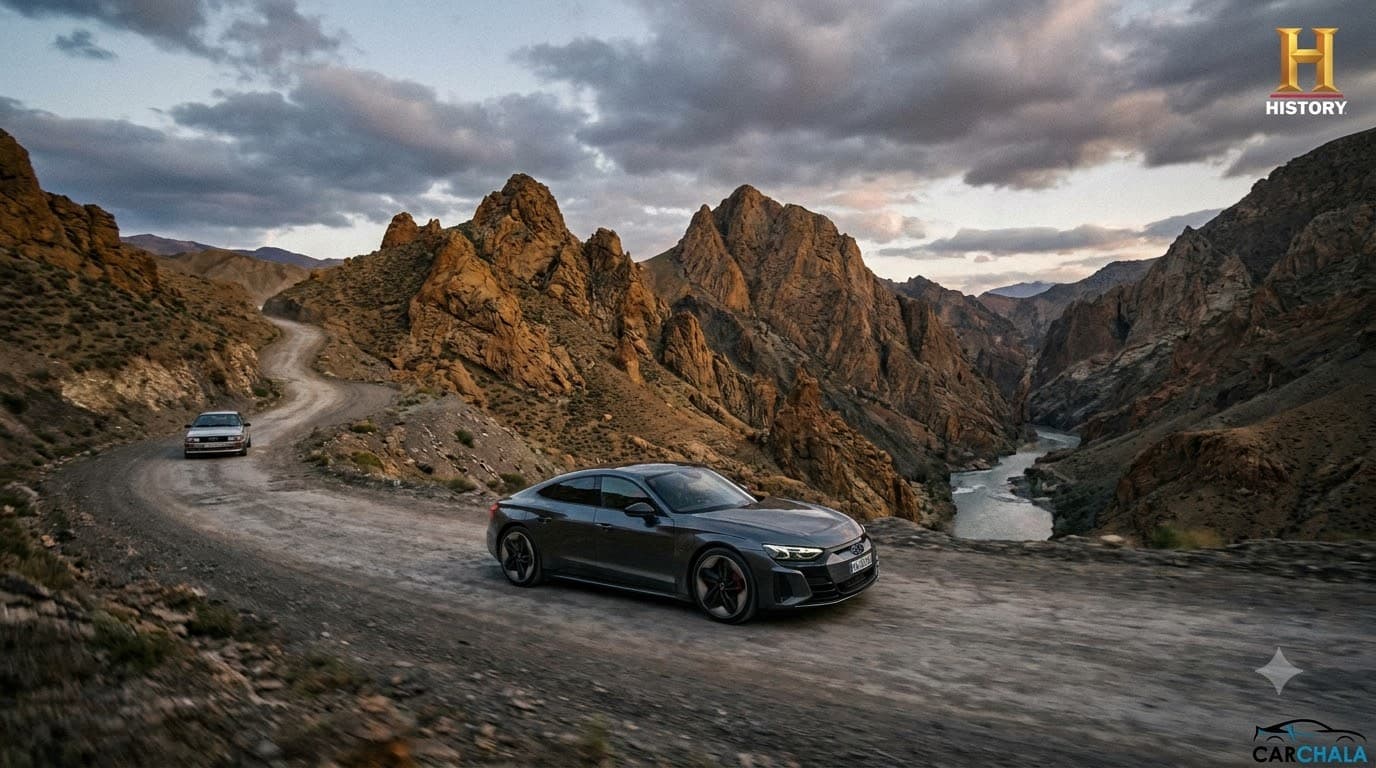
The original Audi Quattro didn't just win races; it completely redefined the engineering blueprint for performance cars worldwide.
Dominating Le Mans and the R8 Supercar
Audi's relentless pursuit of motorsport excellence didn't stop at rallying. In the late 1990s, they turned their attention to the ultimate endurance race: the 24 Hours of Le Mans. What followed was a period of dominance rarely seen in the history of motorsport. Between 2000 and 2014, Audi won the grueling race 13 times.
Their success at Le Mans was heavily predicated on technological innovation. They pioneered the use of TFSI (Turbo fuel stratified injection) technology, which improved fuel efficiency—a critical advantage in endurance racing. In 2006, they achieved a historic milestone by winning Le Mans with the R10 TDI, the first-ever diesel-powered car to win the race. They later introduced hybrid technology with the R18 e-tron quattro, proving that electrified powertrains could win at the highest level of competition.
This motorsport heritage culminated in the launch of the Audi R8 in 2006. Sharing its underpinnings with the Lamborghini Gallardo, the R8 was Audi's first true mid-engine supercar. It was praised for its striking design, highlighted by the distinctive "side blades," its glorious naturally aspirated V8 and V10 engines, and its remarkable everyday usability. The R8 proved that Audi could compete with and beat established supercar manufacturers at their own game.
The Future: E-tron and Electric Performance
Today, Audi stands at the precipice of a new era. The automotive industry is undergoing its most significant transformation since the invention of the internal combustion engine, shifting rapidly towards electrification and autonomous driving. Audi, true to its Vorsprung durch Technik philosophy, is embracing this future aggressively.
The launch of the Audi e-tron in 2018 marked the beginning of this offensive. Since then, they have rapidly expanded their electric portfolio with models like the stunning e-tron GT, a high-performance grand tourer that shares its architecture with the Porsche Taycan, and the Q4 e-tron, a premium compact electric SUV.
Audi has committed to ceasing the development of new internal combustion engines by the middle of this decade and plans to be a fully electric brand by the early 2030s. They are investing heavily in solid-state battery technology, ultra-fast charging infrastructure, and advanced digital ecosystems to ensure that their electric vehicles offer the premium experience that Audi customers expect.
From the pioneering days of August Horch to the brutal horsepower of the Group B rally monsters, and now to the silent, electrifying performance of the e-tron GT, Audi's journey is a testament to the power of engineering conviction. They have continually pushed the boundaries of what is possible on four wheels, transforming themselves from a struggling post-war subsidiary into one of the most respected and desired premium automotive brands in the world. As they look to an electric future, one thing remains certain: advancement through technology will continue to be their guiding light.