
Before it became the world's largest manufacturer of electric vehicles and a global pioneer in green technology, BYD was a humble battery manufacturer founded in Shenzhen, China. From its origins crafting rechargeable batteries for early mobile phones to redefining the very fabric of the global automotive industry, BYD’s story is a masterclass in technological ambition, vertical integration, and unwavering foresight. It is the story of how an outsider dared to challenge the automotive establishment and, within just two decades, emerged as a dominant force in the electric mobility revolution.
The Early Days: The Battery King of Shenzhen
In 1995, a young chemist and visionary named Wang Chuanfu founded BYD—which stands for "Build Your Dreams." Operating out of a small workshop in Shenzhen with just 20 employees and $300,000 in borrowed capital, the company had no immediate plans to build automobiles. Instead, Wang Chuanfu saw a monumental opportunity in the rapidly expanding consumer electronics market. Mobile phones and portable gadgets were becoming ubiquitous, and they all needed reliable, rechargeable power sources.
At the time, the rechargeable battery market was completely dominated by Japanese giants like Sony and Sanyo. BYD entered the fray with a disruptive approach. By heavily investing in research and development and utilizing a highly skilled, cost-effective workforce, BYD was able to produce high-quality nickel-cadmium and lithium-ion batteries at a fraction of the cost of its Japanese competitors. Within a mere decade, BYD had captured over half the global mobile-phone battery market, becoming the principal supplier for behemoths like Motorola and Nokia.
But Wang Chuanfu was not satisfied with just being the battery king. He realized that the future of transportation lay in electrification, and he believed that whoever controlled the battery technology would ultimately control the car.
"We don't just want to be an automaker. We want to be a new energy technology company that creates a zero-emission ecosystem."
The Automotive Pivot: A Controversial Entry
In 2003, BYD sent shockwaves through the financial and manufacturing sectors by acquiring the failing Qinchuan Automobile Company, a small state-owned car manufacturer based in Xi'an. The acquisition was met with intense skepticism. Investors were bewildered as to why a highly profitable battery manufacturer would venture into the notoriously complex, capital-intensive, and fiercely competitive automotive industry. Following the announcement of the acquisition, BYD's stock plummeted by over 20%.
However, Wang Chuanfu’s vision was crystal clear. The acquisition of Qinchuan was not an attempt to become a traditional automaker; it was a strategic move to secure a manufacturing license and a platform to eventually build electric vehicles.
In the beginning, BYD had to play by the rules of the existing market. The company’s first successful passenger car, the BYD F3, was launched in 2005. It was an internal combustion engine (ICE) vehicle that drew heavy—and controversial—design inspiration from the immensely popular Toyota Corolla. Despite criticisms of being a "copycat" car, the F3 was phenomenally successful in the Chinese market. It offered the space, comfort, and reliability of an established sedan but at a significantly lower price point. The massive sales of the F3 provided BYD with the crucial capital and manufacturing experience needed to fund its true ambition: the electric car.
The Turning Point: The Oracle of Omaha Bets on Dreams
While BYD was quietly developing its electric vehicle technology, a monumental event occurred in 2008 that would instantly legitimize the company on the global stage. Charlie Munger, the brilliant investment partner of Warren Buffett, recognized the extraordinary potential of Wang Chuanfu, famously describing him as a combination of Thomas Edison and Jack Welch.
Acting on Munger's strong recommendation, Warren Buffett's Berkshire Hathaway invested $232 million to acquire a 9.9% stake in BYD. This investment was a massive vote of confidence from one of the most respected investors in history. It sent a clear signal to the world that BYD was not just another obscure Chinese automaker, but a technological powerhouse poised to disrupt the future of transportation. The "Buffett effect" brought global media attention, immense credibility, and a surge in BYD's valuation, providing the necessary momentum for its electric revolution.
The Founding of a Battery Giant
Wang Chuanfu establishes BYD in Shenzhen, initially focusing on manufacturing rechargeable batteries for consumer electronics like mobile phones.

The Automotive Entry
Against investor advice, BYD acquires Qinchuan Machinery Works, marking its official entry into the automobile manufacturing sector.
The Launch of the BYD F3
BYD launches the F3 sedan. Despite design controversies, it becomes a massive commercial hit in China, providing crucial funding for future EV research.
The First Plug-in Hybrid
BYD introduces the F3DM, the worlds first mass-produced plug-in hybrid electric vehicle (PHEV), showcasing its battery technology in a commercial automobile.

The Berkshire Hathaway Investment
Warren Buffetts Berkshire Hathaway purchases a 9.9% stake in BYD for $232 million, bringing global legitimacy and massive capital to the company.

The Blade Battery Revolution
BYD unveils the revolutionary Blade Battery, a highly safe, durable, and space-efficient lithium iron phosphate (LFP) battery that redefines industry standards.
The End of the ICE Age
BYD officially ceases production of traditional internal combustion engine vehicles, committing 100% of its resources to purely electric and plug-in hybrid vehicles.
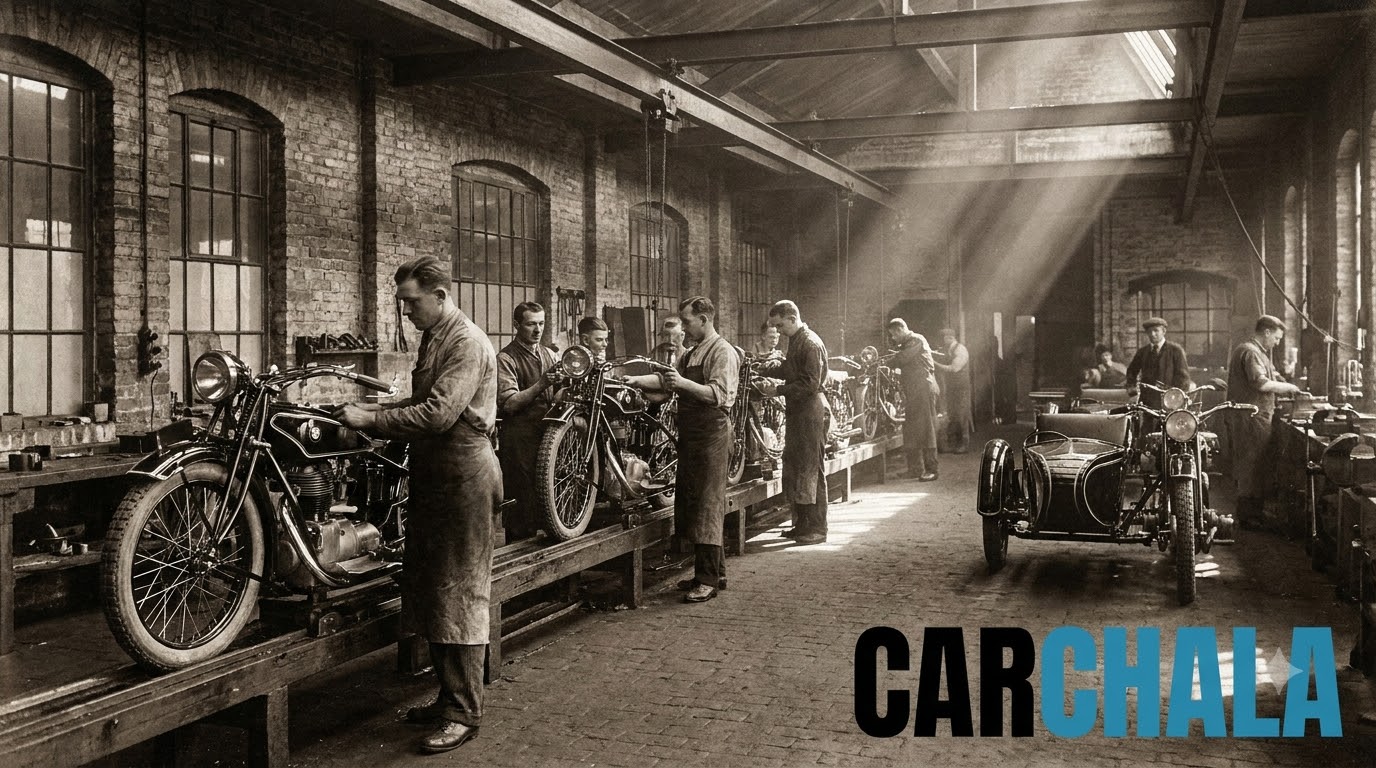
Taking the Global Crown
BYD surpasses Tesla to become the worlds top-selling manufacturer of fully electric vehicles in the fourth quarter of 2023, cementing its dominance in the EV era.
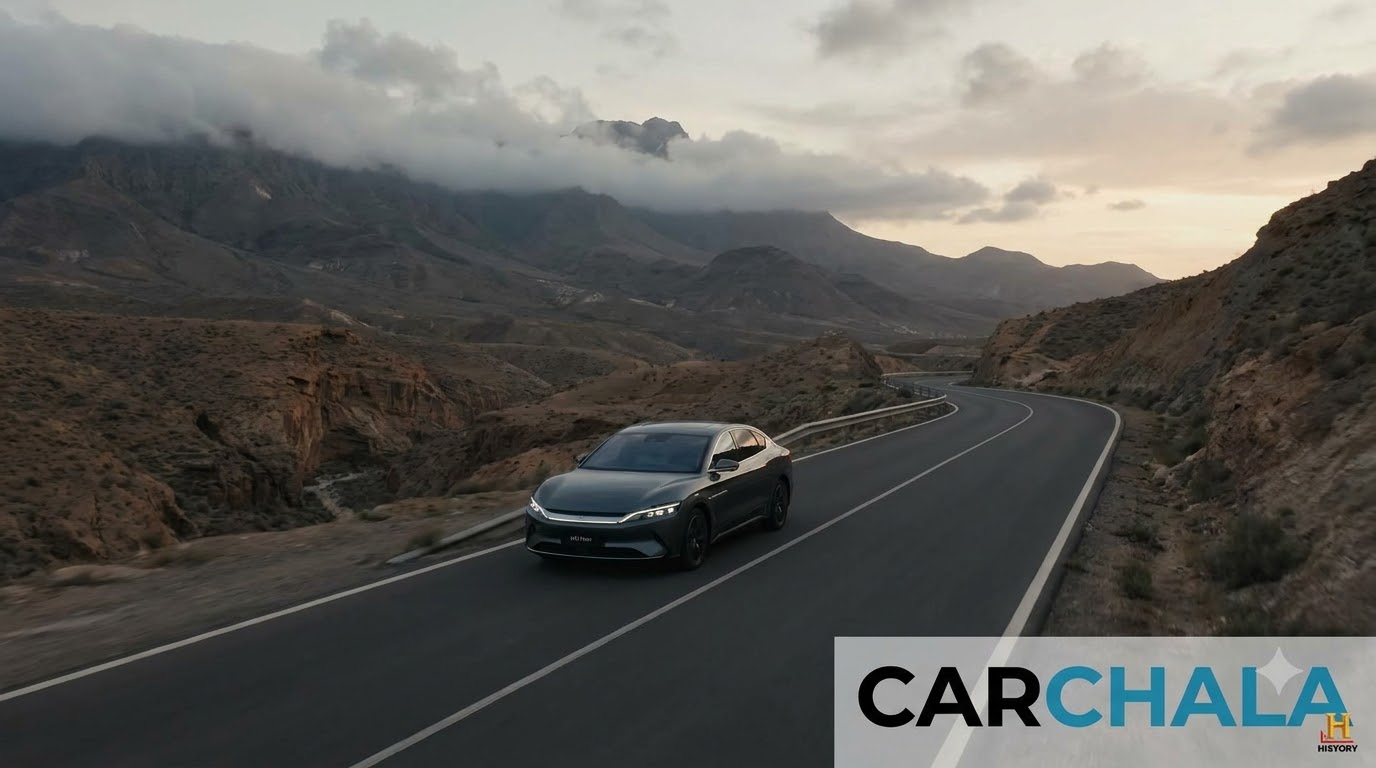
Mainstream Disruption
BYD aggressively expands its Indian footprint beyond premium EVs, introducing mass-market electric SUVs with their revolutionary Blade Battery tech.
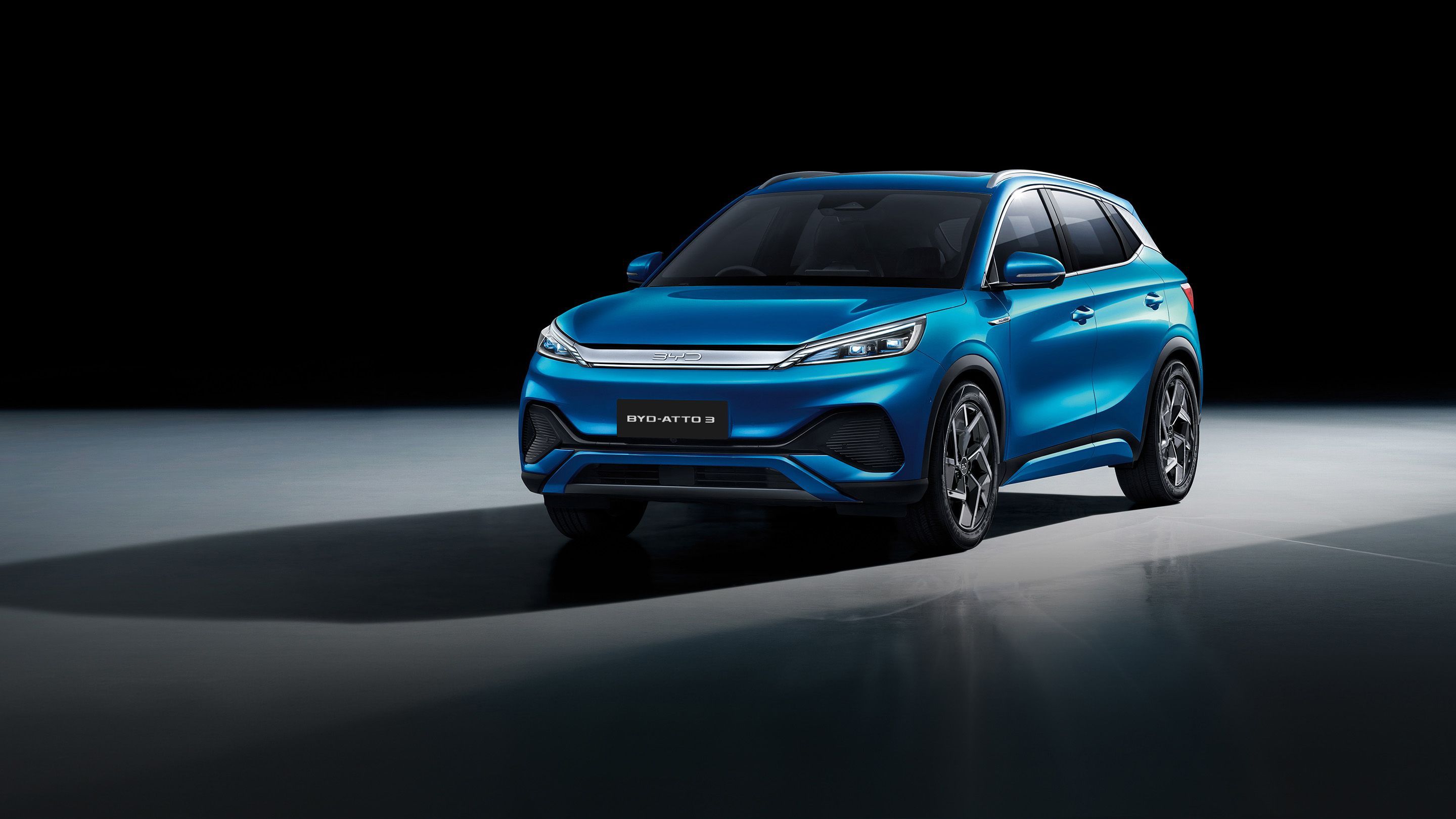
Local Manufacturing Push
BYD is expected to significantly localize its supply chain and manufacturing in India, aiming for a top spot in the mainstream EV market.
The Technological Leap: The Blade Battery and E-Platform
What truly separates BYD from legacy automakers and even other EV startups is its unmatched vertical integration. BYD does not merely assemble cars; it manufactures nearly every critical component in-house, from the electric motors and electronic control units to the semiconductors and, most crucially, the batteries.
In 2020, BYD announced a breakthrough that would change the trajectory of the EV industry: the Blade Battery. While most of the industry was focused on volatile lithium-ion chemistries that required expensive materials like cobalt and nickel, BYD doubled down on Lithium Iron Phosphate (LFP) technology. Historically, LFP batteries were considered heavy and lacked energy density. However, BYD's engineers redesigned the battery cells into long, flat "blades" that could be packed tightly together without the need for heavy structural modules.
The Blade Battery was a revelation. It offered competitive energy density, significantly lower manufacturing costs, and unparalleled safety. It could endure being punctured by a nail, crushed, or heated in a furnace without catching fire or exploding. The Blade Battery became the foundation of BYD's new generation of vehicles, proving that EVs could be affordable, long-lasting, and exceptionally safe.
Coupled with their advanced E-Platform 3.0, a dedicated architecture for electric vehicles that maximizes interior space, aerodynamic efficiency, and structural rigidity, BYD had forged a technological moat that its competitors struggled to cross.
The revolutionary BYD Blade Battery: Setting new global standards for EV safety, durability, and cost-efficiency without compromising on range.
The Modern Era: Dominance and the Global Push
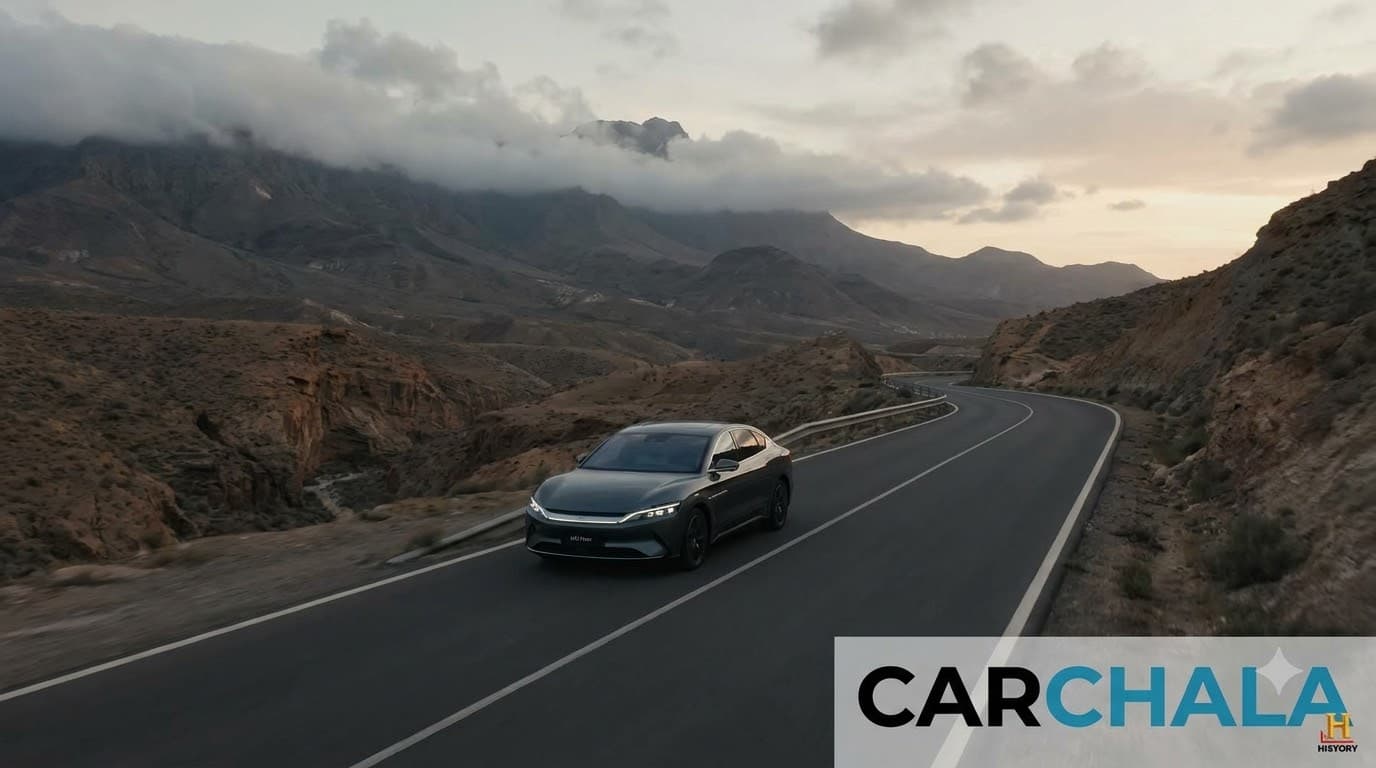
The 2020s marked BYD's explosive ascent to the summit of the global automotive industry. Armed with an expansive portfolio of critically acclaimed vehicles—such as the sleek Seal sedan, the versatile Atto 3 SUV, and the luxurious Han—BYD began dominating the Chinese market, displacing established giants like Volkswagen and Toyota.
In a historic move, BYD announced in March 2022 that it would completely halt the production of traditional internal combustion engine vehicles, focusing exclusively on New Energy Vehicles (NEVs), which includes both Battery Electric Vehicles (BEVs) and Plug-in Hybrid Electric Vehicles (PHEVs). This made BYD the first major automaker in the world to fully transition away from pure fossil-fuel cars.
The culmination of their relentless innovation occurred in the final quarter of 2023, when BYD achieved what was once considered impossible: it surpassed Tesla to become the world’s largest manufacturer of pure electric vehicles.
Pushing Boundaries: Yangwang and the Premium Horizon
Not content with dominating the mass market, BYD is aggressively expanding into the ultra-luxury and high-performance segments. In 2023, they launched the premium sub-brand Yangwang. The flagship Yangwang U8 is a technological tour-de-force—a massive, quad-motor electric luxury SUV capable of producing over 1,100 horsepower. It features independent torque vectoring for each wheel, allowing it to perform 360-degree "tank turns" on the spot and even float and navigate across water in emergency situations.
Simultaneously, BYD is rapidly expanding its global footprint. They are heavily investing in localized manufacturing plants across Europe, Southeast Asia, and South America, positioning themselves as a truly global automotive superpower. The story of BYD is a testament to the power of continuous innovation and the strategic brilliance of owning the entire supply chain. From building mobile phone batteries in a Shenzhen workshop to leading the global transition toward sustainable mobility, BYD has undeniably built its dream, and in doing so, it is reshaping the future of transportation for the entire world.