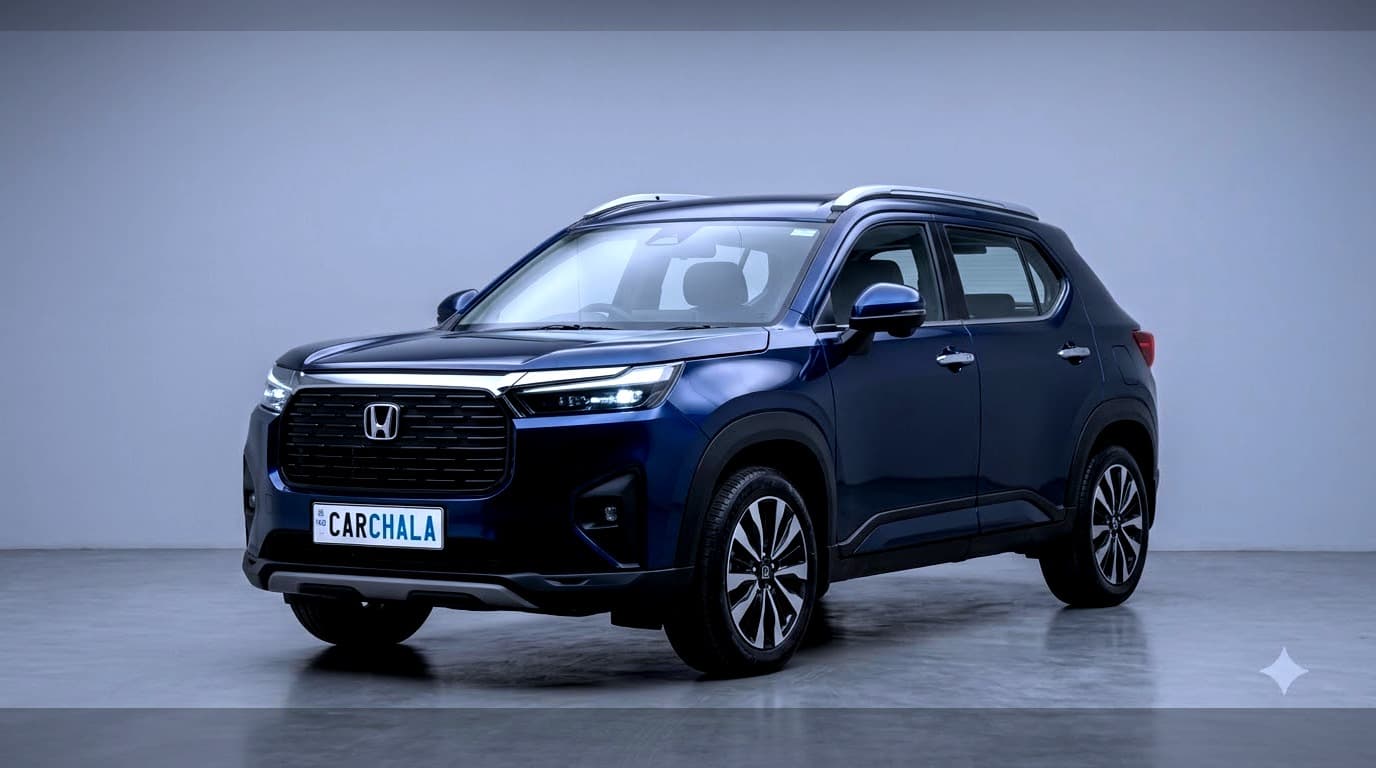
The story of Honda is the story of a restless, brilliant, and fiercely independent dreamer who refused to be bound by convention. It is an automotive saga defined not by corporate boardrooms or marketing departments, but by the smell of oil, the scream of high-revving engines, and a profound, fundamental belief in the joy of mobility. Honda is a company built by engineers, for people who love the pure mechanics of movement.
The Dreamer: Soichiro Honda
To understand Honda, one must understand its founder, Soichiro Honda. Unlike the aristocrats or corporate scions who founded many other automotive marques, Soichiro Honda was a maverick, a self-taught mechanic with oil under his fingernails and an insatiable curiosity. He began his career repairing bicycles and tuning cars in the 1920s and 30s in Japan.
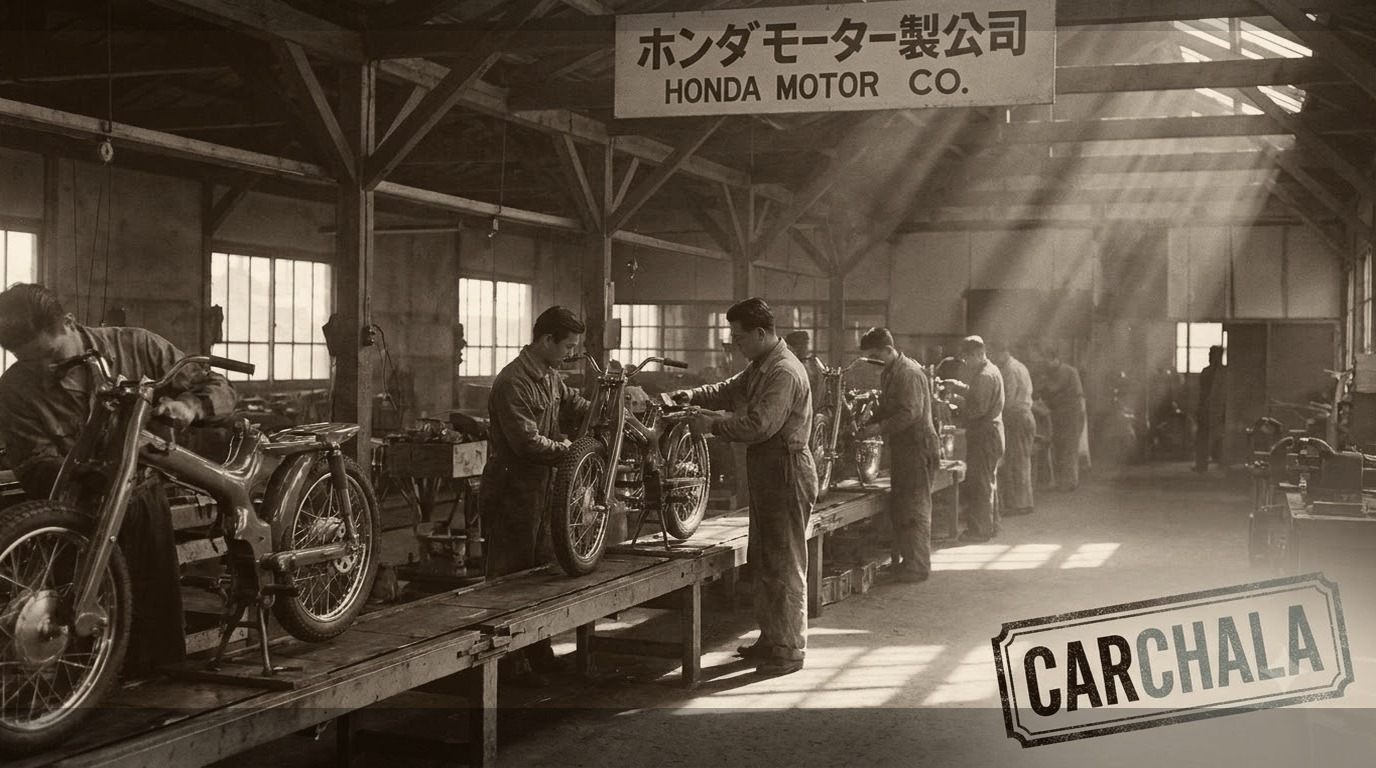
After World War II, Japan was devastated, and cheap, reliable transportation was desperately needed. In 1946, Soichiro Honda founded the Honda Technical Research Institute. His first ingenious product was attaching small surplus military generator engines to bicycles, creating cheap, motorized transport for the masses. In 1948, the company was officially incorporated as Honda Motor Co., Ltd.
"Success represents the 1% of your work which results from the 99% that is called failure."
Honda quickly became a dominant force in the motorcycle industry. The Super Cub, introduced in 1958, is the most produced motor vehicle in history, with over 100 million units built. But Soichiro Honda was a racer at heart. He believed that the ultimate test of engineering was motorsport. In the 1960s, a time when Japanese manufacturing was still largely dismissed by the West as inferior, Honda boldly entered both the Isle of Man TT motorcycle races and Formula 1 car racing, determined to prove his engineering on the world stage. Shockingly, they won.
Four Wheels and the Civic Revolution
Despite fierce opposition from the Japanese government (MITI), which wanted to consolidate the auto industry and felt Japan didn't need another car manufacturer, Honda stubbornly entered automobile production in 1963 with the T360 mini-truck and the S500 sports car. These early vehicles were deeply influenced by Honda's motorcycle heritage, featuring high-revving, highly efficient, and incredibly complex small-displacement engines.
However, Honda's true breakthrough in the global automotive market occurred during the 1970s oil crisis. As American consumers, accustomed to massive, fuel-thirsty V8s, suddenly found themselves lining up for expensive gasoline, Honda introduced the Civic in 1972.
The Civic was a revelation. It was small, incredibly fuel-efficient, reliable, and fundamentally fun to drive. But its engineering masterstroke was the CVCC (Compound Vortex Controlled Combustion) engine. In 1975, the US government implemented strict new emissions regulations (the Clean Air Act) that the big American automakers claimed were impossible to meet without expensive catalytic converters. Honda’s CVCC engine met the stringent regulations entirely on its own, without a catalytic converter, proving the absolute superiority of Honda's combustion engineering. It humiliated the established giants and made Honda a household name in America.
The Dream Begins
Soichiro Honda founds Honda Motor Co., Ltd., initially focusing on producing motorized bicycles and small motorcycles for a post-war Japan.
Entering the Car Market
Defying the Japanese government, Honda launches its first automobiles: the T360 mini-truck and the S500 sports car, featuring high-revving motorcycle-derived engines.
The Civic Revolution
The Honda Civic is launched. Just in time for the global oil crisis, its fuel efficiency, reliability, and clean-burning CVCC engine make it a massive global success.
The Birth of Acura
Honda launches Acura in North America, becoming the first Japanese automaker to establish a dedicated luxury brand, predating Lexus and Infiniti.
VTEC Kicks In
Honda introduces VTEC (Variable Valve Timing and Lift Electronic Control) in the Integra. It revolutionizes naturally aspirated engines, combining low-end efficiency with screaming high-end power.
The Everyday Supercar
The Honda NSX (Acura NSX) debuts. Developed with input from Ayrton Senna, this mid-engine aluminum masterpiece proves that a supercar can be reliable and easy to drive daily.
ASIMO the Robot
Honda unveils ASIMO, an advanced humanoid robot, showcasing the companys incredibly deep engineering capabilities extending far beyond just automobiles.
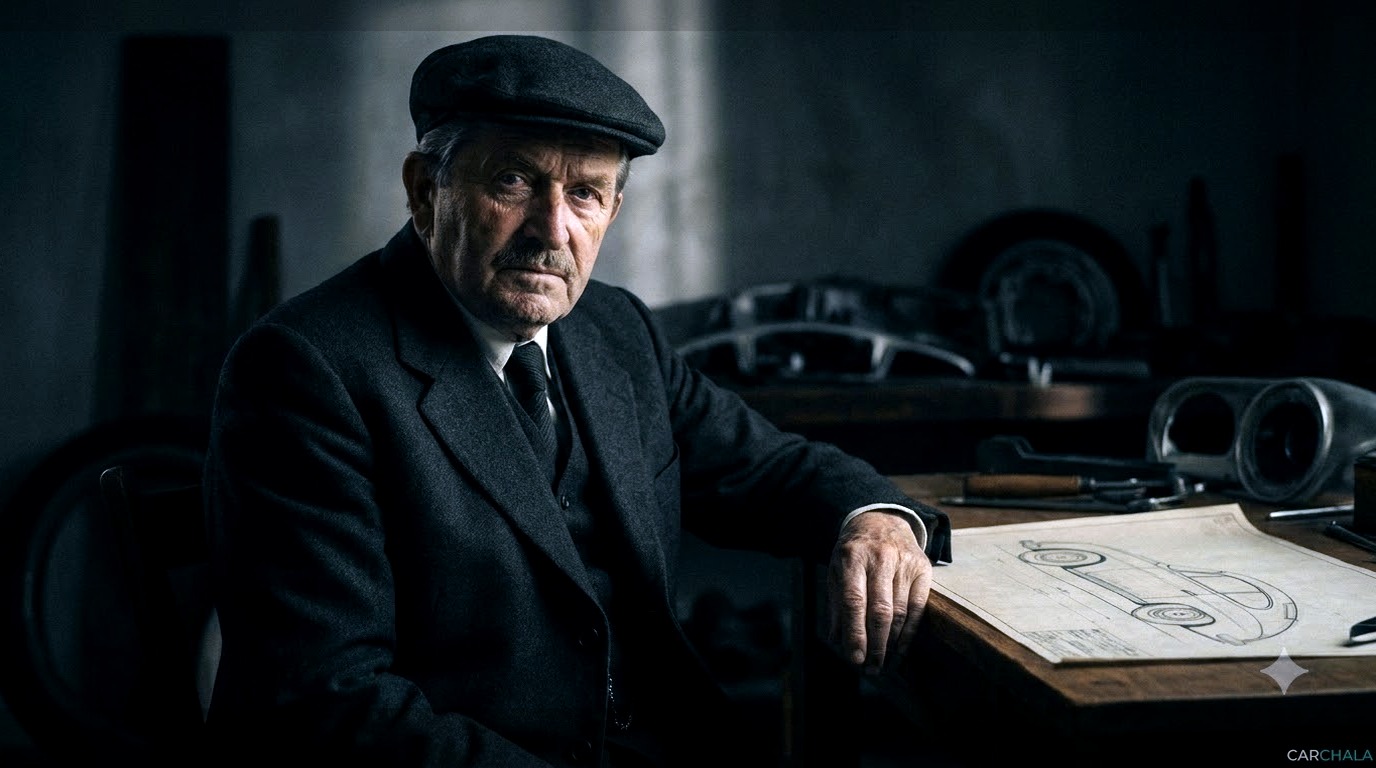
The F1 Championship Return
Powering Red Bull Racing, Honda engines secure the Formula 1 World Championship, a triumphant return to motorsport dominance for the brand.
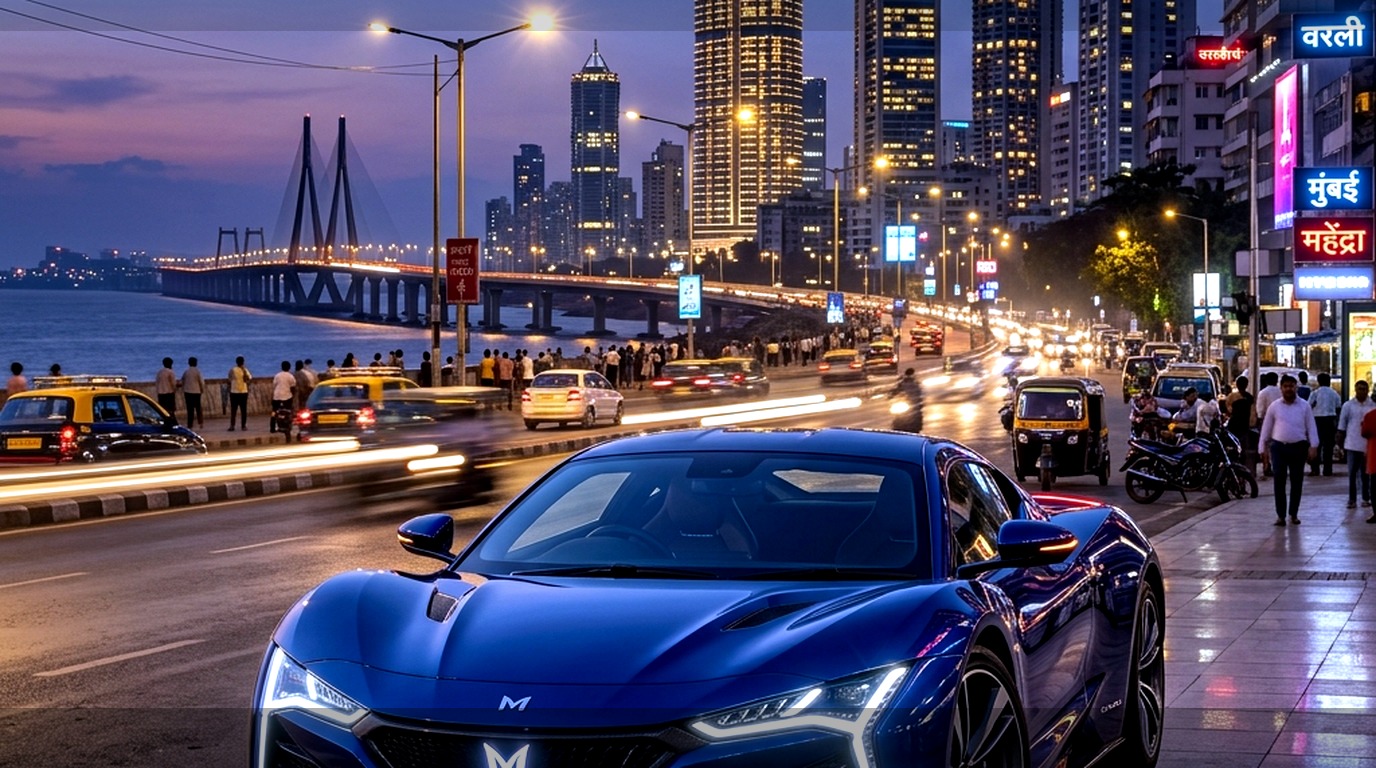
The Hybrid Resurgence
Honda regains strong momentum in India with the massive success of the Elevate and its e:HEV strong hybrid technology.
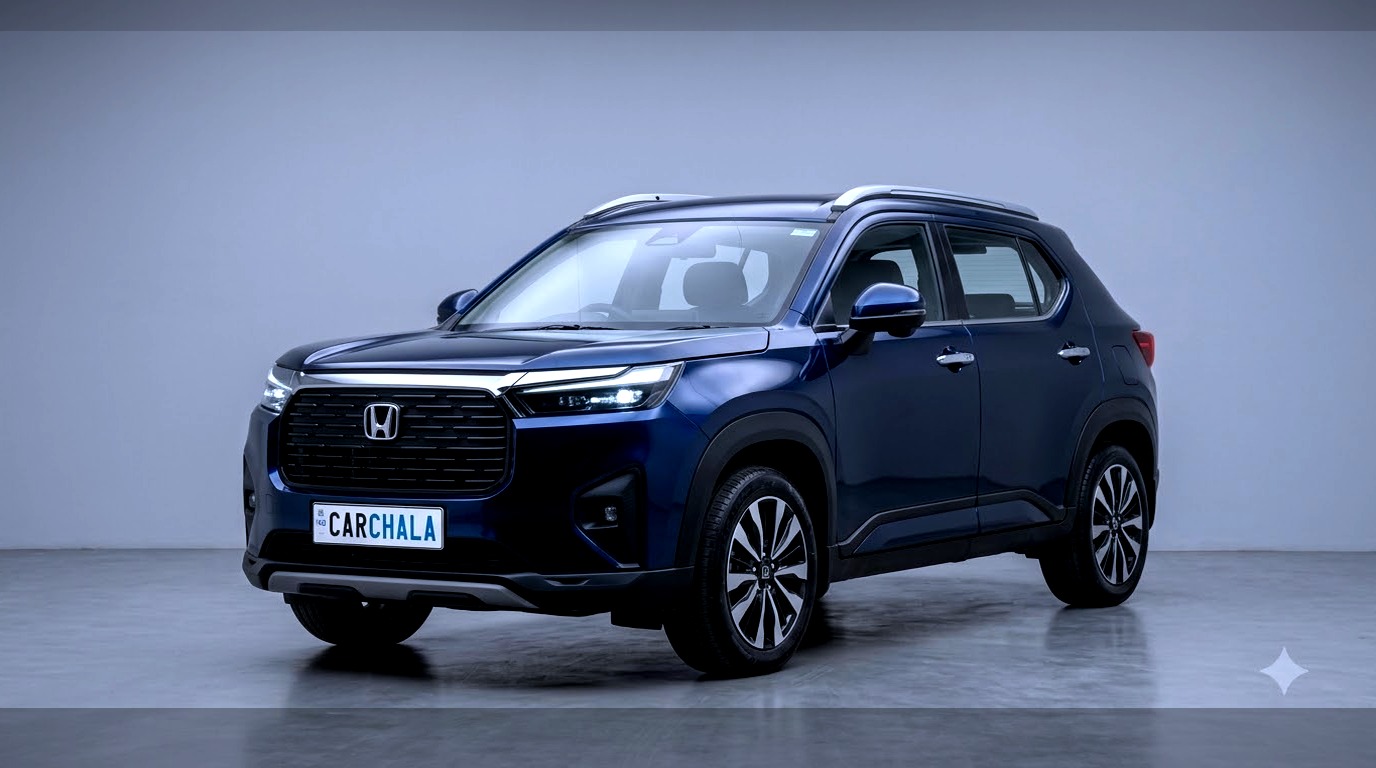
The '0 Series' EV Era
Honda is expected to debut its first dedicated global '0 Series' electric vehicles in India, marking a monumental shift from its ICE legacy.
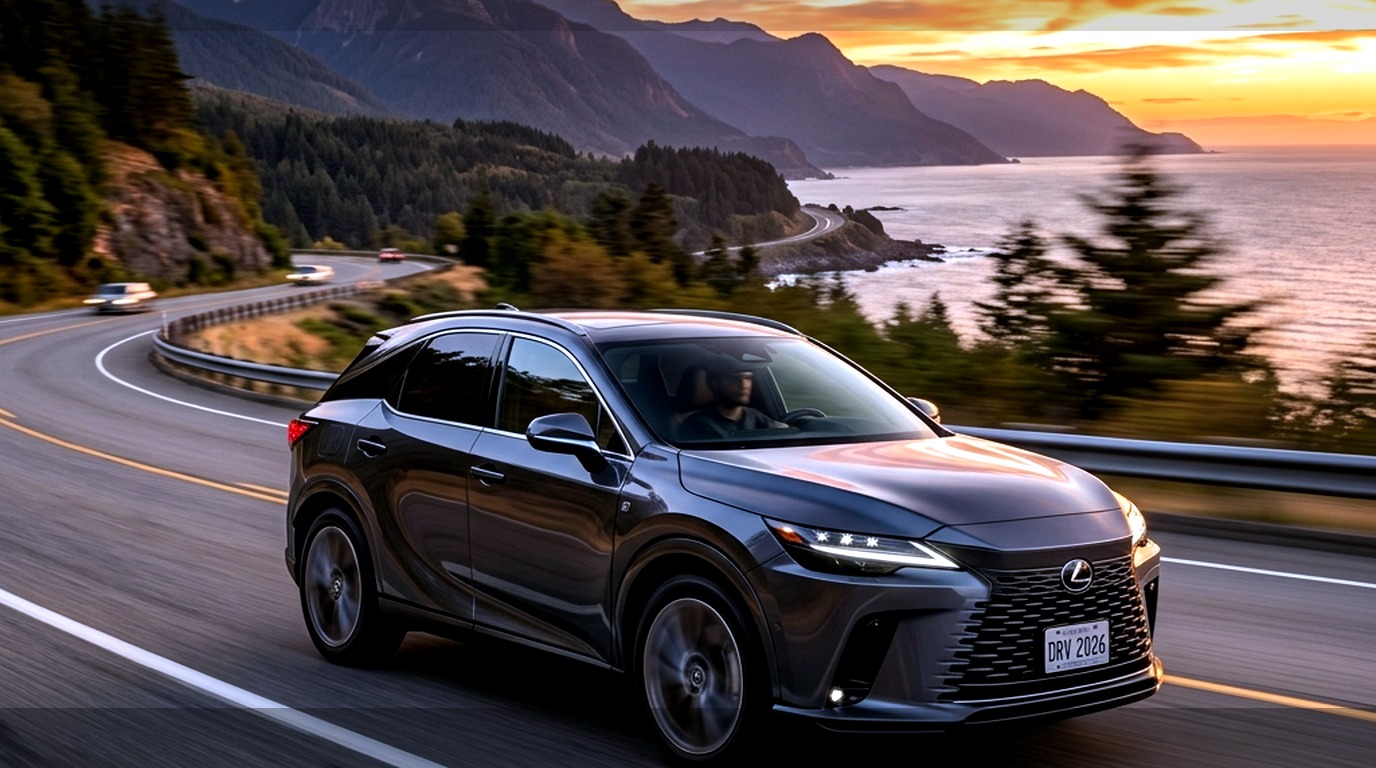
VTEC and the Golden Era of Engineering
The 1980s and 90s are often considered the golden era of Honda engineering. They dominated Formula 1 with McLaren, powering legends like Ayrton Senna and Alain Prost to multiple world championships. This motorsport pedigree directly translated to their road cars through an invention that would become legendary among car enthusiasts: VTEC.
VTEC (Variable Valve Timing and Lift Electronic Control), introduced in 1989, solved a fundamental engineering dilemma. An engine tuned for low-end drivability and fuel economy suffocates at high RPMs. An engine tuned for high-RPM racing power idles poorly and lacks low-end torque. VTEC utilized two different camshaft profiles: a mild one for low speeds, and a wildly aggressive one that engaged at high RPMs.
When a Honda engine hit the VTEC crossover point, the engine note changed dramatically into a screaming mechanical wail, and the car surged forward. It allowed reliable, small-displacement, naturally aspirated engines to produce horsepower figures previously thought impossible. Cars like the Civic Type R, the Integra Type R, and the S2000 roadster became legends, offering pure, unadulterated driving joy rooted in mechanical brilliance.
The NSX: Re-educating Ferrari
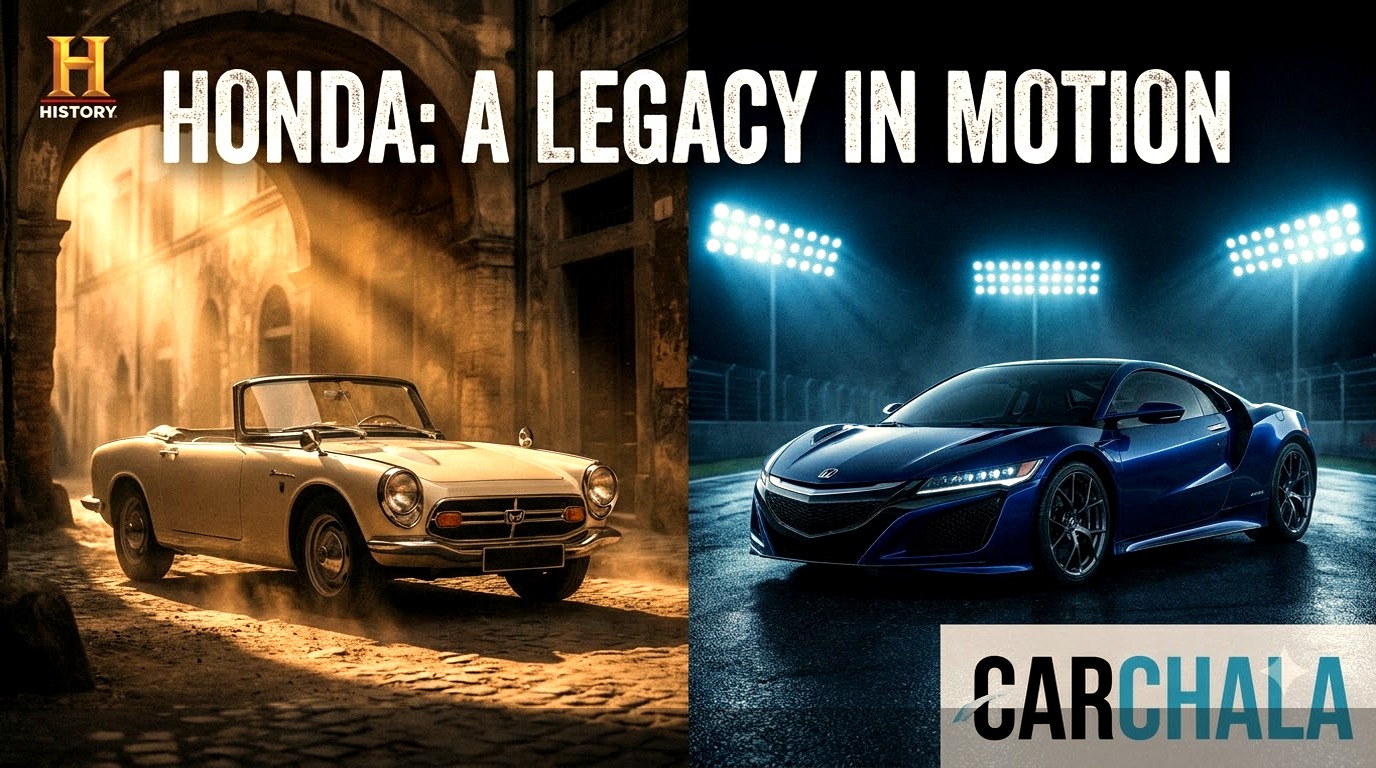
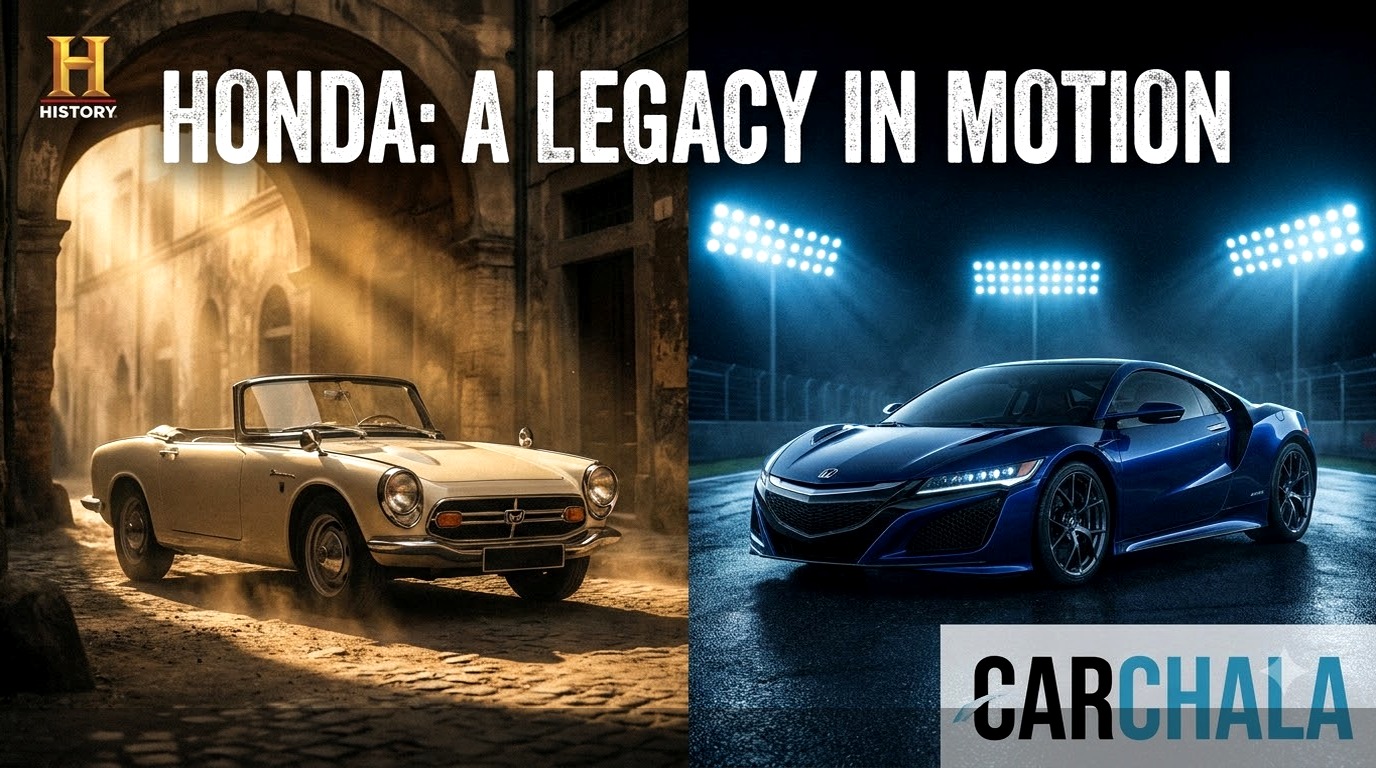
Perhaps the ultimate expression of Honda's engineering audacity was the NSX (sold as the Acura NSX in North America), launched in 1990. Honda looked at the contemporary supercars from Ferrari and Lamborghini and saw vehicles that were undoubtedly fast and beautiful, but also fragile, unreliable, ergonomically terrible, and difficult to drive.
Honda set out to build a supercar that you could drive to work every day. The NSX featured the world's first mass-produced all-aluminum monocoque chassis, a brilliant mid-mounted V6 engine with VTEC, and a cockpit inspired by the F-16 fighter jet for perfect visibility. They even enlisted Ayrton Senna to help tune the chassis at the Suzuka circuit.
The NSX was a masterpiece. It was incredibly fast and handled brilliantly, yet it was as reliable as a Civic and comfortable enough for a road trip. It shocked the European exotic manufacturers and forced them to dramatically improve the build quality and usability of their supercars in the decades that followed.
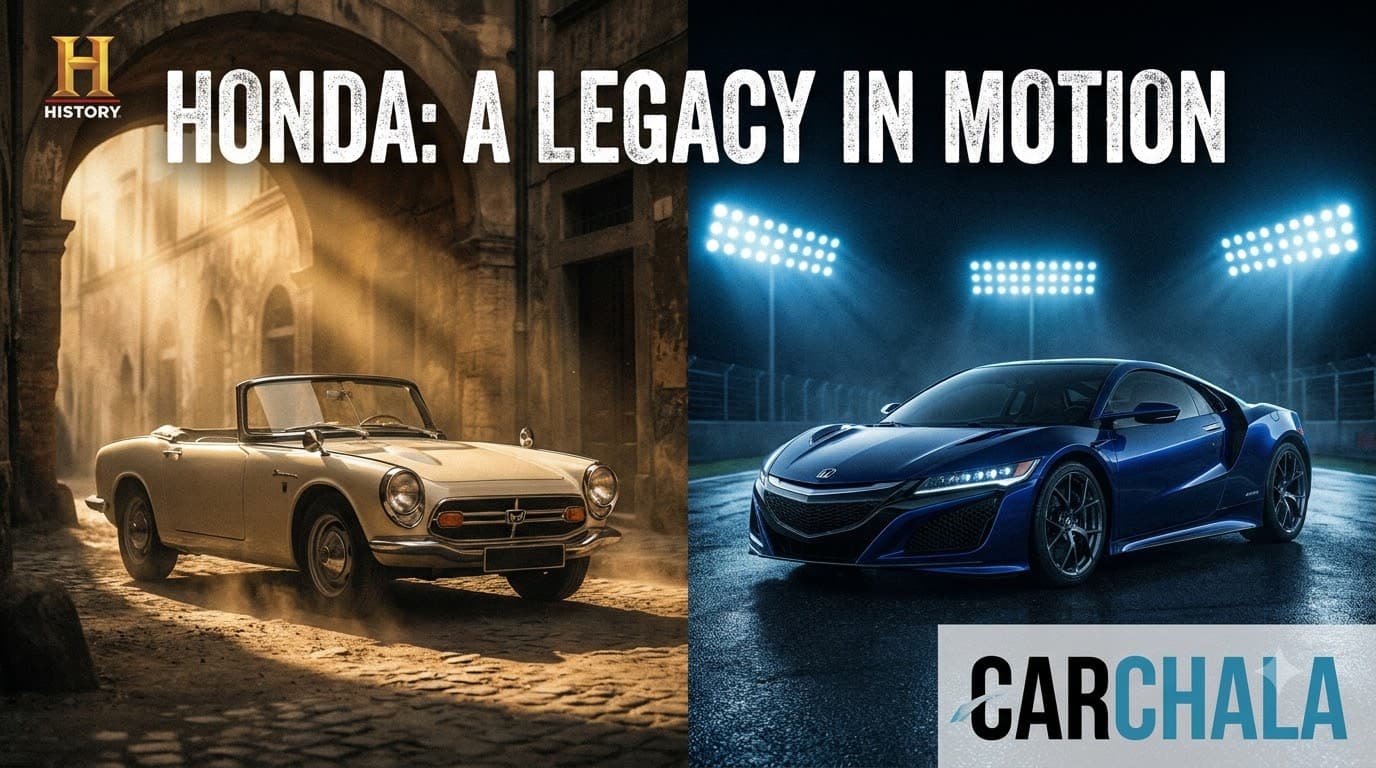
The original Honda NSX fundamentally changed the supercar paradigm, proving that exotic performance did not have to come at the expense of reliability and everyday usability.
The Power of Dreams in the Modern Era
As the automotive landscape shifts towards electrification and software, Honda is navigating a complex transition. Historically, their immense pride in internal combustion engine engineering made them slightly hesitant to fully embrace battery electric vehicles, initially favoring hybrids and exploring hydrogen fuel cell technology with the Clarity.
However, recognizing the inevitability of the EV transition, Honda has recently announced massive investments in electrification. They are developing their own dedicated "e:Architecture" EV platform and have formed strategic partnerships with companies like General Motors and Sony to accelerate their digital and battery development.
Yet, even as they pivot away from the high-revving internal combustion engines that built their legend, the core ethos of Soichiro Honda remains. Honda is still a company driven by the pursuit of mobility in all its forms—building cars, motorcycles, marine engines, private jets (the highly successful HondaJet), and even robotics.
From motorized bicycles in the ruins of post-war Japan to dominating Formula 1 and building everyday supercars, Honda's legacy is one of absolute engineering purity. They are the eternal mavericks of the automotive world, proving time and again that with enough imagination, brilliant engineering, and a genuine love for mobility, "The Power of Dreams" is an unstoppable force.