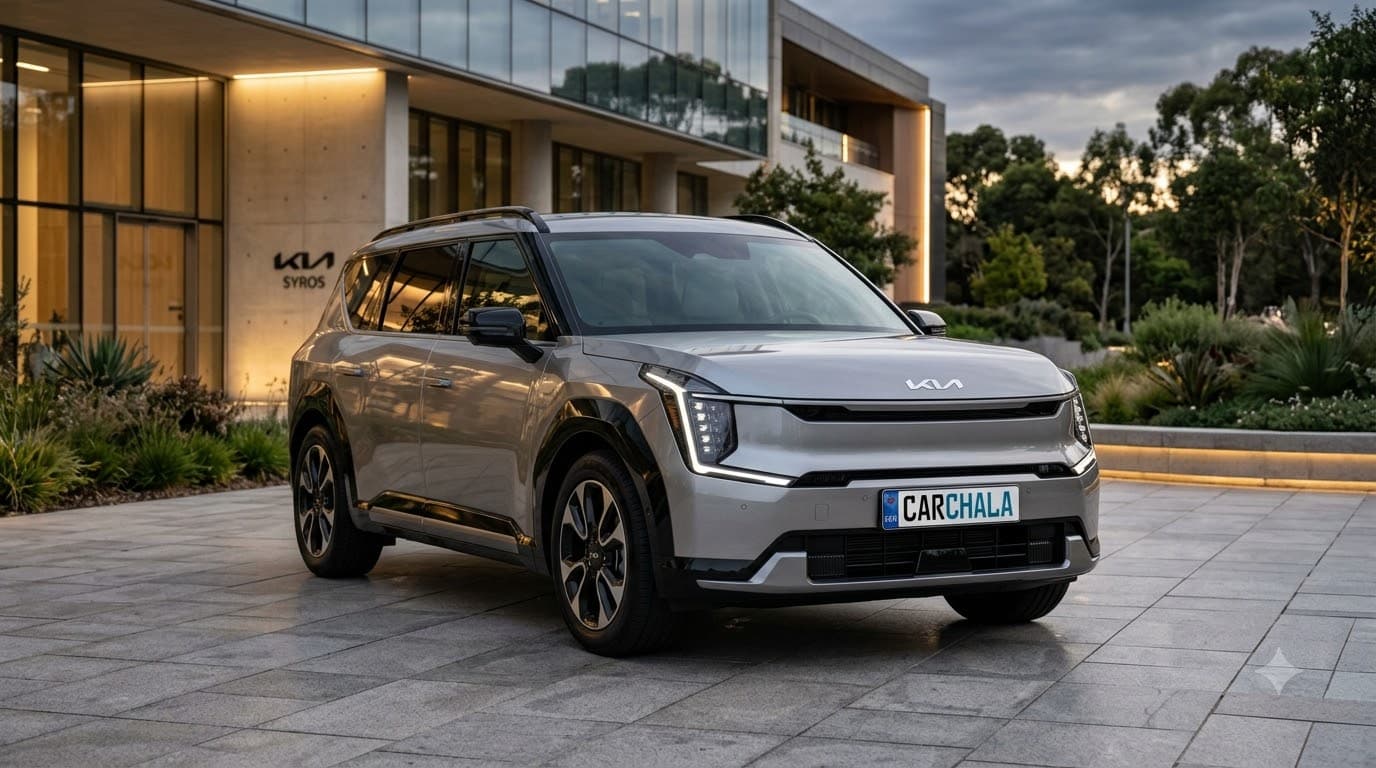

The story of Kia is a masterclass in resilience, evolution, and the sheer power of design. What began as a humble manufacturer of steel tubing and bicycle parts in the ashes of World War II has miraculously transformed into a global automotive juggernaut and a vanguard of the electric vehicle revolution. It is a narrative of a company that repeatedly defied the odds, surviving financial collapse to ultimately redefine its identity on the world stage.
The Genesis: From Bicycles to Motorized Dreams
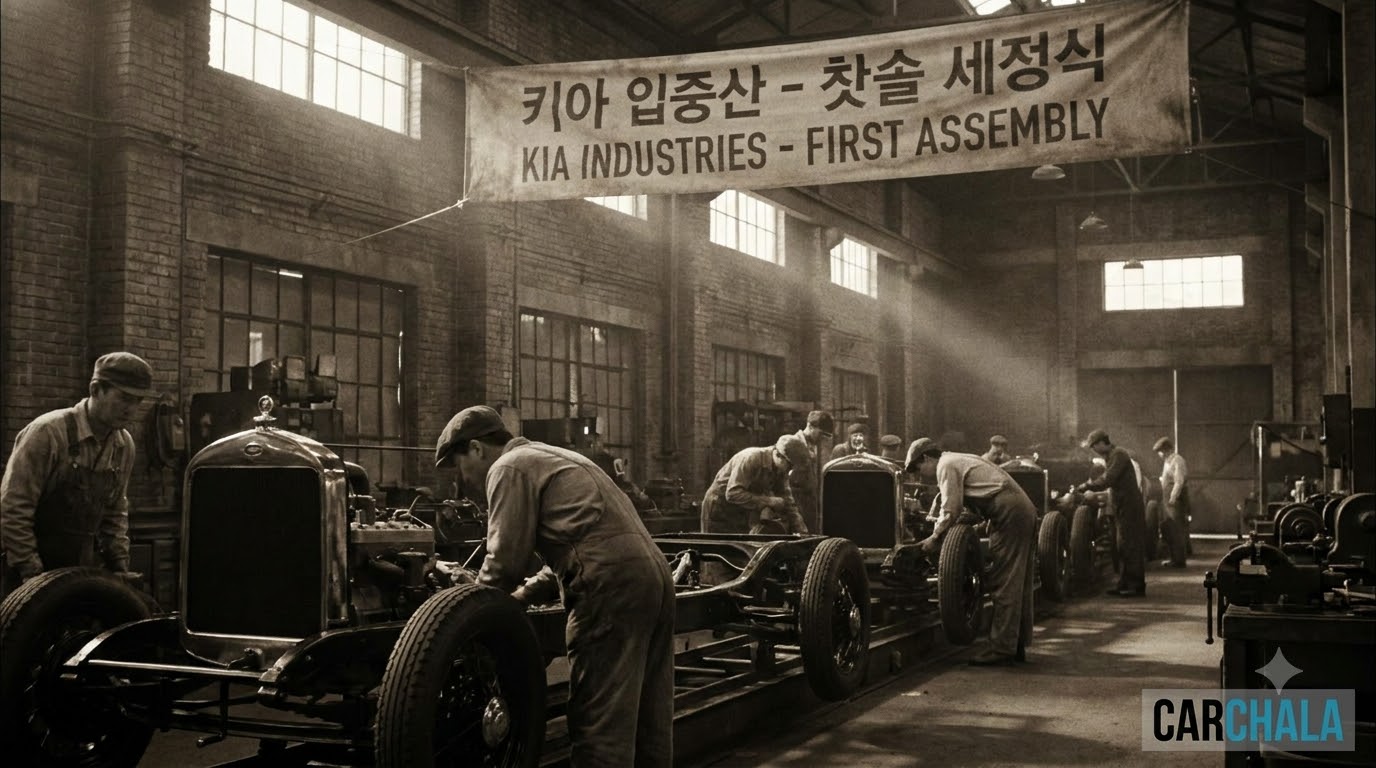
Founded in May 1944, Kyungsung Precision Industry was South Korea’s oldest manufacturer of bicycles and bicycle parts. The nation was still grappling with the aftermath of colonial rule and the devastation of war. The company, which would later change its name to Kia Industries in 1952—derived from the Sino-Korean characters 'ki' meaning 'to rise' and 'a' standing for 'Asia'—produced Korea’s first domestic bicycle, the Samchully, in 1951.
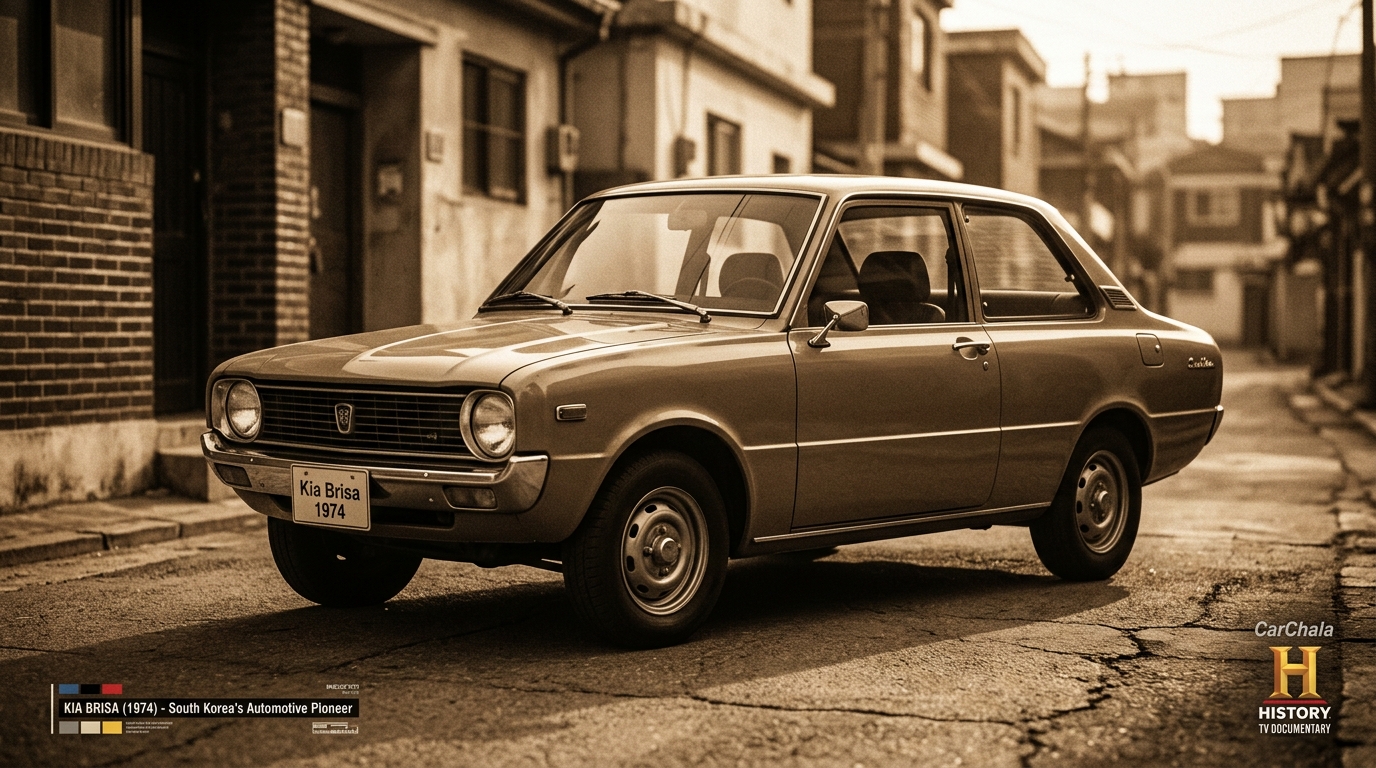
This foundational era was defined by a desperate need for basic mobility. As South Korea began to rebuild its economy, Kia evolved alongside it. The company transitioned from bicycles to Honda-licensed small motorcycles in 1957, Mazda-licensed trucks in 1962, and finally its first passenger car, the Brisa, in 1974. The Brisa became a symbol of South Korean industrial ambition, proving that the nation could assemble and produce complex machinery.
Throughout the 1980s, Kia formed crucial strategic partnerships. The most notable was with Ford, which led to the production of the Kia Pride, a rebadged Ford Festiva. This vehicle was massively successful both domestically and in export markets, introducing the Kia brand to the world and establishing its reputation for producing affordable, reliable transportation.
"Our mission is to create a new movement that inspires human progress and makes the world a better place."
The 1997 Crisis: The Brink of Collapse and Rebirth
The late 1990s brought unprecedented turmoil. The 1997 Asian financial crisis struck South Korea with devastating force. Kia, despite its previous successes, found itself severely overleveraged and plunged into bankruptcy. It was a dark hour, and many analysts predicted the end of the historic brand.
However, in 1998, a lifeline emerged. Hyundai Motor Company, South Korea's largest automaker, outbid Ford to acquire a controlling stake in Kia. This acquisition formed the Hyundai Motor Group, a colossal conglomerate that provided Kia with the financial stability, shared platforms, and R&D resources necessary not just to survive, but to reinvent itself.
The integration was initially challenging, as both companies fiercely maintained their distinct cultures. But the synergies soon became apparent. Kia benefited from Hyundai's engineering prowess while retaining its unique brand positioning, setting the stage for one of the most remarkable turnarounds in corporate history.
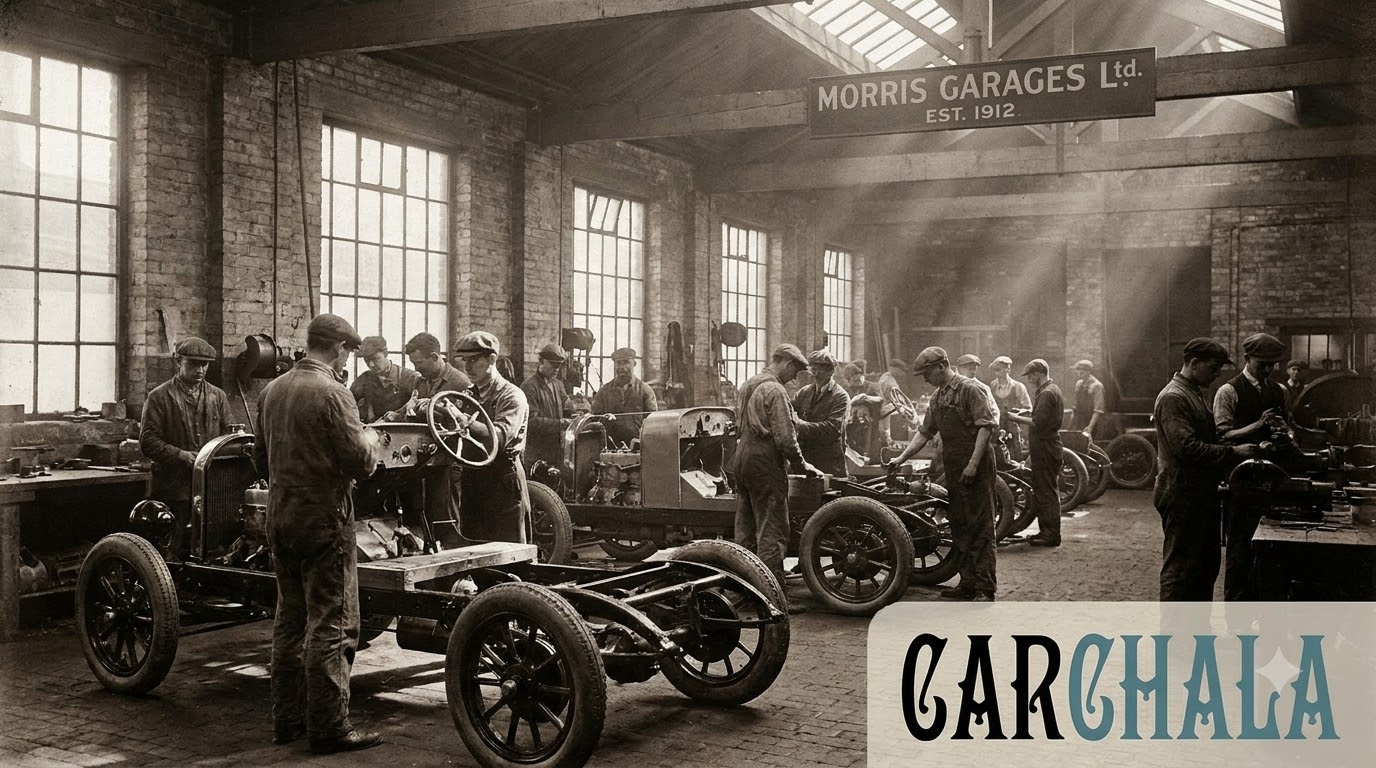
The Founding of Kyungsung Precision Industry
Established to manufacture steel tubing and bicycle parts, laying the groundwork for South Koreas oldest vehicle manufacturer.
A New Identity: Kia Industries
The company rebrands to Kia, meaning To rise out of Asia, and produces Koreas first domestic bicycle, the Samchully.
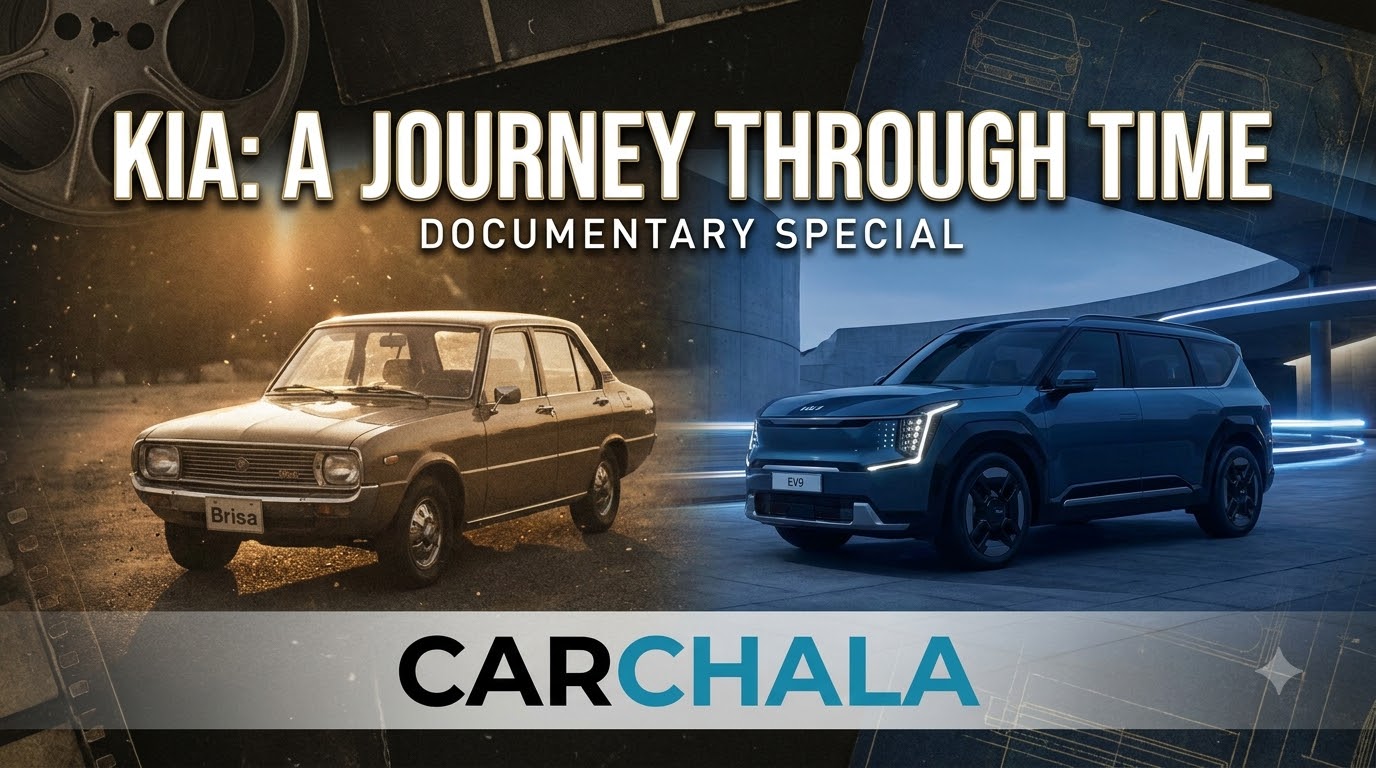
The First Passenger Car
Kia introduces the Brisa, its first passenger car, proving South Koreas capability to produce complex passenger vehicles.
The Asian Financial Crisis
The devastating economic crisis forces Kia into bankruptcy, threatening the survival of the historic brand.
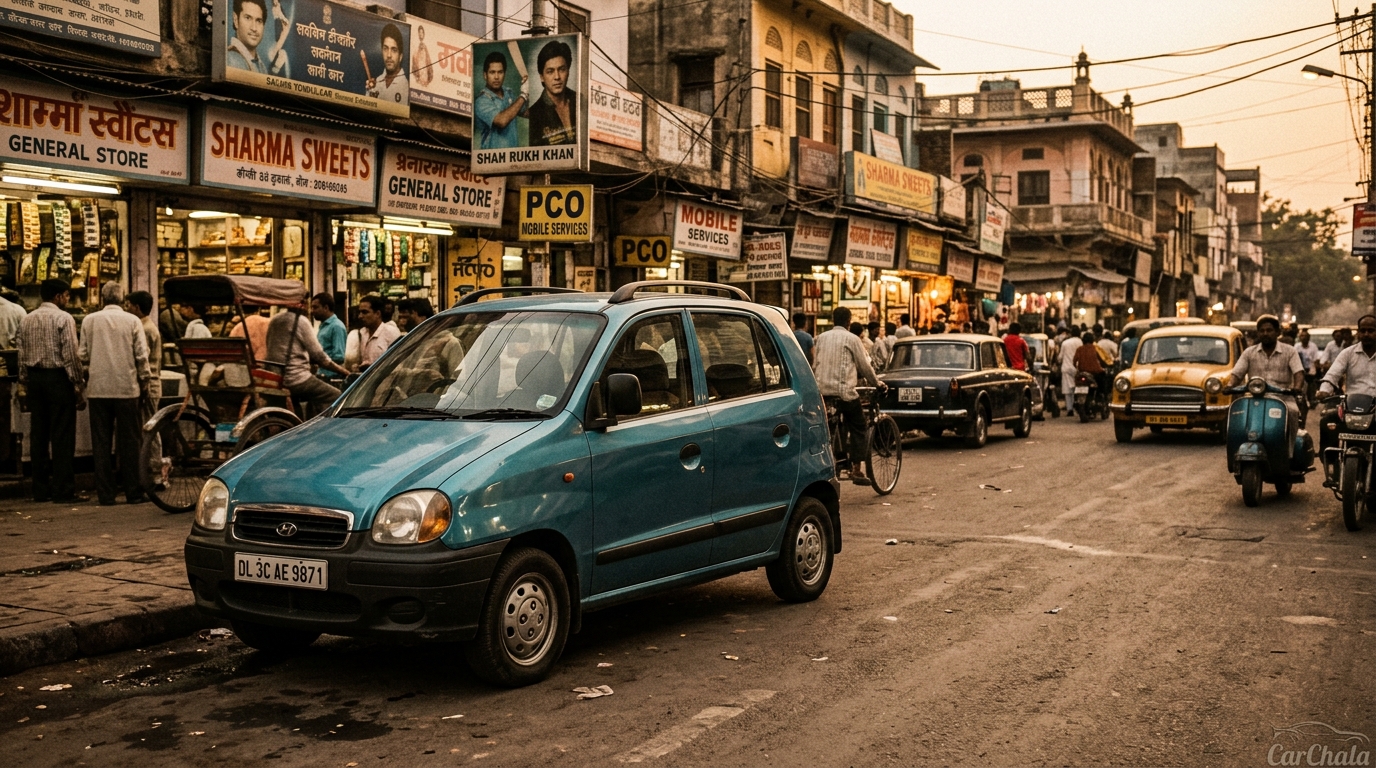
The Hyundai Acquisition
Hyundai Motor Company acquires Kia, forming the Hyundai Motor Group and providing a crucial lifeline for the brands rebirth.
The Design Revolution
Kia hires visionary designer Peter Schreyer. He introduces the iconic Tiger Nose grille, fundamentally shifting Kias image from budget to premium design.

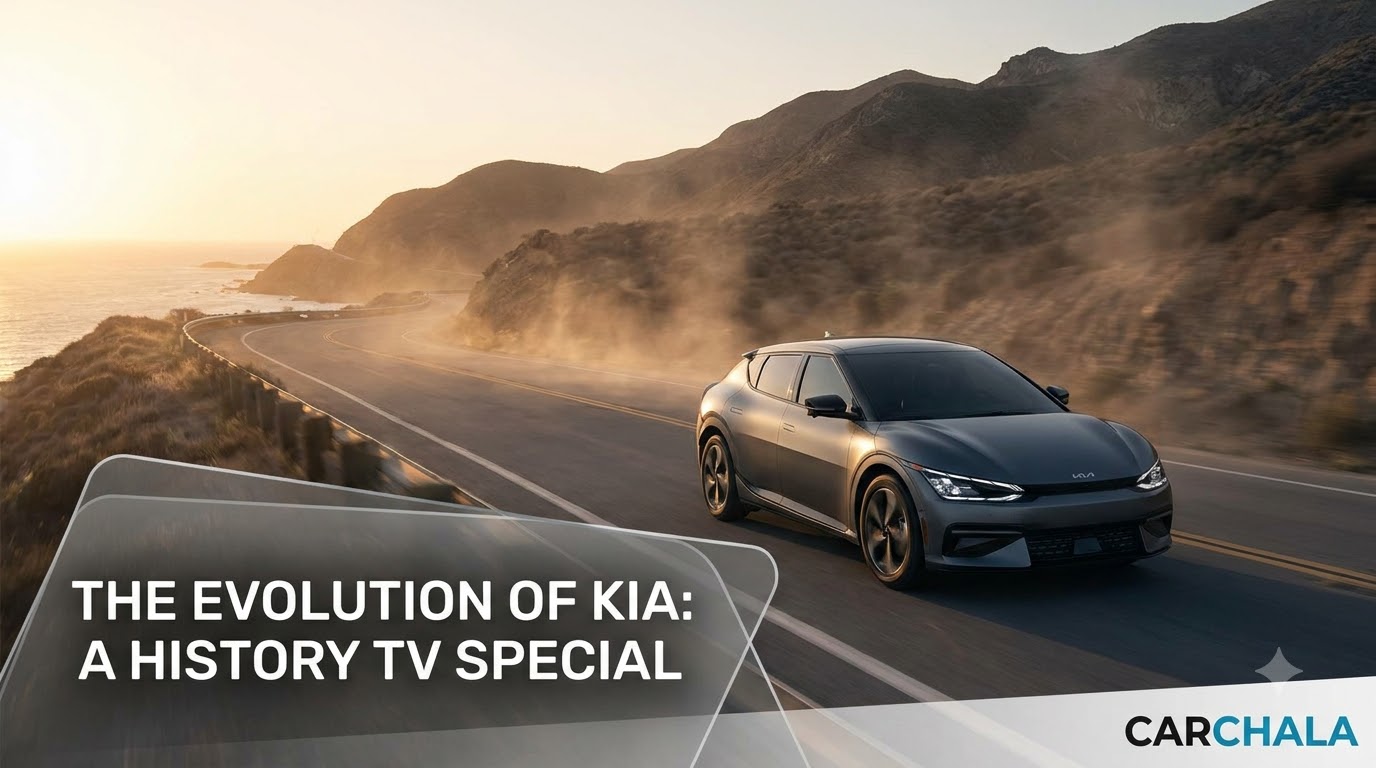
Movement That Inspires
Kia drops Motors from its name, unveils a sleek new logo, and pivots entirely towards sustainable mobility and electric vehicles.
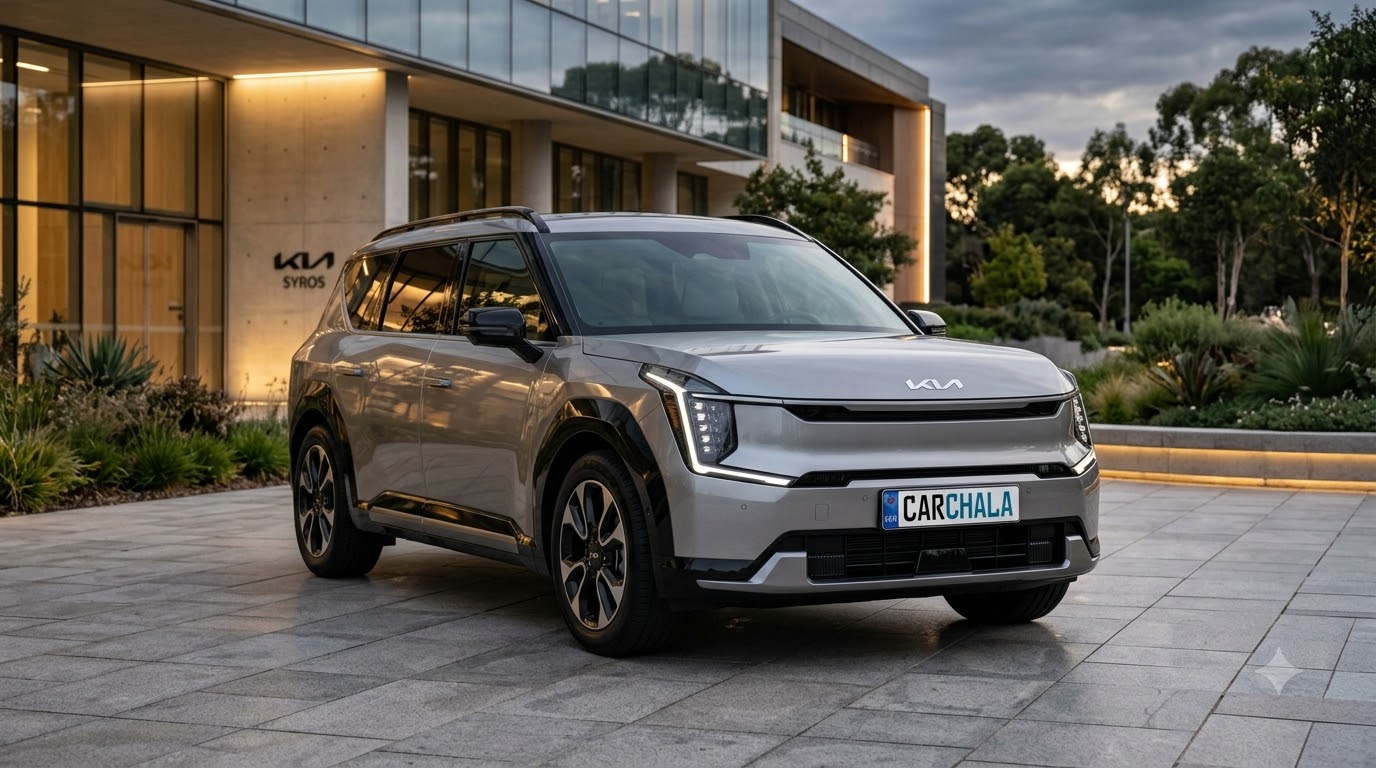
The EV9 Defines the Future
The launch of the flagship EV9 electric SUV garners global acclaim, cementing Kias position as a leader in the EV revolution.
The EV Mass Market Push
Following the EV6s halo effect, Kia launches localized, mass-market electric SUVs specifically tailored for the Indian consumer.
The PBV Revolution
Kia is anticipated to introduce its Purpose-Built Vehicles (PBVs) to the Indian commercial and fleet sectors, revolutionizing urban mobility.
The Design Revolution: The Era of Peter Schreyer
For decades, Kia vehicles were known for their value, not their looks. That perception changed permanently in 2006 when Kia made the most consequential hire in its history: Peter Schreyer, a renowned German designer who had previously shaped the visual identity of Audi and Volkswagen.
Schreyer was tasked with giving Kia a cohesive, recognizable face. His solution was the "Tiger Nose" grille, a bold, aggressive, and instantly recognizable design element that unified the entire vehicle lineup. The Tiger Nose wasn't just a styling cue; it was a statement of intent. It signaled that Kia was no longer content with being the budget alternative; it wanted to be a brand that customers desired emotionally.
Under Schreyer's leadership, Kia rolled out a succession of stunning vehicles. The Optima sedan, the Soul crossover, and the Sportage SUV were completely redesigned, winning prestigious international design awards. The transformation was miraculous. The brand transitioned from producing forgettable economy cars to rolling out some of the most stylish vehicles on the road, dramatically increasing sales and brand equity globally.
The Modern Era: Movement That Inspires
In 2021, Kia underwent another monumental transformation. Recognizing that the automotive industry was on the precipice of a once-in-a-century paradigm shift, the company officially dropped "Motors" from its corporate name, becoming simply Kia Corp. The brand unveiled a modern, minimalist new logo, resembling a handwritten signature, and a new global slogan: "Movement that inspires."
This rebranding was not merely cosmetic. It represented a fundamental pivot from being a traditional car manufacturer to becoming a comprehensive provider of sustainable mobility solutions. Kia recognized that the future would be defined by electrification, autonomous driving, and purpose-built vehicles (PBVs). The brand committed itself to leading this transition rather than following it.
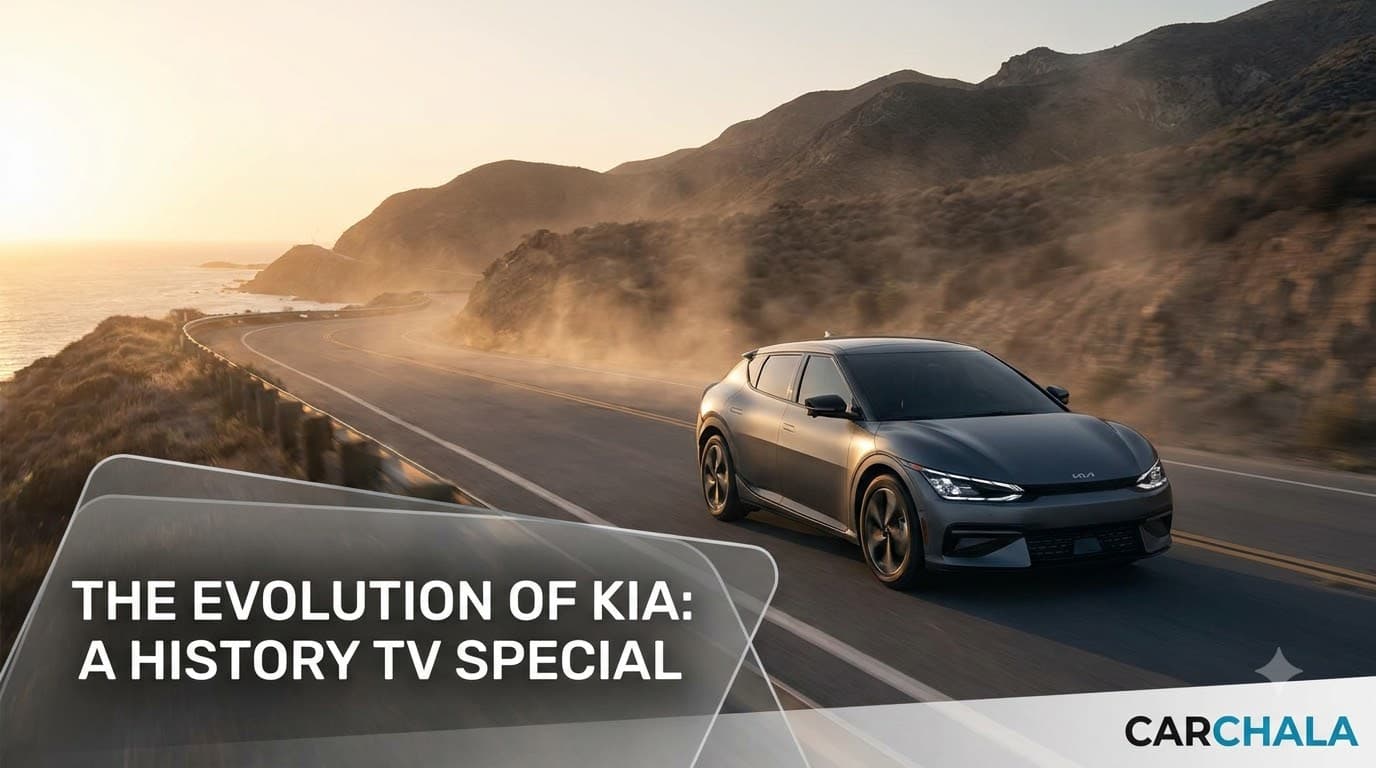
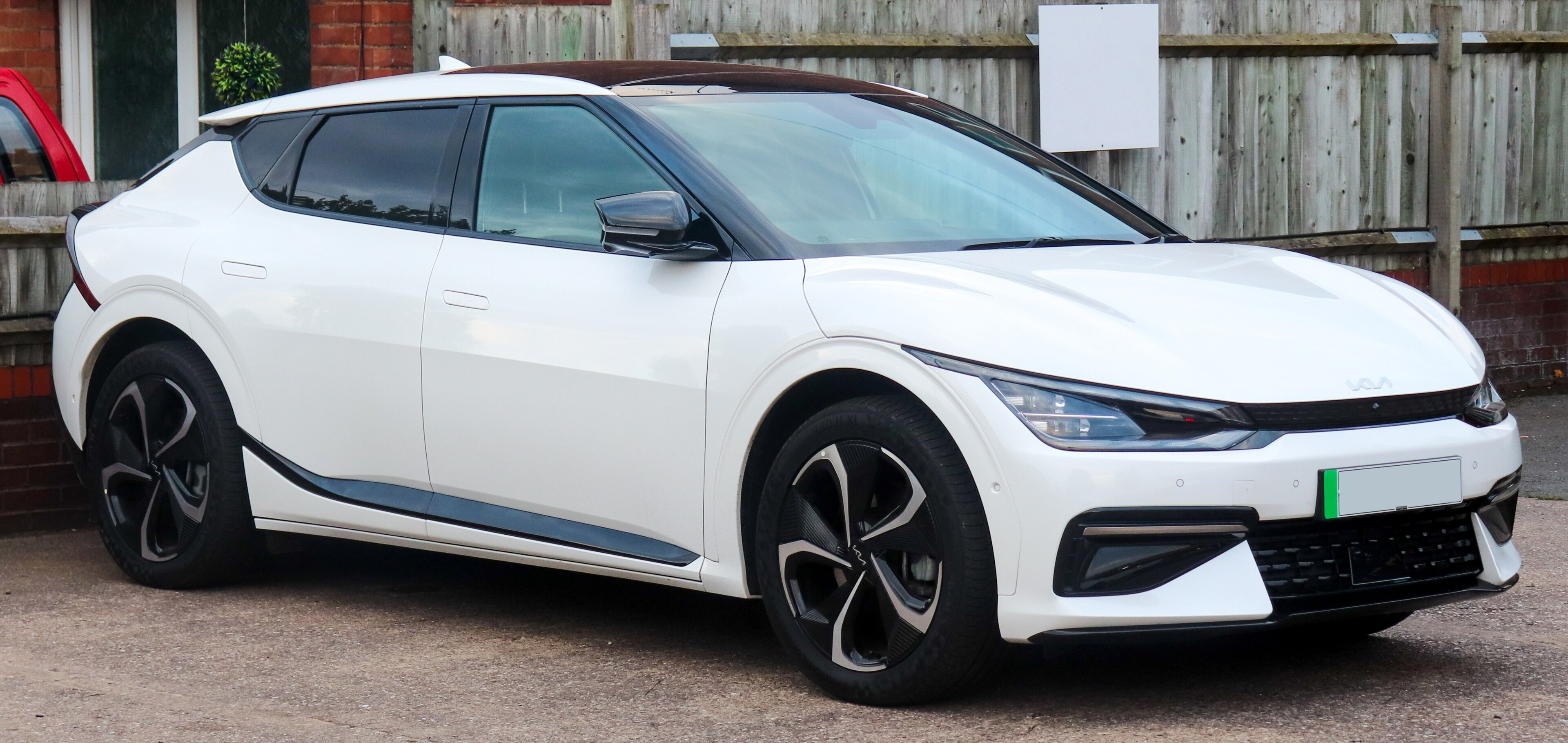
The Kia EV6, built on the advanced E-GMP architecture, redefining performance and charging speed in the electric era.
Plan S and the Electric Vanguard
Kia's blueprint for the future is codified in "Plan S," an aggressive corporate strategy aimed at securing a leadership position in the global EV market. A cornerstone of this plan is the Electric-Global Modular Platform (E-GMP), a dedicated, state-of-the-art EV architecture developed in conjunction with Hyundai.
The E-GMP platform allows for stunning proportions, massive interior space, and 800-volt charging capability, enabling vehicles to charge from 10% to 80% in under 20 minutes. The first vehicle to showcase this technology was the Kia EV6. With its futuristic design, blistering performance (especially in the GT variant), and impressive range, the EV6 won the European Car of the Year award, proving that Kia could compete with and beat the world's best EV manufacturers.
Following the success of the EV6, Kia launched the EV9, a massive, three-row electric flagship SUV that brought luxury-level refinement and bold, boxy styling to the mainstream market. The EV9 has been universally praised for its daring design and technological sophistication.
Looking ahead, Kia plans to rapidly expand its EV portfolio with models like the EV3, EV4, and EV5, ensuring there is a compelling electric option for every segment of the market. Concurrently, the brand is heavily investing in Purpose-Built Vehicles (PBVs)—highly customizable, specialized electric vehicles designed for delivery services, ride-hailing, and commercial fleets, anticipating a future where vehicle ownership models fundamentally shift.
The journey of Kia is a testament to the power of transformation. From the ashes of war and the depths of financial ruin, it has risen through visionary leadership, uncompromising design, and a bold commitment to the future. Today, Kia doesn't just rise out of Asia; it commands the global stage, inspiring movement and driving the world toward a sustainable future.