
The story of Lexus is not one of gradual evolution; it is a story of a calculated, massive, and ultimately triumphant disruption of the global luxury automotive market. It is a testament to Japanese engineering precision, an unyielding pursuit of perfection, and a fundamental reimagining of what a luxury car should be and how a luxury car customer should be treated. When Lexus arrived, it didn't just join the club of premium automakers; it completely rewrote the rules of admission.
Project F1: The Impossible Challenge
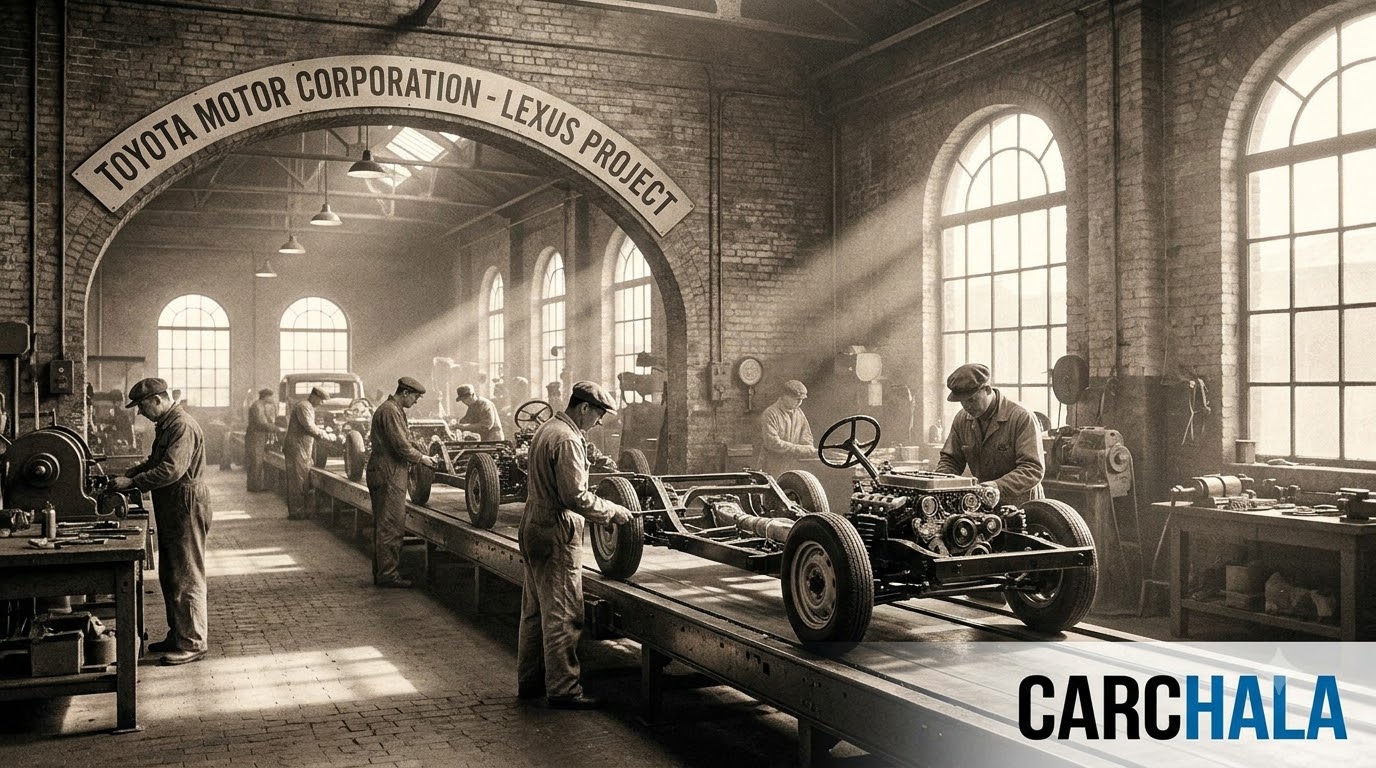
In August 1983, Eiji Toyoda, the chairman of Toyota, convened a secret meeting with his top executives and engineers. Toyota was already highly successful, globally renowned for building reliable, economical, and mass-market vehicles. But Toyoda had a vision that went far beyond economy cars. He posed a seemingly impossible question to his team: "Can we create a luxury car to challenge the very best?"
This question birthed "Project F1" (Flagship One). The goal was audacious: build a luxury sedan that would surpass the dominant German stalwarts—the Mercedes-Benz S-Class and the BMW 7 Series—in every conceivable metric. It had to be faster, quieter, more aerodynamic, more fuel-efficient, and more reliable, yet cost significantly less.
"It is not enough to be good. We must be the absolute best. We must redefine perfection."
To achieve this, Toyota threw unprecedented resources at Project F1. Over 3,900 engineers, technicians, and designers were assigned to the project. They built 450 prototypes and drove them over 2.7 million miles across diverse terrains globally—from the snows of Scandinavia to the intense heat of the American desert. They scrutinized every single component. When they realized existing manufacturing tolerances were too loose for the refinement they sought, they invented new, tighter tolerances. The project took six years and cost over $1 billion (in 1980s dollars), a staggering investment that demonstrated Toyota's absolute commitment to the endeavor.
The Birth of the LS 400
The culmination of Project F1 was unveiled to the world at the Detroit Auto Show in January 1989: the Lexus LS 400. It was a masterpiece of understated elegance and profound engineering. At its heart was a newly developed 4.0-liter V8 engine, incredibly smooth and nearly silent. The cabin was a sanctuary of quietness, achieved through extensive sound deadening and aerodynamic refinement.
But perhaps the most shocking aspect of the LS 400 was its price. It undercut its German rivals by thousands of dollars while offering comparable, and in many areas superior, quality and equipment. The automotive press was astounded. Motor Trend noted that the LS 400 "makes the European luxury cars feel like antiques."
Lexus famously demonstrated the smoothness of the LS 400 with a television commercial showing a pyramid of champagne glasses resting on the hood of the car while it ran on a dynamometer at 145 mph. Not a single drop was spilled. It was a defining moment that cemented the brand's reputation for unmatched refinement.
Project F1 Initiated
Toyota Chairman Eiji Toyoda challenges his company to build the worlds best luxury car, kicking off the secretive and massively funded Project F1.

The LS 400 Debuts
Lexus officially launches in the United States with the LS 400 flagship sedan, sending shockwaves through the established European luxury car market.
Expanding the Lineup
Lexus introduces the SC 400 luxury coupe, expanding the brands appeal and showcasing its ability to build highly desirable, stylish grand tourers.
The Luxury SUV Pioneer
Lexus launches the RX 300, widely credited with pioneering the luxury crossover SUV segment, combining SUV practicality with car-like ride quality.
 Pioneer](/images/brands/story/lexus-vintage-and-modern-lexus-cars.jpeg)
The Hybrid Leader
The RX 400h is introduced, making Lexus the first premium brand to offer a luxury hybrid vehicle, establishing a long-standing dominance in hybrid technology.

The V10 Masterpiece
Lexus unveils the LFA supercar. Limited to 500 units and featuring a Yamaha-tuned V10 engine, it becomes a legendary halo car for the brand.
The F Performance Division
Lexus expands its high-performance F marque with models like the RC F and GS F, demonstrating that Japanese luxury can also deliver thrilling driving dynamics.
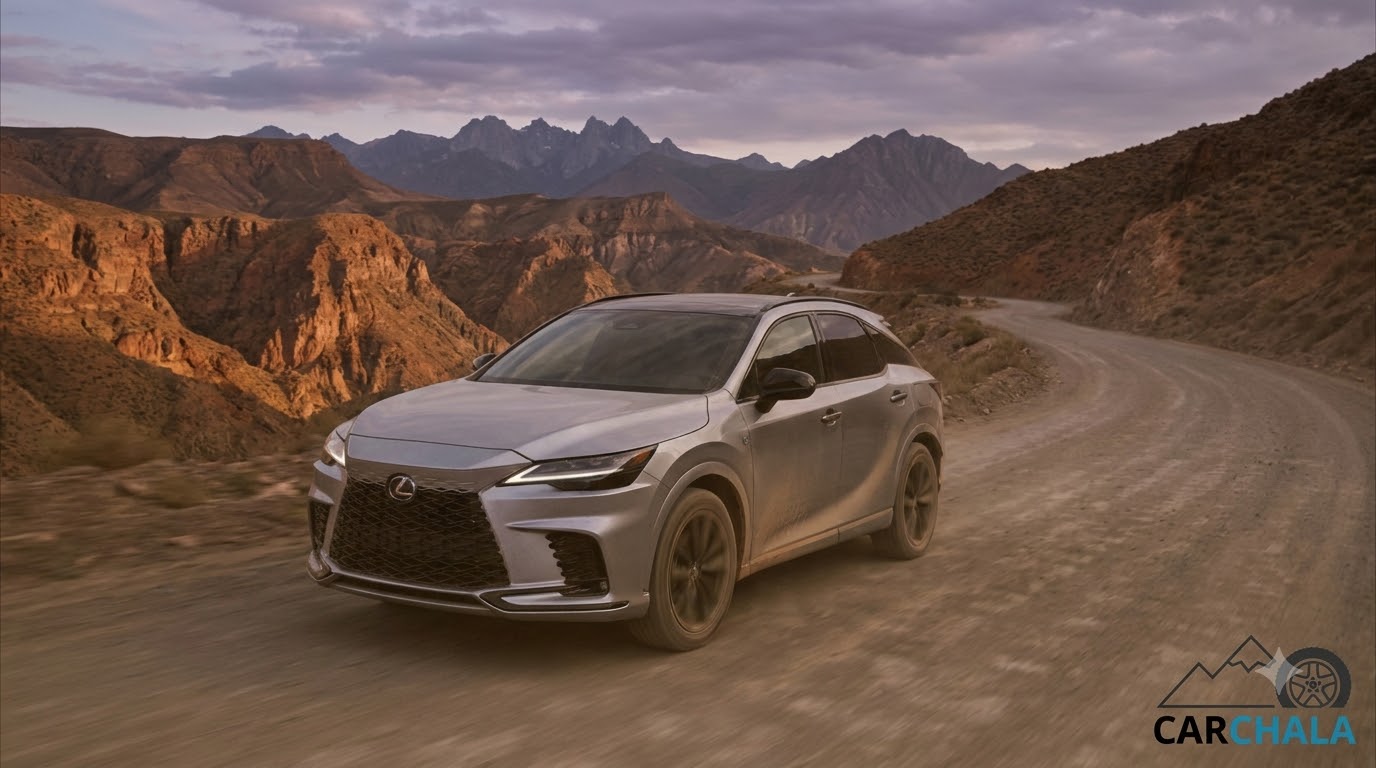
The RZ and Electric Future
Lexus launches the RZ 450e, its first globally available, purpose-built battery electric vehicle, marking a definitive shift towards zero-emission luxury.
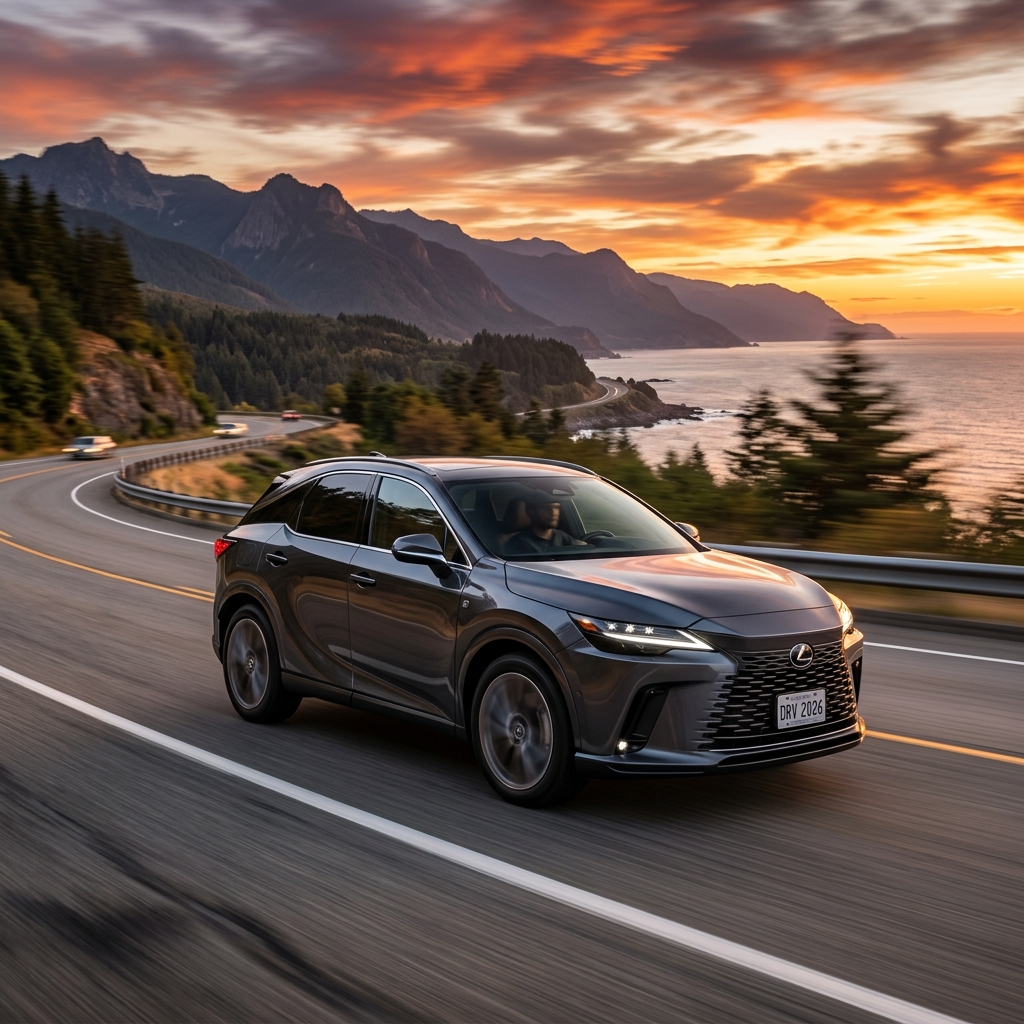
Electrified Luxury
Lexus continues to dominate the luxury hybrid space in India while introducing stunning battery-electric vehicles like the RZ.
Solid-State Horizons
Lexus is expected to tease its next-generation EVs in India, potentially hinting at the integration of revolutionary solid-state battery technology.
Omotenashi: The Lexus Dealership Experience
Building a world-class car was only half the battle; Toyota knew they had to deliver a world-class ownership experience. They understood that luxury customers were often dissatisfied with the arrogant or indifferent service they received at traditional European dealerships.
Lexus instituted the Japanese philosophy of Omotenashi—the spirit of selfless hospitality, anticipating a guest's needs before they even articulate them. Lexus dealerships were designed like luxury hotels, featuring opulent waiting areas, complimentary cafes, and immaculate service bays. Salespeople were trained to treat customers as honored guests in their own homes.
This commitment to customer service paid off immensely. Lexus consistently ranked at the very top of customer satisfaction and reliability surveys, such as those conducted by J.D. Power. When a minor defect was found in early LS 400 models, Lexus didn't just issue a standard recall; they personally picked up the cars from owners' homes, left them a loaner, repaired the issue, washed and detailed the cars, filled the gas tanks, and returned them. This level of service was unprecedented and built immense, unshakeable brand loyalty.
Pioneering the Luxury Crossover and Hybrid Technology
While the LS 400 established the brand, Lexus's true commercial dominance was secured through its uncanny ability to anticipate market trends. In 1998, they launched the RX 300. At the time, SUVs were largely truck-based, rugged, and unrefined. The RX was different; it was built on a unibody car platform, offering the elevated driving position and utility of an SUV but with the smooth ride and quiet cabin of a luxury sedan. It effectively invented the luxury crossover segment and became Lexus's best-selling model, widely imitated by every other premium brand.
Furthermore, Lexus leveraged Toyota's vast expertise in hybrid technology to become a pioneer in green luxury. In 2005, they introduced the RX 400h, the world's first luxury hybrid vehicle. This move allowed Lexus to offer high performance combined with excellent fuel efficiency and low emissions, appealing to a growing demographic of environmentally conscious luxury buyers. For over a decade, Lexus dominated the premium hybrid market almost entirely unchallenged.
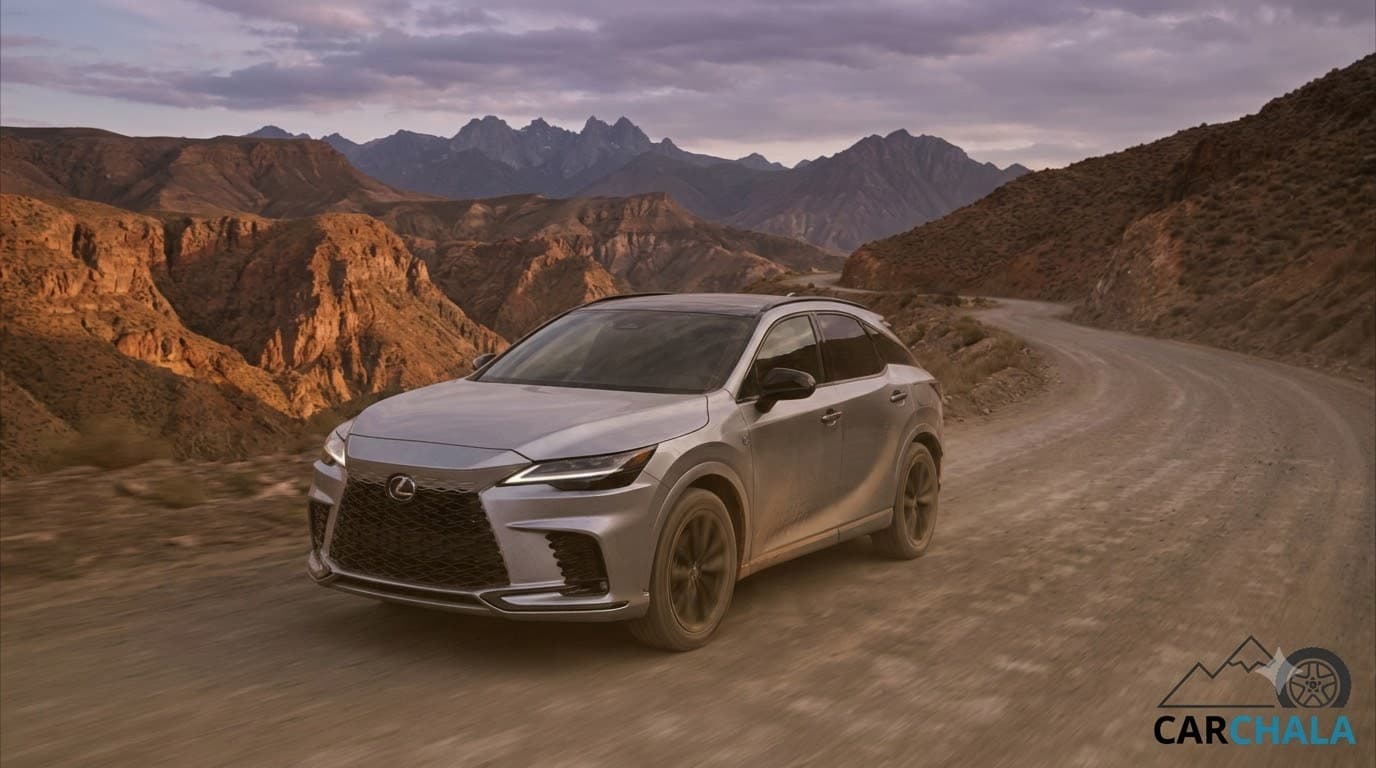
The Lexus LC 500 represents the modern era of Lexus design: bold, emotional, and unapologetically striking, a far cry from its conservative roots.
The LFA and the Pursuit of Emotion
For its first two decades, Lexus was universally praised for quality, reliability, and refinement, but it was often criticized for being too conservative, lacking the visceral driving emotion of its European rivals. Akio Toyoda, a passionate car enthusiast and race car driver who eventually became CEO of Toyota, wanted to change this perception.
The result of this desire was the Lexus LFA, unveiled in production form in 2010. The LFA was not a mass-market car; it was a halo project, an engineering exercise pushed to the absolute limit. It featured a bespoke carbon-fiber chassis and a naturally aspirated 4.8-liter V10 engine co-developed with Yamaha. The engine was so responsive and revved so quickly that a traditional analog tachometer couldn't keep up, requiring a digital display. The exhaust note was tuned to sound like a Formula 1 car, an acoustic masterpiece that is still revered by automotive enthusiasts today.
Although only 500 were built and they were notoriously expensive, the LFA served its purpose perfectly. It proved that Lexus possessed the engineering capability and the passion to build one of the most exciting and dynamically perfect supercars in the world. The lessons learned from the LFA permeated down into the rest of the lineup, birthing the high-performance 'F' division (named after the Fuji Speedway) and inspiring a bold, new, highly emotional design language known as "L-Finesse," characterized by the dramatic "Spindle Grille."
The Electric Horizon
Today, Lexus is navigating the transition to electric mobility. While they were early pioneers in hybrid technology, they have been somewhat slower to adopt fully battery-electric vehicles compared to some rivals. However, this is changing rapidly. Lexus has announced its intention to become a fully electric brand globally by 2035, and in key markets like Europe, North America, and China by 2030.
The launch of the RZ 450e, built on a dedicated electric platform, signals the brand's serious commitment to this new era. Lexus aims to combine their legendary refinement, build quality, and Omotenashi customer service with advanced electric powertrains and software-defined architectures.
The story of Lexus is one of the most successful brand launches in business history. They identified a vulnerability in the established luxury market, exploited it with flawless execution and unprecedented investment, and fundamentally altered consumer expectations forever. From the silent revolution of the LS 400 to the screaming V10 of the LFA, Lexus has proven that the relentless pursuit of perfection is not just a tagline; it is the very DNA of the brand.