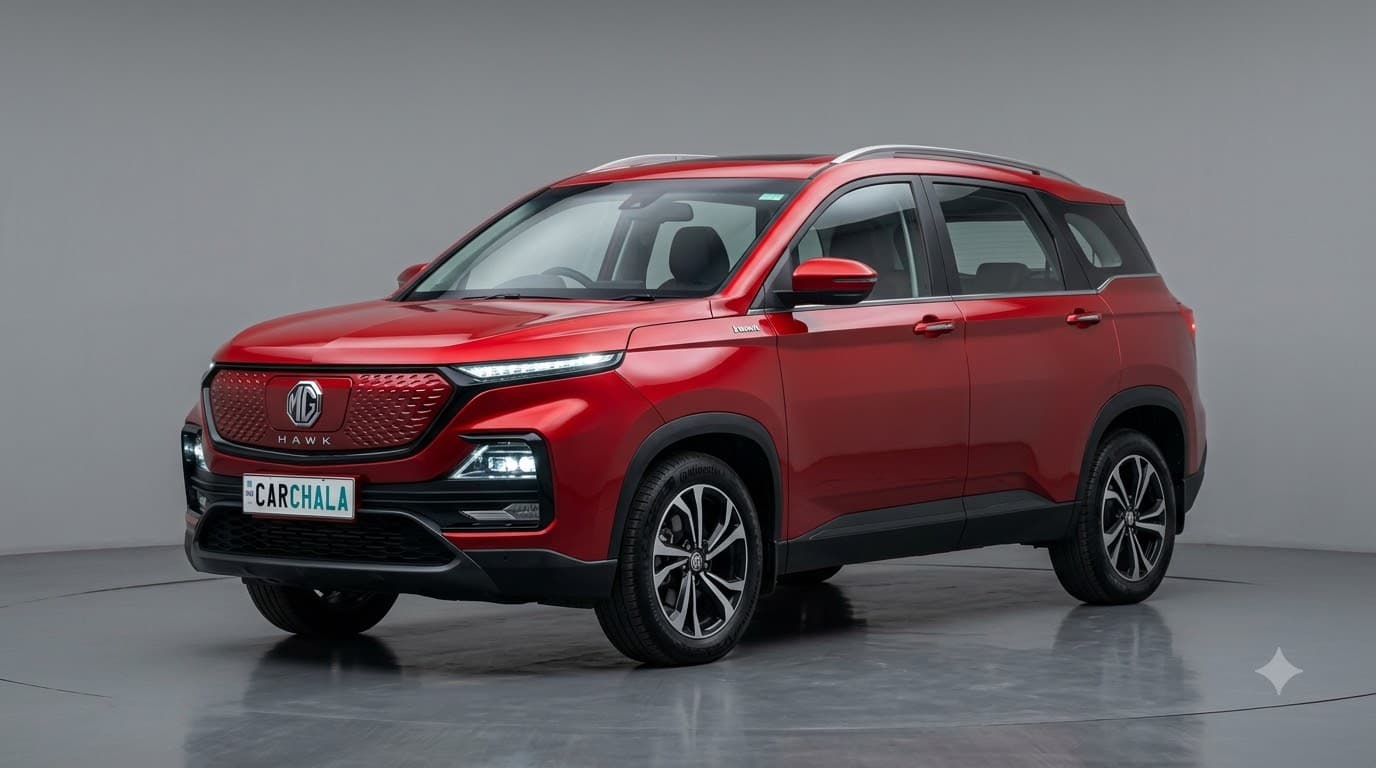
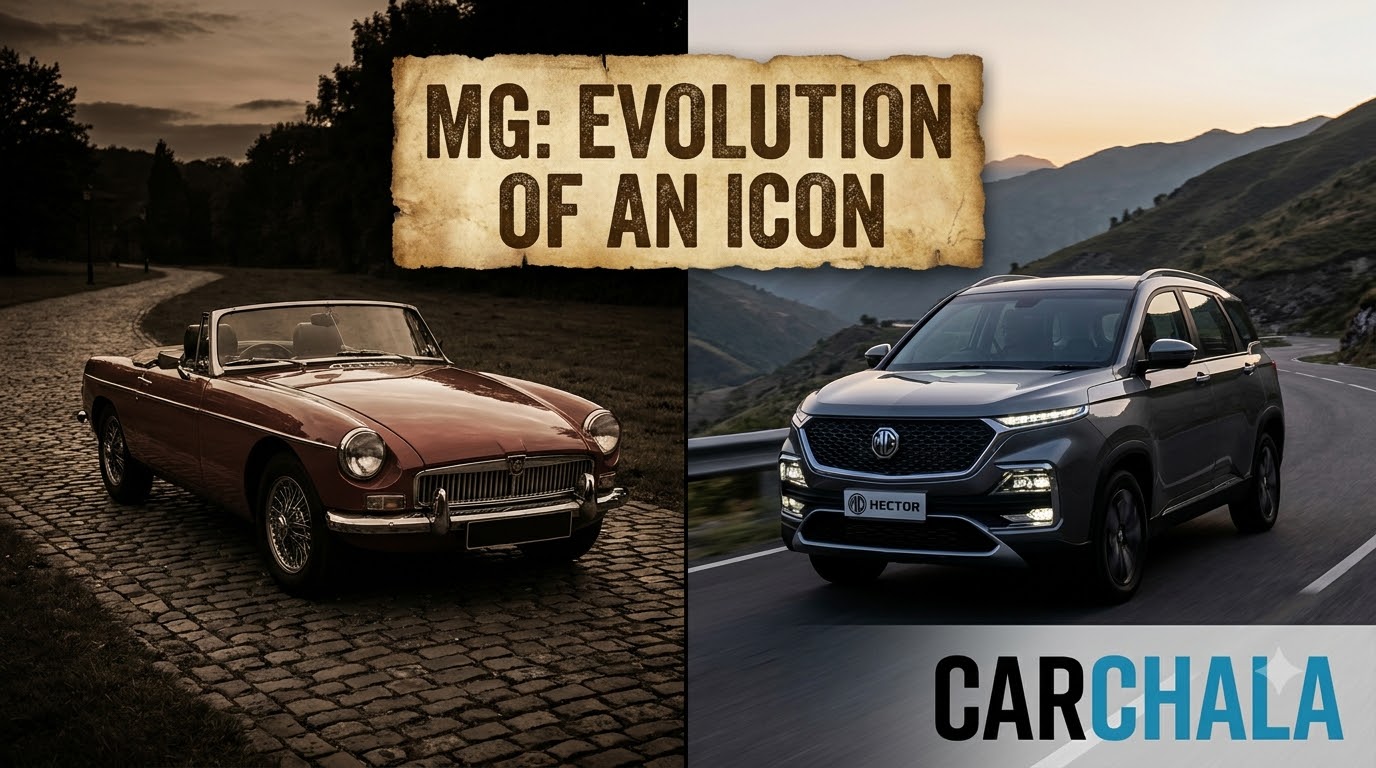
The story of MG is a fascinating tale of two distinct lifetimes. In its first life, it was the quintessential British sports car brand—the purveyor of wind-in-the-hair motoring, wire wheels, and the intoxicating scent of oil and leather. In its second life, rising from the ashes of a spectacular corporate collapse, it has become a formidable, globally expanding tech brand, leading the charge in affordable electric mobility under Chinese ownership.
This is the epic journey of Morris Garages, a brand that refused to die.
The Genesis: The Birth of the British Sports Car
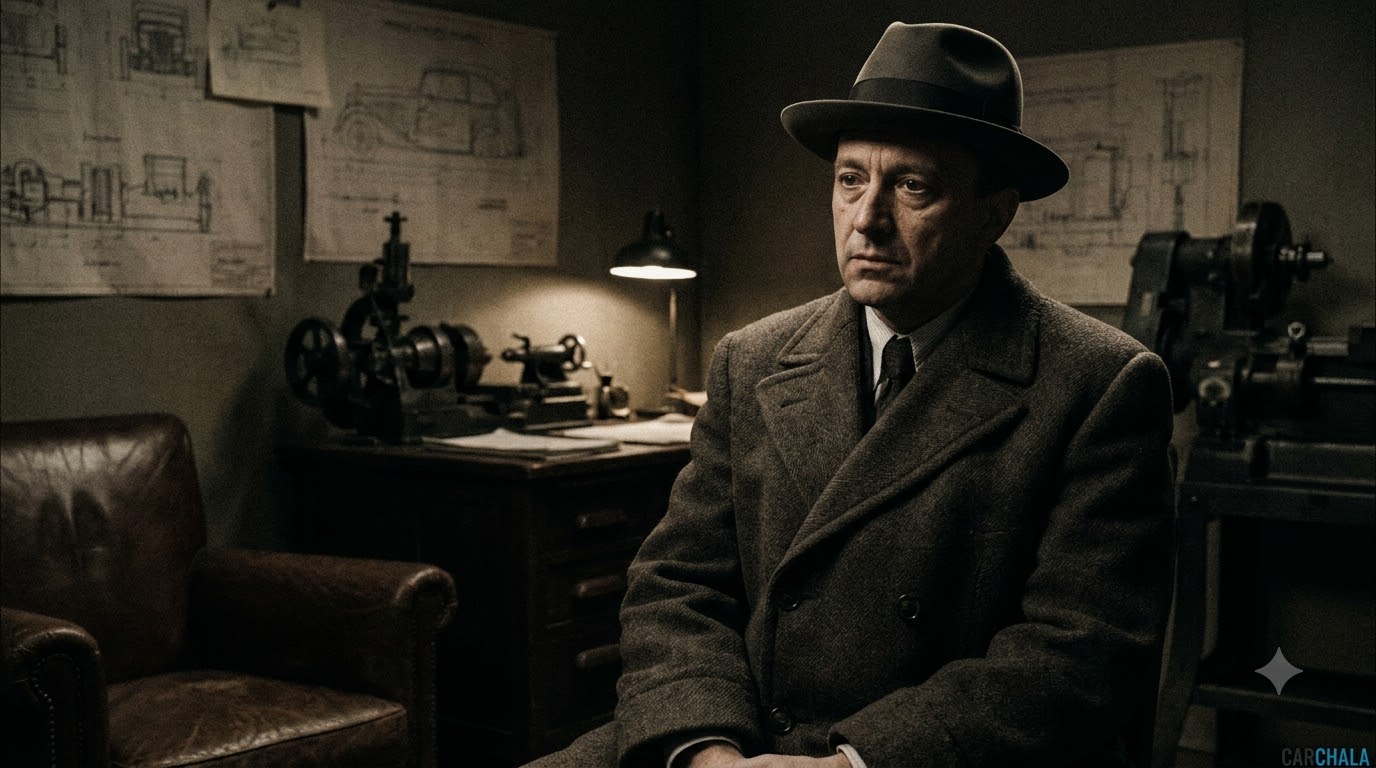
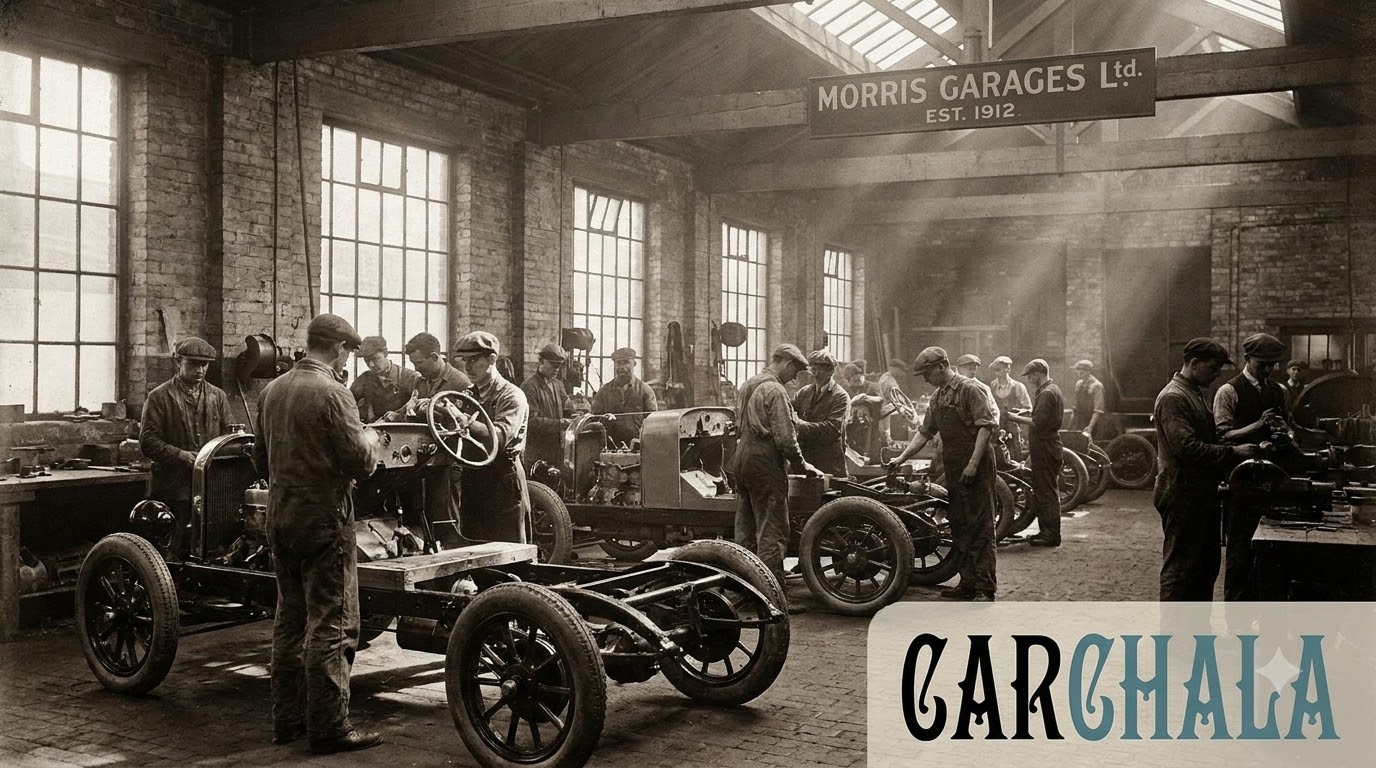
The MG story began in Oxford, England, in the 1920s. Cecil Kimber, the ambitious general manager of Morris Garages (the retail sales arm of William Morris's automotive empire), began modifying standard Morris Oxfords. He lowered the suspension, fitted sportier bodywork, and tuned the engines. In 1924, the MG octagon badge was registered, and the first true MG sports cars were born.
Kimber's philosophy was simple but brilliant: create affordable, lightweight, and engaging sports cars that ordinary people could race on a Sunday and commute in on a Monday. The MG M-Type Midget, launched in 1928, perfectly embodied this ethos. It was a massive success, establishing MG's reputation on the track and the road.
"A sports car should be as responsive to a driver's commands as a well-trained polo pony."
The Golden Era: Conquering America
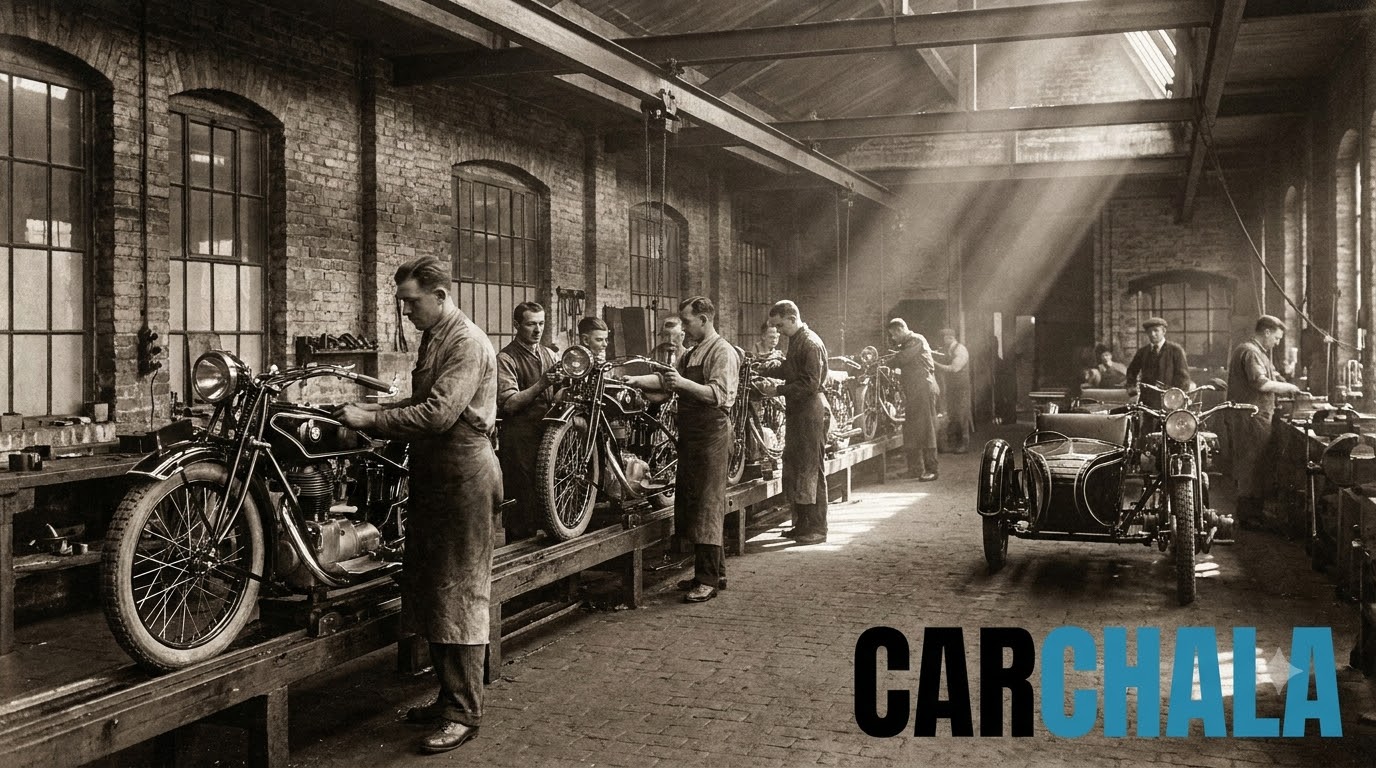
Following World War II, MG experienced its golden era, largely thanks to returning American GIs. American servicemen stationed in Europe had fallen in love with nimble British sports cars, which were a stark contrast to the massive, heavy domestic vehicles of the time.
MG capitalized on this newfound demand, exporting the MG T-Series (TC, TD, and TF) in massive numbers to the United States. This export boom provided crucial foreign currency for a recovering Britain and established a rabid enthusiast following in America.
In 1955, MG launched the MGA, a stunningly beautiful car that abandoned the pre-war upright styling for sleek, aerodynamic lines. This was followed in 1962 by the MGB, arguably the most iconic British sports car ever made. With its modern monocoque construction, comfortable ride, and timeless design, the MGB remained in production for an astounding 18 years, selling over half a million units.
The Octagon is Born
Cecil Kimber registers the MG Octagon badge, modifying Morris cars to create affordable, lightweight sports cars.
The American Invasion
Returning American GIs fall in love with the MG TC, sparking a massive export boom that defines the brands golden era.
The Iconic MGB
MG launches the MGB, a modern, monocoque sports car that becomes a global sensation, selling over 500,000 units over 18 years.
The Dark Days of BL
Under the disastrous management of British Leyland, the Abingdon factory is closed, and the MG badge is reduced to a trim level on Austin hatchbacks.
A Brief Renaissance
Under Rover Groups ownership, the MGF is launched. Its innovative mid-engine layout and Hydragas suspension bring temporary critical acclaim.
The Collapse
MG Rover, the last independent British mass-market carmaker, spectacularly collapses. The assets are purchased by Chinas Nanjing Automobile.
The SAIC Era Begins
SAIC Motor merges with Nanjing Auto, injecting massive capital and engineering resources to resurrect MG as a modern, global brand.
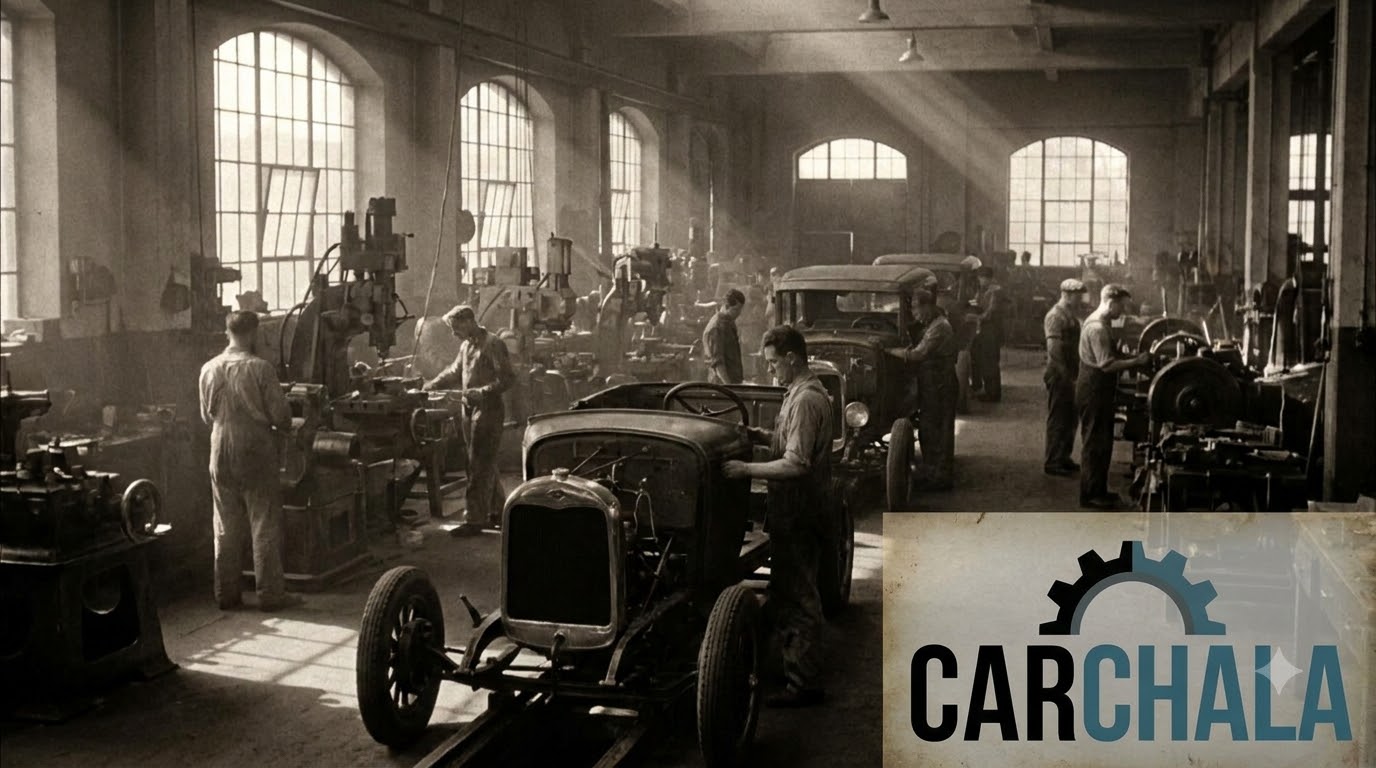
The Cyberster and the EV Future
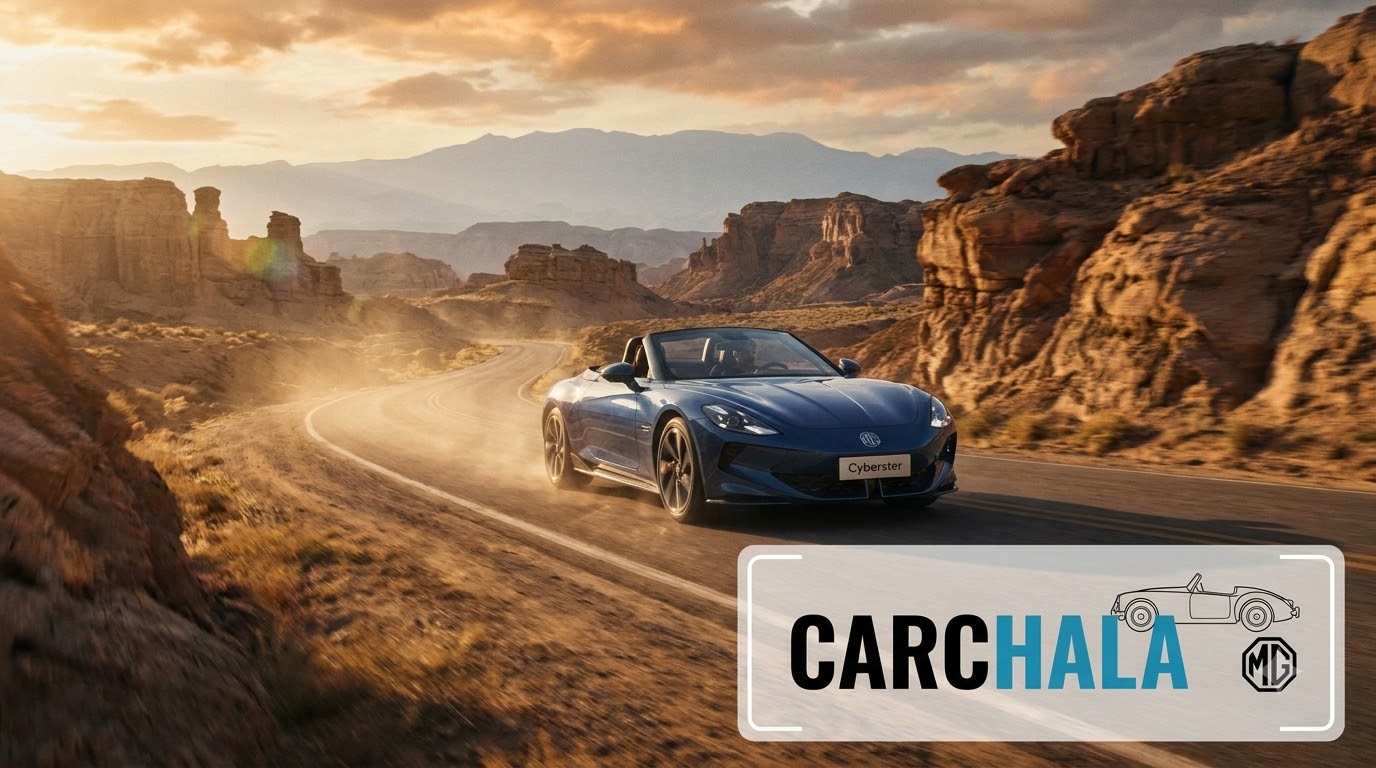
MG launches the Cyberster, a high-performance electric roadster, signaling a return to its sports car roots while embracing an electric future.
The JSW Partnership
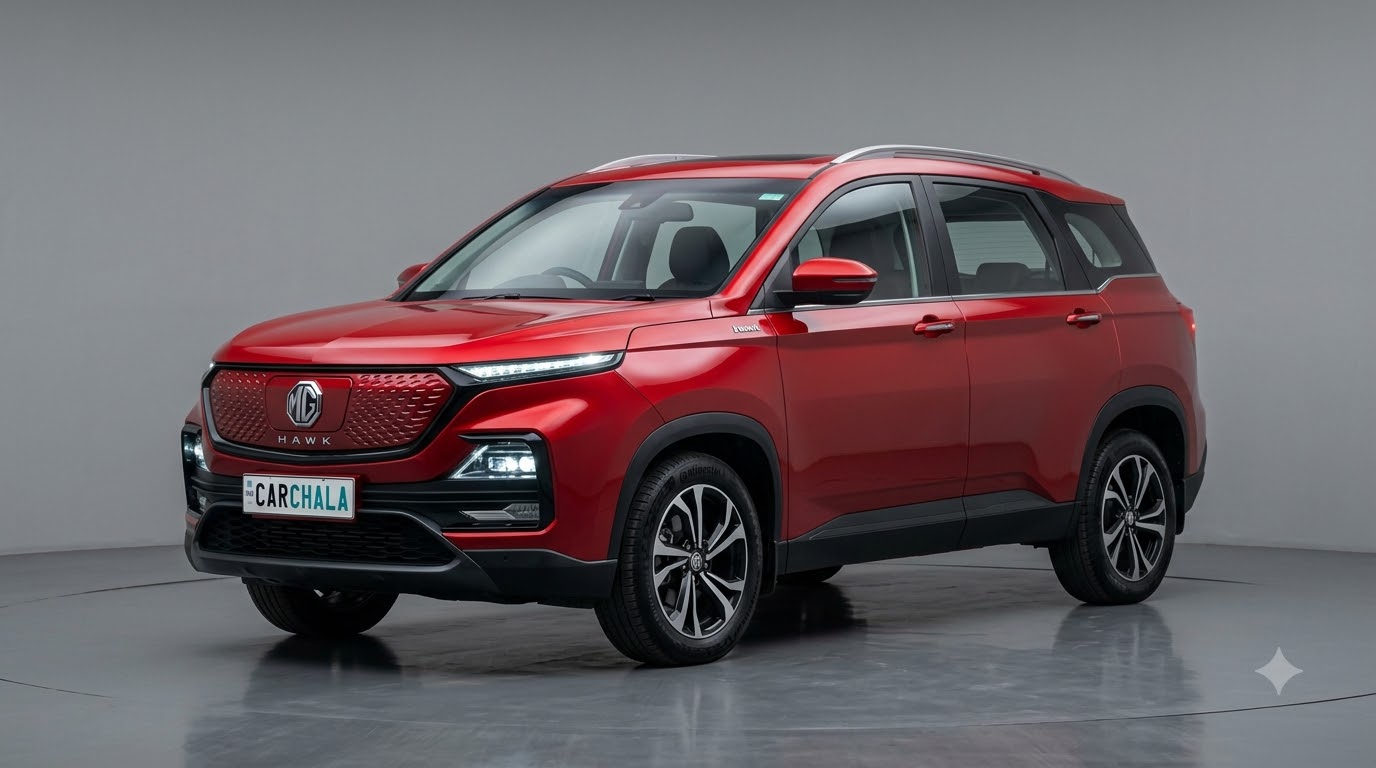
With the strategic JSW partnership, MG dramatically scales up its Indian operations, launching aggressive new localized EVs.
The Cyberster and Beyond
Following the halo launch of the Cyberster, MG is expected to introduce revolutionary solid-state battery EVs to the Indian mass market.
The British Leyland Era: The Slow Decline
The latter half of the 20th century was a deeply troubled period for the British automotive industry, and MG was dragged down with it. In 1952, MG's parent company, the Nuffield Organization, merged with Austin to form the British Motor Corporation (BMC). This eventually morphed into the colossal, state-owned British Leyland (BL).
Under BL's notoriously dysfunctional management, MG was starved of investment. The MGB was forced to endure long past its prime, eventually fitted with hideous black rubber bumpers to meet US crash regulations, severely compromising its design and handling. Internal politics favored Triumph (another BL brand), and in a devastating blow to enthusiasts, the historic MG factory in Abingdon was closed in 1980. For the next decade, the famed MG octagon was reduced to a mere badge engineered onto sporty versions of mundane Austin hatchbacks (the "Metro," "Maestro," and "Montego").
A Brief Renaissance and the Final Collapse
In the 1990s, under the ownership of the Rover Group (then owned by British Aerospace, and later BMW), MG experienced a brief, brilliant renaissance. In 1995, they launched the MGF, a mid-engined, rear-wheel-drive roadster featuring innovative Hydragas suspension. It was a critical and commercial success in Europe, proving that the MG magic was still alive.
However, the corporate turmoil continued. BMW grew tired of Rover's mounting losses and unceremoniously sold the company for a symbolic £10 to the "Phoenix Four," a consortium of former executives. They formed MG Rover. Despite valiant efforts, including producing wild, V8-powered versions of their aging sedans (the Z-cars), the company was structurally doomed.
Lacking the capital to develop new platforms, MG Rover spectacularly collapsed in 2005. It was a national tragedy in the UK, marking the death of the last independent British mass-market car manufacturer. The historic Longbridge plant fell silent, and it seemed the MG story was finally over.
"Heritage is not about preserving the ashes; it is about keeping the fire burning."
The Resurrection: The Chinese Phoenix
But the famous octagon badge held too much global equity to die. In a dramatic turn of events, the assets of MG Rover were purchased by Nanjing Automobile, a Chinese state-owned automaker. Shortly after, Nanjing was absorbed by SAIC Motor (Shanghai Automotive Industry Corporation), China's largest automaker.
SAIC had a vastly different vision for MG. They didn't just want to build heritage sports cars; they wanted to use the globally recognized MG badge to spearhead their international expansion. They retained a design and engineering center in Longbridge, London, blending British design heritage with massive Chinese manufacturing scale and technological investment.
The initial years were a slow rebuilding process, launching conventional, value-driven hatchbacks and SUVs like the MG3 and MG Hector (in markets like India). But the true transformation was yet to come.
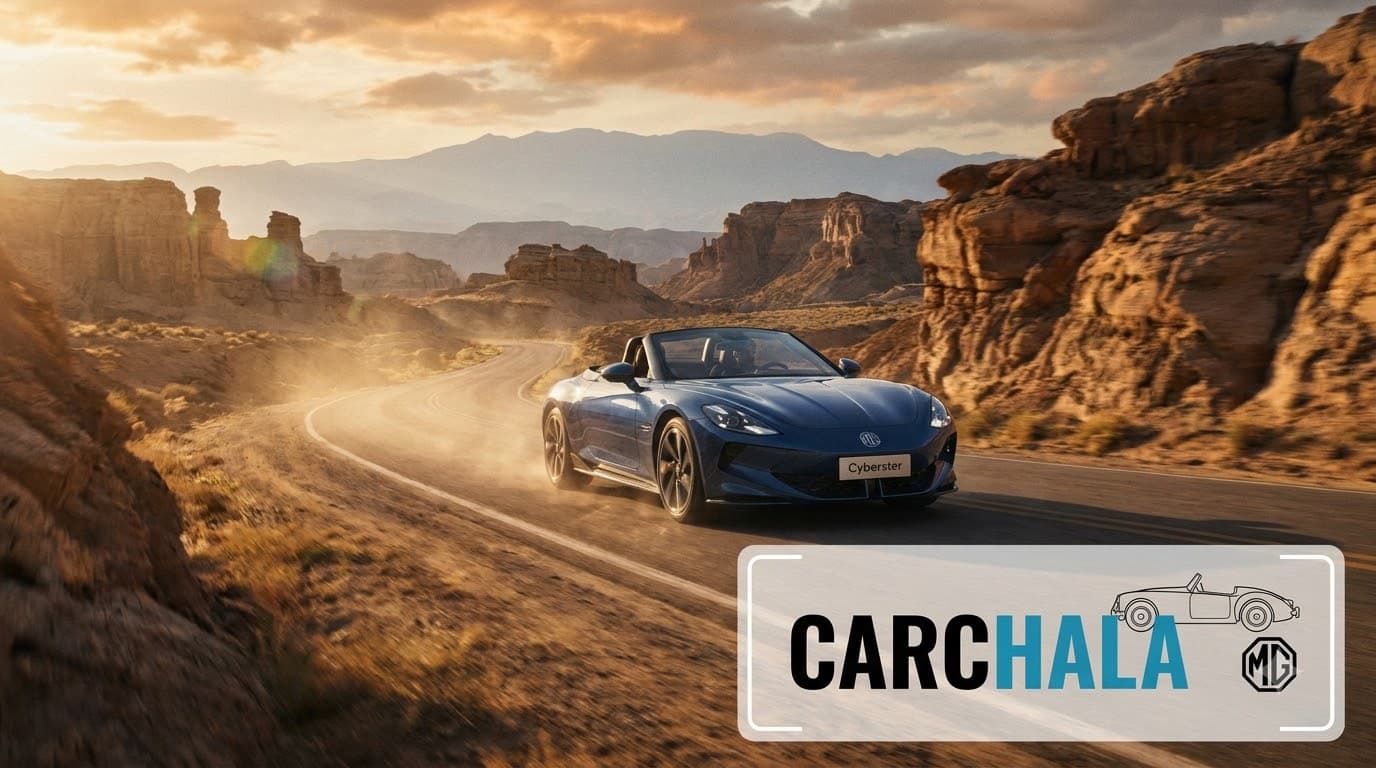
The MG Cyberster: A dramatic return to MG's roadster roots, completely electrified for a new era.
The Electric Vanguard and the Cyberster
Under SAIC's immense financial and technological backing, MG has successfully pivoted to become a leader in the global electric vehicle transition. They identified a massive gap in the market: affordable, practical EVs.
Cars like the MG ZS EV and the critically acclaimed MG4 EV have disrupted markets across Europe and Asia. The MG4, built on a dedicated scalable electric platform, offered range, dynamics, and technology that rivaled Volkswagen and Tesla, but at a significantly lower price point. Almost overnight, MG transitioned from a nostalgic relic into a formidable, forward-looking tech brand.
In 2024, to celebrate its centenary, MG did the unthinkable: they returned to their roots. They launched the MG Cyberster, a stunning, scissor-doored, fully electric two-seater roadster. The Cyberster proves that while the company's DNA has been radically altered, the soul of Cecil Kimber's vision—creating exciting, desirable sports cars—has survived the century.
The story of MG is an unparalleled corporate reincarnation. It stands as a testament to the enduring power of a brand and serves as a fascinating case study of how Chinese industrial might is reshaping the global automotive landscape, utilizing a beloved British icon to lead the charge.