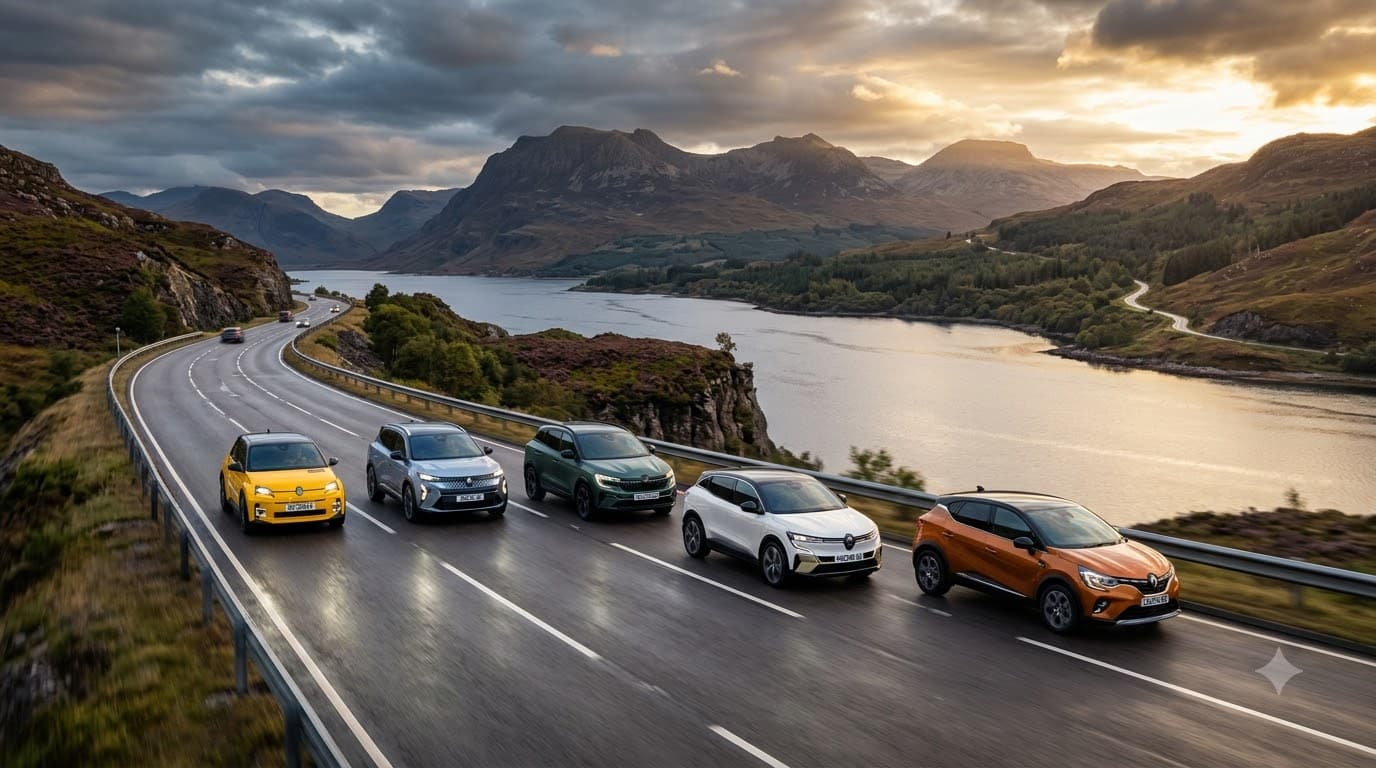
The story of Renault is steeped in the passion of French motorsport, the grim realities of world wars, and the relentless pursuit of innovative design. It is a tale of a company that has swung dramatically from private enterprise to state ownership and back again, forging some of the most radical and beloved vehicles the world has ever seen. From pioneering the minivan to conquering the pinnacle of Formula 1, Renault’s history is an epic narrative of French industrial might and automotive avant-garde.
The Genesis: Brothers in Innovation
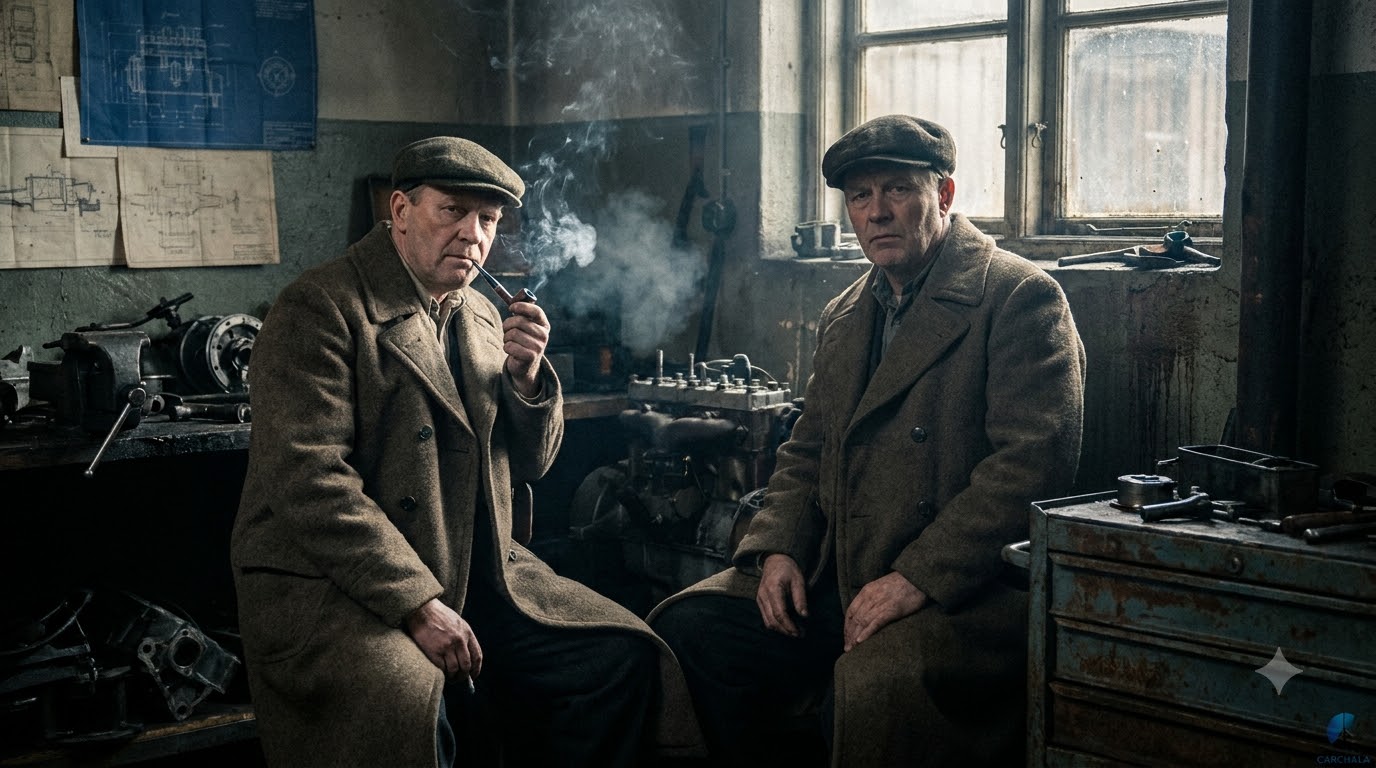
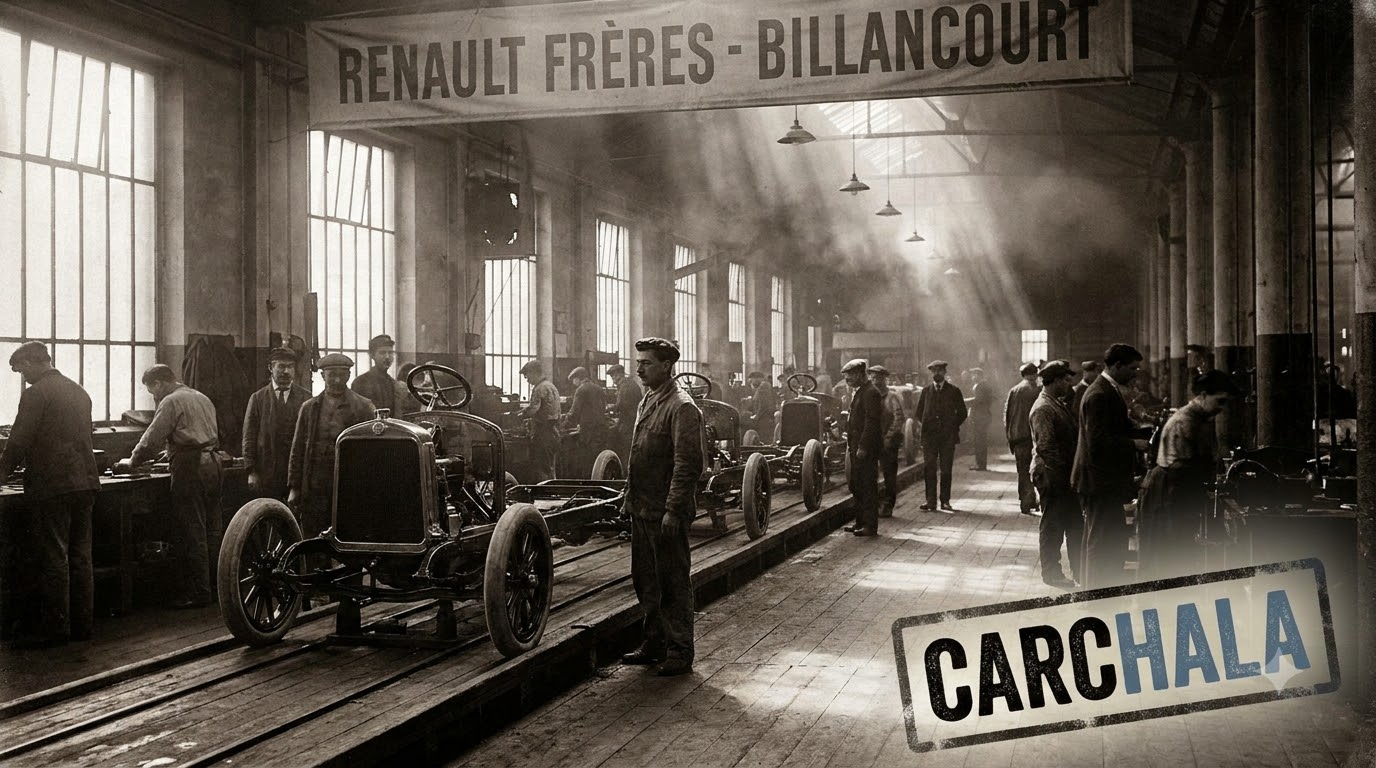
The Renault saga began in the twilight of the 19th century. In 1899, the Société Renault Frères was founded by three brothers: Louis, Marcel, and Fernand Renault. Louis was the mechanical genius, having already built his first car, the Renault Voiturette 1CV, in a shed in the family's backyard. Marcel and Fernand brought the business acumen necessary to turn Louis's inventions into a viable enterprise.
Early on, the brothers recognized that motorsport was the ultimate marketing tool. Marcel and Louis raced their creations across Europe, securing victories that rapidly built the brand's reputation for speed and reliability. However, this pursuit of glory came at a terrible cost. In 1903, during the treacherous Paris-Madrid race, Marcel Renault was tragically killed in a crash. Despite this devastating loss, Louis persisted, guiding the company to become France's leading automobile manufacturer prior to World War I.
During the Great War, Renault proved instrumental to the French war effort. The company produced ammunition, aircraft engines, and most notably, the revolutionary Renault FT tank, which featured a fully rotating turret and shaped modern tank design. Their vehicles even famously transported troops to the front lines during the First Battle of the Marne, earning them the moniker "Taxis de la Marne."
"I consider myself first and foremost an engineer. Everything else is secondary."
World War II and Nationalization
The outbreak of World War II brought the darkest chapter in Renault's history. Following the fall of France, Louis Renault's factories were requisitioned by the occupying German forces to repair military vehicles. After the liberation of France in 1944, Louis Renault was arrested under allegations of collaborating with the enemy. He died in prison under mysterious circumstances while awaiting trial.
In the aftermath, the French government, led by Charles de Gaulle, seized the company, nationalizing it in 1945 to become the Régie Nationale des Usines Renault. Despite the turmoil, the company's engineers had been secretly working on a small, affordable car during the occupation. Released in 1946, the rear-engined Renault 4CV was exactly what a recovering France needed. It became a massive success, mobilizing the French populace much like the VW Beetle did in Germany, and solidifying the newly nationalized company's future.
The Era of Icons: 4, 5, and Espace
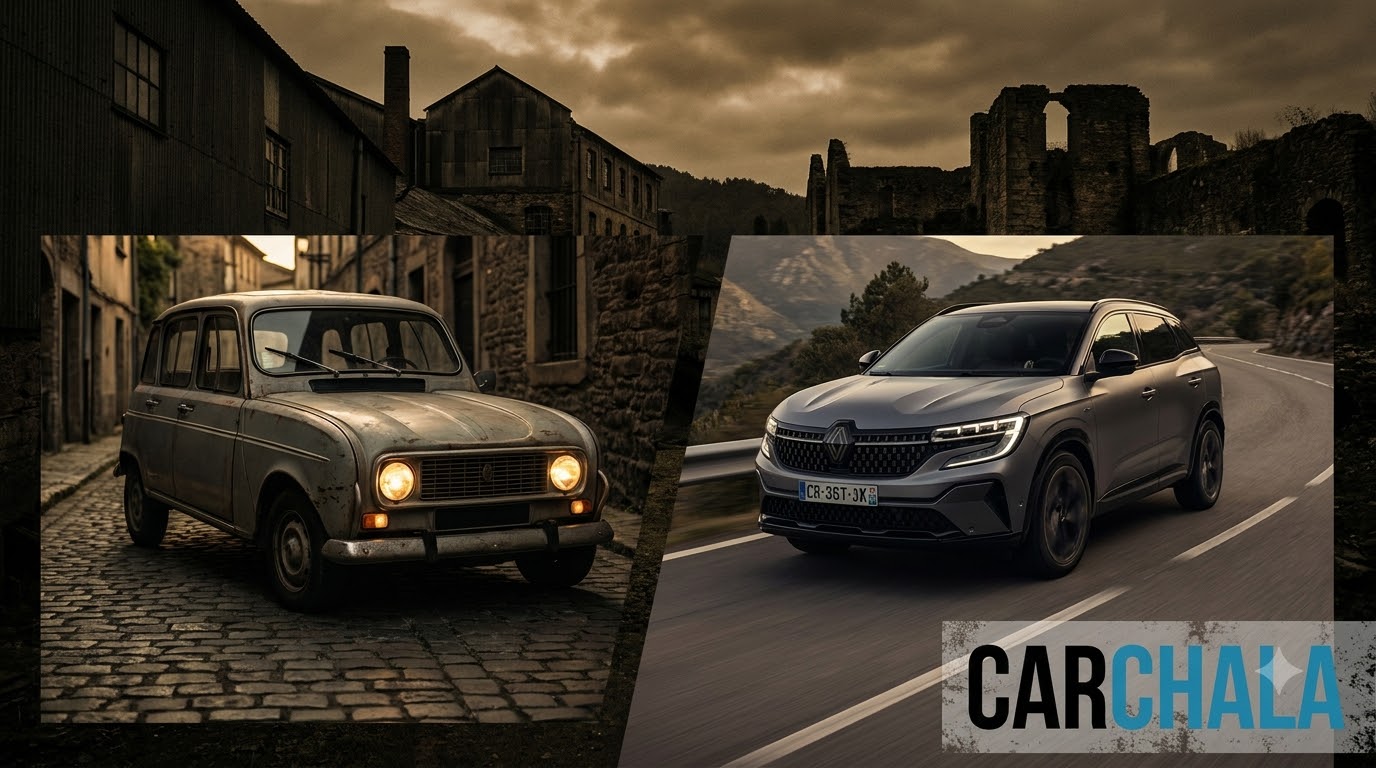
The post-war decades saw Renault solidify its reputation for brilliant, unconventional packaging and design. In 1961, they launched the Renault 4 (R4), a rugged, practical, front-wheel-drive hatchback designed to compete with the Citroën 2CV. With its massive tailgate and versatile interior, it became a global sensation, selling over 8 million units worldwide.
This was followed in 1972 by the Renault 5 (R5), one of the first modern superminis. With its plastic wraparound bumpers and chic styling, it became a cultural icon in Europe and was even exported to the US as the "Le Car." The R5 proved that small, economical cars could also be stylish and incredibly fun to drive.
However, Renault's most radical departure came in 1984 with the introduction of the Espace. Conceived initially by Matra and brought to market by Renault, the Espace popularized the multi-purpose vehicle (MPV) or minivan in Europe. With its aerodynamic fiberglass body, modular seating, and vast interior space, it completely revolutionized family transport and remained unchallenged in its segment for years.
Société Renault Frères
Louis, Marcel, and Fernand Renault establish the company, rapidly gaining fame through early motorsport victories.
Taxis de la Marne
Renault AG1 taxis are famously requisitioned to transport French troops to the front lines, highlighting the brands importance to the nation.
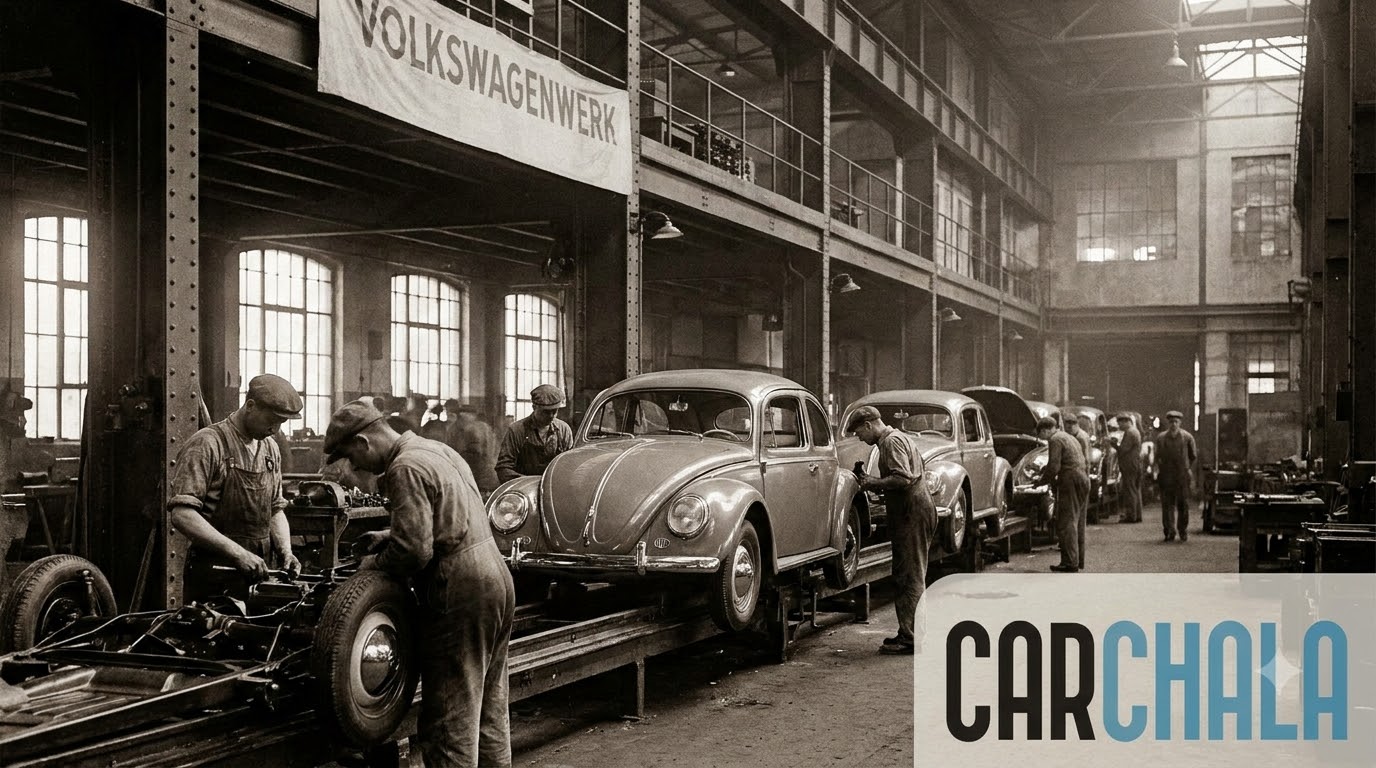
Nationalization
Following the death of Louis Renault, the French government nationalizes the company, creating the Régie Nationale des Usines Renault.
The 4CV Mobilizes France
Developed secretly during the war, the 4CV is launched, becoming a massive success and aiding in Frances post-war recovery.
The Renault 5 Icon
The Renault 5 is introduced, setting a new benchmark for superminis with its chic design and innovative plastic bumpers.
Pioneering the Espace
Renault launches the Espace, introducing the MPV (minivan) concept to Europe and revolutionizing family transportation.
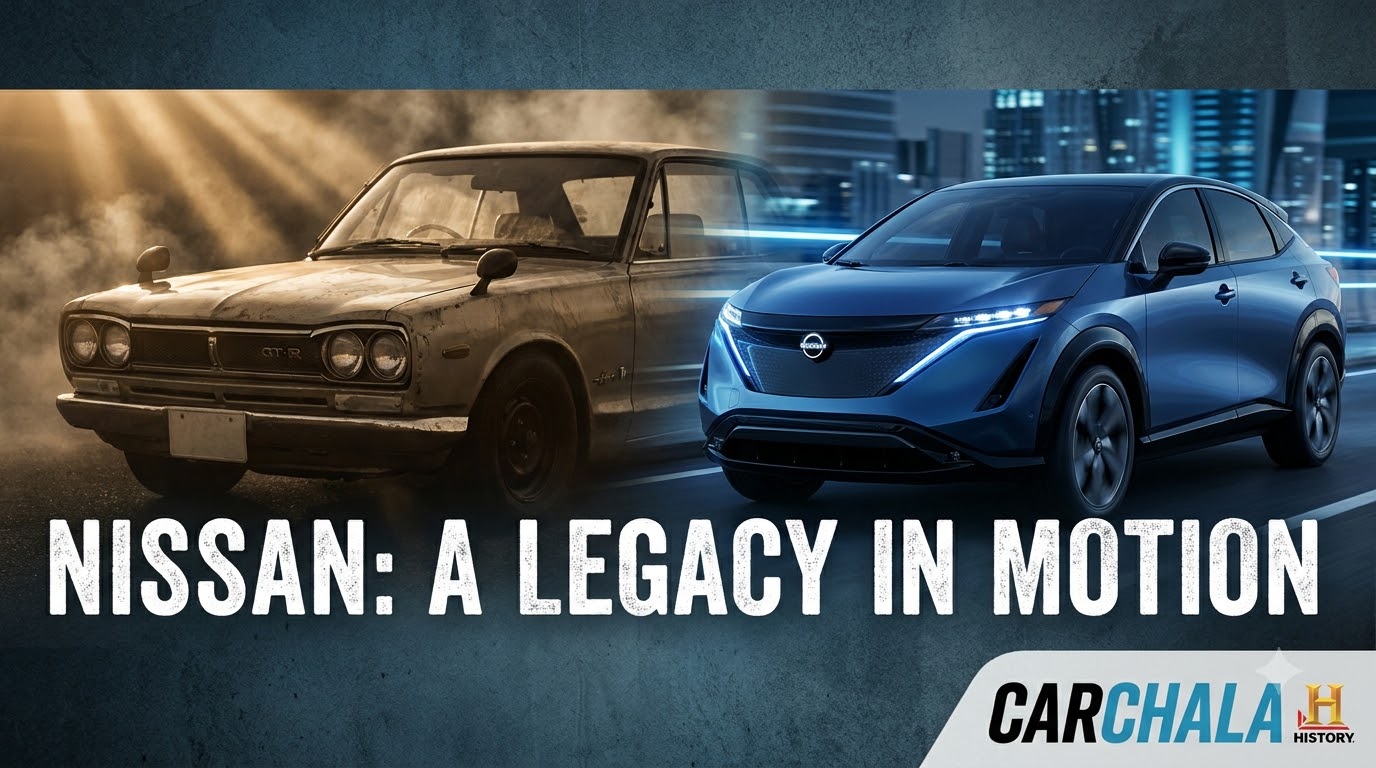
The Nissan Alliance
Renault forms a strategic alliance with the struggling Japanese automaker Nissan, creating one of the largest automotive groups in the world.
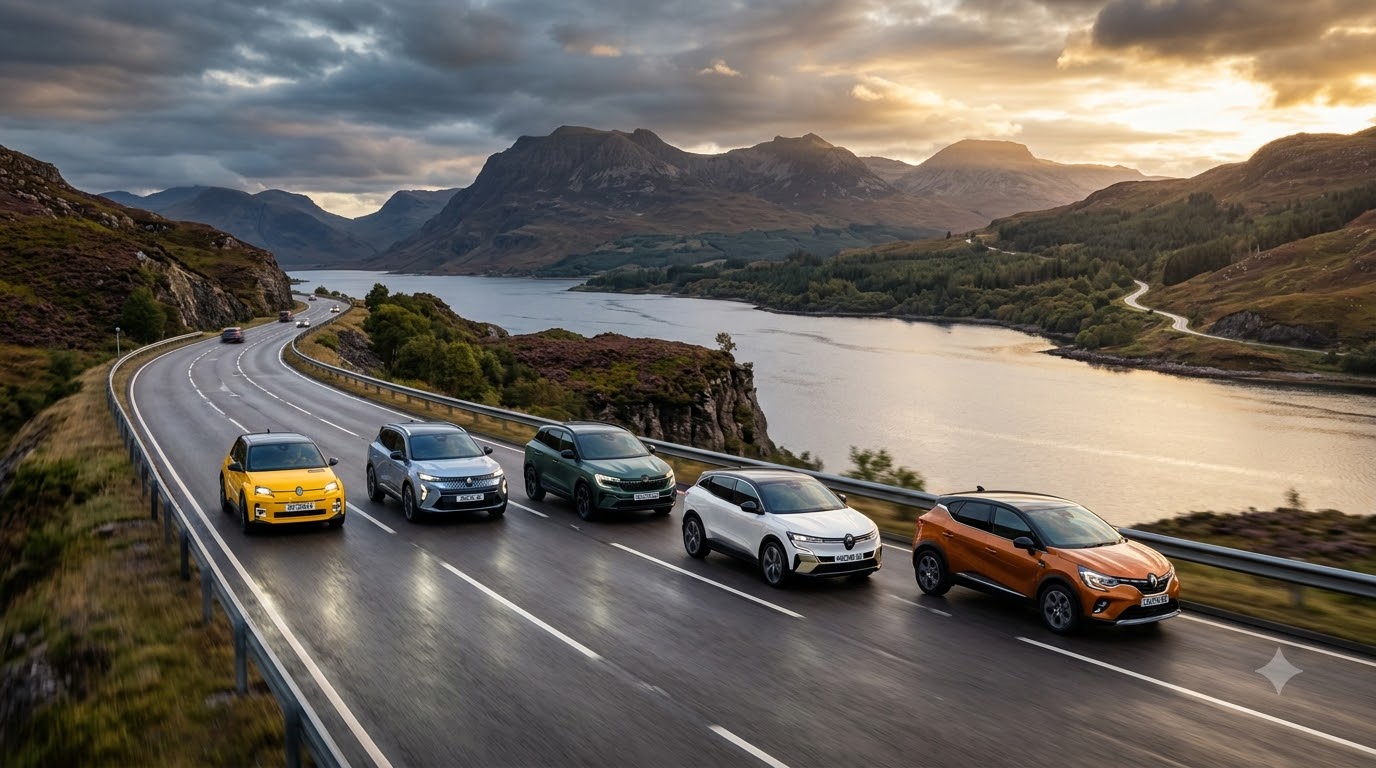
The Renaulution
Under CEO Luca de Meo, Renault launches the Renaulution strategy, pivoting towards value, electrification, and a revival of retro icons.
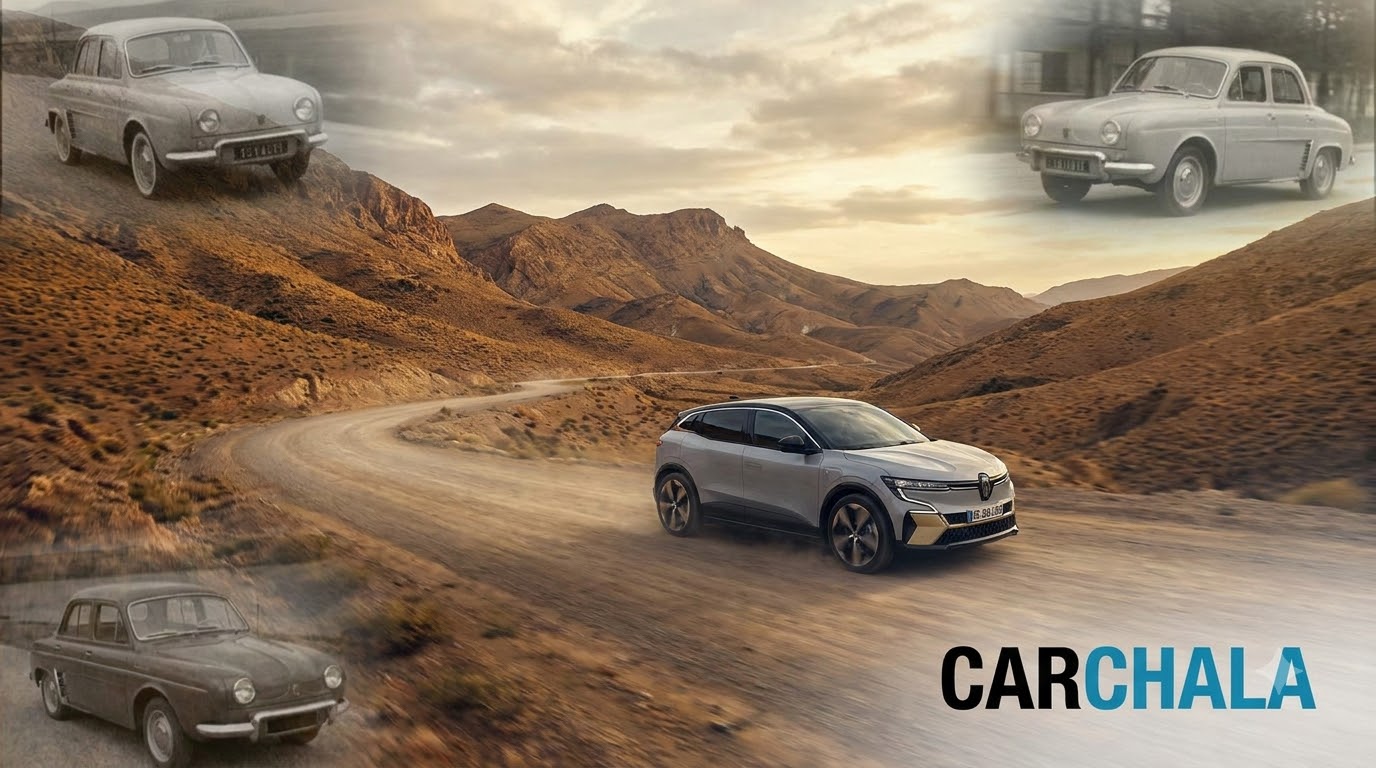
The CMF-A Evolution
Renault updates its core Indian lineup while deeply localizing components to maintain aggressive pricing in the fiercely competitive market.
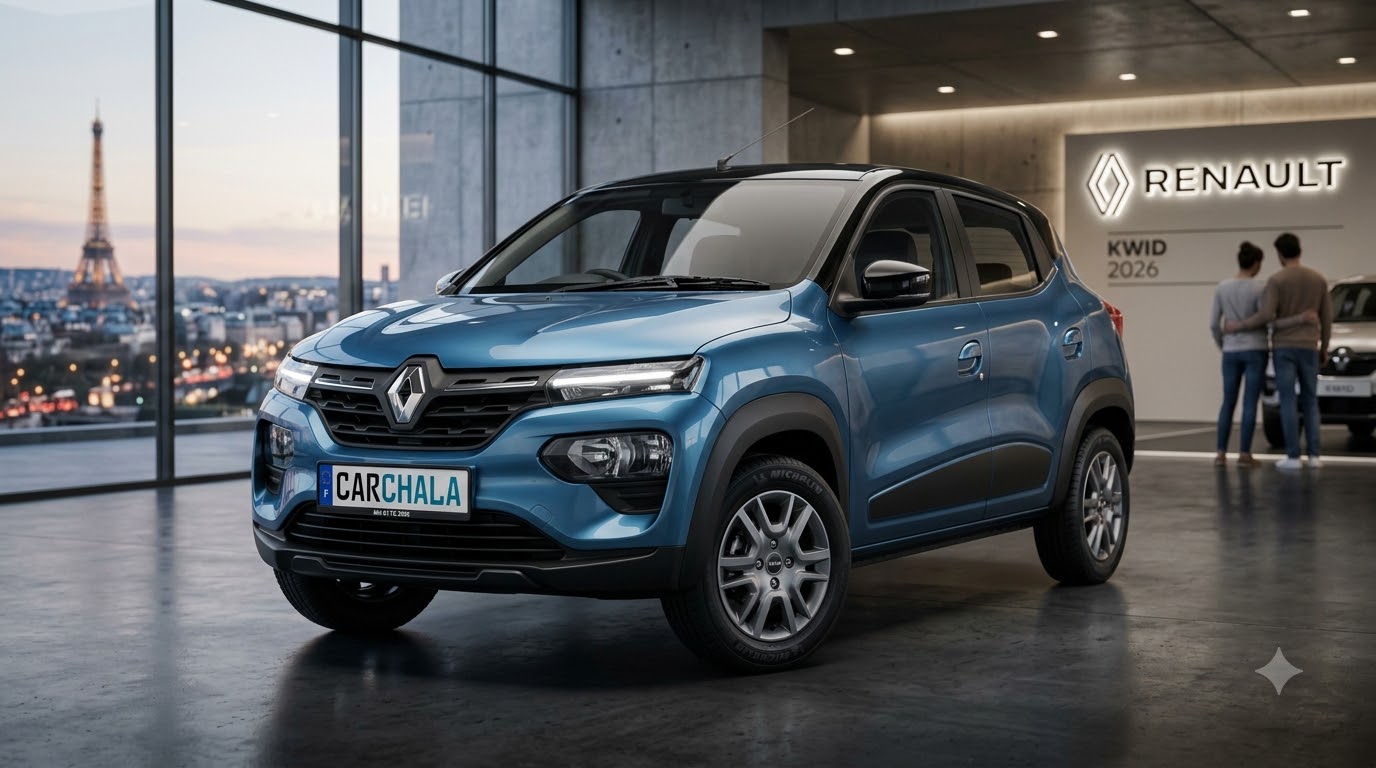
The Kwid EV Era
Renault is anticipated to launch the much-awaited localized electric version of the Kwid, aiming to disrupt the entry-level EV segment.
Conquering Formula 1: The Turbo Pioneers
Renault's passion for motorsport never faded. In the late 1970s, they made a bold entry into Formula 1, pioneering a technology that the rest of the grid dismissed: the turbocharged engine. Their initial 1.5-liter turbo cars were highly unreliable, earning the nickname "the Yellow Teapot" because they frequently blew up in clouds of white smoke.
But Renault persevered. In 1979, at the French Grand Prix, Jean-Pierre Jabouille drove a Renault RS10 to the first-ever victory for a turbocharged car in F1. This victory forced every other team to adopt turbo technology, fundamentally changing the sport.
Renault's success in F1 would reach its zenith in the 1990s as an engine supplier, powering Williams and Benetton to numerous world championships. They returned as a full works team and secured back-to-back Constructors' and Drivers' Championships in 2005 and 2006 with the legendary Fernando Alonso, cementing Renault's status as a true motorsport powerhouse.
"Racing is not just about speed. It is a laboratory for innovation that eventually finds its way into the cars driven by everyday people."
The Alliance and the Electric Vanguard
In 1999, the newly privatized Renault made a massive strategic move. Recognizing the need for global scale, they formed an alliance with Nissan, a Japanese giant that was teetering on the edge of bankruptcy. Under the leadership of Carlos Ghosn, the Renault-Nissan Alliance achieved massive synergies, eventually bringing Mitsubishi into the fold. Though the alliance would later face severe turbulence following Ghosn's arrest in 2018, it transformed Renault into a global player.
Crucially, Renault was an early and aggressive adopter of electric mobility. Long before it was fashionable, they launched the Z.E. (Zero Emission) range. The Renault Zoe, introduced in 2012, became Europe's best-selling electric car for several years, proving that EVs could be accessible and practical for urban commuters.
The upcoming Renault 5 EV, blending nostalgic retro design with modern electric performance.
The Renaulution: Looking to the Future
Today, under the leadership of CEO Luca de Meo, Renault is undergoing a massive transformation dubbed the "Renaulution." Moving away from volume-driven strategies, the brand is focusing on value, profitability, and aggressive electrification.
The strategy relies heavily on tapping into the brand's rich emotional heritage. Renault is reviving iconic nameplates for the electric era. The highly anticipated Renault 5 EV, with its stunning retro-futuristic design, aims to capture the spirit of the original supermini while delivering state-of-the-art electric performance. This will be followed by a resurrected Renault 4, reimagined as a rugged electric crossover.
From the tragic brilliance of the Renault brothers to the heights of Formula 1 and the vanguard of the electric transition, Renault remains a fiercely independent spirit in the automotive world. They have consistently proven that French engineering, combined with a flair for the avant-garde, can produce cars that don't just move people, but capture their imaginations.