When you ask anyone in India to define 'reliability' in an automotive context, the answer is almost universally a single word: Toyota. The Japanese giant's journey in India is not a story of massive market share or entry-level dominance. It is a masterclass in building an unshakeable brand reputation, mastering the premium segments, and introducing a level of quality and durability that fundamentally changed how Indians viewed car ownership.
The Cautious Entry and the Qualis Masterstroke
Toyota Motor Corporation entered India relatively late compared to its rivals, establishing Toyota Kirloskar Motor (TKM) in 1997 as a joint venture with the Kirloskar Group. The initial strategy was cautious. They didn't aim for the high-volume small car segment dominated by Maruti Suzuki. Instead, they identified a unique gap in the market: the need for a reliable, spacious, and comfortable Multi-Purpose Vehicle (MPV).
In 2000, Toyota launched the Qualis. It was not a beautiful vehicle; its boxy design was distinctly utilitarian. However, the Qualis was an absolute revelation in terms of reliability. In a market accustomed to vehicles breaking down and requiring constant maintenance, the Qualis simply kept running. It became the darling of large Indian families and, crucially, the commercial fleet operators. It established Toyota's core DNA in India: bulletproof reliability, low maintenance costs, and exceptional resale value.
"We do not just build cars; we build trust. Quality, Durability, and Reliability (QDR) are the pillars upon which our brand stands."
The Innova and Fortuner: Owning the Premium Space
In 2005, Toyota made a daring move. They discontinued the wildly successful Qualis and replaced it with the Innova. The Innova was a massive upgrade—more modern, comfortable, powerful, and significantly more expensive. Skeptics wondered if the Indian market would accept such a premium MPV.
The market didn't just accept it; they obsessed over it. The Innova became a status symbol, a staple for politicians, business executives, and large affluent families. It cemented Toyota's dominance in the premium MPV segment, a monopoly they have maintained for nearly two decades through iterations like the Innova Crysta and the recent Innova Hycross.
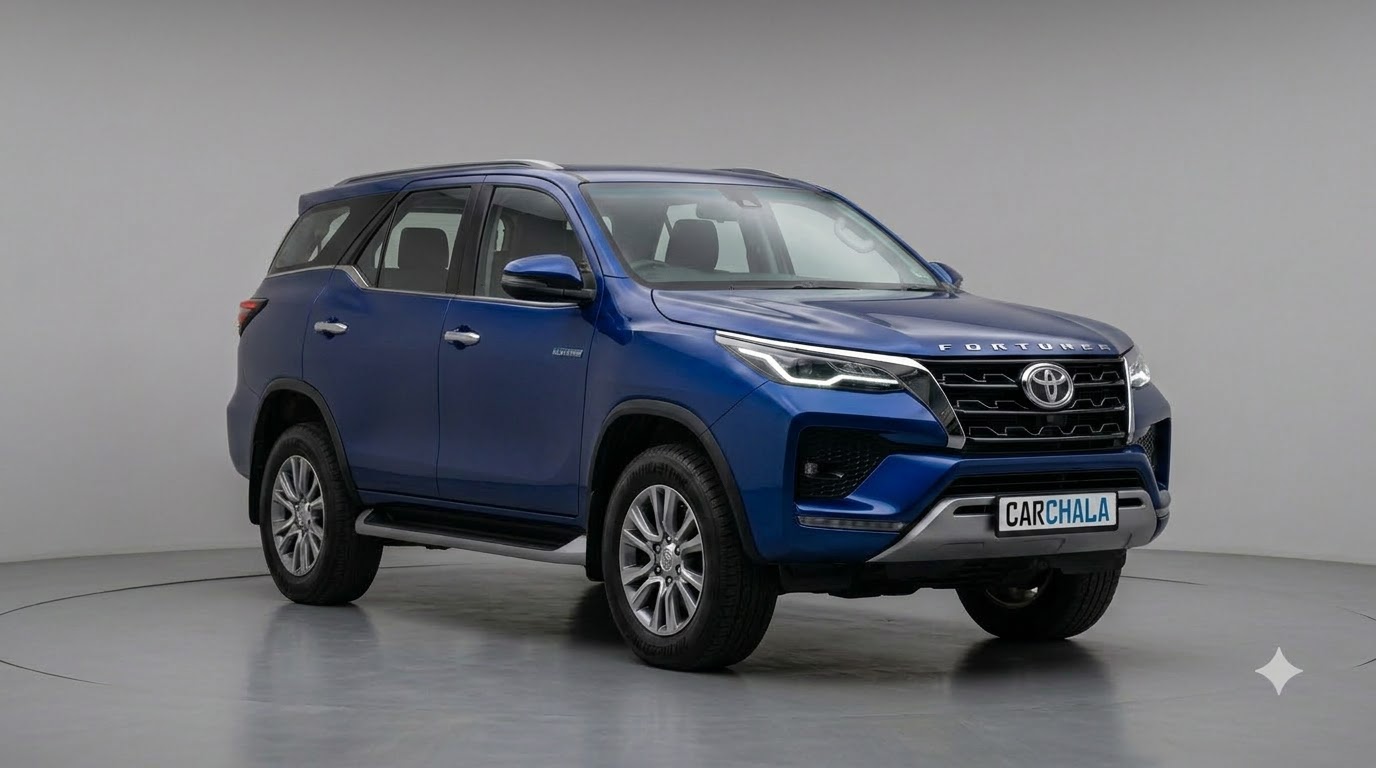
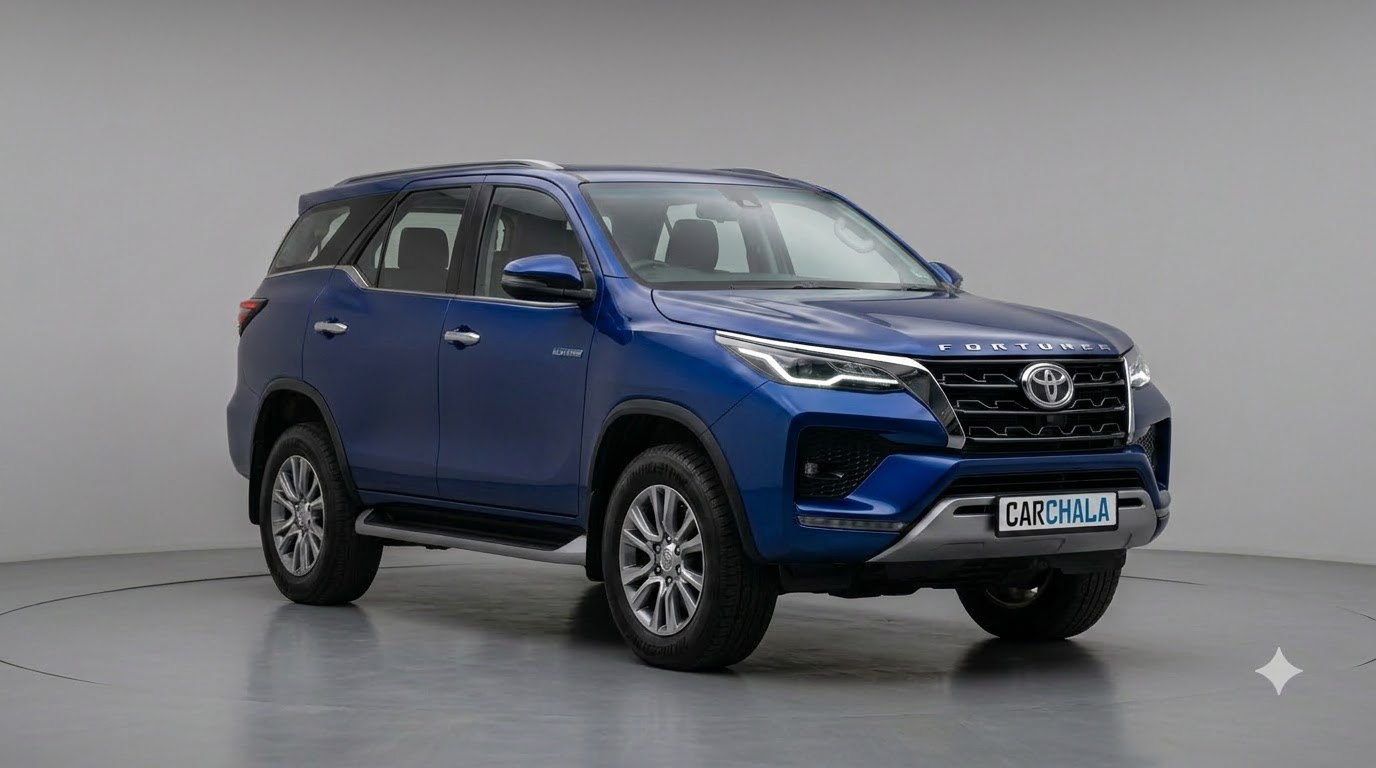
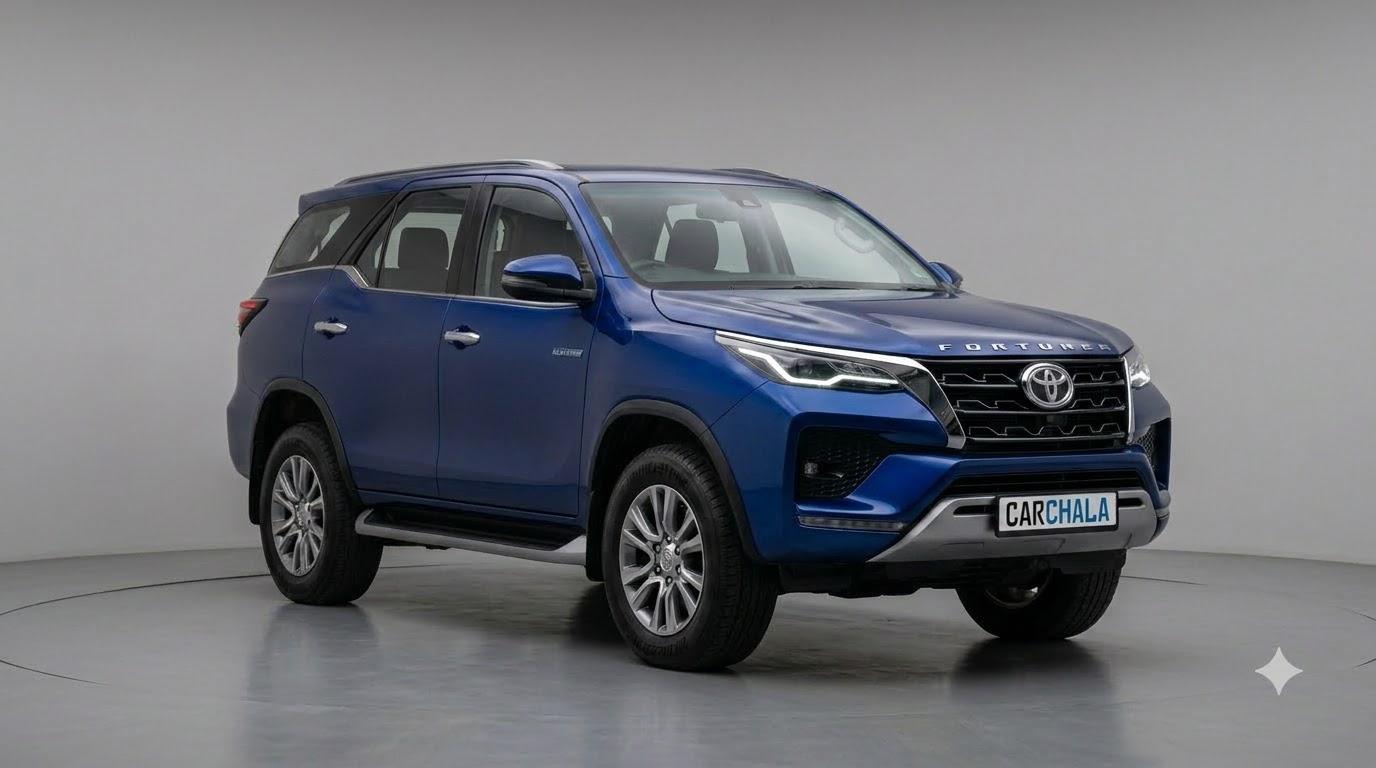
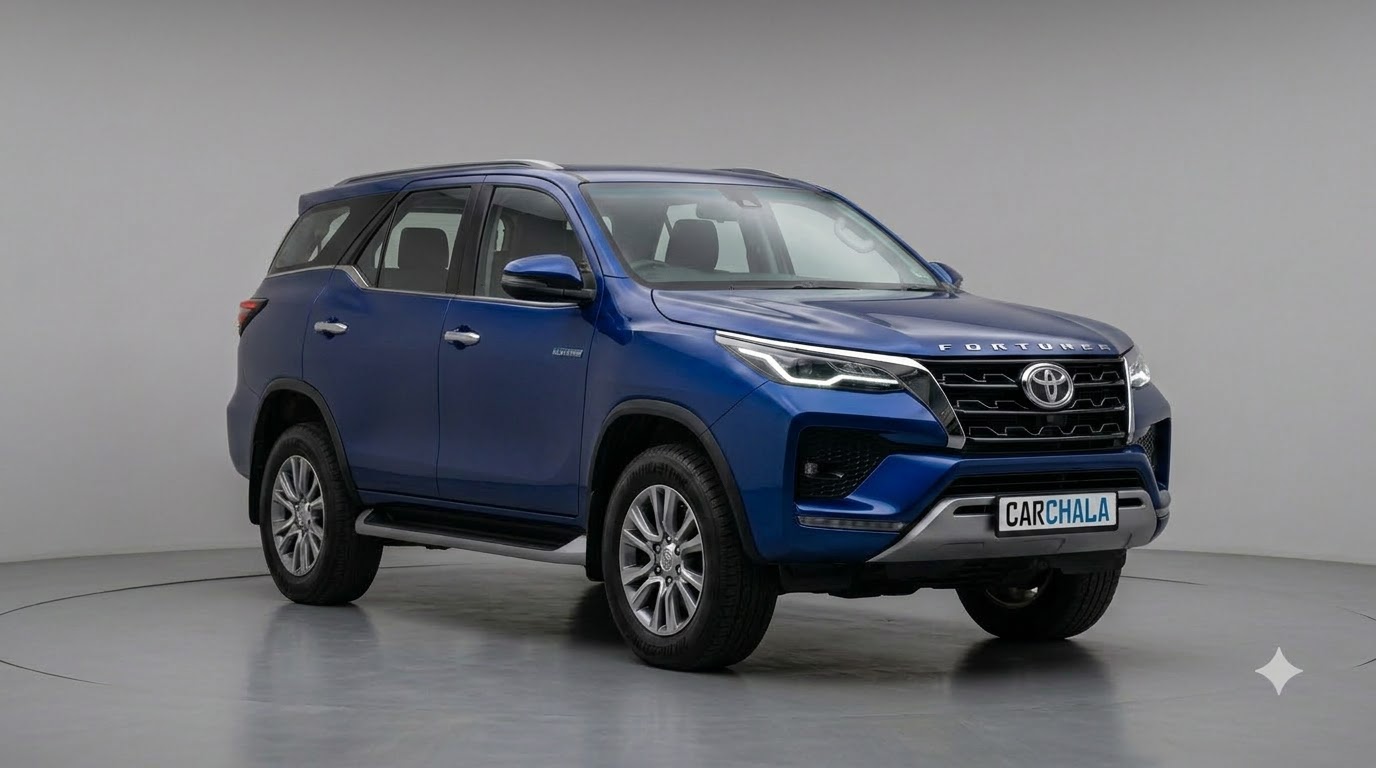
In 2009, Toyota replicated this strategy in the premium SUV segment with the launch of the Fortuner. Based on the same robust IMV platform as the Innova, the Fortuner offered massive road presence and legendary off-road capability. It completely decimated the competition, becoming the default choice for anyone looking for a large, imposing, and indestructible SUV in India.
The Joint Venture
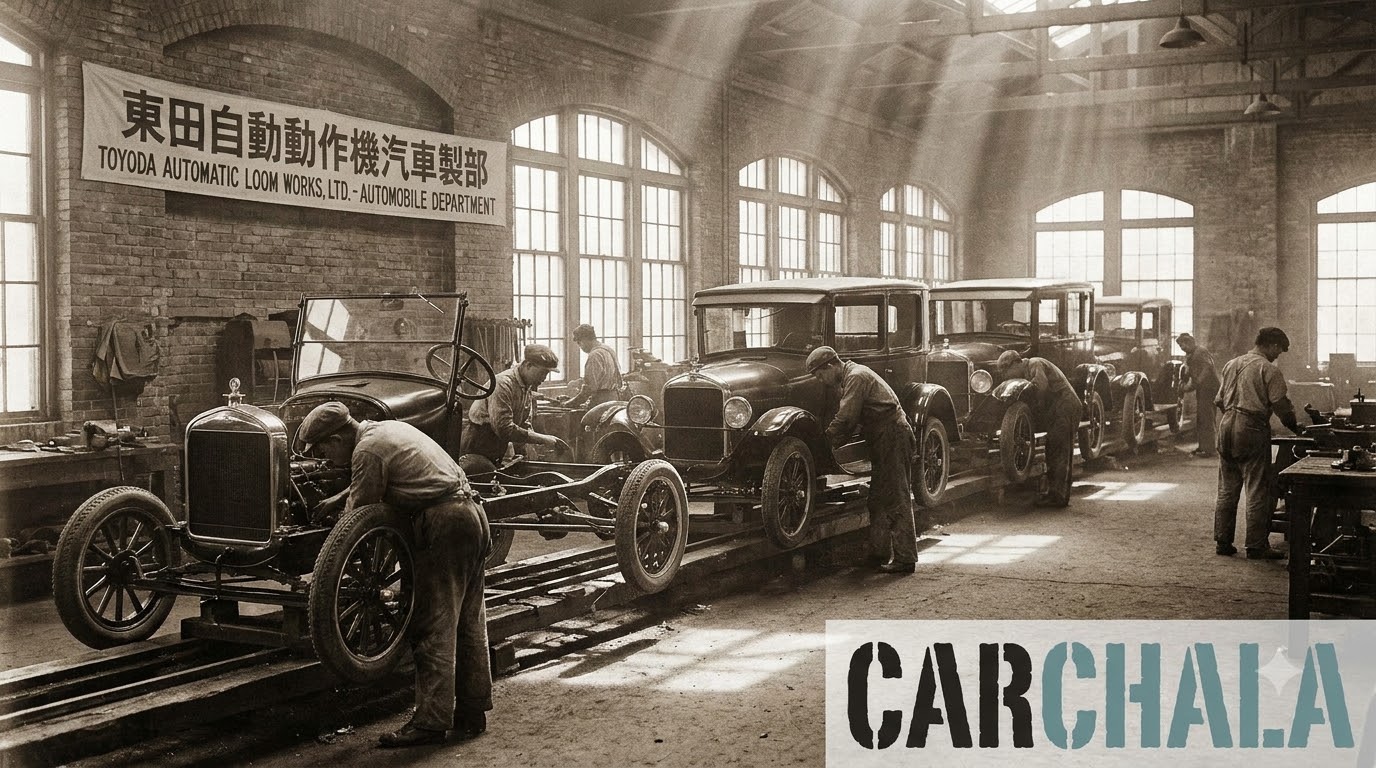
Toyota Kirloskar Motor (TKM) is established as a joint venture between Toyota Motor Corporation and the Kirloskar Group.
The Qualis Phenomenon
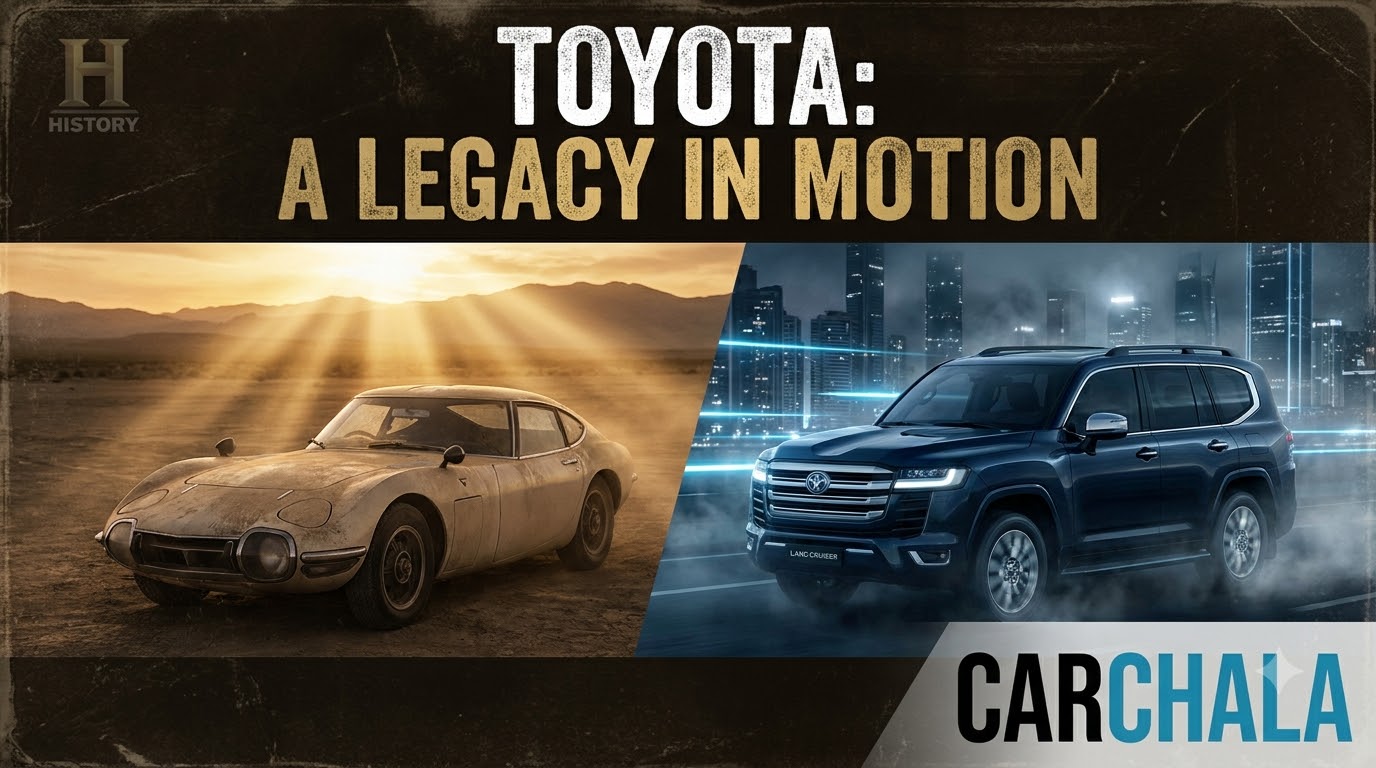
Toyota launches the Qualis MPV. Despite its boxy looks, its legendary reliability establishes Toyotas reputation in India.
The Innova Era Begins
The Innova is launched, replacing the Qualis. It redefines the MPV segment with premium comfort and unshakeable durability.
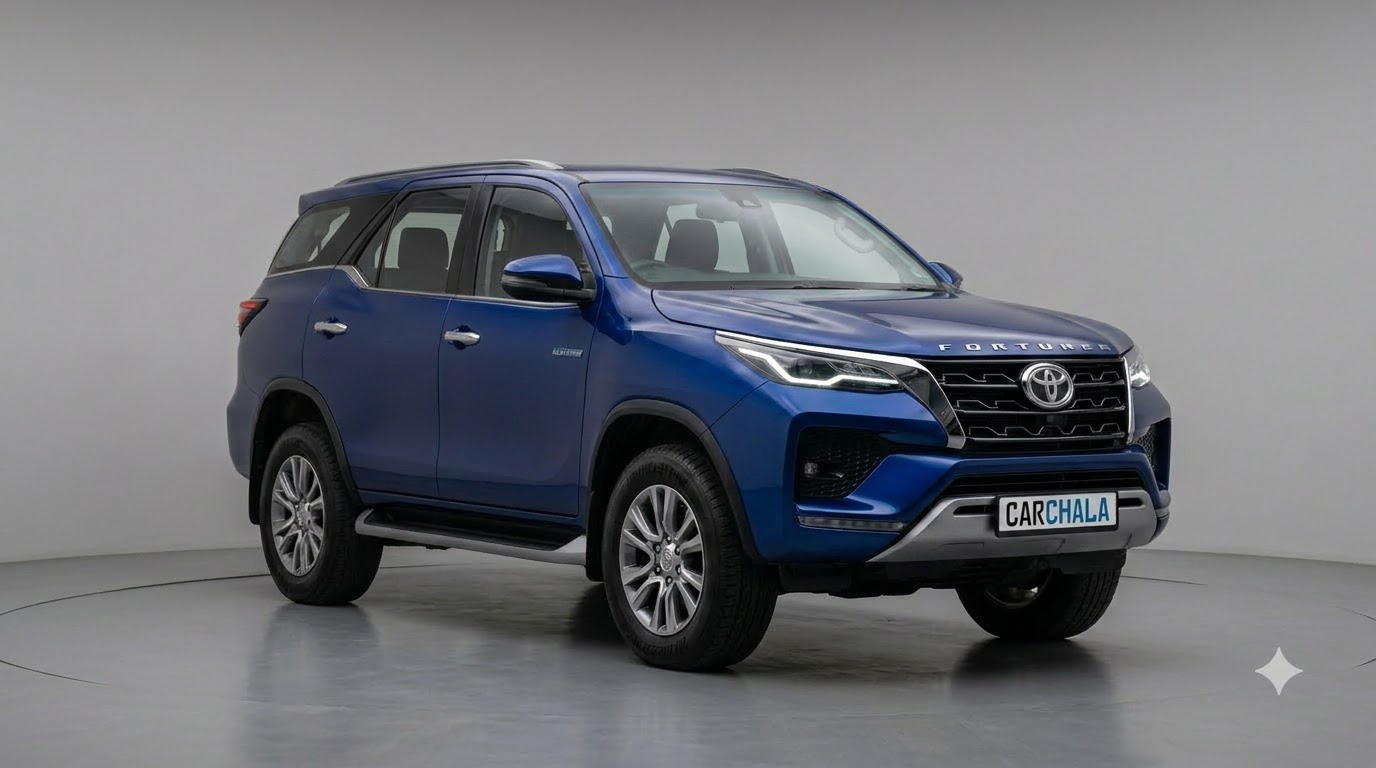
The Fortuner Dominance
Toyota launches the Fortuner. Its massive road presence and rugged build make it the undisputed king of the premium SUV segment.
The Etios Experiment
Toyota attempts to enter the mass-market volume segment with the Etios sedan and Liva hatchback, focusing on practicality and space.

The Suzuki Alliance
Toyota and Suzuki announce a global alliance, leading to the sharing of models like the Baleno (Glanza) and Brezza (Urban Cruiser) in India.
The Strong Hybrid Push
Toyota launches the Urban Cruiser Hyryder and the Innova Hycross, aggressively pushing strong hybrid technology in the Indian market.
The Hybrid King
Toyota absolutely dominates the strong-hybrid space in India with the Hycross and Hyryder, while maintaining the invincible status of the Fortuner.
The Solid-State Promise
Toyota is expected to introduce its first localized EVs in India, while globally rolling out its revolutionary solid-state battery technology.
The Mass-Market Challenge and the Suzuki Alliance
While Toyota owned the premium space, their attempts to conquer the mass-market entry segments were less successful. The Etios sedan and Liva hatchback, launched in 2010, were engineered specifically for emerging markets. They offered incredible space and reliability but lacked the flair, premium interiors, and feature richness that Indian buyers were beginning to demand. While popular as taxis, they didn't capture the private buyer's imagination.
Realizing the immense difficulty of competing with Maruti Suzuki and Hyundai in the budget segments on their own, Toyota executed a brilliant strategic pivot. In 2018, Toyota Motor Corporation and Suzuki Motor Corporation announced a global alliance. In India, this meant Toyota would sell rebadged versions of successful Maruti Suzuki cars. The Glanza (rebadged Baleno) and Urban Cruiser (rebadged Brezza) allowed Toyota to tap into the high-volume segments without massive R&D investments, while offering customers the trusted Toyota badge and service experience.
Leading the Hybrid Revolution
As the global automotive industry navigates the transition to green energy, Toyota's strategy in India has been distinctive. While competitors rushed towards full Battery Electric Vehicles (BEVs), Toyota remained steadfast in its belief that hybrid technology is a more pragmatic and immediate solution for India's infrastructure challenges.
Toyota argues that strong hybrids offer significant fuel efficiency and emissions reductions without relying on a nascent charging infrastructure. They aggressively launched the Urban Cruiser Hyryder (developed in collaboration with Maruti Suzuki) and the Innova Hycross, both featuring advanced strong-hybrid powertrains. This strategy has been highly successful, proving that Indian buyers are willing to embrace complex hybrid technology if it delivers tangible efficiency benefits and is backed by Toyota's legendary reliability.
"Electrification is not a single path. We believe in providing practical, accessible solutions like strong hybrids to immediately reduce carbon emissions while the infrastructure matures."

The Toyota Innova Hycross, bringing advanced strong-hybrid technology and supreme comfort to India's most beloved MPV.
The Cult of Reliability
Toyota's legacy in India is unique. They don't sell the most cars, but they arguably build the most fiercely loyal customer base. Their focus on the Toyota Production System (TPS) ensures that every vehicle leaving their Bidadi plant in Karnataka is built to exacting global standards.
They have proven that Indian consumers are not entirely price-sensitive; they are value-sensitive. Buyers willingly pay a premium for a Fortuner or an Innova because they know the vehicle will outlast its competitors, require fewer repairs, and command a phenomenal resale value. As Toyota expands its portfolio with shared platforms and pushes the boundaries of hybrid technology, its core promise remains unchanged: when you buy a Toyota, you are buying peace of mind for a lifetime.