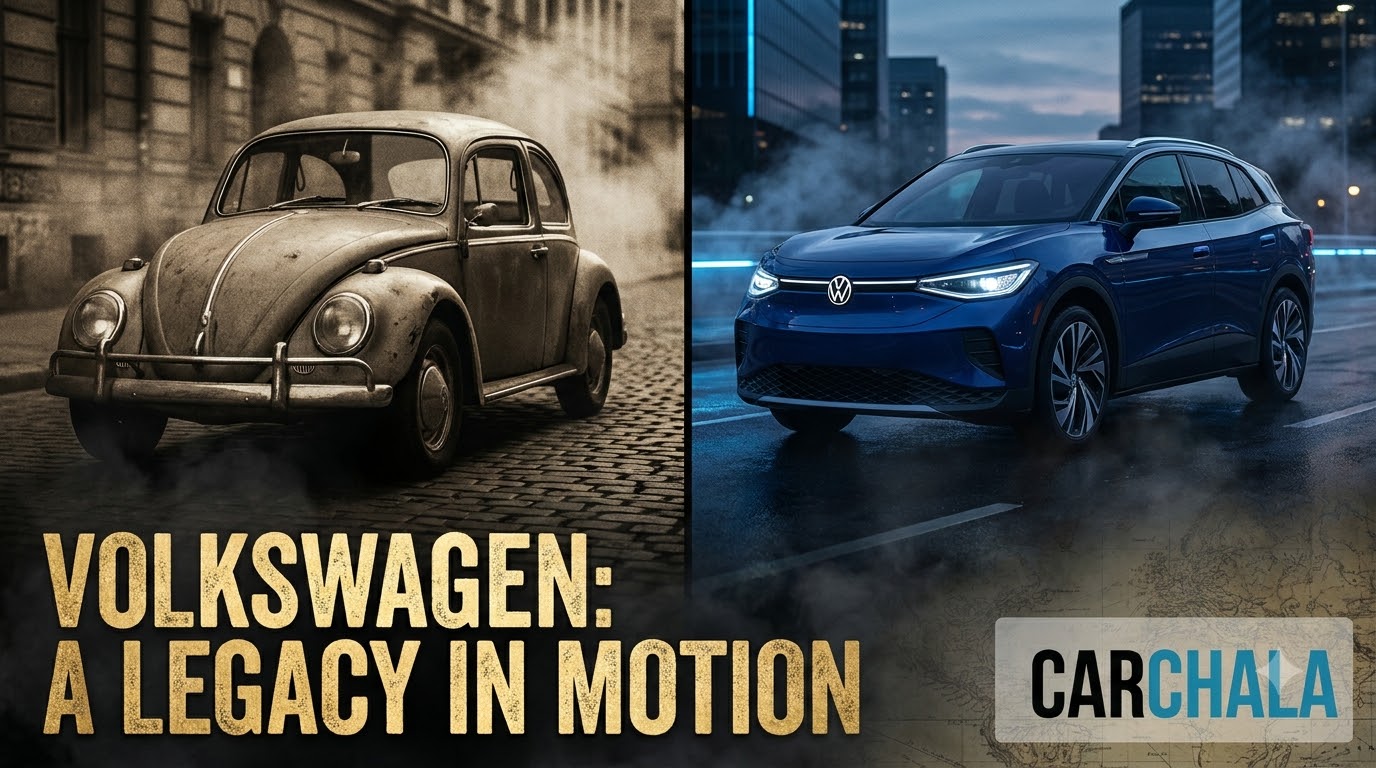
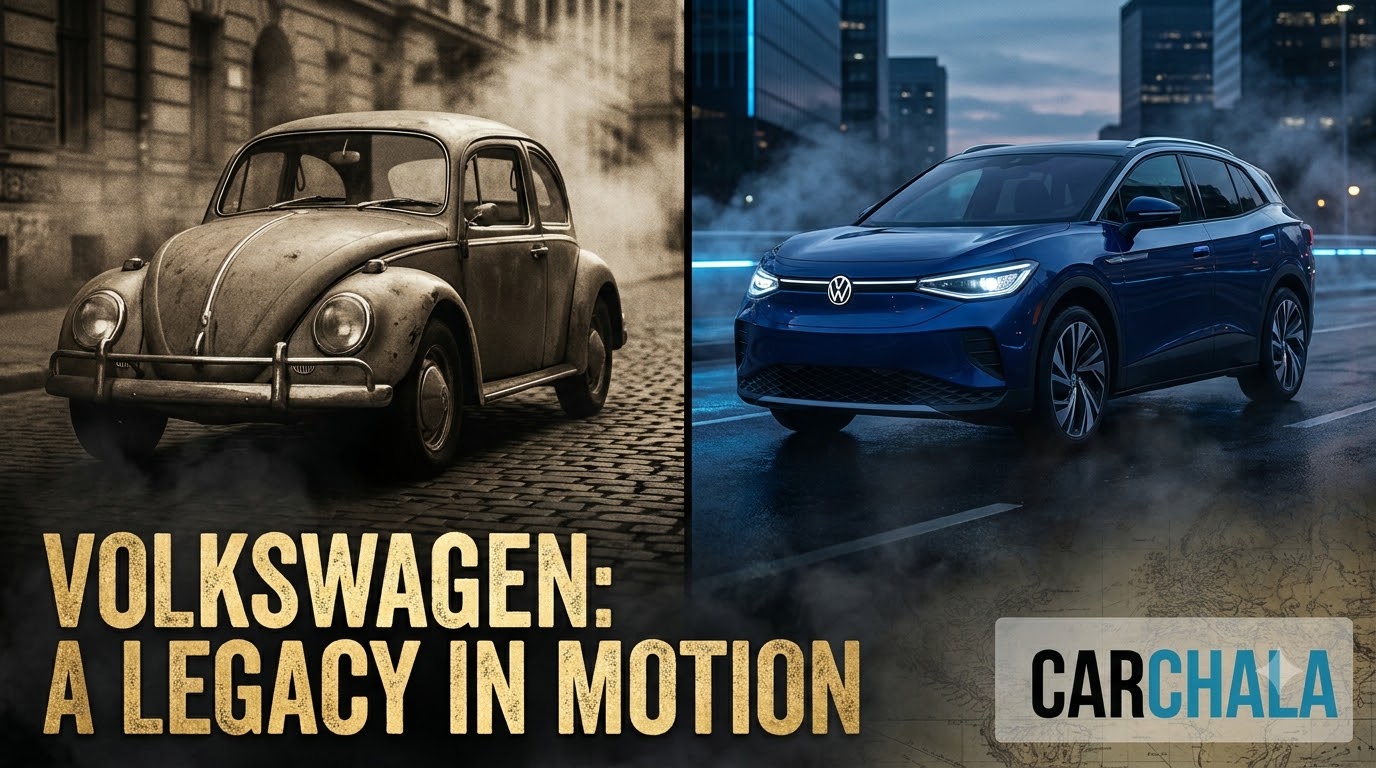
The genesis of Volkswagen is a story fraught with historical complexity, born out of one of the darkest periods in human history, yet evolving into a symbol of post-war recovery, global mobility, and automotive engineering prowess. The brand whose name literally translates to "People's Car" has weathered global wars, catastrophic scandals, and seismic shifts in technology, emerging time and again as a titan of the global automotive landscape.
This is the epic saga of Volkswagen—a journey from the original Beetle to the vanguard of the electric revolution.
The Genesis: A Complex and Controversial Birth
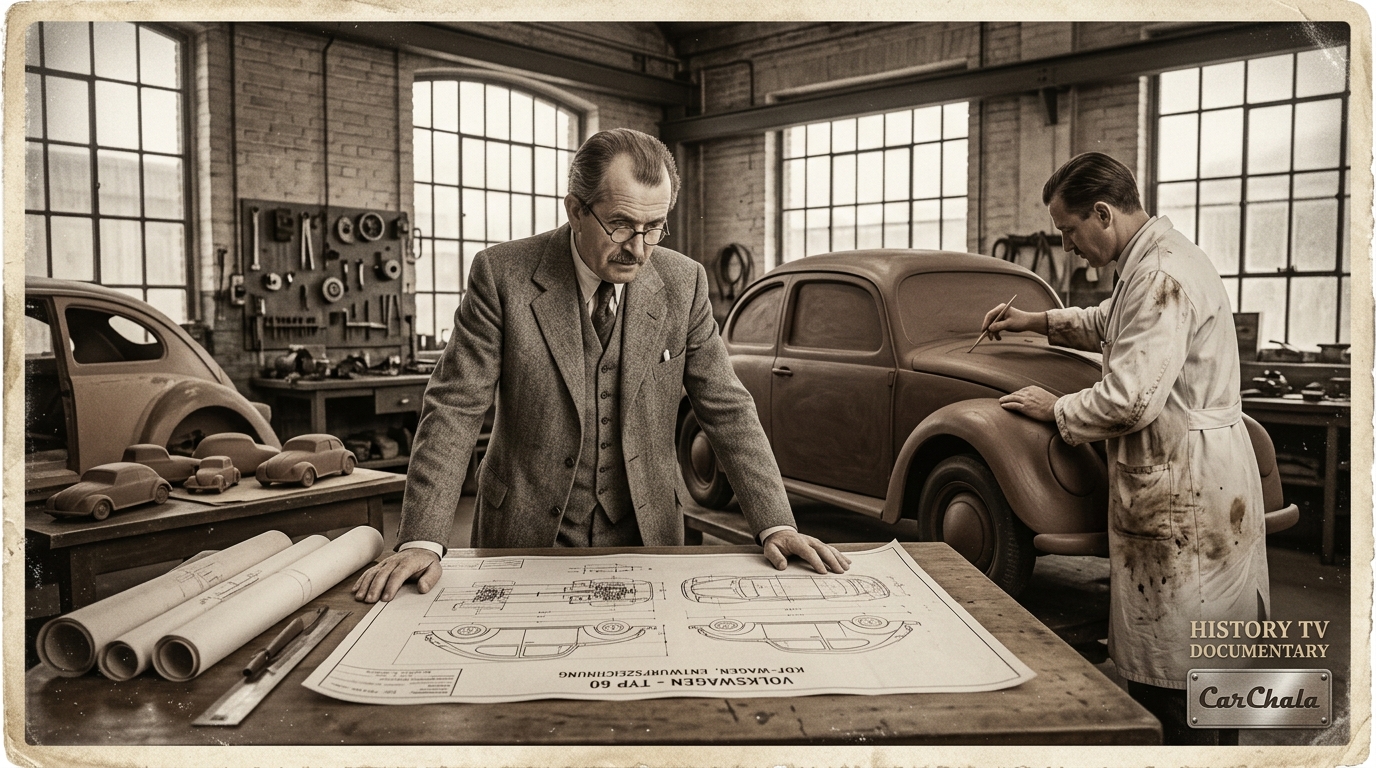
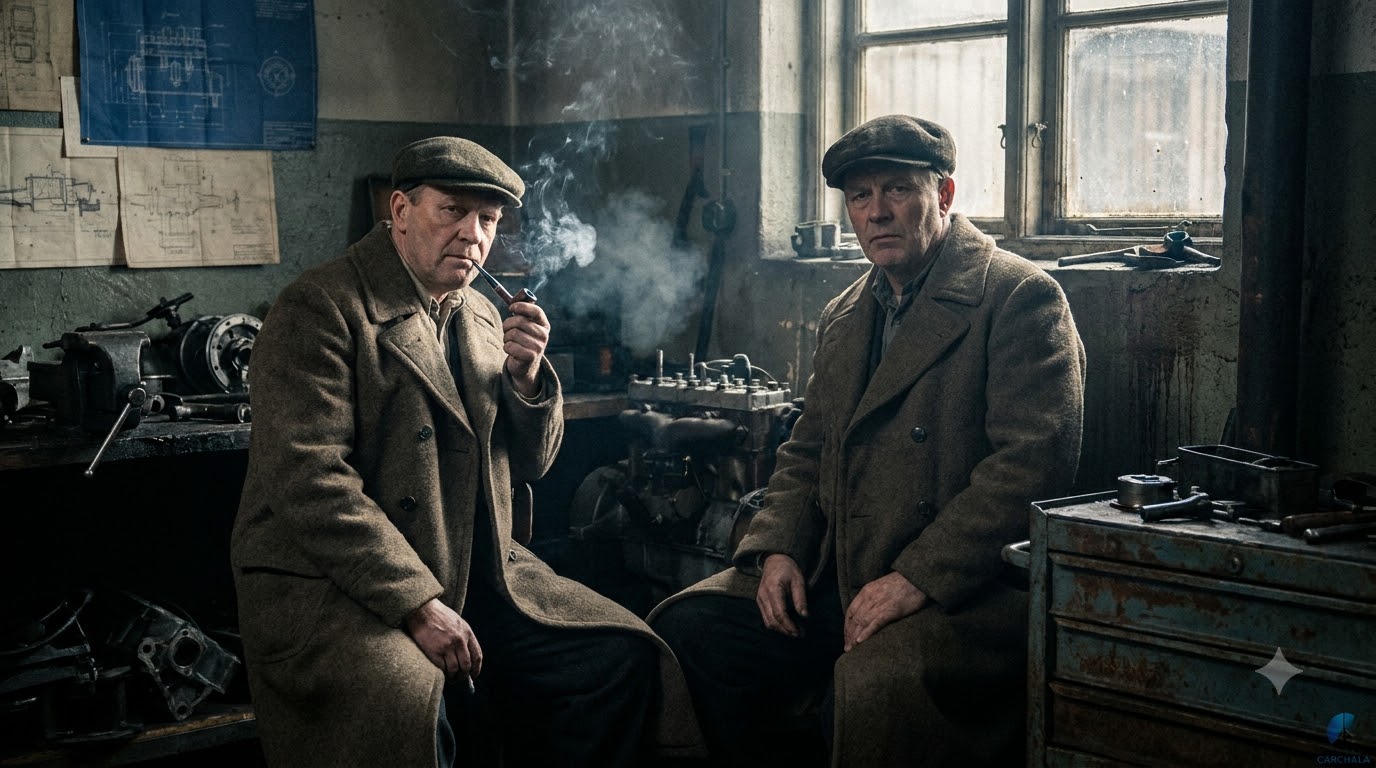
The story of Volkswagen begins in the 1930s in Germany. At a time when automobiles were predominantly luxury items reserved for the wealthy, there was a growing political and social desire to create a car for the masses. In 1934, Ferdinand Porsche, an already renowned automotive engineer, was commissioned by the German government to design a vehicle that could carry two adults and three children, reach speeds of 100 km/h (62 mph), and be affordable to the average citizen.
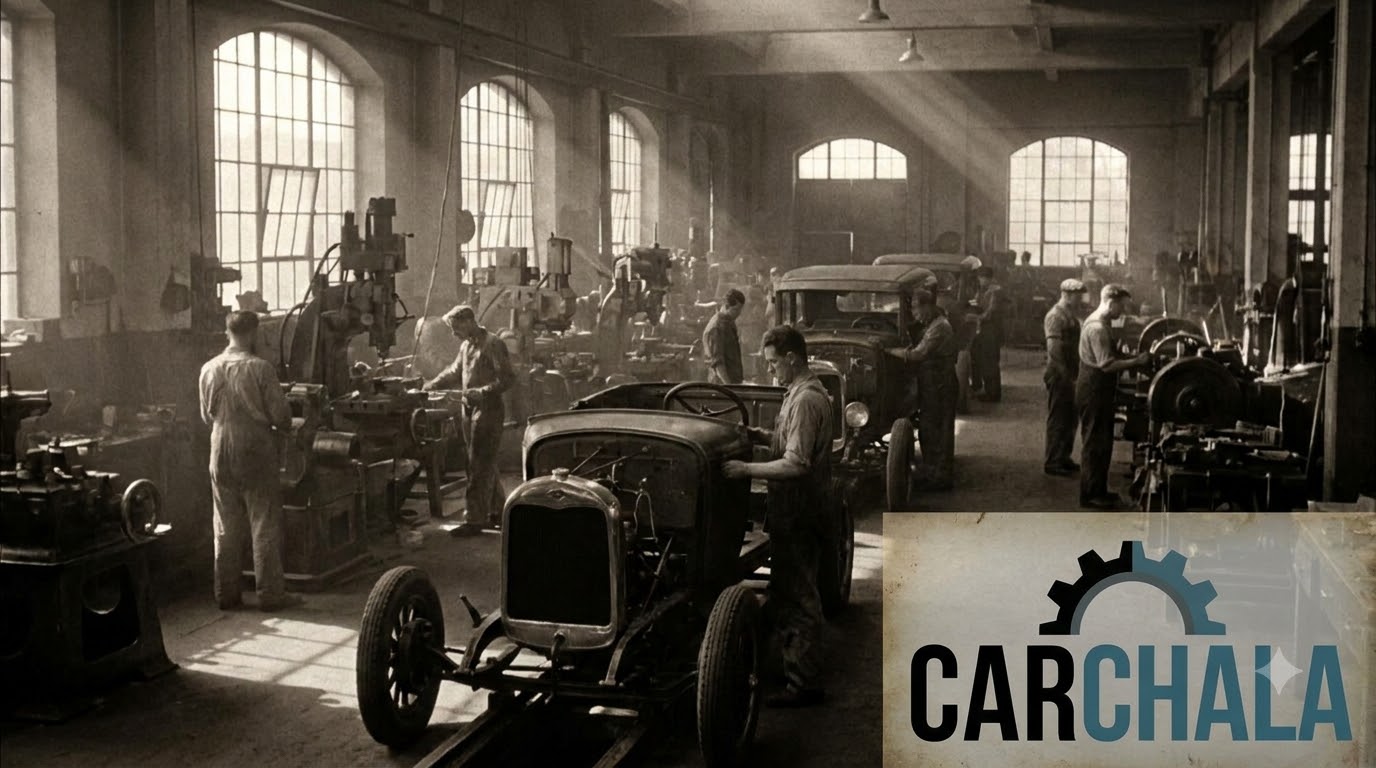
The result of this commission was the "KdF-Wagen" (Kraft durch Freude, or Strength Through Joy car). Its distinctive, rounded shape was dictated by the need for aerodynamic efficiency and low manufacturing costs. The air-cooled rear engine design was practical and robust, capable of withstanding the harsh winters without freezing. To manufacture this new vehicle, a massive factory and an entirely new city, Stadt des KdF-Wagens bei Fallersleben (later renamed Wolfsburg), were constructed in 1938.
However, before civilian production could truly begin, the outbreak of World War II halted all plans. The factory was rapidly converted to produce military vehicles, utilizing forced labor and becoming a target for heavy Allied bombing. By the war's end, the factory was in ruins, and the dream of the people's car seemed buried beneath the rubble.
"I have always been a man who creates things. And when they are destroyed, I build them again."
The British Savior and the Post-War Miracle
The survival of Volkswagen is largely owed to an unlikely savior: Major Ivan Hirst of the British Royal Electrical and Mechanical Engineers. After the war, Wolfsburg fell under the British occupation zone. Hirst was tasked with taking control of the heavily damaged factory. He quickly realized the potential of the strange little car sitting amidst the wreckage. The British military desperately needed light transport vehicles, and Hirst managed to persuade the military to order 20,000 cars, providing the factory with a lifeline.
The car was rebranded simply as the Volkswagen Type 1, though the world would soon know it by a different name: the Beetle. In 1948, control of the company was handed back to the German government under the leadership of Heinrich Nordhoff, a former Opel executive. Nordhoff brought stability and focus, emphasizing quality control and establishing a vast service network.
The Beetle's simplicity, reliability, and sheer charm catapulted it to unimaginable global success. It became a cultural phenomenon, adopted by the 1960s counterculture movement in the United States and embraced by millions worldwide. In 1972, the Beetle surpassed the Ford Model T to become the most produced single make of car in history. By the end of its production run in 2003, over 21 million Beetles had been built.
Expanding the Horizon: The Microbus and Beyond
Volkswagen's post-war success wasn't limited to the Beetle. In 1950, the company introduced the Type 2, a versatile, boxy vehicle based on the Beetle's chassis. Affectionately known as the Microbus, Transporter, or Kombi, the Type 2 became the quintessential symbol of wanderlust and freedom. It served as a workhorse for small businesses, an ambulance, a camper, and the iconic transport of choice for hippies heading to Woodstock.
The Type 2 proved Volkswagen's ability to create practical, iconic vehicles that transcended mere transportation, cementing the brand's place in global pop culture.
The Founding of Volkswagen
Gesellschaft zur Vorbereitung des Deutschen Volkswagens mbH is established, later renamed Volkswagenwerk GmbH, to produce the Peoples Car designed by Ferdinand Porsche.
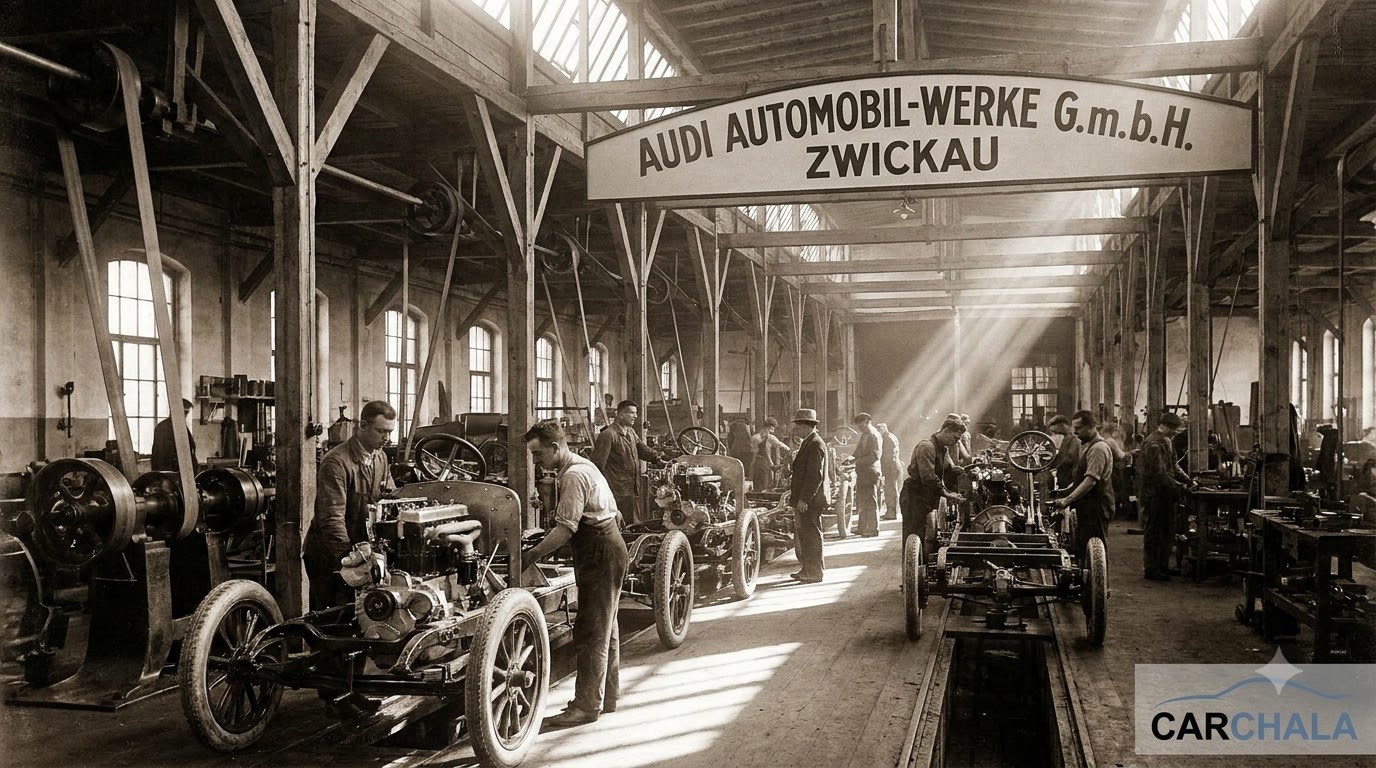
Post-War Resurrection
British Army Major Ivan Hirst takes control of the ruined Wolfsburg factory, ordering 20,000 Beetles for the military and saving the company from dissolution.
Birth of the Microbus
Volkswagen introduces the Type 2 Transporter. Its incredible versatility makes it a global icon of freedom and utility.
The Golf Revolution
Facing a crisis with the aging Beetle, Volkswagen launches the Golf. Designed by Giorgetto Giugiaro, it sets the standard for modern hatchbacks and becomes a monumental success.
The Premium Expansion
Under Ferdinand Piëchs aggressive leadership, the VW Group acquires luxury powerhouses Bentley, Bugatti, and Lamborghini, transforming into a global automotive empire.
The Dieselgate Crisis
Volkswagen faces the biggest scandal in its history when it is discovered that emissions testing software had been manipulated, leading to billions in fines and a massive leadership shakeup.
The Electric Pivot
Rising from the ashes of Dieselgate, Volkswagen debuts the ID.3, the first vehicle on its dedicated MEB electric platform, signaling a complete pivot toward zero-emissions mobility.
The Virtus & Taigun Legacy
Volkswagen maintains its premium brand positioning in India with its fun-to-drive, incredibly safe India 2.0 products.
The ID.4 and ID.2all
Volkswagen is expected to launch the ID.4 in India, followed closely by localized plans for the affordable ID.2all electric architecture.
The 1970s Crisis and the Birth of the Golf
Despite the monumental success of the Beetle, by the early 1970s, Volkswagen was facing a severe crisis. The air-cooled, rear-engine design was severely outdated, and sales were plummeting against fierce competition from more modern front-wheel-drive cars. The company desperately needed a successor, and previous attempts (like the Type 3 and Type 4) had failed to capture the market's imagination.
Salvation came in 1974 with the introduction of the Volkswagen Golf (sold as the Rabbit in the US and Caribe in Mexico). Designed by the legendary Italian designer Giorgetto Giugiaro, the Golf was a masterclass in packaging. It featured a front-engine, front-wheel-drive layout, offering superior cabin space and driving dynamics compared to its predecessor. Its sharp, folded-paper styling was a radical departure from the curves of the Beetle.
The Golf was an instant sensation, quickly becoming a best-seller and effectively saving the company. It didn't just replace the Beetle; it created an entirely new segment—the modern compact hatchback. In 1976, Volkswagen introduced the Golf GTI, a high-performance variant that single-handedly created the "hot hatch" segment, proving that practical cars could also be thrilling to drive.
"It is not the strongest of the species that survives, nor the most intelligent, but the one most responsive to change."
The Piëch Era: Building an Empire
In 1993, Ferdinand Piëch, the grandson of Ferdinand Porsche, became the CEO of Volkswagen. Piëch was a brilliant, demanding engineer with a ruthless management style and boundless ambition. Under his leadership, Volkswagen transformed from a successful volume manufacturer into a sprawling global empire.
Piëch initiated a relentless platform-sharing strategy, allowing brands within the group to share underlying architectures, drastically cutting costs and development times. He elevated the quality and prestige of the Volkswagen brand, pushing models like the Passat and the ill-fated Phaeton into premium territory.
More significantly, Piëch orchestrated an aggressive acquisition spree in the late 1990s. He brought luxury icons like Bentley, Lamborghini, and Bugatti into the VW fold, while also revitalizing mass-market brands like SEAT and Skoda. The crowning achievement of this era was the Bugatti Veyron, an engineering marvel championed by Piëch, capable of over 250 mph, serving as the ultimate showcase of the VW Group's technological supremacy.
The Darkest Hour: The Dieselgate Scandal
In 2015, Volkswagen's seemingly unstoppable momentum came to a catastrophic halt. The United States Environmental Protection Agency (EPA) issued a notice of violation of the Clean Air Act, revealing that Volkswagen had intentionally programmed turbocharged direct injection (TDI) diesel engines to activate their emissions controls only during laboratory testing. In real-world driving, the vehicles emitted up to 40 times more nitrogen oxides than permitted.
The "Dieselgate" scandal was an unmitigated disaster. It destroyed public trust, decimated the company's stock value, and resulted in the resignation of CEO Martin Winterkorn. Volkswagen faced intense global scrutiny, billions of dollars in fines, recalls involving millions of vehicles, and criminal charges against top executives. The scandal forced a painful, deeply introspective reckoning within the company, highlighting toxic corporate culture and the perils of growth at any cost.
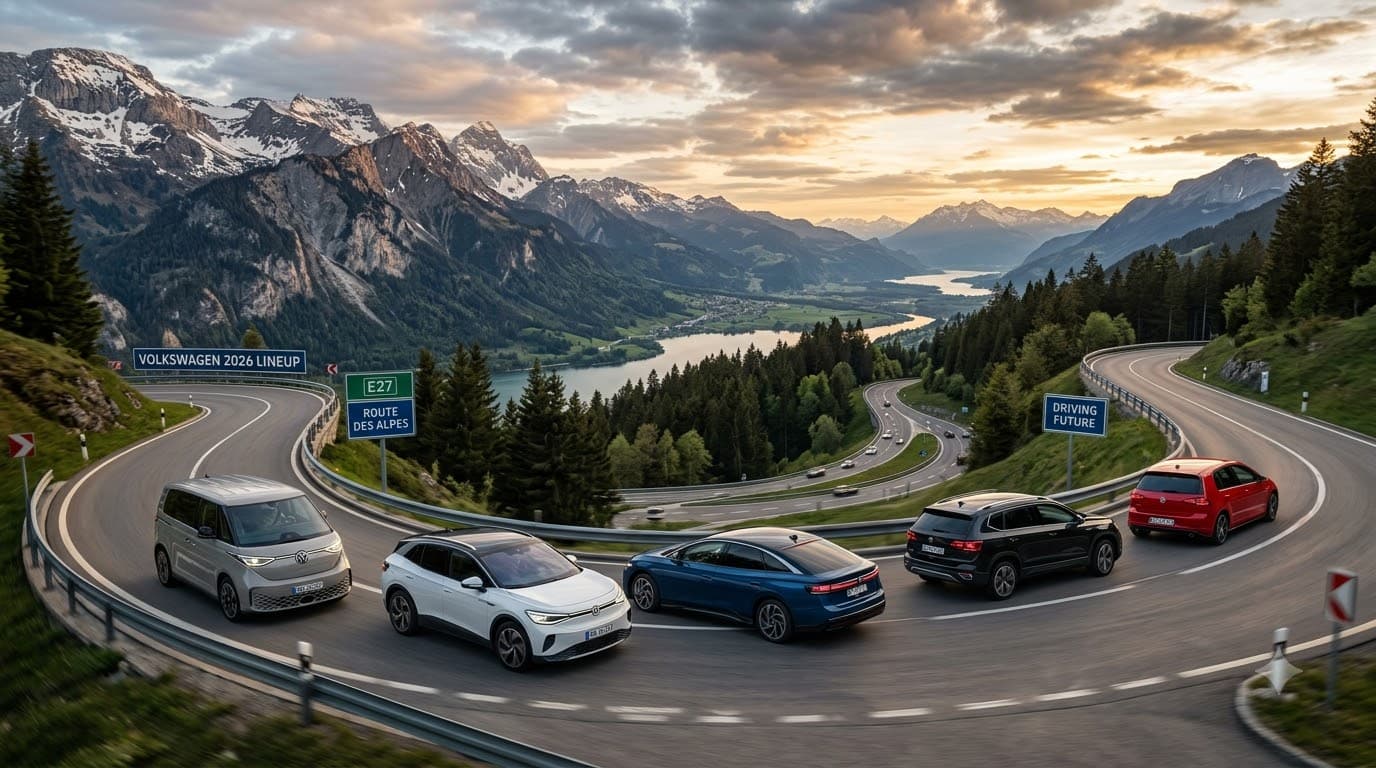
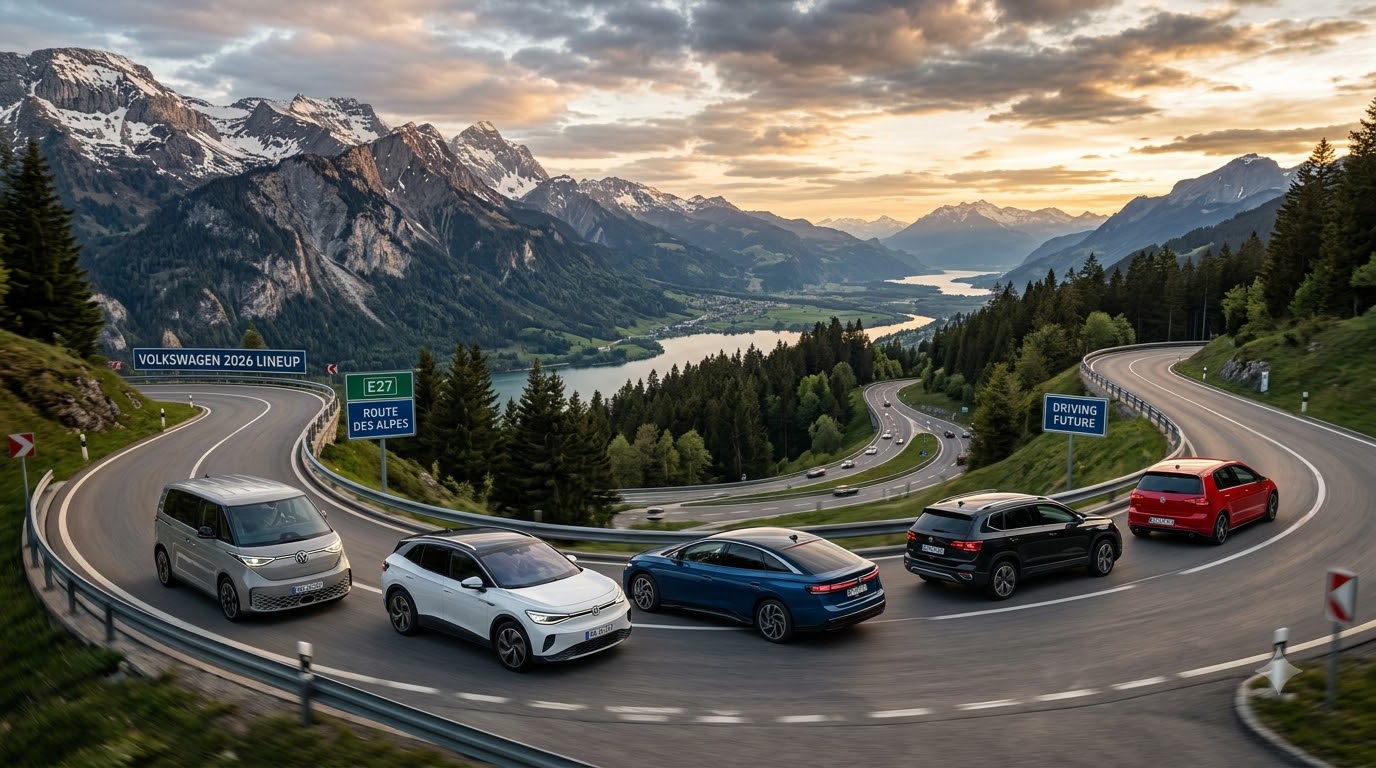
The ID Family represents Volkswagen's massive bet on a purely electric future.
The Phoenix Rising: The Electric Future
The fallout from Dieselgate necessitated a radical transformation. With its reputation heavily tarnished and the global regulatory environment shifting aggressively against internal combustion engines, Volkswagen made an unprecedented gamble. They committed fully and unequivocally to electric mobility, abandoning their heavy reliance on diesel technology.
The company invested billions in developing the MEB (Modularer E-Antriebs-Baukasten) platform, a dedicated, highly scalable architecture for electric vehicles. This strategy culminated in the launch of the ID. family of vehicles. The ID.3, introduced in 2019, was hailed as the third major chapter in VW's history, following the Beetle and the Golf. It was soon joined by the ID.4 SUV, which became a global best-seller, and the highly anticipated ID. Buzz, a futuristic electric reimagining of the classic Microbus.
Today, Volkswagen is navigating one of the most significant pivots in corporate history. They are not merely transitioning from combustion to electric; they are attempting to transform into a software-driven mobility provider. While challenges remain—including intense competition from Tesla and aggressive Chinese manufacturers, as well as struggles with software development—Volkswagen's scale, engineering depth, and proven ability to reinvent itself ensure that the "People's Car" will remain a central force in the automotive world for decades to come.
From the ashes of its controversial founding and the depths of monumental scandal, Volkswagen's story is an epic testament to resilience, the enduring power of innovation, and the relentless drive to keep the world moving forward.