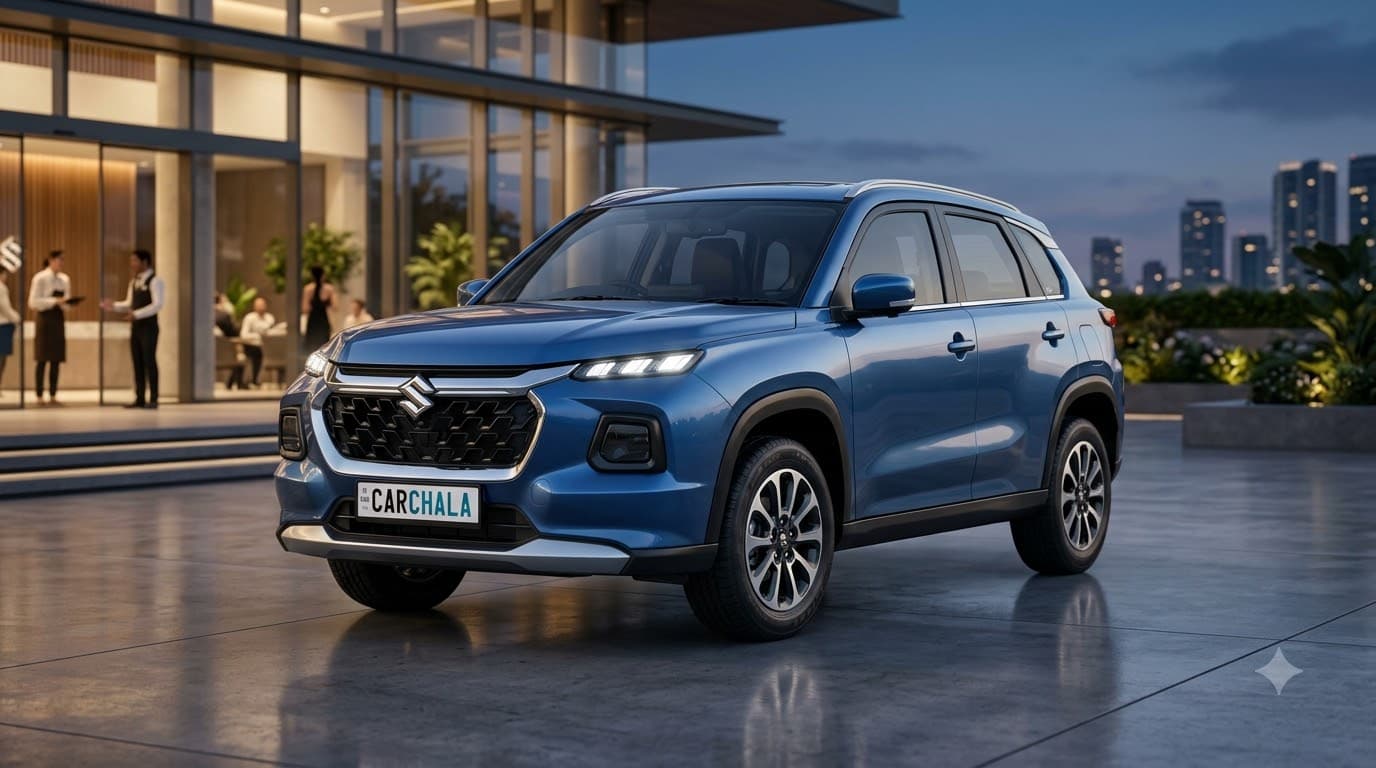
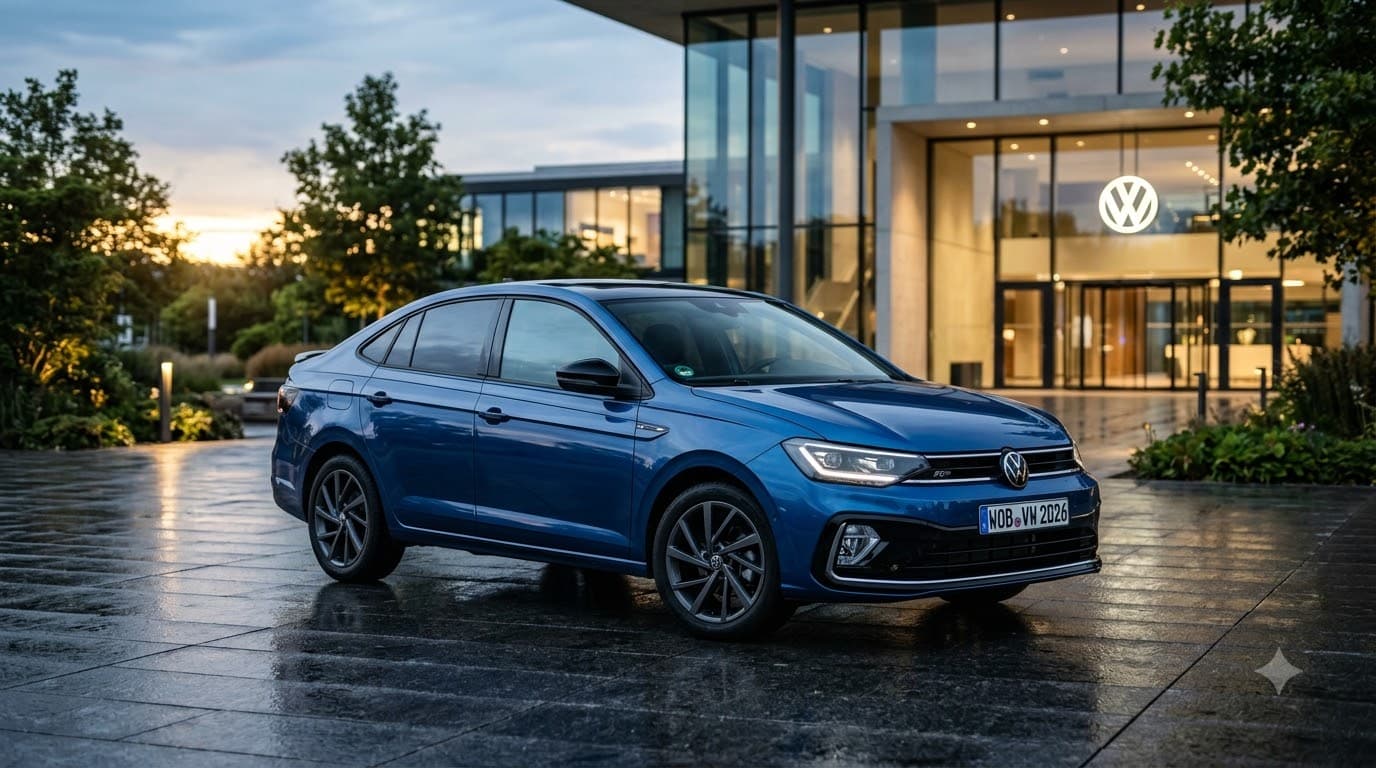
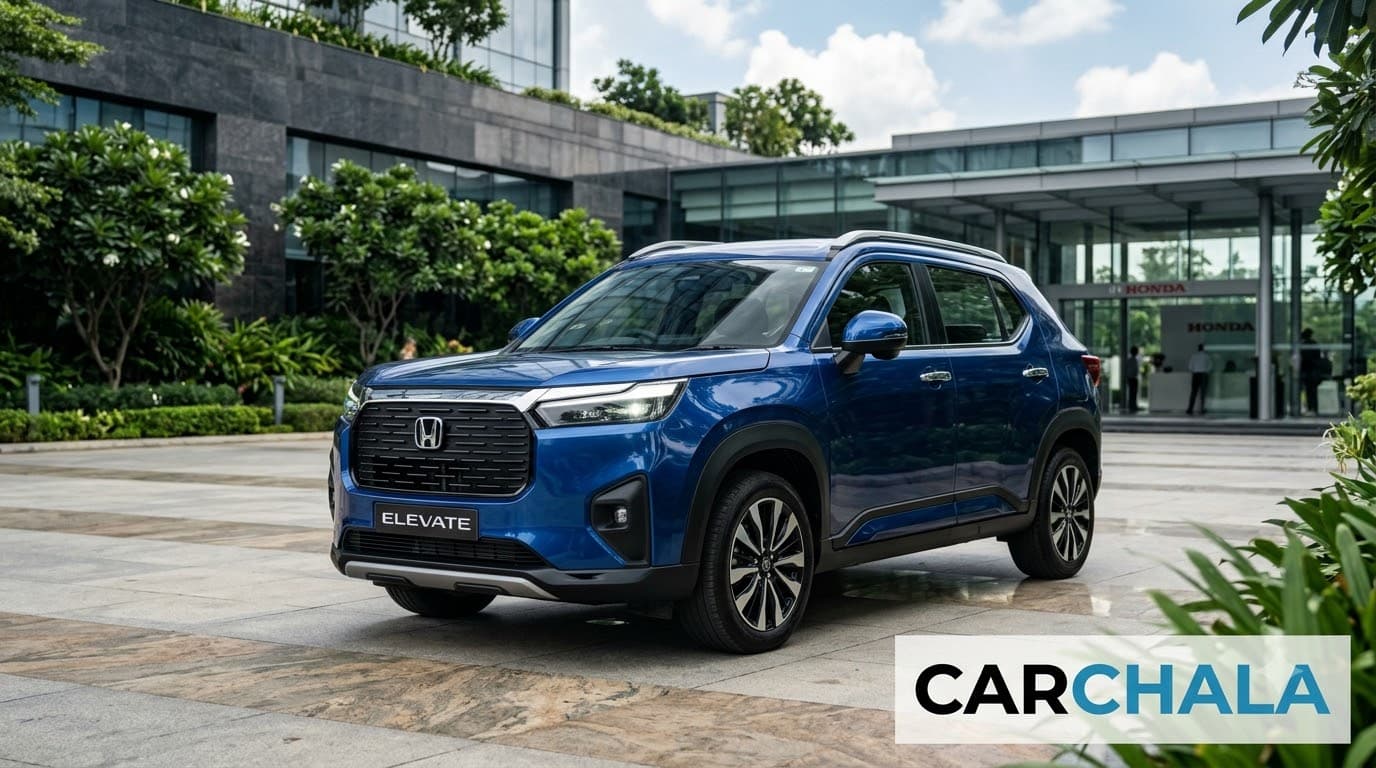
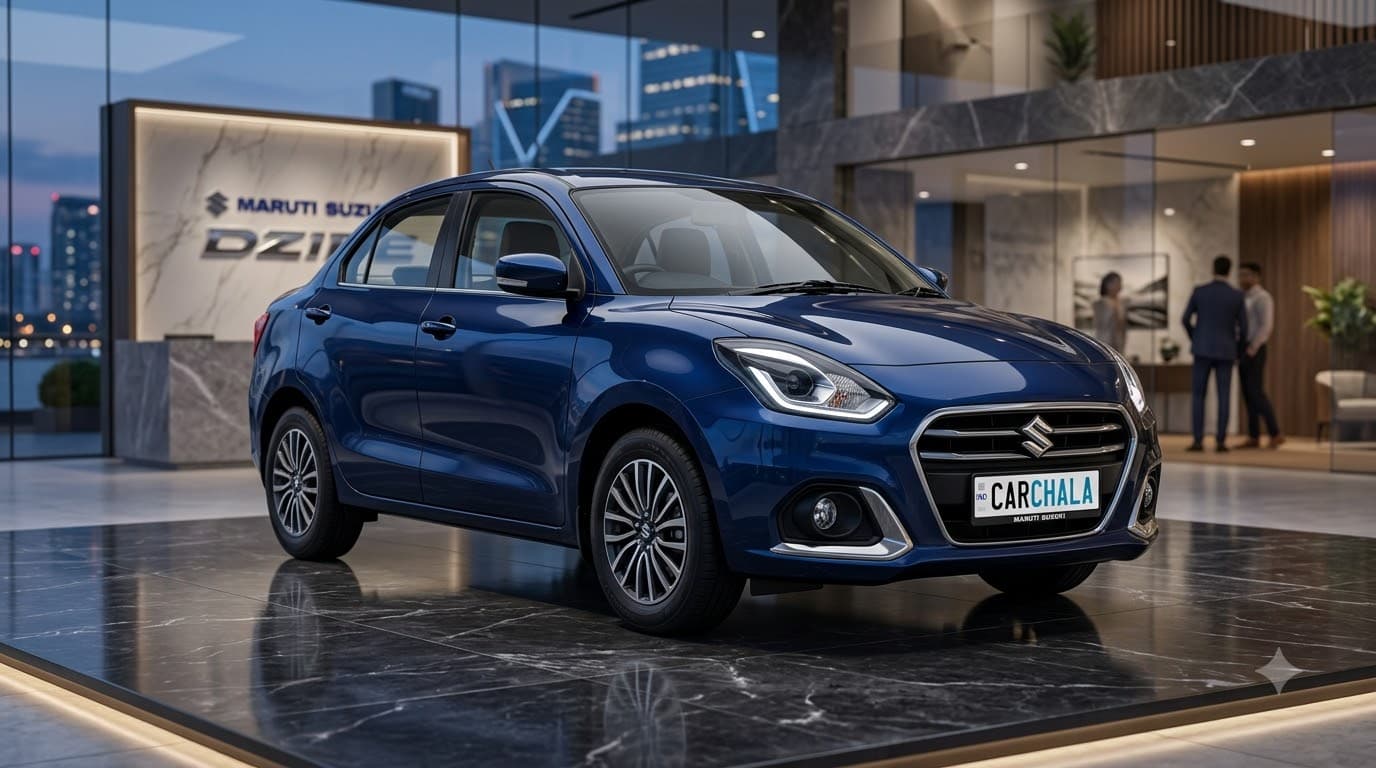
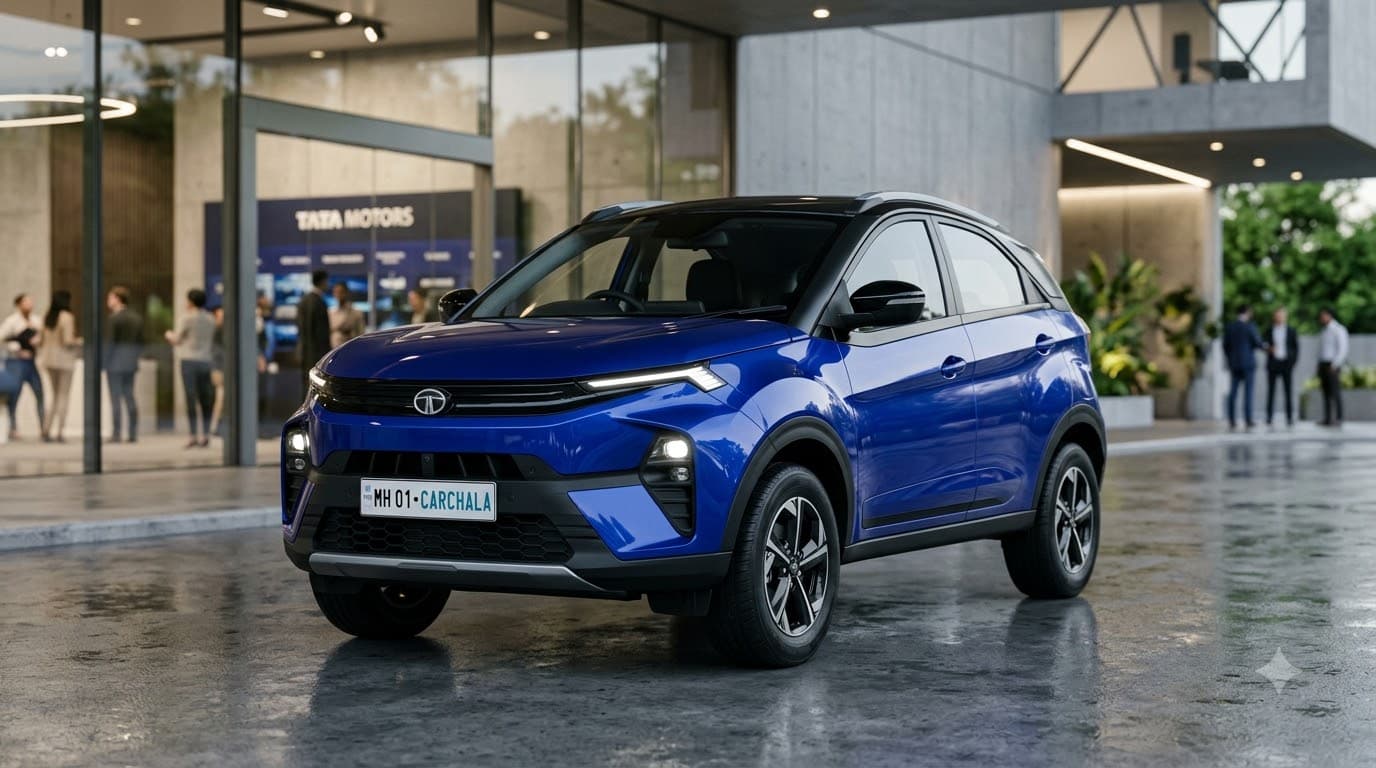
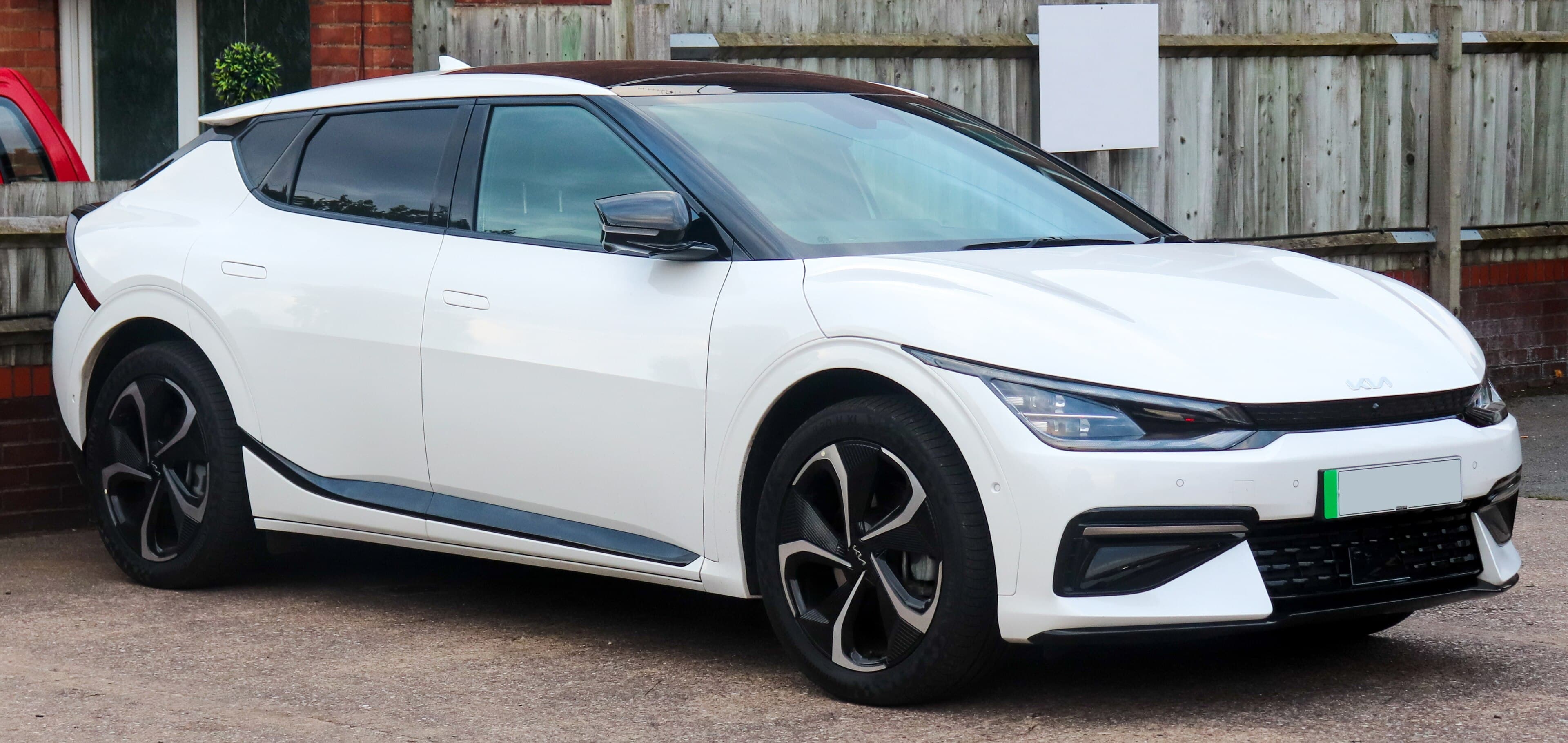
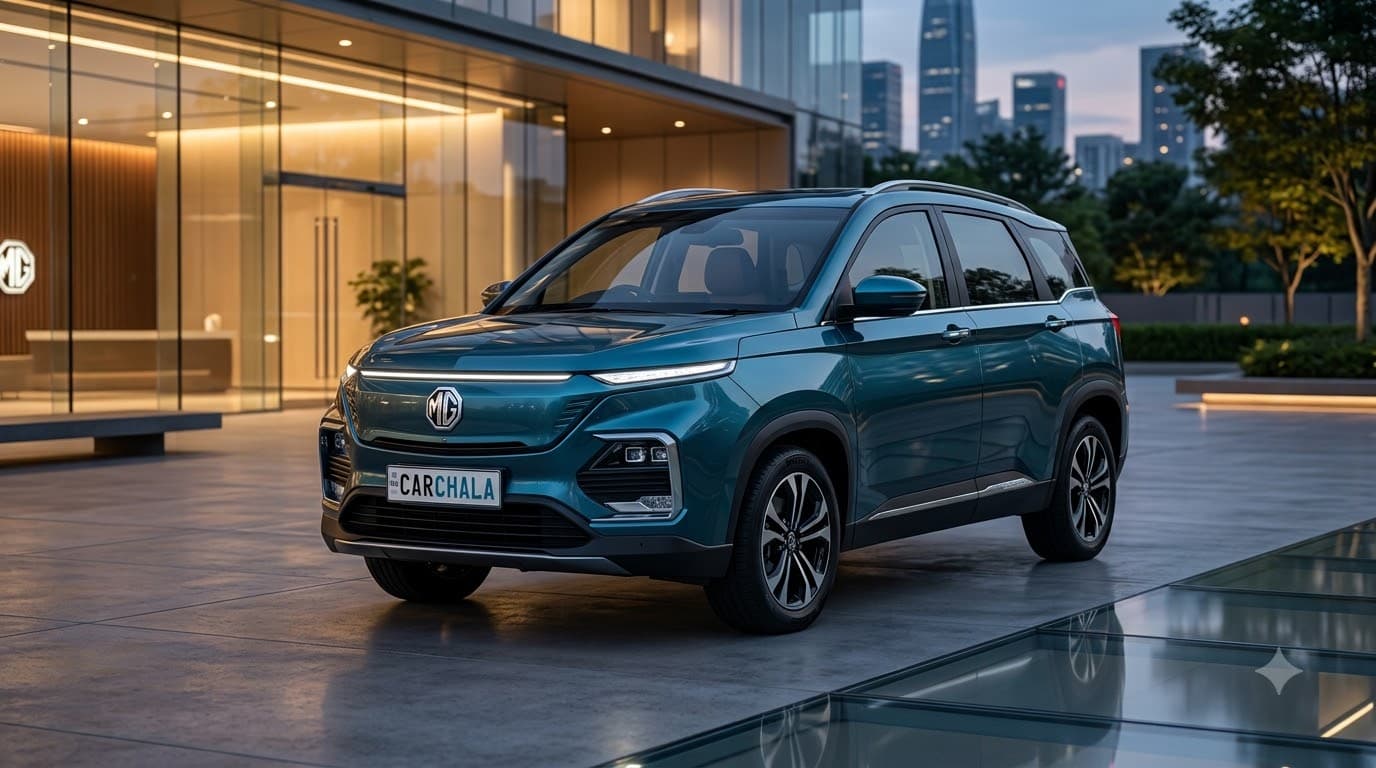
The two-row, 5-seater configuration remains the beating heart of the Indian automotive market. Accounting for over 75% of passenger vehicle sales, it strikes the ultimate engineering sweet spot between manageable exterior footprint, second-row passenger comfort, daily fuel economy, and expansive boot utility. However, picking the right 5-seater in 2026 requires looking far beyond badge appeal—you must evaluate chassis width, middle-passenger floor ergonomics, suspension payload compliance, and real-world powertrain efficiency.
1. The 5-Seater Architecture Advantage: Why 2 Rows Beat 3 Rows
Many Indian buyers get tempted into buying a budget 3-row 7-seater "just in case" extended family travels together once a year. In reality, budget 7-seaters severely compromise second-row legroom and virtually eliminate luggage space when all rows are deployed. A dedicated 5-seater vehicle prioritizes second-row executive comfort, offering longer seat cushions, generous under-thigh support, greater seat recline angles, and a cavernous 380 to 530-litre boot that easily swallows full-sized family luggage without needing awkward roof carriers.
2. What We Love: Rear Bench Comfort, Ergonomics & Cargo Superiority
Here are the defining qualities that elevate great 5-seater cars above the rest of the pack:
- Limousine-Class Rear Legroom: Executive sedans like the Hyundai Verna and Volkswagen Virtus offer long wheelbases (2,650mm+) that let tall rear passengers cross their legs with room to spare.
- Flat Rear Floors: Vehicles designed with minimal transmission tunnels—such as the MG Hector and Hyundai Ioniq 5—allow the middle passenger to place both feet squarely on the floor rather than awkwardly straddling the side footwells.
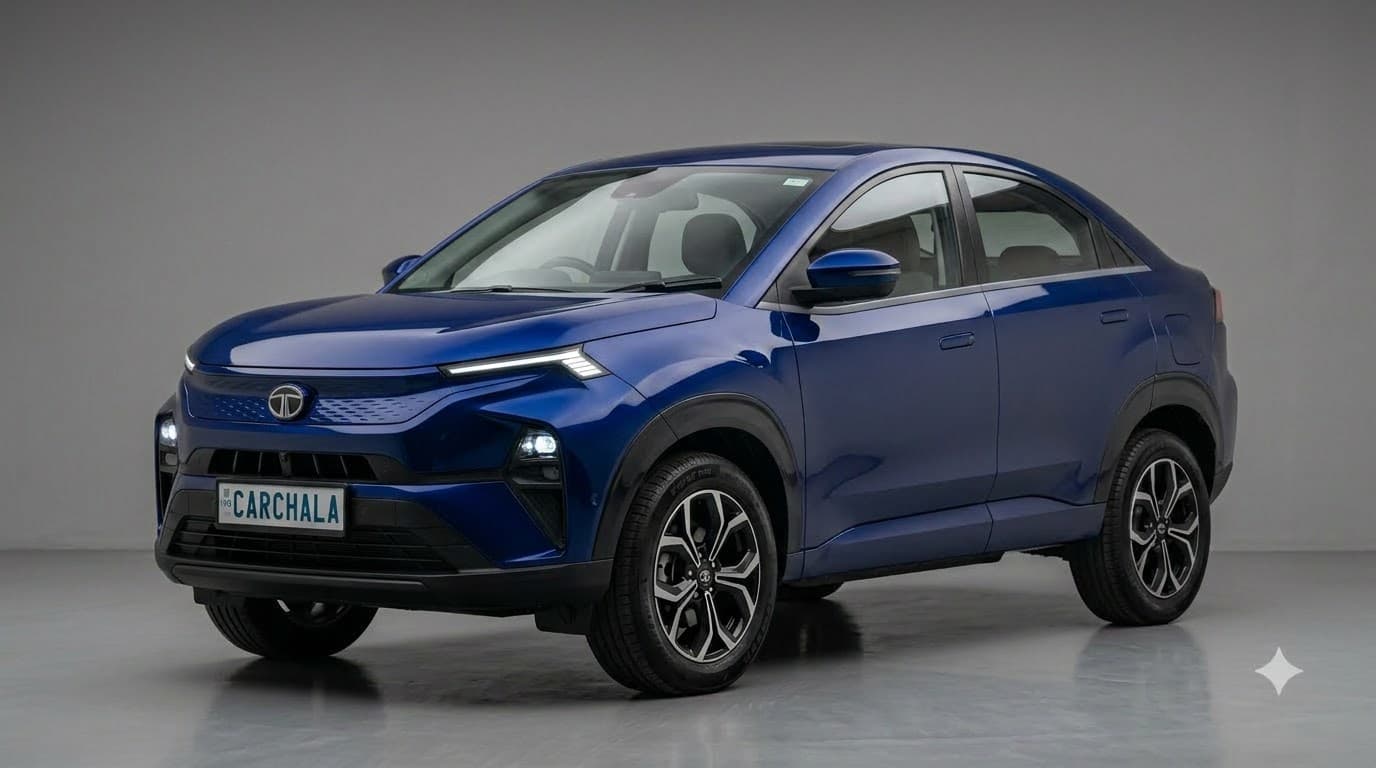
- Uncompromised Luggage Bays: Unlike 7-seaters with token 60L trunks, top 5-seaters provide deep cargo bays (500L in the Tata Curvv EV, 528L in Verna, 521L in Virtus, 458L in Elevate) capable of carrying four 28-inch suitcases simultaneously.
- Lower Kerb Weight & Superior Mileage: Carrying only two rows saves 150-300 kg of structural weight, translating directly into punchier acceleration, sharper braking, and 15-25% higher fuel efficiency.
3. What to Consider: Middle-Passenger Space, Transmission Tunnels & Suspension Sag
Before finalizing your 5-seater purchase, pay strict attention to these critical real-world factors:
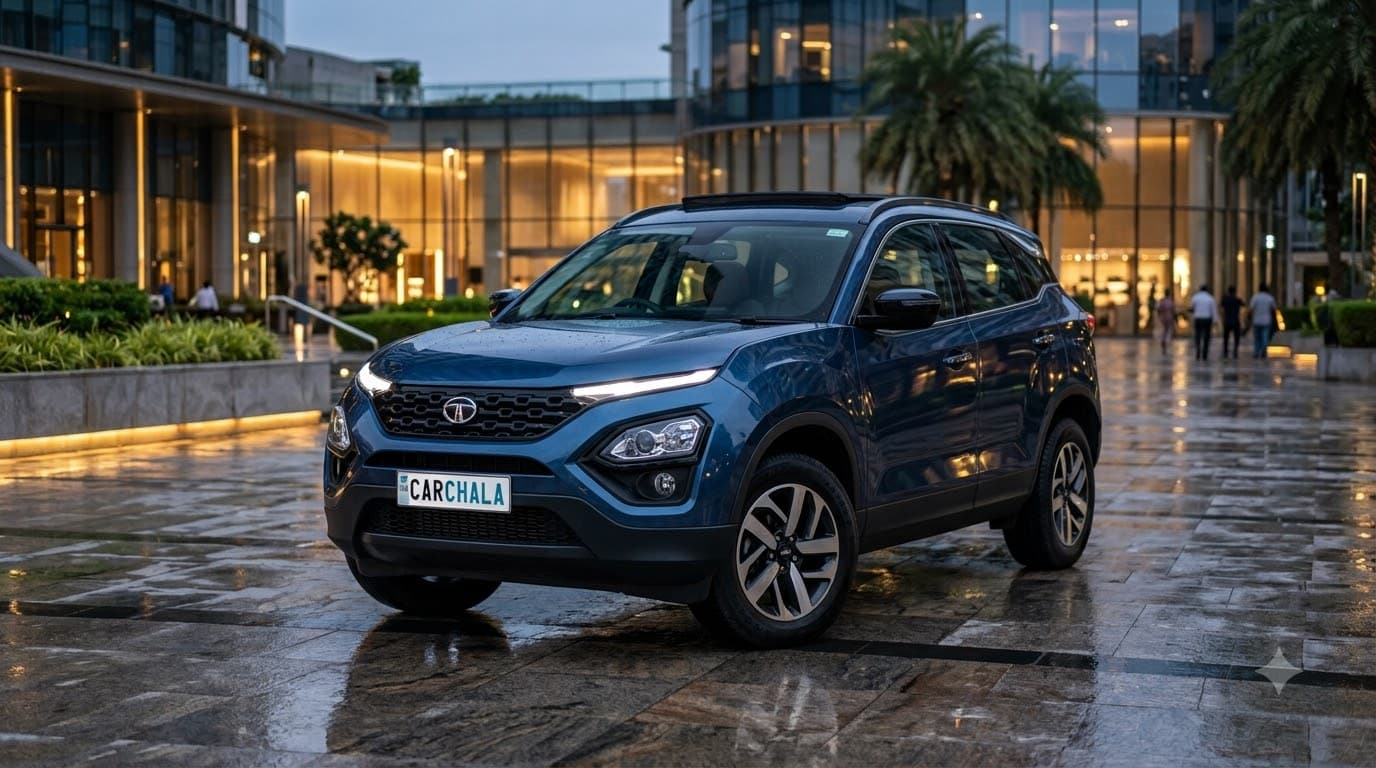
- Rear Shoulder Width (The 3-Adult Test): True 3-adult comfort requires at least 1,380mm to 1,420mm of rear cabin width. Wide-body SUVs like the Tata Harrier (1,894mm overall width) accommodate three adults comfortably, whereas narrower sub-4m compacts are realistically 4-adult + 1-child cars on long road trips.
- Center Perch Hardness & Headrests: Heavily contoured outer seats often push the middle occupant onto a raised, firm center cushion. Ensure the car provides an adjustable center headrest and an ELR 3-point seatbelt for the middle passenger.
- Suspension Payload Sag Under Full Load: When you load 5 adults (~375 kg) and 60 kg of luggage, soft suspensions can sag by 25-35mm, drastically reducing real ground clearance over tall speed breakers. Always request a full-occupancy test drive over rough roads.
4. Body Style Face-Off: Compact SUV vs. Executive Sedan vs. Electric Crossover
The 5-seater market spans three distinct body styles, each built for different driving priorities:
| Body Style | Ideal Driving Environment | Key Advantages | Trade-Offs |
|---|
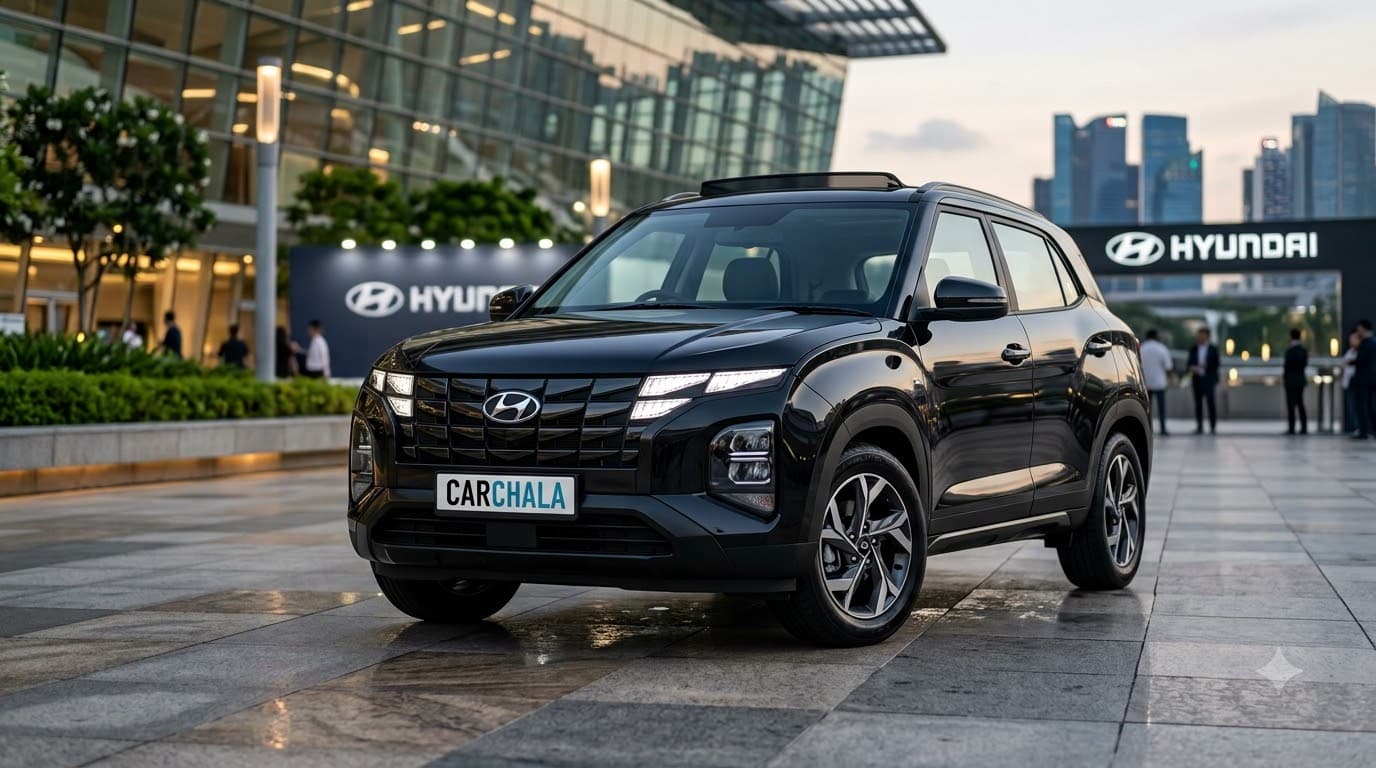
| Mid / Compact SUV (e.g., Creta, Harrier, Elevate) | Broken city roads, monsoon waterlogging, mixed terrain | High ground clearance (190-220mm), commanding visibility, easy ingress | Higher body roll in corners, marginally lower highway fuel efficiency |
| Executive Sedan (e.g., Verna, Virtus, Dzire) | High-speed expressways, intercity business trips, chauffeur use | Unmatched high-speed stability, zero body roll, massive enclosed boots (520L+) | Lower seating height (harder ingress for elderly), vulnerable front chin |
| Electric Crossover (e.g., Curvv EV, Ioniq 5) | Daily urban commutes, tech early adopters, green mobility | Ultra-low running cost (₹1.20/km), flat floor, instant torque, silent NVH | Higher purchase price, highway charging stop planning on 500km+ runs |
5. Safety Standards: Non-Negotiables in 2026
In 2026, baseline family safety requires far more than just twin front airbags. When shortlisting a 5-seater family vehicle, insist on 6 standard airbags, Electronic Stability Control (ESC), ISOFIX child-seat anchors, and certified 5-star crash safety ratings from Bharat NCAP or Global NCAP (such as the Tata Harrier, Hyundai Verna, Volkswagen Virtus, and Maruti Dzire). Furthermore, Level 2 ADAS features like Autonomous Emergency Braking (AEB), Forward Collision Warning, and Lane Keep Assist offer an invaluable safety shield against unpredictable highway hazards.
6. Real-World Fuel Economy & Running Costs (TCO)
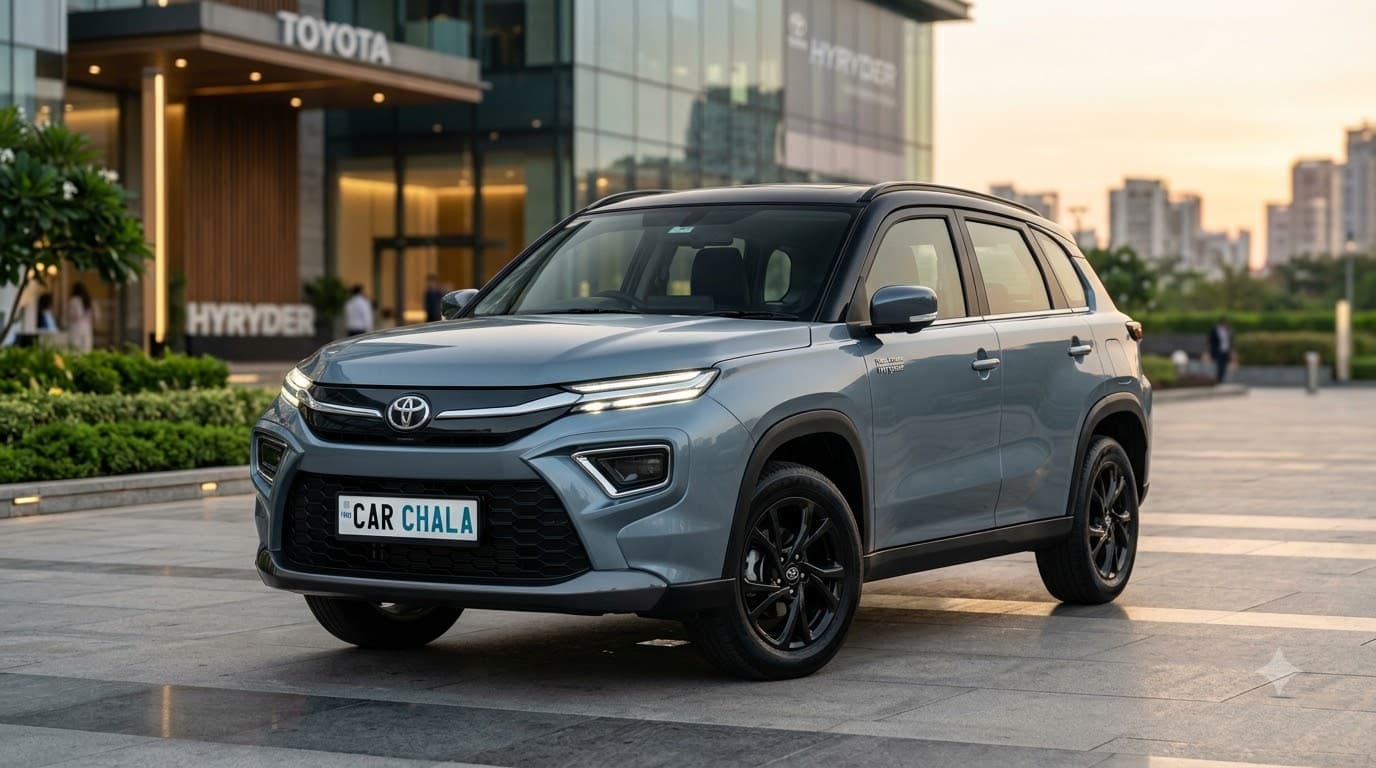
Operating costs vary dramatically across different 5-seater powertrains. A standard petrol engine costs roughly ₹6.50 - ₹8.00 per km; a factory-fitted CNG vehicle (like the Dzire CNG) drops running costs to ₹2.80 - ₹3.40 per km; a self-charging Strong Hybrid (like the Hyryder or Grand Vitara) averages ₹3.80 - ₹4.50 per km; while an EV charged at residential home rates costs just ₹1.10 - ₹1.50 per km. Factoring your monthly running distance is crucial to choosing the most cost-effective powertrain.