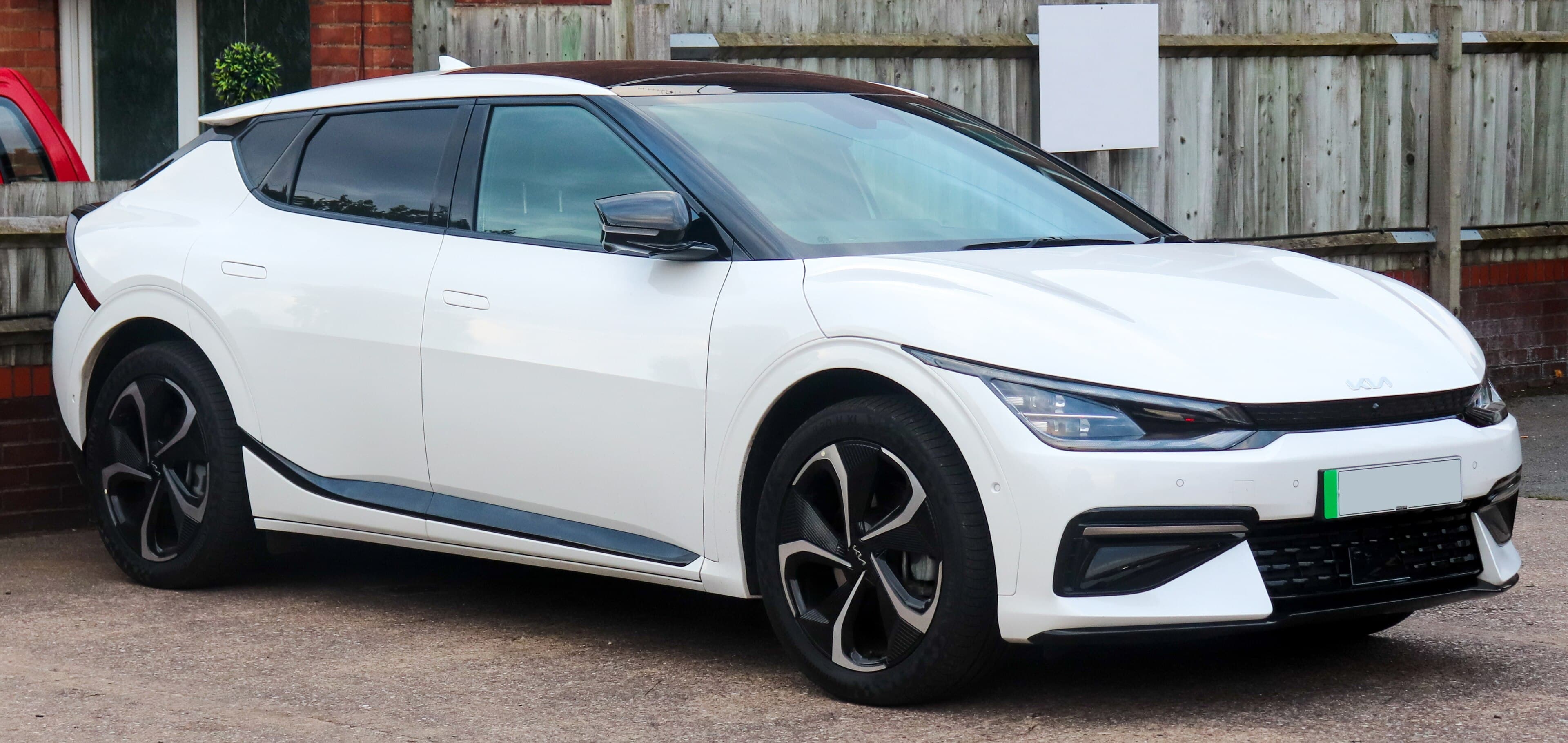
India's electric vehicle ecosystem has reached an extraordinary inflection point in 2026. What was once considered an experimental niche for early tech adopters has evolved into the most compelling, cost-effective, and performance-oriented mobility segment in the country. With purpose-built electric skateboard architectures, expanding ultra-fast DC charging corridors across national highways, long-term 8-year battery warranties, and remarkable running economics, electric cars are now fully qualified to serve as primary family vehicles. However, making the transition from internal combustion engines requires a clear understanding of real-world range dynamics, charging infrastructure, battery chemistries, and total cost of ownership (TCO).
What We Love About Modern EVs in India
- Near-Zero Running Costs: Charging at home on residential tariffs (₹7-9/unit) costs an astonishing ₹0.85 to ₹1.30 per kilometer, compared to ₹7.50 to ₹9.00/km for petrol cars.
- Instant, Lag-Free Torque: Electric motors deliver 100% of their peak torque from zero RPM, offering instantaneous overtaking punch and silky smooth, gearless urban acceleration.
- Whisper-Quiet NVH Levels: The absence of an internal combustion engine, transmission whine, and exhaust vibrations creates a serene, stress-free cabin sanctuary in gridlocked city traffic.
- Dedicated Born-EV Architecture: Pure electric skateboards (like Tata acti.ev and Hyundai E-GMP) eliminate transmission tunnels, resulting in completely flat rear floors, cavernous legroom, and functional front storage trunks (frunks).
- Minimal Periodic Maintenance: With zero engine oil, spark plugs, clutch plates, timing belts, or multi-speed gearboxes to service, routine maintenance bills are 60% to 70% lower than ICE vehicles.
- Superior Monsoon Water Wading: Hermetically sealed battery packs and drive motors carry IP67/IP68 ingress ratings, making them completely immune to engine hydrostatic lock in flooded city underpasses.
What to Consider Before Going Electric
- Home Charging Prerequisites: An electric car is easiest to own when you have a dedicated, designated parking spot with access to a standard 15A socket or a 7.2 kW AC wallbox charger.
- Real-World Highway Range vs. ARAI Claims: Highway cruising at sustained 95–100 km/h with air conditioning yields 65% to 75% of certified ARAI numbers due to aerodynamic resistance and minimal regenerative braking opportunities.
- Public Fast Charging Planning: While intercity highway charging grids have expanded dramatically, long holiday road trips require basic route planning via apps like PlugShare or Tata.ev to coordinate 45-minute charging meal stops.
- Initial Purchase Premium: Electric cars carry a 15% to 20% higher upfront price tag than equivalent petrol variants, requiring roughly 20,000 to 30,000 km of driving to break even on fuel savings.
- Specialized Insurance Requirements: You must mandate Battery & Motor Protection, Zero Depreciation, and Return to Invoice (RTI) add-ons to safeguard against expensive high-voltage battery casing claims.
1. The TCO Economics: How an EV Pays for Itself
While the initial purchase sticker of an EV is higher than an equivalent petrol car, the operational economics deliver massive recurring financial savings from day one:
Cost Per Kilometer Breakdown: A petrol compact SUV returning 13.5 kmpl in congested city traffic costs roughly ₹7.40 to ₹8.20 per km (at ₹100/L petrol). A diesel car costs around ₹5.80 to ₹6.60 per km. In sharp contrast, an EV charged overnight at home consumes approximately 0.12 to 0.14 kWh per km, resulting in a running cost of just ₹0.90 to ₹1.25 per km.
The 5-Year Ownership Savings: If you commute an average of 1,500 km per month (50 km daily), you spend approximately ₹11,500 on petrol every month compared to just ₹1,650 on electricity. That represents a direct monthly pocket savings of nearly ₹10,000. Over 5 years and 90,000 km, your combined savings on fuel and routine mechanical servicing easily surpass ₹5.80 Lakh to ₹6.80 Lakh—completely erasing the initial purchase price delta and putting substantial net cash back into your household budget.
2. Demystifying Real-World Highway Range vs. ARAI Figures
One of the most vital principles for every EV buyer is understanding the inverse relationship between speed and electric efficiency. Unlike petrol engines—which achieve their highest efficiency during steady 80 km/h highway cruising—electric vehicles behave in the exact opposite manner:
City Driving (Peak Efficiency): Frequent stop-and-go metro traffic enables the vehicle's regenerative braking system to recapture kinetic deceleration energy and feed it back into the battery pack. In typical urban commuting with full air conditioning, modern EVs routinely achieve 80% to 88% of their claimed ARAI range (e.g., 260-285 km on a 35 kWh battery pack).
Highway Cruising (Higher Consumption): At sustained highway speeds exceeding 90–100 km/h, aerodynamic drag escalates exponentially and opportunities for regenerative braking disappear. Real-world highway range typically settles at 65% to 72% of ARAI certified numbers. For example, an EV with an ARAI rating of 465 km will reliably provide 310 to 340 km of continuous expressway driving with the climate control set to 22°C.
3. The Indian EV Charging Ecosystem: AC Wallbox vs DC Fast Charging
More than 90% of electric car charging occurs effortlessly at home or the office while the car is parked overnight. Here is how charging breaks down in practice:
1. Standard 15A Domestic Socket (3.3 kW): Every EV comes with a portable 15A emergency charging cable that plugs into any grounded wall socket, adding 15 to 22 km of range per hour. A 30-40 kWh battery fully replenishes from 10% to 100% in 9 to 12 hours overnight.
2. Dedicated Home 7.2 kW AC Wallbox: Supplied and installed by the carmaker at your residence, a 7.2 kW wallbox charger slashes full recharge times down to 5 to 7 hours.
3. Public CCS2 DC Fast Chargers (30 kW to 60 kW): Installed across fuel stations, highway food courts, and shopping malls, standard DC fast chargers replenish 10% to 80% battery capacity in 45 to 55 minutes.
4. 800V Ultra-Fast DC Chargers (150 kW to 350 kW): Premium flagship EVs built on 800V architectures (such as the Hyundai Ioniq 5 and Kia EV6) can pull massive peak charging currents, juicing from 10% to 80% in an astonishing 18 minutes.
4. Battery Chemistries: LFP vs NMC & Hot Climate Durability
Indian driving conditions subject vehicles to blistering 45°C+ summer heat. Understanding the two primary traction battery chemistries is essential:
Lithium Iron Phosphate (LFP): Utilized by Tata, MG, and BYD for mainstream models. LFP chemistry offers outstanding thermal stability, zero risk of thermal runaway in extreme heat, long cycle life (2,000+ full charge cycles), and the structural ability to be charged to 100% daily without accelerated degradation.
Nickel Manganese Cobalt (NMC): Favored in high-performance flagships (like Kia EV6). NMC cells offer superior gravimetric energy density (more kWh per kilogram of weight) and rapid discharge rates for sports-car acceleration, though manufacturers recommend charging to 80% for routine daily commuting to maximize cell lifespan.
5. Monsoon Safety: Waterproofing & IP67/IP68 Ratings
A widespread myth among first-time buyers is that electric vehicles pose an electrocution or stalling hazard in monsoon waterlogging. In reality, EVs are intrinsically safer in flooded streets than combustion cars:
All high-voltage wiring, traction battery enclosures, power electronics, and drive motors are hermetically sealed and certified with IP67 or IP68 ingress protection. This certifies that the entire high-voltage powertrain can remain submerged under 1 meter of water for up to 30 minutes without a single drop penetrating the casings. Furthermore, because electric cars lack air intake snorkels and exhaust pipes, they are 100% immune to engine hydrostatic lock—the number one cause of dead, stranded petrol and diesel cars in waterlogged Indian underpasses.
6. Non-Negotiable EV Insurance Add-Ons
Because the traction battery pack comprises 40% to 50% of the entire vehicle replacement value, standard comprehensive insurance policies are insufficient. When insuring your EV, always ensure the following three mandatory riders are included:
1. Battery & Drive Motor Protection Cover: Shields against consequential underbody impact casing damage, water ingress, and power surge damage during public DC charging.
2. Zero Depreciation (Bumper-to-Bumper): Guarantees 100% reimbursement on expensive composite body panels, wiring harnesses, and digital instrument screens without depreciation deductions.
3. Return to Invoice (RTI) Cover: In the rare event of total constructive loss (such as severe battery pack frame damage), RTI reimburses the full original ex-showroom price and paid road taxes.