⚡ The Two-Pedal Urban Buying Guide

Best Automatic Cars in India 2026

Say goodbye to clutch fatigue and bumper-to-bumper commute stress. From ultra-smooth CVTs and robust Torque Converters to rapid Dual-Clutch transmissions, discover India's top 10 automatic cars evaluated on shift refinement, city creeping, fuel efficiency, and long-term durability.

Quick Comparison

ModelEx-Showroom PriceClaimed MileageKey USP
Honda Honda City₹11.82 - 17.73 Lakh17.8 kmplButter-Smooth 7-Step CVT paired with Legendary 1.5L i-VTEC & Honda Sensing ADAS
Hyundai Hyundai Creta₹11 - 15.95 Lakh18.4 kmplMost Comprehensive Automatic Lineup: Smooth IVT, Punchy 1.5L Turbo-DCT & Torquey Diesel-AT
Volkswagen Volkswagen Virtus₹11.56 - 17.34 Lakh18.1 kmplEnthusiast-Grade 7-Speed DSG & Indestructible 6-Speed Torque Converter with 5-Star Safety
Skoda Skoda Slavia₹10.69 - 16.04 Lakh18.7 kmplRobust 6-Speed Aisin AT & Rapid 7-Speed DSG on 5-Star BNCAP/GNCAP Chassis
Mahindra XUV 3XO₹7.49 Lakh20.1Silky 6-Speed Aisin Torque Converter with 230 Nm Turbo Torque & Panoramic Sunroof

Top Automatic Cars Evaluated

Honda Honda City in Best Automatic Cars in India 2026
4.7 / 5

Honda Honda City

Est. On-Road Starts At: ₹14.20 - ₹18.90 Lakh

Ex-Showroom

₹11.82 - 17.73 Lakh

Mileage

17.8 kmpl

Engine

1.2L Turbo / 1.5L Diesel

Safety

What we love

  • Stepped 7-speed CVT provides virtually frictionless, jerk-free city crawling and smooth acceleration
  • High-revving 1.5L i-VTEC naturally aspirated petrol engine delivers 121 PS with bulletproof long-term reliability
  • Benchmark rear-seat legroom and plush sofa-like seating comfort ideal for family commutes
  • Camera-based Honda Sensing Level 2 ADAS suite comes integrated seamlessly with the CVT gearbox

What to consider

  • Pronounced CVT 'rubber-band' engine flare when pinning the accelerator for urgent highway overtakes
  • Infotainment screen UI and reverse camera resolution feel dated compared to Korean rivals
  • Laden ground clearance of 165mm demands careful crawling over oversized city speed bumps

Verdict: The Honda City CVT is the definitive benchmark for frictionless, gentlemanly urban commuting in India. Its stepped continuous variable transmission completely eliminates gear-shift shock, providing a tranquil cabin ambiance and legendary mechanical reliability that will easily last 15+ years.
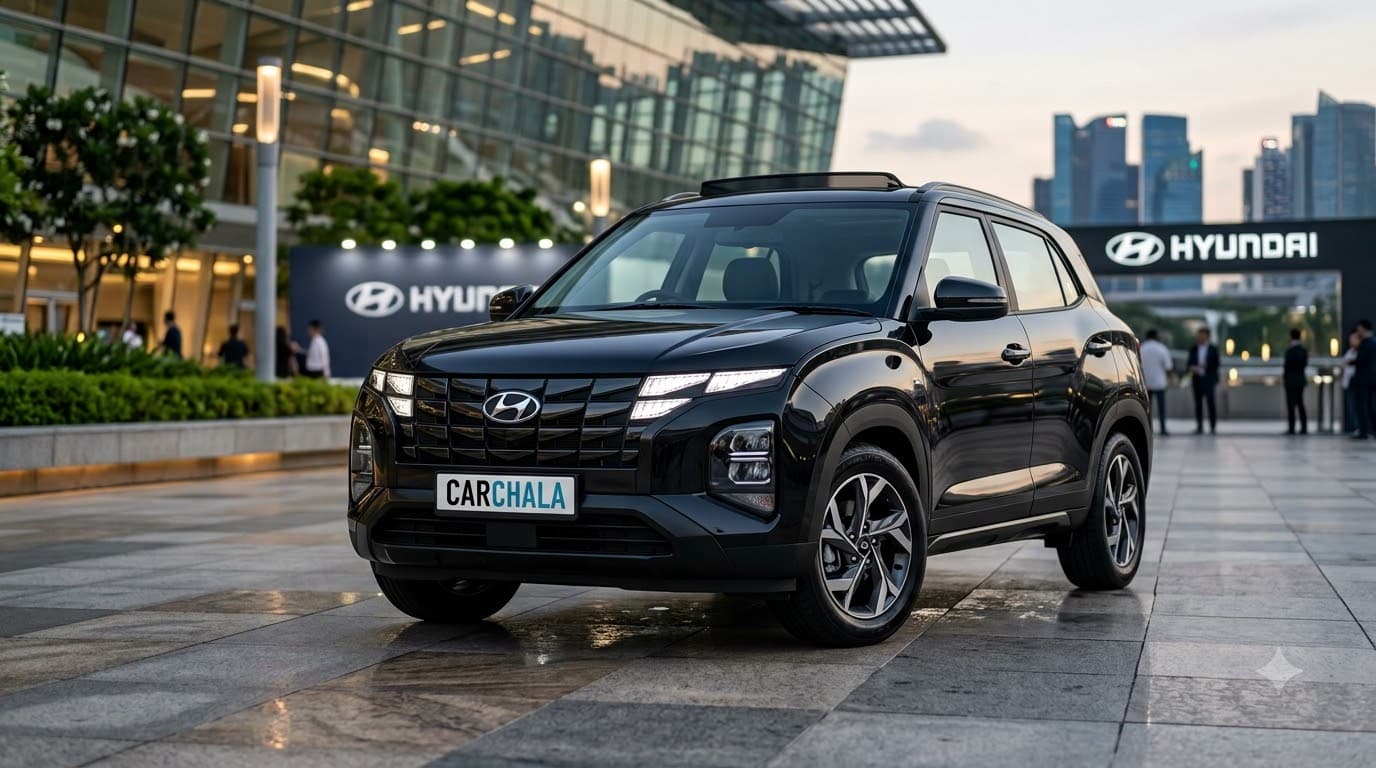
Hyundai Hyundai Creta in Best Automatic Cars in India 2026
4.8 / 5

Hyundai Hyundai Creta

Est. On-Road Starts At: ₹13.50 - ₹24.20 Lakh

Ex-Showroom

₹11 - 15.95 Lakh

Mileage

18.4 kmpl

Engine

1.5L turbocharged

Safety

What we love

  • Offers three distinct automatic gearboxes: frictionless IVT for city, lightning-fast 7-speed DCT for speed, and durable 6-speed AT for diesel
  • Segment-defining cabin ambiance featuring seamless dual 10.25-inch displays, voice-controlled panoramic sunroof, and front ventilated seats
  • Hyundai SmartSense Level 2 ADAS with Stop & Go adaptive cruise control tuned exceptionally well for Indian roads
  • Supple suspension tuning that glides over broken city tarmac while maintaining confident high-speed highway poise

What to consider

  • Top-tier DCT and Knight edition automatic variants command steep pricing breaching ₹24 Lakh on-road
  • 1.5L Turbo-DCT dry clutch requires disciplined throttle habits in bumper-to-bumper jams to prevent transmission heating
  • IVT automatic lacks paddle-shift punch for high-speed aggressive highway overtakes

Verdict: The Hyundai Creta sets the gold standard for automatic SUVs in India by offering a transmission tailored to every buyer profile. Whether you want the silky, stress-free IVT for daily office runs or the ferocious 160 PS Turbo-DCT for highway sprints, the Creta delivers peerless refinement and best-in-class tech.

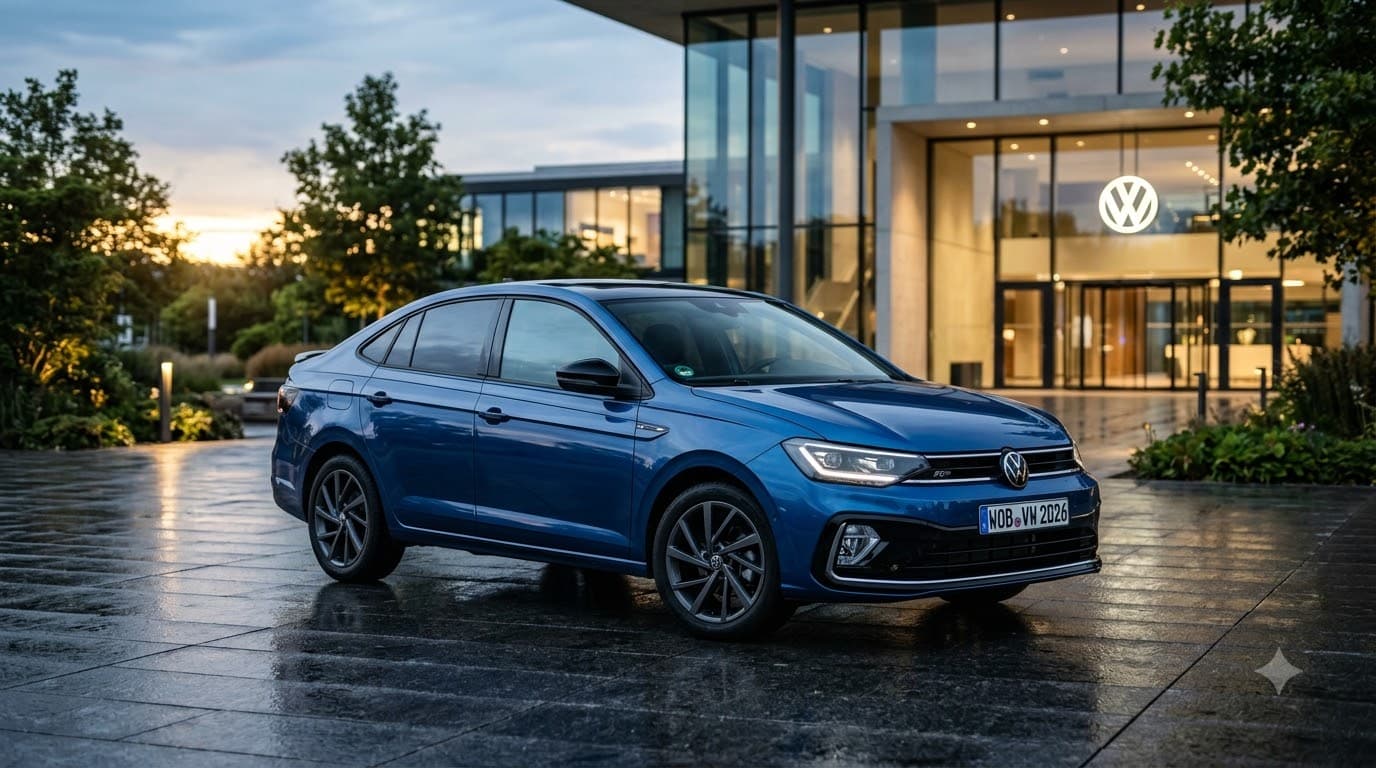
Volkswagen Volkswagen Virtus in Best Automatic Cars in India 2026
4.7 / 5

Volkswagen Volkswagen Virtus

Est. On-Road Starts At: ₹14.90 - ₹22.80 Lakh

Ex-Showroom

₹11.56 - 17.34 Lakh

Mileage

18.1 kmpl

Engine

1.2L Turbo / 1.5L Diesel

Safety

What we love

  • Flagship 1.5 TSI GT with 7-speed DSG delivers lightning-quick 50ms paddle-shift responses and 150 PS of exhilarating power
  • 1.0 TSI with 6-speed Aisin torque converter provides bulletproof mechanical reliability and buttery city shifts
  • Impeccable 5-star Global NCAP crash safety rating with high-tensile German structural rigidity
  • Class-leading 521-liter boot space and generous 179mm ground clearance that easily tackles waterlogged roads

What to consider

  • Dry-clutch DSG requires careful driving in stop-and-go jams to avoid clutch wear over long-term ownership
  • Firm European suspension setup delivers sharp highway handling but feels slightly stiff over sharp city potholes
  • Scheduled maintenance and specialized spare parts cost more than Japanese counterparts

Verdict: The Volkswagen Virtus is the undisputed driving enthusiast's automatic sedan under ₹25 Lakh. While the 1.0L Torque Converter offers bulletproof durability for stressful city gridlocks, the GT 1.5 TSI DSG delivers addictive paddle-shift precision and rock-solid Autobahn-grade highway stability.

Skoda Skoda Slavia in Best Automatic Cars in India 2026
4.6 / 5

Skoda Skoda Slavia

Est. On-Road Starts At: ₹14.60 - ₹22.50 Lakh

Ex-Showroom

₹10.69 - 16.04 Lakh

Mileage

18.7 kmpl

Engine

1.2L Turbo / 1.5L Diesel

Safety

What we love

  • Silky, durable 6-speed torque converter paired with the punchy 115 PS 1.0 TSI engine handles daily city traffic with zero jerkiness
  • Enthusiast-favourite 1.5 TSI DSG with Active Cylinder Technology offers explosive performance and remarkable highway efficiency
  • Full 5-star safety rating in both Global NCAP and Bharat NCAP tests with 6 standard airbags and ESC
  • Elegant European styling with a massive 521L boot and class-topping 179mm ground clearance

What to consider

  • DSG dual-clutch transmission can exhibit mild hunting between 1st and 2nd gears in crawling traffic
  • Air conditioning unit takes longer to cool the expansive cabin during peak 45°C North Indian summers
  • Touch-sensitive climate control panel is distracting to operate while driving compared to physical dials

Verdict: The Skoda Slavia strikes a masterclass balance between executive elegance and mechanical excellence. Its 1.0L Torque Converter variant provides a durable, stress-free city automatic, while the 1.5 TSI DSG is engineered for those who crave instantaneous throttle response and European road manners.

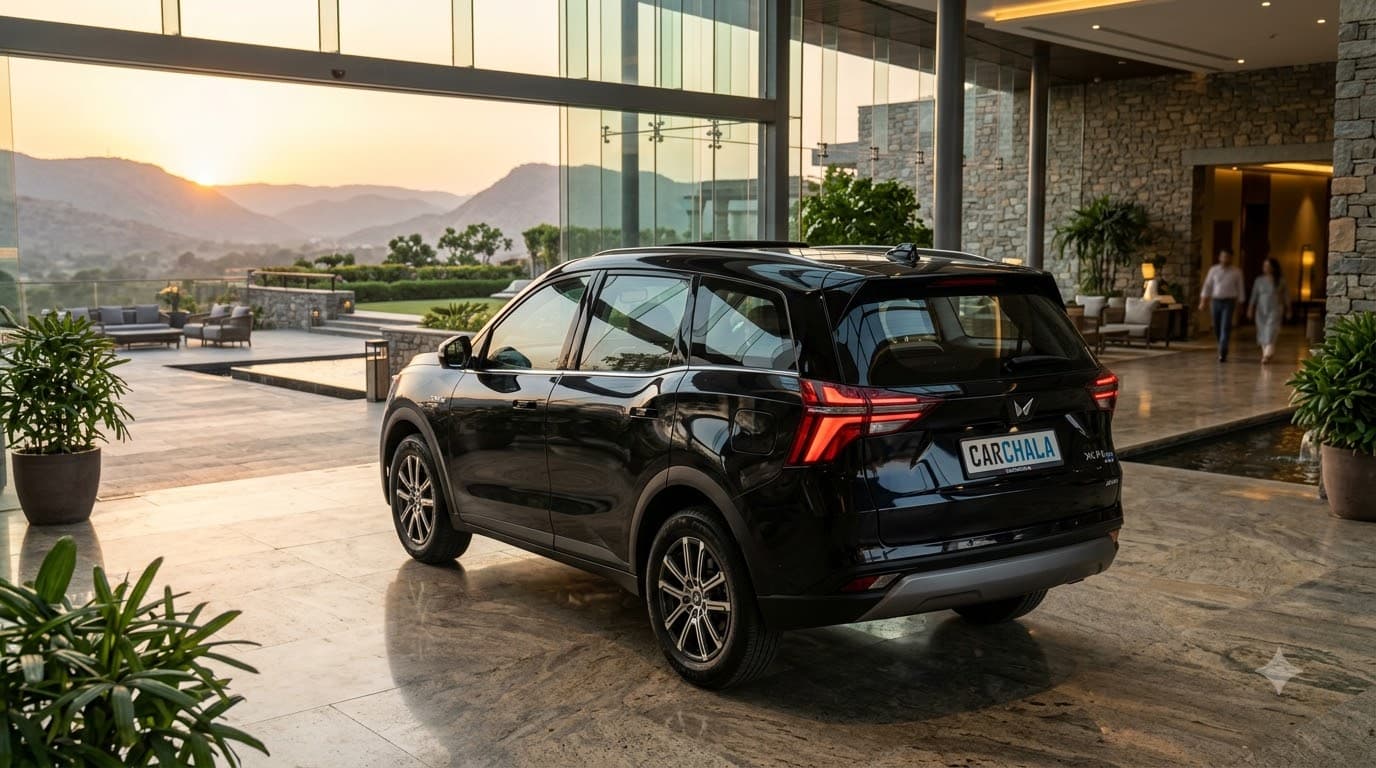
Mahindra XUV 3XO in Best Automatic Cars in India 2026
4.6 / 5

Mahindra XUV 3XO

Est. On-Road Starts At: ₹11.20 - ₹17.80 Lakh

Ex-Showroom

₹7.49 Lakh

Mileage

20.1

Engine

Standard Engine

Safety

Not Rated

What we love

  • Proper 6-speed Aisin torque converter automatic eliminates the jerky head-nod issues of rival AMT gearboxes
  • Segment-leading 1.2L mStallion direct-injection turbo-petrol churns out an immense 130 PS and 230 Nm of class-topping torque
  • First-in-segment panoramic 'Skyroof', Level 2 ADAS, 360-degree camera, and dual 10.25-inch displays
  • Plush, wide cabin offering class-topping rear shoulder room and comfortable seating for three adults

What to consider

  • Turbo-petrol AT returns modest city fuel economy (9-11 kmpl) under aggressive throttle inputs
  • Boot space of 295 liters remains on the smaller side for large family holiday luggage
  • Light-colored interior upholstery and piano black trims are prone to collecting dust and fingerprint smudges

Verdict: The Mahindra XUV 3XO is a revolutionary leap for compact automatic SUVs. Replacing compromise-laden AMTs with a premium 6-speed Aisin torque converter and pairing it with a monster 230 Nm turbo engine, it delivers unmatched overtaking muscle and exceptional urban ride comfort.

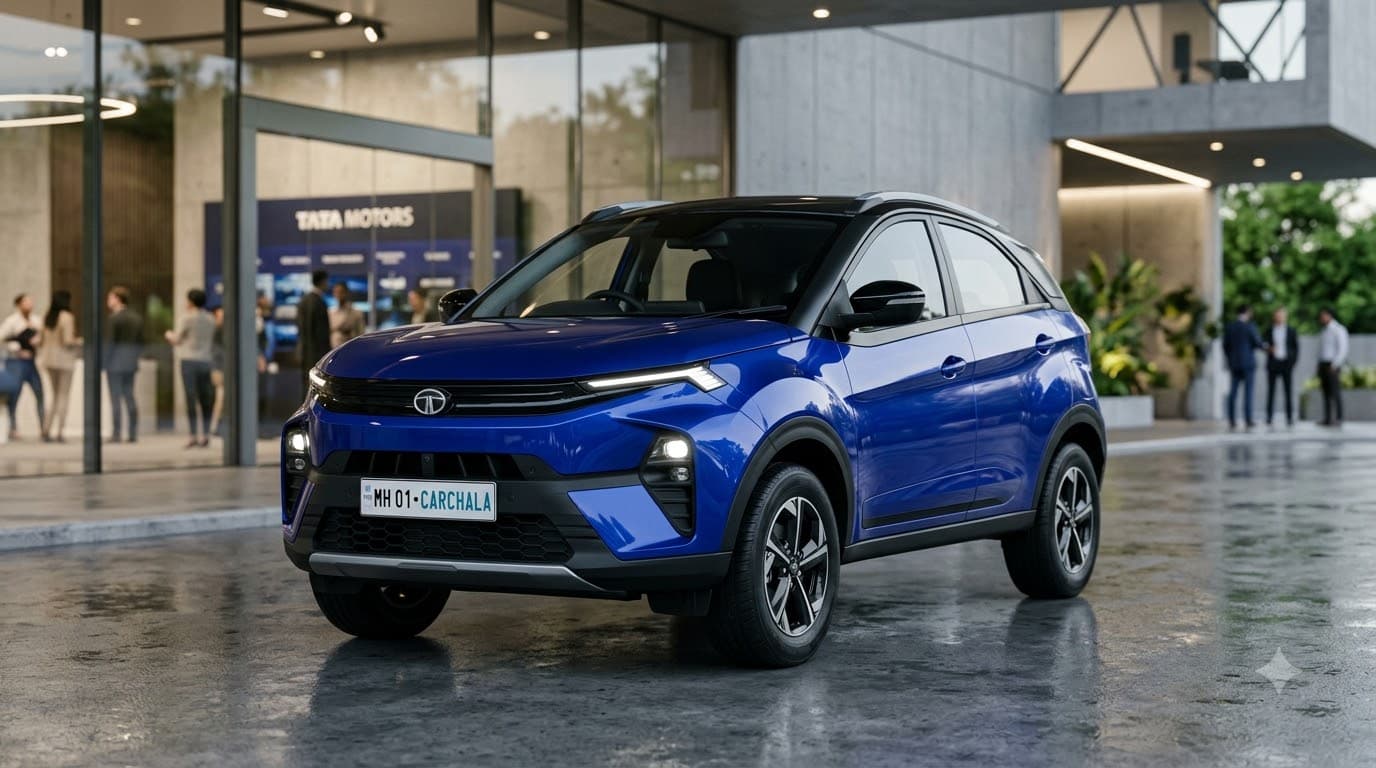
Tata Tata Nexon in Best Automatic Cars in India 2026
4.6 / 5

Tata Tata Nexon

Est. On-Road Starts At: ₹11.50 - ₹18.20 Lakh

Ex-Showroom

₹8 - 16.99 Lakh

Mileage

17.0 kmpl

Engine

1.2L Turbo / 1.5L Diesel

Safety

What we love

  • Advanced 7-speed wet-clutch DCA (Dual Clutch Automatic) features machine-learning shift logic and paddle shifters
  • Uncompromising 5-star Bharat NCAP and Global NCAP crash safety rating with standard 6 airbags and robust steel cage
  • Class-topping 208mm ground clearance and mature suspension effortlessly glide over broken roads and floodwaters
  • Futuristic cockpit featuring a 10.25-inch floating touchscreen, fully digital instrument cluster, and 360-degree camera

What to consider

  • Tata DCA dual-clutch transmission can feel slightly hesitant when downshifting during rapid throttle stomp maneuvers
  • Fit and finish of dashboard plastics and switchgear still lag slightly behind Hyundai and Kia benchmarks
  • Tata after-sales service support and workshop software calibration remain variable across dealerships

Verdict: The Tata Nexon DCA combines 5-star structural safety with sophisticated wet-clutch dual-clutch automatic technology. If high ground clearance, pothole-flattening ride quality, and maximum crash protection are your top priorities for an urban automatic SUV, the Nexon is unbeatable.

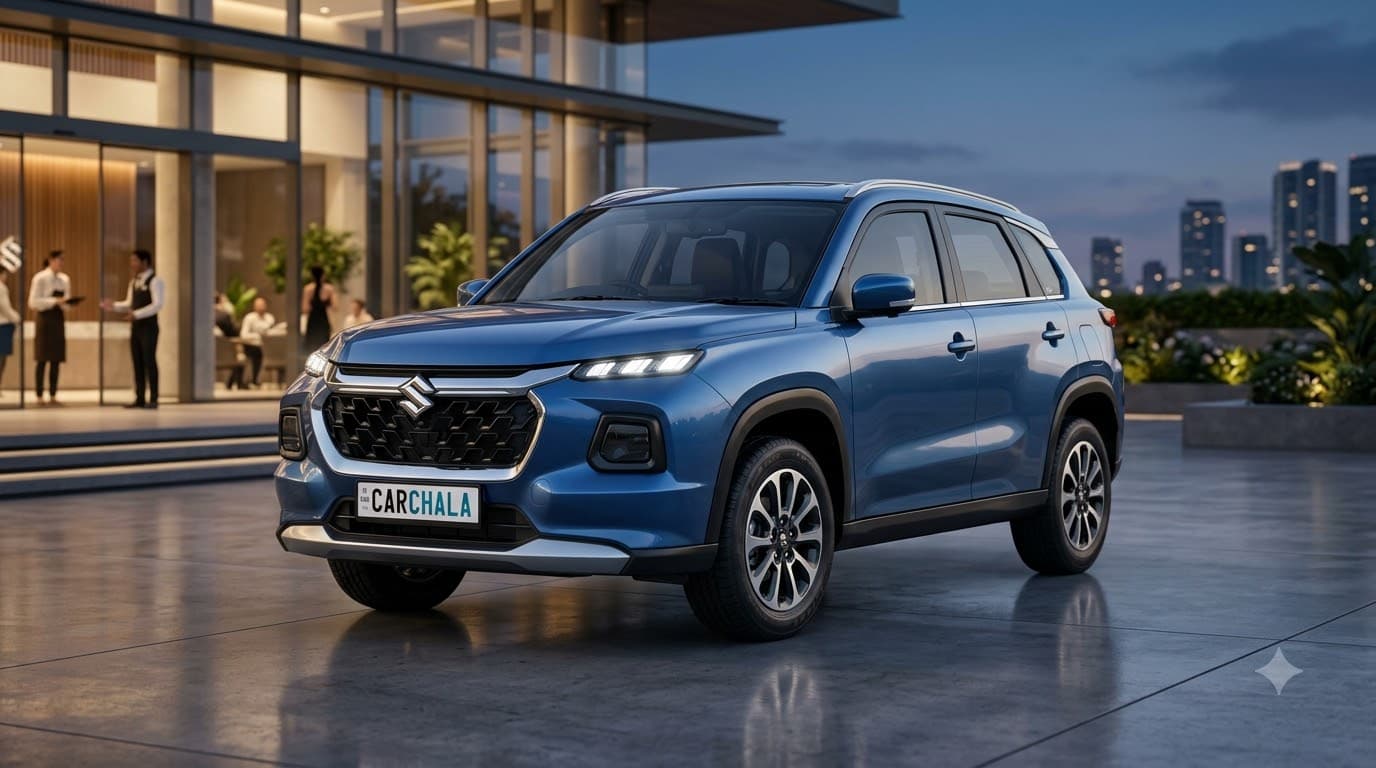
Maruti Suzuki Maruti Suzuki Grand Vitara in Best Automatic Cars in India 2026
4.6 / 5

Maruti Suzuki Maruti Suzuki Grand Vitara

Est. On-Road Starts At: ₹15.60 - ₹23.80 Lakh

Ex-Showroom

₹10.99 - 16.48 Lakh

Mileage

21.1 kmpl

Engine

1.2L Turbo / 1.5L Diesel

Safety

What we love

  • Self-charging Strong Hybrid e-CVT delivers an astonishing 27.97 kmpl (ARAI), making it India's most fuel-efficient automatic SUV
  • Runs in whisper-quiet pure EV electric mode at low city speeds, completely eliminating urban commuting stress
  • Also offers a durable, smooth 6-speed Aisin torque converter AT with steering paddle shifters on the mild-hybrid engine
  • Plush suspension setup tuned masterfully for Indian road conditions, absorbing bumps and potholes with ease

What to consider

  • Hybrid battery pack noticeably intrudes into boot volume, reducing luggage capacity to 255 liters
  • Naturally aspirated 1.5L engine lacks the explosive mid-range overtaking punch of turbocharged competitors
  • Sunroof fabric blind is thin and allows considerable solar heat into the cabin during peak summer

Verdict: The Maruti Suzuki Grand Vitara is the ultimate antidote to soaring fuel prices and traffic jams. Its self-charging Intelligent Electric Hybrid e-CVT delivers unmatched 25+ kmpl real-world mileage and EV-like silence, backed by Maruti's unrivaled pan-India service reliability.

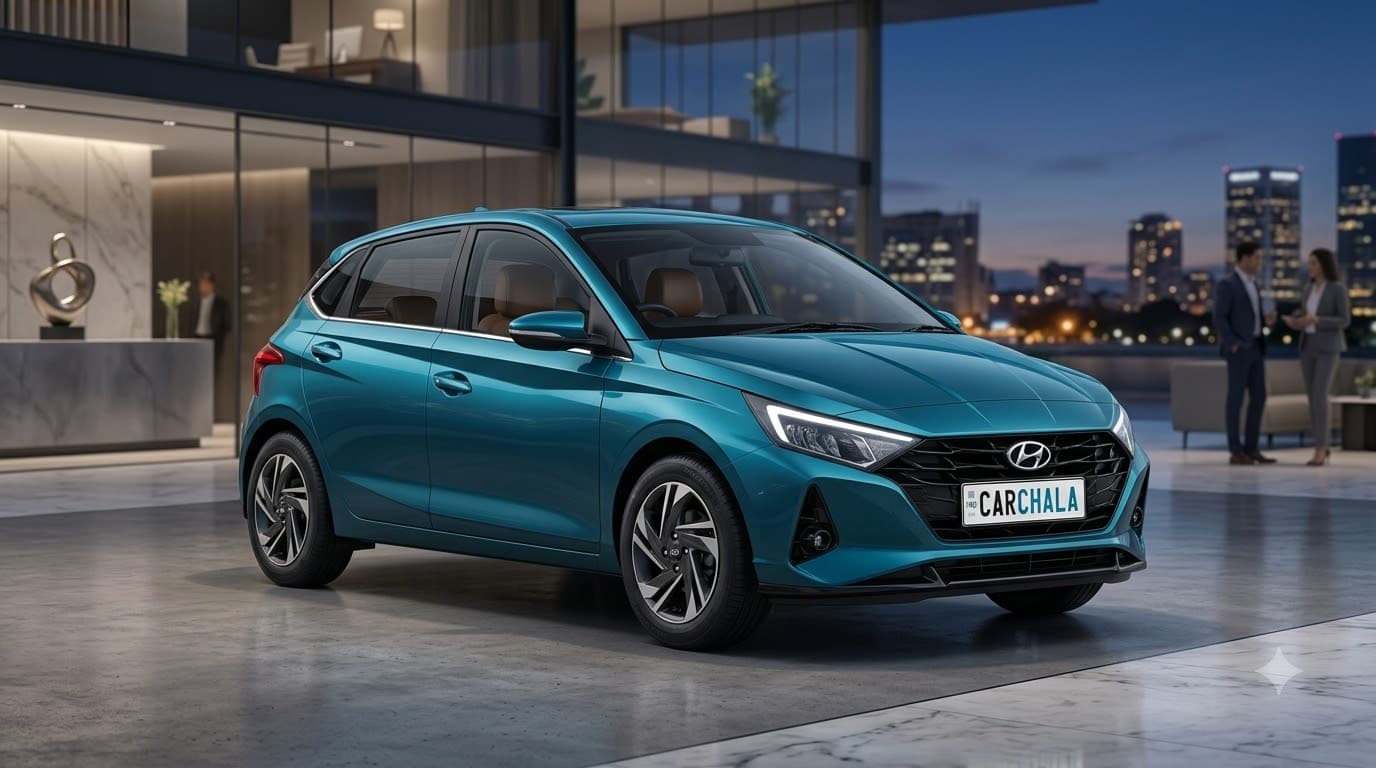
Hyundai Hyundai i20 in Best Automatic Cars in India 2026
4.5 / 5

Hyundai Hyundai i20

Est. On-Road Starts At: ₹10.50 - ₹13.40 Lakh

Ex-Showroom

₹7.04 - 10.21 Lakh

Mileage

20.0 kmpl

Engine

1.2L naturally aspirated / 1.5L turbocharged

Safety

What we love

  • Intelligent Variable Transmission (IVT) utilizes a durable steel chain drive to provide 100% jerk-free urban acceleration
  • Segment-best interior ambiance with 10.25-inch infotainment, 7-speaker Bose sound system, and air purifier
  • Superb NVH insulation ensures a hushed, tranquil cabin isolated from noisy city traffic
  • Feather-light steering and well-tuned idle creep make tight city parking and U-turns completely effortless

What to consider

  • Noticeable CVT rubber-band effect when flooring the accelerator pedal on open highways
  • City fuel economy drops to 11-13 kmpl in dense, choked metropolitan traffic
  • Top-spec automatic variants carry a premium price tag crossing ₹13 Lakh on-road

Verdict: The Hyundai i20 IVT is the gold standard for premium automatic hatchbacks in India. Its stepless automatic transmission provides a tranquil, shift-shock-free commute, complemented by an upscale cabin and feature suite that puts many compact SUVs to shame.

Kia Sonet in Best Automatic Cars in India 2026
4.6 / 5

Kia Sonet

Est. On-Road Starts At: ₹12.20 - ₹18.50 Lakh

Ex-Showroom

₹7.41 - 14.27 Lakh

Mileage

18.4 kmpl

Engine

1.2L Turbo / 1.5L Diesel

Safety

What we love

  • Offers both a rapid 7-speed dual-clutch automatic (1.0 Turbo) and a silky 6-speed torque converter (1.5 Diesel)
  • Segment-exclusive front ventilated seats, dual 10.25-inch digital screens, and Level 1 ADAS safety tech
  • Muscular, aggressive SUV styling with stunning LED lighting and high-quality dashboard switchgear
  • Diesel automatic variant delivers an exceptional balance of 250 Nm pulling torque and 18+ kmpl real-world efficiency

What to consider

  • Rear-seat legroom is snug for tall adult passengers compared to the Brezza and Nexon
  • Suspension setup is tuned on the firmer side, transmitting sharp road imperfections at lower city speeds
  • Turbo-DCT transmission requires careful crawling in heavy stop-and-go traffic to avoid thermal warnings

Verdict: The Kia Sonet is the tech-loaded pocket rocket of compact automatic SUVs. With the choice between a razor-sharp 7-speed Turbo-DCT and a buttery, torque-rich 6-speed Diesel AT, it delivers unmatched powertrain sophistication and feature-packed luxury in a sub-4-meter footprint.

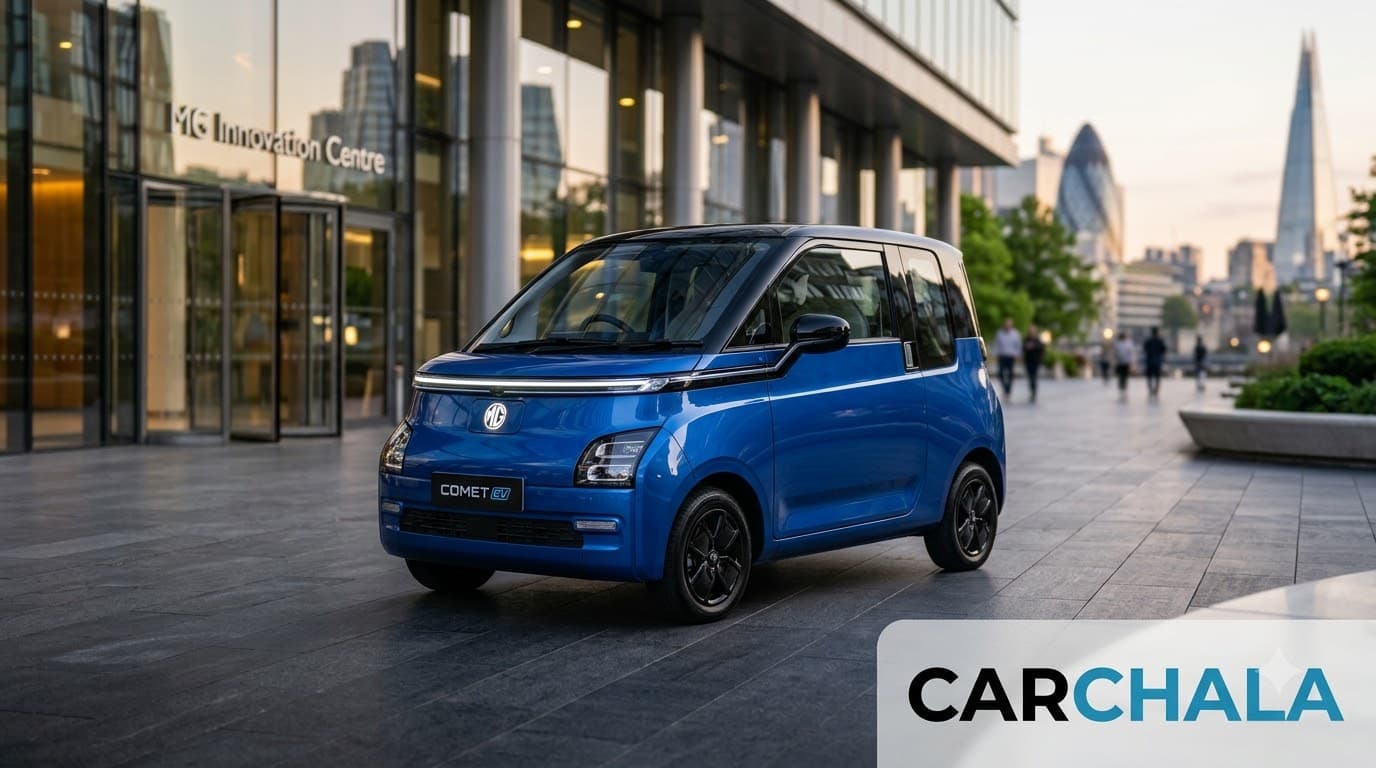
MG Comet EV in Best Automatic Cars in India 2026
3.4 / 5

MG Comet EV

Est. On-Road Starts At: ₹8.04 Lakh

Ex-Showroom

₹6.99 Lakh

Mileage

230

Engine

Standard Engine

Safety

Not Rated

What we love

  • Striking exterior design
  • Refined and smooth engine
  • Spacious and comfortable cabin

What to consider

  • Top variants are quite expensive
  • Missing some premium features
  • Firm ride quality at low speeds

Verdict: The MG Comet EV stands out as an excellent choice in this segment.

Slightly Over Budget (But Worth The Stretch)

If you can push your budget a bit further, these cars offer massive upgrades.

Mahindra Mahindra XUV700 in Best Automatic Cars in India 2026
4.1 / 5

Mahindra Mahindra XUV700

Est. On-Road Starts At: ₹16.09 Lakh

Recommended Stretch

₹30.50 Lakh

Mileage

16.5 kmpl

Engine

1.2L Turbo / 1.5L Diesel

Safety

What we love

  • Heavy-duty 6-speed Aisin torque converter effortlessly channels 200 PS petrol power and 450 Nm diesel torque with zero shift shudder
  • Unshakeable high-speed highway stability, Frequency Selective Damping (FSD) suspension, and 5-star Global NCAP structural safety
  • Spectacular dual 10.25-inch superscreen cockpit, immersive 12-speaker Sony 3D audio, and comprehensive Level 2 ADAS suite

What to consider

  • 2.0L Turbo-petrol AT delivers single-digit city fuel economy (7-9 kmpl) in heavy metropolitan stop-and-go jams
  • Substantial physical dimensions and wide turning circle require extra care in congested city lanes and tight parking basements

Why stretch for this? If you can stretch your budget to ₹18.50 - ₹30.50 Lakh, the Mahindra XUV700 unlocks a world-class 6-speed Aisin torque converter automatic paired with either a monstrous 200 PS turbo-petrol or 185 PS / 450 Nm diesel engine, Level 2 ADAS, genuine 7-seater practicality, and 5-star Global NCAP crash safety.

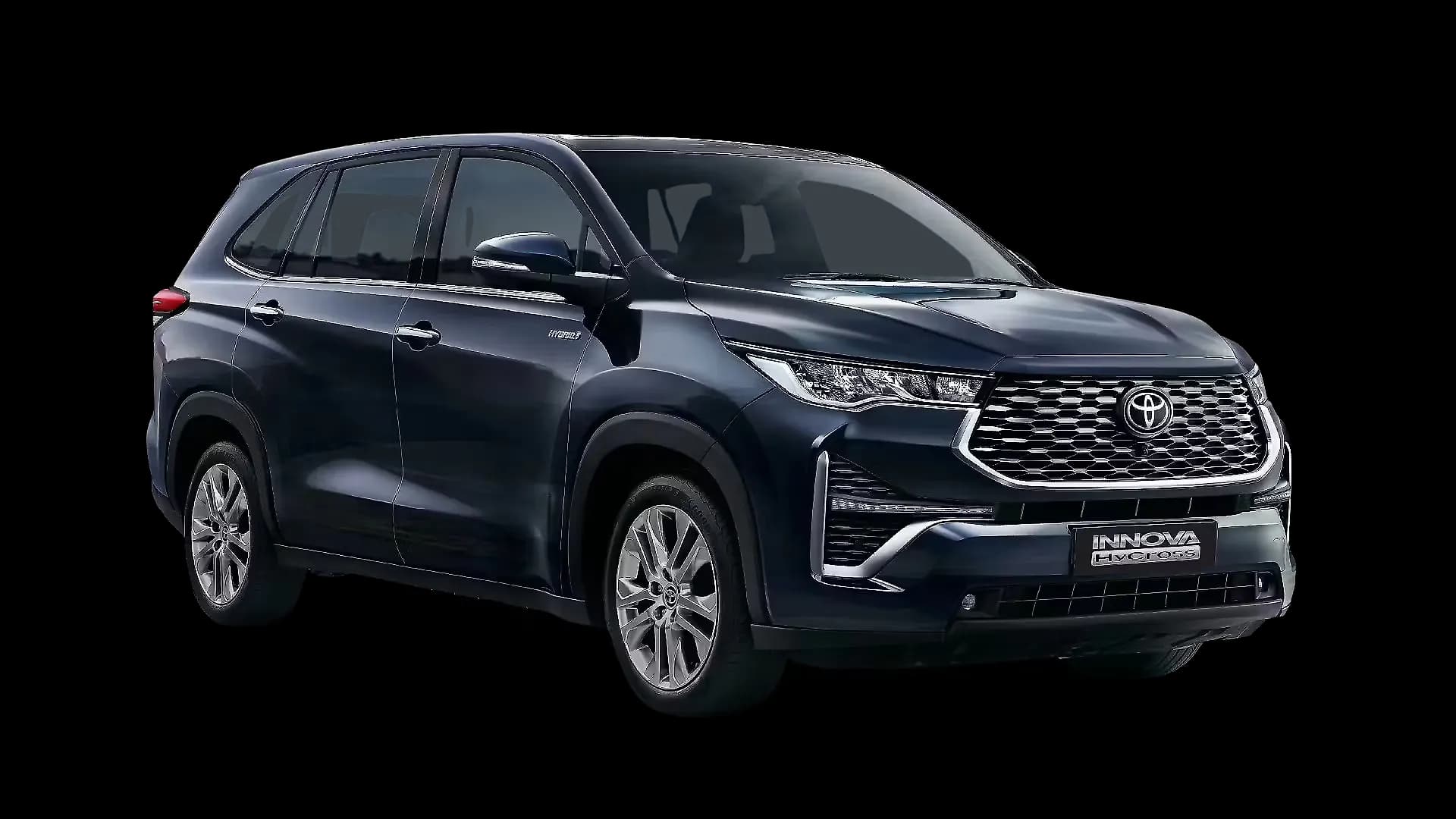
Toyota Toyota Innova Hycross in Best Automatic Cars in India 2026
4.2 / 5

Toyota Toyota Innova Hycross

Est. On-Road Starts At: ₹22.74 Lakh

Recommended Stretch

₹38.00 Lakh

Mileage

21.1 kmpl

Engine

1.5L turbocharged

Safety

What we love

  • Self-charging 2.0L Strong Hybrid with e-CVT delivers effortless, stepless acceleration and exceptional 21+ kmpl real-world mileage
  • First-class airline luxury with powered Ottoman captain seats, dual-zone climate control, and massive panoramic sunroof
  • Monocoque TNGA-C chassis delivers car-like handling, light steering, and supreme ride comfort across all three rows

What to consider

  • Waiting periods for top-spec ZX and ZX(O) Strong Hybrid variants often stretch from 4 to 8 months
  • Interior plastic textures on lower door panels and dashboard feel utilitarian considering the ₹35+ Lakh on-road pricing

Why stretch for this? Stretching into the ₹25.00 - ₹38.00 Lakh tier brings you the Toyota Innova Hycross — the undisputed monarch of premium automatic family movers. Its self-charging 2.0L Strong Hybrid e-CVT delivers ultra-smooth EV silence, an astonishing 21.1 kmpl mileage, powered Ottoman lounge seating, and Toyota's legendary bulletproof reliability.

The Definitive Buyer's Guide: Automatic Cars in India (2026)

In India's rapidly growing metropolitan regions—from the choked corridors of Delhi-NCR and Bengaluru's Outer Ring Road to the monsoon traffic snarls of Mumbai, Pune, Chennai, and Hyderabad—the automatic gearbox is no longer a luxury gadget. It has become an essential health and lifestyle necessity that eliminates left-foot clutch strain and reduces driving fatigue by up to 70% during peak-hour commutes.

However, modern two-pedal vehicles in India utilize fundamentally different transmission engineering. Selecting the wrong transmission for your commuting patterns can lead to frustrating shift lag, disappointing real-world fuel economy, or expensive premature clutch wear. Here is our comprehensive guide to mastering the Indian automatic car market in 2026.

What We Love About Modern Automatic Cars

  • Zero Left-Foot Fatigue: Eliminate calf cramps and knee strain permanently during grueling 5 km/h bumper-to-bumper city office traffic.
  • Seamless Hill-Start and Creep Assist: Built-in idle creep and Electronic Hill Hold ensure your vehicle crawls forward smoothly in jams and never rolls backward on steep flyovers or mall parking ramps.
  • Optimized Shifting Efficiency: Modern computer-controlled gearboxes (especially stepped CVTs and e-CVT hybrids) shift at mathematically optimal engine RPMs, achieving fuel economy figures exceeding 20 to 27 kmpl.
  • Integrated ADAS Capability: Advanced safety tech like Adaptive Cruise Control with Stop & Go and Traffic Jam Assist functions seamlessly only when paired with automatic gearboxes.

What to Consider Before Buying an Automatic Car

  • Transmission Matching: Match the gearbox to your routine: CVTs for silky city smoothness, Torque Converters for indestructible long-term durability, and DCTs for sporty highway acceleration.
  • City Fuel Consumption Realities: While hybrids and CVTs excel in traffic, traditional torque converters and high-performance dual-clutches can consume 10-15% more fuel in heavy city stop-and-go driving due to hydraulic drag and performance mapping.
  • Thermal Sensitivity in Extreme Heat: Dry-clutch DCTs require disciplined driving habits in crawling 40°C+ summer traffic. Drivers should avoid continuous brake-feathering to protect clutch plates from thermal strain.
  • Warranty and Insurance Protection: Replacing complex mechatronics modules or dual-clutch assemblies outside warranty can cost between ₹1.2 to ₹3.5 Lakh. Purchasing maximum 5 to 7-year extended warranties and Engine/Gearbox Protection insurance add-ons is strongly recommended.

The 4 Automatic Transmission Technologies Explained

Transmission TypeShift SmoothnessCity MileageHighway PerformanceMaintenance Cost
CVT / IVT / e-CVTFlawless (Stepless)14 - 27 kmplRelaxed & LinearModerate (₹₹₹)
Torque Converter (AT)Very Smooth11 - 15 kmplPunchy & EffortlessLow to Moderate (₹₹₹)
DCT / DSG / DCAUltra-Fast & Crisp11 - 15 kmplOutstanding & SportyHigh (₹₹₹₹)
AMT (AGS)Fair (Noticeable Pause)20 - 26 kmplAdequateLowest (₹₹)

Key Driving Habits to Prolong Automatic Transmission Life

  • Shift to Neutral (N) at Prolonged Signals: In Torque Converter and DCT cars, holding the foot brake in Drive (D) at traffic lights exceeding 30 seconds strains transmission fluid or causes friction plates to slip. Shift to Neutral and engage the handbrake.
  • Never Ride the Creep in a Dual-Clutch: In crawling traffic, avoid feathering the brake continuously at 2-3 km/h. Allow a 1-car gap to open, lift off the brake fully so the clutch engages completely, and then brake to a smooth halt.
  • Come to a Complete Stop Before Shifting Modes: Never shift between Drive (D) and Reverse (R) while the vehicle is still rolling. Doing so sends intense shock loads through the transmission lock pawls and planetary gears.
  • Never Drive with Both Feet: Always rest your left foot securely on the dead pedal. Two-foot driving often causes accidental simultaneous brake-throttle overlap, overheating the brake rotors and confusing the transmission control unit.

Frequently Asked Questions

Which automatic transmission is best for heavy stop-and-go city traffic in India?

For dense, crawling city traffic, a CVT (Continuously Variable Transmission) or IVT is objectively the smoothest and most relaxing option. Because CVTs utilize variable-diameter pulleys and high-tensile steel belts instead of physical stepped gears, there are zero shift shocks, zero hesitation, and no clutch plates to overheat during endless 5 km/h crawls. Modern Torque Converters (AT), such as the 6-speed Aisin units in the Mahindra XUV 3XO and Maruti Brezza, are an equally durable and smooth alternative.

What is the mechanical difference between AMT, CVT, DCT, and Torque Converter?

Here is how each automatic transmission fundamentally operates:

  • AMT (Automated Manual): A regular manual gearbox fitted with robotic electronic/hydraulic actuators that engage the clutch and change gears automatically.
  • CVT (Continuously Variable): A stepless system using dual conical pulleys and a steel drive belt/chain, providing infinite gear ratios without shift shock.
  • DCT / DSG (Dual-Clutch): Two separate computer-controlled clutches (one for odd gears, one for even gears) that deliver lightning-fast pre-selected gear shifts in milliseconds.
  • Torque Converter (AT): A hydraulic fluid coupling that transfers engine torque to robust planetary gearsets without physical friction plates rubbing against each other.
Do automatic cars deliver lower fuel efficiency than manual cars in India?

Fuel economy depends entirely on the transmission technology. Modern e-CVT Strong Hybrids (like the Grand Vitara at 27.97 kmpl) and AMTs deliver equal or superior mileage compared to manuals because computerized shift points are calibrated for peak thermal efficiency. CVTs deliver within 5-10% of manual figures. However, traditional Torque Converters and high-performance DCTs consume 10-15% more fuel in heavy city stop-and-go traffic due to hydraulic drag and performance mapping, though they match manuals on open cruising highways.

Why do DCT and DSG gearboxes sometimes overheat in bumper-to-bumper Indian traffic?

Most mass-market dual-clutch automatics (such as the 7-speed DCTs in compact SUVs) use dry clutches. When a driver continuously feathers the brake pedal to inch forward at 2-4 km/h in dense traffic, the electronic clutch remains in a perpetual state of half-engagement (slipping), generating extreme friction heat. Without sufficient airflow to cool the assembly, the transmission triggers a high-temperature warning. To prevent this, leave a gap, let the car fully engage the gear, and avoid continuous brake-feathering.

How can you minimize the 'head-nod' shift pause in AMT cars?

The 'head-nod' effect in AMT vehicles is caused by the brief 0.5-second power interruption when the robotic actuator disengages the clutch, selects the next gear, and re-engages. Because the throttle is depressed while power cuts momentarily, occupants pitch slightly forward. You can virtually eliminate this by slightly easing off the accelerator pedal around 2,000 RPM right when you anticipate an upshift, allowing the actuator to slide seamlessly into the next gear.

Which automatic car transmission has the lowest maintenance and repair costs in India?

AMT (Automated Manual Transmission) has the lowest maintenance costs by a substantial margin. It uses standard, inexpensive manual clutch plates (₹4,000 to ₹8,000) and ordinary gear oil. If an actuator unit ever fails outside warranty, replacement costs around ₹25,000 to ₹40,000. In contrast, replacing a faulty Mechatronics control module or dual-clutch pack in a DCT can cost between ₹1.5 Lakh and ₹3.5 Lakh.

Is an extended warranty and Gearbox Protection insurance cover essential for automatic cars?

Yes, absolutely. While manual gearboxes rarely suffer complex electronic failures, automatic transmissions (especially DCTs, DSGs, and CVTs) rely on sophisticated mechatronic control units, hydraulic valve bodies, and precision solenoids. An extended 5-to-7-year OEM warranty protects against factory component failures, while an Engine & Gearbox Protector insurance add-on guarantees coverage against floodwater ingress (hydrostatic lock) and underbody impact damage.

Can you push-start or tow an automatic car if the battery dies?

No, you cannot push-start any automatic car. In an automatic vehicle, the hydraulic pressure or electronic actuators required to engage the clutch and connect the transmission to the engine cannot operate without battery voltage and engine rotation. Attempting to push-start an automatic can cause severe internal transmission damage. Always use jumper cables or a portable booster pack. When towing, always use a flatbed truck rather than towing with the drive wheels on the ground.

How do Hill Hold Assist and the Creep function work in automatic cars?

The Creep function automatically engages the clutch or torque converter at engine idle speed when you release the brake pedal in Drive (D), propelling the car forward at a steady 5-8 km/h without touching the accelerator—ideal for parking and crawling traffic. Hill Hold Assist uses ESC sensors to maintain brake line pressure for 2-3 seconds when starting on an incline, preventing the car from rolling backward before your foot transitions from the brake to the accelerator.

What is the typical lifespan of an automatic transmission in Indian conditions?

With timely transmission fluid replacements according to the manufacturer schedule, a Torque Converter easily lasts 2.5 to 3.5 Lakh kilometers with zero major repairs. CVTs typically achieve 1.5 to 2.5 Lakh km before belt inspection. Wet-clutch DCTs last 1.5 to 2.0 Lakh km, while dry-clutch DCTs in heavy urban duty may require clutch pack replacement around 80,000 to 1,20,000 km. AMTs require standard clutch plate replacement every 60,000 to 90,000 km depending on city driving intensity.