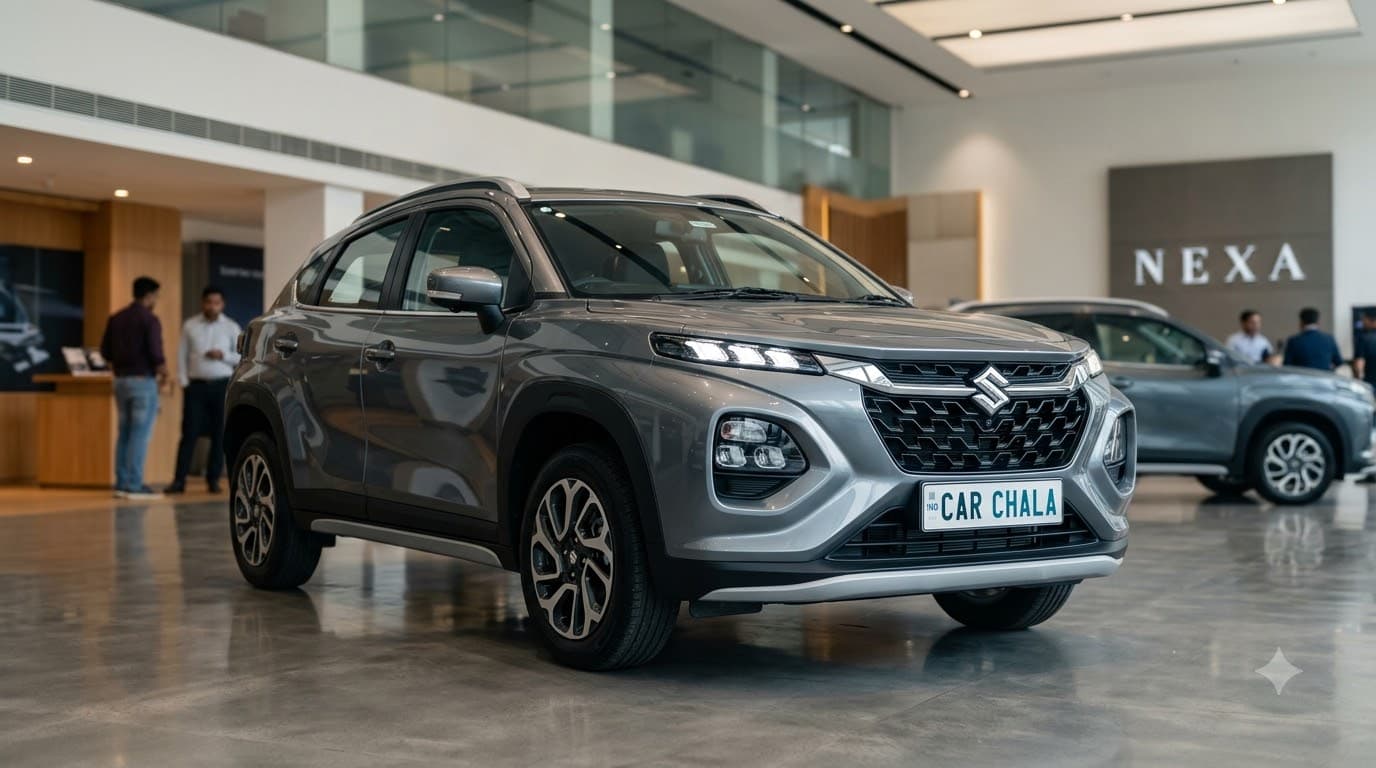
Driving across India's bustling metropolitan hubs—whether navigating the notorious Silk Board bottleneck in Bengaluru, crawling through the Western Express Highway in Mumbai, or tackling the congested arterial corridors of Delhi-NCR—demands a specialized set of automotive strengths. A long-wheelbase highway cruiser or an oversized SUV can quickly become an exhausting burden in daily urban gridlock. The ideal city car must deliver agile proportions, an effortless two-pedal transmission, excellent glasshouse visibility, and a suspension calibrated to glide over broken tarmac and unmarked speed humps.
1. Maneuverability & Turning Radius: The Golden Urban Metrics
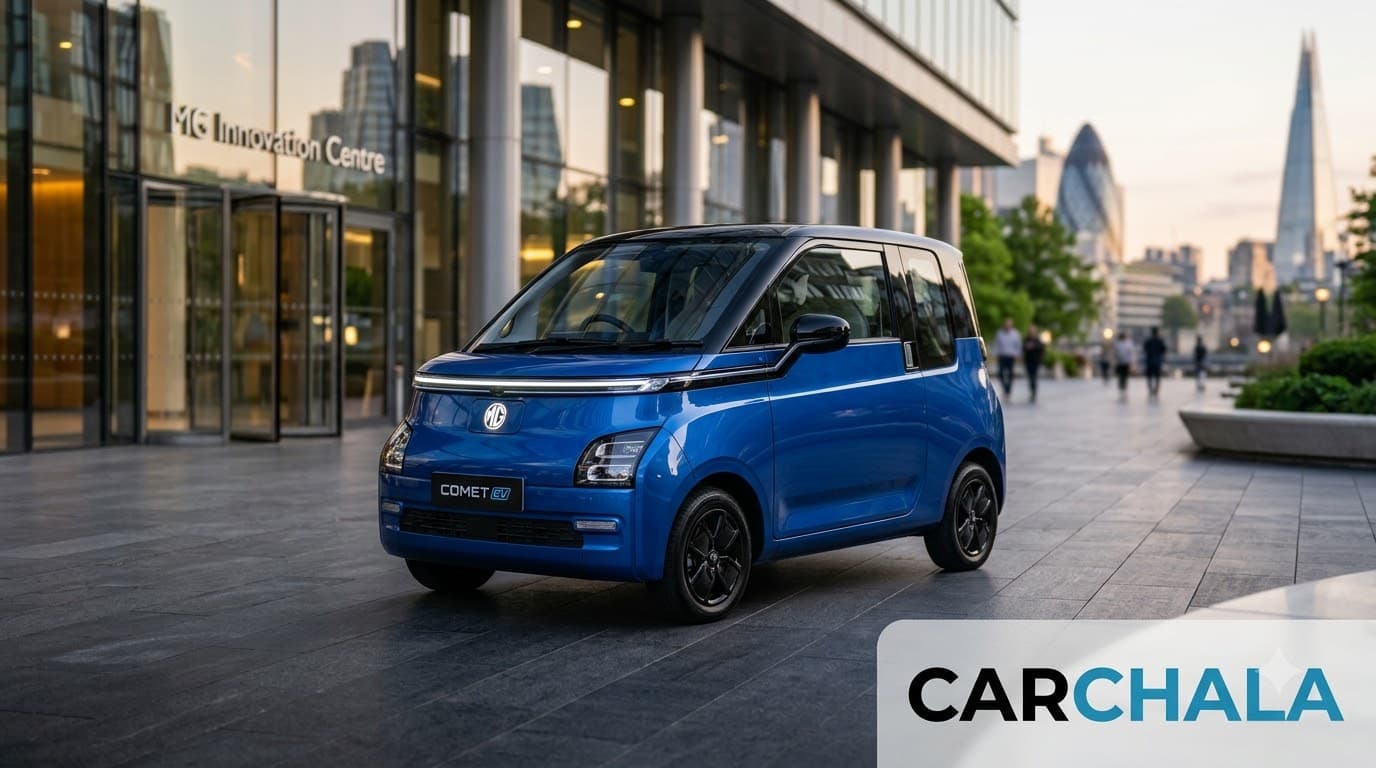
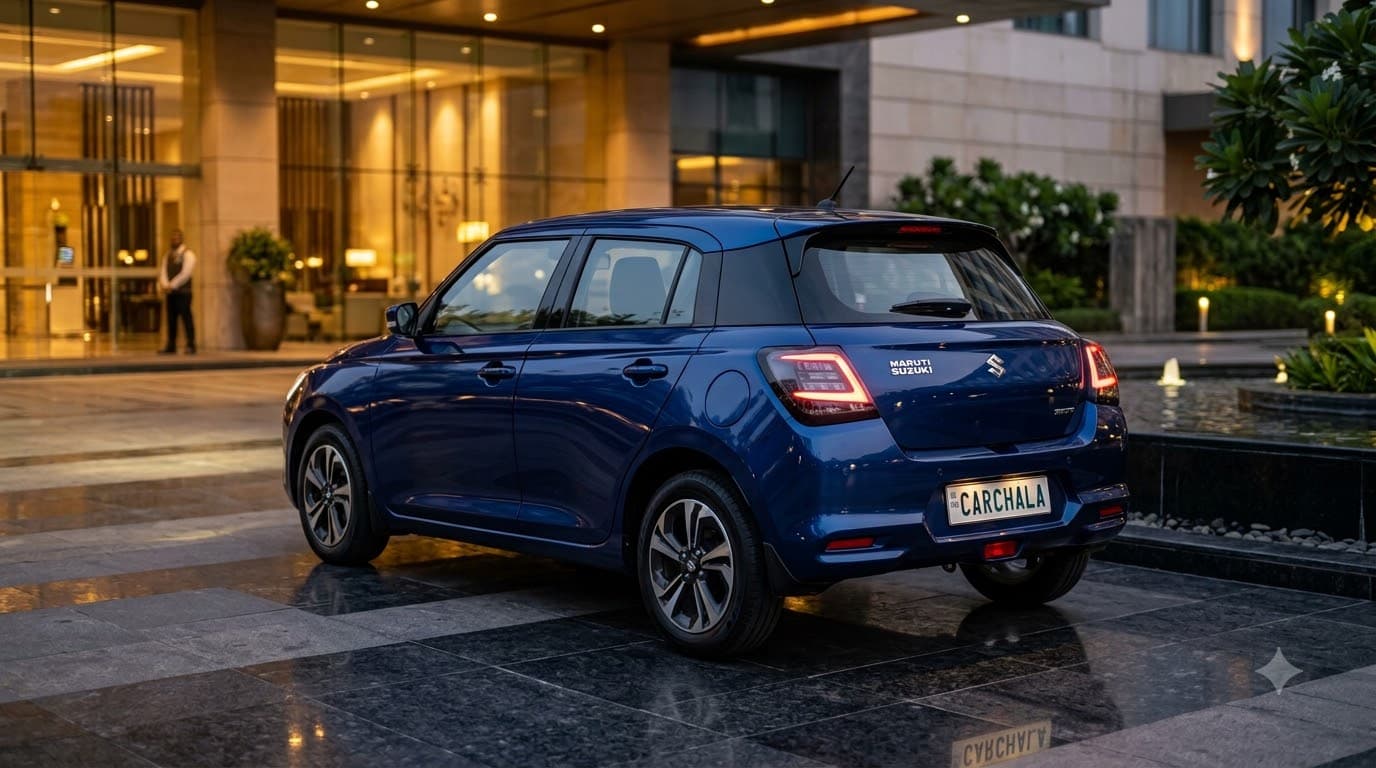
In congested city alleys, market zones, and cramped residential societies, exterior dimensions dictate your daily stress levels. The most important metric to examine is the turning radius. A turning circle under 4.8 meters—such as the Maruti Suzuki Alto K10 at 4.5m, the MG Comet EV at 4.2m, or the Maruti Suzuki Swift at 4.8m—allows you to pull off full 180-degree U-turns on narrow two-lane roads in a single fluid motion without backing into oncoming traffic.
Furthermore, keeping the overall vehicle length under 3.99 meters and width under 1.75 meters ensures that slotting between double-parked vehicles, weaving past auto-rickshaws, and navigating narrow society gates remains completely hassle-free.
2. Transmission Showdown: Which Automatic Works Best in City Traffic?
Operating a heavy clutch pedal and shifting between first and second gear hundreds of times each day leads to severe left-leg fatigue. Selecting the right two-pedal gearbox is paramount:
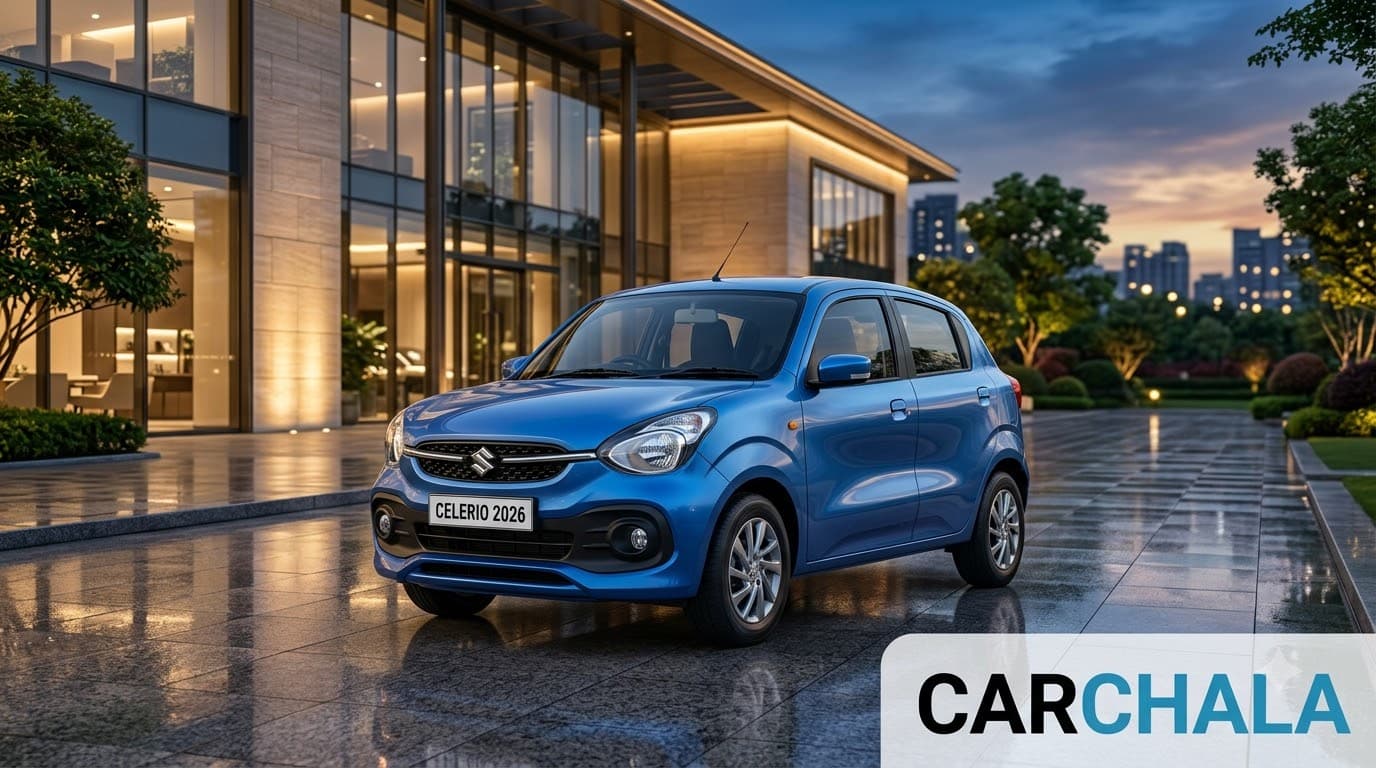
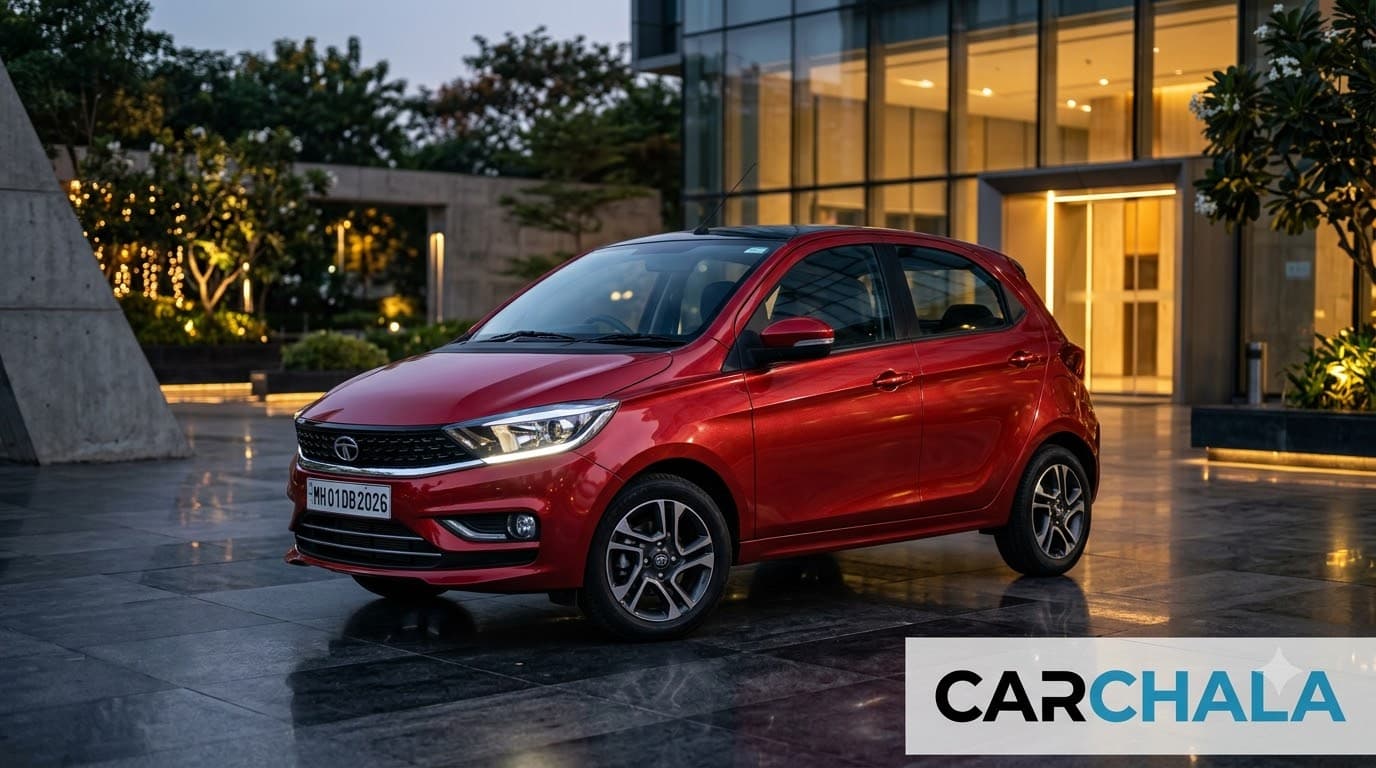
- AMT / AGS (Automated Manual Transmission): Available in the Maruti Celerio, Swift, and Tata Tiago. Highly affordable to buy and service, while delivering near-manual fuel economy. Modern iterations include Hill Start Assist, but you will experience a slight 'head-nod' or shift hesitation during sudden mid-throttle acceleration.
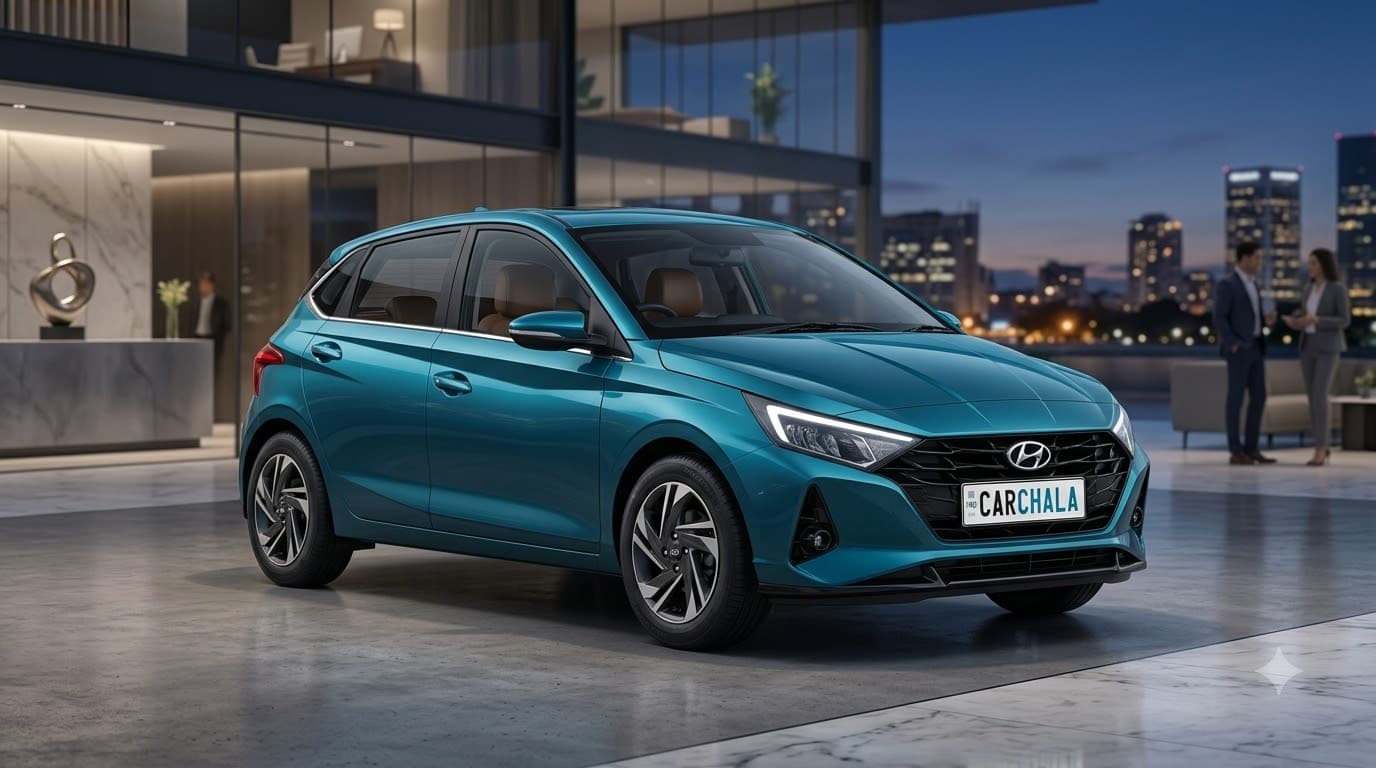
- CVT / IVT (Continuously Variable Transmission): Found in the Hyundai i20 IVT. The undisputed benchmark for smoothness, utilizing a pulley-belt system that delivers step-less, continuous acceleration with zero shift shock. Perfect for crawling urban commutes.
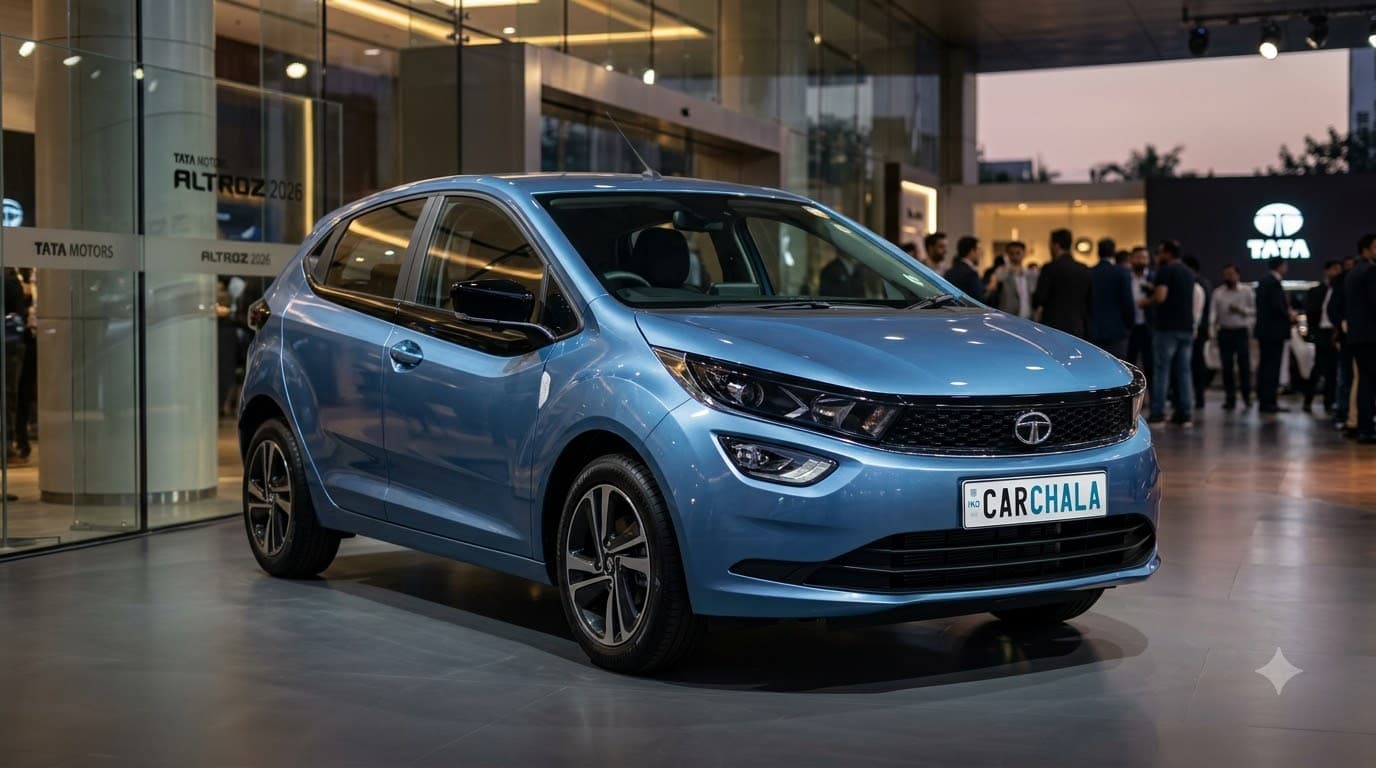
- DCA (Dual Clutch Automatic): Offered in the Tata Altroz DCA featuring wet-clutch technology. Delivers rapid, seamless gear transitions without the heat build-up risks associated with older dry-clutch automatics in slow-moving traffic.
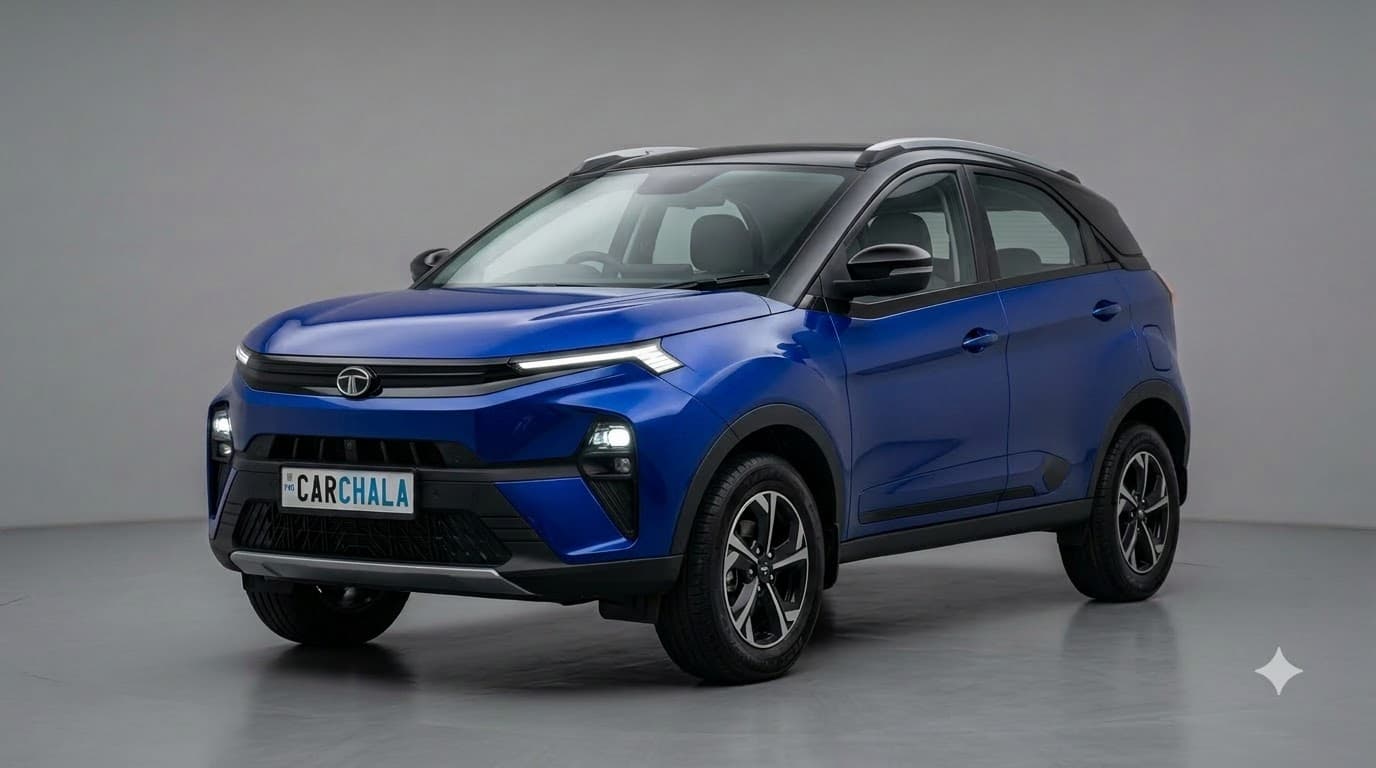
- EV Single-Speed Direct Drive: Present in electric models like the MG Comet EV and Tata Nexon EV. Instant maximum torque from zero RPM and no physical gear shifts make electric power the smoothest, quietest, and most responsive city driving solution available.
3. City Fuel Economics: Petrol vs. Factory CNG vs. Electric (EV)
Stop-and-go traffic severely degrades fuel economy due to frequent idling, low-gear operation, and heavy continuous air-conditioning load. Calculating your daily commuting distance is crucial:
- Daily Commute under 30 km: A modern, thermally efficient petrol hatchback like the Maruti Suzuki Celerio (26.68 kmpl ARAI) or Swift delivers 17-21 kmpl in real-world traffic, offering the lowest initial acquisition price and minimal routine servicing overhead.
- Daily Commute 40 km to 80 km: Factory-fitted CNG hatchbacks like the Tata Tiago iCNG and Toyota Glanza CNG reduce running costs to approximately ₹2.40 - ₹3.00 per km. Tata's twin-cylinder technology also preserves usable boot space.
- Daily Commute above 40 km with Dedicated Home Charging: An Electric Vehicle is mathematically unbeatable. Charging at standard domestic tariffs costs roughly ₹0.80 to ₹1.20 per km, saving ₹50,000 to ₹80,000 annually while completely eliminating visits to congested fuel pumps.
4. Urban Suspension & Ground Clearance Requirements
Monsoon waterlogging, excavated road patches, and oversized speed breakers represent daily hazards in Indian cities. While sedans and low-slung hatchbacks can be vulnerable to underbelly scraping, target an unladen ground clearance of at least 165mm to 175mm. A suspension tuned with progressive low-speed damping absorbs sharp concrete expansion joints and paver-block ripples smoothly without jarring the passenger cabin.
5. What We Love in Modern City Cars
Modern engineering has turned contemporary urban cars into exceptionally refined, enjoyable spaces:
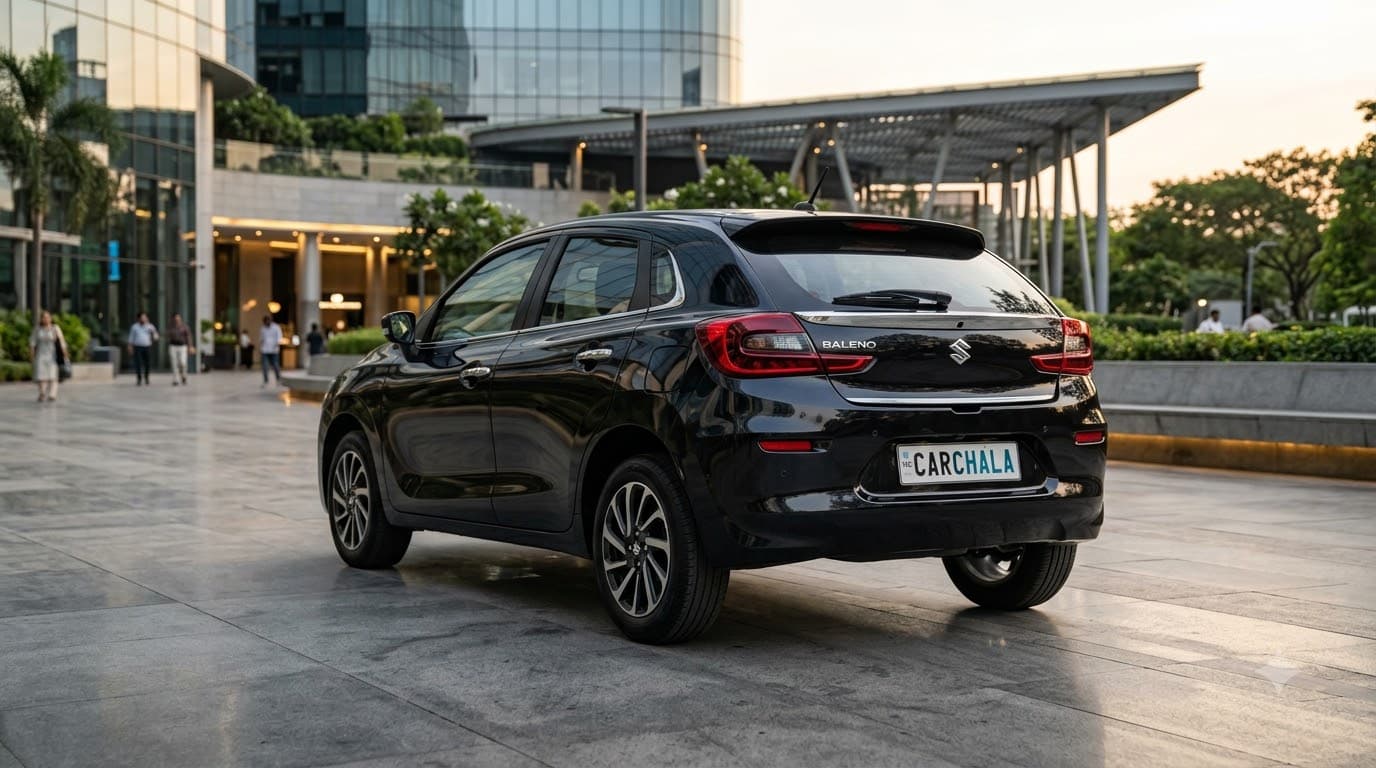
- Effortless 360-Degree Camera Systems: Premium models like the Maruti Suzuki Baleno provide birds-eye parking views that eliminate blind spots and curb-rash when squeezing into narrow commercial basement bays.
- Featherlight Electric Steering: Modern steering racks offer featherweight low-speed calibration, allowing one-finger turning maneuvers during multi-point parking and tight U-turns.
- Elevated Glasshouse & High Seating Perch: Tall-boy designs like the Maruti Suzuki Wagon R provide a commanding view of traffic ahead, drastically reducing spatial misjudgments in tight queues.
- Hill Hold Assist Standard on Automatics: Eliminates rollback anxiety when starting from a standstill on steep flyover traffic jams and multi-level parking ramps.
- Sub-₹1.00/km Operating Costs in EVs: Urban micro-EVs like the Comet EV provide whisper-quiet, zero-emission motoring at running costs cheaper than a public metro train ticket.
6. What to Consider Before Buying a City Car
While compact cars excel in urban environments, be mindful of specific practical tradeoffs before finalizing your variant:
- AMT Shift Hesitation: If you are sensitive to gear shift pauses, test-drive an AMT extensively in crawling traffic. If the momentary lag bothers you, stretch your budget for a CVT (IVT), DCA, or an EV.
- Rear Seat & Boot Space Compromises: Ultra-compact runabouts under 3.6 meters (like the Alto K10 or Comet EV) make substantial luggage room and 5-adult seating impossible. Ensure the passenger space meets your primary household needs.
- Real-World AC Mileage Degradation: Turbo-petrol and larger 4-cylinder engines can experience a 25-35% drop in fuel economy when idling in heavy summer jams with full air-conditioning. Choose naturally aspirated or hybrid powertrains if extreme frugality is your top priority.
- Crash Safety vs. Kerb Weight: Ultra-lightweight body shells deliver stellar fuel economy but often score lower on structural crash safety ratings. If you regularly use high-speed urban expressways or flyovers, prioritize robust platforms like the 5-star rated Tata Altroz.