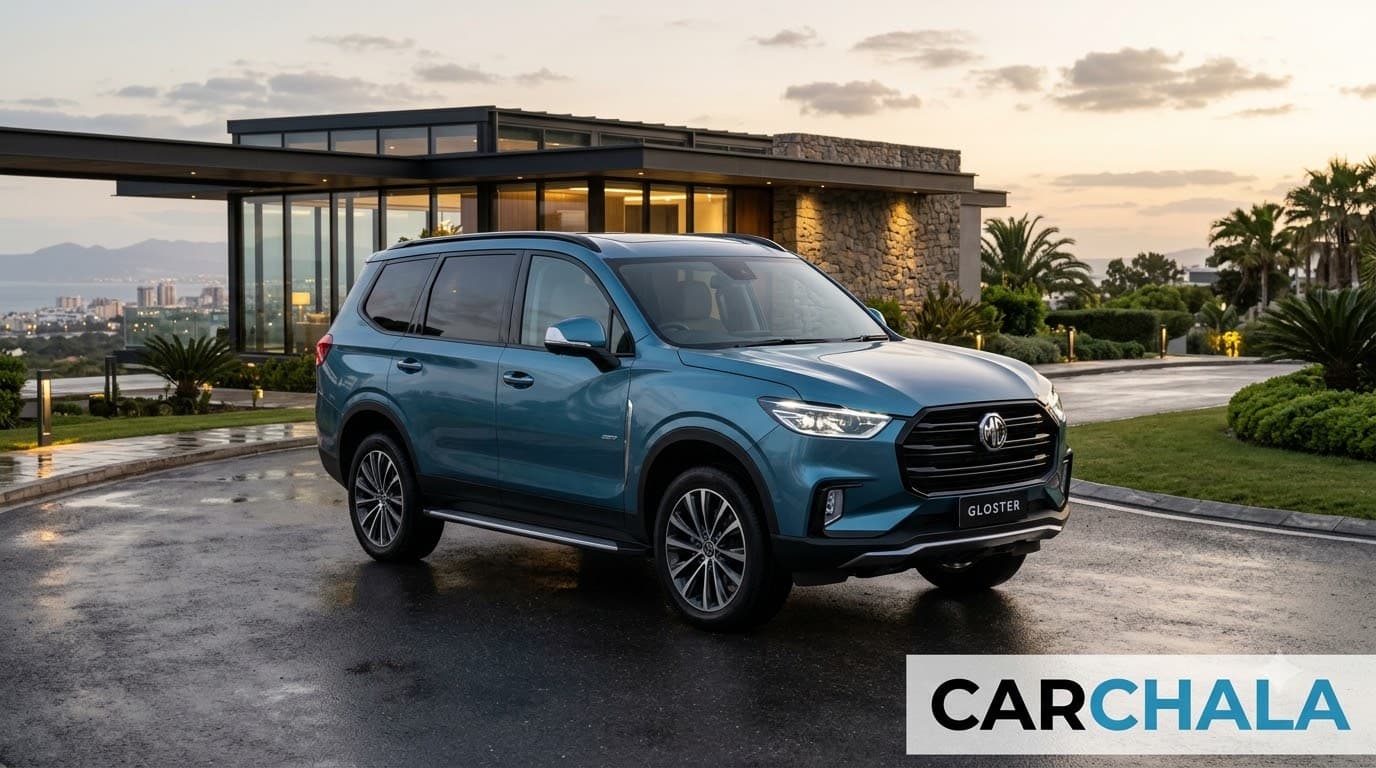
When buying a car for parents—whether for aging senior citizens who need effortless ingress or for yourself as a parent transporting infants and school-goers—the evaluation criteria diverge sharply from conventional car reviews. Zero-to-100 acceleration times, aggressive lap dynamics, and low-slung sportiness become irrelevant. In their place, H-point (hip-point) geometry, door swing angles, suspension damping frequency, cabin air diffusion, and verified multi-directional crash test ratings take center stage.
1. The Ingress & Egress Equation: H-Point Geometry vs. Joint Strain
For senior citizens suffering from arthritis, knee joint stiffness, or chronic lumbar back pain, getting in and out of a car is often the most physically taxing part of any trip. The key metric to evaluate is the H-Point (Hip Point)—the vertical distance between the road surface and the passenger's hip joint when seated.
- The Low Sedan Problem (e.g., Civic, Slavia, Virtus): With seat cushions positioned below 500mm from the ground, elderly passengers are forced to perform a deep squat while entering and must strain their quadriceps and lower back to haul themselves out upon arrival.
- The High Ladder-Frame SUV Problem (e.g., Fortuner, Scorpio-N): Body-on-frame SUVs place seat bases 750mm+ off the ground. Senior parents must haul their body weight up onto side running boards and grab roof handles to pull themselves inside, posing severe slip and fall risks.
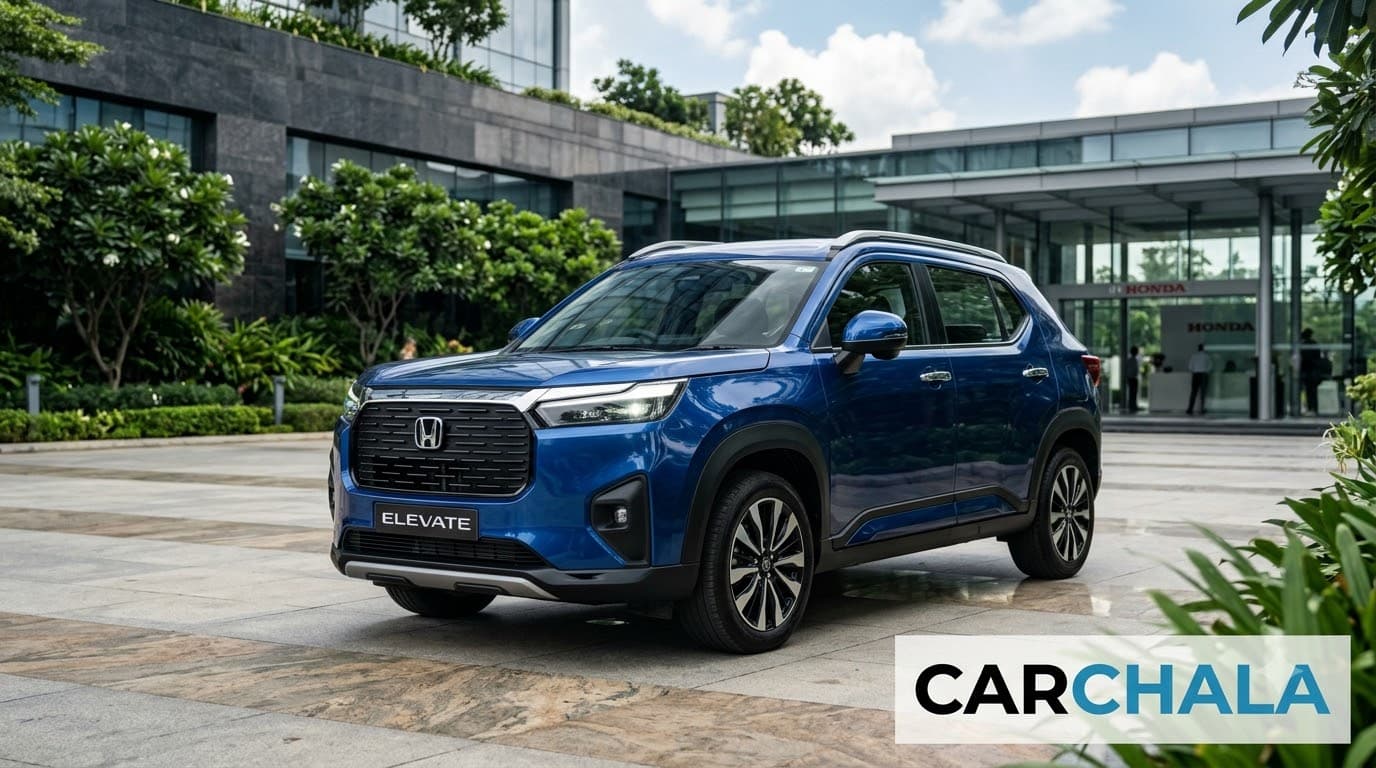
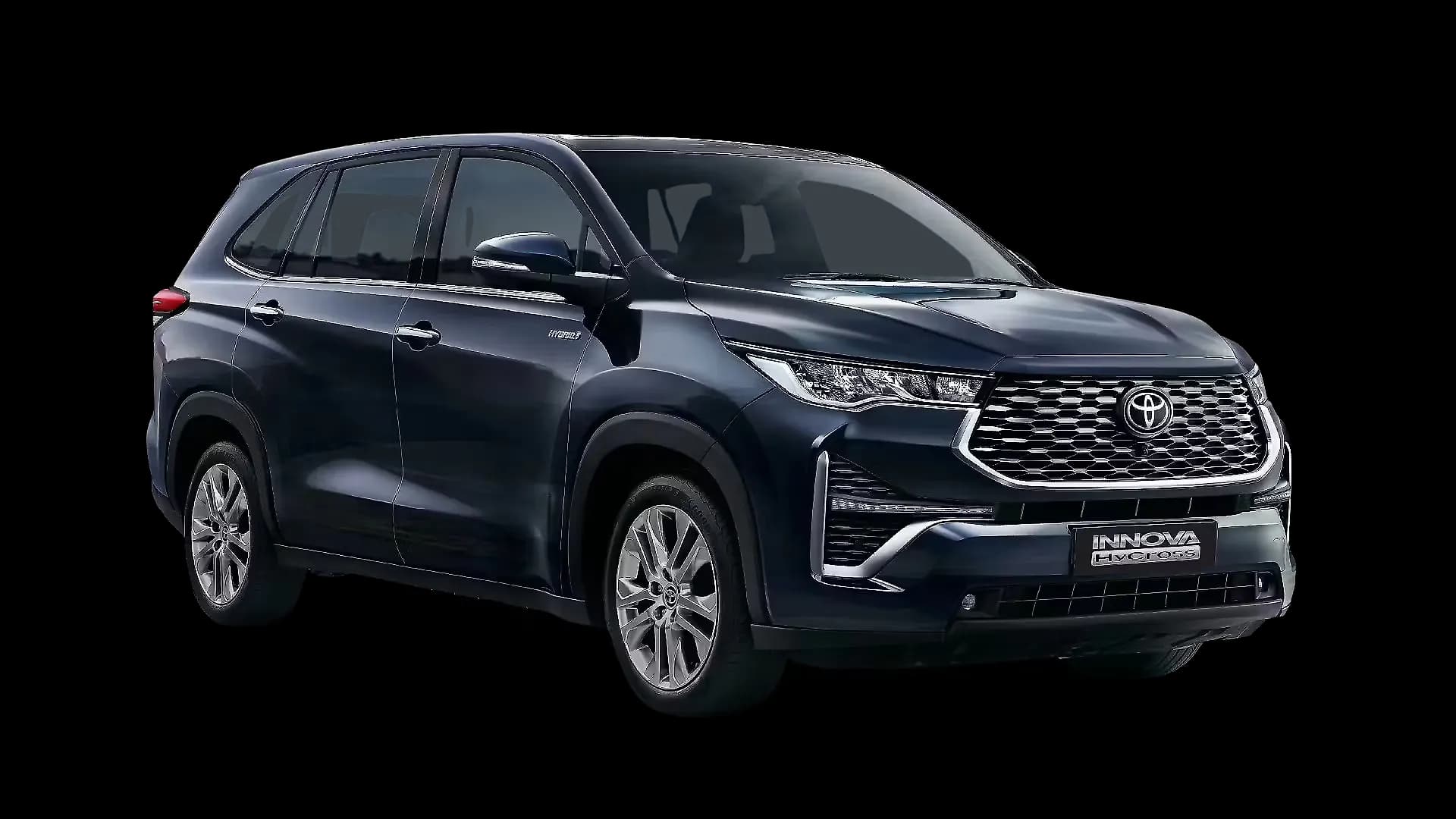
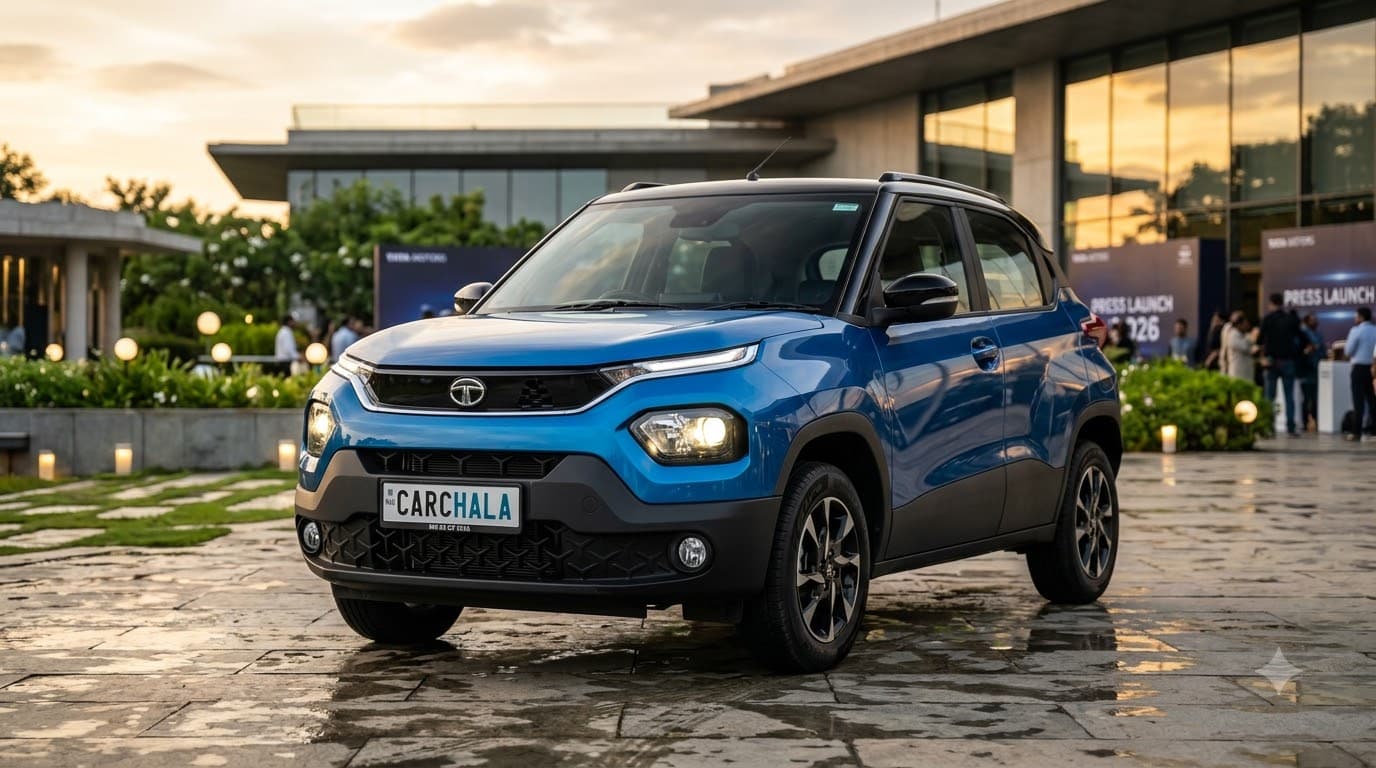
- The Monocoque Crossover/MPV Sweet Spot (e.g., Honda Elevate, Toyota Innova Hycross, Kia Carens): These vehicles place seat cushions at a natural chair height (600mm to 680mm). The passenger simply opens the door and slides their hips sideways onto the seat cushion with zero knee bending or vertical lifting. Coupled with near-90-degree door swing angles (as found on the Honda Elevate and Tata Punch), this eliminates joint strain entirely.
2. Suspension Damping: Preventing Motion Sickness and Spinal Shock
Elderly passengers and young children are exceptionally sensitive to vehicle motion dynamics. Children get motion sick due to vestibular sensory conflict from excessive vertical float and body roll, while senior citizens experience acute pain from sharp suspension bottoming over bridge expansion joints and potholes.
- Avoid Overly Stiff European Setups: Stiffly sprung sporty suspensions transmit high-frequency road vibrations directly through seat foam into passenger vertebrae, causing fatigue within 45 minutes of driving.
- Avoid Excessively Soft, Under-Damped Setups: Float-heavy suspensions create boat-like secondary rebound oscillations after hitting a bump, inducing immediate nausea in rear-seat toddlers.
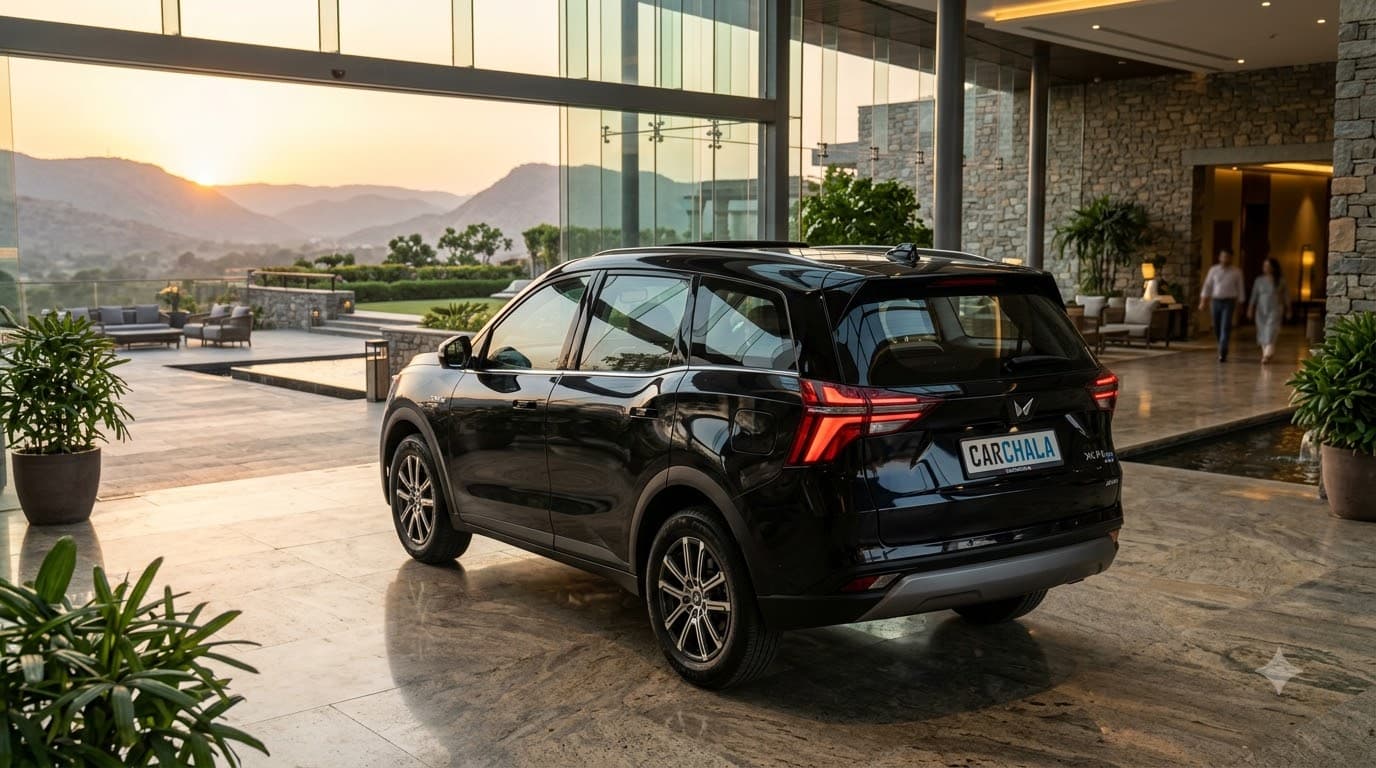
- Opt for Frequency-Selective Damping & Multi-Link Geometry: Vehicles equipped with Frequency Selective Damping (like the Mahindra XUV700) or sophisticated multi-link rear setups (like the Hyundai Tucson) absorb high-speed road ripples softly while stiffening against slow-speed body lean, keeping the cabin perfectly flat and serene.
3. Rear Climate Management: Indirect Airflow & UV Protection
Both infants and senior citizens have impaired thermoregulation compared to healthy adults. In Indian summers exceeding 45°C, direct icy air blasts can trigger respiratory discomfort in elderly parents, while hot rear cabins cause rapid dehydration and crying in rear-facing infants.
- Multi-Air Diffusers: The Hyundai Tucson features micro-hole diffusion panels that distribute chilled air gently across the cabin perimeter rather than blowing harsh directional jets into passenger faces.
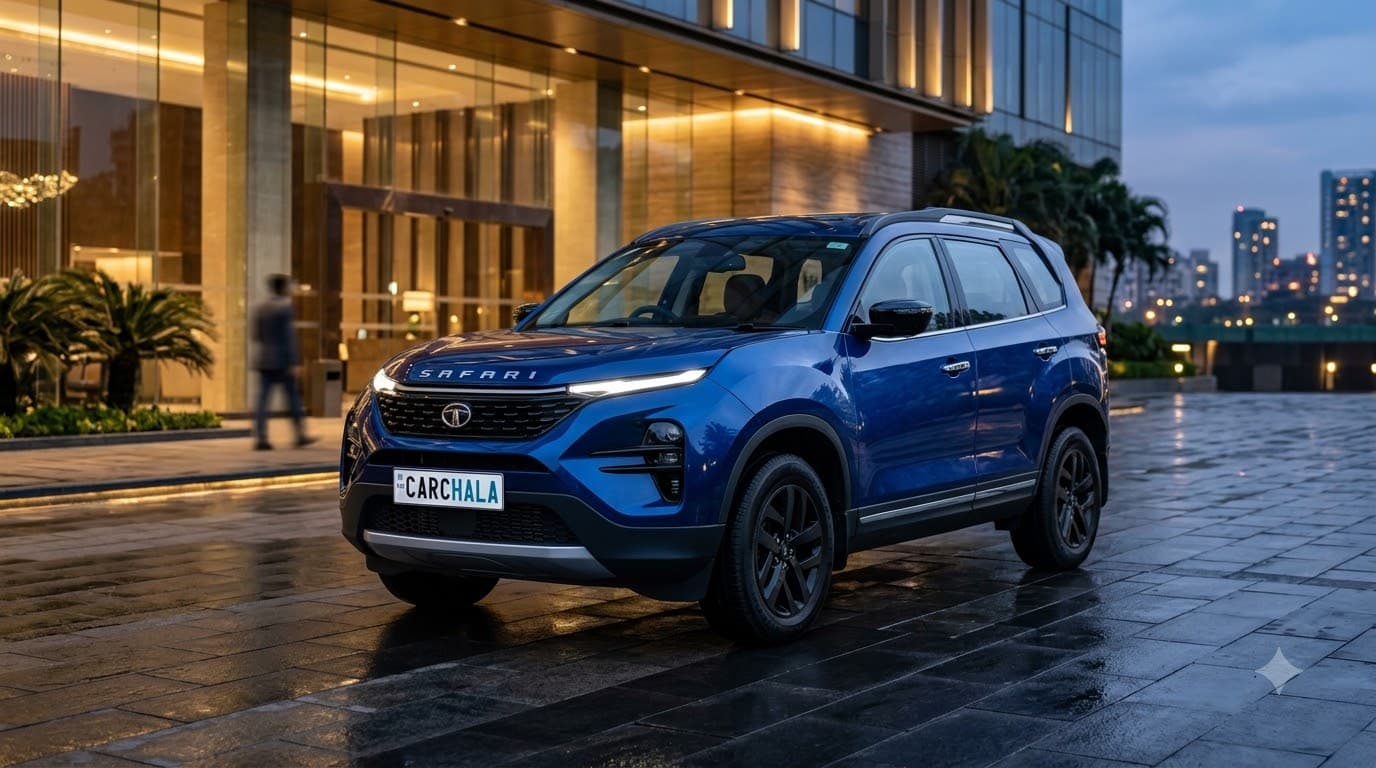
- Dedicated Rear Vents & Roof Blowers: Multi-row vehicles must have independent blower controls with roof-mounted vents (like the Toyota Innova Hycross) or B-pillar vents (like the Tata Safari) to ensure rapid, uniform cabin cooling.
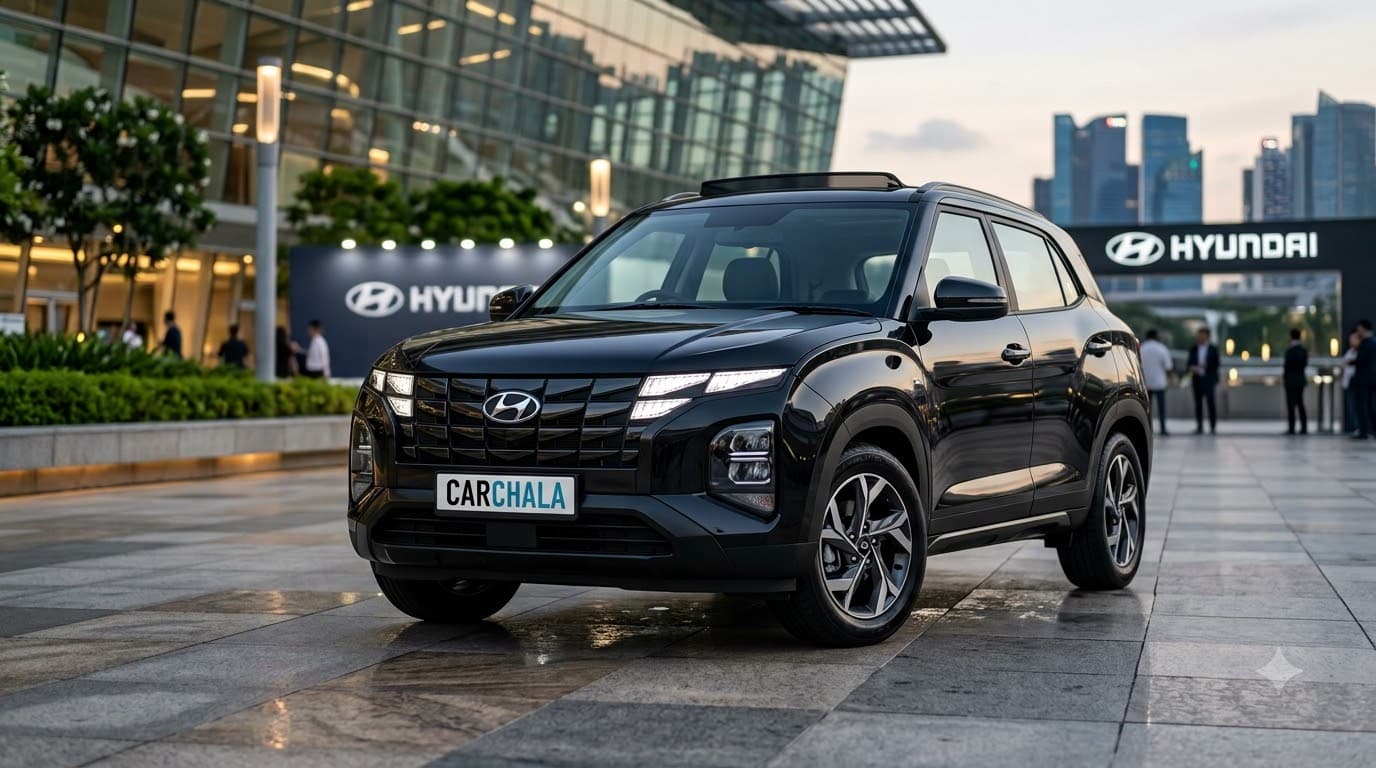
- Factory-Integrated Sunblinds: Retractable door blinds (standard on Seltos, Creta, Safari, and Hycross) filter out 90%+ of harsh tropical UV glare without the safety hazards and window-jamming issues of aftermarket suction-cup shades.
4. Transmission Selection: Jerk-Free Automatics vs. Jerky AMTs
For senior drivers or parents navigating hectic city traffic, choosing the right automatic transmission is paramount:
- CVT (Continuously Variable Transmission): Features step-less pulley ratios that provide completely seamless, jerk-free city acceleration (exemplified by the Honda Elevate and Hyundai Creta IVT).
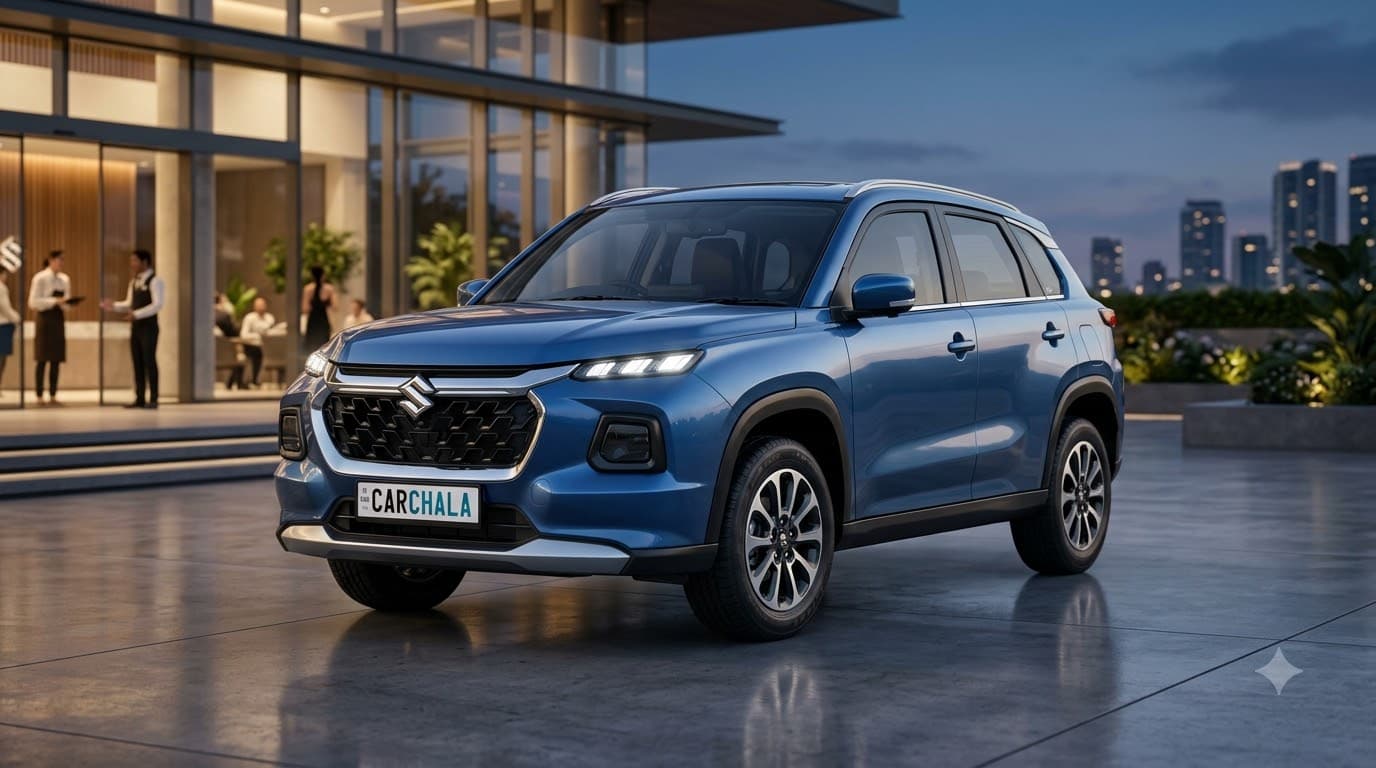
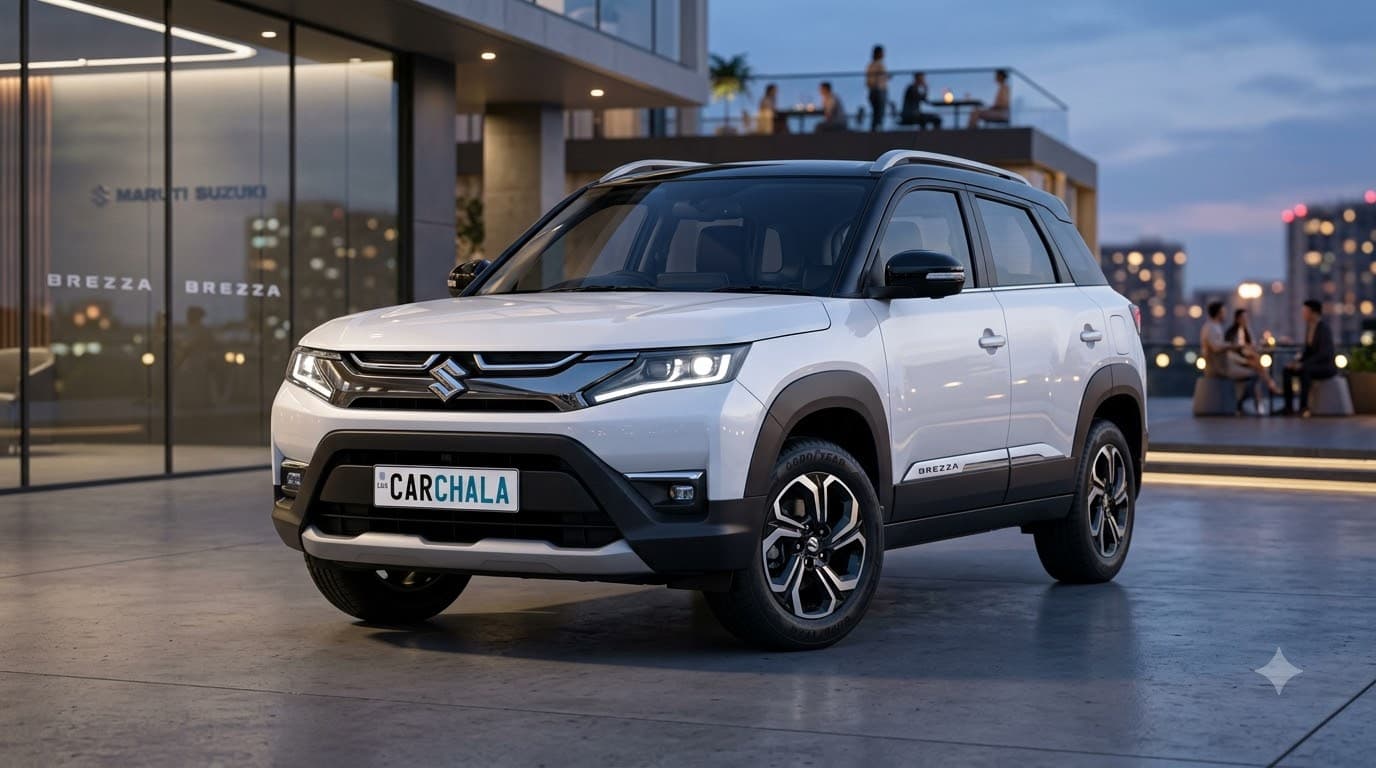
- Torque Converter (TC): Utilizes a fluid coupling to deliver silky, progressive creep speeds that make crawling in bumper-to-bumper traffic or climbing steep parking ramps effortless (found in the Maruti Brezza and Mahindra XUV700).
- Hybrid e-CVT: Uses dual electric motor-generators to launch the car in dead-silent EV mode, eliminating engine vibration and idle shudder entirely (featured on the Innova Hycross and Grand Vitara Hybrid).
- Beware of Budget AMTs: Automated Manual Transmissions (AMTs) exhibit noticeable 'head-nod' shift pauses between 1st and 2nd gears, which can jolt fragile passenger necks during sudden city accelerations.
5. Active Safety & ADAS: An Invaluable Digital Co-Pilot
Driving while managing family conversations or monitoring restless children in the rearview mirror introduces unavoidable moments of distraction. Modern Level 2 ADAS (Advanced Driver Assistance Systems) provide an essential safety shield:
- Autonomous Emergency Braking (AEB): Instantly applies maximum braking pressure if a pedestrian, cyclist, or stopped vehicle is detected ahead, compensating for delayed reaction times.
- Safe Exit Assist: Uses rear radar sensors to keep rear doors electronically locked if a cyclist or speeding vehicle is approaching from behind as a child attempts to exit.
- 360-Degree Surround Cameras: Eliminate front, side, and rear blind spots, crucial for preventing driveway accidents with toddlers or small obstacles when reversing out of residential gates.