🛣️ Grand Touring & Expressway Guide 2026

Best Cars for Highway Driving in India (2026)

High-speed composure at 120 kmph, effortless overtaking torque, whisper-quiet cabin insulation, fatigue-free seating ergonomics, and Level 2 ADAS safety. Here is our definitive evaluation of India's top 10 highway cruisers and long-distance grand tourers.

Quick Comparison

ModelEx-Showroom PriceClaimed MileageKey USP
Hyundai Tucson₹29.01 - 35.94 Lakh14.5 kmplMonocoque European chassis poise paired with locomotive 416 Nm diesel punch, HTRAC AWD, and Hyundai SmartSense Level 2 ADAS.
Toyota Fortuner₹34.76 - 50.46 Lakh10.0 kmplUnrivaled high-speed lane authority backed by 500 Nm diesel torque and an indestructible heavy-duty ladder chassis.
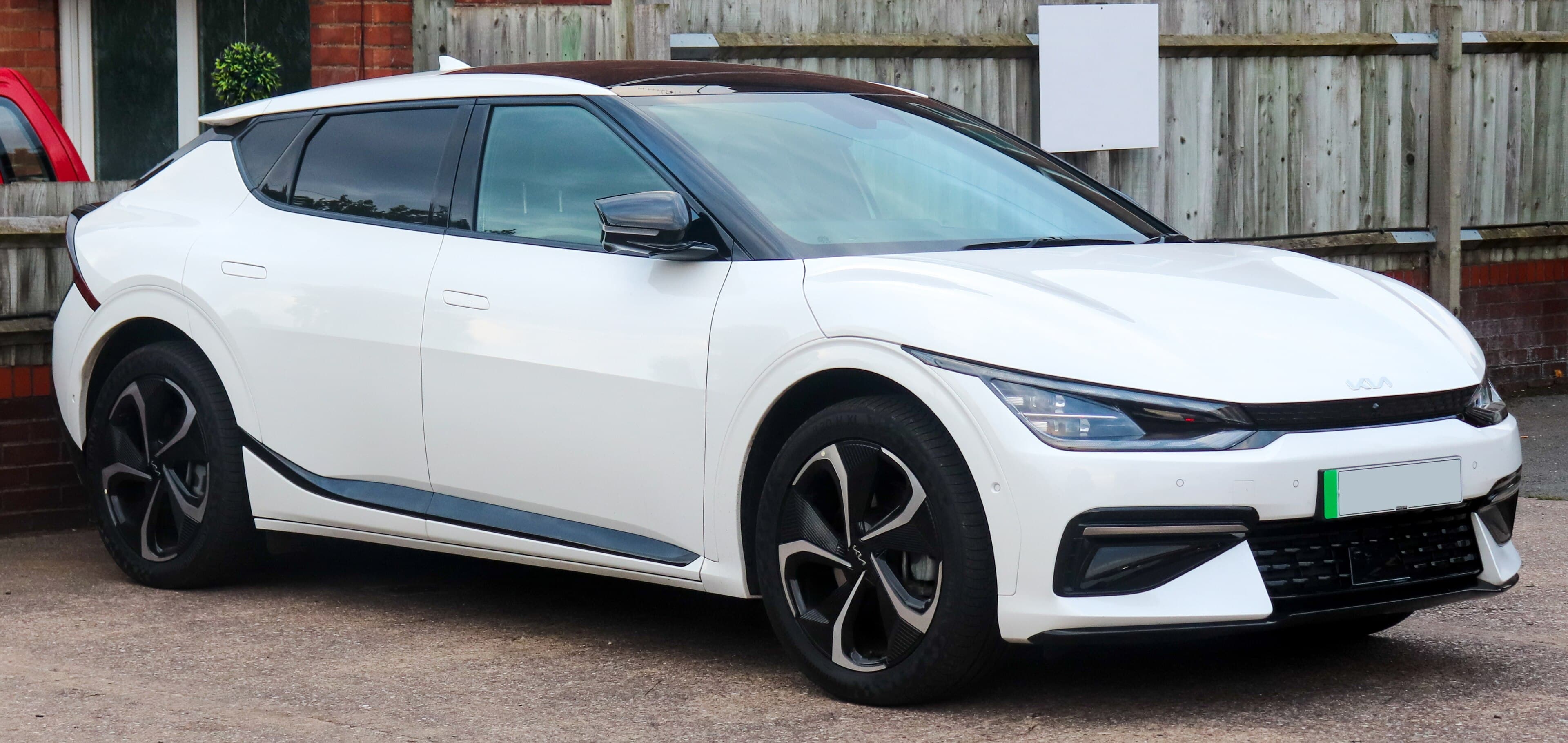
Kia Kia EV6₹60.95 - 88.38 Lakh708 km/chargeSupercar-rivaling 325 PS instant electric grand touring with glued-to-tarmac AWD poise and 18-minute 800V ultra-fast charging.
Skoda Skoda Superb₹54 - 81 Lakh15.1 kmplExecutive business-class limousine waftability with 625L luggage vault, DCC adaptive suspension, and 190 PS TSI punch.
Mercedes-Benz Mercedes-Benz C-Class₹46.95 - 70.42 Lakh17.3 kmplBaby S-Class luxury with 440 Nm mild-hybrid diesel punch, 9G-TRONIC gearbox, and an astounding 1,100 km highway range.

Top Cars for Highway Evaluated

Hyundai Tucson in Best Cars for Highway Driving in India 2026
4.5 / 5

Hyundai Tucson

Est. On-Road Starts At: ₹33.50 - ₹41.50 Lakh

Ex-Showroom

₹29.01 - 35.94 Lakh

Mileage

14.5 kmpl

Engine

1.2L Turbo / 1.5L Diesel

Safety

What we love

  • Potent 2.0L CRDi turbo-diesel (186 PS / 416 Nm) mated to a velvety 8-speed automatic delivers effortless 120 kmph cruising with surging overtaking reserves
  • Planted monocoque chassis and intelligent HTRAC AWD provide unshakeable high-speed stability and razor-flat cornering through expressway sweepers
  • Benchmark cabin sound insulation with acoustic laminated glass keeps interior ambient sound below 63 dB at triple-digit speeds
  • Comprehensive Hyundai SmartSense Level 2 ADAS with Smart Cruise Control and Lane Following Assist takes the physical strain out of 800 km interstate hauls

What to consider

  • 2.0L naturally aspirated petrol engine lacks mid-range torque needed for enthusiastic expressway overtakes
  • Capacitive touch-based HVAC interface requires taking eyes off the road during high-speed cruising
  • Premium pricing above ₹35 Lakh on-road puts it close to entry-level German luxury badges

Verdict: The Hyundai Tucson is an elite expressway weapon for cross-country road trippers who prioritize silky mechanical refinement and serene passenger comfort. Its explosive 416 Nm diesel torque and rock-solid high-speed poise turn 10-hour interstate hauls into deeply relaxing journeys.

Toyota Fortuner in Best Cars for Highway Driving in India 2026
4.4 / 5

Toyota Fortuner

Est. On-Road Starts At: ₹39.50 - ₹60.50 Lakh

Ex-Showroom

₹34.76 - 50.46 Lakh

Mileage

10.0 kmpl

Engine

1.2L Turbo / 1.5L Diesel

Safety

What we love

  • Monstrous 2.8L D-4D turbo-diesel engine generating 204 PS and 500 Nm of torque pulls relentlessly even under full 7-passenger payload and roof luggage
  • Commanding road presence and towering driving position naturally clear the fast overtaking lane on Indian national highways
  • Heavy-duty body-on-frame architecture and robust 4x4 hardware fearlessly dismiss highway expansion gaps, unexpected potholes, and broken bypasses at speed
  • Legendary Toyota mechanical reliability and unmatched pan-India service footprint provide total peace of mind on remote cross-country expeditions

What to consider

  • Ladder-frame chassis exhibits noticeable vertical bounce and body roll over uneven concrete highway undulations compared to monocoque crossovers
  • Heavy hydraulic steering setup demands physical effort during prolonged driving stints and lacks the razor-sharp precision of European rivals
  • Cabin infotainment, screen resolution, and total absence of Level 2 ADAS feel dated for a ₹50+ Lakh flagship vehicle

Verdict: The Toyota Fortuner remains the undisputed king of Indian highways for drivers who value raw road presence, mechanical invincibility, and relentless 500 Nm pulling power. While it lacks the plush, car-like ride of monocoques, its ability to steamroll rugged highway detours and remote state routes without slowing down is unmatched.

Kia Kia EV6 in Best Cars for Highway Driving in India 2026
4.7 / 5

Kia Kia EV6

Est. On-Road Starts At: ₹65.50 - ₹72.80 Lakh

Ex-Showroom

₹60.95 - 88.38 Lakh

Mileage

708 km/charge

Engine

1.5L turbocharged

Safety

Not Rated

What we love

  • Electrifying dual-motor AWD producing 325 PS and 605 Nm sprints from 0 to 100 kmph in 5.2 seconds for instant, lag-free overtaking at any highway speed
  • Low-slung skateboard platform with floor-mounted 77.4 kWh battery achieves an ultra-low center of gravity for glued-to-the-road cornering stability
  • Next-gen 800V charging architecture replenishes 10% to 80% battery in just 18 minutes on 350kW DC expressway fast chargers
  • Flawlessly calibrated 21-feature Level 2 ADAS suite, Augmented Reality HUD, and ventilated relaxation lounge seats eliminate long-distance fatigue

What to consider

  • Stiff European suspension damping transmits sharp expansion joint thuds into the cabin over poorly surfaced concrete flyovers
  • Laden ground clearance (178mm) demands extra vigilance over oversized unscientific speed breakers on connecting state roads
  • Demands structured expressway charging route planning compared to internal combustion vehicles with instantaneous fuel top-ups

Verdict: The Kia EV6 is a futuristic grand tourer that redefines high-speed expressway travel in India. Delivering breathtaking mid-range acceleration, immovable straight-line stability, and a genuine 450+ km highway range with lightning 800V fast-charging, it represents the pinnacle of long-distance driving performance.

Skoda Skoda Superb in Best Cars for Highway Driving in India 2026
4.6 / 5

Skoda Skoda Superb

Est. On-Road Starts At: ₹58.50 - ₹62.00 Lakh

Ex-Showroom

₹54 - 81 Lakh

Mileage

15.1 kmpl

Engine

1.2L Turbo / 1.5L Diesel

Safety

Not Rated

What we love

  • Silky 2.0L TSI turbo-petrol (190 PS / 320 Nm) paired with a rapid 7-speed DSG delivers effortless, whisper-quiet 120 kmph cruising and instant passing power
  • Dynamic Chassis Control (DCC) adaptive dampers allow on-the-fly toggling between plush 'Comfort' wafting and taut, planted 'Sport' high-speed stability
  • Palatial rear-seat legroom with executive sleep headrests, roll-up window sunblinds, and acoustic double-glazed side windows
  • Immense 625-litre liftback boot expands to 1,760 litres, easily swallowing excessive luggage for extended multi-week family tours

What to consider

  • CBU import taxation pushes pricing above ₹58 Lakh on-road, overlapping with established luxury German badges
  • Long 4,869mm sedan wheelbase requires careful navigation over tall, sharp speed humps on rural state highway bypasses
  • Turbo-petrol engine requires high-octane 95 RON fuel for peak performance and optimal expressway efficiency

Verdict: The Skoda Superb is the quintessential executive grand tourer, delivering first-class rear seat legroom, a colossal 625L boot, and the serene ride of a German luxury limousine costing twice as much. Its silky 2.0 TSI powertrain and DCC adaptive suspension make 1,000 km highway journeys an absolute pleasure.

Mercedes-Benz Mercedes-Benz C-Class in Best Cars for Highway Driving in India 2026
4.6 / 5

Mercedes-Benz Mercedes-Benz C-Class

Est. On-Road Starts At: ₹58.00 - ₹69.50 Lakh

Ex-Showroom

₹46.95 - 70.42 Lakh

Mileage

17.3 kmpl

Engine

1.2L Turbo / 1.5L Diesel

Safety

Not Rated

What we love

  • Frugal yet punchy C220d 2.0L turbo-diesel (200 PS / 440 Nm) with 48V EQ Boost delivers 18+ kmpl on expressways for a massive 1,100 km single-tank touring range
  • Benchmark aerodynamic efficiency (Cd 0.24) and high-speed chassis calibration provide whisper-quiet high-speed tracking and zero crosswind deflection
  • Opulent interior featuring an 11.9-inch portrait MBUX touchscreen, 64-color ambient lighting, and 710W Burmester 3D surround sound system
  • Comprehensive active safety suite with Active Brake Assist, Attention Assist, 7 airbags, and standard-setting Mercedes structural crash protection

What to consider

  • Low ground clearance (157mm unladen) demands cautious angling over tall speed breakers and broken toll plaza approaches
  • Firm low-speed ride on 18-inch alloy wheels with run-flat tyres over sharp road ridges and joint expansion strips
  • Rear center seat is compromised by a tall transmission tunnel, making it strictly a 4-adult luxury tourer

Verdict: The Mercedes-Benz C-Class brings the supreme refinement and high-speed authority of the flagship S-Class into a dynamic executive package. Its torquey, ultra-frugal C220d diesel engine and aerodynamic stability make it one of the most prestigious and economical long-distance cruisers on Indian expressways.

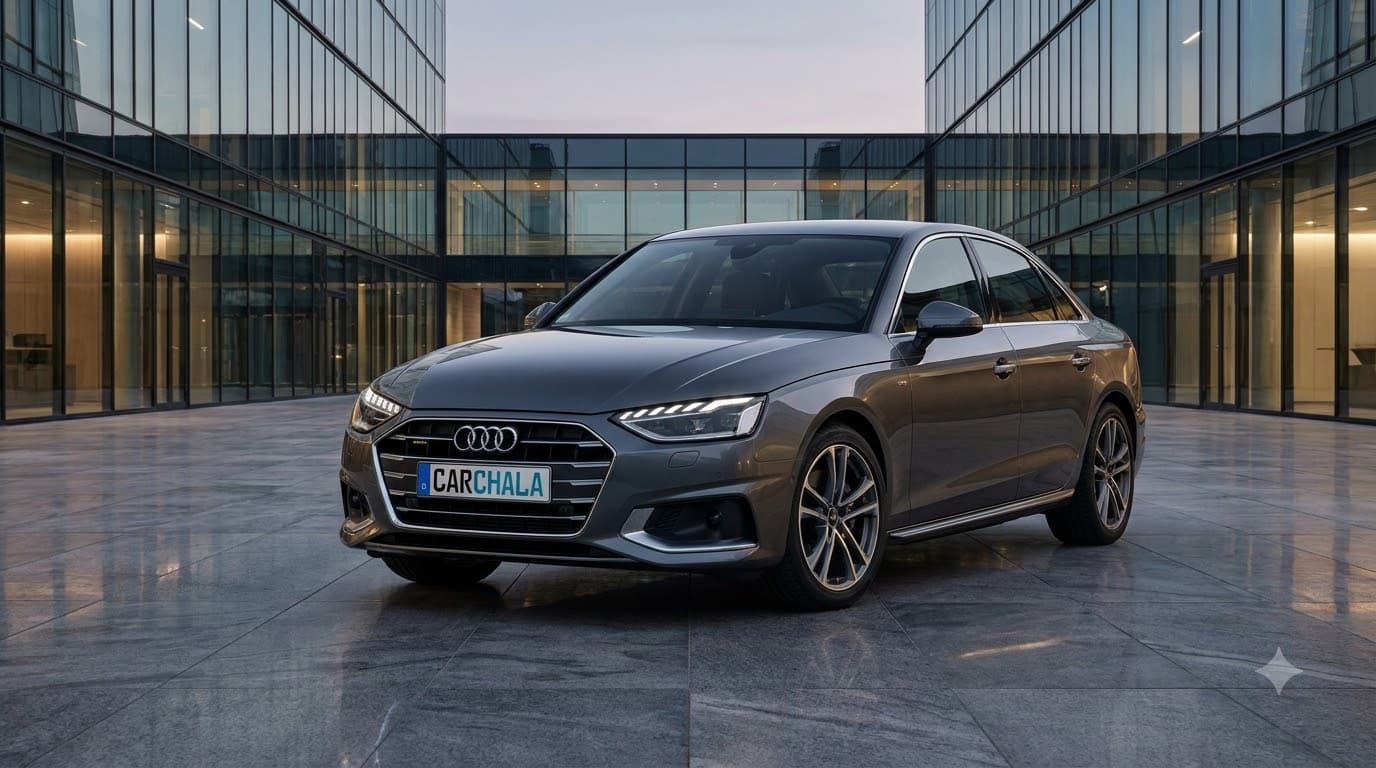
Audi Audi A4 in Best Cars for Highway Driving in India 2026
4.5 / 5

Audi Audi A4

Est. On-Road Starts At: ₹49.50 - ₹58.00 Lakh

Ex-Showroom

₹41.2 - 61.8 Lakh

Mileage

17.4 kmpl

Engine

1.2L Turbo / 1.5L Diesel

Safety

Not Rated

What we love

  • Refined 2.0L TFSI turbo-petrol engine (204 PS / 320 Nm) with 12V mild-hybrid tech delivers linear, lag-free acceleration from 0-100 kmph in 7.1 seconds
  • Exceptionally compliant multi-link suspension balances supple pothole absorption with unflappable high-speed stability on open highways
  • Class-leading acoustic insulation with acoustic acoustic front door glass keeps engine and tyre noise completely isolated from the cabin
  • Audi Virtual Cockpit Plus with high-resolution full-screen satellite navigation right in the driver's direct line of sight

What to consider

  • Lacks Quattro all-wheel drive in India (offered exclusively in Front-Wheel Drive configuration)
  • Understated exterior styling looks relatively conservative compared to aggressive contemporary luxury rivals
  • Missing Level 2 ADAS features like Adaptive Cruise Control and Lane Keep Assist in this price category

Verdict: The Audi A4 is the understated connoisseur's choice for long-distance highway travel. Offering an exceptionally plush ride quality that filters out road imperfections, whisper-quiet cabin acoustics, and a silky 204 PS TFSI engine, it delivers relaxing, fatigue-free grand touring at exceptional value in the luxury sedan segment.

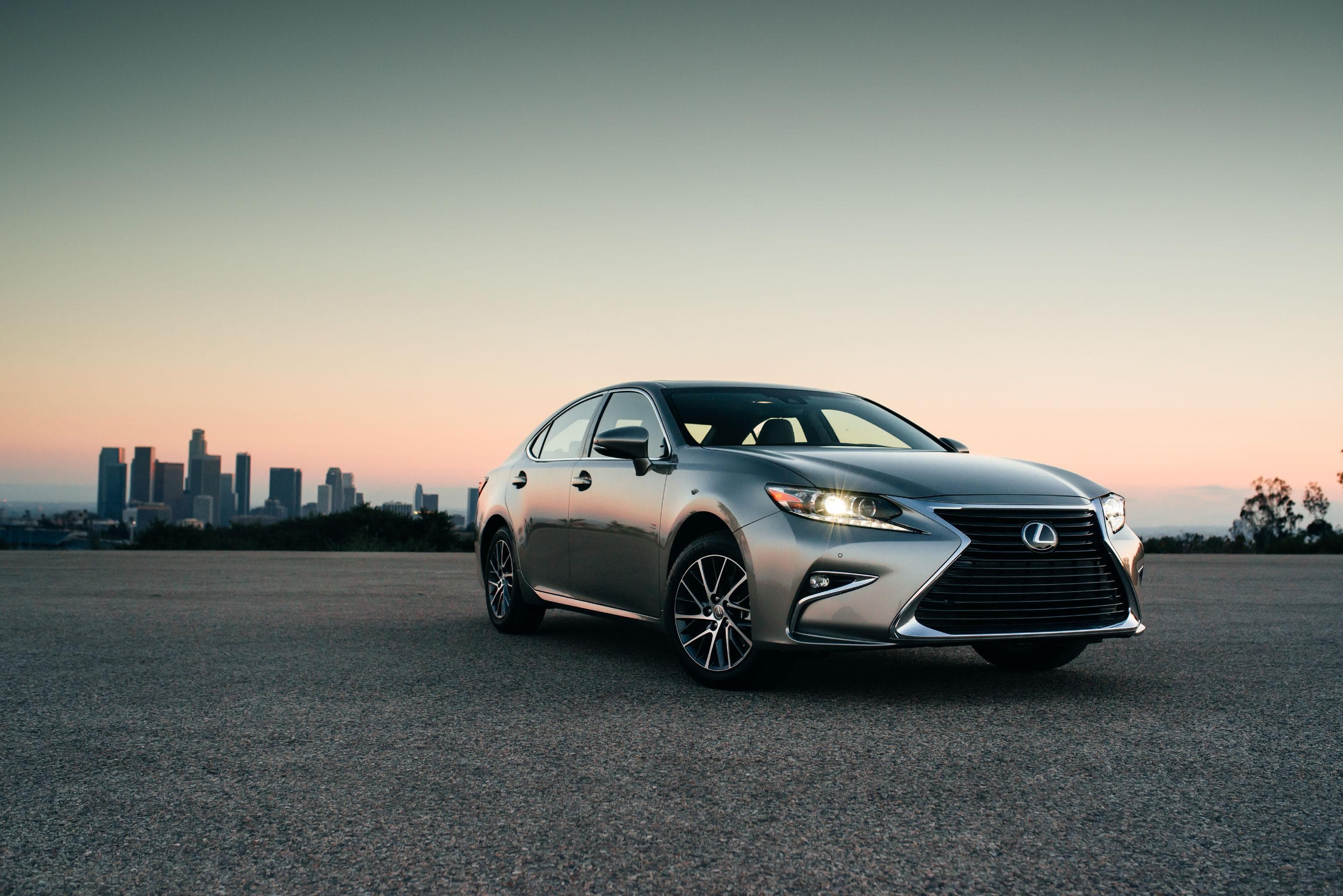
Lexus Lexus ES in Best Cars for Highway Driving in India 2026
4.5 / 5

Lexus Lexus ES

Est. On-Road Starts At: ₹68.00 - ₹76.00 Lakh

Ex-Showroom

₹43.19 - 64.78 Lakh

Mileage

22.5 kmpl

Engine

2.5L 4-Cylinder Hybrid

Safety

Not Rated

What we love

  • Ultra-refined 2.5L self-charging strong hybrid powertrain (218 PS combined) glides effortlessly at 120 kmph while delivering 19+ kmpl real-world highway mileage
  • Vault-like cabin silence thanks to acoustic double-glazed glass, noise-reducing hollow alloy wheels, and extensive underbody insulation
  • Sumptuous semi-aniline leather lounge seats with rear power-recline, independent armrest touchscreen controls, and 17-speaker Mark Levinson audio
  • Legendary Lexus build quality, Takumi craftsmanship, and bulletproof mechanical reliability ensure zero breakdown anxiety on remote expeditions

What to consider

  • E-CVT automatic transmission exhibits characteristic 'rubber-band' engine flare during sudden, aggressive overtaking kick-downs
  • Front-wheel-drive dynamics and relaxed suspension tuning prioritize pillowy ride comfort over enthusiastic, sporty corner carving
  • Modest boot capacity (454L) due to the placement of the nickel-metal hydride hybrid battery behind the rear seats

Verdict: The Lexus ES 300h is the ultimate sanctuary of calm on chaotic Indian highways. For executives who spend thousands of kilometers in the rear seat, its whispering hybrid silence, decadent reclining lounge chairs, and unshakeable Japanese reliability make it an unbeatable luxury retreat.

Toyota Camry in Best Cars for Highway Driving in India 2026
4.5 / 5

Toyota Camry

Est. On-Road Starts At: ₹52.80 - ₹55.50 Lakh

Ex-Showroom

₹46.17 Lakh

Mileage

19.16

Engine

Standard Engine

Safety

Not Rated

What we love

  • 2.5L Self-Charging Strong Hybrid powertrain (218 PS combined) delivers seamless throttle response and exceptional 19+ kmpl highway fuel efficiency
  • Velvety TNGA-K suspension glides over expansion joints and highway undulations, offering a true 'magic carpet' long-distance ride
  • Executive rear lounge features power-reclining seat backs, rear armrest capacitive controls, and dedicated electric rear sunshades
  • Colossal 950+ km highway cruising range on a single 50-litre tank eliminates the stress of finding trusted fuel stations on remote routes

What to consider

  • Low ground clearance (160mm unladen) requires careful angling over tall highway rumble strips and speed bumps when fully laden
  • Conservative dashboard styling and older infotainment UI compared to ultra-modern European competitors
  • Single fully-loaded variant commands a substantial ₹46+ Lakh ex-showroom investment due to heavy hybrid taxation

Verdict: The Toyota Camry Hybrid is the executive benchmark for high-mileage highway touring in India. Combining whisper-quiet cabin insulation, sumptuous reclining seats, Toyota Safety Sense active safety, and a massive 950-km tank range, it delivers five-star interstate travel with bulletproof Toyota reliability.

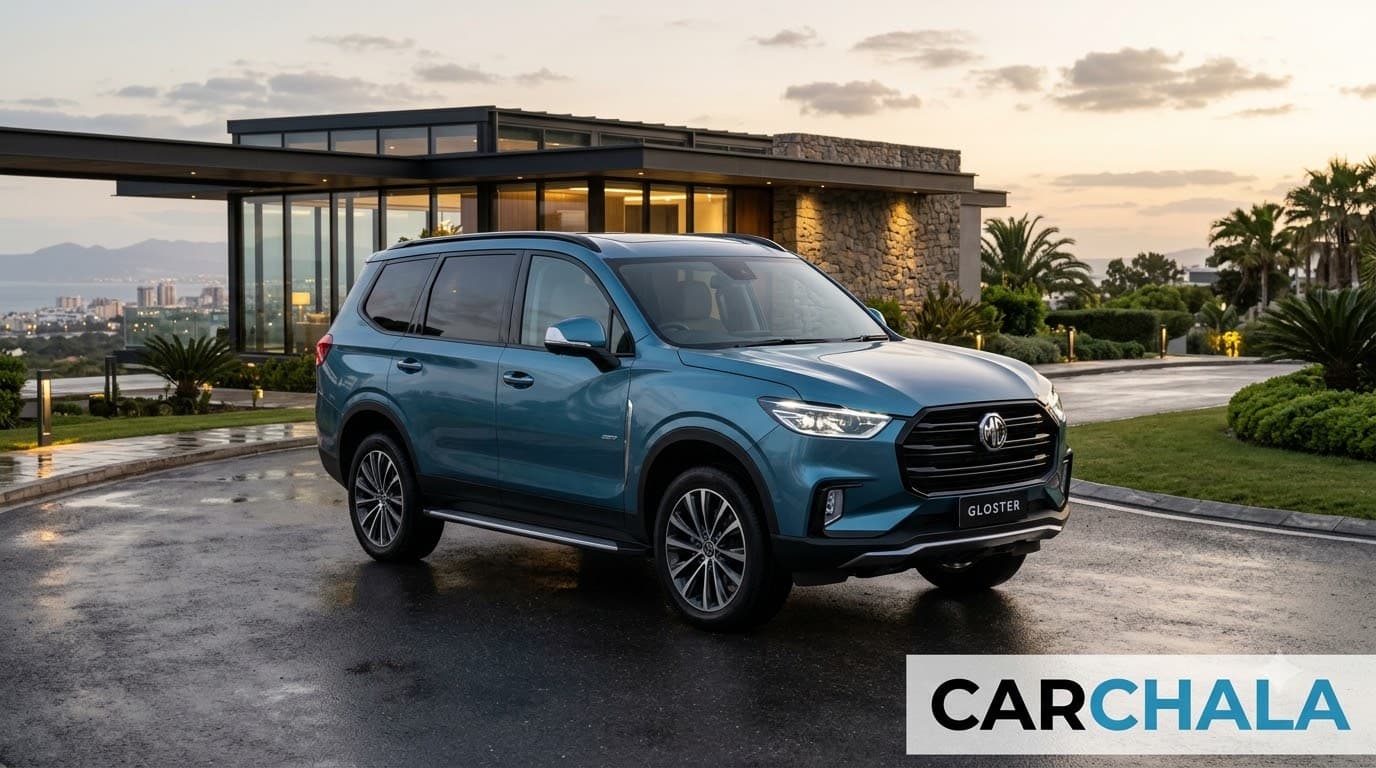
MG Gloster in Best Cars for Highway Driving in India 2026
4.3 / 5

MG Gloster

Est. On-Road Starts At: ₹43.50 - ₹49.50 Lakh

Ex-Showroom

₹38.8 Lakh

Mileage

12.04

Engine

Standard Engine

Safety

Not Rated

What we love

  • Muscular 2.0L Twin-Turbo Diesel engine generating 215 PS and 480 Nm of torque provides massive pulling power for sustained high-speed touring
  • Segment-leading cabin dimensions with genuine, full-size adult comfort across all three rows and luxurious second-row captain chairs with heating and massage
  • Comprehensive Level 2 ADAS suite featuring Adaptive Cruise Control, Forward Collision Warning, and Automatic Emergency Braking
  • Heavyweight 5-meter footprint and robust ladder chassis give it an imposing, commanding highway presence that effortlessly clears fast lanes

What to consider

  • Large dimensions (nearly 5 meters in length) and wide turning radius require deliberate planning during narrow highway toll plazas and U-turns
  • 8-speed automatic gearbox displays slight low-speed hesitation before building up full twin-turbo boost
  • Heavy curb weight limits real-world highway fuel economy to around 10-12 kmpl under spirited driving

Verdict: The MG Gloster is a luxurious highway leviathan designed to transport 6 or 7 passengers in utmost opulence. With its punchy twin-turbo diesel engine, Level 2 ADAS safety net, and presidential massage captain seats, it turns 1,000 km family road trips into a first-class journey.

Hyundai Ioniq 5 in Best Cars for Highway Driving in India 2026
4.6 / 5

Hyundai Ioniq 5

Est. On-Road Starts At: ₹48.50 - ₹51.50 Lakh

Ex-Showroom

₹46.05 Lakh

Mileage

631

Engine

Standard Engine

Safety

Not Rated

What we love

  • Cavernous 3,000mm wheelbase creates unmatched rear legroom with power-sliding relaxation seats and a flat-floor executive lounge interior
  • 800V ultra-fast charging capability replenishes 10% to 80% battery in just 18 minutes on 350kW DC expressway fast chargers
  • Hyundai SmartSense Level 2 ADAS suite with Smart Cruise Control with Stop & Go and Lane Centering operates with buttery highway smoothness
  • Supple, absorbent suspension tuning delivers a remarkably plush and gliding ride over rough expressway tarmac and expansion joints

What to consider

  • Sold exclusively in single-motor Rear-Wheel Drive (RWD) in India (dual-motor AWD not offered)
  • Light magnetic grey eco-processed leather upholstery demands meticulous maintenance against Indian road dust
  • Lack of a rear window wiper can hinder rearward visibility during heavy monsoon highway driving

Verdict: The Hyundai Ioniq 5 is a tour de force in long-distance electric mobility. Combining a palatial 3,000mm wheelbase lounge cabin, supple ride quality, intuitive Level 2 ADAS, and 18-minute 800V fast charging, it proves that electric vehicles can be sublime, effortless cross-country grand tourers.

Slightly Over Budget (But Worth The Stretch)

If you can push your budget a bit further, these cars offer massive upgrades.

BMW 3 Series Gran Limousine in Best Cars for Highway Driving in India 2026
3.5 / 5

BMW 3 Series Gran Limousine

Est. On-Road Starts At: ₹69.69 Lakh

Recommended Stretch

₹60.60 Lakh

Mileage

15.39 kmpl

Engine

2.0L TwinPower Turbo

Safety

Not Rated

What we love

  • Iconic 2.0L TwinPower Turbo engines (330Li with 258 PS / 400 Nm or 320Ld with 190 PS / 400 Nm) deliver blistering, lag-free expressway acceleration
  • Extended Gran Limousine wheelbase (2,961mm) provides unmatched rear legroom with extra-cushioned comfort headrests and panoramic sunroof
  • Perfect 50:50 front-rear axle weight distribution and communicative steering provide telepathic handling and unshakeable 120 kmph composure

What to consider

  • Low ground clearance (135mm laden) requires extreme caution over tall speed breakers and uneven highway diversions
  • Absence of a dedicated underfloor spare wheel well eats into usable boot capacity when carrying a space-saver tyre

Why stretch for this? Stretching your budget to ₹60.60 Lakh unlocks the undisputed driver's champion of highway touring: extended 2,961mm wheelbase with first-class rear legroom, razor-sharp 50:50 weight distribution, and a blistering 258 PS turbo-petrol or 400 Nm diesel mated to the telepathic ZF 8-speed gearbox.

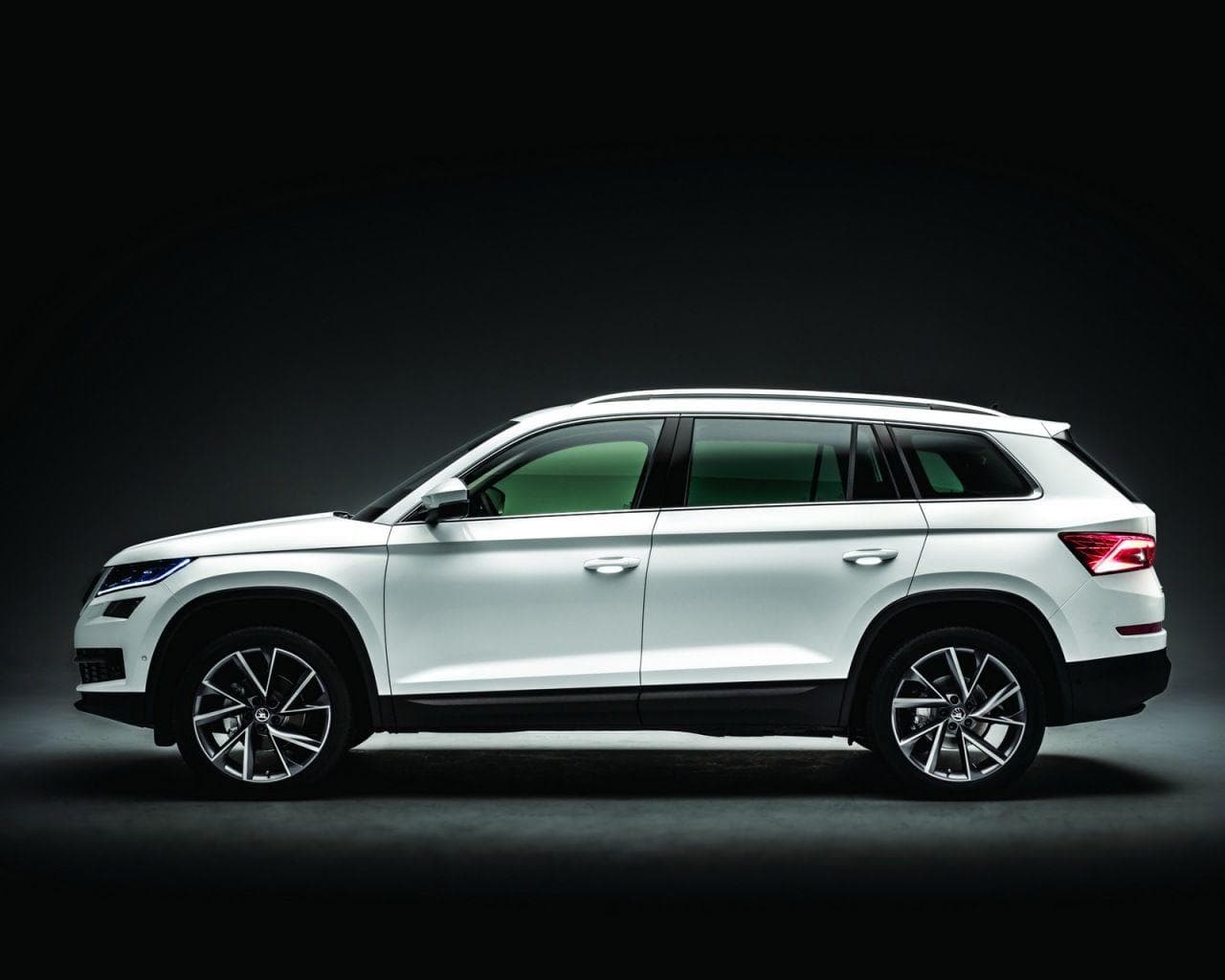
Skoda Skoda Kodiaq in Best Cars for Highway Driving in India 2026
3.6 / 5

Skoda Skoda Kodiaq

Est. On-Road Starts At: ₹45.99 Lakh

Recommended Stretch

₹39.99 Lakh

Mileage

13.3 kmpl

Engine

1.2L Turbo / 1.5L Diesel

Safety

Not Rated

What we love

  • Dynamic Chassis Control (DCC) with electronically adjustable dampers lets you toggle between plush highway waftability and razor-taut high-speed stability
  • Punchy 2.0L TSI turbo-petrol engine (190 PS / 320 Nm) mated to a rapid 7-speed DSG and intelligent 4x4 delivers effortless all-weather cruising
  • Versatile 7-seater cabin appointed with Canton 12-speaker audio, 3-zone climate control, panoramic glass roof, and acoustic double glazing

What to consider

  • 2.0 TSI engine is thirsty when driven hard on expressways, yielding 9-11 kmpl fuel efficiency
  • Third row seating is best suited for children on extended long-distance interstate road trips

Why stretch for this? Stretching your budget to ₹39.99 Lakh brings flagship European 4x4 engineering: 190 PS 2.0 TSI punch, Dynamic Chassis Control (DCC) with adaptive dampers, versatile 7-seat modularity, and rock-solid 5-star Euro NCAP highway safety.

The Definitive Highway Touring & Expressway Driving Guide: Dynamics, Powertrains, ADAS & Touring Ergonomics (2026)

With India's high-speed expressway network expanding rapidly—spanning world-class access-controlled corridors like the Delhi-Mumbai Expressway, Samruddhi Mahamarg, Purvanchal Expressway, and Bengaluru-Mysuru Expressway—the demands placed on a long-distance touring vehicle have evolved drastically. A car that feels agile and adequate in urban bumper-to-bumper commuting often exposes severe limitations when sustained at 100 to 120 kmph for hours on end. Serious highway grand touring requires an uncompromising balance of high-speed aerodynamic stability, muscular 80-120 kmph overtaking reserves, whisper-quiet acoustic NVH suppression, and fatigue-reducing active safety technologies.

What We Love: What Makes a True Highway Grand Tourer

An exceptional highway vehicle transforms an exhausting 800-kilometer cross-country drive into a serene, invigorating journey. Here are the core engineering attributes that define the very best long-distance cruisers:

  • Unshakeable High-Speed Composure & Low Center of Gravity: Vehicles with wide tracks, long wheelbases, and sophisticated multi-link suspensions stay glued to the tarmac at triple-digit speeds. Low-slung executive sedans (such as the Toyota Camry and Skoda Superb) and skateboard electric crossovers (like the Kia EV6) produce zero body float and maintain razor-flat poise around high-speed expressway sweepers where top-heavy SUVs must brake.
  • Surging Mid-Range Roll-On Acceleration (80–120 kmph): Overtaking multi-axle commercial trucks on two-lane national highways or accelerating past slower traffic on expressways demands instantaneous mid-range torque. High-output turbo-diesels (like the 416 Nm Hyundai Tucson and 500 Nm Toyota Fortuner) and instant-torque dual-motor EVs execute overtaking maneuvers in seconds without dramatic downshift lag.
  • Acoustic NVH Insulation & Cabin Serenity: Sustained exposure to wind buffeting and tyre roar at 120 kmph causes profound mental exhaustion. Premium highway cars incorporate acoustic laminated double-glazed glass, aerodynamic underbody fairings, and triple door seals to keep ambient cabin noise levels below 63 dB.
  • Fatigue-Busting Level 2 ADAS Systems: Radar-camera fusion systems providing Adaptive Cruise Control with Stop & Go and Lane Centering Assist manage longitudinal speed and lateral lane alignment autonomously. This eliminates the continuous micro-steering and throttle inputs that strain the driver's neck, shoulders, and legs across 10-hour stints.
  • Long-Range Cruising Endurance (900+ km Tanks & 800V Ultra-Fast Charging): Self-charging strong hybrids (Camry, ES 300h) and efficient turbo-diesels (C-Class, Tucson) deliver 900 to 1,100 km on a single tank, freeing travelers from dubious unbranded fuel stops. Meanwhile, 800V EV architectures (Kia EV6, Ioniq 5) add 300+ km of real-world range during a quick 18-minute highway coffee break.

What to Consider: Essential Realities Before Hitting Indian Expressways

While modern Indian expressways offer smooth multi-lane tarmac, they also introduce unique dynamic stresses and operational risks that buyers must carefully evaluate:

  • Concrete Pavement Friction & Tyre Blowout Risks: Concrete expressways (such as Samruddhi Mahamarg and Yamuna Expressway) generate massive frictional heat at sustained 120 kmph speeds. Under-inflated tyres, hidden sidewall bulges, or aged rubber can overheat rapidly, causing catastrophic blowouts. Ensuring a working Tyre Pressure Monitoring System (TPMS), filling tyres with temperature-stable nitrogen, and maintaining at least 3.5mm tread depth are critical safety imperatives.
  • Laden Ground Clearance & Suspension Sag: Softly sprung passenger cars that glide comfortably over city bumps can bottom out violently over high-speed bridge expansion joints and culvert ridges when fully loaded with 5 adults and luggage. Ensure your chosen vehicle offers adequate laden clearance (at least 165mm for sedans, 190mm for SUVs) and well-damped rebound control.
  • Spare Tyre Readiness & Wheel Well Limitations: Many modern luxury sedans and EVs come equipped only with puncture repair kits or space-saver spare tyres that eat up luggage space. When traversing remote interstate sectors, carrying a full-size spare tyre or sturdy space-saver is non-negotiable.
  • ADAS Calibration in Indian Highway Traffic: Forward Collision Warning and Autonomous Emergency Braking (AEB) can trigger sudden false-positive braking if undisciplined motorists or two-wheelers cut sharply across your front bumper at toll plazas. Ensure your vehicle allows intuitive toggling of AEB sensitivity (from 'Early' to 'Late') for congested sectors.
  • Mandatory Insurance Add-Ons: Protect high-speed vehicles by mandating Zero Depreciation, Tyre & Alloy Rim Protection, Engine & Electronic Sensor Cover, and 24x7 Pan-India Roadside Assistance with unlimited towing to authorized dealer networks.

Body Style Face-Off: Sedans vs. Monocoque SUVs vs. Ladder-Frame Tourers

Vehicle ArchitectureHigh-Speed StabilityRough Detour ImmunityCabin Quietness (NVH)Best Highway Use Case
Executive Sedan
(Camry, Superb, C-Class, A4, ES)
Exceptional (Zero Body Roll, Low Drag)Moderate (Caution over tall speed humps)Whisper Quiet (< 62 dB)Expressway cruising, chauffeur-driven grand tours, maximum passenger relaxation
Monocoque SUV / Crossover
(Tucson, EV6, Ioniq 5, Kodiaq)
Very High (Glued poise, AWD grip)High (180-210mm clearance clears debris)Very Quiet (63-65 dB)All-weather intercity touring, mixed expressway and monsoon-damaged state bypasses
Heavy-Duty Ladder-Frame
(Fortuner, Gloster)
Moderate (Vertical body bounce, body lean)Invincible (Heavy-duty steel chassis & 4x4)Moderate (66-69 dB tyre/wind roar)Heavy group expeditions, remote cross-country routes, clearing fast lanes via sheer road presence

Powertrain Comparison for Highway Cruising

Choosing the right engine architecture determines both your driving pleasure and total fuel expenditure on long tours:

  • Torque-Rich Turbo-Diesels (Tucson 2.0 CRDi, Fortuner 2.8, C220d, Gloster Twin-Turbo): Remain the undisputed champions of effortless long-distance touring. Massive low-RPM torque (400 to 500 Nm) means the engine turns at a lazy 1,600–1,900 RPM at 120 kmph, delivering 15–20 kmpl fuel economy and providing 800–1,100 km between fuel stops.
  • Self-Charging Strong Hybrids (Toyota Camry, Lexus ES 300h): Pair an ultra-refined Atkinson-cycle petrol motor with an electric traction battery. They deliver whisper-quiet electric cruising at low loads, instant electric overtaking punch, and outstanding 19+ kmpl economy without requiring external charging plugs or diesel DPF regeneration cycles.
  • High-Output Turbo-Petrols (Skoda Superb 2.0 TSI, Audi A4 2.0 TFSI, BMW 330Li): Deliver sports-car acceleration and an exhilarating top-end rush for driving enthusiasts. However, spirited triple-digit cruising will see fuel economy settle between 10 and 13 kmpl, requiring high-octane 95 RON fuel.
  • Dedicated Electric Grand Tourers (Kia EV6, Hyundai Ioniq 5): With 800V fast-charging architectures and floor-mounted skateboard batteries, they provide instantaneous 605 Nm overtaking thrust, exotic stability, and charging times that align seamlessly with 20-minute highway meal breaks.

Frequently Asked Questions

What is the single most important factor when choosing a car for highway driving in India?

The most crucial factor is high-speed chassis stability and active safety. A great highway car must track dead-straight at 100–120 kmph without vertical pitch, float, or crosswind sway. Essential features include Electronic Stability Control (ESC), all-wheel disc brakes, low cabin acoustic noise levels (NVH), supportive ergonomic seating, and a verified 5-star crash safety rating to ensure maximum passenger protection.

Why do executive sedans like the Camry, Superb, and C-Class offer superior high-speed stability compared to tall SUVs?

Executive sedans feature a significantly lower center of gravity and slippery aerodynamic drag coefficients (Cd ~0.24-0.27) compared to upright SUVs. This aerodynamic profile virtually eliminates body roll around fast expressway sweepers, resists high-speed crosswind buffeting from heavy commercial trucks, and delivers superior straight-line braking composure.

Is a diesel engine or a strong hybrid better for frequent 800+ km interstate highway trips in 2026?

Both are outstanding choices with distinct advantages: modern turbo-diesels (like the Tucson 2.0 CRDi and Mercedes C220d) provide massive 400+ Nm overtaking torque and 1,000+ km tank ranges; while self-charging strong hybrids (like the Toyota Camry and Lexus ES 300h) deliver whisper-quiet cabin acoustics, 19+ kmpl fuel economy, and total freedom from diesel DPF soot clogging and 10-year NGT diesel registration bans.

How does Level 2 ADAS (Adaptive Cruise Control & Lane Centering) reduce highway driver fatigue on expressways?

Level 2 ADAS systems—specifically radar-guided Adaptive Cruise Control with Stop & Go and Lane Following Assist (LFA)—autonomously manage acceleration, braking, and steering micro-corrections within marked highway lanes. By taking over repetitive pedal modulation and steering nudges, ADAS prevents muscle cramps and mental exhaustion during 8-to-10 hour driving stints.

Can modern electric vehicles like the Kia EV6 and Hyundai Ioniq 5 handle 1,000 km interstate road trips effortlessly?

Yes. Premium electric grand tourers like the Kia EV6 and Hyundai Ioniq 5 offer real-world highway ranges of 450 to 500 km. Built on next-generation 800V charging architectures, they can recharge from 10% to 80% in just 18 minutes on 350kW DC fast chargers along major Indian expressway corridors, perfectly aligning with standard meal breaks.

What is the minimum recommended ground clearance for highway touring across Indian national and state highways?

A laden ground clearance of 165mm for executive sedans and 185mm+ for SUVs and crossovers is ideal. While access-controlled expressways are smooth, connecting state highway bypasses, toll plaza diversions, and bridge approaches frequently feature severe speed breakers, expansion ridges, and construction trenches.

Why is cabin acoustic insulation (NVH) so critical for long-distance highway comfort?

Continuous exposure to wind buffeting, tyre roar, and engine drone at 120 kmph causes profound sensory overload and driver lethargy. Vehicles equipped with acoustic laminated glass and sound-deadening underbody fairings maintain interior noise levels below 63 dB, allowing effortless passenger conversation and fatigue-free long-distance travel.

Why are ventilated seats and multi-way lumbar support essential for Indian highway road trips?

During grueling 8-to-10 hour drives in hot Indian climates, leather seats trap body heat and perspiration. Ventilated seats circulate chilled air through the seat backrest and cushion, keeping occupants dry and alert, while power-adjustable lumbar support prevents lower back stiffness and sciatica pain during cross-country road trips.

What tyre precautions and pressure management are critical when driving on concrete expressways like Samruddhi Mahamarg?

Concrete expressways generate intense friction and heat that cause under-inflated or damaged tyres to overheat and suffer high-speed blowouts. Always verify cold tyre pressures before departure, ensure at least 3.5mm tread depth, rely on an active Tyre Pressure Monitoring System (TPMS), and consider filling tyres with nitrogen to maintain stable operating temperatures.

How do all-wheel disc brakes and Electronic Stability Control (ESC) prevent high-speed expressway pileups?

Stopping distances increase exponentially with speed: halting a vehicle from 120 kmph takes more than double the distance required from 80 kmph. All-wheel disc brakes provide consistent, fade-resistant stopping power, while Electronic Stability Control (ESC) and Autonomous Emergency Braking (AEB) actively prevent fatal skids and rollovers during split-second emergency obstacle avoidance.