Advanced Driver Assistance Systems (ADAS) have rapidly transitioned from an ultra-luxury novelty found exclusively on multi-crore imported sedans into a critical active safety benchmark for Indian car buyers. With modern expressways—such as the Delhi-Mumbai Expressway, Samruddhi Mahamarg, and Bengaluru-Mysuru Expressway—raising legal cruising speeds to 120 km/h, the severity of highway collisions caused by micro-sleep, driver fatigue, and unexpected obstacles has multiplied. ADAS functions as an attentive electronic co-pilot that never blinks, continuously scanning the vehicle perimeter to mitigate human error and prevent catastrophic accidents.
1. Understanding ADAS Levels in the Indian Context
The Society of Automotive Engineers (SAE) defines automated driving across six tiers (Level 0 through Level 5). In the Indian passenger vehicle market in 2026, two primary active tiers dominate showroom floors:
- Level 1 ADAS (Single-Axis Assistance): Automates either longitudinal motion (speed/acceleration/braking via standalone Adaptive Cruise Control) OR lateral motion (steering correction via Lane Departure Prevention), but never both simultaneously. The driver must actively manage the other axis at all times.
- Level 2 ADAS (Dual-Axis Semi-Autonomous Benchmark): Automates both longitudinal and lateral control simultaneously. By fusing Adaptive Cruise Control (ACC) with Lane Centering Assist (LCA) / Lane Following Assist (LFA), the car maintains its position in the center of the lane while dynamically modulating speed and following distance. In vehicles with automatic transmissions, Level 2 ADAS incorporates Stop & Go functionality, bringing the vehicle to a complete standstill in traffic queues and resuming movement automatically once traffic flows.
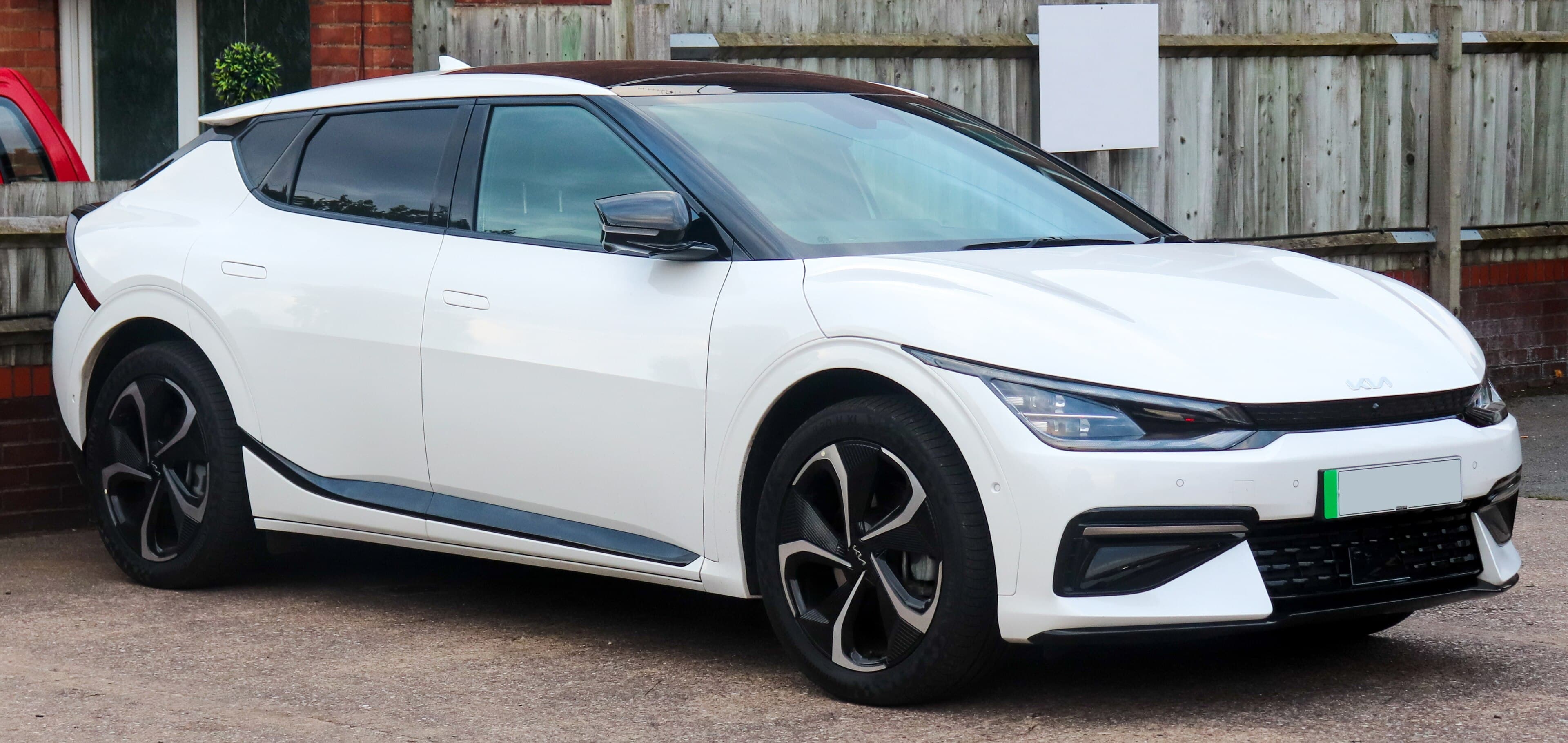
- Level 2+ / Level 3 (Emerging High-End): Adds automated lane changes initiated by tapping the turn indicator stalk, evasive emergency steering assists, and intersection crossing collision avoidance (featured on premium flagships like the Hyundai Ioniq 5 and Kia EV6).
2. Sensor Architecture: Camera-Only vs. Radar + Camera Sensor Fusion
How an ADAS-equipped car perceives surrounding traffic determines its reliability in unpredictable Indian driving conditions:
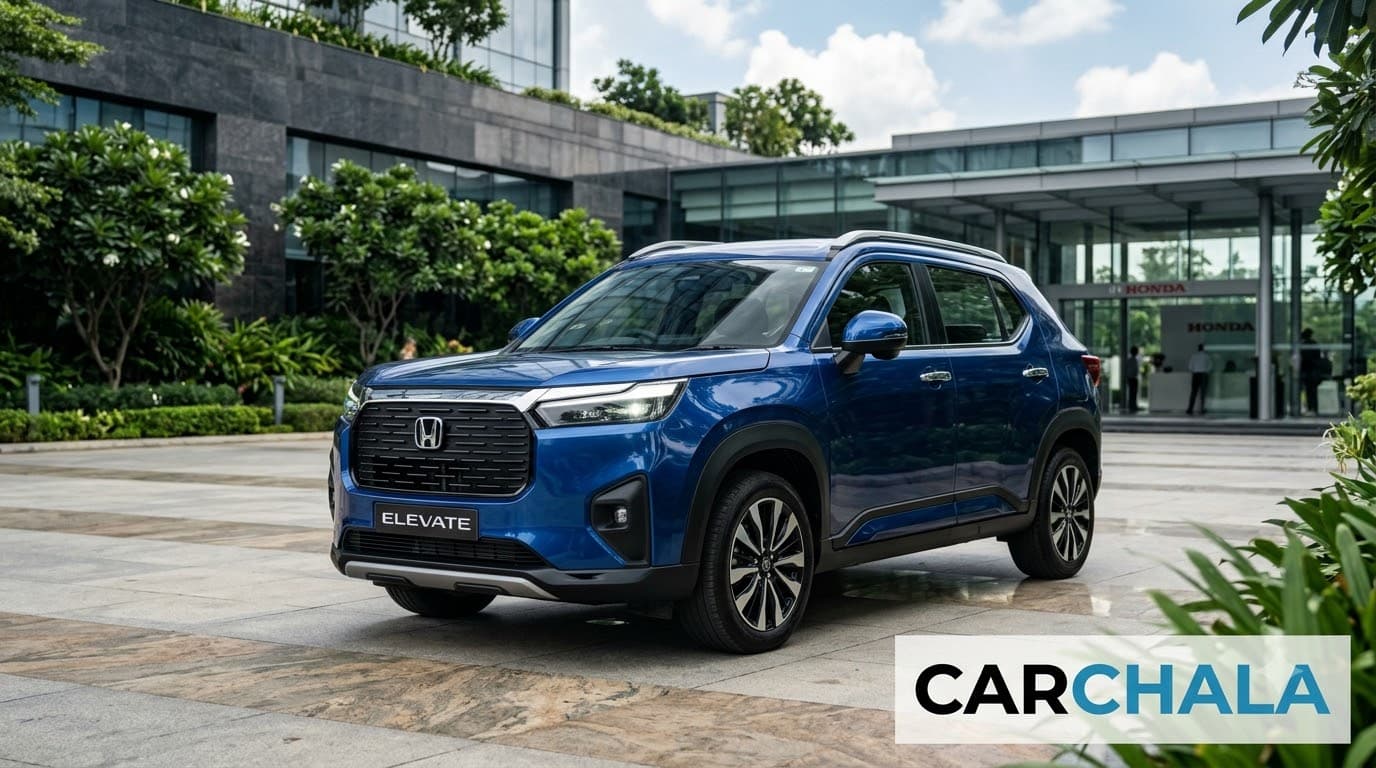
- Camera-Only (Vision-Based Systems): Uses high-resolution optical cameras mounted behind the top center of the windshield (e.g., Honda Sensing in the City and Elevate). Vision systems excel at reading painted lane markings, recognizing speed limit signs, and classifying pedestrians. However, their efficacy drops sharply during torrential monsoon downpours, dense winter fog across Northern India, severe solar glare, or unlit rural night roads.
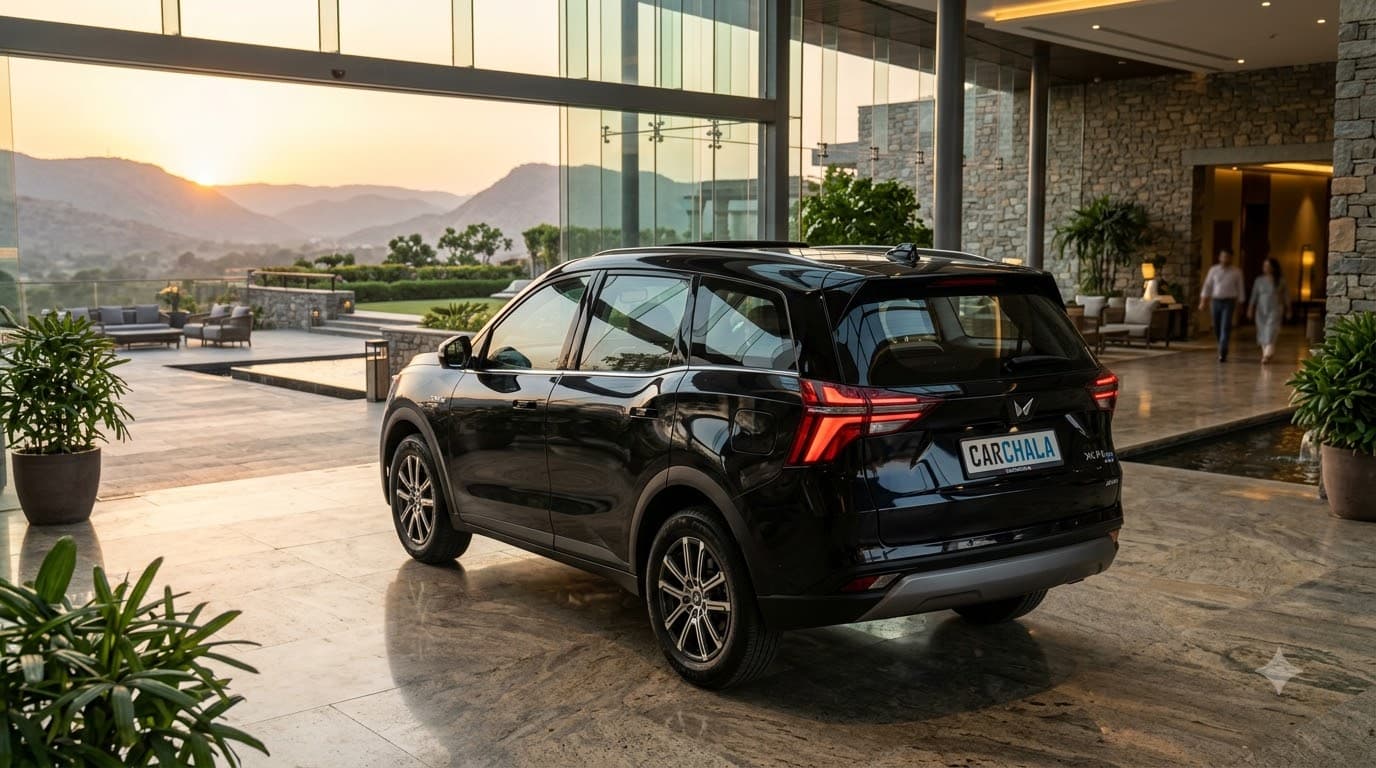
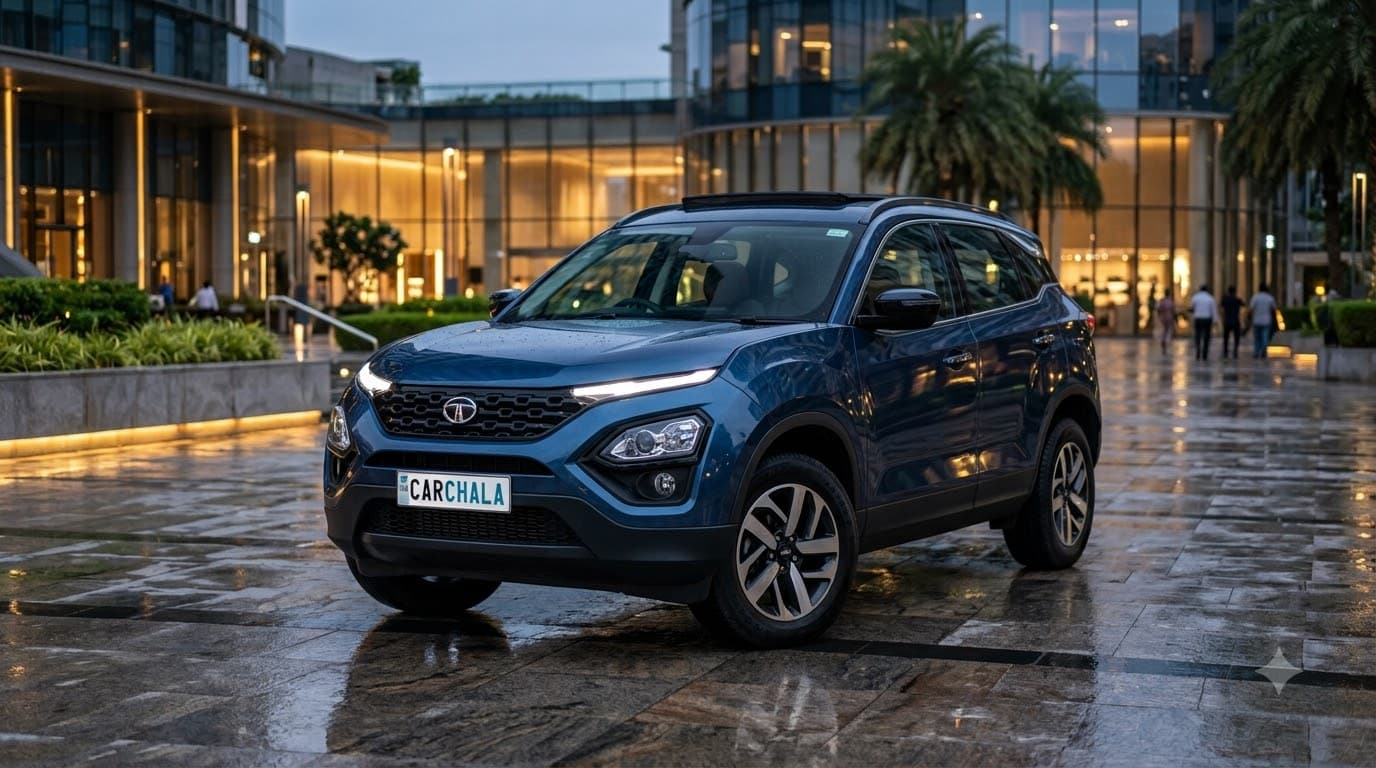
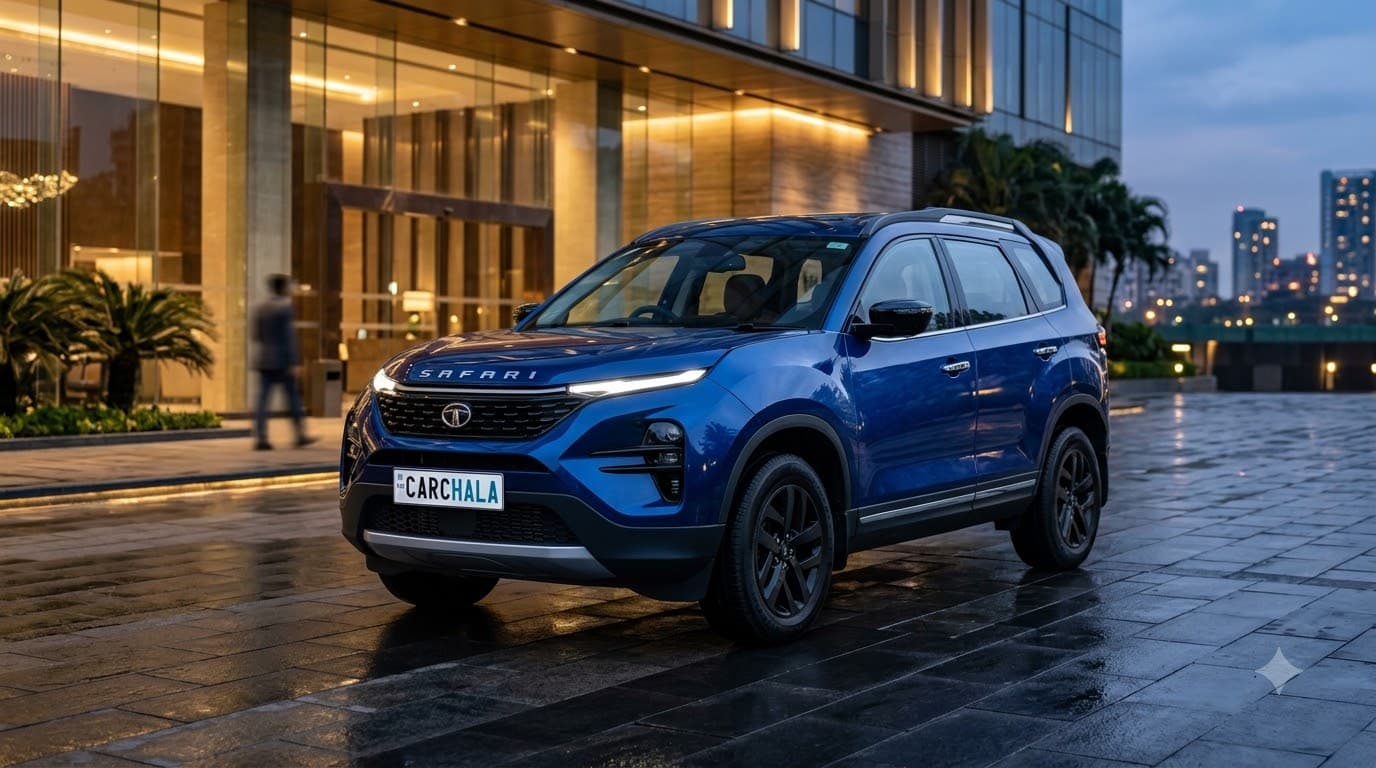
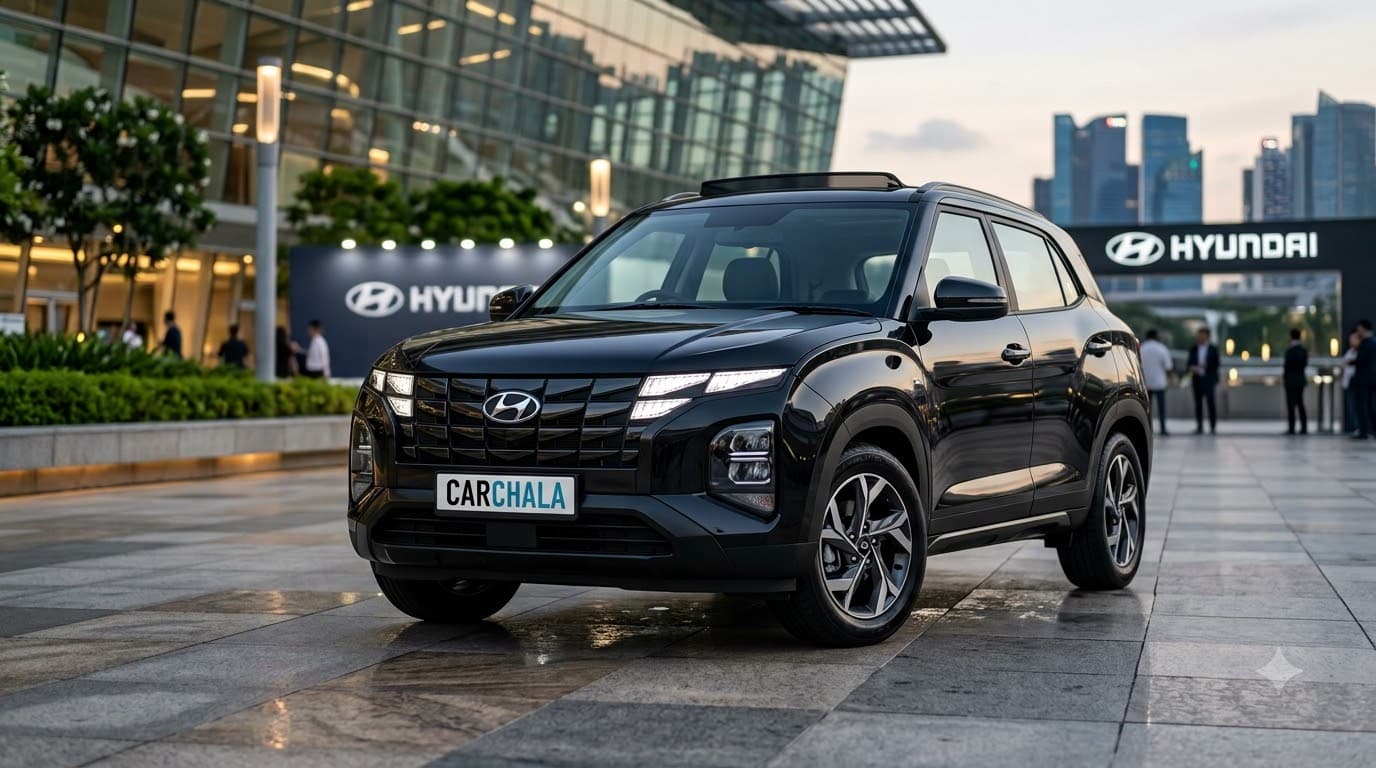
- Radar + Camera Sensor Fusion (Gold Standard): Combines windshield-mounted cameras with a 77GHz millimeter-wave radar mounted in the front bumper or radiator grille (featured on the Mahindra XUV700, Tata Harrier/Safari, Hyundai Verna/Creta, and Kia Seltos). While the camera decodes visual boundaries and object shapes, the radar penetrates dense fog, blinding rain, and total darkness to provide pinpoint distance and relative velocity measurements. Sensor fusion represents the most robust setup for Indian highways.
3. What We Love: Essential Real-World Safety Advantages
When driving long distances on Indian expressways, Level 2 ADAS provides transformative active safety benefits:
- Fatigue-Free Expressway Cruising: Adaptive Cruise Control with Stop & Go handles monotonous speed adjustments behind erratic highway traffic, dramatically reducing driver exhaustion on 500km+ intercity road trips.
- Autonomous Emergency Braking (AEB): Acts as a life-saving safety net. If preceding traffic anchors brakes suddenly and the driver suffers a momentary distraction, AEB calculates the closing speed and executes full hydraulic emergency braking to prevent or mitigate impact severity.
- Blind Spot Collision-Avoidance & Blind View Monitor (BVM): Changing lanes on multi-lane highways is often hazardous due to speeding vehicles lingering in rear blind spots. Radar monitoring warns of approaching hazards, while digital cluster camera feeds give complete visual clarity.
- Rear Cross-Traffic Alert with Auto Braking: Eliminates blind spots when reversing out of perpendicular parking bays or congested residential driveways onto busy streets.
- Auto High Beam Assist: Dips high beams automatically when oncoming headlights or leading taillights are detected, eliminating the dangerous habit of blinding fellow motorists on unlit highways.
4. What to Consider: Indian Traffic Realities, Cut-ins & False Braking
Operating an ADAS-equipped vehicle in India requires understanding local driving challenges and customizing system settings:
- Chaotic City Traffic & Aggressive Cut-ins: In dense urban bumper-to-bumper traffic, two-wheelers and auto-rickshaws frequently dart across front bumpers with minimal clearance. Sensitive AEB calibrations can misinterpret this as an imminent crash and apply abrupt braking, startling the driver and risking a rear-end collision from trailing motorists. Most modern vehicles (like Hyundai SmartSense and Mahindra ADAS) allow drivers to adjust AEB sensitivity from 'Early' to 'Late' or switch the system to 'Warning Only' mode during city commutes.
- Faded or Non-Existent Lane Markings: Lane Keep Assist relies on clear road striping. On unpaved rural roads, roadworks diversions, or faded state highways, optical cameras will disengage lane centering (signaled by amber icons on the instrument cluster). Full manual steering control must be maintained at all times.
- Mud, Grime & Sensor Blockage: Monsoon slush, road dust, and insect splatters can coat the front bumper radar or windshield glass, triggering a "Radar Blocked / ADAS Temporarily Unavailable" prompt. Regular windshield wiper maintenance and wiping bumper sensor covers during highway fuel stops ensures uninterrupted performance.
5. Manual vs. Automatic Transmissions with ADAS
While some manufacturers offer Level 2 ADAS with manual gearboxes (such as the Mahindra XUV700 AX7 MT and Honda City MT), Adaptive Cruise Control cannot execute Stop & Go on a manual transmission. In a manual car, ACC automatically disengages below 25-30 km/h to prevent engine stalling. For true, effortless traffic-jam assistance and maximum semi-autonomous convenience, an Automatic (Torque Converter, DCT, or CVT) is highly recommended.
6. Ownership Costs: Radar Vulnerability, Calibration & Insurance Realities
Owning an ADAS vehicle involves specific financial considerations that every smart buyer must anticipate:
- Front Bumper Radar Vulnerability: The primary millimeter-wave radar sensor is located in the lower front bumper or behind the front emblem. Even a low-speed parking nudge or front fender bender can crack or misalign the transceiver. Replacement radar modules cost between ₹35,000 and ₹75,000.
- Windshield Replacement & Optical Calibration: If your windshield suffers a stone crack and is replaced, the front-facing ADAS camera must undergo static and dynamic dealer recalibration using optical target boards. Recalibration costs between ₹4,000 and ₹12,000.
- Mandatory Insurance Covers: Always ensure your insurance policy includes Zero Depreciation (Bumper-to-Bumper) Cover, Engine & Electronic Sensor Protection, and Windshield/Glass Cover without deductible penalties to protect against steep out-of-pocket repair costs.