☀️ Open-Sky Buyer's Guide 2026

Best Cars with Sunroof in India (2026)

A sunroof has transformed from an ultra-luxury novelty into one of the most fiercely demanded features among Indian car buyers. From accessible compact SUVs with segment-first dual-pane Skyroofs to flagship crossovers boasting panoramic glass ceilings, we evaluate the best cars with sunroofs in India across real-world thermal management, glass quality, mechanism reliability, and value for money.

Quick Comparison

ModelEx-Showroom PriceClaimed MileageKey USP
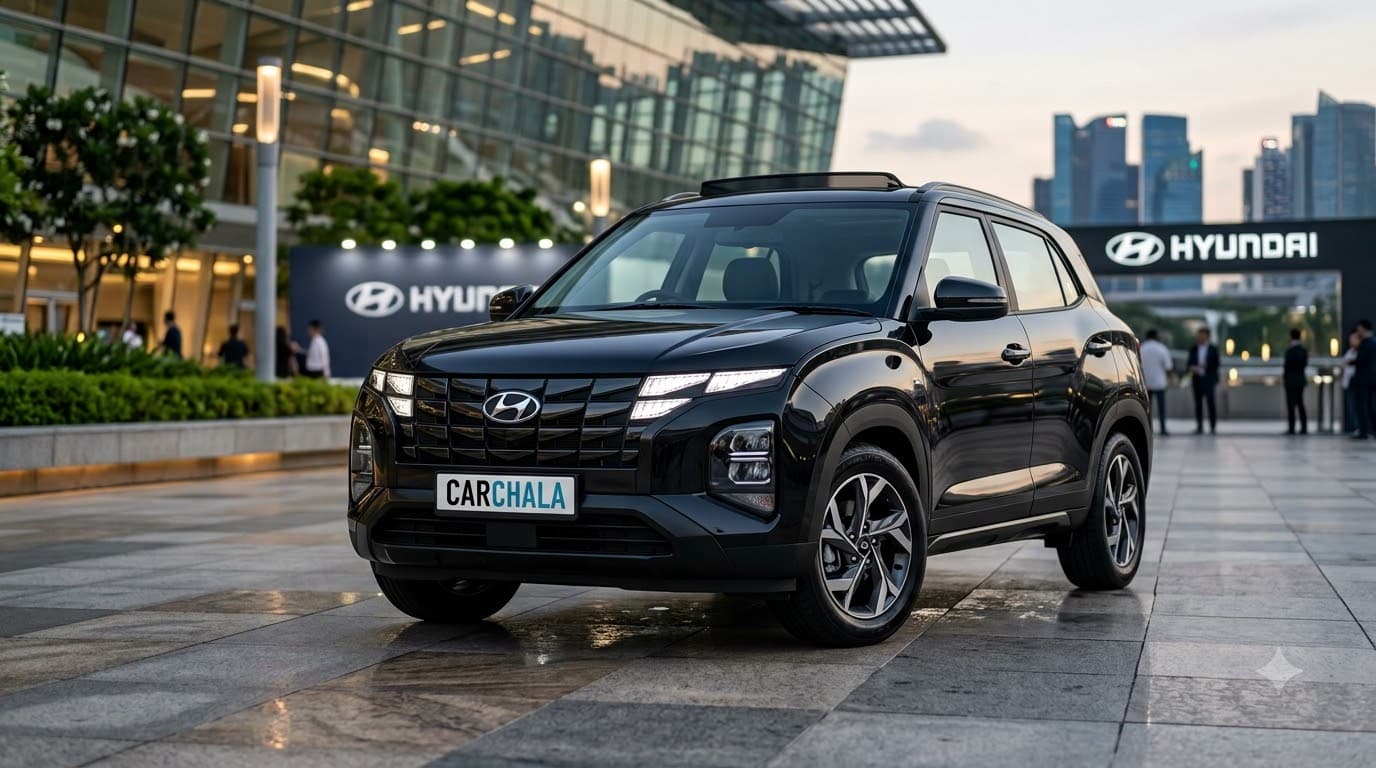
Hyundai Hyundai Creta₹11 - 15.95 Lakh18.4 kmplVoice-controlled smart panoramic sunroof with one-touch aperture and ambient interior illumination in India's bestselling SUV.
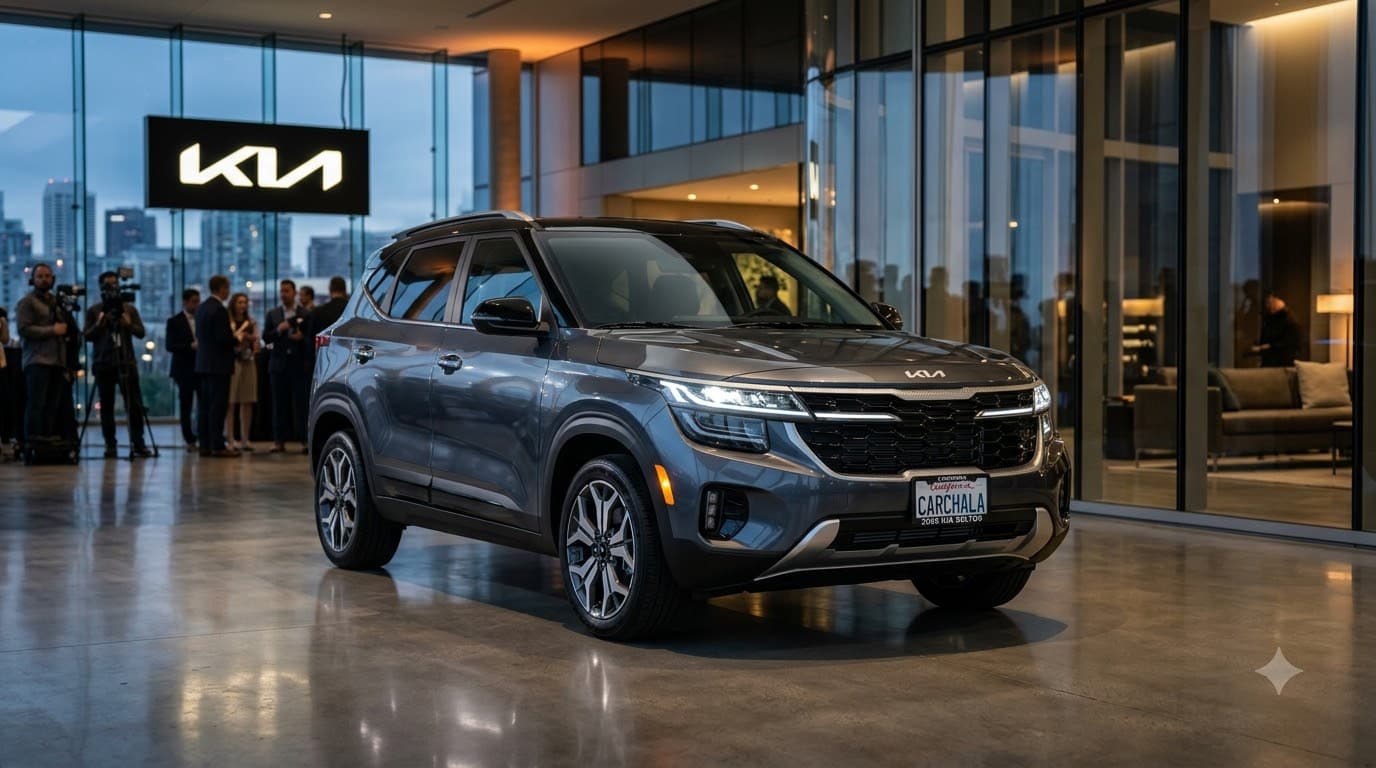
Kia Kia Seltos₹10.9 - 15.8 Lakh17.0 kmplDual-pane panoramic sunroof equipped with a thick, fully opaque heat-insulating motorized blind and Level 2 ADAS.
Mahindra XUV 3XO₹7.49 Lakh20.1Segment-first dual-pane panoramic 'Skyroof' bringing luxury-grade open-sky motoring to the sub-4 meter compact SUV class.
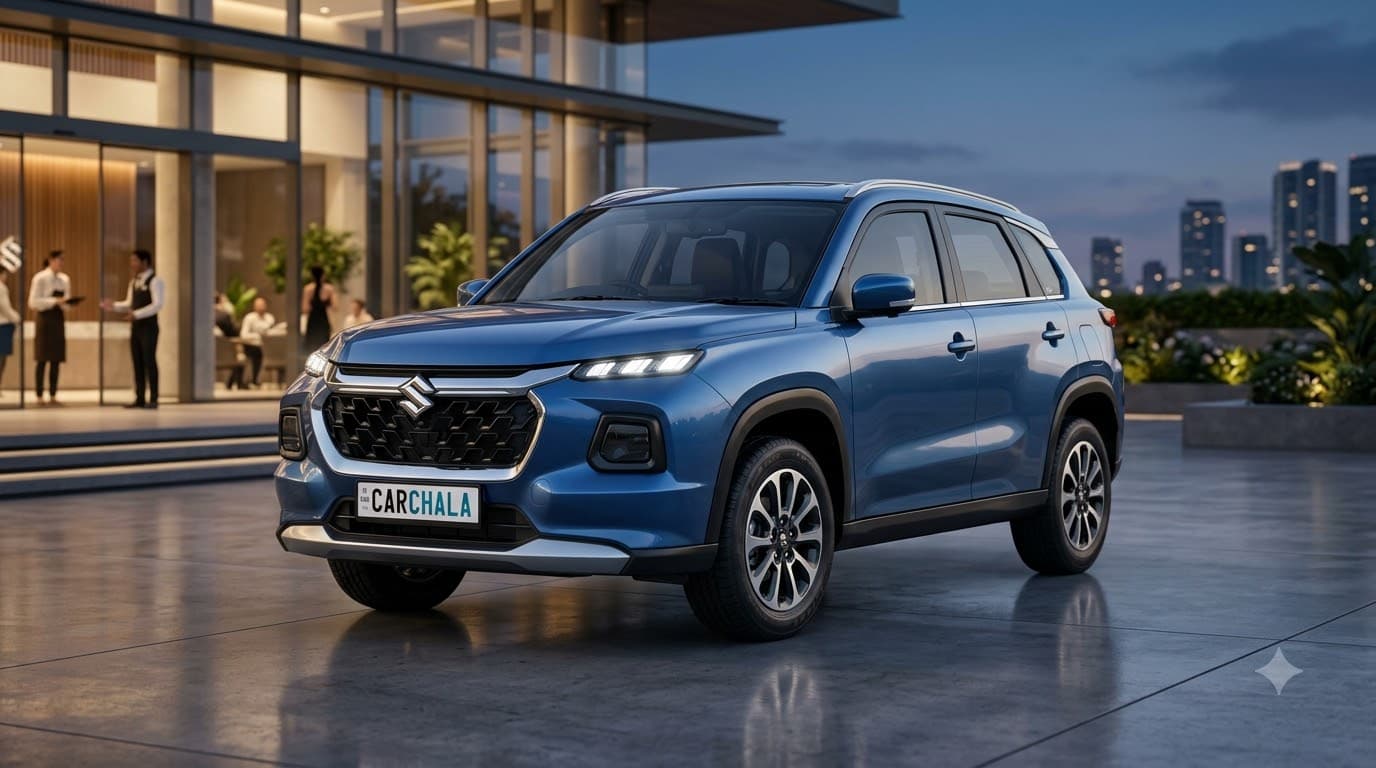
Maruti Suzuki Maruti Suzuki Grand Vitara₹10.99 - 16.48 Lakh21.1 kmplTwin-sliding panoramic sunroof with industry-leading roof opening aperture paired with an ultra-frugal 27.97 kmpl hybrid engine.
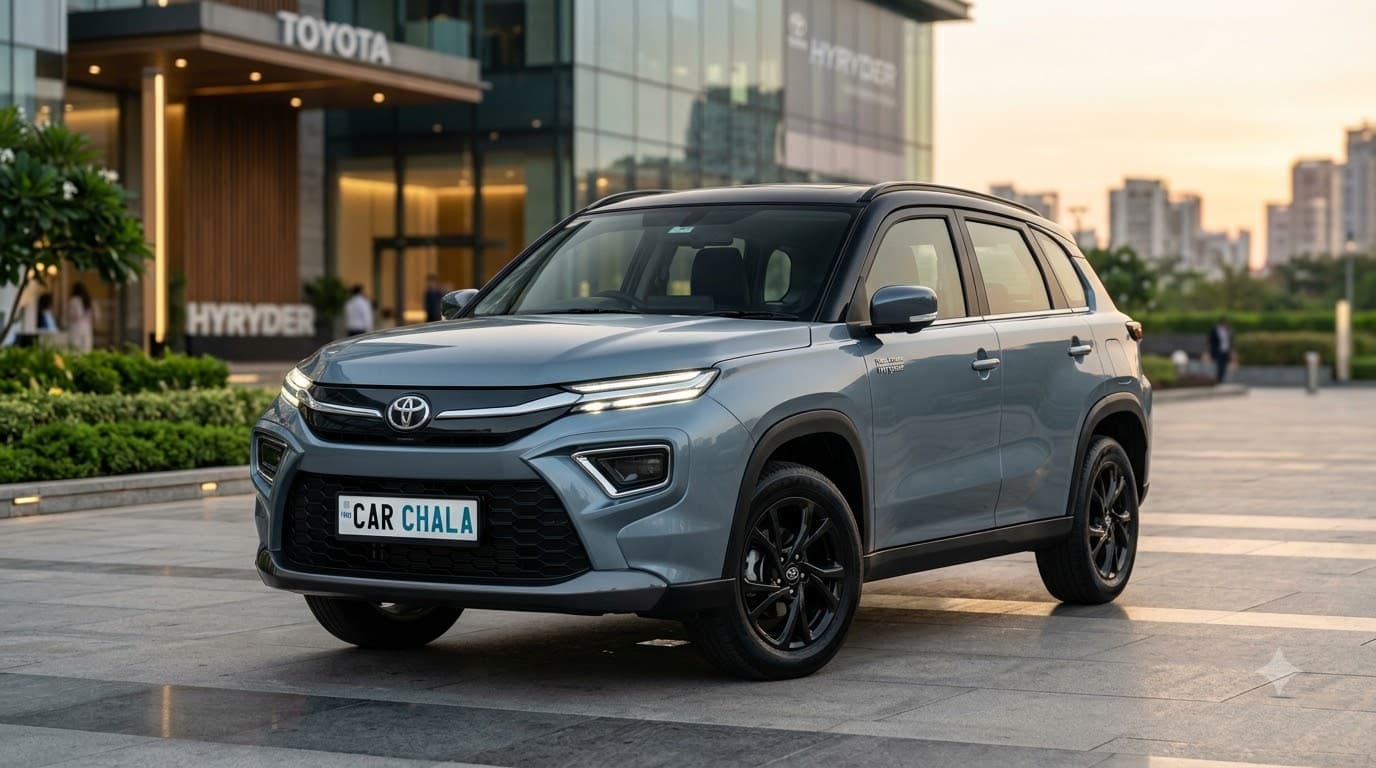
Toyota Toyota Urban Cruiser Hyryder₹11.14 - 16.15 Lakh27.97 kmplExpansive dual-pane sliding panoramic sunroof backed by Toyota's bulletproof strong-hybrid reliability and 8-year battery warranty.

Top Cars with Sunroof Evaluated

Hyundai Hyundai Creta in Best Cars with Sunroof in India 2026
4.6 / 5

Hyundai Hyundai Creta

Est. On-Road Starts At: ₹13.00 - ₹24.20 Lakh

Ex-Showroom

₹11 - 15.95 Lakh

Mileage

18.4 kmpl

Engine

1.5L turbocharged

Safety

What we love

  • Expansive voice-enabled panoramic sunroof that opens with natural voice commands in English and Hindi ('Sunroof Kholo')
  • Plush, compliant suspension tuning that glides over broken Indian city roads and expansion joints with supreme comfort
  • Refined 1.5L CRDi diesel and 1.5L Turbo petrol powertrains paired with butter-smooth automatic transmissions
  • Equipped with Level 2 ADAS, dual-zone automatic climate control, and ventilated front seats

What to consider

  • High consumer demand leads to waiting periods of 2 to 4 months on top-spec panoramic sunroof trims
  • Large glass surface increases cabin heat load during peak summer, requiring higher AC blower speeds when parked unshaded

Verdict: The Hyundai Creta set the gold standard for panoramic sunroof integration in mainstream Indian SUVs. Its expansive glass roof transforms cabin airiness, and when paired with segment-leading ride refinement, modern Level 2 ADAS, and proven resale value, it remains the most complete open-sky family SUV on the market.

Kia Kia Seltos in Best Cars with Sunroof in India 2026
4.5 / 5

Kia Kia Seltos

Est. On-Road Starts At: ₹12.85 - ₹24.50 Lakh

Ex-Showroom

₹10.9 - 15.8 Lakh

Mileage

17.0 kmpl

Engine

1.5L turbocharged

Safety

What we love

  • Sweeping panoramic glass roof with heavy opaque sunblind that effectively blocks harsh 45°C Indian summer heat
  • Exhilarating 1.5L Turbo-Petrol engine (160 PS / 253 Nm) mated to a quick-shifting 7-speed dual-clutch transmission
  • Comprehensive Level 2 ADAS suite with 17 autonomous safety features including Blind-Spot Collision-Avoidance
  • High-tech cockpit with dual 10.25-inch curved digital displays and 8-speaker Bose premium audio

What to consider

  • Slightly stiff low-speed suspension ride over sharp potholes compared to the Creta
  • Panoramic sunroof is restricted strictly to HTX and higher variants

Verdict: The Kia Seltos executes the panoramic sunroof formula with superior tropical climate engineering, using an opaque roller blind that prevents the dreaded greenhouse effect. Combined with its potent 160 PS turbo engine and tech-rich cabin, it is the best pick for drivers who want both performance and panoramic views.

Mahindra XUV 3XO in Best Cars with Sunroof in India 2026
4.5 / 5

Mahindra XUV 3XO

Est. On-Road Starts At: ₹8.90 - ₹17.80 Lakh

Ex-Showroom

₹7.49 Lakh

Mileage

20.1

Engine

Standard Engine

Safety

Not Rated

What we love

  • First-in-segment panoramic Skyroof offering an expansive glass area never before seen under ₹15 Lakh
  • Class-leading 1.2L mStallion direct-injection TGDi turbo-petrol producing 130 PS and a massive 230 Nm of torque
  • Level 2 ADAS suite with radar-camera fusion and 360-degree surround camera on AX7 variants
  • Broadest rear bench in the segment with 3-step adjustable headrests and class-leading shoulder room

What to consider

  • Boot space of 295 litres is modest compared to rivals like the Brezza and Nexon
  • Piano black interior trims around window switches and center console scratch easily

Verdict: The Mahindra XUV 3XO completely democratizes the panoramic sunroof in India by bringing a massive dual-pane Skyroof below ₹10 Lakh (ex-showroom). Backed by explosive turbo-petrol torque and Level 2 ADAS, it punches well above its weight class in value and open-air theatrics.

Maruti Suzuki Maruti Suzuki Grand Vitara in Best Cars with Sunroof in India 2026
4.4 / 5

Maruti Suzuki Maruti Suzuki Grand Vitara

Est. On-Road Starts At: ₹12.60 - ₹23.50 Lakh

Ex-Showroom

₹10.99 - 16.48 Lakh

Mileage

21.1 kmpl

Engine

1.2L Turbo / 1.5L Diesel

Safety

What we love

  • Unique dual-sliding mechanism where both front and rear glass panels slide back for maximum open-air clearance
  • Strong Hybrid e-CVT powertrain returns exceptional real-world city fuel efficiency exceeding 23-25 kmpl
  • Available ALLGRIP intelligent All-Wheel Drive (AWD) with dedicated terrain modes on mild-hybrid manual trims
  • Maruti Suzuki's unmatched pan-India service footprint and rock-solid long-term resale value

What to consider

  • Translucent roller sunblind allows solar heat radiation to filter into the cabin during peak May afternoons
  • Strong hybrid battery pack occupies luggage room, reducing boot capacity down to 265 litres

Verdict: The Maruti Suzuki Grand Vitara is the smartest choice for mileage-conscious buyers who refuse to compromise on lifestyle appeal. Its twin-slide panoramic sunroof opens wider than almost any competitor in the class, while the strong hybrid system delivers sensational running costs for daily commutes.

Toyota Toyota Urban Cruiser Hyryder in Best Cars with Sunroof in India 2026
4.4 / 5

Toyota Toyota Urban Cruiser Hyryder

Est. On-Road Starts At: ₹12.80 - ₹23.70 Lakh

Ex-Showroom

₹11.14 - 16.15 Lakh

Mileage

27.97 kmpl

Engine

1.5L turbocharged

Safety

What we love

  • Expansive panoramic sunroof with dual sliding glass sections that create a truly dramatic open-cabin ambiance
  • 27.97 kmpl ARAI-certified mileage with silent pure-EV driving capability in heavy urban stop-and-go traffic
  • Toyota's renowned 8-year/160,000 km hybrid traction battery warranty for complete long-term ownership peace of mind
  • Comfortable, compliant suspension tuning designed specifically to handle rough state highways and bad roads

What to consider

  • Thin mesh-style roller blind requires adding an aftermarket ceramic heat-rejection film for harsh northern summers
  • Rear passenger headroom is slightly snug for tall passengers over 6 feet under the sunroof cassette mechanism

Verdict: The Toyota Urban Cruiser Hyryder combines open-air luxury with bulletproof Japanese engineering and unmatched hybrid efficiency. For families planning frequent long-distance road trips who want scenic panoramic views without heavy fuel bills, the Hyryder is a top-tier contender.

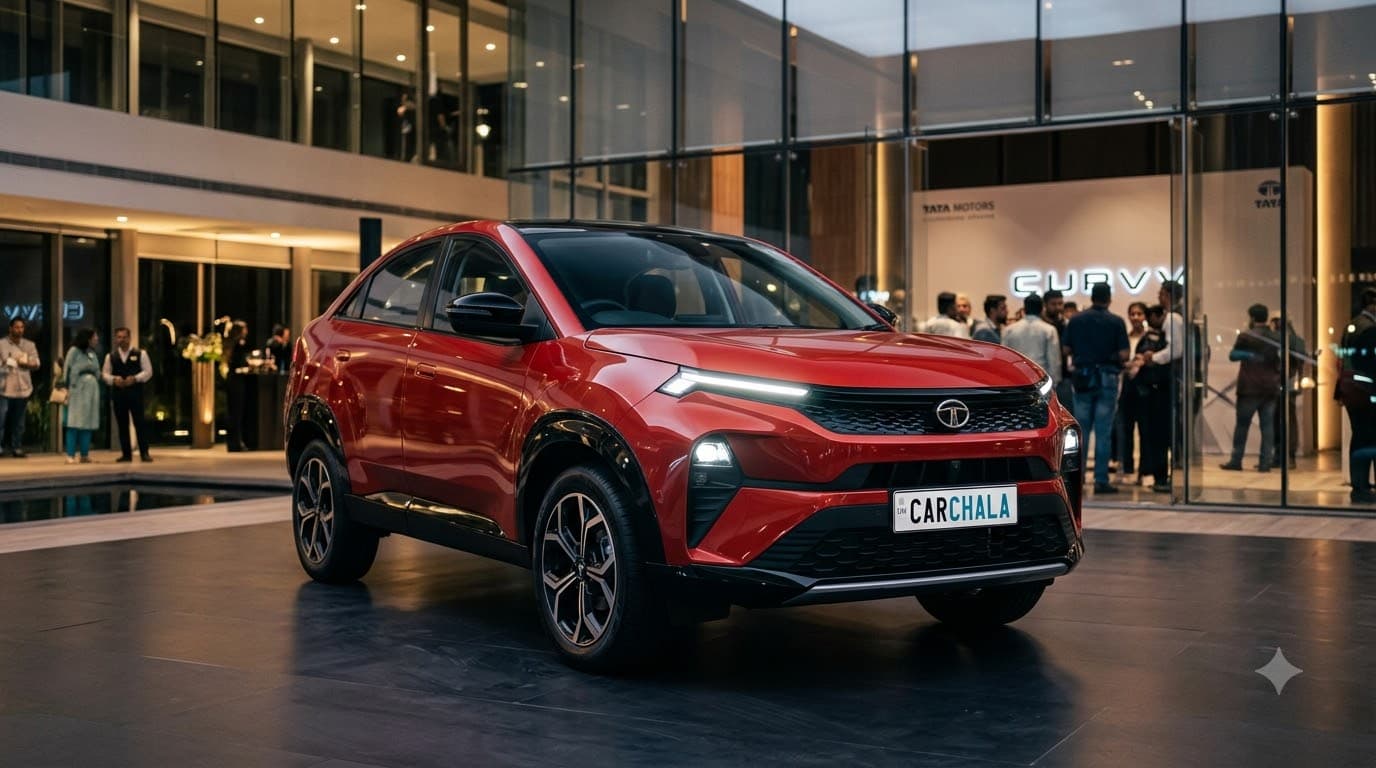
Tata Curvv in Best Cars with Sunroof in India 2026
4.4 / 5

Tata Curvv

Est. On-Road Starts At: ₹11.80 - ₹21.50 Lakh

Ex-Showroom

₹10.5 Lakh

Mileage

18

Engine

Standard Engine

Safety

Not Rated

What we love

  • Large fixed-and-sliding panoramic glass roof with Hindi and English voice activation ('Sunroof Kholo')
  • Dramatic coupe-SUV design styling with flush door handles and aerodynamic 18-inch alloy wheels
  • Class-leading 500-litre luggage boot capacity with wide rear tailgate access
  • Standard 6 airbags, ESC, 190mm ground clearance, and available Level 2 ADAS on Empowered trims

What to consider

  • Coupe roofline marginally reduces rear headroom for passengers over 6 feet tall
  • Rearward driver visibility through the raked rear windscreen is restricted, requiring reliance on the 360 camera

Verdict: The Tata Curvv brings bespoke coupe-SUV styling and open-air elegance to the mainstream market. Its panoramic sunroof completely counteracts the visual snugness of the sloping roofline, flooding the digital cabin with natural light and making it one of the most head-turning cars on Indian roads.

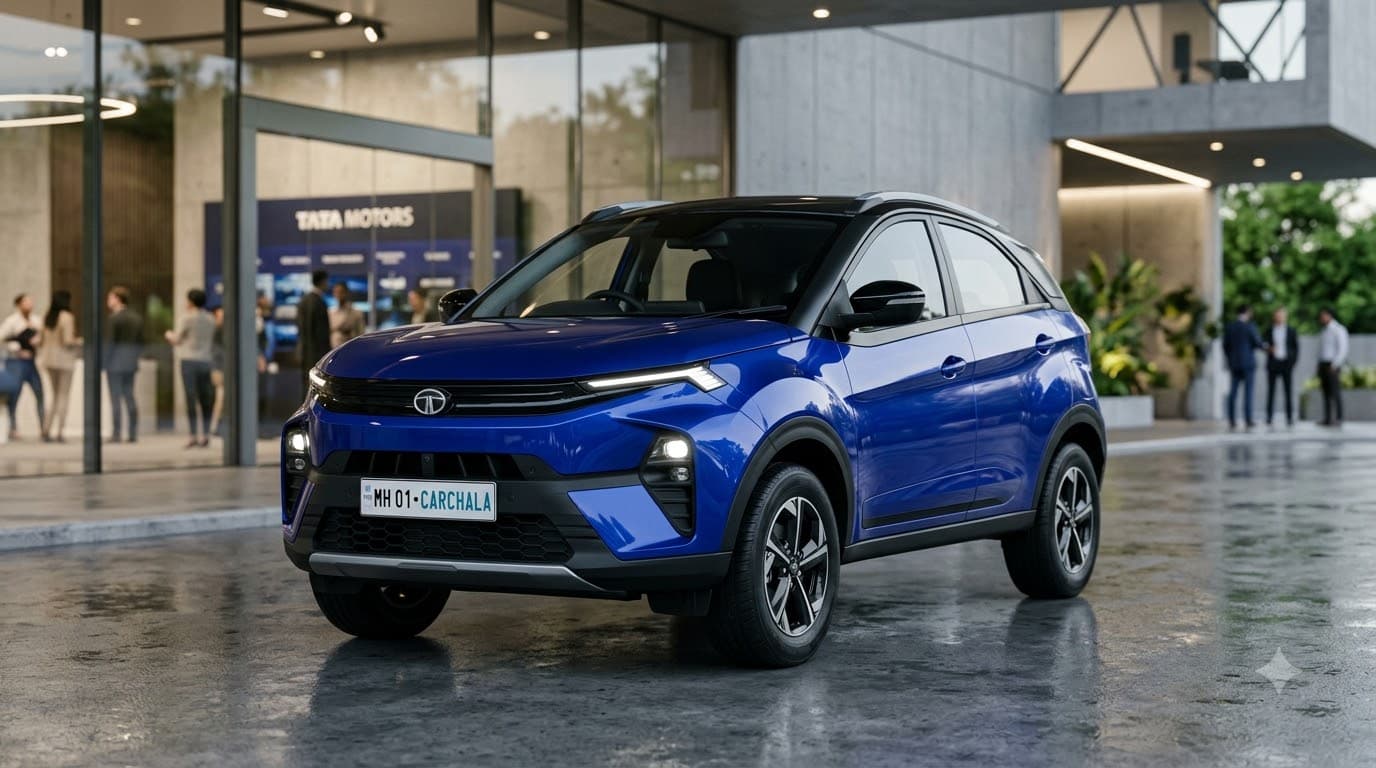
Tata Tata Nexon in Best Cars with Sunroof in India 2026
4.3 / 5

Tata Tata Nexon

Est. On-Road Starts At: ₹9.20 - ₹18.20 Lakh

Ex-Showroom

₹8 - 16.99 Lakh

Mileage

17.0 kmpl

Engine

1.2L Turbo / 1.5L Diesel

Safety

What we love

  • Voice-assisted smart electric sunroof accessible from mid-spec Pure/Creative variants for great value
  • Impeccable 5-Star Bharat NCAP crash safety rating with standard 6 airbags, ESP, and reinforced high-strength steel shell
  • Potent 1.2L Turbo-petrol (120 PS) and 1.5L Revotorq diesel (115 PS / 260 Nm) engine options with 7-speed DCA
  • Futuristic cockpit featuring a 10.25-inch high-definition touchscreen, digital instrument cluster, and 360-degree camera

What to consider

  • Single-pane sunroof aperture is smaller compared to the panoramic Skyroof on the XUV 3XO
  • Touch-sensitive HVAC control panel takes some getting used to while driving on bumpy roads

Verdict: The Tata Nexon remains one of India's favorite compact SUVs because it packages aspirational features like an electric sunroof into a fortress-like 5-star safety package. It is an exceptionally sensible, rugged all-rounder that handles tough Indian road conditions with confidence.

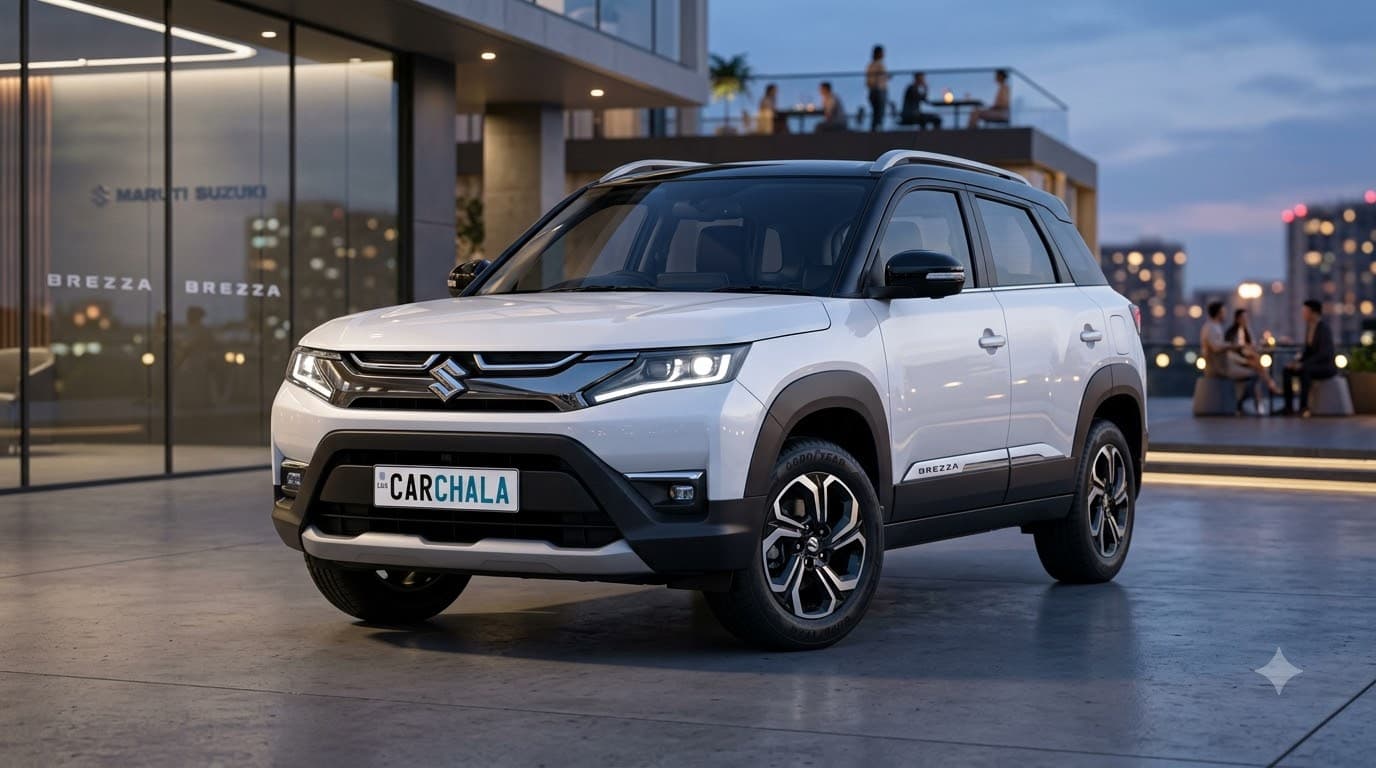
Maruti Suzuki Maruti Suzuki Brezza in Best Cars with Sunroof in India 2026
4.3 / 5

Maruti Suzuki Maruti Suzuki Brezza

Est. On-Road Starts At: ₹9.60 - ₹16.40 Lakh

Ex-Showroom

₹8.34 - 12.51 Lakh

Mileage

19.8 kmpl

Engine

1.2L Turbo / 1.5L Diesel

Safety

What we love

  • Electric sunroof with anti-pinch protection available starting from the popular mid-spec ZXi variant
  • Ultra-reliable and refined 1.5L K15C 4-cylinder petrol engine with smooth 6-speed torque converter automatic
  • Segment-leading 360-degree parking camera, head-up display (HUD), and Arkamys premium audio tuning
  • Plush suspension setup that absorbs deep city potholes and broken tarmac with supreme composure

What to consider

  • Lacks a punchy turbocharged petrol option for aggressive highway overtakes
  • Single-pane sunroof does not extend to the rear row like panoramic units on larger SUVs

Verdict: The Maruti Suzuki Brezza brings worry-free sunroof ownership to budget-conscious urban families. Backed by Maruti's bulletproof 4-cylinder mechanical reliability, affordable maintenance, and strong resale value, it is the safest bet for stress-free open-air city commuting.

Kia Sonet in Best Cars with Sunroof in India 2026
4.3 / 5

Kia Sonet

Est. On-Road Starts At: ₹9.20 - ₹18.00 Lakh

Ex-Showroom

₹7.41 - 14.27 Lakh

Mileage

18.4 kmpl

Engine

1.2L Turbo / 1.5L Diesel

Safety

What we love

  • Voice-activated electric sunroof integrated with Kia Connect app for remote smartphone pre-cooling
  • Segment-leading feature list including front seat ventilation, crisp 10.25-inch touchscreen, and 7-speaker Bose audio
  • Level 1 ADAS suite with Forward Collision Warning, Lane Keep Assist, and High Beam Assist
  • Dynamic driving character with peppy 1.0L Turbo GDi (120 PS) and refined 1.5L CRDi diesel powertrains

What to consider

  • Rear legroom is snug for tall adults, making it primarily a comfortable 4-seater
  • Firm suspension setup transmits road imperfections over sharp city speed breakers

Verdict: The Kia Sonet is the ultimate tech-loaded compact SUV for young urban buyers. Its voice-controlled sunroof, front ventilated seats, and punchy turbo-petrol powertrain create a premium, feel-good ambiance that rivals cars from a segment above.

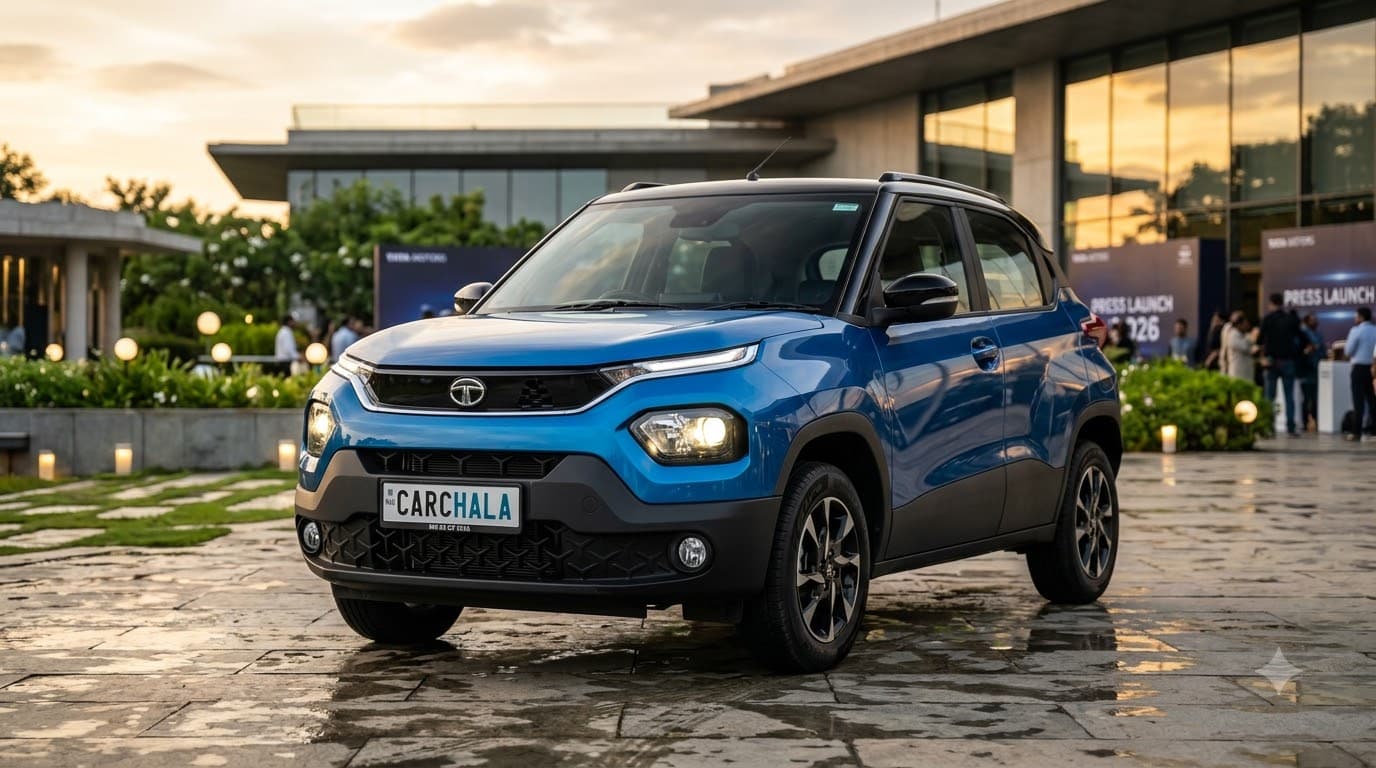
Tata Tata Punch in Best Cars with Sunroof in India 2026
4.2 / 5

Tata Tata Punch

Est. On-Road Starts At: ₹6.90 Lakh

Ex-Showroom

₹6 - 11.99 Lakh

Mileage

18.8 kmpl

Engine

1.2L Turbo / 1.5L Diesel

Safety

What we love

  • Striking exterior design
  • Refined and smooth engine
  • Spacious and comfortable cabin

What to consider

  • Top variants are quite expensive
  • Missing some premium features
  • Firm ride quality at low speeds

Verdict: The Tata Tata Punch stands out as an excellent choice in this segment.

Slightly Over Budget (But Worth The Stretch)

If you can push your budget a bit further, these cars offer massive upgrades.

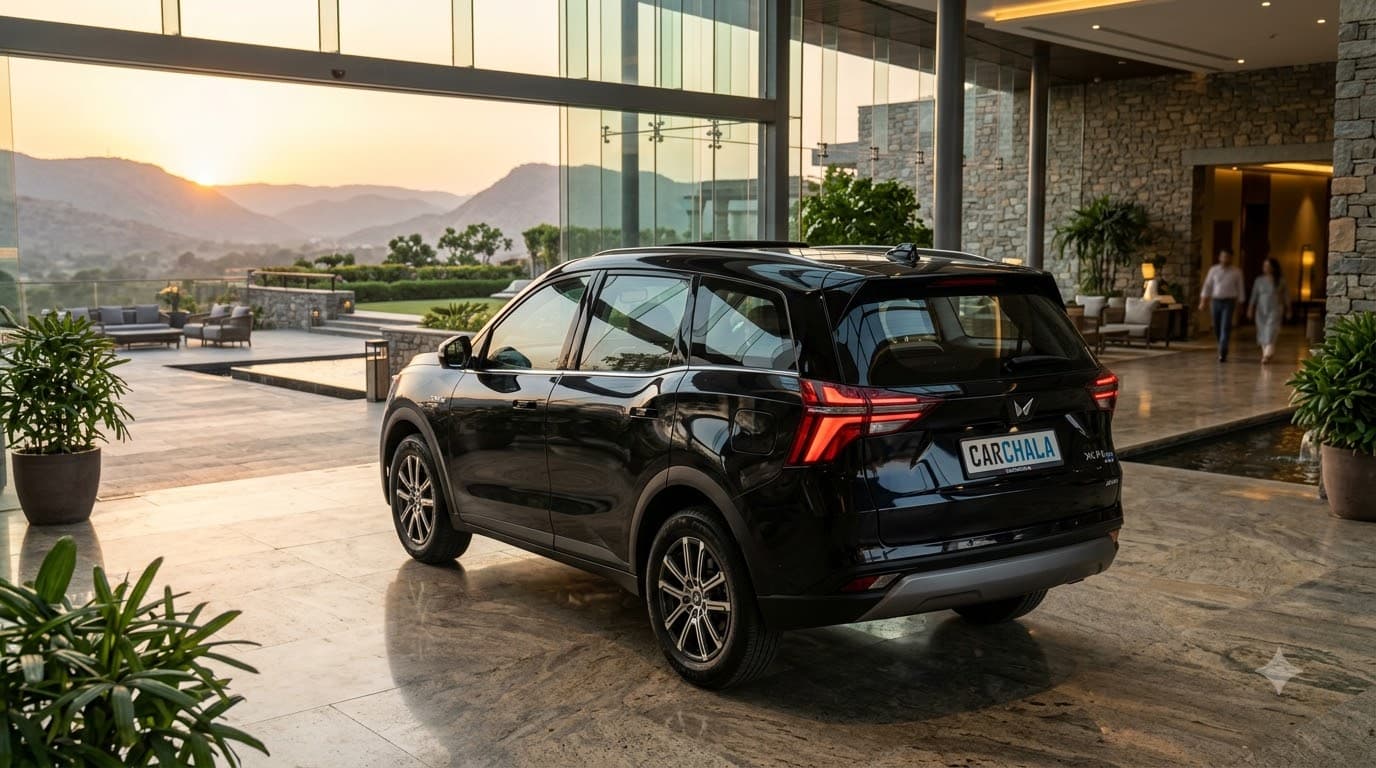
Mahindra Mahindra XUV700 in Best Cars with Sunroof in India 2026
4.1 / 5

Mahindra Mahindra XUV700

Est. On-Road Starts At: ₹16.09 Lakh

Recommended Stretch

₹20.98 Lakh

Mileage

16.5 kmpl

Engine

1.2L Turbo / 1.5L Diesel

Safety

What we love

  • Iconic dual-pane 'Skyroof' panoramic sunroof spanning almost the entire length of the cabin
  • Explosive 2.0L mStallion turbo-petrol (200 PS) and 2.2L mHawk diesel (185 PS / 450 Nm) engines
  • 5-Star Global NCAP crash safety rating with 7 airbags and Mobileye Level 2 ADAS suite

What to consider

  • Long waiting periods on popular AX7 and AX7L Skyroof variants
  • Third-row seating is snug for tall adults on extended inter-city road trips

Why stretch for this? The Mahindra XUV700 features the iconic 'Skyroof'—the largest panoramic sunroof in its class—paired with explosive 200 PS turbo-petrol performance, Level 2 ADAS, and 5-star crash safety for unbeatable long-distance highway touring.

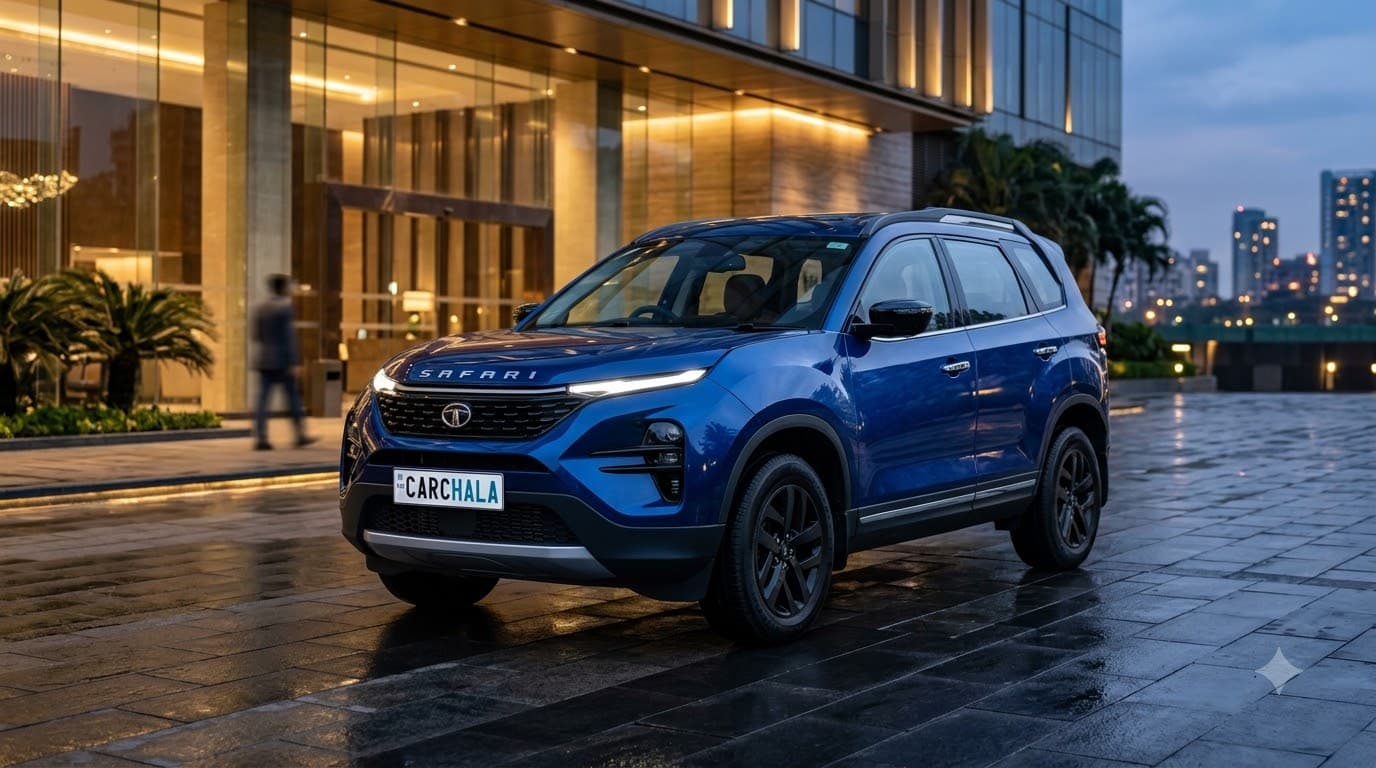
Tata Tata Safari in Best Cars with Sunroof in India 2026
4.1 / 5

Tata Tata Safari

Est. On-Road Starts At: ₹18.62 Lakh

Recommended Stretch

₹24.29 Lakh

Mileage

16.1 kmpl

Engine

1.2L Turbo / 1.5L Diesel

Safety

What we love

  • Vast panoramic sunroof with perimeter ambient mood lighting and bilingual voice commands ('Sunroof Kholo')
  • Highest Adult and Child safety score in Bharat NCAP history for a 7-seater SUV
  • Lounge-like executive cabin with ventilated second-row captain chairs and 10-speaker JBL audio

What to consider

  • Large 19-inch alloy wheels on top trims transmit sharper road imperfections at slow city speeds
  • No petrol engine option available for buyers looking for low annual mileage city use

Why stretch for this? The Tata Safari boasts a magnificent voice-assisted panoramic sunroof with ambient mood lighting along the frame, turning its luxurious 3-row cabin into an ultra-airy first-class family cruiser with 5-star BNCAP safety.

Buyer's Guide: Best Cars with Sunroof in India (2026)

In the modern Indian car market, the sunroof has evolved from an exclusive luxury gimmick into one of the most heavily demanded features across every price segment. Dealership booking data confirms that variants equipped with a sunroof command significantly higher customer interest and maintain stronger residual value in the pre-owned market. However, owning a vehicle with a large glass roof in a tropical country where summer temperatures frequently cross 45°C requires a nuanced understanding of sunroof mechanisms, glass quality, thermal management, structural safety, and maintenance.

What We Love: Why Indian Buyers Adore Sunroofs

When used correctly, a sunroof dramatically enhances the daily driving and passenger experience:

  • Airy, Expansive Cabin Ambiance: Large panoramic sunroofs (found on models like the Hyundai Creta, Kia Seltos, Mahindra XUV 3XO, and Tata Curvv) flood the interior with natural sunlight. This visually expands dark cabin interiors and completely eliminates feelings of claustrophobia for rear-seat passengers and children.
  • Silent Heat Extraction via Tilt Mode: When your car has been parked under the blazing sun, cracking the sunroof open in Tilt Mode creates an aerodynamic chimney effect. Hot, buoyant air trapped against the roof headliner rushes out within seconds of driving off, reducing interior cabin temperature much faster than air conditioning alone.
  • Scenic Drives & Monsoon Romance: During rainy monsoon road trips across the Western Ghats or cool winter evening cruises along coastal highways, opening the sunblind allows occupants to enjoy the scenic skyline and misty weather without letting rain or wind buffeting into the cabin.
  • Voice-Assisted Convenience: Modern vehicles feature conversational voice commands in English, Hindi, and regional languages (e.g., "Open the sunroof" or "Sunroof kholo"), letting drivers operate the glass roof effortlessly without taking their hands off the steering wheel or eyes off the road.

What to Consider: Climate Realities & Technical Challenges

Before prioritizing a sunroof variant, buyers must evaluate several practical trade-offs:

  • The Greenhouse Effect & AC Workload: Glass conducts and radiates far more thermal energy than an insulated steel sheet metal roof. In regions like Delhi-NCR, Rajasthan, Gujarat, and Telangana, parking under direct sunlight creates intense cabin heat. The automatic climate control system must work up to 25–30% harder to cool the interior, slightly reducing fuel economy in petrol/diesel cars and marginally impacting driving range in electric vehicles.
  • Roller Blind Fabric Quality: Not all sunblinds insulate equally. The Kia Seltos and Hyundai Creta feature heavy, multi-layer opaque fabric blinds that block 100% of direct sun glare. Conversely, models like the Toyota Hyryder and Maruti Grand Vitara utilize thinner, translucent mesh blinds that let ambient heat filter through. For such vehicles, installing a certified ceramic UV and infrared heat-rejection film (70%+ VLT) on the glass is highly recommended.
  • Headroom Compromises for Tall Occupants: Because motorized sliding tracks, motors, and drainage cassettes are housed between the vehicle's roof and interior headliner, a sunroof assembly typically consumes 1 to 2 inches (25–50 mm) of vertical cabin headroom. Drivers and passengers over 6 feet tall should always test-sit in the exact sunroof variant before booking.

1. Single-Pane vs. Panoramic vs. Fixed Glass Roofs

Understanding the architectural differences helps you select the right configuration for your budget:

  • Single-Pane Electric Sunroof (e.g., Maruti Brezza, Hyundai Venue, Tata Nexon, Hyundai Verna): Positioned over the front row only. It consists of a single glass panel that tilts upward for ventilation or slides back into the roof cavity. It adds minimal weight (typically 12–18 kg), has lower mechanical complexity, and has a smaller heat-absorption surface area, making it ideal for compact SUVs and sedans.
  • Dual-Pane Panoramic Sunroof (e.g., Hyundai Creta, Kia Seltos, Mahindra XUV 3XO, Tata Curvv, Toyota Hyryder): Spans nearly the entire roofline over both front and rear seating rows. The front pane slides over or under the fixed rear pane, creating a massive aperture that completely transforms the cabin atmosphere. However, it adds 35–60 kg to the vehicle's highest center of gravity and requires heavy-duty dual-motor mechanisms.
  • Fixed Vision Glass Roof (e.g., Hyundai Ioniq 5): A continuous single sheet of laminated acoustic safety glass spanning the roof without opening sliding rails. It maximizes structural rigidity, provides seamless skyward visibility, and produces zero mechanical rattles, relying entirely on a motorized roller blind for shading.

2. Mechanism Breakdown: Tilt vs. Slide Modes

Most modern electric and panoramic sunroofs offer dual-mode operation:

  • Tilt Mode (Aerodynamic Vent): The rear edge of the glass panel rises 2–4 cm while remaining secured at the front. This mode creates a low-pressure vacuum that silently exhausts hot air, cigarette smoke, or windshield condensation without introducing loud wind buffeting or rainwater at highway speeds.
  • Slide Mode (Full Aperture): The glass panel slides completely backward, exposing the cabin to open sky. Ideal for slow-speed scenic hill-station drives, evening cruises, or clearing stale air after parking in the sun. Modern systems include anti-pinch safety sensors that instantly reverse the closing glass if an obstruction is detected.

3. Structural Integrity & Rollover Crash Safety

A common misconception among buyers is that cutting a hole for a sunroof weakens the car's structural safety. In reality, modern factory-fitted sunroof vehicles from Tata, Mahindra, Hyundai, and Toyota are engineered with reinforced high-strength steel (AHSS/UHSS) boxed ring frames and tubular cross-members around the roof perimeter. Vehicles like the Tata Nexon, Tata Curvv, Mahindra XUV700, Mahindra XUV 3XO, and Hyundai Verna have achieved certified 5-Star BNCAP and Global NCAP crash safety ratings with sunroofs equipped, proving that roof crush resistance and rollover protection meet stringent global standards.

4. Routine Maintenance: Preventing Drainage Clogs & Water Leaks

Sunroofs are engineered with built-in water management systems. Rainwater that passes the outer rubber seal is caught in perimeter drainage channels and routed out through four flexible tubes inside the A-pillars and C-pillars into the wheel wells. To ensure zero leaks:

  • Blow Out Drainage Tubes Bi-Annually: Indian environmental dust, fallen leaves, and monsoon silt can clog these drainage tubes. If blocked, water backs up and leaks through the roof headliner onto the cabin carpet. Have your authorized service center blow compressed air through the drainage ports before every monsoon season.
  • Lubricate Rubber Perimeter Weatherstripping: Intense UV radiation bakes rubber seals, causing them to harden and crack over time. Applying specialized silicone paste or rubber conditioner every six months preserves seal elasticity and prevents high-speed wind whistling.
  • Clean & Grease Guide Tracks: Keep sliding rails free of road grit and apply white lithium grease annually to prevent motor strain and rattling.

5. Critical Safety & Legal Warning: Standing Out of Sunroofs

Standing out of a moving vehicle's sunroof is extremely dangerous and strictly illegal in India under Section 177 and Section 184 of the Motor Vehicles Act, attracting heavy traffic fines, challans, and potential vehicle impounding. Sudden hard braking can violently pitch an unrestrained passenger against the roof frame, while low-hanging electrical cables, stray tree branches, flying road gravel, or kite strings (manja) can cause fatal head and neck injuries. A sunroof is engineered solely to introduce natural ambient light and fresh ventilation into the cabin—never as a viewing platform for passengers or children.
Frequently Asked Questions

What is the key difference between a single-pane and a panoramic sunroof?

A single-pane sunroof consists of a single glass panel positioned directly above the front row seats, typically opening via tilt and slide mechanisms. A panoramic sunroof utilizes two large glass panels spanning almost the entire length of the vehicle's roof, offering expansive skyward visibility to both front and rear-seat occupants and creating a significantly more airy cabin ambiance.

Is it illegal to stand out of a car sunroof while driving in India?

Yes, it is strictly illegal. Standing out of a moving car's sunroof violates Section 177 and Section 184 of the Motor Vehicles Act for dangerous driving and failure to wear seatbelts, attracting heavy traffic fines and legal penalties. Sudden braking, low-hanging cables, tree branches, or flying road debris can result in catastrophic injuries. Sunroofs are meant solely for light and ventilation.

Does a car with a panoramic sunroof heat up more during Indian summers?

Yes. Glass conducts significantly more solar and infrared heat than an insulated sheet metal roof, creating a greenhouse effect inside the cabin when parked in direct sunlight. Vehicles with thick, opaque motorized blinds (like the Kia Seltos and Hyundai Creta) handle heat better than those with translucent mesh blinds (like the Grand Vitara). Applying a high-grade ceramic UV-rejection sunfilm on the glass helps reduce cabin temperatures significantly.

Does having a factory-fitted sunroof reduce the car's crash safety or roof strength?

No. Factory-fitted sunroof cars are engineered with reinforced high-strength steel ring frames and boxed cross-members around the roof perimeter to compensate for the glass cutout. Vehicles like the Tata Nexon, Tata Curvv, Mahindra XUV 3XO, Mahindra XUV700, and Hyundai Verna have achieved certified 5-Star BNCAP and Global NCAP crash safety ratings with sunroofs installed.

Can a car sunroof leak water into the cabin during heavy monsoon rains?

A properly maintained sunroof will never leak. However, all sunroof assemblies have hidden drainage channels and pillar tubes that route rainwater away to the wheel arches. If these channels become clogged with dust, dry leaves, or road grime, pooled water can back up and leak through the roof headliner. Cleaning the drainage tubes before every monsoon prevents this issue entirely.

What is the difference between sunroof tilt mode and slide mode?

Tilt mode raises the rear edge of the glass panel by 2–4 cm, creating a low-pressure exhaust vent that extracts warm cabin air, smoke, or windshield condensation without introducing wind noise or rainwater at highway speeds. Slide mode fully retracts the glass panel backward into or over the roof, providing maximum open-air exposure for scenic drives at slower speeds.

How much extra does a sunroof variant typically cost compared to a non-sunroof model?

A variant equipped with a single-pane electric sunroof generally commands a premium of ₹40,000 to ₹70,000 over the equivalent non-sunroof trim. A dual-pane panoramic sunroof setup typically adds ₹80,000 to ₹1.5 Lakh to the ex-showroom price, often packaged alongside other premium features like leatherette upholstery, larger alloy wheels, and premium audio.

Which is the most affordable car with a panoramic sunroof in India in 2026?

The Mahindra XUV 3XO is the most affordable car in India equipped with a dual-pane panoramic sunroof (trademarked as the 'Skyroof'), offering it starting from its mid-spec AX7 variants priced under ₹9 Lakh (ex-showroom). In the mid-size SUV segment, the Hyundai Creta and Kia Seltos offer panoramic sunroofs starting around ₹13.5 Lakh (ex-showroom).

Can I install an aftermarket sunroof in my car without voiding the warranty?

Installing an aftermarket sunroof is strongly discouraged. It requires cutting through the factory roof structural ribs, which compromises structural rigidity in rollover crashes, creates potential rust points, and universally voids the manufacturer's body and electrical warranty. Aftermarket seals also frequently fail and leak during heavy monsoon downpours.

Does a panoramic sunroof reduce cabin headroom for tall passengers?

Yes, slightly. Because the glass panels, motorized tracks, and power roller blinds require housing space between the outer roof and inner headliner, a sunroof typically reduces cabin headroom by 1 to 2 inches (25–50 mm). Tall passengers over 6 feet should always test-sit in both the front and rear seats of a sunroof variant before finalizing their purchase.