One of the most persistent misconceptions in India's automotive landscape is that you cannot own an electric vehicle unless you have a private, dedicated 7.2 kW AC wallbox charger in an independent garage or assigned basement parking slot. In reality, thousands of urban EV owners across Mumbai, Bengaluru, Delhi-NCR, Hyderabad, and Pune live in high-rise multi-story apartment complexes without dedicated overnight home chargers.
By understanding the mathematics of real-world range, leveraging India's rapidly densifying commercial public DC charging grid, and establishing smart weekly charging routines, living with an EV in an apartment is not only completely feasible—it is exceptionally economical and stress-free.
The 'Charge-Once-a-Week' Math: How Much Battery Capacity Do You Need?
The secret to effortless apartment EV ownership lies in treating your electric car like your smartphone—except you charge it once every 7 to 10 days instead of daily. Let us break down the weekly mileage arithmetic for a typical Indian urban commuter:
Average Daily Commute: 30 km to 35 km (Round trip between home and office).
Weekly Urban Commute (5 Days): 150 km to 175 km.
Weekend Errands & Outings: 40 km to 60 km.
Total Weekly Mileage Demand: 200 km to 235 km.
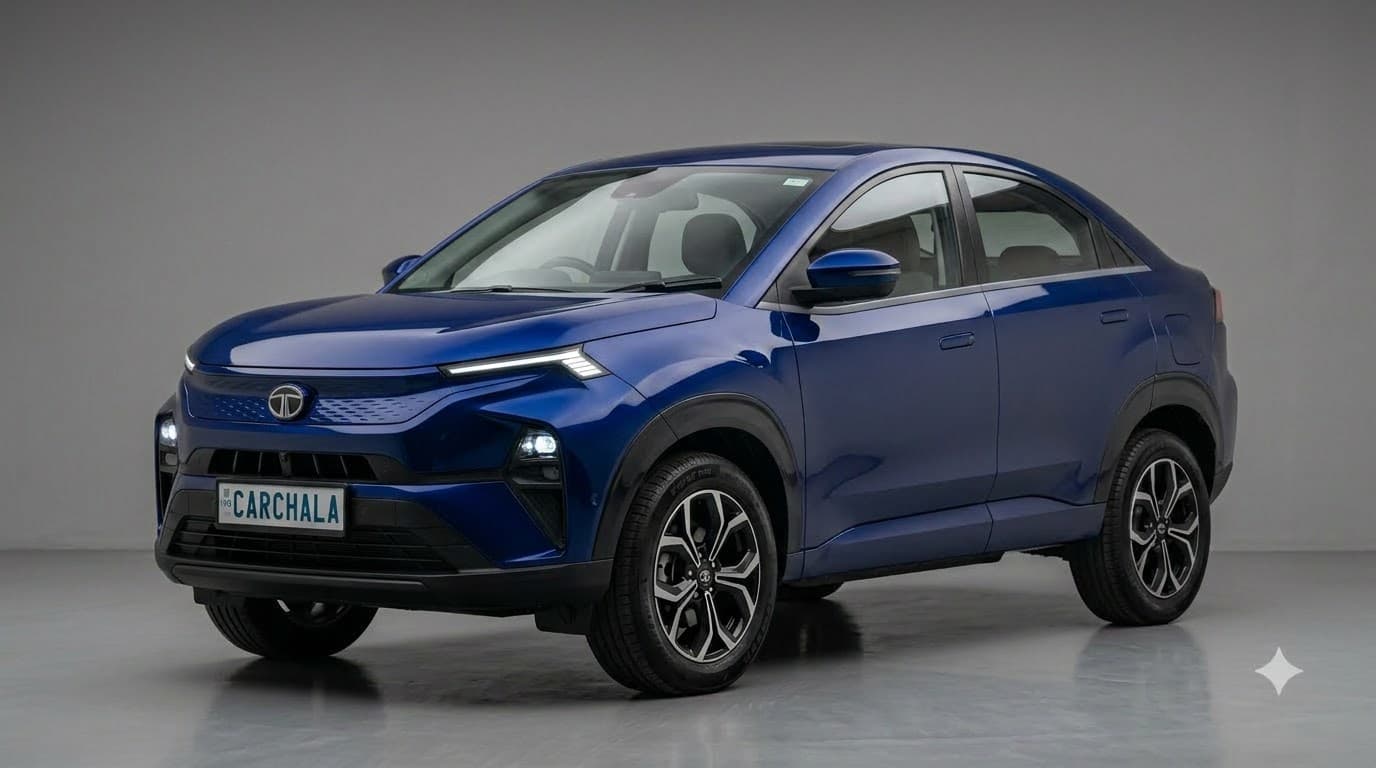
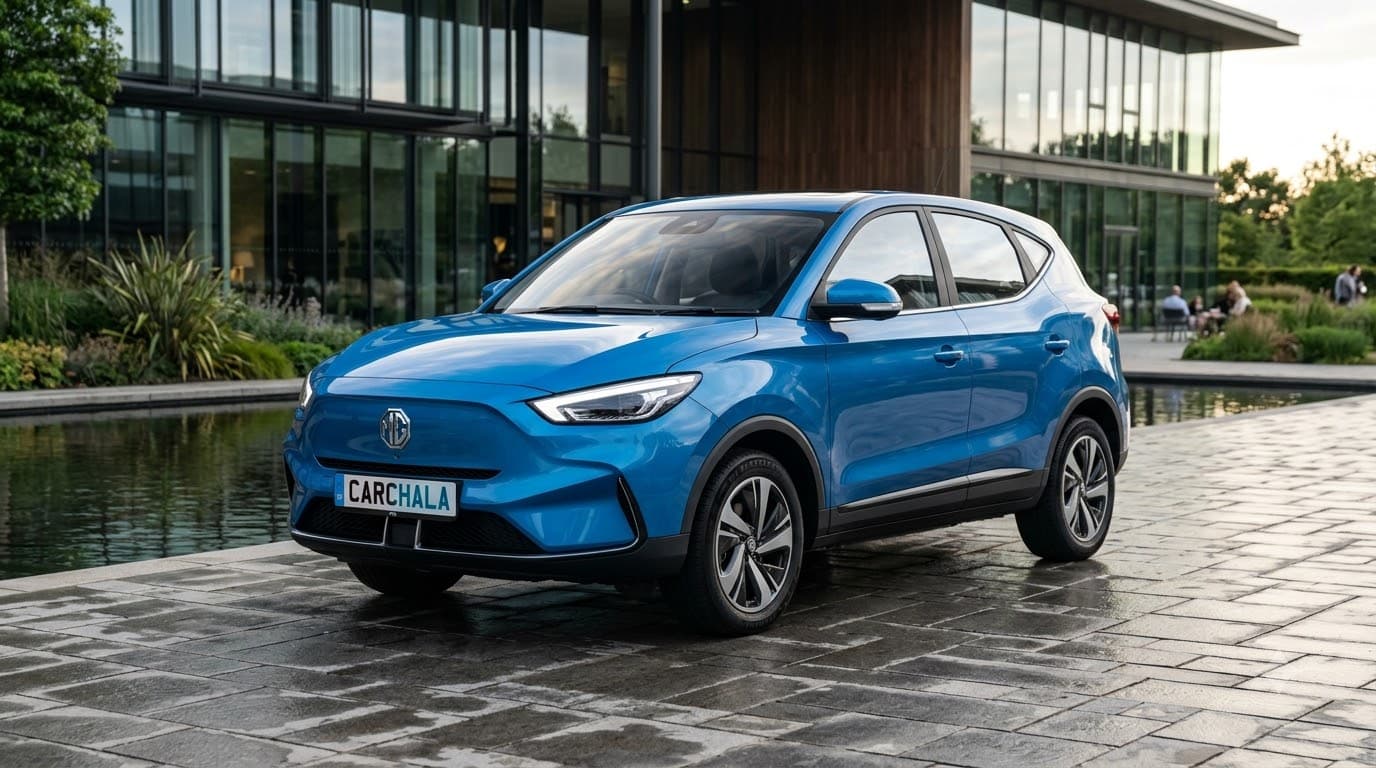
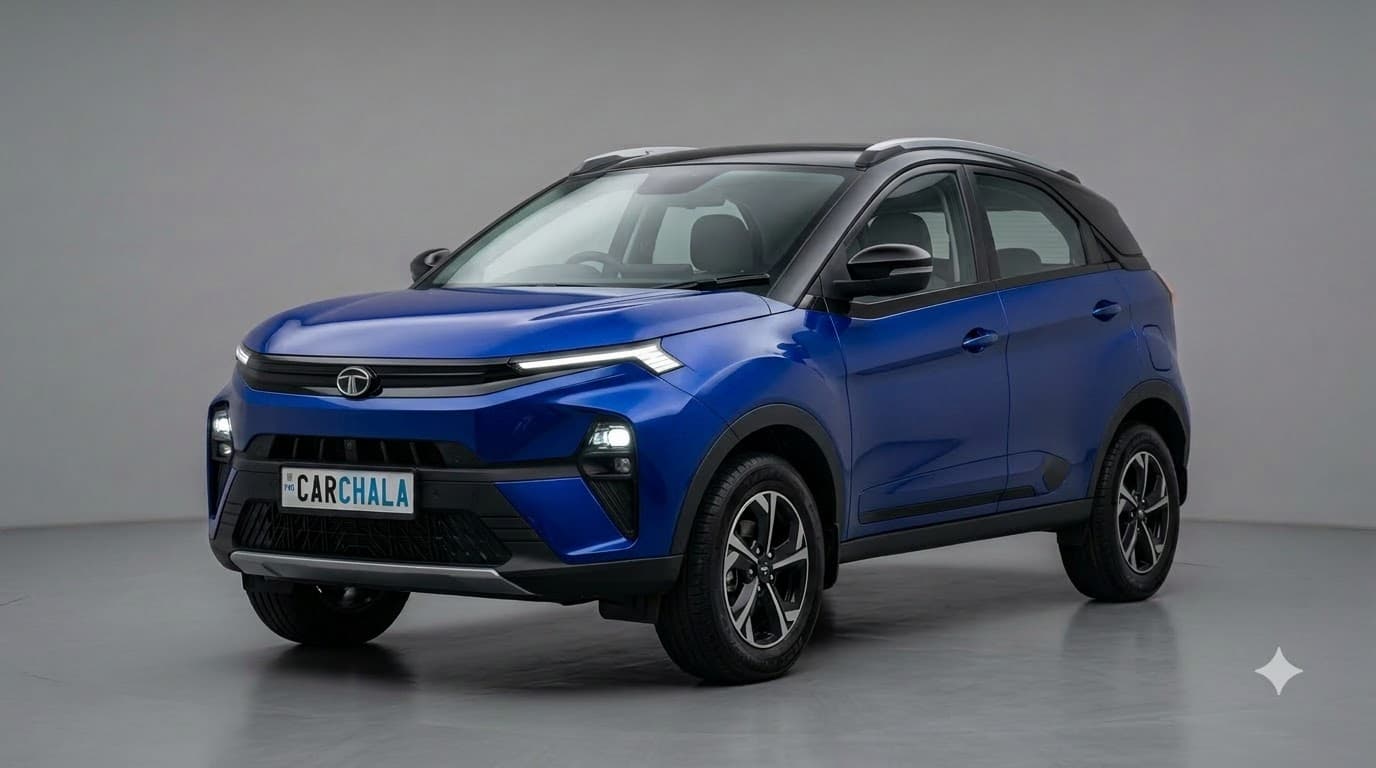
If your EV is equipped with a 45 kWh to 55 kWh battery pack (such as the Tata Curvv EV, MG ZS EV, or Tata Nexon EV Long Range), your vehicle delivers a reliable 340 km to 425 km of real-world city range with continuous air conditioning. This means you consume only 55% to 65% of your total battery capacity over an entire week of driving. You can easily complete your weekly travel and still retain a 35% safety buffer before needing a single public charge stop.
The Public DC Fast-Charging Strategy: Zero Extra Time Spent
The most successful apartment EV owners do not sit idle in their cars waiting at remote charging stations. Instead, they practice Opportunistic Charging—integrating charging sessions into activities they already perform weekly:
1. Weekly Grocery Shopping & Mall Trips: Major hypermarkets, shopping malls (like Phoenix Marketcity, Nexus Malls, and DLF Malls), and multiplexes in Tier-1 and Tier-2 cities now host multi-gun 50 kW to 60 kW DC fast chargers (operated by Tata Power EZ Charge, Jio-bp pulse, Statiq, Zeon, and ChargeZone). Plugging in while you shop for groceries or dine for 45 minutes replenishes 150 km to 250 km of driving range.
2. Office Campus & Co-Working Hubs: Leading IT parks, tech campuses, and commercial office towers have mandated captive EV charging points in their basement parking bays, allowing you to charge your car during your 8-hour workday on affordable commercial AC slow chargers.
3. Gym, Badminton & Coffee Stops: Modern fast-charging hubs are frequently located at highway food plazas, popular cafes (such as Starbucks, Costa Coffee, and McDonald's), and fitness centers. A 25-minute workout or coffee catch-up adds over 120 km of fresh range.
Navigating RWAs and Housing Societies: Your Rights Under Indian Law
If you prefer to have a charging connection within your apartment complex, the regulatory environment in India is strongly on your side:
Central Government Guidelines (MoHUA & CEA): The Ministry of Housing and Urban Affairs (MoHUA) has amended the Model Building Bye-Laws (MBBL) to mandate that at least 20% of all parking bays in residential buildings must have EV charging provisions. The Central Electricity Authority (CEA) explicitly clarifies that no separate commercial electricity distribution license is required to set up an EV charging point.
Steps to Get RWA / Society Approval:
- Submit a Formal Technical Request: Submit a written application to the RWA committee stating the EV model, charger capacity (3.3 kW vs 7.2 kW), and an offer to bear all cabling and sub-meter costs.
- Cabling from Your Own Apartment Meter: In stilt or basement parking directly beneath your residential tower, certified electricians can route dedicated armored copper cabling from your flat's private electricity meter to your designated parking slot, ensuring billing directly hits your domestic power bill.
- Common Area Sub-Metering: If routing cables from your flat's meter is structurally impossible, propose installing a tamper-proof digital sub-meter connected to the society's common utility panel, paying the society monthly based on sub-meter unit consumption.
The 15A Common-Area Trickle Socket Alternative
If installing a high-power 7.2 kW AC wallbox charger proves difficult due to building transformer load limits, ask your society management for permission to access or install a standard 15A 3-pin heavy-duty industrial socket (3.3 kW) near your parking bay. Every modern EV comes with a portable 3.3 kW charging cord. Plugging into a 15A socket for 8 hours overnight adds 80 km to 110 km of range—more than enough to cover 3 days of typical city commuting without overloading the society's electrical grid.
Battery Longevity & Thermal Health with DC Fast Charging
A common concern among apartment owners is whether frequent public DC fast charging will degrade their EV battery pack prematurely. In modern electric vehicles sold in India, battery longevity is safeguarded by three key engineering factors:
1. Robust LFP (Lithium Iron Phosphate) Chemistry: Mass-market EVs from Tata and MG utilize LFP prismatic cells, which have inherently superior thermal stability and cycle life compared to NMC cells. LFP batteries can endure 2,000 to 3,000 full charge-discharge cycles (equivalent to 5,00,000+ km) with minimal capacity loss.
2. Active Liquid Cooling: Unlike older air-cooled EVs, modern Indian electric cars feature active liquid thermal management that circulates glycol coolant through the battery pack during high-power DC fast charging, keeping cell temperatures safely between 25°C and 35°C even in 45°C Indian summer ambient heat.
3. 8-Year / 1,60,000 km Warranty: All mainstream electric vehicle manufacturers back their battery packs and electric motors with an extensive 8-year warranty, guaranteeing at least 70% to 80% state-of-health retention.
What We Love & What to Consider for Apartment EV Owners
What We Love
- Monumental Fuel Savings: Even when using commercial public DC fast chargers priced at ₹18 to ₹24 per kWh, your running cost is roughly ₹2.80 to ₹3.50 per km—less than half the running cost of a petrol car (₹7.50 to ₹8.50 per km).
- Whisper-Quiet Smooth Commuting: Instant electric torque, zero clutch fatigue, and single-pedal regen driving transform chaotic bumper-to-bumper city traffic into a relaxing experience.
- Zero Mechanical Maintenance: No engine oil, spark plugs, timing belts, or clutch plates to replace, resulting in 60% lower routine service costs.
What to Consider
- App Discipline & Route Planning: You need to maintain 3–4 key CPO apps (Tata Power EZ Charge, Jio-bp pulse, Statiq, PlugShare) on your phone to check real-world charger uptime and availability before driving to a public station.
- Battery Buffer Strategy: Never let your battery drop below 15–20% state-of-charge when relying on public charging, ensuring you always have enough reserve range in case your primary local public charger is temporarily occupied.