⚡ Affordable Electric Mobility (2026)

Best Electric Cars (EVs) Under ₹15 Lakh in India 2026

Transitioning to zero-emission driving no longer requires a luxury budget. The sub-₹15 Lakh EV segment in India has matured rapidly, offering purpose-built electric skateboards, rapid DC charging capabilities, 200–300 km real-world urban range, and unmatched ₹1.00/km running costs. Explore the top affordable electric cars evaluated on battery longevity, cabin practicality, safety, and true daily usability.

Quick Comparison

ModelEx-Showroom PriceClaimed MileageKey USP
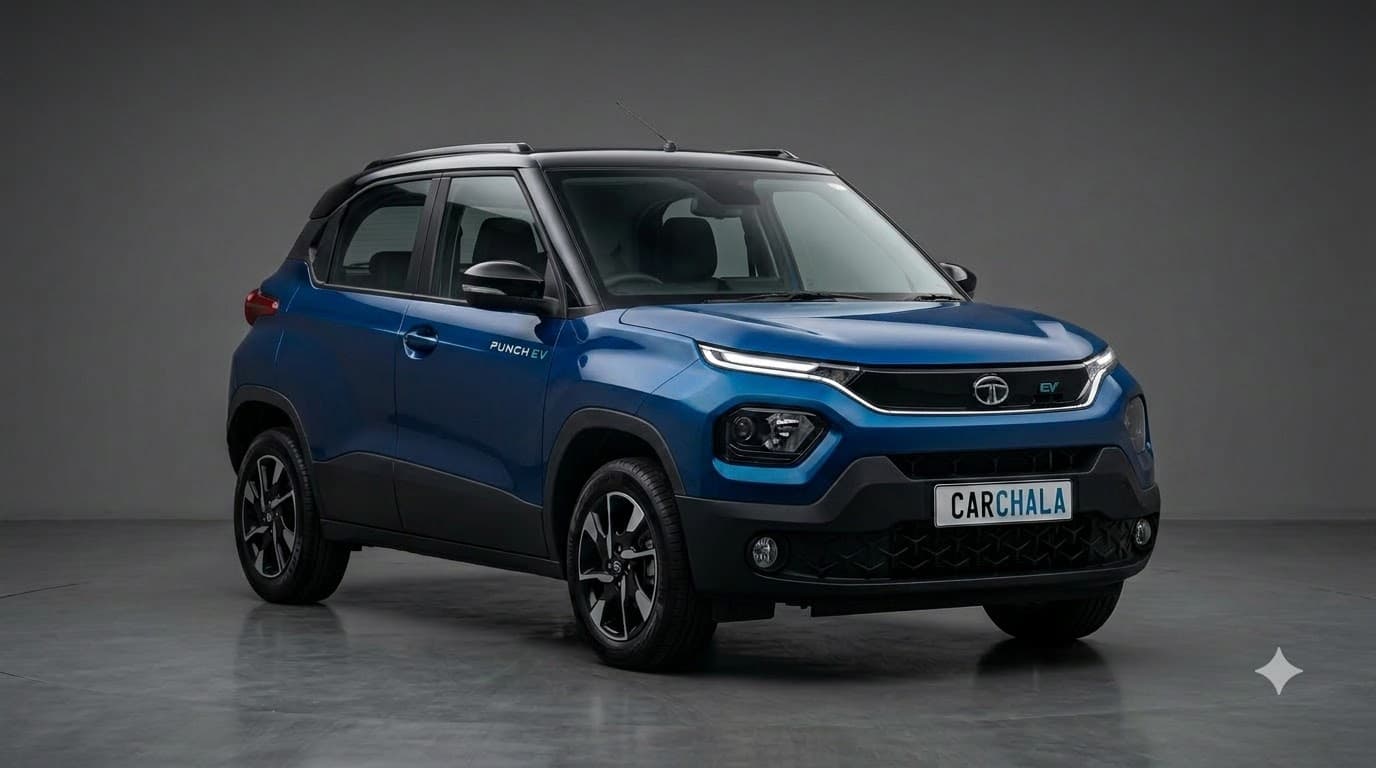
Tata Punch EV₹10.99 Lakh421Dedicated acti.ev Skateboard Platform, 5-Star BNCAP Crash Safety & 190mm Ground Clearance
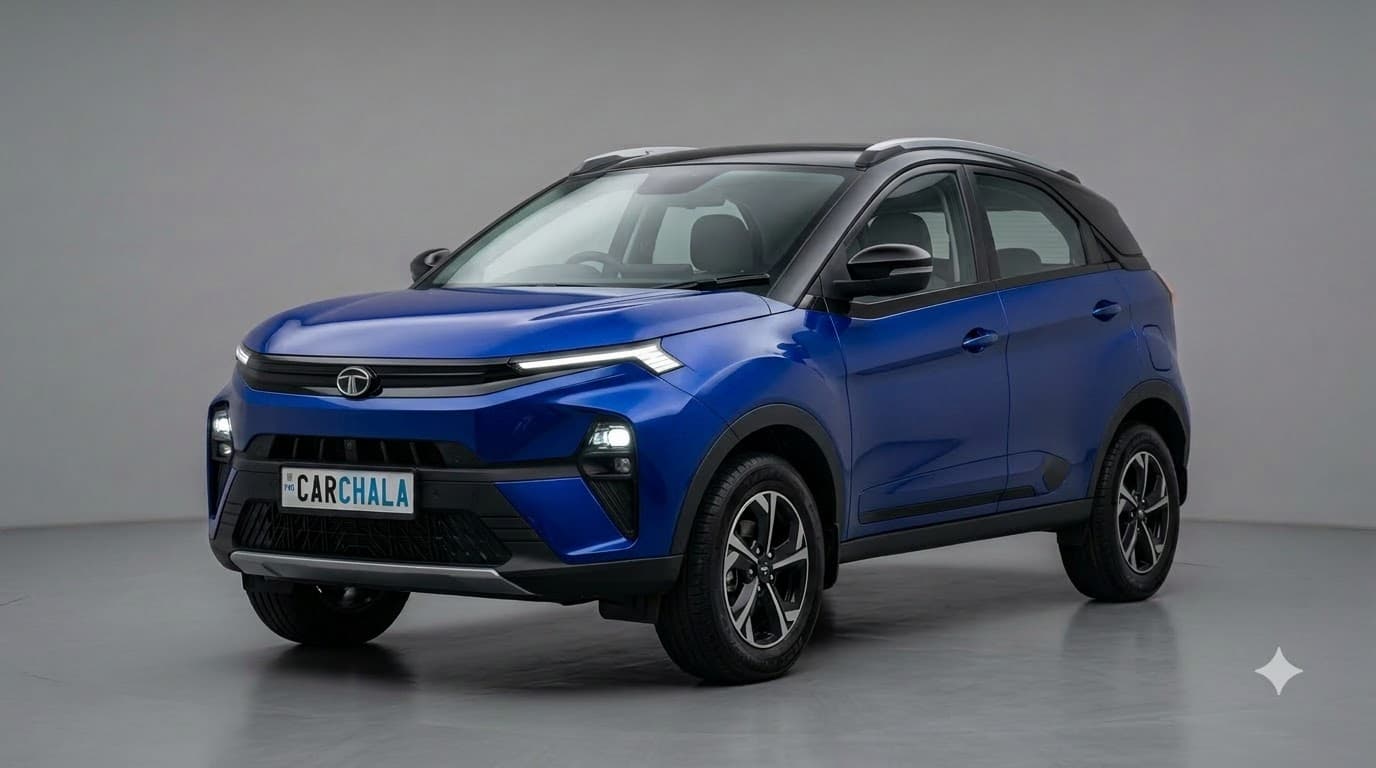
Tata Nexon EV₹14.49 Lakh465Segment-Above Compact SUV Stance, 5-Star BNCAP Safety & India's Most Proven EV Drivetrain
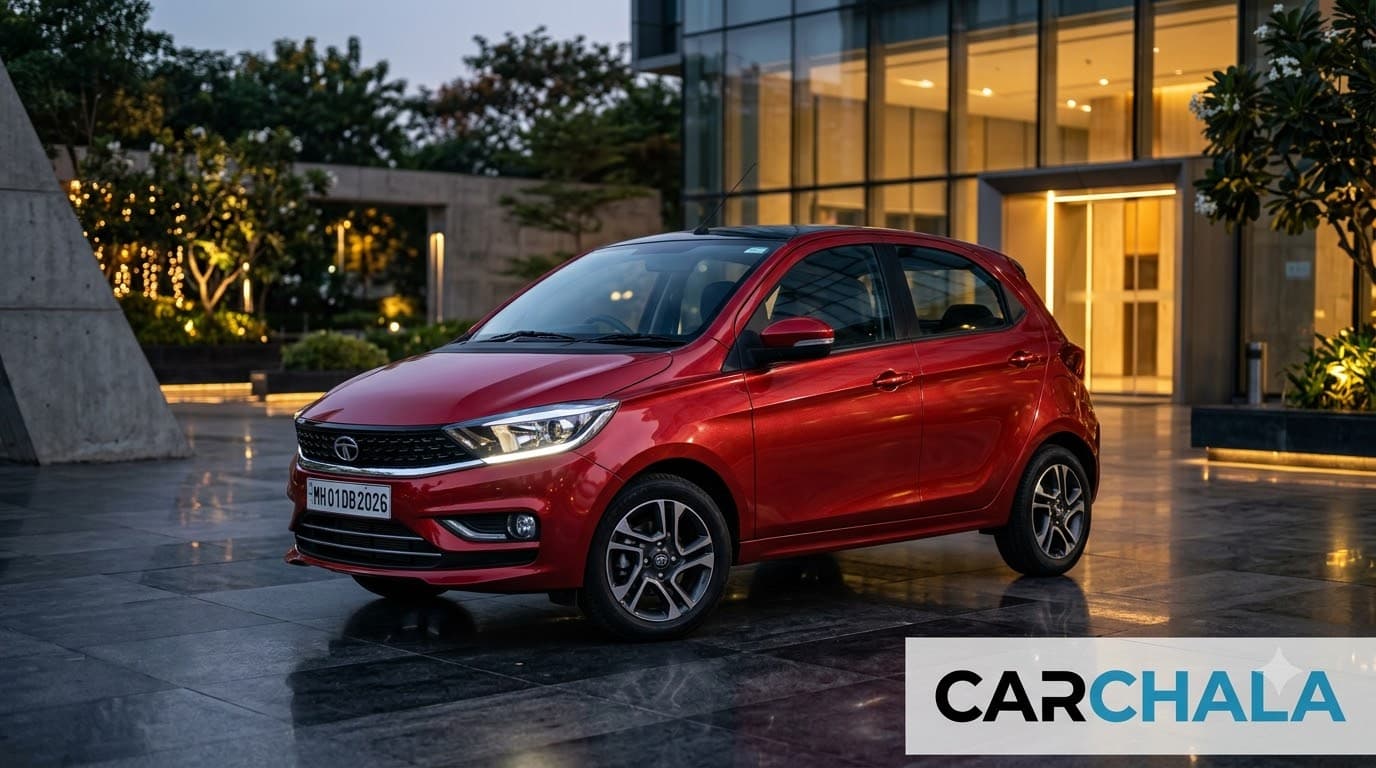
Tata Tiago₹5.65 - 7.99 Lakh20.09India's Most Accessible 5-Door Electric Family Car with 24 kWh Pack & 200+ km City Range
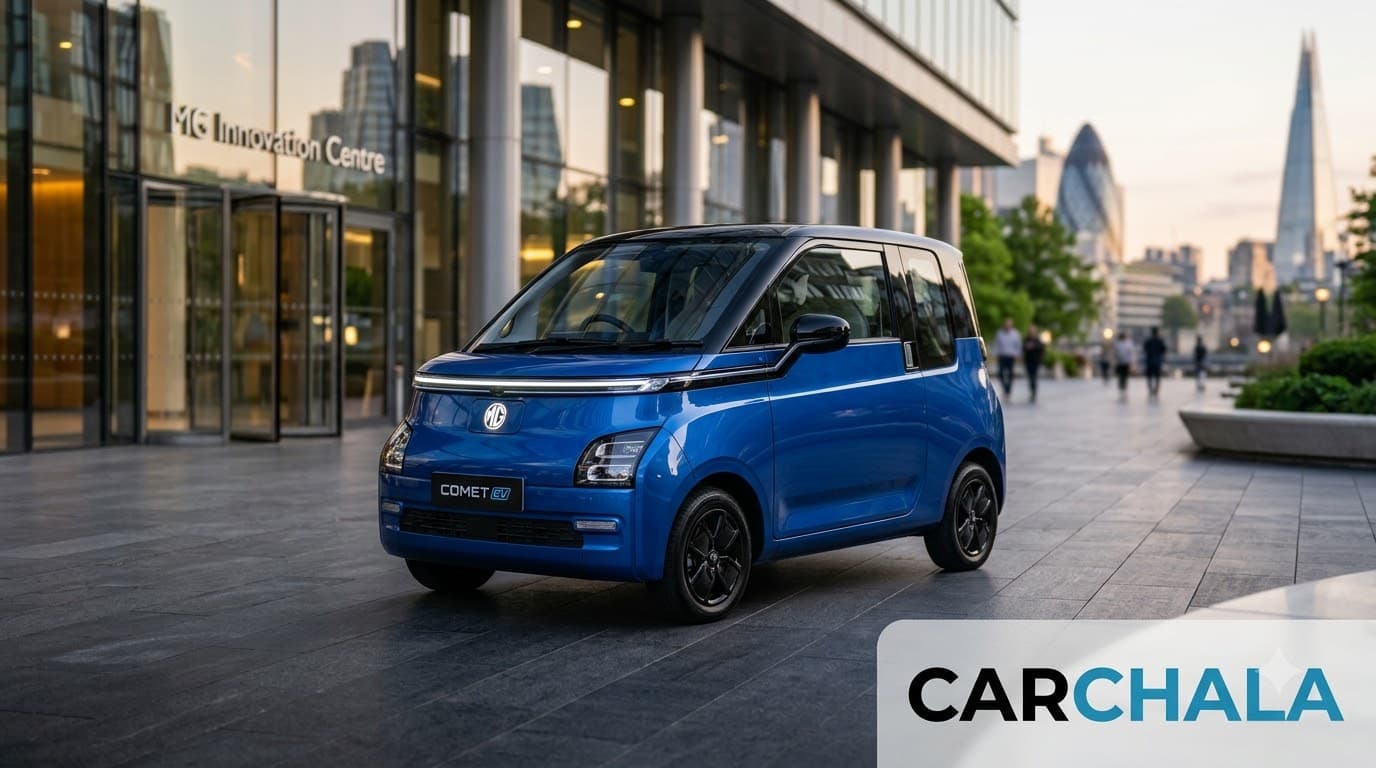
MG Comet EV₹6.99 Lakh230Ultra-Compact 2.97m Footprint, 4.2m Turning Radius & Unbeatable ₹0.75/km Running Cost
Citroen Citroen e-C3₹11.61 - 17.41 Lakh320 km/chargePlush Flying Carpet Ride Quality, 315L Boot Space & 29.2 kWh LFP Battery

Top EVs Under ₹15 Lakh Evaluated

Tata Punch EV in Best EV Cars Under 15 Lakh in India 2026
4.6 / 5

Tata Punch EV

Est. On-Road Starts At: ₹10.90 - ₹15.80 Lakh

Ex-Showroom

₹10.99 Lakh

Mileage

421

Engine

Standard Engine

Safety

What we love

  • Built on Tata's acti.ev dedicated pure EV skateboard chassis featuring a front frunk, flat cabin floor, and sharp dynamics
  • Official 5-star Bharat NCAP crash safety rating with standard 6 airbags, ESP, and robust battery enclosure
  • 35 kWh Long Range battery pack reliably delivers 260-290 km of usable real-world mixed city and highway range
  • Class-leading feature list including twin 10.25-inch screens, 360-degree camera, ventilated front seats, and paddle regen

What to consider

  • Firm low-speed suspension tune transmits sharper road ridges and broken pavement edges into the cabin
  • Sub-4m cabin width makes seating three broad-shouldered adults in the rear bench snug
  • Real-world highway range drops to ~210 km when cruising at sustained 100 km/h expressway speeds

Verdict: The Tata Punch EV is the most complete and accomplished electric car you can buy under ₹15 Lakh. By utilizing a dedicated pure EV skateboard rather than an ICE conversion, it offers exceptional structural rigidity, 5-star crash protection, and 270+ km of dependable real-world endurance, setting the gold standard for affordable urban electric mobility in India.

Tata Nexon EV in Best EV Cars Under 15 Lakh in India 2026
4.5 / 5

Tata Nexon EV

Est. On-Road Starts At: ₹14.90 - ₹16.40 Lakh (Creative Medium Range)

Ex-Showroom

₹14.49 Lakh

Mileage

465

Engine

Standard Engine

Safety

What we love

  • Entry Creative 30 kWh variant sneaks under ₹15 Lakh ex-showroom, delivering full compact SUV road presence and 205mm ground clearance
  • Flawless 5-star Bharat NCAP crash safety pedigree backed by standard 6 airbags, ESP, and all-wheel disc brakes
  • Punchy permanent magnet synchronous motor with 215 Nm instant torque for effortless highway overtakes and 210-230 km real city range

What to consider

  • Sub-₹15 Lakh Creative trim misses out on the larger 45 kWh battery pack and arcade.ev digital suite found on top trims
  • 30 kWh Medium Range battery requires more frequent DC fast-charging pauses on intercity highway journeys
  • Peak DC fast charging speed on the Medium Range pack is capped around 30 kW

Verdict: Securing a Tata Nexon EV in its entry Creative trim under ₹15 Lakh gives you a segment-above compact SUV with 5-star crash safety and India's most battle-tested electric drivetrain. For buyers who prioritize commanding road stance, supreme structural protection, and strong resale value on a strict budget, it remains a phenomenal choice.

Tata Tiago in Best EV Cars Under 15 Lakh in India 2026
4.3 / 5

Tata Tiago

Est. On-Road Starts At: ₹8.40 - ₹12.50 Lakh (EV Edition)

Ex-Showroom

₹5.65 - 7.99 Lakh

Mileage

20.09

Engine

Standard Engine

Safety

What we love

  • The most affordable full-sized 5-door electric family car in India, priced well below ₹10 Lakh ex-showroom
  • 19.2 kWh and 24 kWh liquid-cooled battery options deliver 170 to 215 km of dependable real-world urban range
  • Zippy city performance with instant electric torque, multi-mode regenerative braking, and tight 5.1m turning radius
  • Equipped with automatic climate control, 7-inch touchscreen with Apple CarPlay/Android Auto, and connected car tech

What to consider

  • Compact rear seat legroom and 240-liter boot space limit suitability for full-family weekend luggage
  • Ride quality over sharp speed humps can feel slightly stiff due to suspension tuning for battery weight

Verdict: The Tata Tiago EV is the vehicle that ignited India's mass-market electric movement. By delivering authentic 5-door family practicality, liquid-cooled battery safety, and zippy urban performance under ₹10 Lakh, it remains the ultimate value champion for first-time EV buyers.

MG Comet EV in Best EV Cars Under 15 Lakh in India 2026
4.1 / 5

MG Comet EV

Est. On-Road Starts At: ₹7.40 - ₹9.80 Lakh

Ex-Showroom

₹6.99 Lakh

Mileage

230

Engine

Standard Engine

Safety

Not Rated

What we love

  • Ultra-compact 2.97-meter length and tight 4.2-meter turning radius make parking and navigating congested city alleys completely effortless
  • Remarkably frugal running cost under ₹0.80 per km with 17.3 kWh prismatic cell battery providing 150-180 km real-world city range
  • Modern, tech-laden interior featuring dual 10.25-inch connected screens, wireless Android Auto / Apple CarPlay, and plush cabin materials

What to consider

  • Strict two-door 4-seater layout with virtually zero luggage boot space when the rear seats are upright
  • Tiny 12-inch wheels and soft suspension setup lead to vertical bounciness over uneven highway expansion joints
  • Lacks DC fast charging on base trims, making it unsuited for journeys beyond metropolitan limits

Verdict: The MG Comet EV is a purpose-built urban runabout tailored exclusively for dense metropolitan traffic and impossible parking spots. While not suited as a primary long-distance family tourer, as a dedicated secondary vehicle for daily office commutes and neighborhood errands, its minuscule running costs and agile footprint are unbeatable under ₹10 Lakh.

Citroen Citroen e-C3 in Best EV Cars Under 15 Lakh in India 2026
4 / 5

Citroen Citroen e-C3

Est. On-Road Starts At: ₹12.20 - ₹14.10 Lakh

Ex-Showroom

₹11.61 - 17.41 Lakh

Mileage

320 km/charge

Engine

1.2L Turbo / 1.5L Diesel

Safety

Not Rated

What we love

  • Superb Citroen Advanced Comfort suspension calibration that absorbs severe potholes and broken city roads like a luxury vehicle
  • Generous 315-liter boot capacity paired with a spacious cabin providing comfortable seating for five passengers
  • 29.2 kWh Lithium Iron Phosphate (LFP) battery pack delivers 190-220 km of dependable real-world city range

What to consider

  • Naturally air-cooled battery pack can throttle DC fast-charging rates during extreme 45°C+ Indian summer heat
  • Stripped-down cabin equipment list lacks automatic climate control, projector headlamps, and push-button start
  • Electric motor output of 57 PS and 143 Nm provides modest acceleration with top speed restricted to 107 km/h

Verdict: The Citroen e-C3 stands out for buyers whose top priority is ride comfort and family cabin space on pothole-ridden urban routes. While its bare-bones feature list and air-cooled battery pack reflect aggressive cost containment, its plush suspension offers the most comfortable ride in the budget EV segment.

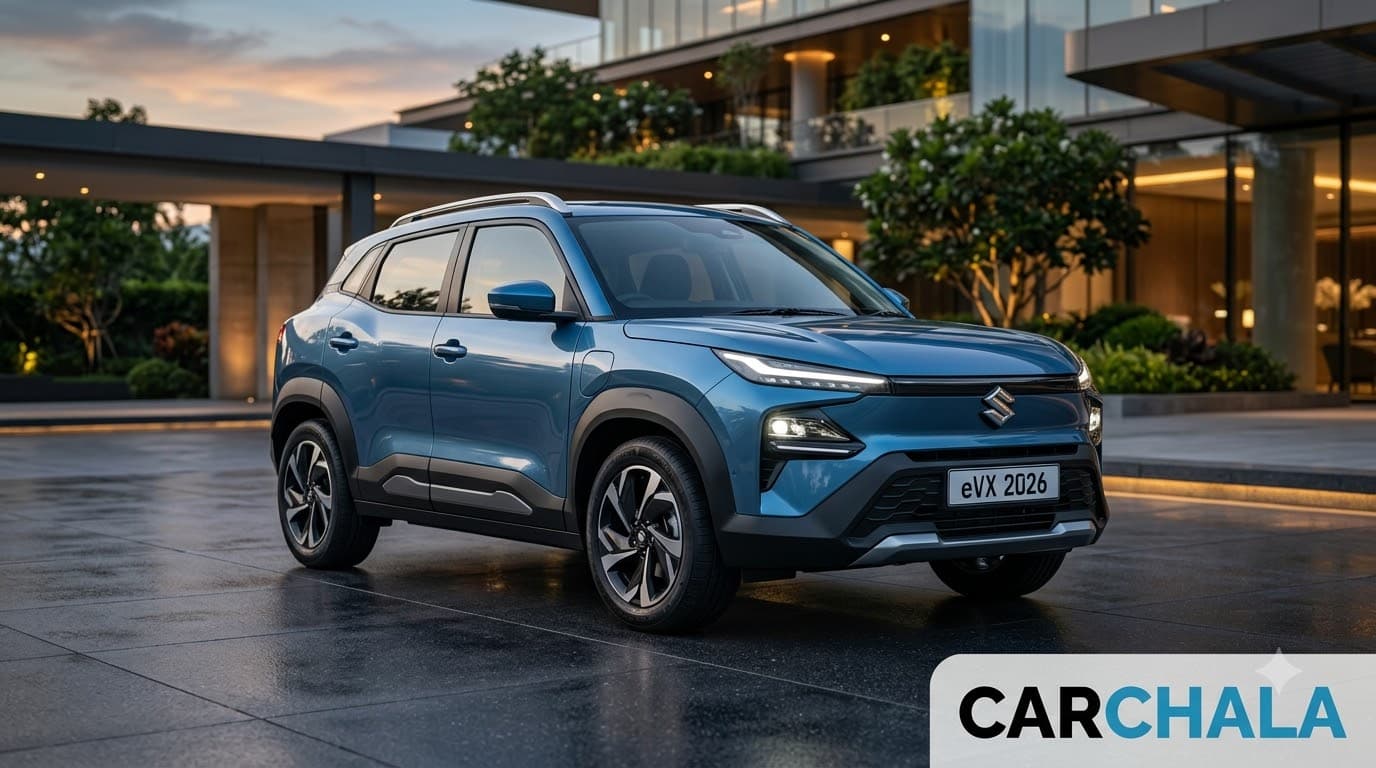
Maruti Suzuki eVX in Best EV Cars Under 15 Lakh in India 2026
4.4 / 5

Maruti Suzuki eVX

Est. On-Road Starts At: ₹15.80 - ₹22.50 Lakh (Base 48 kWh Trim)

Ex-Showroom

₹15 Lakh

Mileage

500

Engine

Expected Engine

Safety

Not Rated

What we love

  • Built on a dedicated 2700mm wheelbase pure electric skateboard platform developed in collaboration with Toyota
  • High-capacity blade battery pack offering up to 400+ km real-world range and outstanding thermal stability in extreme heat
  • Backed by Maruti Suzuki's unmatched service network across Tier-1, 2, and 3 Indian cities for total peace of mind

What to consider

  • First-generation pure electric vehicle entering a mature market dominated by experienced EV manufacturers
  • Interior switchgear and certain trim pieces share components with conventional Maruti models to contain pricing

Verdict: The Maruti Suzuki eVX is set to democratize long-range electric motoring with dedicated skateboard engineering and Maruti's legendary after-sales reassurance. If low maintenance friction, widespread service accessibility, and strong resale value are your guiding criteria, the eVX entry variants offer great promise.

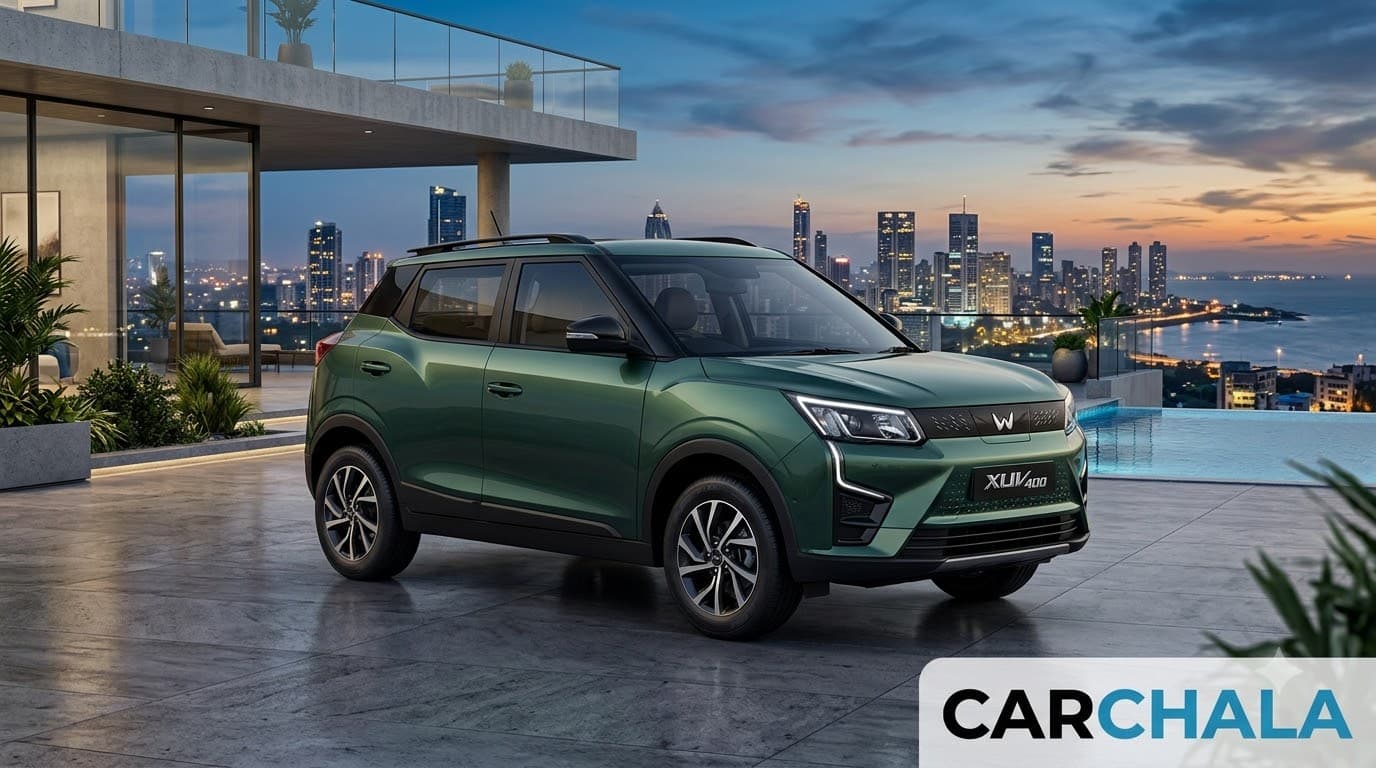
Mahindra XUV400 in Best EV Cars Under 15 Lakh in India 2026
4.3 / 5

Mahindra XUV400

Est. On-Road Starts At: ₹15.90 - ₹18.20 Lakh (EC Pro Trim)

Ex-Showroom

₹15.49 Lakh

Mileage

456

Engine

Standard Engine

Safety

Not Rated

What we love

  • Potent electric motor delivering 150 PS and 310 Nm of torque, sprinting 0-100 km/h in an exhilarating 8.3 seconds
  • Segment-longest 2600mm wheelbase translating to expansive rear knee room and spacious family seating
  • Modern EL/EC Pro interior upgrade with dual 10.25-inch screens, dual-zone climate control, and wireless charger

What to consider

  • Lacks Level 2 ADAS active safety technologies offered by newer rivals in this price territory
  • Boot space of 378 liters is slightly shallow due to underfloor battery packaging

Verdict: Mahindra's updated XUV400 Pro is the driver's choice in the accessible electric SUV segment. Its segment-leading 310 Nm instantaneous torque delivers effortless overtaking grunt, while the expansive rear legroom makes it one of the most comfortable 5-passenger electric family cruisers.

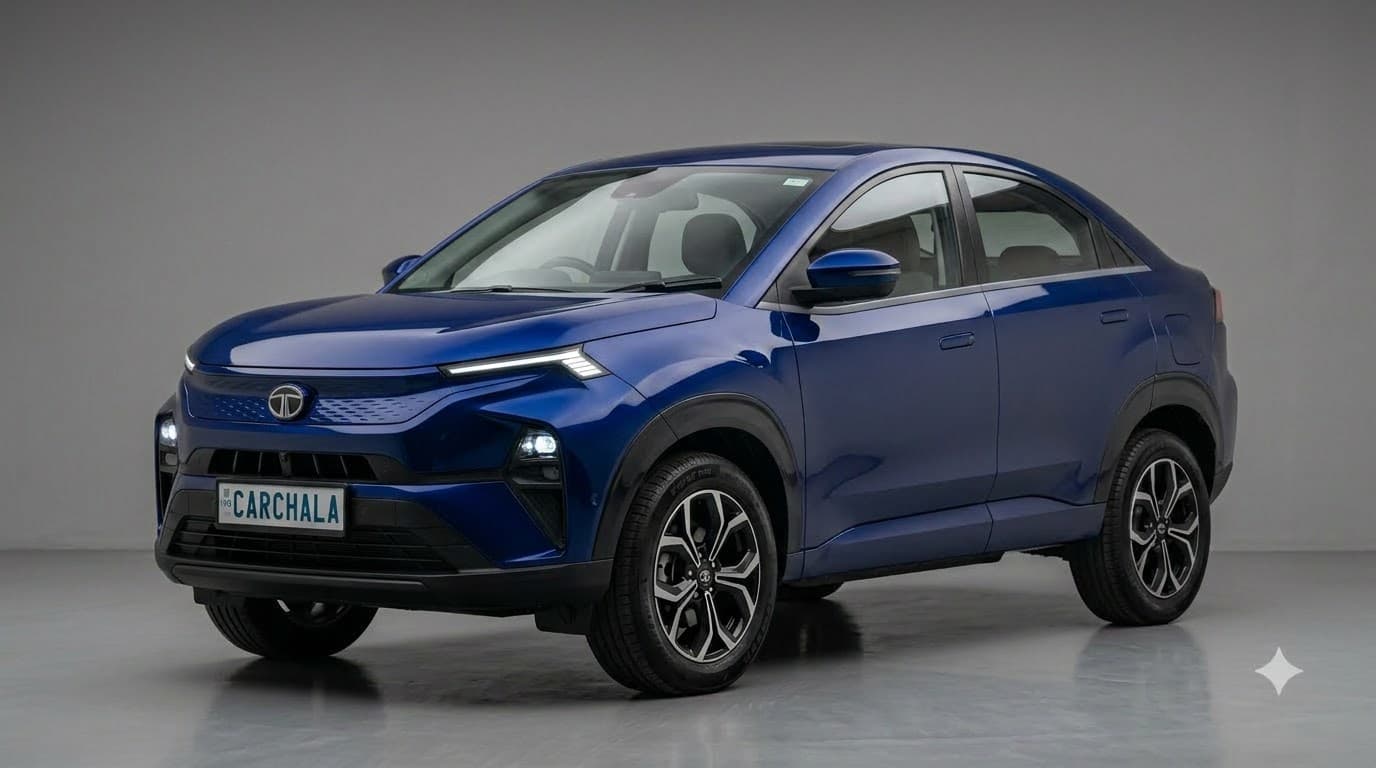
Tata Curvv EV in Best EV Cars Under 15 Lakh in India 2026
4.5 / 5

Tata Curvv EV

Est. On-Road Starts At: ₹18.40 - ₹23.20 Lakh (Entry 45 kWh Trim)

Ex-Showroom

₹17.49 Lakh

Mileage

502

Engine

Standard Engine

Safety

Not Rated

What we love

  • 45 kWh and 55 kWh battery options deliver an exceptional 350-425 km of real-world mixed driving range
  • Stunning aerodynamic coupe silhouette with a massive 500-liter boot, front frunk, and gesture-controlled tailgate
  • Full bi-directional Vehicle-to-Load (V2L) and Vehicle-to-Vehicle (V2V) power capabilities paired with Level 2 ADAS

What to consider

  • Sloping rear coupe roofline restricts headroom for rear passengers exceeding 6 feet in height
  • Glossy touch-based climate control panel is prone to fingerprints and requires taking eyes off the road

Verdict: The Tata Curvv EV bridges the crucial gap between urban runabouts and long-distance intercity cruisers. For buyers able to extend their budget slightly beyond ₹15 Lakh, its combination of 400+ km touring capability, 70 kW DC charging, and striking design represents the future of electric SUVs.

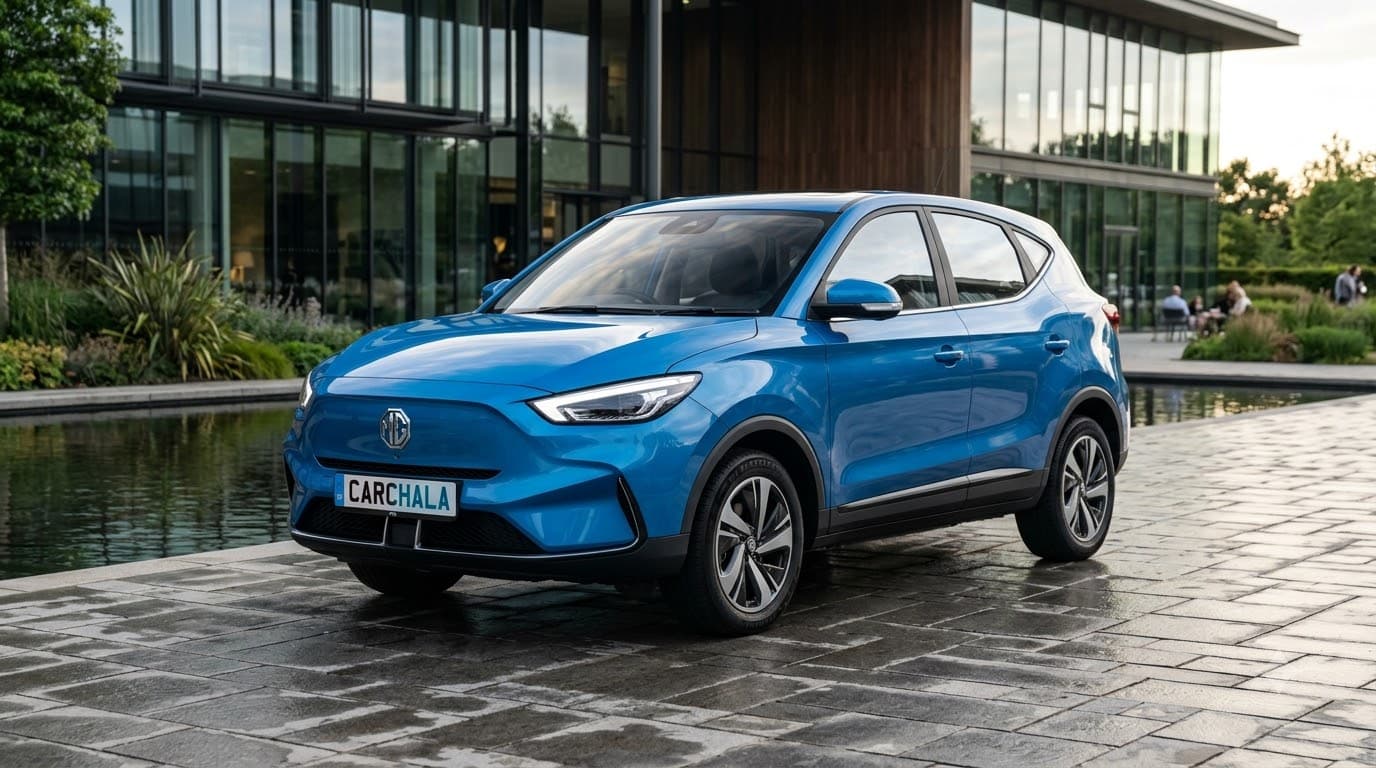
MG ZS EV in Best EV Cars Under 15 Lakh in India 2026
4.4 / 5

MG ZS EV

Est. On-Road Starts At: ₹19.80 - ₹26.40 Lakh (Executive Trim)

Ex-Showroom

₹18.98 Lakh

Mileage

461

Engine

Standard Engine

Safety

Not Rated

What we love

  • 50.3 kWh battery pack with CATL prismatic cells delivers a dependable 340-370 km of real-world endurance
  • Exceptionally refined and silent cabin with premium soft-touch dashboard materials and panoramic sky roof
  • Supple suspension that absorbs broken pavement, bridge expansion joints, and speed humps with luxury composure

What to consider

  • Entry Executive variant stretches the budget well above the ₹15 Lakh ex-showroom ceiling
  • DC fast charging speed tapers noticeably above 75% state of charge

Verdict: The MG ZS EV brings executive luxury and global electric maturity to Indian buyers. For those willing to stretch their budget for whisper-quiet cabin insulation, supple ride quality, and a proven 50.3 kWh battery pack, its entry trims deliver unmatched European refinement.

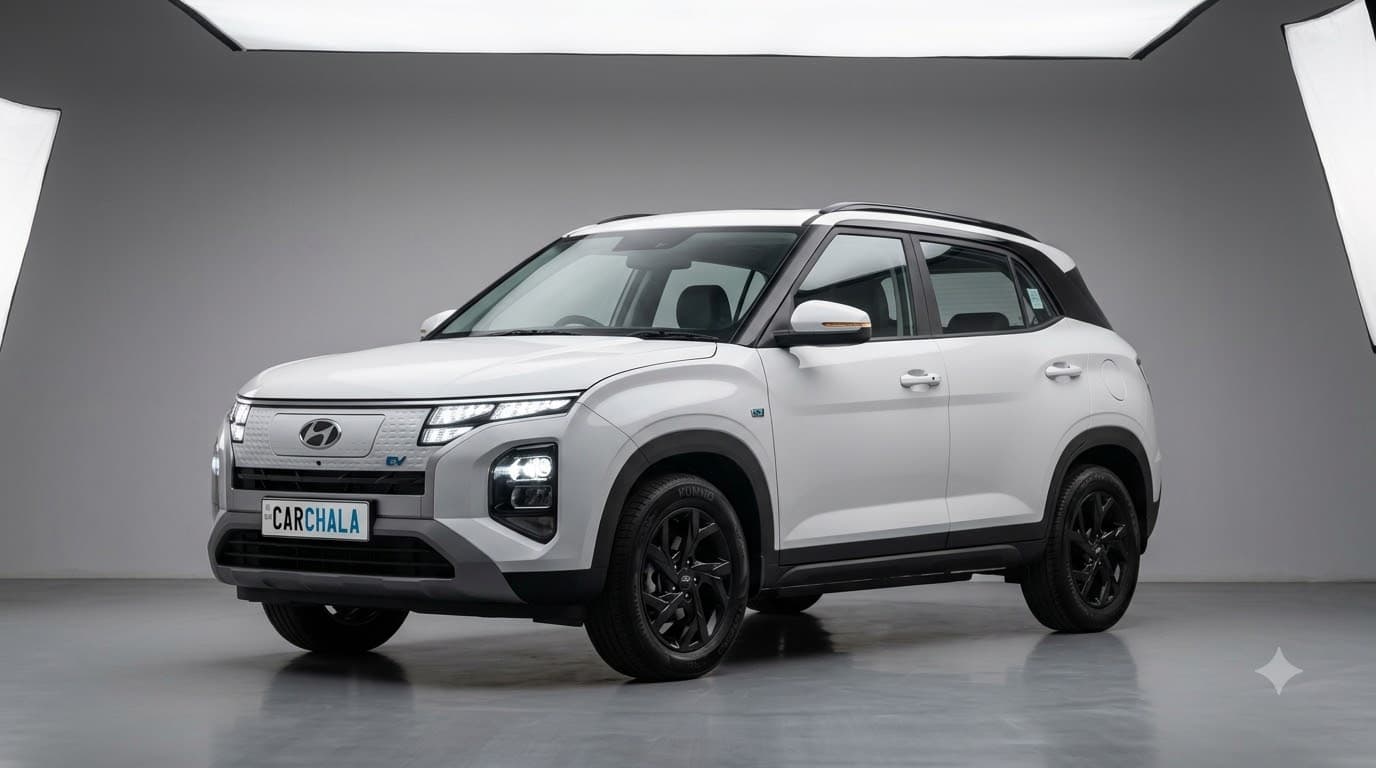
Hyundai Creta EV in Best EV Cars Under 15 Lakh in India 2026
4.2 / 5

Hyundai Creta EV

Est. On-Road Starts At: ₹20.80 - ₹28.50 Lakh

Ex-Showroom

₹20 Lakh

Mileage

450

Engine

Expected Engine

Safety

What we love

  • Seamlessly integrates the beloved Creta comfort formula with smooth zero-emission electric power
  • Intuitive multi-level regenerative braking calibrated via steering wheel paddle shifters
  • Backed by Hyundai's expanding nationwide ultra-fast highway charging network and standard 8-year warranty

What to consider

  • Converted ICE platform lacks a dedicated front trunk (frunk) and features a slightly elevated rear floor
  • Priced well above ₹15 Lakh, appealing strictly as an aspirational upgrade for Creta loyalists

Verdict: The Hyundai Creta EV brings India's favorite mid-size SUV into the electric era with silky powertrain refinement and familiar family ergonomics. While base trims sit in a higher price tier, Hyundai's expansive dealer network and charging ecosystem make it a reassuring ownership proposition.

Slightly Over Budget (But Worth The Stretch)

If you can push your budget a bit further, these cars offer massive upgrades.

Tata Curvv EV in Best EV Cars Under 15 Lakh in India 2026
4.4 / 5

Tata Curvv EV

Est. On-Road Starts At: ₹20.11 Lakh

Recommended Stretch

₹15 Lakh

Mileage

502

Engine

Standard Engine

Safety

Not Rated

What we love

  • Flagship 55 kWh acti.ev skateboard battery pack comfortably delivers 400-425 km of real-world mixed driving range
  • High-speed 70 kW DC fast charging replenishes 10% to 80% battery in just 40 minutes on highway routes
  • Class-leading 500-liter boot space, powered gesture tailgate, and full Level 2 ADAS active safety suite

What to consider

  • Sloping rear coupe roofline restricts headroom for passengers taller than 6 feet
  • Entry trims demand an on-road investment of ₹18.4+ Lakh, requiring a significant budget stretch

Why stretch for this? Stretching your budget beyond ₹15 Lakh to the Tata Curvv EV unlocks a massive 55 kWh battery pack, true 400+ km real-world highway touring range, 70 kW DC ultra-fast charging, and head-turning coupe-SUV styling.

MG ZS EV in Best EV Cars Under 15 Lakh in India 2026
4.3 / 5

MG ZS EV

Est. On-Road Starts At: ₹21.83 Lakh

Recommended Stretch

₹18.98 Lakh

Mileage

461

Engine

Standard Engine

Safety

Not Rated

What we love

  • Robust 50.3 kWh CATL prismatic battery pack reliably delivers 340-370 km of real-world endurance
  • Lavish interior featuring soft-touch leatherette dashboard surfaces, panoramic skyroof, and 360-degree camera
  • Supple, mature suspension setup that effortlessly glides over broken highway tarmac and bridge expansion joints

What to consider

  • Commands an on-road starting price near ₹20 Lakh, sitting substantially above budget EV territory
  • DC fast-charging speed tapers noticeably past 75% state-of-charge during highway stops

Why stretch for this? Pushing into the ₹19–20 Lakh bracket for the MG ZS EV provides executive-tier European cabin luxury, a globally proven 50.3 kWh prismatic battery, whisper-quiet NVH insulation, and a plush highway ride.

The Complete Guide to Buying an Electric Car Under ₹15 Lakh in India (2026)

India's electric vehicle ecosystem has reached an unprecedented inflection point in 2026. The sub-₹15 Lakh price bracket is no longer restricted to experimental low-speed neighborhood carts; it is home to sophisticated, crash-tested electric vehicles that make genuine financial and practical sense as primary urban commuters. However, transitioning from petrol or diesel to zero-emission electric mobility requires understanding real-world range, charging economics, thermal management, and long-term ownership dynamics.

What We Love About Electric Cars Under ₹15 Lakh

  • Remarkable ₹1.00/km Running Costs: Overnight home charging at domestic power tariffs translates to running costs of ₹0.85 to ₹1.20 per km, delivering over ₹9,000 in monthly fuel savings compared to petrol cars.
  • Silky Single-Speed Automatic Convenience: Electric powertrains deliver seamless, instantaneous torque without gear shifts, clutch pedals, or transmission shudder in heavy city traffic.
  • Dedicated Skateboard Packaging: Platforms like Tata's acti.ev provide flat cabin floorboards, front storage frunks, and exceptional torsional rigidity.
  • Low Scheduled Maintenance: With no engine oil, spark plugs, timing belts, or exhaust systems, periodic service costs are 60% to 70% cheaper than internal combustion vehicles.
  • Monsoon Resilience: IP67 and IP68-rated sealed powertrains eliminate the risk of hydrostatic engine lock in waterlogged streets.

What to Consider Before Buying a Budget EV in India

  • Home Charging Feasibility: Securing a dedicated 15A socket or 7.2 kW AC wallbox at your apartment or independent parking spot is essential for seamless daily ownership.
  • Highway vs City Range Discrepancy: EVs are most efficient in stop-and-go urban traffic due to regenerative braking, but high-speed expressway cruising above 95 km/h reduces range by 25% to 30%.
  • Thermal Management Chemistries: Liquid-cooled battery packs (Tata acti.ev, Nexon EV) handle severe 45°C+ summer heatwaves and DC fast charging significantly better than passively air-cooled packs.
  • Mandatory Insurance Add-Ons: Because the traction battery represents 40% to 50% of the vehicle's replacement cost, Battery Protection and RTI cover are non-negotiable.

1. The TCO Advantage: How a Budget EV Pays for Itself

The upfront price tag of an electric car is typically 15% to 20% higher than an equivalent petrol hatchback. However, the operational economics deliver massive recurring savings from day one:

Running Cost Comparison: A standard petrol hatchback returning 14 kmpl in stop-and-go city traffic costs approximately ₹7.20 to ₹7.80 per kilometer (assuming petrol at ₹100/L). In contrast, an electric car charged overnight on domestic electricity tariffs (₹7–9 per unit) consumes around 0.11 to 0.13 kWh per kilometer, translating to an astonishingly low running cost of just ₹0.85 to ₹1.20 per kilometer.

The 3-Year Break-Even Math: If you commute 1,500 km per month (50 km daily), you will spend roughly ₹11,000 on petrol every month compared to just ₹1,650 on electricity for an EV. That represents a direct monthly saving of over ₹9,300. Over a 5-year ownership period covering 90,000 km, your total savings on fuel and routine maintenance surpass ₹5.80 Lakh to ₹6.50 Lakh—completely wiping out the initial purchase premium and leaving significant net cash in your bank.

2. Dedicated Pure EV Skateboard vs Converted ICE Platform

When shopping under ₹15 Lakh, the fundamental architectural design of the car plays a critical role in interior space, battery safety, and driving dynamics:

Dedicated EV Architecture (e.g., Tata acti.ev / Punch EV): Built from the ground up specifically for electric powertrains. The battery pack is integrated directly into the floor structure as a stressed structural member, lowering the center of gravity and providing exceptional torsional rigidity. It eliminates the transmission tunnel hump, creating a flat rear floor, maximizing cabin legroom, and enabling a convenient front storage trunk (frunk).

Converted ICE Platform (e.g., Citroen e-C3): Adapts an existing internal combustion engine chassis. While cost-effective, battery modules must be arranged in available cavities beneath the floor and fuel tank area. This can slightly compromise ground clearance, elevate the rear floorboard, and omit a front frunk.

3. Real-World Range: City Commuting vs Highway Cruising

Understanding the difference between ARAI test figures and real-world range prevents range anxiety on daily commutes:

Urban City Driving (Maximum Efficiency): Electric vehicles thrive in city traffic. Frequent braking activates regenerative braking systems that recapture kinetic energy to recharge the battery pack. In typical stop-and-go metropolitan traffic with full air conditioning, sub-₹15 Lakh EVs typically achieve 80% to 88% of their claimed ARAI figures (e.g., 260-280 km on a 35 kWh battery).

Highway Cruising (Higher Consumption): At sustained expressway speeds exceeding 90–100 km/h, aerodynamic drag increases dramatically and there is almost no opportunity for regenerative deceleration. Expect highway range to settle around 65% to 70% of certified numbers. Planning highway trips around 50 kW public DC fast-charging corridors every 180 to 220 km ensures stress-free road trips.

4. Home Charging vs Public DC Fast Charging

Over 90% of budget EV charging takes place at home overnight. Understanding the charging options ensures effortless operation:

1. Standard 15A Home Socket (3.3 kW): Every EV comes with a portable 15A charging cable. It safely draws power from any grounded household socket, adding roughly 15 to 22 km of range per hour of charge. A typical 25–35 kWh battery fully recharges from 10% to 100% in 8 to 11 hours overnight.

2. Dedicated 7.2 kW AC Wallbox: Installed at your home parking space or apartment by the manufacturer, a 7.2 kW AC charger cuts charging time down to 4.5 to 6 hours.

3. Public CCS2 DC Fast Chargers (30 kW to 60 kW): Located at highway petrol pumps and commercial hubs, DC fast chargers deliver direct current directly into the battery, replenishing 10% to 80% state of charge in approximately 50 to 60 minutes.

5. Thermal Management: Liquid-Cooled vs Air-Cooled Batteries

Indian summers routinely exceed 45°C, making battery thermal management vital for long-term health and charging speed:

Liquid-Cooled Packs (Tata acti.ev / Nexon EV / Tiago EV): Circulate chilled liquid coolant through internal plates within the battery pack. This maintains optimal operating temperatures (25°C–35°C), enabling consistent DC fast-charging speeds and preventing thermal degradation over years of hot-weather use.

Air-Cooled Packs (Citroen e-C3): Rely on ambient airflow and passive cooling. While mechanically simpler and cheaper, fast charging multiple times consecutively during blistering 44°C+ heat can cause the battery management system to throttle charge rates to protect battery cell chemistry.

6. Monsoon Safety & Waterlogging Protection

A common misconception among first-time buyers is that electric vehicles are dangerous in flooded streets. In reality, modern EVs are engineered with IP67 or IP68 ingress protection ratings on all high-voltage components, electric drive motors, and battery enclosures.

Because electric powertrains have zero air intakes or exhaust pipes, they are immune to hydrostatic engine lock—the leading cause of stranded petrol and diesel cars in flooded underpasses. An EV can safely wade through water up to its floorboard level without any risk of electrical short circuits or battery damage.

Budget EV Comparison Matrix

ModelBattery & PlatformReal-World RangeDC Fast Charge (10-80%)BNCAP Safety
Tata Punch EV25 / 35 kWh (acti.ev Pure Skateboard)260 - 290 km56 mins (50 kW)5 Star (Bharat NCAP)
Tata Nexon EV (Creative)30 kWh (Liquid-Cooled Gen-2)210 - 230 km55 mins (30 kW)5 Star (Bharat NCAP)
Tata Tiago EV19.2 / 24 kWh (Liquid-Cooled Ziptron)170 - 215 km58 mins (25 kW)4 Star (GNCAP Structure)
MG Comet EV17.3 kWh (Prismatic GSEV Platform)150 - 180 km3.5 hrs (7.4 kW AC)Dual Airbags + High Tensile
Citroen e-C329.2 kWh (Air-Cooled CMP)190 - 220 km57 mins (30 kW)Dual Airbags + ABS/EBD

Frequently Asked Questions

What is the real-world driving range of electric cars under ₹15 Lakh in India?
Real-world range in the sub-₹15 Lakh segment ranges from 150 km to 290 km depending on the vehicle's battery capacity, driving speed, and air conditioning usage. Micro-commuters like the MG Comet EV (17.3 kWh) achieve 150 to 180 km in city traffic. Compact models like the Tata Punch EV Long Range (35 kWh) comfortably deliver 260 to 290 km in urban commuting and 210 to 230 km on sustained 90 km/h highway journeys.
How much does it cost to charge an EV under ₹15 Lakh at home each month?
For an owner driving an average of 1,500 km per month (50 km daily), the monthly electricity bill for home charging will be between ₹1,400 and ₹1,850 at domestic power tariffs of ₹7 to ₹9 per unit (kWh). In comparison, an equivalent petrol hatchback delivering 14 kmpl will cost roughly ₹10,500 to ₹11,500 per month in petrol, delivering direct monthly savings of over ₹9,000.
Can an electric car under ₹15 Lakh handle intercity highway road trips?
Yes, with basic route planning. Models equipped with 29–35 kWh batteries (like the Tata Punch EV LR or Citroen e-C3) can comfortably cover 180 to 220 km between charges on highways. With India's national highways now featuring public CCS2 DC fast chargers every 40 to 60 km, a 45-minute charging break during lunch or coffee replenishes 10% to 80% battery capacity for the next leg of your journey.
How long does it take to fully charge a budget EV using a standard 15A home socket vs a 7.2 kW wallbox?
Using a standard 15A domestic socket (3.3 kW portable charger), a 17.3 kWh battery (MG Comet) takes approximately 5.5 to 6.5 hours, while a 30–35 kWh battery (Punch EV / Nexon EV Medium Range) takes roughly 9 to 11 hours to charge from 10% to 100%. Installing a dedicated 7.2 kW AC wallbox charger cuts this duration in half, fully recharging a 35 kWh pack in 4.5 to 5.5 hours.
What is the difference between liquid-cooled and air-cooled EV batteries in 45°C Indian summers?
Liquid-cooled batteries (found in the Tata Punch EV, Nexon EV, and Tiago EV) use active coolant fluid circulating through chilled plates to maintain optimal battery temperatures (25°C–35°C), enabling consistent high-speed DC charging and preventing thermal degradation in 45°C+ summer heat. Air-cooled batteries (like in the Citroen e-C3) rely on ambient airflow; while simpler and less expensive, they may throttle DC fast-charging speeds during extreme heatwaves to safeguard battery cells.
Are affordable electric cars safe to drive through flooded roads during Indian monsoons?
Yes, completely safe. All traction battery packs, high-voltage wiring looms, and electric motors in modern Indian EVs are certified with IP67 or IP68 ingress protection. This certifies that the entire high-voltage powertrain is hermetically sealed against water and dust, allowing the car to safely wade through standing water up to 300mm deep without any risk of electrical short circuits or engine stalling.
What mandatory insurance add-ons should I choose when buying an EV under ₹15 Lakh?
When insuring an electric car, you must include three essential add-ons: 1) Battery and Drive Motor Protection (covers accidental casing damage, water ingress, and electrical power surges), 2) Zero Depreciation (Bumper-to-Bumper) cover, and 3) Return to Invoice (RTI). Because the battery pack constitutes 40% to 50% of the vehicle's total replacement cost, standard third-party or basic comprehensive insurance is inadequate.
How do scheduled maintenance and service costs of a budget EV compare to a petrol hatchback?
Periodic scheduled service costs for an EV are 60% to 70% lower than an equivalent petrol car. Electric vehicles have no engine oil, oil filters, spark plugs, timing belts, fuel injectors, or complex multi-gear transmissions. Routine service visits are primarily limited to checking brake fluid, inspecting suspension and tyre wear, replacing cabin AC pollen filters, and running electronic diagnostics on the battery management system.
Are there government subsidies, GST benefits, or road tax waivers for EVs under ₹15 Lakh in 2026?
Yes. Electric cars in India enjoy a concessional 5% GST rate compared to 28% to 43% GST on internal combustion engine vehicles. Additionally, multiple progressive state governments (including Delhi, Maharashtra, Tamil Nadu, Uttar Pradesh, and Karnataka) offer 100% exemptions on RTO registration fees and road taxes, translating to upfront on-road savings of ₹1.00 Lakh to ₹1.80 Lakh compared to petrol alternatives.
What is the expected lifespan, degradation rate, and replacement cost of an EV battery in India?
Modern Lithium Iron Phosphate (LFP) traction batteries are engineered to last 1,50,000 to 2,50,000 kilometers (typically 1,500 to 2,000 full charge cycles) while retaining over 75% to 80% of their original capacity. Furthermore, manufacturers provide an extensive 8-year or 1,60,000 km battery and motor warranty as standard. Out-of-warranty repairs usually involve replacing individual weak cell modules rather than replacing the entire battery pack.