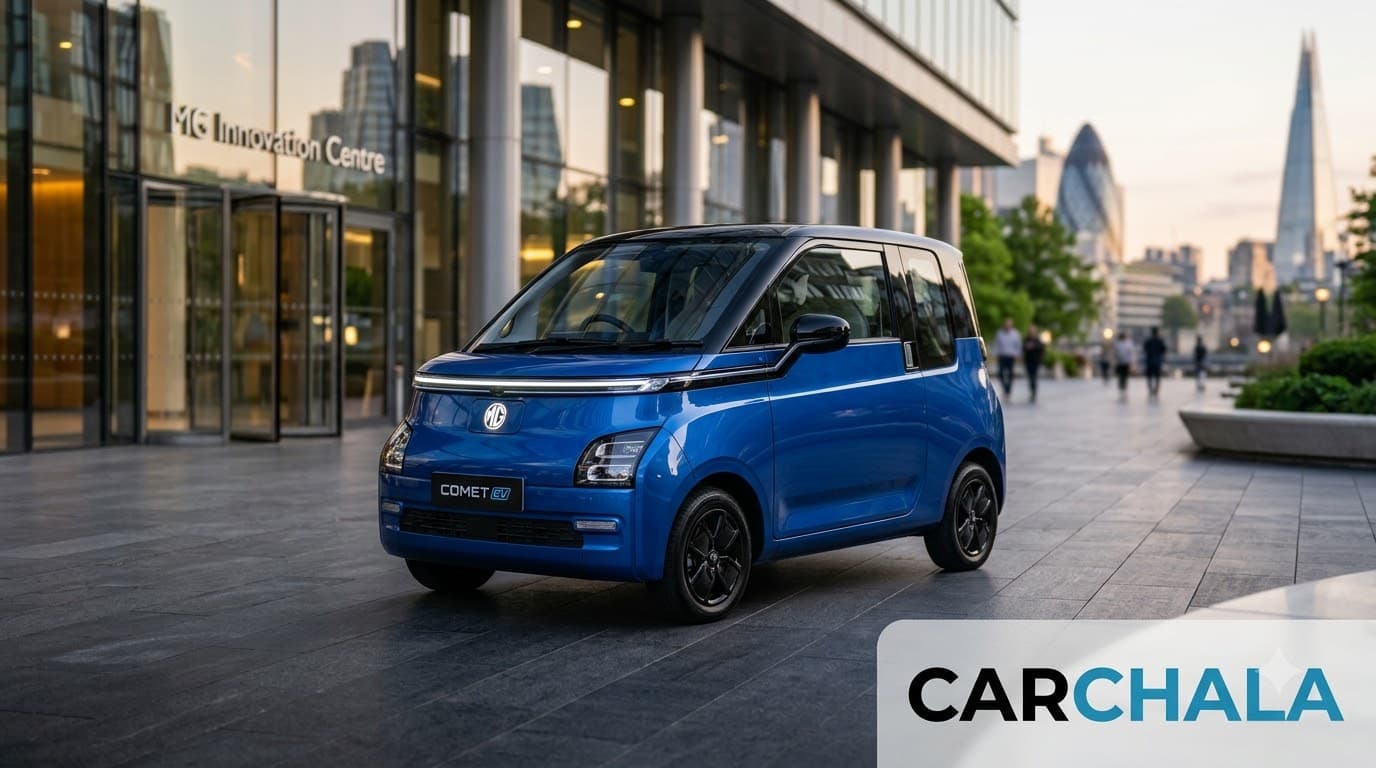
The ₹15 to ₹20 Lakh price bracket is the undisputed inflection point for electric vehicle adoption in India. In this segment, electric cars transition from secondary urban runabouts to uncompromised primary family vehicles. With battery capacities expanding to 45–55 kWh, high-speed highway DC charging corridors proliferating across national routes, and active liquid thermal management standard across models, these electric SUVs deliver the complete package: cross-country range, sports-car torque, and dramatic fuel cost savings.
What We Love
What makes the sub-₹20 Lakh EV segment so compelling is the rapid elimination of traditional electric compromises:
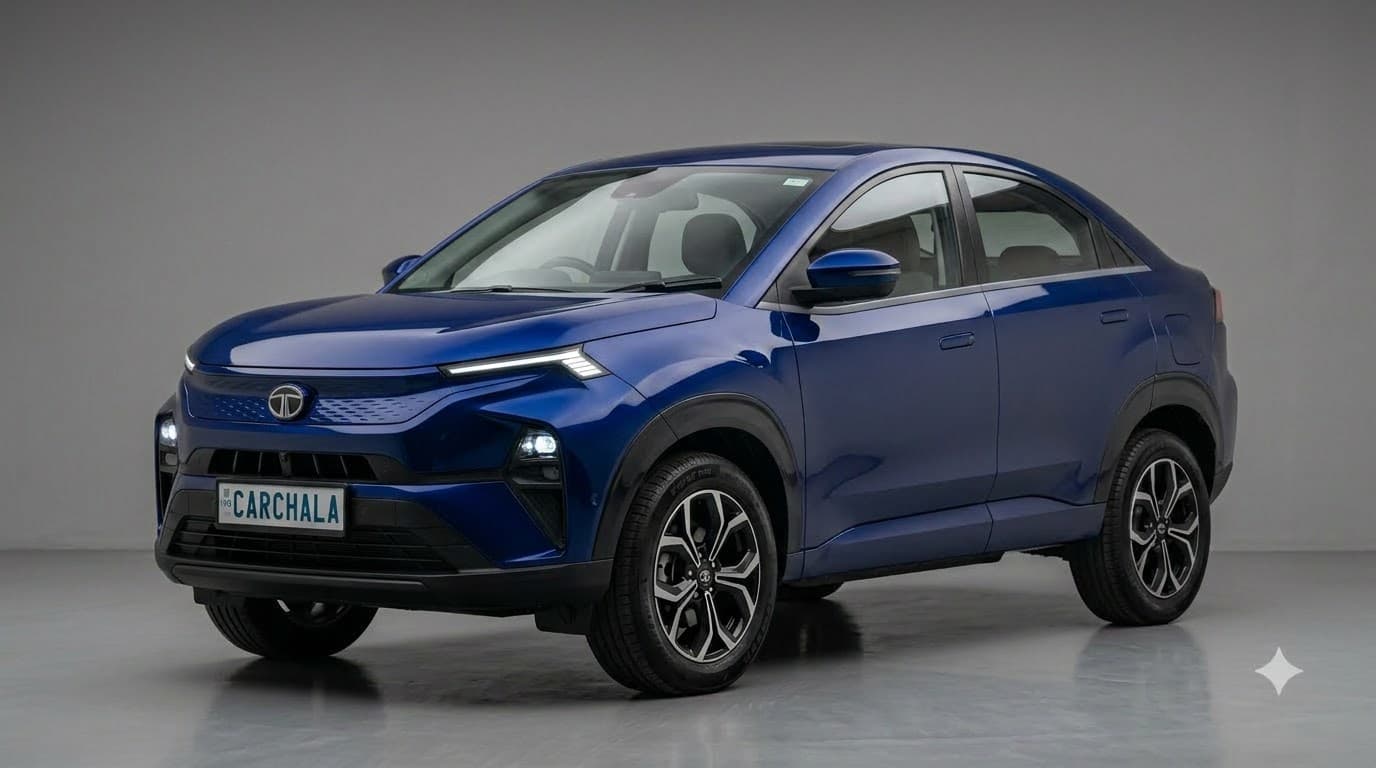
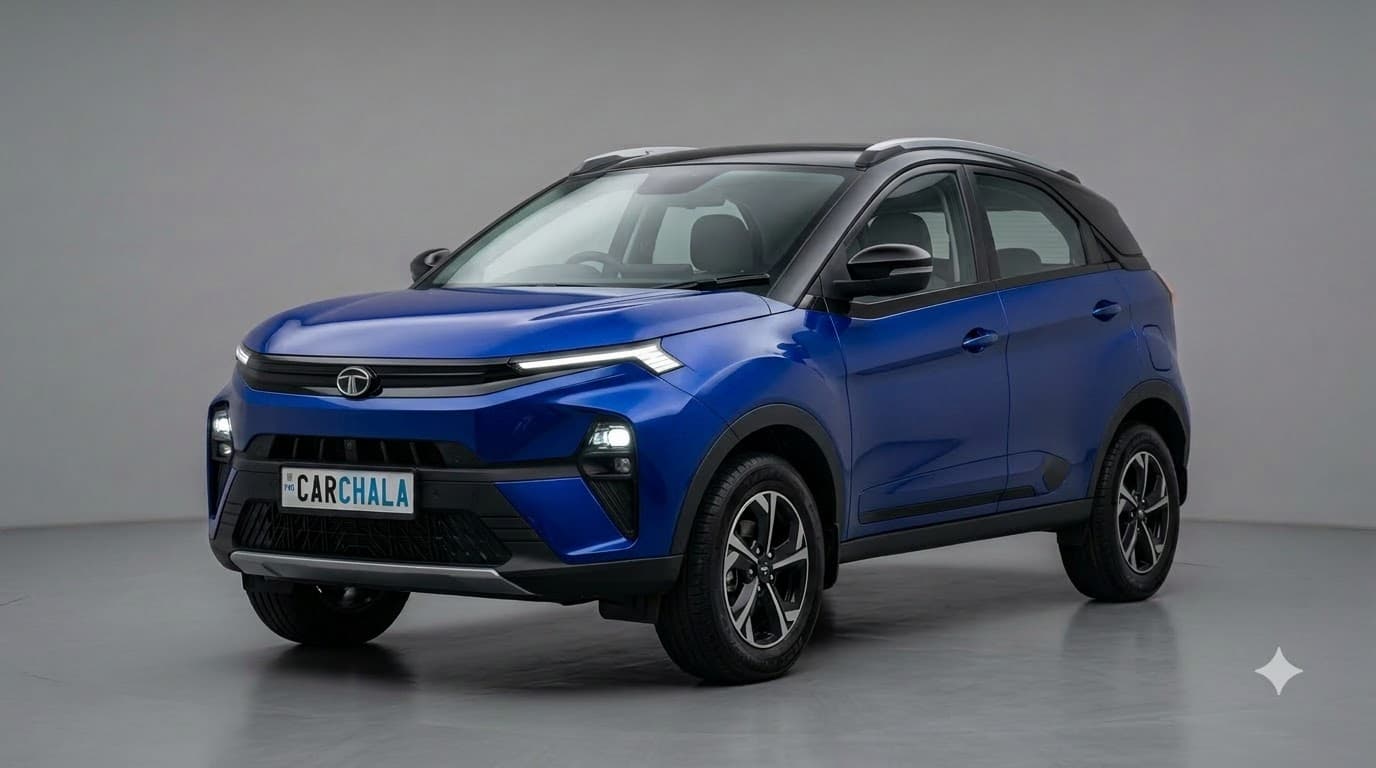
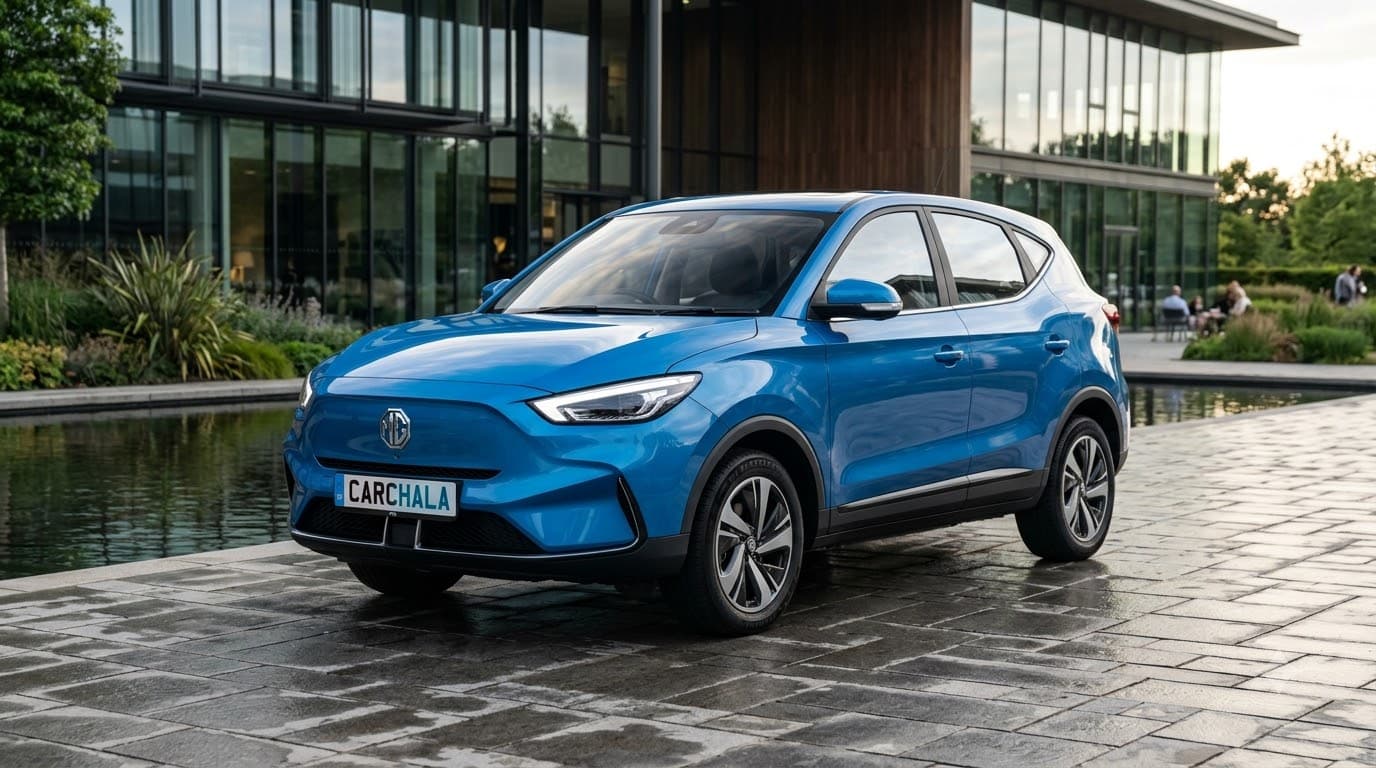
- Primary Car Capability: Equipped with 45–55 kWh battery packs, cars like the Tata Curvv EV, Tata Nexon EV Long Range, and MG ZS EV comfortably deliver 340 to 425 km of real-world highway range on a single charge. Combined with India's expanding DC fast-charging network along major national expressways, intercity family road trips are completely stress-free.
- Phenomenal Total Cost of Ownership (TCO): Charging at home costs between ₹0.90 and ₹1.35 per kilometer (compared to ₹7.50 to ₹8.50 per km for petrol SUVs). A family commuting 1,500 km monthly saves over ₹1.10 Lakh annually in fuel and routine maintenance alone.
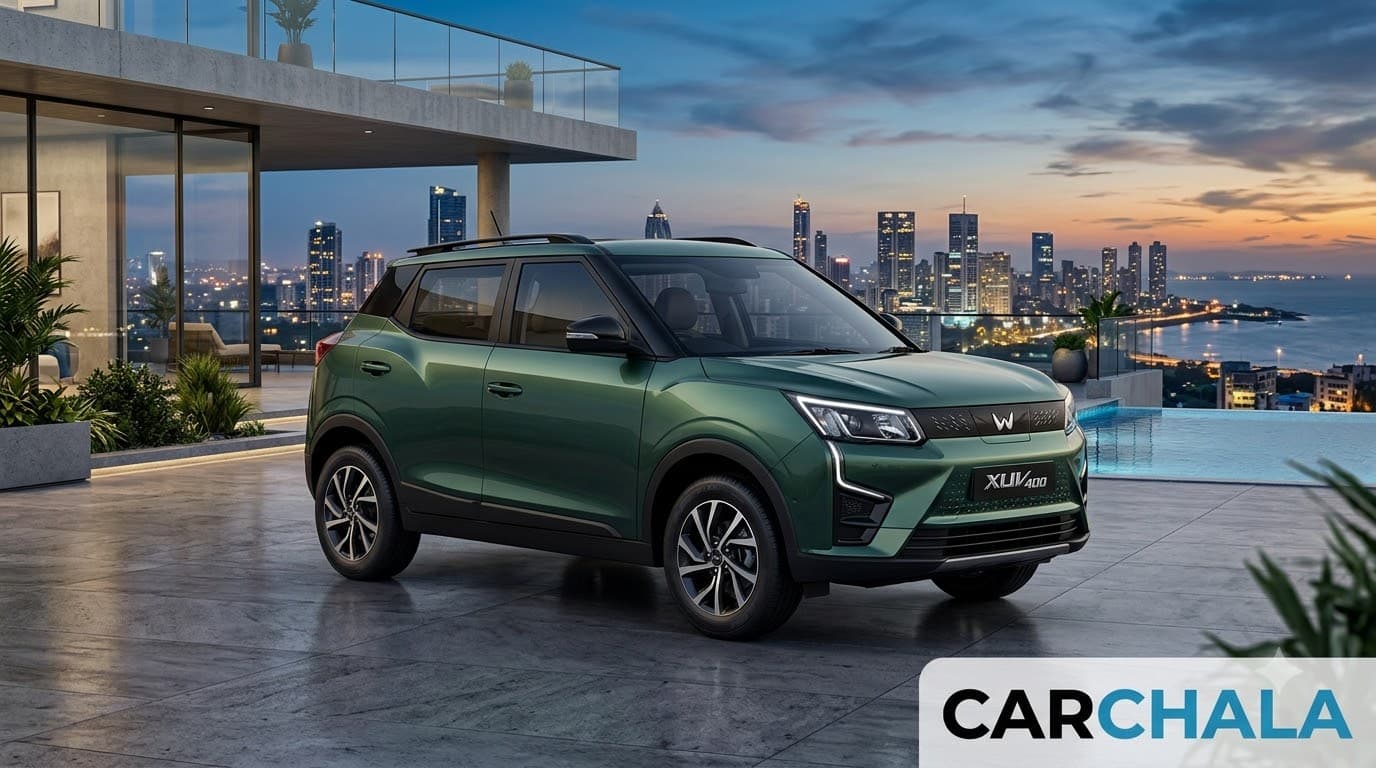
- Instant Acceleration & Whisper-Quiet Cabin: Delivering instant peak torque from zero RPM, vehicles like the XUV400 (310 Nm) and Curvv EV offer effortless overtakes without turbo lag or gear hunting, wrapped in a serene, vibration-free cabin.
- Segment-Leading Safety & ADAS: Vehicles in this class boast 5-star Bharat NCAP crash ratings, standard 6 airbags, reinforced high-strength battery cages, and Level 2 ADAS active safety suites including Autonomous Emergency Braking and Adaptive Cruise Control.
What to Consider
Before making the leap to electric motoring under ₹20 Lakh, buyers should evaluate several practical ownership factors:
- Real-World Highway Range vs Claimed ARAI: Always discount ARAI laboratory numbers by 25% to 35% for continuous 90–100 km/h highway driving with air conditioning active. A car claiming 500 km ARAI will realistically return 350 to 380 km on the open expressway.
- Home Charging Feasibility: The true magic of EV ownership is waking up to a 'full tank' every morning. Ensure your independent house or apartment society allows the installation of a dedicated 15A / 7.2 kW AC wallbox charger.
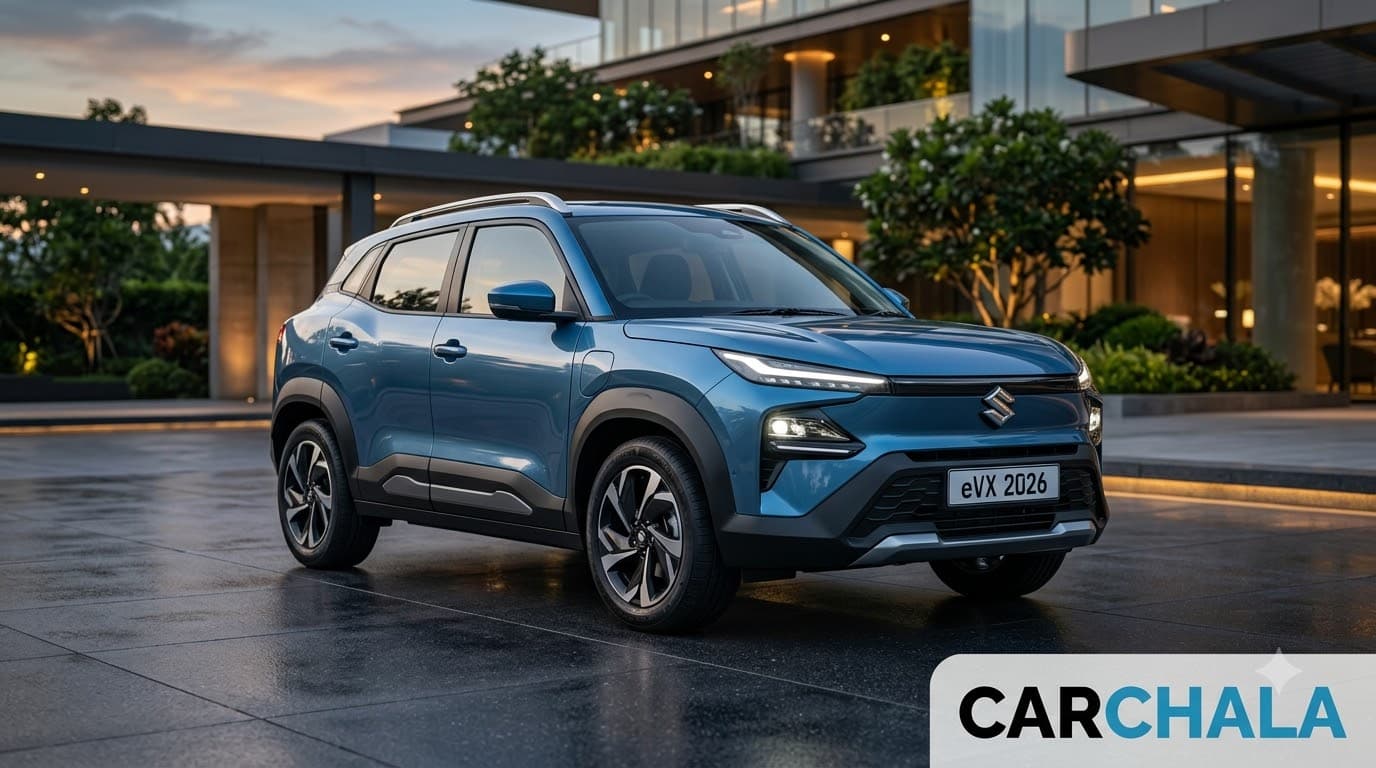
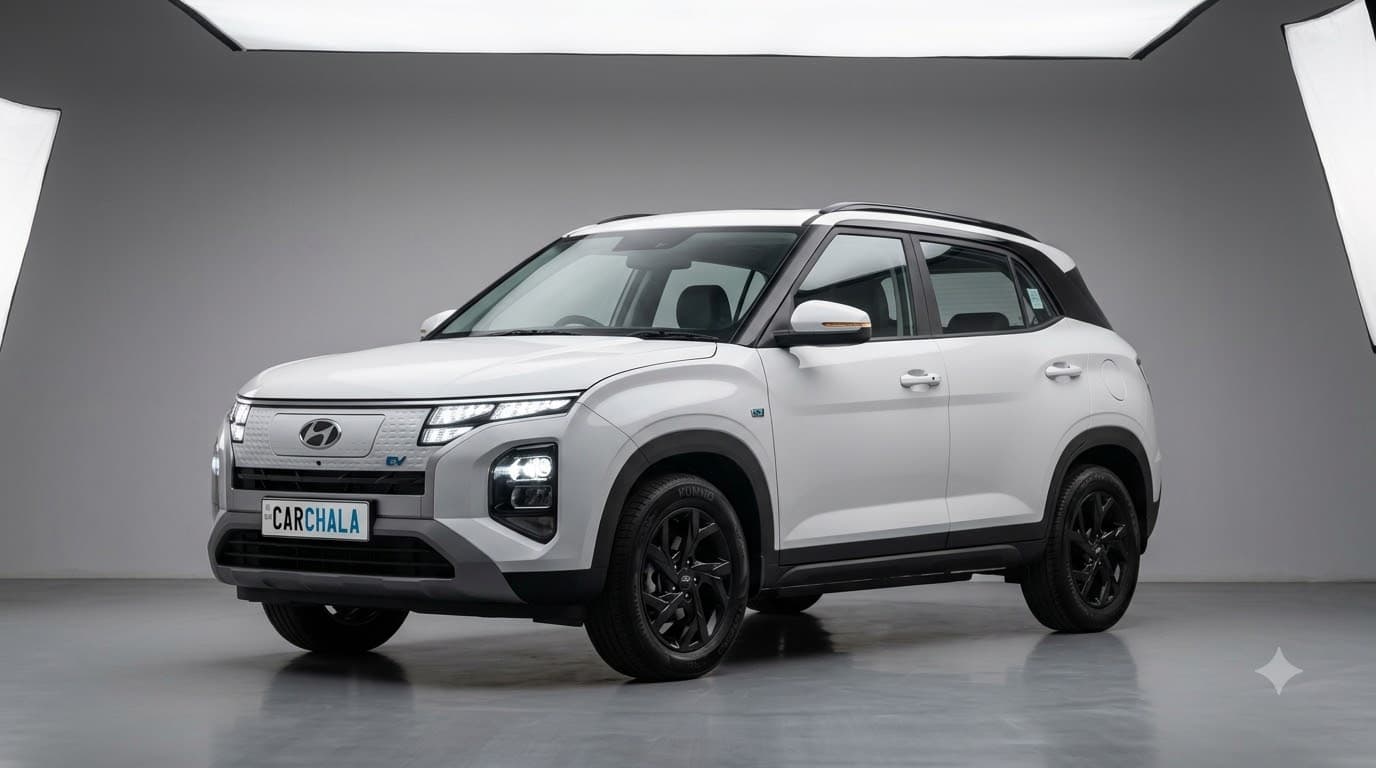
- Skateboard vs Converted ICE Platforms: Dedicated EV skateboard architectures (such as Tata's acti.ev and Maruti's eVX platform) provide flat rear floors, lower centers of gravity, and front frunk storage, whereas converted petrol/diesel chassis (like the Creta EV or e-C3) compromise slightly on underfloor clearance and interior packaging.
- Essential Insurance Coverage: Because high-voltage traction batteries account for roughly 45% of an EV's value, never purchase standard comprehensive insurance. Insist on Battery & Motor Protection, Zero Depreciation (Bumper-to-Bumper), and Return to Invoice (RTI) covers.
1. Battery Chemistries & Summer Thermal Management
Under ₹20 Lakh, manufacturers primarily deploy Lithium Iron Phosphate (LFP) or advanced Blade Cell chemistries. LFP chemistry offers significant real-world advantages for Indian conditions:
Thermal Stability: LFP cells have exceptionally high thermal runaway thresholds, making them inherently safe during blistering 45°C+ summer heatwaves.
100% Charge Tolerant: Unlike NMC chemistry (which manufacturers recommend charging only to 80% for daily use), LFP batteries can be charged to 100% daily without accelerating cell degradation.
Active Liquid Cooling: All mainstream sub-₹20 Lakh EVs feature closed-loop liquid thermal cooling systems that circulate chilled refrigerant through dedicated cooling plates beneath the battery modules, ensuring optimum cell temperatures during rapid DC fast charging.
2. High-Speed DC Fast Charging: The 40-Minute Lunch Stop
Modern electric vehicles in the sub-₹20 Lakh segment are engineered to utilize India's expanding 50 kW to 70 kW public CCS2 DC fast-charging network:
Charging Curve & Speed: A 45–55 kWh battery pack recharges from 10% to 80% in 40 to 55 minutes at a 50 kW DC charging station. Because charging speeds naturally taper after 80% to protect battery cell chemistry, the optimal highway road trip strategy is to plug in for 40 minutes while enjoying a meal or coffee break, then resume your journey.
Overnight Home Charging: For daily commuting, a 7.2 kW AC wallbox charger (included with most vehicles in this segment) replenishes an empty battery to 100% in 6.5 to 8 hours overnight, costing approximately ₹300 to ₹400 for a full charge.
3. Monsoon Safety & Waterlogging Protection
A common misconception among first-time buyers is that electric vehicles are hazardous during torrential monsoons. In reality, all high-voltage traction batteries, drive motors, and power electronics carry IP67 or IP68 waterproof certifications, meaning they are completely sealed and tested against water submersion up to 1 meter deep for 30 minutes. Since electric cars have no air intakes or exhaust tailpipes, they are immune to engine hydrostatic lock that destroys petrol and diesel engines in flooded underpasses.