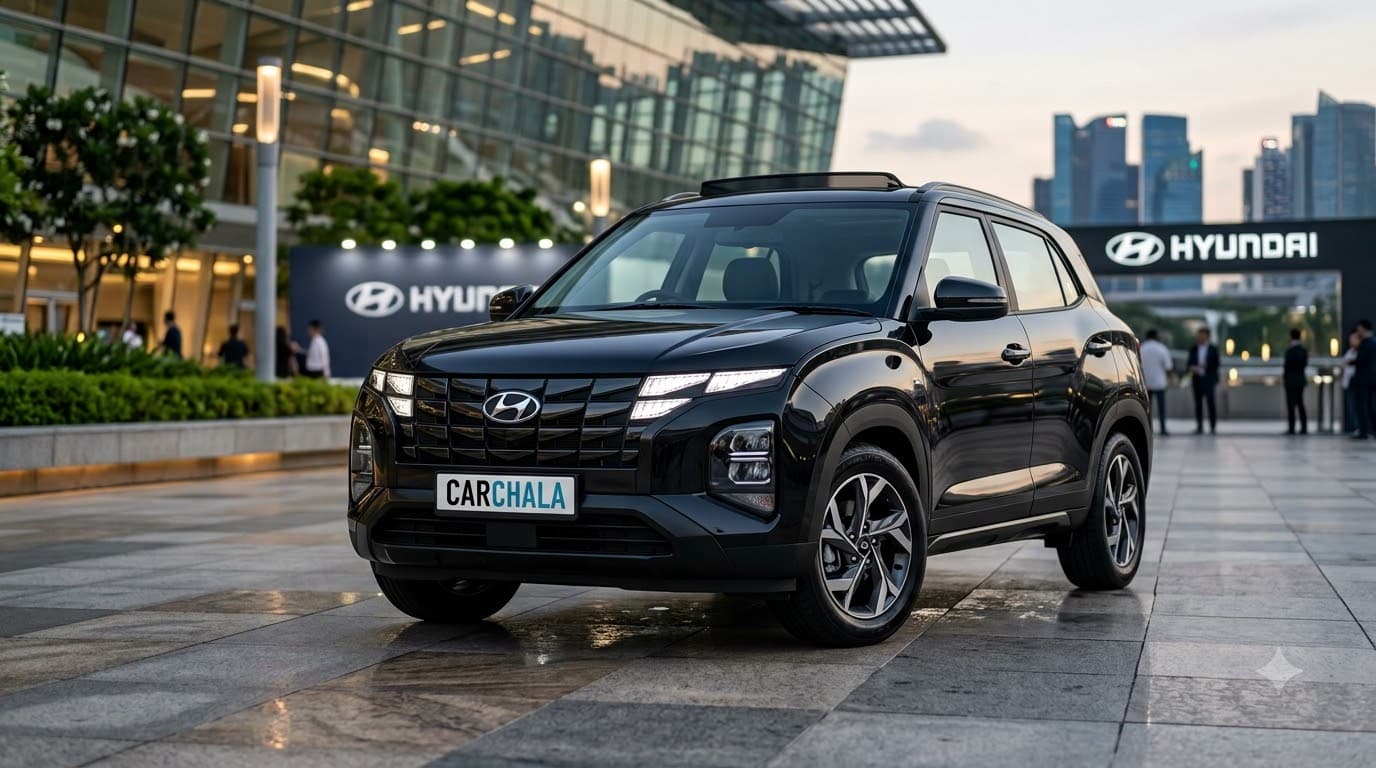
In an era of stringent emission norms and volatile fuel prices, petrol cars remain the undisputed cornerstone of the Indian automotive landscape. Accounting for more than 65% of all new passenger car registrations in 2026, modern petrol vehicles have evolved from simple naturally aspirated engines into sophisticated direct-injection turbochargers and self-charging strong hybrids. For the overwhelming majority of urban commuters and family drivers, petrol propulsion delivers the optimal combination of whisper-quiet refinement, instantaneous throttle response, and minimal long-term maintenance overhead.
1. Naturally Aspirated vs. Turbo-Petrol vs. Strong Hybrid: Selecting Your Ideal Engine
Today's petrol car marketplace in India offers three fundamentally distinct powertrain architectures, each engineered for specific driving styles and commuting cycles:
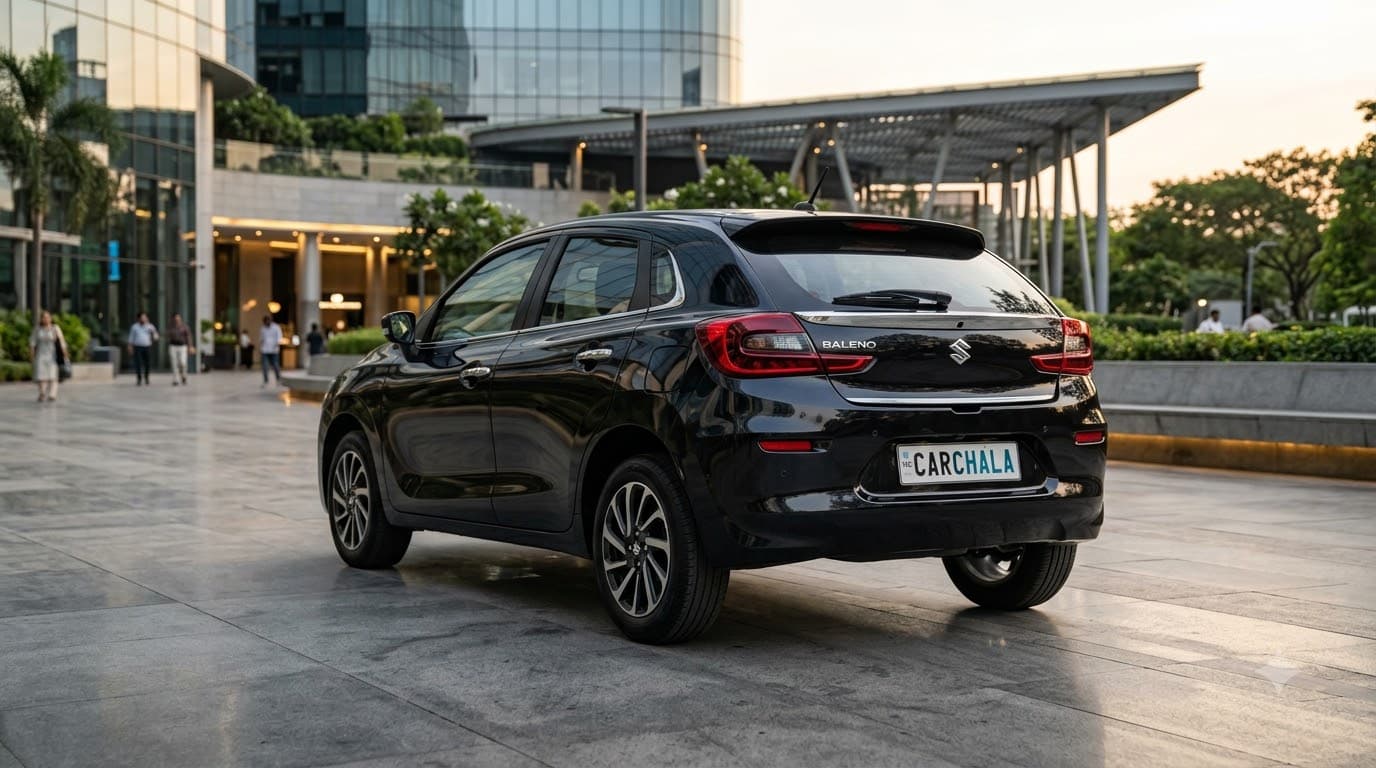
- Naturally Aspirated (NA) Petrol: Found in family favorites like the Maruti Baleno, Maruti Dzire, Hyundai Venue 1.2, and Toyota Glanza. NA engines intake air at standard atmospheric pressure. They provide buttery, linear power delivery from idle, instantaneous throttle modulation in tight traffic, lower operating temperatures, and unbeatable mechanical reliability with minimal maintenance costs. They are the benchmark choice for relaxed, budget-conscious daily urban commuting.
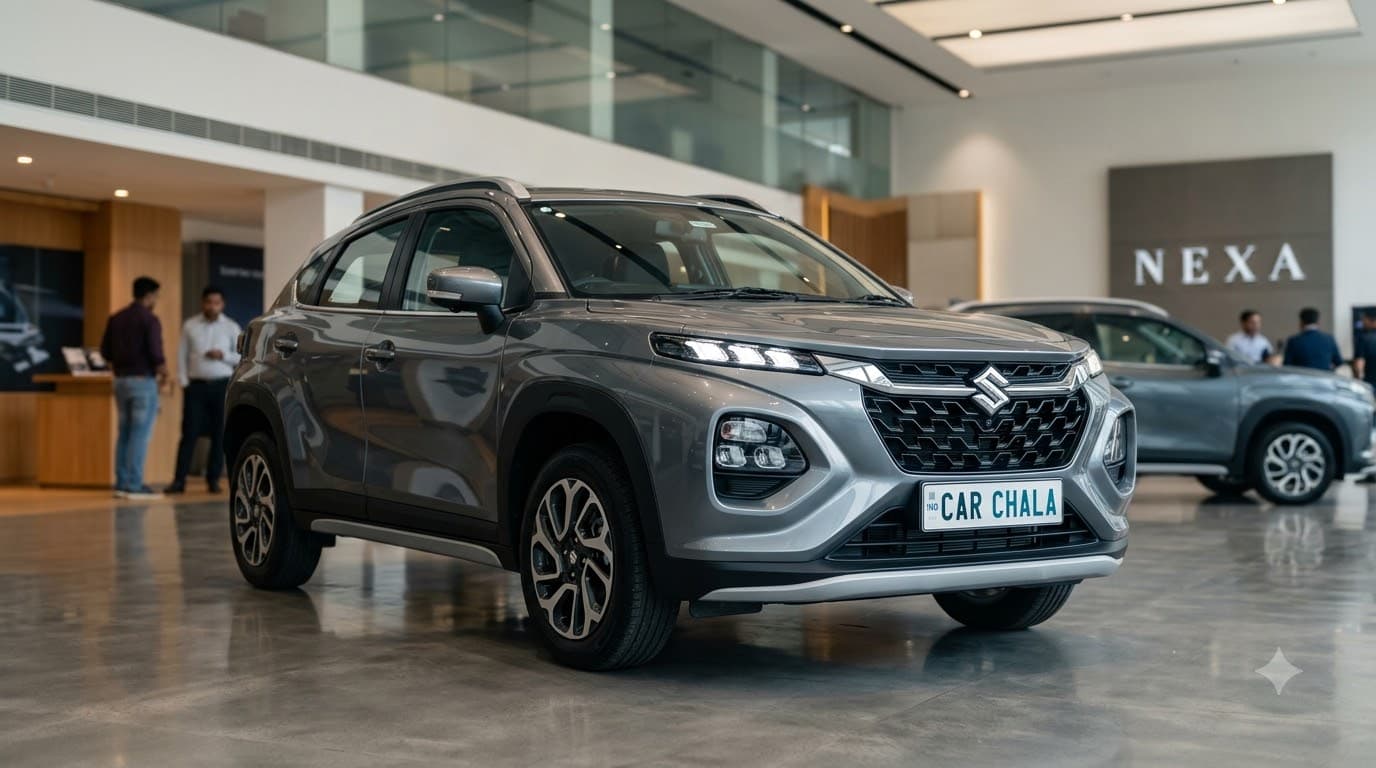
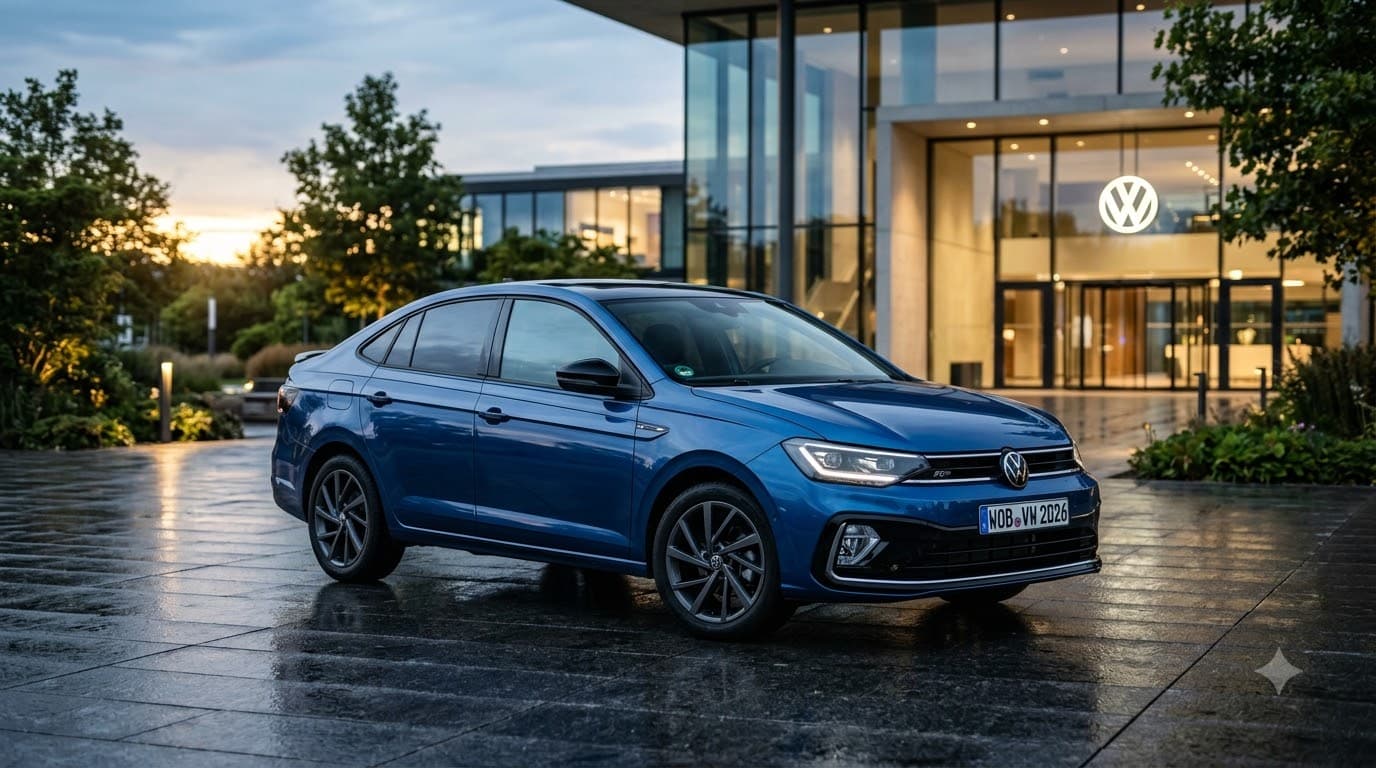
- Turbocharged Gasoline Direct Injection (Turbo-Petrol / TGDi / TSI / Boosterjet): Featured in dynamic models such as the Hyundai Verna 1.5 Turbo, Maruti Fronx 1.0 Turbo, and Mahindra XUV300 Turbo. These engines use high-speed exhaust-driven turbines to force pressurized oxygen into downsized combustion chambers. This unlocks colossal low-end and mid-range pulling torque (200 to 253 Nm), enabling rapid 0-100 km/h acceleration under 9 seconds and effortless, single-lane highway overtaking without requiring frantic downshifts.
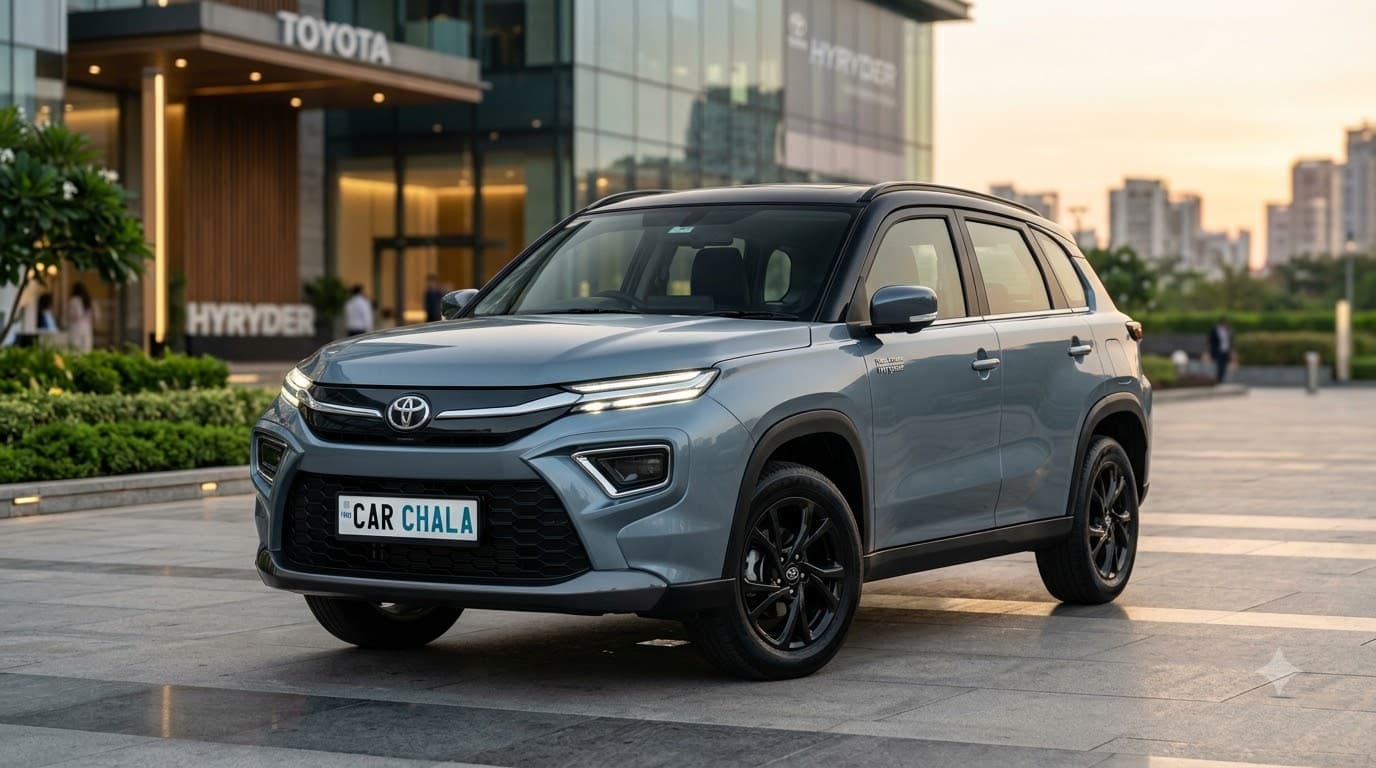
- Self-Charging Strong Hybrids: Pioneered by the Toyota Urban Cruiser Hyryder and Maruti Suzuki Grand Vitara. These advanced systems pair an ultra-efficient Atkinson-cycle petrol engine with a high-output electric motor and a self-charging lithium-ion battery. The vehicle automatically cruises in 100% silent, zero-emission EV mode during low-speed traffic crawls, delivering unbelievable real-world efficiency of 25 to 28 kmpl in dense city traffic without ever needing an external wall plug or charging station.
2. What We Love About Modern Petrol Cars
When comparing modern BS6 Phase 2 petrol cars to diesel and electric alternatives, petrol vehicles offer several compelling strengths that make daily ownership deeply satisfying:
- Whisper-Quiet NVH Refinement: Modern 4-cylinder and well-balanced 3-cylinder petrol engines operate with minimal vibration and cabin noise. At traffic signals, the engine is virtually inaudible, creating a calm, fatigue-free commuting environment that diesel clatter cannot match.
- Zero DPF Soot Clogging Nightmares: Under strict BS6 Phase 2 regulations, diesel cars suffer from chronic Diesel Particulate Filter (DPF) soot accumulation and AdBlue errors when driven exclusively for short city hops. Petrol cars operate with catalytic converters that require zero active regeneration, making them 100% immune to city-driving exhaust choking.
- Substantial Upfront Purchase Savings: An equivalent diesel variant commands a hefty cash premium of ₹1.50 Lakh to ₹2.50 Lakh over its petrol counterpart, while fully electric vehicles carry an even larger price gap. Choosing petrol leaves substantial upfront capital in your bank account.
- Longer 15-Year Operational Lifespan in Delhi-NCR: As mandated by National Green Tribunal (NGT) and Supreme Court orders, petrol vehicles enjoy a full 15-year statutory registration validity in Delhi-NCR, compared to a strictly enforced 10-year limit on diesel cars. This grants petrol owners 5 additional years of worry-free driving and dramatically stronger 5-to-7 year resale value in northern India.
3. What to Consider Before Buying a Petrol Car
While modern petrol cars are wonderfully versatile, informed buyers should weigh these critical operational considerations:
- Sensitivity to Heavy Throttle Input: Turbo-petrol engines deliver exhilarating performance when pushed, but enthusiastic driving spools the turbocharger continuously, causing fuel efficiency to plummet from 15 kmpl down to 7-9 kmpl in city traffic. Drivers who desire consistent 18+ kmpl without conscious throttle modulation should favor naturally aspirated engines or strong hybrids.
- Luggage Boot Compromises in Strong Hybrids: In self-charging strong-hybrid SUVs like the Hyryder and Grand Vitara, the high-voltage lithium-ion battery pack is housed underneath the boot floor, reducing luggage capacity to approximately 255-270 litres and creating an elevated loading lip.
- Low-End Torque Physics: Naturally aspirated 1.2L and 1.5L petrol engines generate peak torque between 3,800 and 4,500 RPM. When ascending steep mountain ghats or overtaking on single-lane state highways with 5 passengers and a full trunk, the driver must downshift into lower gears to access adequate engine power.
4. BS6 Phase 2 & The E20 Ethanol Mandate: Protecting Your Engine
India is aggressively rolling out E20 fuel (petrol blended with 20% bio-ethanol) across all retail fuel pumps. When buying a brand-new vehicle in 2026, ensuring factory certification for E20 Material Compatibility and BS6 Phase 2 (RDE) compliance is vital. Non-compliant older engines can suffer from degraded rubber fuel lines, corroded fuel tank interiors, and clogged injector nozzles when exposed to ethanol's hygroscopic (water-attracting) properties. Every vehicle featured in our curated top-10 ranking features anti-corrosive fuel lines, reinforced valve seats, and calibrated engine control units fully warrantied for continuous E20 fuel usage.
5. Pro-Tips: Turbo Maintenance & Mandatory Insurance Covers
To maximize the operational longevity, fuel economy, and resale value of your petrol car, implement these industry-proven best practices:
- The 60-Second Turbo Idling Protocol: If you drive a turbocharged model (Verna Turbo, Fronx Boosterjet, or XUV300), always idle the engine for 30 to 60 seconds before shutting it down after highway cruising. This allows pressurized engine oil to cool the glowing turbocharger bearings, preventing oil coking and expensive premature turbo failure.
- Progressive Throttle Technique: Practice smooth, progressive pedal modulation rather than aggressive stabs at the gas pedal. Keeping the engine operating within the off-boost band (under 2,000 RPM) during city traffic crawls will instantly improve real-world fuel economy by 2 to 3 kmpl.
- Three Must-Have Insurance Add-Ons: When securing comprehensive insurance for your new petrol vehicle, always include Engine and Gearbox Protection (critical protection against hydrostatic water lock when traversing monsoon-flooded roads), Zero Depreciation (Bumper-to-Bumper) cover, and Return to Invoice (RTI) to guarantee 100% financial reimbursement in the event of constructive total loss or theft.