🛡️ Official 5-Star BNCAP & GNCAP Tested

Best Safest Cars in India (2026)

When protecting your family is paramount, vehicle safety cannot be left to chance. In 2026, Indian automotive safety has reached world-class standards through Bharat NCAP (BNCAP) and Global NCAP testing protocols. From ultra-high-strength boron steel passenger survival cells and 6 standard airbags to radar-camera Level 2 ADAS collision mitigation, we evaluate India's top 10 safest cars engineered to protect lives on chaotic highways and urban streets.

Quick Comparison

ModelEx-Showroom PriceClaimed MileageKey USP
Tata Tata Nexon₹8 - 16.99 Lakh17.0 kmplThe pioneer of 5-star mass-market crash safety in India, featuring reinforced structural steel, 6 standard airbags, and ESP across all variants.
Mahindra Mahindra XUV700₹13.99 - 20.98 Lakh16.5 kmpl5-star Global NCAP safety powerhouse merging a boron-steel reinforced monocoque chassis with segment-pioneering Mobileye Level 2 ADAS.
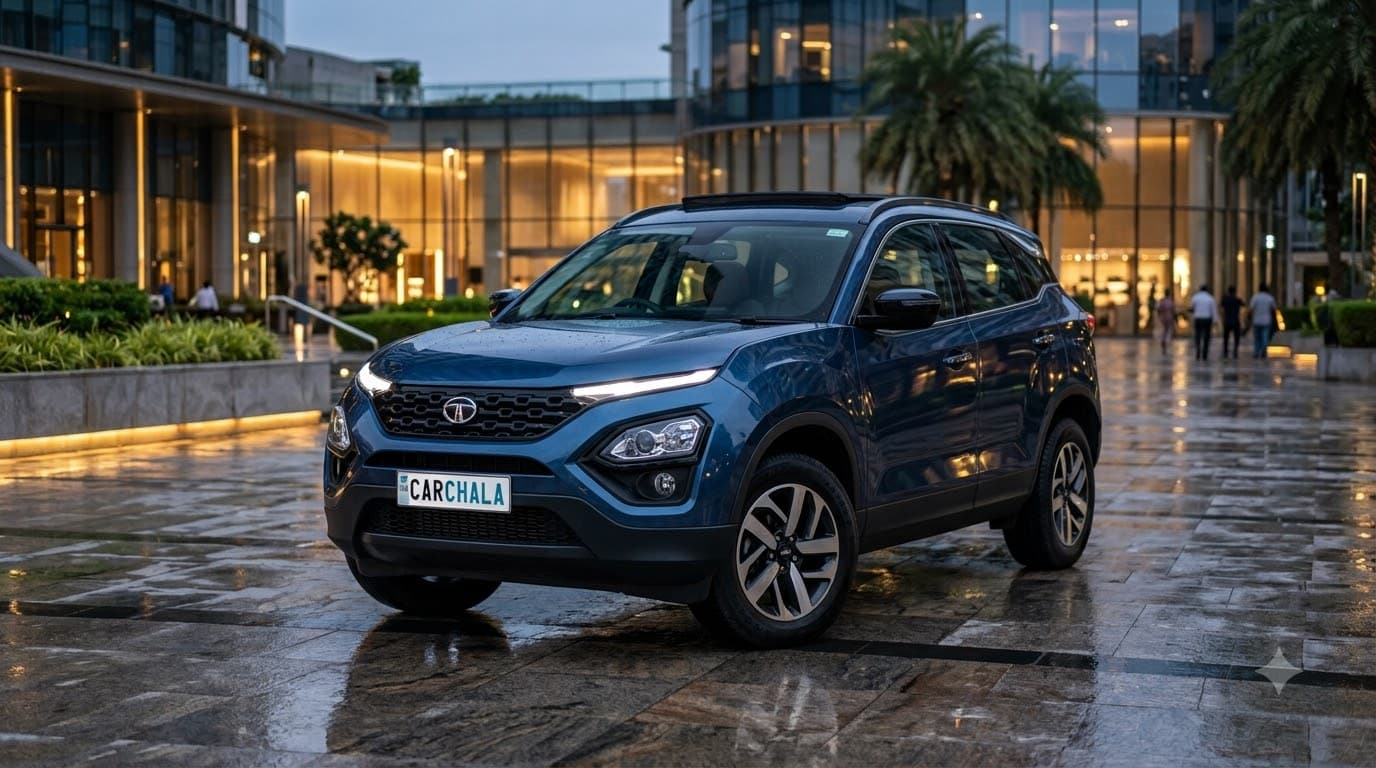
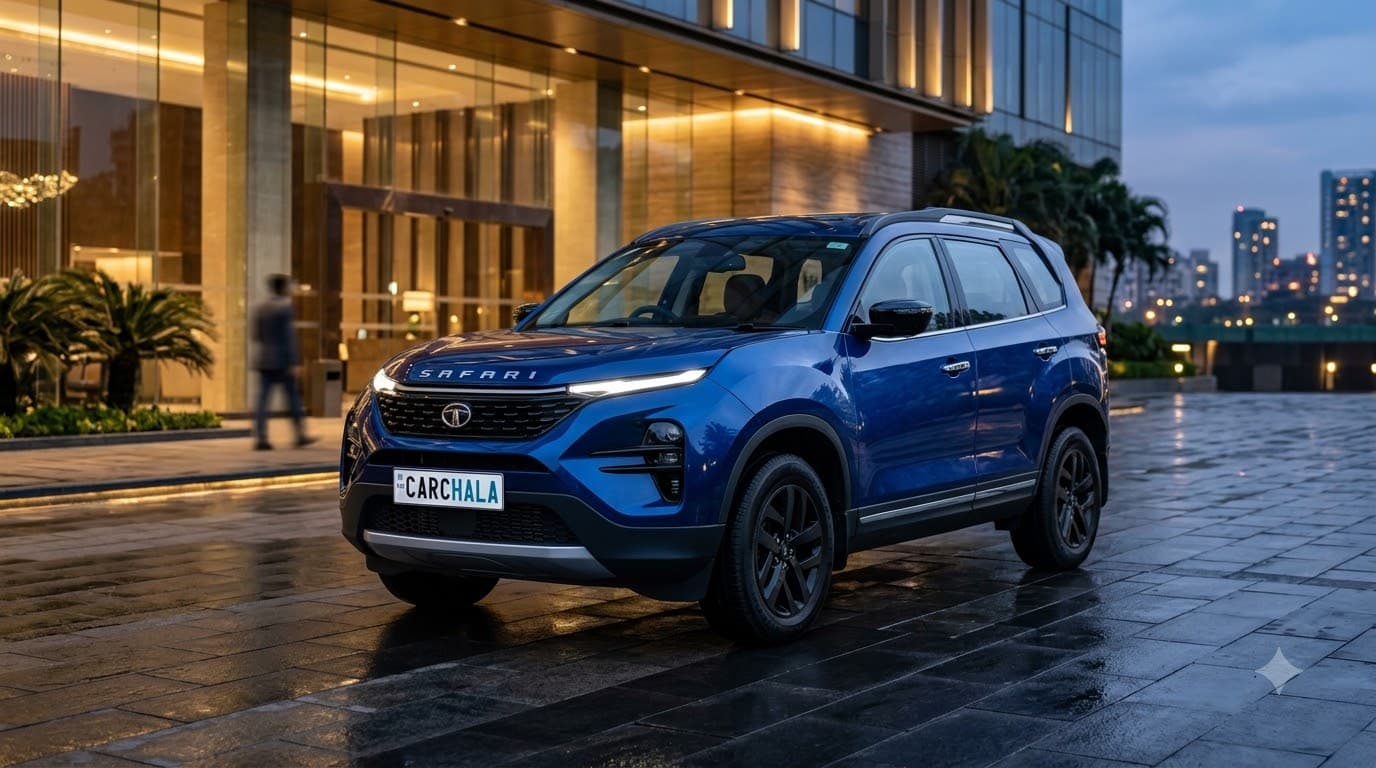
Tata Tata Safari₹16.19 - 24.29 Lakh16.1 kmplThe highest-scoring vehicle in Bharat NCAP history (30.08/32 Adult & 44.52/49 Child), built on a Land Rover D8-derived OMEGArc platform with 7 airbags.
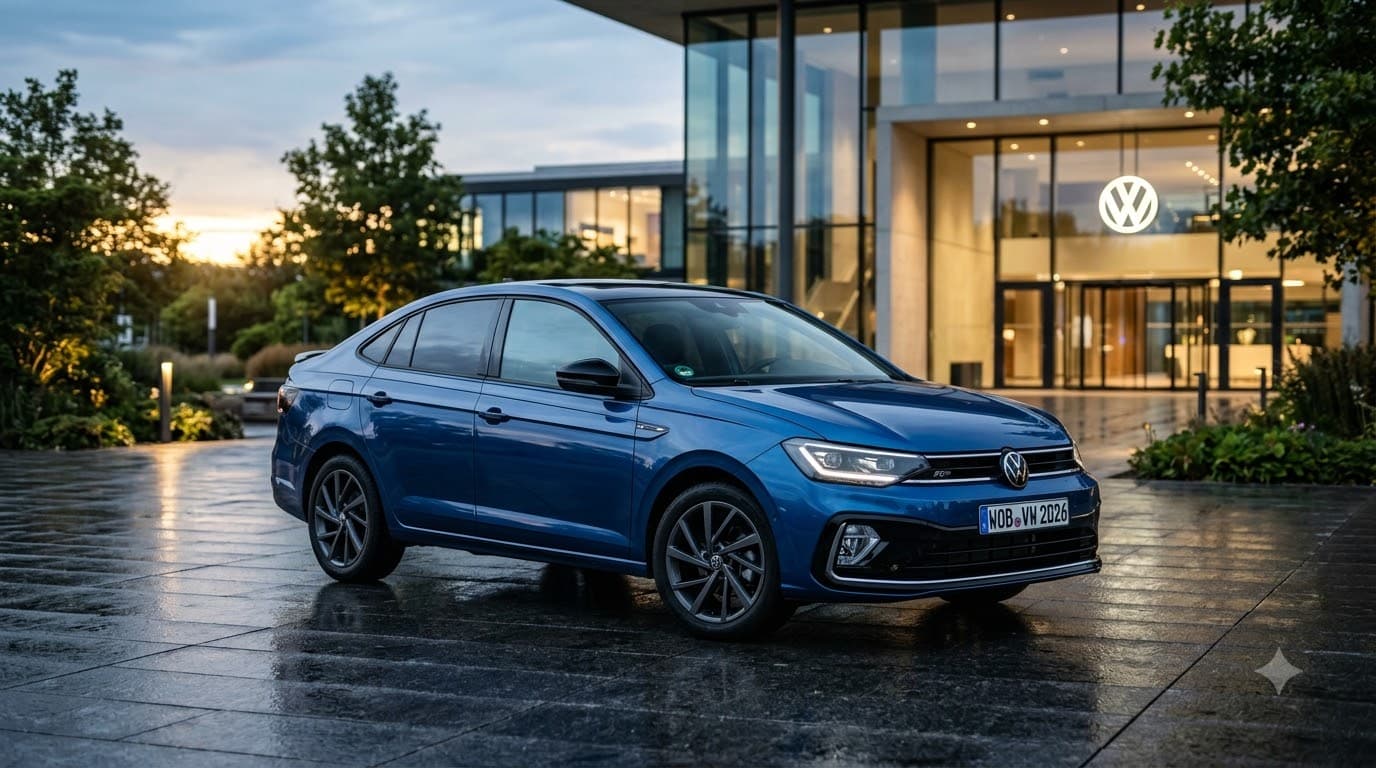
Volkswagen Volkswagen Virtus₹11.56 - 17.34 Lakh18.1 kmplFlawless 5-star Global NCAP executive sedan built on the laser-welded MQB-A0-IN platform with 6 standard airbags and multi-collision braking.
Tata Tata Harrier₹15.4 - 23.1 Lakh16.8 kmpl5-star Bharat NCAP certified 5-seater luxury SUV featuring Land Rover architectural DNA, 7 airbags, and Level 2 ADAS.

Top Safest Cars in India Evaluated

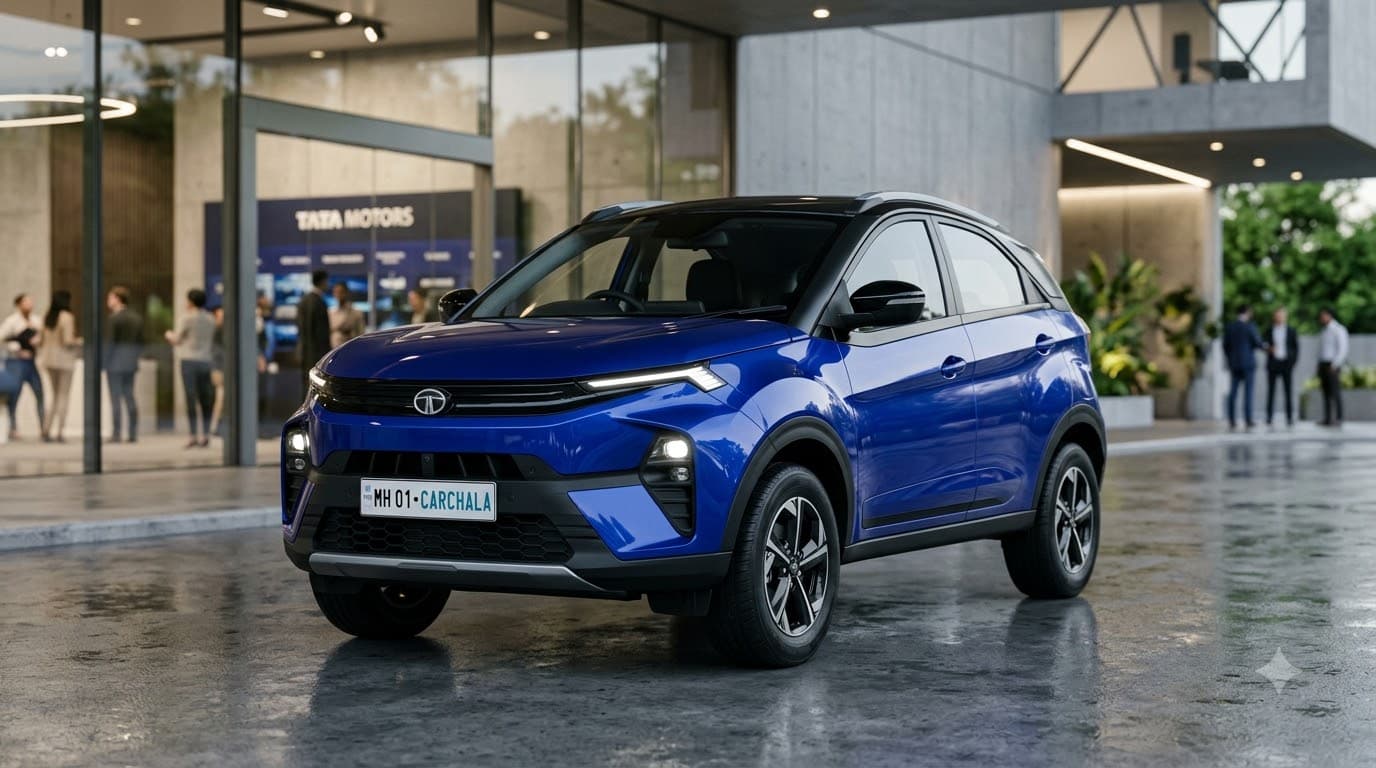
Tata Tata Nexon in Best Safest Cars in India 2026 — 5-Star BNCAP / GNCAP Rated
4.8 / 5

Tata Tata Nexon

Est. On-Road Starts At: ₹9.10 - ₹18.20 Lakh

Ex-Showroom

₹8 - 16.99 Lakh

Mileage

17.0 kmpl

Engine

1.2L Turbo / 1.5L Diesel

Safety

What we love

  • Flawless 5-star crash test rating in both Bharat NCAP and Global NCAP with excellent passenger compartment stability
  • Standard safety suite across all trims including 6 airbags, Electronic Stability Program (ESP), and ISOFIX child seat mounts
  • Generous 208mm unladen ground clearance with robust underbody cladding to easily conquer severe monsoon craters
  • High-definition 360-degree surround camera system paired with blind-view monitor on the digital instrument cluster

What to consider

  • AMT automated manual gearbox on petrol variants feels jerky compared to modern dual-clutch or torque converter automatics
  • Thick A-pillars and elevated dashboard cowl slightly restrict cornering visibility at sharp city intersections
  • Capacitive touch climate control panel requires taking eyes off the road while driving

Verdict: The Tata Nexon remains the undisputed benchmark for affordable vehicle safety in India. Combining 5-star BNCAP certification, standard 6 airbags from the base variant, and exceptional structural rigidity, it delivers unbeatable peace of mind for budget-conscious Indian families.
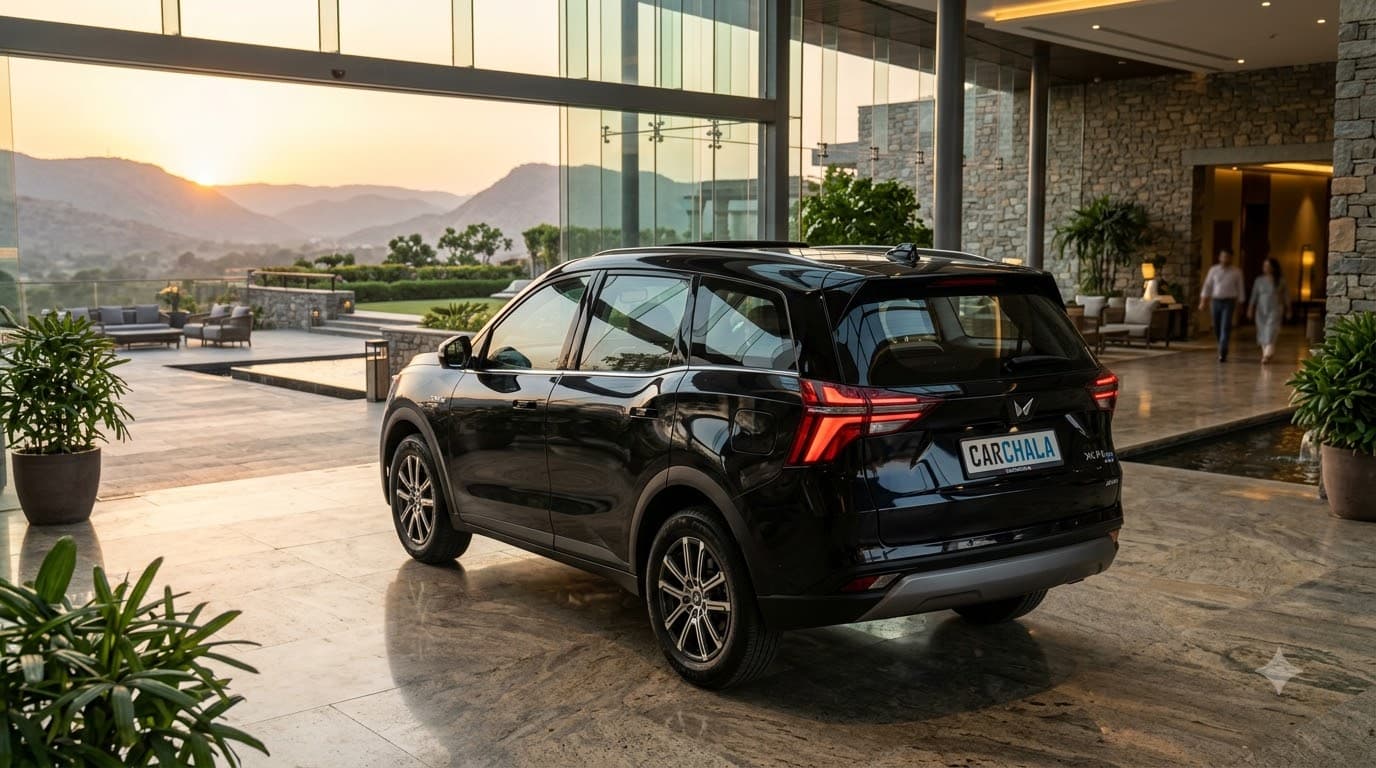
Mahindra Mahindra XUV700 in Best Safest Cars in India 2026 — 5-Star BNCAP / GNCAP Rated
4.8 / 5

Mahindra Mahindra XUV700

Est. On-Road Starts At: ₹16.80 - ₹31.50 Lakh

Ex-Showroom

₹13.99 - 20.98 Lakh

Mileage

16.5 kmpl

Engine

1.2L Turbo / 1.5L Diesel

Safety

What we love

  • 5-star Global NCAP adult occupant rating with high child safety points supported by an ultra-rigid boron-steel reinforced shell
  • Mobileye-engineered Level 2 ADAS suite featuring Autonomous Emergency Braking (AEB), Lane Keep Assist, and Smart Pilot Assist
  • Explosive engine options with class-leading 200 PS 2.0L mStallion turbo-petrol and 185 PS 2.2L mHawk turbo-diesel
  • Available with intelligent All-Wheel Drive (AWD) for uncompromised all-weather highway grip during torrential monsoon downpours

What to consider

  • Full Level 2 ADAS package and 7 airbags are limited strictly to the top-tier AX7 and AX7L variants
  • Third-row seating is cramped for tall adults on long-distance interstate road trips
  • City fuel economy on the 200 PS turbo-petrol automatic can drop to 8-10 kmpl in heavy urban traffic

Verdict: The Mahindra XUV700 stands as an engineering tour de force, blending tank-like crash protection with seamlessly calibrated active driver assistance. Its combination of 5-star Global NCAP crash safety, blistering highway performance, and proactive ADAS collision mitigation makes it one of India's safest touring SUVs.

Tata Tata Safari in Best Safest Cars in India 2026 — 5-Star BNCAP / GNCAP Rated
4.9 / 5

Tata Tata Safari

Est. On-Road Starts At: ₹19.20 - ₹33.00 Lakh

Ex-Showroom

₹16.19 - 24.29 Lakh

Mileage

16.1 kmpl

Engine

1.2L Turbo / 1.5L Diesel

Safety

What we love

  • Highest Adult and Child occupant protection scores ever recorded in Bharat NCAP crash testing history for a 7-seater
  • Land Rover D8-derived OMEGArc monocoque chassis delivering immense torsional rigidity and exceptional crash impact dispersion
  • Comprehensive Level 2 ADAS suite with 11 active safety aids including Rear Cross-Traffic Alert and Door Open Warning
  • Cavernous three-row cabin featuring ventilated captain seats in rows 1 and 2, panoramic sunroof, and 10-speaker JBL audio

What to consider

  • Full Level 2 ADAS suite and knee airbag are restricted exclusively to Accomplished+ and Dark Edition trims
  • Exclusively offered with a 2.0L Kryotec diesel engine; lacks a petrol or hybrid powertrain option
  • Substantial 4,668mm exterior length demands careful maneuvering and reliance on the 360-degree camera in congested lanes

Verdict: The Tata Safari is India's ultimate fortress on wheels for large joint families. Backed by the highest safety score ever awarded by Bharat NCAP and proactive radar-based ADAS aids, it provides uncompromised structural defense and luxurious long-distance touring comfort.

Volkswagen Volkswagen Virtus in Best Safest Cars in India 2026 — 5-Star BNCAP / GNCAP Rated
4.8 / 5

Volkswagen Volkswagen Virtus

Est. On-Road Starts At: ₹13.40 - ₹22.80 Lakh

Ex-Showroom

₹11.56 - 17.34 Lakh

Mileage

18.1 kmpl

Engine

1.2L Turbo / 1.5L Diesel

Safety

What we love

  • Perfect 5-star Global NCAP crash rating for both adult and child occupant protection with a structurally stable body shell
  • Standard safety equipment across every variant includes 6 airbags, Electronic Stability Control (ESC), and Multi-Collision Brakes
  • Rock-solid European high-speed dynamics, telepathic steering feedback, and massive 521-litre cargo trunk
  • Enthusiast-grade 1.5L TSI EVO turbo-petrol (150 PS / 250 Nm) with Active Cylinder Technology and lightning-fast 7-speed DSG

What to consider

  • Air conditioner cooling on 1.0L TSI variants can feel slightly sluggish in extreme 45°C North Indian peak summers
  • Rear-view camera feed resolution is noticeably grainy compared to Korean segment competitors
  • DSG dual-clutch transmission demands disciplined servicing and care in severe stop-go traffic

Verdict: The Volkswagen Virtus proves that you do not need a high-riding SUV to travel with complete safety in India. Its laser-welded German monocoque chassis, standard 6 airbags, and unwavering high-speed expressway composure make it the benchmark executive sedan for safety-conscious drivers.

Tata Tata Harrier in Best Safest Cars in India 2026 — 5-Star BNCAP / GNCAP Rated
4.8 / 5

Tata Tata Harrier

Est. On-Road Starts At: ₹18.40 - ₹31.20 Lakh

Ex-Showroom

₹15.4 - 23.1 Lakh

Mileage

16.8 kmpl

Engine

1.2L Turbo / 1.5L Diesel

Safety

What we love

  • Maximum 5-star Bharat NCAP crash safety certification with outstanding passenger compartment survival space
  • Heavy-duty OMEGArc platform utilizing high-strength steel that absorbs severe frontal and lateral impact energy
  • Level 2 ADAS suite featuring Autonomous Emergency Braking (AEB), Forward Collision Warning, and Blind Spot View Monitor
  • Imposing road stance, commanding cockpit seating position, and plush suspension that effortlessly flattens broken highways

What to consider

  • No petrol engine option available for buyers residing in the NCR region facing the 10-year diesel registration cap
  • Lane Keep Assist can occasionally feel overly assertive with steering corrections on narrow, curvy state highways
  • Touch-capacitive secondary control interface on the center console requires extra attention while driving

Verdict: The Tata Harrier is built like a vault to survive the most punishing Indian road hazards. Combining Land Rover structural pedigree with intelligent Level 2 active safety aids, it provides unmatched physical road presence and elite crash protection for 5 passengers.

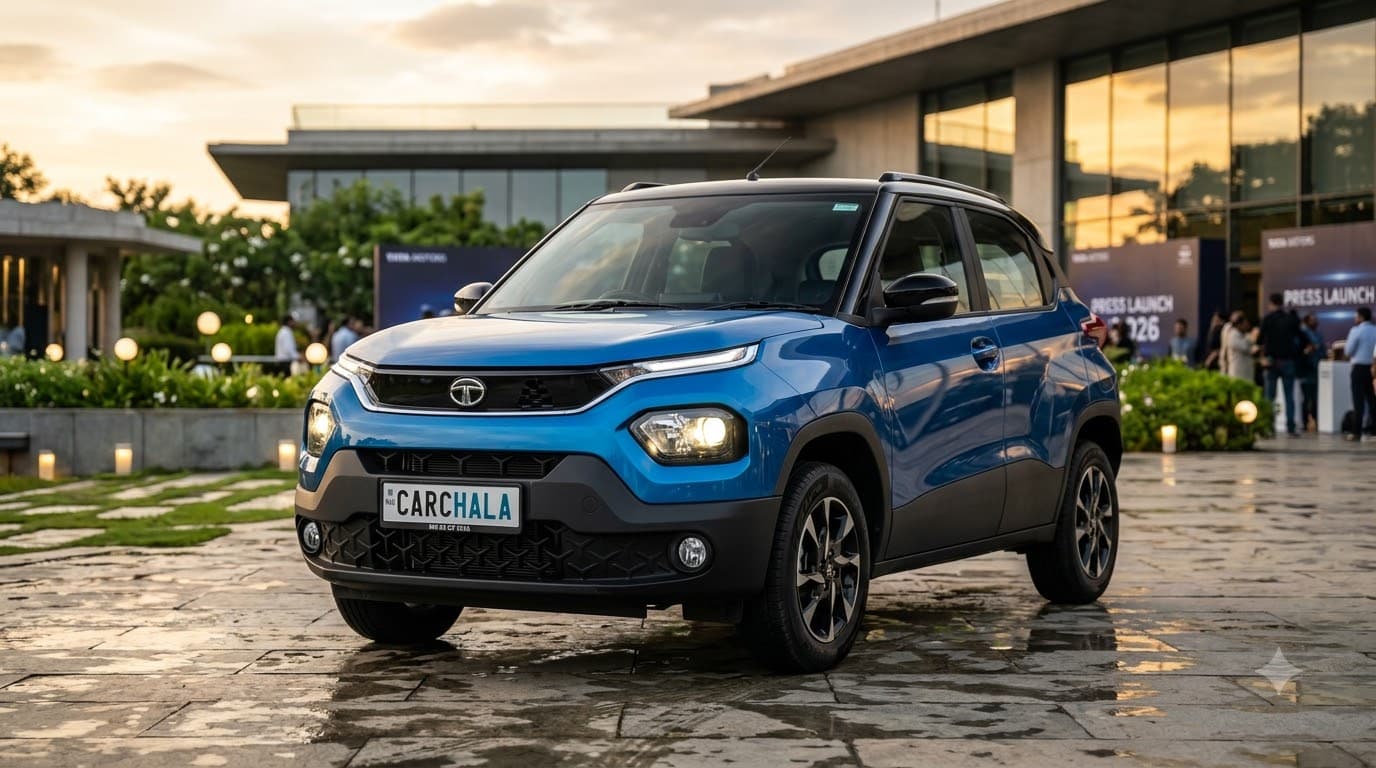
Tata Tata Punch in Best Safest Cars in India 2026 — 5-Star BNCAP / GNCAP Rated
4.7 / 5

Tata Tata Punch

Est. On-Road Starts At: ₹6.90 - ₹12.10 Lakh

Ex-Showroom

₹6 - 11.99 Lakh

Mileage

18.8 kmpl

Engine

1.2L Turbo / 1.5L Diesel

Safety

What we love

  • Verified 5-star Global NCAP adult occupant safety rating built on Tata's impact-absorbing ALFA architecture
  • Standard safety package includes dual front airbags, ABS with EBD, Corner Stability Control, and ISOFIX child anchorages
  • Commanding high SUV seating position with 187mm ground clearance and 90-degree wide-opening doors for easy elderly ingress
  • Rugged, long-travel suspension tuned specifically to absorb deep potholes and broken rural roads without rattling

What to consider

  • 1.2L naturally aspirated 3-cylinder petrol engine (88 PS) feels relaxed and lacks punch for high-speed expressway overtakes
  • 5-speed AMT automated gearbox exhibits noticeable shift pauses under aggressive throttle inputs
  • Engine NVH insulation is basic, allowing 3-cylinder engine thrum into the cabin at speeds above 90 km/h

Verdict: The Tata Punch has revolutionized entry-level safety across India. For first-time car buyers on a sub-₹10 Lakh budget, it offers uncompromised 5-star structural crash safety, confident SUV ground clearance, and rugged build quality that easily outclasses fragile city hatchbacks.

Skoda Skoda Slavia in Best Safest Cars in India 2026 — 5-Star BNCAP / GNCAP Rated
4.7 / 5

Skoda Skoda Slavia

Est. On-Road Starts At: ₹12.60 - ₹22.10 Lakh

Ex-Showroom

₹10.69 - 16.04 Lakh

Mileage

18.7 kmpl

Engine

1.2L Turbo / 1.5L Diesel

Safety

What we love

  • Maximum 5-star Global NCAP safety rating for both adult and child occupant protection on the rigid MQB-A0-IN platform
  • 6 standard airbags, Electronic Stability Control (ESC), Multi-Collision Braking, and ISOFIX child mounts across all trims
  • Unshakeable high-speed straight-line tracking, confident braking feel, and a massive 521-litre luggage boot
  • Punchy 1.0L TSI (115 PS) and class-leading 1.5L TSI EVO (150 PS) turbocharged direct-injection petrol engines

What to consider

  • Interior cabin trim and center console plastics can develop minor squeaks over prolonged driving on harsh broken roads
  • Lacks a 360-degree surround camera system and Level 2 ADAS features offered by newer segment competitors
  • 1.0L TSI torque converter automatic variant can be thirsty in heavy stop-and-go city traffic

Verdict: The Skoda Slavia is a masterclass in classic European structural safety. Its laser-welded body shell, standard 6 airbags, and multi-collision braking system deliver reassuring vault-like crash protection and pure dynamic precision on Indian highways.

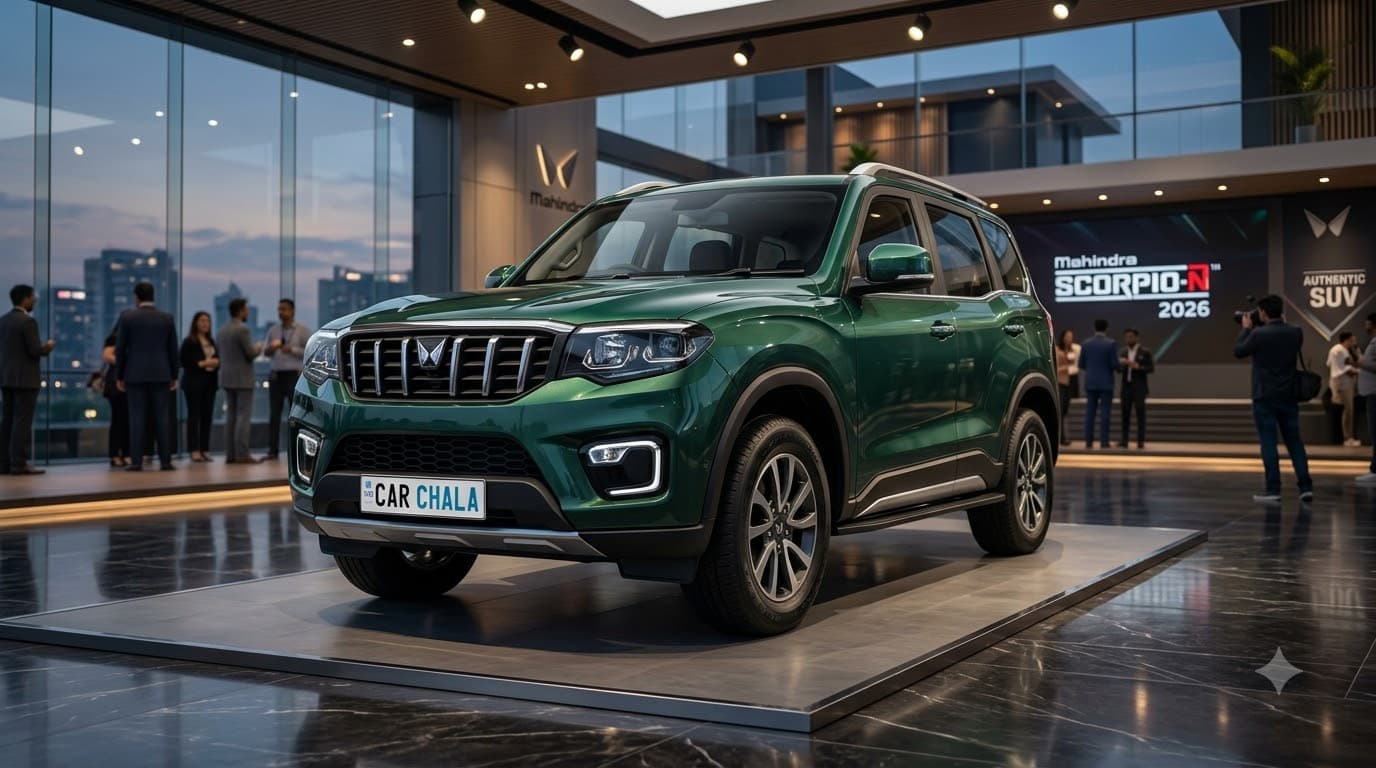
Mahindra Mahindra Scorpio-N in Best Safest Cars in India 2026 — 5-Star BNCAP / GNCAP Rated
4.7 / 5

Mahindra Mahindra Scorpio-N

Est. On-Road Starts At: ₹16.50 - ₹29.50 Lakh

Ex-Showroom

₹13.6 - 20.4 Lakh

Mileage

15.4 kmpl

Engine

1.2L Turbo / 1.5L Diesel

Safety

What we love

  • 5-star Global NCAP adult occupant protection rating built on a high-strength steel hydroformed body-on-frame platform
  • Comprehensive safety package with up to 6 airbags, ESC, driver drowsiness detection, hill descent control, and disc brakes on all 4 wheels
  • Towering road presence with potent 203 PS 2.0L mStallion turbo-petrol and 175 PS 2.2L mHawk diesel engines with authentic 4x4 hardware
  • Frequency Selective Damping (FSD) suspension setup that effortlessly smothers massive potholes and severely cratered rural roads

What to consider

  • Tall ladder-frame architecture exhibits noticeable body lean and roll during fast highway cornering
  • Third-row bench seating has a knees-up posture and leaves very limited boot space when all rows are upright
  • Lacks Level 2 ADAS active safety features (which are available on its monocoque sibling, the XUV700)

Verdict: The Mahindra Scorpio-N is India's safest authentic body-on-frame SUV. Achieving a 5-star Global NCAP safety rating despite its towering ladder-frame architecture, it provides indestructible physical strength, commanding visibility, and exceptional protection on any terrain.

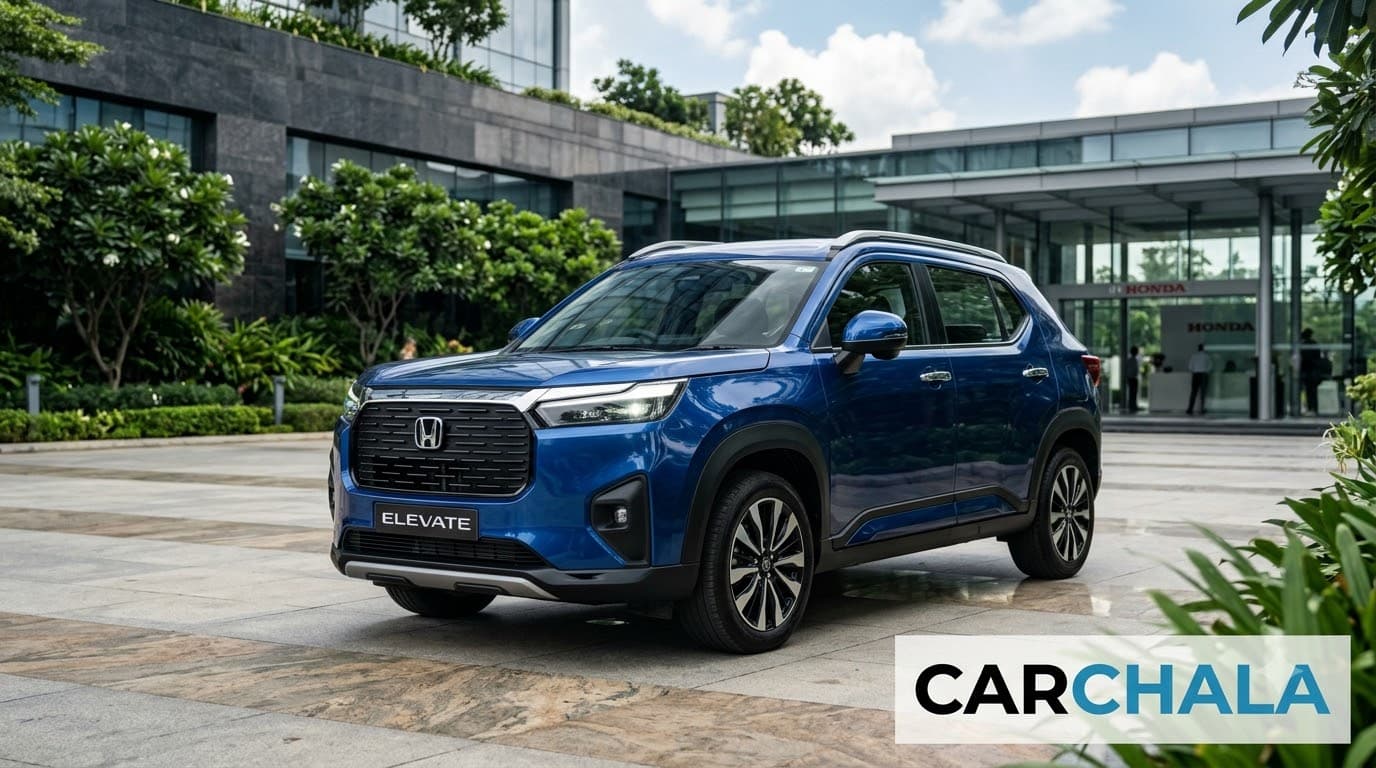
Honda Elevate in Best Safest Cars in India 2026 — 5-Star BNCAP / GNCAP Rated
4.6 / 5

Honda Elevate

Est. On-Road Starts At: ₹13.50 - ₹19.40 Lakh

Ex-Showroom

₹11.58 Lakh

Mileage

16.92

Engine

Standard Engine

Safety

What we love

  • Advanced Compatibility Engineering (ACE) monocoque body structure designed for omni-directional collision energy dispersion
  • Honda Sensing camera-based Level 2 ADAS suite featuring Collision Mitigation Braking System (CMBS) and Road Departure Mitigation
  • Class-leading 220mm ground clearance paired with a huge 458-litre boot space and ultra-plush, pothole-absorbing suspension
  • Standard 6 airbags across upper trims with Honda LaneWatch camera eliminating dangerous passenger-side blind spots

What to consider

  • Camera-only ADAS setup experiences reduced tracking efficacy in torrential monsoon downpours or dense winter fog
  • Naturally aspirated 1.5L i-VTEC engine lacks the explosive mid-range overtaking torque of turbocharged competitors
  • Cabin sound insulation is average, allowing engine rev noise to enter the cabin under hard CVT acceleration

Verdict: The Honda Elevate combines Japanese structural reliability with Honda Sensing active driver assistance. Its ACE crash structure, class-leading 220mm ground clearance, and standard passive safety systems make it a remarkably stress-free, safe compact SUV for Indian families.

Hyundai Tucson in Best Safest Cars in India 2026 — 5-Star BNCAP / GNCAP Rated
4.2 / 5

Hyundai Tucson

Est. On-Road Starts At: ₹33.36 Lakh

Ex-Showroom

₹29.01 - 35.94 Lakh

Mileage

14.5 kmpl

Engine

1.2L Turbo / 1.5L Diesel

Safety

What we love

  • Torquey 2.0L diesel engine provides effortless high-speed cruising
  • Sensuous Sportiness design language looks striking and premium
  • Refined cabin with extensive soft-touch materials and Level 2 ADAS

What to consider

  • Lacks the brute 7-seater practicality of similarly priced ladder-frame SUVs
  • Fuel efficiency drops significantly in heavy city traffic

Verdict: The Hyundai Tucson stands out as an excellent choice in this segment.

Slightly Over Budget (But Worth The Stretch)

If you can push your budget a bit further, these cars offer massive upgrades.

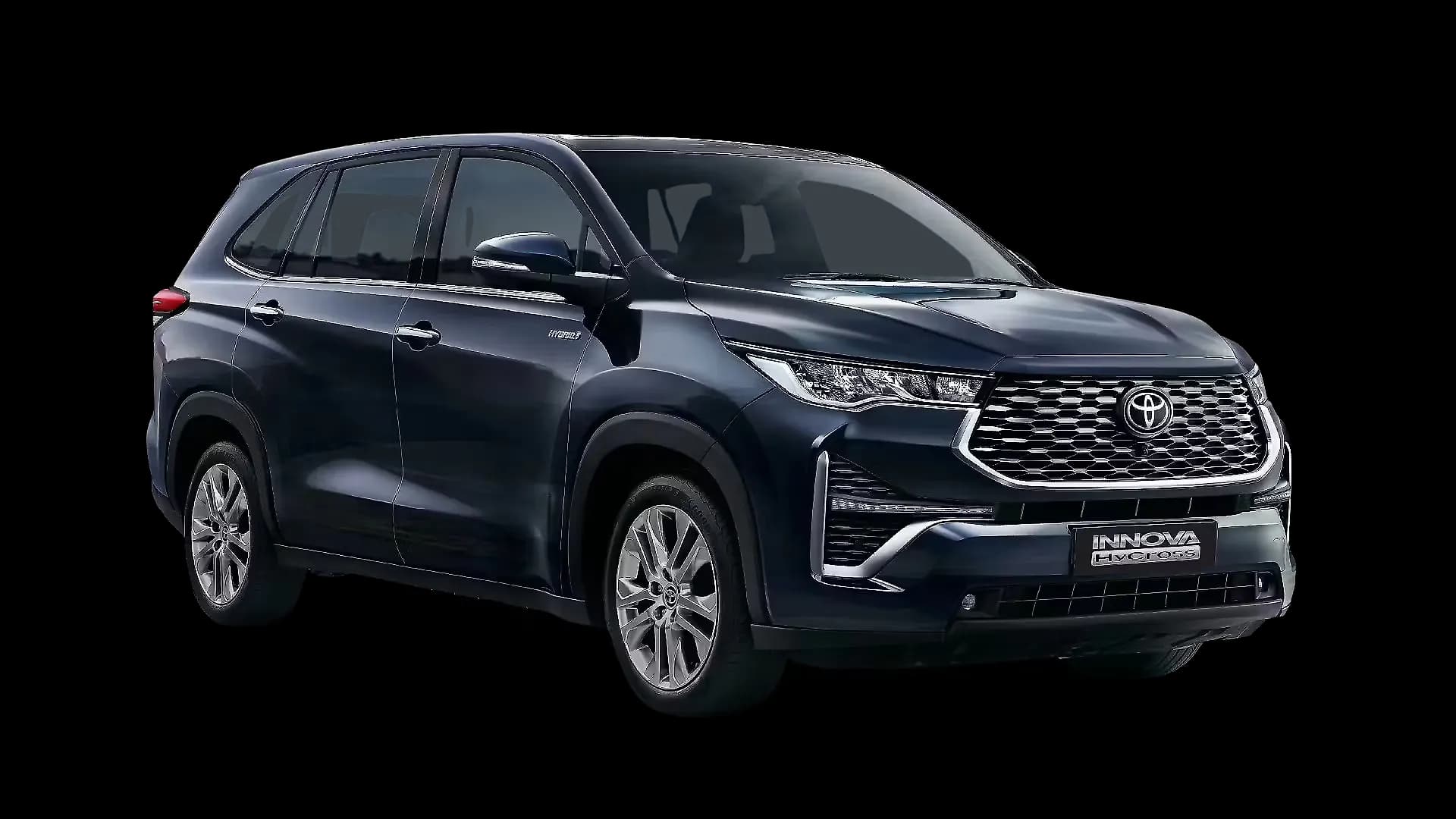
Toyota Toyota Innova Hycross in Best Safest Cars in India 2026 — 5-Star BNCAP / GNCAP Rated
4.2 / 5

Toyota Toyota Innova Hycross

Est. On-Road Starts At: ₹22.74 Lakh

Recommended Stretch

₹28.67 Lakh

Mileage

21.1 kmpl

Engine

1.5L turbocharged

Safety

What we love

  • High-tensile TNGA-C global monocoque platform offering 5-star crash safety, low center of gravity, and exceptional car-like stability
  • Toyota Safety Sense (TSS) ADAS suite featuring Dynamic Radar Cruise Control, Lane Tracing Assist, and Pre-Collision System
  • Self-charging 2.0L Strong Hybrid powertrain delivering 186 PS and over 1,000 km of uninterrupted highway range per fuel tank

What to consider

  • Full Toyota Safety Sense ADAS package and Ottoman captain seats are exclusive to the premium ZX and ZX(O) hybrid trims
  • Extended waiting periods stretching up to 6 to 9 months on top-spec hybrid models due to massive demand

Why stretch for this? Stretching your budget to the Toyota Innova Hycross unlocks a 5-star crash safety certified TNGA-C monocoque MPV equipped with Toyota Safety Sense (TSS) ADAS, 6 airbags, first-class Ottoman lounge seating, and an astonishing 21.1 kmpl hybrid fuel economy.

Hyundai Tucson in Best Safest Cars in India 2026 — 5-Star BNCAP / GNCAP Rated
4.2 / 5

Hyundai Tucson

Est. On-Road Starts At: ₹33.36 Lakh

Recommended Stretch

₹35.94 Lakh

Mileage

14.5 kmpl

Engine

1.2L Turbo / 1.5L Diesel

Safety

What we love

  • Global 5-star Euro NCAP safety rating reinforced with hot-stamped ultra-high-strength steel passenger survival cell
  • 19-feature Hyundai SmartSense Level 2 ADAS suite including Blind-Spot Collision Avoidance Assist, Safe Exit Warning, and High Beam Assist
  • Punchy 2.0L CRDi turbo-diesel engine (186 PS / 416 Nm) paired with an 8-speed torque converter and on-demand HTRAC AWD

What to consider

  • 2.0L naturally aspirated petrol engine variant lacks the pulling torque required for an SUV of this substantial size
  • Extensive use of glossy piano black plastics on the center console is prone to micro-scratches and dust accumulation

Why stretch for this? Stretching your budget to the Hyundai Tucson elevates your family into global D-segment luxury with a verified 5-star Euro NCAP safety rating, 19-feature SmartSense Level 2 ADAS suite, HTRAC intelligent all-wheel drive, and whisper-quiet cabin insulation.

Buyer's Guide: Understanding Car Safety Ratings & Choosing the Safest Vehicle in India (2026)

1. The Paradigm Shift in Indian Car Safety

For decades, automotive safety in India was judged by deceptive urban myths—such as how heavy a door felt or whether the bonnet "thudded" when pressed. In 2026, the Indian automotive landscape has undergone a monumental transformation. The introduction of Bharat NCAP (BNCAP), alongside stricter Global NCAP (GNCAP) Safer Cars for India protocols, has established objective, scientific standards for vehicle crashworthiness. Today, a truly safe car is defined by its ability to absorb kinetic energy through engineered crumple zones while preserving a rigid, undeformed passenger cabin (survival cell), backed by standard 6 airbags, Electronic Stability Control (ESC), and Level 2 ADAS.

2. What We Love: Modern Safety Innovations on Indian Roads

  • Ultra-High-Strength & Boron Steel Architectures: Modern 5-star vehicles (such as the Tata Safari, Mahindra XUV700, and Volkswagen Virtus) utilize hot-stamped high-tensile steel that reinforces the A-pillars, B-pillars, and door sills. In severe offset collisions or rollovers, these structures resist cabin intrusion and protect occupant survival space.
  • Standard 6 Airbags & Multi-Collision Braking: Curtain airbags extending to the rear rows provide vital head protection during lateral T-bone impacts. Multi-collision braking systems automatically clamp the brakes after an initial crash, preventing dangerous secondary collisions with highway barriers or trailing traffic.
  • Level 2 ADAS Collision Mitigation: With the rapid expansion of high-speed expressways (like the Delhi-Mumbai Expressway and Samruddhi Mahamarg), radar-camera Level 2 ADAS acts as an electronic co-pilot. Features like Autonomous Emergency Braking (AEB), Forward Collision Warning, and Blind Spot Collision Avoidance drastically reduce rear-end and lane-change collisions caused by driver distraction or fatigue.
  • Dedicated ISOFIX Child Restraint Integration: Rigid chassis-welded ISOFIX anchorages ensure child car seats remain firmly locked in position, preventing dangerous seat pitch or ejection during sudden emergency deceleration.

3. What to Consider: Navigating Real-World Safety Complexities

  • Structural Stability vs. Airbag Count: Never judge a car's safety purely by the number of airbags. If a vehicle's underlying monocoque body shell is rated "Unstable" in crash tests, deploying airbags cannot prevent roof collapse or floorboard intrusion during high-speed impacts. Always verify that the crash test report confirms a Stable Structural Body Shell.
  • Camera-Only vs. Radar-Camera Sensor Fusion ADAS: Camera-only driver assistance systems (like basic optical setups) can suffer reduced visibility in torrential monsoon downpours or dense winter fog across Northern India. Systems utilizing 77GHz millimeter-wave radar + camera sensor fusion (found in XUV700, Safari, Harrier, and Verna) provide reliable hazard detection regardless of weather or lighting conditions.
  • Monsoon Speed & Hydroplaning Realities: Even the most technologically advanced 5-star SUV cannot overcome the laws of physics if driven on bald or improperly inflated tires. Maintain adequate tire tread depth (minimum 3mm) and verify Electronic Stability Control (ESC) is active during wet highway cruising.

4. Bharat NCAP vs. Global NCAP: Decoded

Understanding the testing parameters helps you interpret crash safety scorecards:

  • Frontal Offset Crash Test (64 km/h): Simulates a head-on collision between two vehicles of similar weight. Evaluates structural deformation of the firewall, steering column displacement, and pedal intrusion into driver footwells.
  • Side Mobile Barrier Test (50 km/h): Assesses side impact absorption when a 1,400kg barrier strikes the vehicle's doors, measuring rib deflection and pelvic load on occupants.
  • Side Pole Impact Test (29 km/h): A severe test where the vehicle is propelled sideways into a rigid vertical pole, testing curtain airbag deployment and B-pillar resistance against cabin intrusion. Mandatory for achieving a 5-star rating.
  • Pedestrian Protection & ESC Mandate: Under updated BNCAP and GNCAP guidelines, vehicles cannot achieve 5 stars without standard Electronic Stability Control (ESC) and compliant front bumper pedestrian protection geometry.

5. Essential Safety Checklist for Highway Touring

  1. Always Insist on Rear Seatbelt Compliance: Unbelted rear passengers become lethal human projectiles in a 60 km/h crash, crushing front occupants against the dashboard regardless of airbag deployment. Ensure all passengers buckle up.
  2. Verify Tire Pressure & TPMS Warnings: Under-inflated tires generate excessive heat at 120 km/h expressway speeds, leading to catastrophic tire delamination and rollovers. Monitor real-time TPMS pressures before embarking on long interstate journeys.
  3. Maintain Dashcam Surveillance: Front and rear dual-channel dashcams provide indispensable video evidence during disputed accident claims and fraudulent road incidents.

Frequently Asked Questions

Which is the safest car in India according to official crash tests?

The Tata Safari and Tata Harrier hold the highest safety scores in Bharat NCAP (BNCAP) history, scoring an extraordinary 30.08 out of 32 points for Adult Occupant Protection and 44.52 out of 49 points for Child Occupant Protection. Other top-tier 5-star rated vehicles include the Mahindra XUV700, Volkswagen Virtus, Skoda Slavia, Tata Nexon, and Hyundai Verna, all achieving full 5-star ratings with structurally stable body shells.

What is the difference between Bharat NCAP (BNCAP) and Global NCAP (GNCAP)?

Bharat NCAP (BNCAP) is India's dedicated indigenous vehicle safety assessment program launched by the Ministry of Road Transport and Highways (MoRTH), based on the global AIS-197 safety standard. Global NCAP (GNCAP) is an international philanthropic organization under the Towards Zero Foundation that conducted the 'Safer Cars for India' campaign. Both programs utilize identical 64 km/h frontal offset crash, 50 km/h side impact, and 29 km/h side pole tests, making their 5-star ratings equally rigorous and reliable.

Why are 6 airbags and Electronic Stability Control (ESC) mandatory for a 5-star rating?

Under modern BNCAP and Global NCAP protocols, a vehicle cannot achieve a 5-star rating without Electronic Stability Control (ESC) as standard equipment, because ESC prevents loss-of-control skids and rollover accidents. Furthermore, achieving top adult protection scores in the mandatory Side Pole Impact Test requires side curtain airbags to prevent catastrophic head trauma against rigid pillars and glass.

Does a heavier car or thicker sheet metal guarantee better crash safety?

No. Sheet metal thickness only prevents minor low-speed parking dents. In a high-speed collision, safety is determined by the vehicle's engineered crumple zones (which deform predictably to absorb impact energy) and the strength of the passenger survival cell (built with hot-stamped high-tensile and boron steel). A heavier car with a weak, poorly engineered chassis can suffer catastrophic cabin collapse compared to a lighter car with advanced monocoque structural engineering.

Which is the safest car in India under a ₹10 Lakh budget?

The Tata Punch (starting around ₹6.13 Lakh ex-showroom) and the Tata Nexon (base variants starting around ₹8.00 Lakh ex-showroom) are the safest cars available under ₹10 Lakh in India. Both vehicles have earned verified 5-star crash safety ratings, offering exceptional structural passenger cell integrity, standard airbags, ABS with EBD, and ISOFIX child seat anchorages.

How does Level 2 ADAS improve real-world driving safety on Indian highways?

Level 2 Advanced Driver Assistance Systems (ADAS) utilize millimeter-wave radar and optical cameras to actively prevent collisions. Crucial features include Autonomous Emergency Braking (AEB) (which brakes automatically if a stopped vehicle or pedestrian is detected), Lane Keep Assist (LKA) (preventing inadvertent drift into oncoming lanes), and Blind Spot Collision Avoidance, significantly mitigating accidents caused by driver drowsiness or highway distraction.

Are 5-star sedans like the Volkswagen Virtus and Hyundai Verna as safe as 5-star SUVs?

Yes. Both the Volkswagen Virtus and Hyundai Verna achieved perfect 5-star Global NCAP ratings with stable body shells. In fact, sedans offer distinct dynamic safety advantages over high-riding SUVs due to their lower center of gravity, which drastically reduces rollover risk, shortens emergency braking distances, and improves high-speed cornering stability.

How do child occupant safety ratings (ISOFIX) work in Indian crash tests?

Child Occupant Protection (COP) assesses how well child dummies (simulating 18-month-old infants and 3-year-old toddlers seated in recommended child restraint systems) are protected during frontal and side crashes. Vehicles that score high 5-star COP ratings (like the Tata Safari, Tata Nexon, and VW Virtus) feature dedicated ISOFIX anchor points and top-tether mounts that lock child seats directly into the vehicle's steel chassis.

Does having a panoramic sunroof compromise a car's roof crush safety?

No, provided the car has undergone modern roof crush and rollover testing. In vehicles with panoramic sunroofs (such as the Mahindra XUV700 and Tata Safari), the roof perimeter and B/C-pillars are reinforced with ultra-high-strength steel cross-members to compensate for the glass aperture. The tempered laminated glass panels are engineered to withstand substantial compressive loads without compromising occupant survival space.

Does owning a 5-star safety rated car lower your car insurance premiums in India?

Currently, Indian motor insurance pricing is primarily regulated by engine displacement and insured declared value (IDV), so insurers do not offer standardized discounts for 5-star NCAP ratings yet. However, driving a 5-star rated vehicle drastically lowers the risk of severe bodily injury and total loss payouts. When insuring your vehicle, always include Zero Depreciation, Return to Invoice (RTI), and Personal Accident Covers for maximum financial protection.