In an Indian automotive market heavily saturated with high-riding pseudo-SUVs and raised hatchbacks, the sedan is experiencing a powerful renaissance among discerning driving enthusiasts and comfort-focused family buyers. While elevated seating positions and rugged plastic cladding dominate marketing campaigns, fundamental automotive physics cannot be cheated: a lower center of gravity, a slippery aerodynamic drag profile, zero body roll, and a rigid three-box structural silhouette make a well-engineered sedan vastly superior for highway cruising, high-speed safety, and whisper-quiet passenger relaxation.
What We Love About Modern Sedans
- Zero Lateral Head-Toss: The lower center of gravity eliminates the nausea-inducing side-to-side body roll inherent to tall SUVs on winding mountain ghats and undulating highways.
- Superior Aerodynamic Efficiency: Sleek sedan profiles (Cd ~0.26 to 0.29) slash wind resistance, delivering 10% to 15% better highway fuel economy and whisper-quiet cabin acoustics at 120 km/h.
- Secure, Enclosed 500+ Liter Boot: A separated, rigid three-box luggage trunk keeps heavy baggage completely locked away, prevents cabin odors, and protects cargo from prying eyes during highway rest stops.
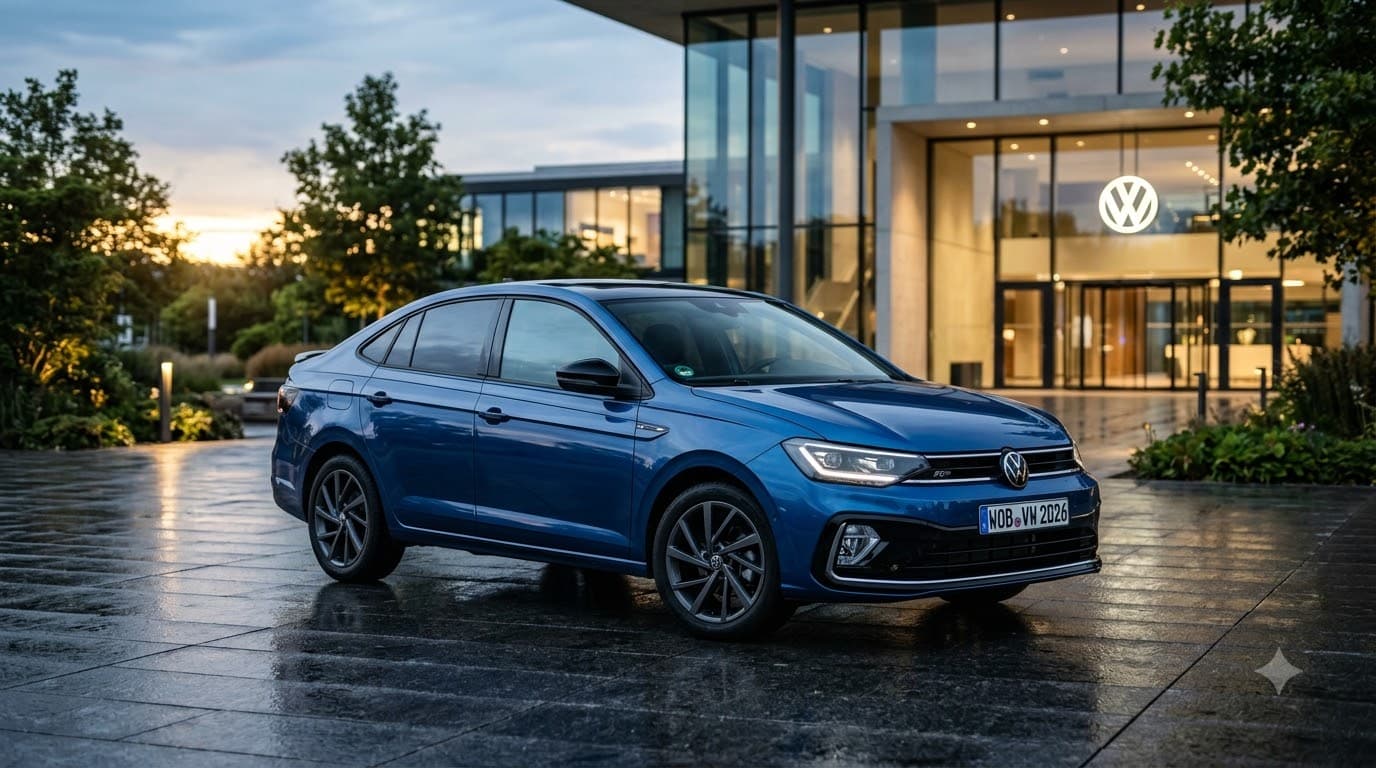
- Pothole-Conquering 179mm Ground Clearance: Modern sedans built on localized architectures (such as the Volkswagen Virtus and Skoda Slavia) offer 179mm of unladen ground clearance, matching compact SUVs and completely eliminating speed breaker scrapes.
- Pure Driving Ergonomics: A low-slung, feet-forward driving posture with direct steering feedback connects the driver directly to the tarmac in a way no high-riding crossover can replicate.
What to Consider Before Buying a Sedan
- Low Seating Ingress/Egress: Sedans sit lower to the ground than SUVs, which requires slightly deeper knee bends when getting in and out—an important consideration for elderly grandparents.
- Waterlogging Vulnerability: While 179mm clearance handles broken roads with ease, sedans have lower air intake snorkel placements than dedicated 4x4s, requiring extreme caution during severe monsoon street flooding.
- Narrower Rear Middle Perch: High-speed rear-wheel drive or MQB-platform sedans often feature a pronounced central exhaust/driveshaft floor tunnel, making the middle rear seat better suited for children than broad-shouldered adults.
- Rear Windshield Visibility in Hatchback Sedans: Aerodynamic fastback rakes on modern sedans make a high-definition reversing camera and parking sensors indispensable when maneuvering in tight basements.
1. The Physics of Driving: Center of Gravity, Aerodynamics & Zero Lateral Head-Toss
The core advantage of any sedan boils down to elementary Newtonian physics. Because the engine, transmission, and passenger mass sit 150mm to 250mm closer to the road than in a comparable SUV, the vehicle's Center of Gravity (CoG) remains exceptionally low. When cornering rapidly on highway cloverleafs or navigating state highway curves, centrifugal force creates minimal body lean.
In practical everyday terms for Indian families, this eliminates lateral head-toss—the violent side-to-side rocking motion that causes motion sickness, dizziness, and fatigue among rear-seat children and elderly passengers in tall, softly-damped SUVs. In cars like the Honda City, Volkswagen Virtus, and Toyota Camry, passengers can read books, work on laptops, or sleep soundly without suffering from highway nausea.
2. Busting the Ground Clearance Myth: 179mm is Sub-Compact SUV Territory
Historically, the single biggest hesitation Indian car buyers voiced about sedans was underbelly scraping over monstrous, unstandardized speed humps and monsoon-ravaged craters. However, modern automotive engineering in India has completely eradicated this weakness.
Built on the localized MQB-A0-IN platform, both the Volkswagen Virtus and Skoda Slavia boast a class-leading unladen ground clearance of 179mm. This figure is identical to or exceeds several sub-4-meter crossovers. Combined with stiffly progressive multi-link suspension damping, these sedans maintain their ride height even when packed with five adults and 100 kg of trunk luggage, gliding over aggressive speed humps without bottoming out.
3. Powertrain Spectrum: High-Revving VTEC, Explosive Direct-Injection Turbos & 25+ kmpl Hybrids
The sedan landscape in India offers the richest engineering diversity across powertrains:
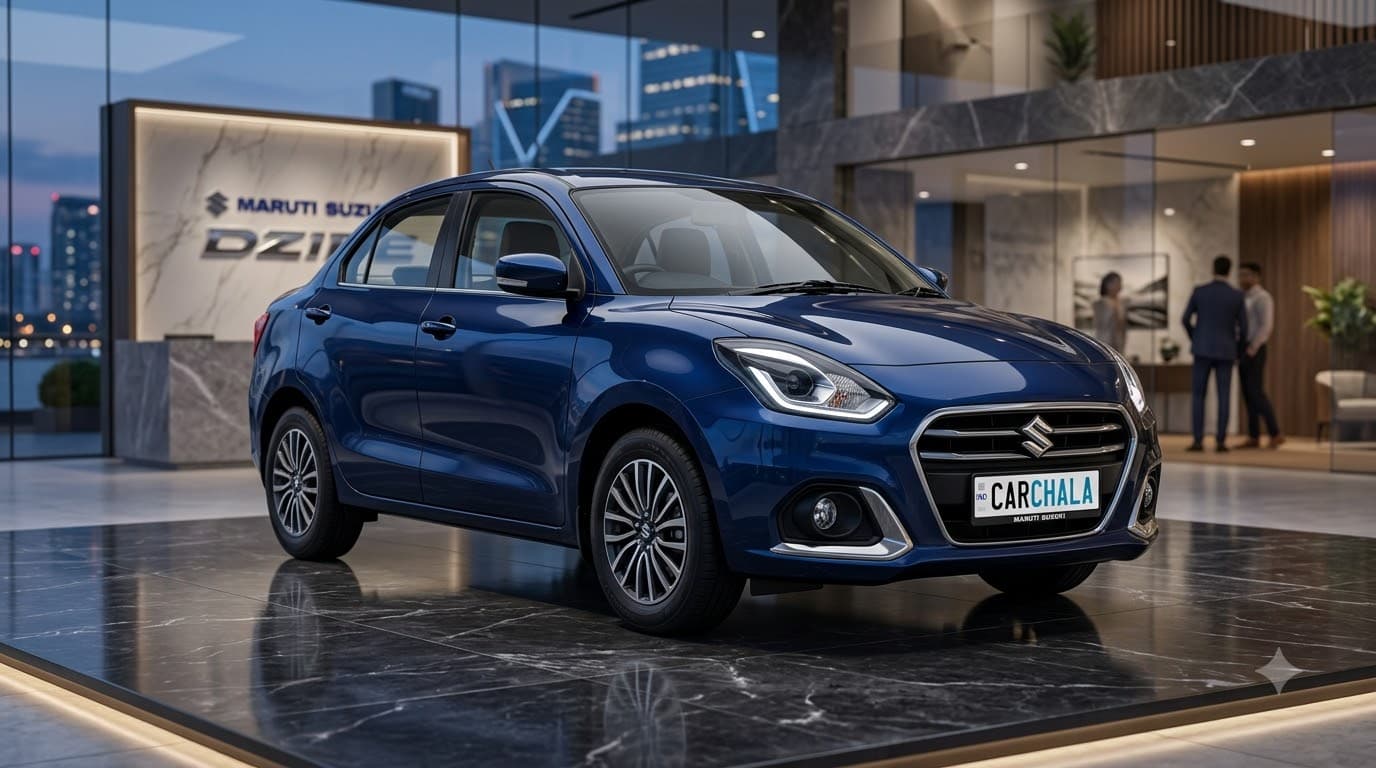
- Naturally Aspirated Petrols: The iconic Honda 1.5L i-VTEC (121 PS) and Maruti 1.2L Z-Series (82 PS) deliver linear, predictable power delivery, silky idling smoothness, and virtually indestructible mechanical longevity exceeding 200,000 km.
- Direct-Injection Turbo-Petrols: The Volkswagen Group's 1.5L TSI EVO (150 PS / 250 Nm) and Hyundai's 1.5L Turbo GDi (160 PS / 253 Nm) deliver explosive mid-range overtaking thrust, rocketing from 0 to 100 km/h in just 8 to 9 seconds while utilizing Active Cylinder Deactivation (ACT) to cruise on 2 cylinders on expressways.
- Self-Charging Strong Hybrids: Pioneered by the Toyota Camry (218 PS) and Honda City e:HEV, these advanced powertrains combine Atkinson-cycle petrol engines with high-torque electric drive motors to operate in 100% silent EV mode during urban crawls, returning upwards of 19 to 27 kmpl in heavy stop-and-go traffic.
4. Boot Space Architecture: The 520+ Liter Isolated Trunk Advantage
While compact SUVs advertise large cargo capacities on paper, their volume is measured vertically up to the roofliner, which creates dangerous blind spots in the rear-view mirror and turns loose luggage into hazardous projectiles during emergency braking. Sedans, by contrast, feature a wide, deep, and completely sealed 520+ liter trunk.
An isolated boot keeps noisy rolling suitcases, road grime, and pungent food odors entirely out of the passenger compartment. Crucially for highway road-trippers, it keeps valuable luggage, laptops, and camera gear completely concealed from prying eyes during highway restaurant halts.
5. Sedan vs SUV Ownership Economics: Real-World Mileage & Maintenance
Because sedans carry significantly lower aerodynamic drag (Cd ~0.27 vs 0.36+ for boxy SUVs) and lower overall curb weights, their operating economics are substantially superior:
| Parameter | Sedan (e.g. Virtus / City) | Compact SUV (e.g. Taigun / Creta) |
|---|
| Center of Gravity | Low (Superior Cornering & Balance) | High (Noticeable Body Roll) |
| Rear Passenger Motion Sickness | Near Zero (Smooth Plane Motion) | Moderate to High (Lateral Head-Toss) |
| Highway Fuel Economy | 16 - 20 kmpl (Low Aero Drag) | 13 - 16 kmpl (Wind Resistance Drag) |
| Tire Longevity | 50,000 - 60,000 km | 35,000 - 45,000 km (Heavier Mass) |
| Luggage Security | 100% Sealed & Hidden Trunk | Exposed Parcel Shelf / Cabin Open |
| Ground Clearance | 170mm - 179mm (Speed-Bump Safe) | 185mm - 205mm (Rough Terrain) |
6. Essential Insurance Add-Ons for Sedan Owners in India
To ensure total financial peace of mind against Indian monsoon roads and urban traffic hazards, always mandate these four insurance add-ons when purchasing your sedan:
- Zero Depreciation (Bumper-to-Bumper): Sedans sit lower, making their painted front bumpers and ADAS radar housings more susceptible to minor scrapes. Zero Dep guarantees 100% claim settlement for metal, fibre, and plastic parts without depreciation cuts.
- Engine & Gearbox Protection (Hydrostatic Lock Cover): Standard comprehensive policies strictly reject claims if your engine ingests water during urban monsoon street waterlogging. This add-on covers full engine rebuilds costing ₹2.0 to ₹5.0 Lakh.
- Return to Invoice (RTI): In the unfortunate event of vehicle theft or a total-loss accident, RTI pays out the full original ex-showroom price, road tax, and registration charges paid at purchase.
- Consumables Cover: Covers the cost of expensive engine oils, AC refrigerant, brake fluids, nuts, and bolts consumed during insurance repairs.